
The Karachi wholesale market strike brought commercial activity to a standstill on Wednesday, disrupting the supply of essential commodities across Pakistan after traders shut down the city’s major wholesale markets in protest against what they described as unfair enforcement actions by the local administration.
The strike, organized by the Karachi Wholesale Grocers Association, forced the closure of key wholesale trading hubs, suspending the movement of food grains and other essential goods from Karachi to various parts of the country and raising concerns over potential supply chain disruptions if the dispute continues.
Major Wholesale Markets Remain Shut
According to Karachi Wholesale Grocers Association Chairman Abdul Rauf Ibrahim, wholesale markets in Korangi, Landhi, and Liaquatabad joined the strike alongside Karachi’s central wholesale market.
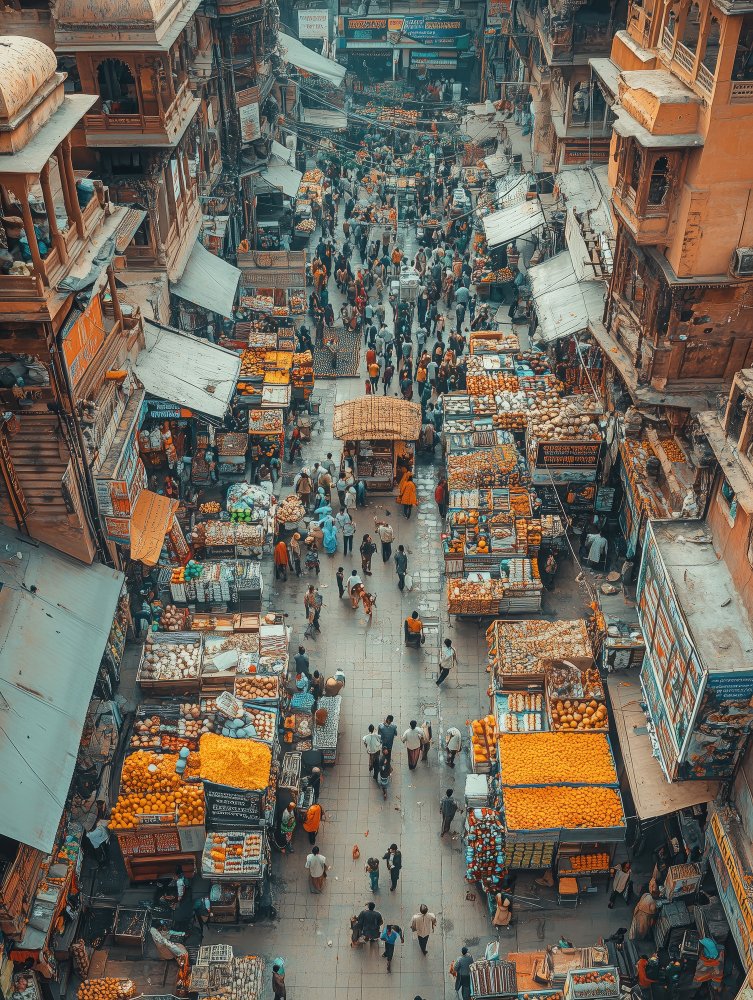
Major commercial centers, including Jodia Bazaar, Dandia Bazaar, and Lea Market, remained closed throughout the day, with traders locking shops and warehouses while displaying protest banners across the markets.
Traders also established a protest camp to press their demands and draw attention to what they described as unjust treatment by the city administration.
Traders Protest Fines and Shop Sealing
Abdul Rauf Ibrahim alleged that authorities had imposed fines worth millions of rupees on wholesale traders and sealed dozens of businesses as part of what he termed arbitrary enforcement measures.
According to him, these actions have created uncertainty among traders, disrupted normal business operations, and negatively affected commercial activity in Karachi’s wholesale sector.
He urged the government to reconsider its approach and engage with trader representatives to resolve the dispute.
Traders Question Action Against Wholesale Sector
The association also questioned why flour mill owners were not facing similar enforcement despite allegations of selling flour at inflated prices.
Ibrahim argued that if the government is serious about addressing the flour pricing and supply situation, it should take action against all stakeholders rather than focusing solely on wholesale traders.
He maintained that the strike was a response to what traders believe is discriminatory treatment by the local administration.
Commodity Transportation Comes to a Halt
The strike also brought the transportation of essential commodities to a standstill.
With wholesale markets closed, trucks carrying food grains and other goods were unable to depart from Karachi for destinations across Pakistan.
The disruption has raised concerns about possible shortages and delays in supply if the standoff between traders and authorities continues beyond the planned protest period.
Karachi serves as Pakistan’s largest commercial hub, making uninterrupted wholesale market operations critical for maintaining nationwide supply chains.
Traders Seek Dialogue with Administration
According to the traders’ association, repeated attempts to engage with the city administration have not produced meaningful results.
Abdul Rauf Ibrahim claimed that the Commissioner Karachi had declined to meet representatives of the wholesale trade sector, further increasing tensions between traders and government authorities.
The association called on the administration to initiate dialogue and address the concerns of wholesalers through consultation rather than punitive measures.
Daily Wage Workers Also Affected
The one-day shutdown also impacted hundreds of daily wage workers who depend on Karachi’s wholesale markets for employment.
With trading activity suspended and goods transportation halted, many laborers were left without work and income for the day.
Traders warned that while the current strike was planned as a one-day protest, further demonstrations could follow if the government fails to address their grievances.
Government Response Awaited
The protest underscores growing tensions between Karachi’s wholesale trading community and the local administration over market regulation, penalties, and enforcement practices.
Market participants are now awaiting the government’s response, hoping for negotiations that can restore normal business operations and ensure the uninterrupted movement of essential commodities across Pakistan.