
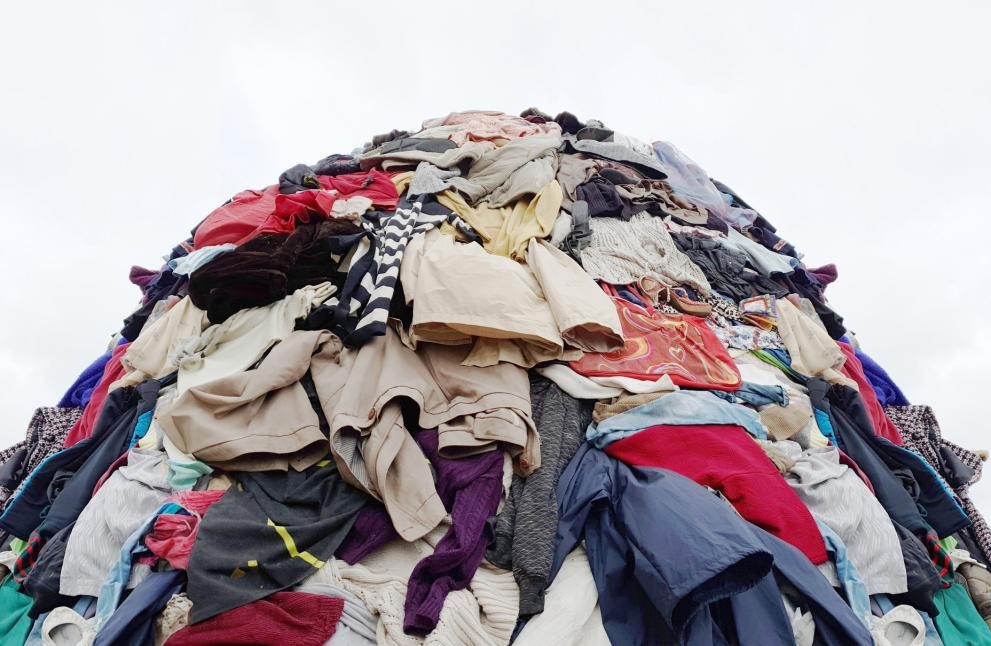
The European Union is set to implement new rules banning the destruction of unsold apparel, clothing accessories, and footwear as part of the Ecodesign for Sustainable Products Regulation (ESPR), marking a major step toward reducing textile waste and promoting a circular economy.
The new regulations will come into effect on 19 July for large companies, while medium-sized businesses will be required to comply from July 2030. By encouraging reuse, recycling, and more sustainable resource management, the rules aim to reduce environmental damage, improve product circularity, and create a level playing field for businesses operating across the European Union.
ESPR Targets Textile Waste and Fast Fashion
According to the European Union, an estimated 4% to 9% of unsold textiles in Europe are destroyed every year before ever being worn. This practice generates approximately 5.6 million tonnes of carbon dioxide (CO₂) emissions annually.
The Ecodesign for Sustainable Products Regulation (ESPR), which entered into force in July 2024, seeks to improve the sustainability of products sold in the EU by enhancing their durability, recyclability, energy performance, and overall circularity.
The ban on destroying unsold textiles represents one of the first major measures introduced under the regulation and responds to growing consumer concerns about the environmental and social impacts of fast fashion.
Companies Required to Prioritize Reuse
Under the new rules, companies will be expected to keep products in circulation rather than dispose of them.
Businesses will be required to prioritize selling unsold goods, donating them to charities or social enterprises, or preparing products for reuse before considering disposal.
The regulation also requires companies to disclose information about unsold consumer products that are discarded as waste, improving transparency while minimizing additional administrative burdens.
Limited Exceptions to the Ban
The European Commission has clarified that the destruction of unsold clothing and footwear will only be permitted under specific circumstances.
In February 2026, the Commission adopted implementing measures outlining the limited situations in which destruction may be allowed, including cases involving product safety concerns or items that have been damaged.
Any disposal that is permitted must comply with the EU’s waste treatment hierarchy, ensuring that destruction remains a last resort.
Circular Economy Push Gains Momentum
The new ESPR requirements are expected to accelerate the transition toward a more sustainable and circular textile industry across Europe.
By reducing unnecessary waste and encouraging reuse, recycling, and responsible product management, the regulation aims to lower greenhouse gas emissions, conserve resources, and promote more sustainable business practices throughout the textile and footwear sectors.