Pakistan

El Nino and Dry Weather Threaten Asia's Food Supply as Crop Prices Surge
Pakistan

El Nino and Dry Weather Threaten Asia’s Food Supply as Crop Prices Surge

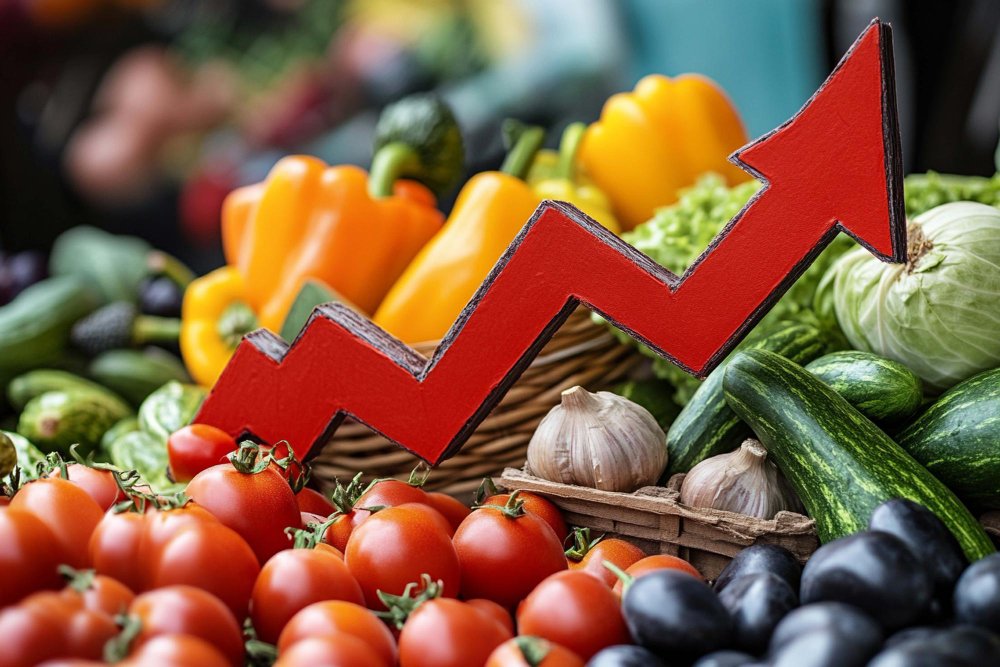
Dry weather is disrupting crop planting across Asia and raising serious concerns about regional food supplies. Farmers from India to Indonesia are reducing planting as hot temperatures and below-normal rainfall damage crops. Analysts and traders warn the situation could worsen significantly in the months ahead. El Nino Set to Deliver a Second Blow One of the strongest El Niño patterns on record is expected to develop in the second half of 2026. The weather phenomenon brings hot and dry conditions to Asia while triggering excessive rainfall in the Americas. Climate change is making the impact of El Nino even more severe. Farmers are already struggling with fertiliser and diesel shortages caused by the Iran war, and El Nino-driven dryness adds another layer of pressure. Expert Warns Early Signs Are Already Visible US-based meteorologist Chris Hyde of satellite firm SkyFi said El Nino’s global impact begins in Southeast Asia, India, and Australia before spreading to the Americas. Hyde confirmed that high-resolution satellite imagery already shows early signs of drought across parts of Asia. He warned of wider downstream consequences for North and South America as conditions develop. India’s Monsoon Forecast Cut Again India’s meteorological department recently reduced its forecast for the four-month monsoon season. The monsoon delivers around 70% of India’s annual rainfall. A New Delhi-based dealer at a global trade house said temperatures are well above normal and conditions are unfavourable for timely sowing of summer crops. He warned of possible below-normal rainfall and prolonged dry spells even after the monsoon arrives. India grows rice, soybeans, pulses, sugarcane, and corn during the summer season. Southeast Asia Farmers Fear Crop Losses Dryness is reducing rice and palm oil yields across Southeast Asia. Nerawat Oramah, a 47-year-old farmer in Thailand’s Chainat province, said everyone is worried about drought. He said he may only get one harvest instead of two this season. Thailand and the Philippines plant their main rice crops in June and July. Vietnam and Indonesia are currently sowing their second-season crops. Indonesia’s Java island and parts of northern Sumatra, south Kalimantan, and Sulawesi have seen no rain for more than 10 days. Food Prices Rise Sharply Wheat prices have risen around 20% since the start of 2026, driven largely by drought concerns in key US growing regions. Rice prices at major Southeast Asian export hubs have climbed around 15% over the past month. A Singapore-based trader said rice prices are rising sharply despite no major shortage yet. He warned that India, which controls 40% of global rice exports, may introduce export restrictions if early monsoon conditions disappoint. India currently holds stockpiles several times larger than its domestic needs. Fertiliser Shortage Could Cut Rice Output by 20% KKP Research, a unit of Thailand’s Kiatnakin Phatra Bank, said strong reservoir levels could cushion some of the drought’s impact. However, the bank expressed greater concern about fertiliser supply. It estimated that a fertiliser shortage could reduce rice production by up to 15 to 20% in the worst case. Australia Faces El Nino Risk After Late Sowing Recent rains over dry Australian farmland triggered late wheat sowing, but growers remain cautious about El Nino. Australia’s Bureau of Meteorology predicts cropping areas in New South Wales and Queensland will receive 20 to 40 millimetres less rain than usual over the next three months. Farmer John Lowe near Burcher in central New South Wales said his total cropping area remains around 30% smaller than it could have been. Americas and China Face Different Outlook El Nino is expected to bring more rainfall to the Americas and remain largely neutral for China and the Black Sea region. Agricultural meteorologist Drew Lerner of World Weather Inc said there is little statistical correlation between El Nino and US summer weather. He noted that some El Nino years bring slightly more moisture to the US but not necessarily above-normal rainfall.

Sukkhan Police Arrest 7 Including Groom After Aerial Firing at Wedding
Pakistan

Sukkhan Police Arrest 7 Including Groom After Aerial Firing at Wedding

Sukkhan Police arrested seven people, including the groom, for aerial firing at a wedding ceremony in Karachi on June 3, 2026. The suspects fled the scene after opening fire but police caught all of them from Bhains Colony within Sukkhan Police Station limits. The SHO Sukkhan led the operation personally with his police team. Police identified all seven suspects by name. The arrested individuals are Gul Hassan (groom), Shahzaib, Shahryar, Zohaib, Aamir, Azeem, and Shoaib. All seven face charges under case FIR No. 326/2026. Investigation is now formally underway. Suspects Resisted Police and Tried to Escape When police moved in to stop the aerial firing, the suspects resisted and attempted to flee. Sukkhan Police responded swiftly and overpowered all seven on the spot. Officers did not allow any suspect to escape despite active resistance. The timely operation prevented any further threat to public safety. Weapons and Ammunition Recovered Police recovered a pistol, fired bullet casings, and live ammunition from the suspects. These items were used during the aerial firing at the wedding event. The recovered weapons now form part of the evidence in the registered case. Further forensic examination is in progress. Aerial Firing Endangered Lives of Citizens The suspects fired in the air at a public wedding ceremony, putting citizens at serious risk. Aerial firing is a dangerous and potentially lethal offence under Pakistani law. Stray bullets from such incidents cause deaths and injuries every year across the country. Police described the act as a grave threat to human life. Zero Tolerance Policy Against Aerial Firing District Malir Police reaffirmed a strict zero-tolerance policy against aerial firing. Authorities warned that police will take action against all such offenders without discrimination. The law will apply equally regardless of the occasion, including weddings and celebrations. Police urged citizens to report aerial firing incidents immediately.

NADRA Resolves Over 91% of Citizen Complaints in 15 Days
Pakistan

NADRA Resolves Over 91% of Citizen Complaints in 15 Days

NADRA’s complaint management system is working at speed. The authority resolves citizen complaints in an average of 72 hours. The system handles thousands of cases every month across Pakistan. Strong Performance in May NADRA recorded strong numbers between May 16 and May 31, 2025. Citizens submitted 36,962 complaints during this 15-day window. Staff processed and closed 33,779 of those cases within the same period. That means NADRA cleared 91.39% of all complaints in just two weeks. The remaining 3,183 complaints are still under active review. How the System Works NADRA runs a structured complaint intake process. Citizens submit their issues through official channels. The system logs each complaint and assigns it to the relevant department. Teams then investigate and respond within the 72-hour target. The authority tracks every case until it reaches final resolution. Why This Matters for Citizens Millions of Pakistanis depend on NADRA for identity documents, CNICs, and birth certificates. Delays in resolving complaints can block access to essential services. A 91% resolution rate in 15 days shows the system is performing well. Fast turnaround reduces frustration and builds public trust in the authority. Room for Improvement Over 3,000 complaints are still pending. NADRA must clear these cases quickly to maintain its performance record. The authority should also publish monthly data to keep citizens informed. Transparency will strengthen confidence in the complaint system. What Citizens Can Do Citizens can file complaints directly through NADRA’s official website or helpline. They should keep their complaint reference number for follow-up. If a case exceeds 72 hours, citizens can escalate through NADRA’s feedback portal. The authority encourages all unresolved issues to be reported promptly.

Hot and Dry Weather to Grip Most of Sindh Today
Pakistan

Hot and Dry Weather to Grip Most of Sindh Today

The Pakistan Meteorological Department (PMD) has forecast hot to very hot and dry weather across most parts of Sindh on June 4, 2026. Citizens should expect intense heat throughout the day with little relief. Only isolated areas in Mirpurkhas and Sanghar districts may see some duststorm, thunderstorm, or light rain activity. Karachi expects a maximum temperature between 35 and 37°C today with westerly to south-westerly winds. Humidity levels will remain relatively high at 55 to 65 percent, making the heat feel more uncomfortable. Hyderabad will experience hotter conditions with temperatures ranging from 41 to 43°C. Humidity will stay between 35 and 45 percent with westerly to south-westerly winds blowing through the city. Sukkur faces temperatures between 37 and 39°C today. Humidity levels will range from 40 to 50 percent under similar wind conditions. Mithi recorded the highest forecast temperature range of 42 to 44°C. Humidity will remain lowest in Mithi at 30 to 40 percent, though the extreme heat poses serious health risks. Yesterday’s Record Highs Reveal Severity of Heatwave Wednesday’s temperature readings confirm the ongoing heatwave gripping the province. Hyderabad recorded the highest temperature at 45°C yesterday. Jacobabad and Khairpur both reached 44°C. Sukkur hit 43°C while Rohri and Larkana recorded 42°C each. Mohenjodaro also touched 41°C on Wednesday. Health Warning for Citizens Authorities urge citizens to avoid going outdoors during peak afternoon hours. Residents should drink plenty of water and stay in shaded or air-conditioned spaces. The elderly, children, and outdoor workers face the highest risk during such extreme heat conditions. Citizens in Mirpurkhas and Sanghar should also stay alert for sudden duststorm or thunderstorm activity.

LUMS Commemorates 75 Years of Pakistan-China Diplomatic Relations
Pakistan

LUMS Commemorates 75 Years of Pakistan-China Diplomatic Relations

LAHORE: Marking the 75th anniversary of diplomatic relations between Pakistan and the People’s Republic of China, the Parvez Hassan Centre for Chinese Legal Studies at the Shaikh Ahmad Hassan School of Law (SAHSOL), Lahore University of Management Sciences (LUMS), convened a high-profile commemorative gathering highlighting the enduring strength and evolving nature of Pakistan-China relations. The event brought together distinguished members of academia, the legal fraternity, business and industry leaders, policymakers, and representatives of the Chinese community in Pakistan. The gathering underscored the depth and resilience of the Pakistan-China partnership, which has grown over decades into a comprehensive relationship anchored in strategic cooperation, shared regional interests, and enduring people-to-people ties. At a time of significant global transition, the event emphasised the importance of sustained diplomatic engagement and the role of academic institutions in fostering informed dialogue, legal understanding, and cross-border collaboration. The occasion was graced by the Consul General of the People’s Republic of China in Lahore, His Excellency Sun Yan, whose presence reaffirmed the continued importance of Pakistan-China diplomatic relations and their expansion into academic, cultural, and institutional spheres. Reinforcing the spirit of bilateral cooperation, scholarships supported by the Consulate General of the People’s Republic of China in Lahore were awarded to students at the Law School in recognition of their academic excellence, Laiba Abid, Class of 2027, and Jalal Tarar, Class of 2027. The scholarships reflect a shared commitment to education, capacity-building, and the development of future legal scholars as part of long-term engagement between the two countries. Speaking on the occasion, Consul General His Excellency Sun Yan reflected on the evolving scope of Pakistan-China cooperation as CPEC enters its 2.0 upgraded phase, emphasising continued collaboration in economic growth, technological innovation, green development, regional connectivity, and academic exchanges as part of the next chapter of bilateral engagement between the two countries. Discussions at the gathering reflected the long-term trajectory of Pakistan-China relations, highlighting continued expansion of cooperation across multiple sectors, while also emphasising the role of academic institutions in supporting sustained dialogue and strengthening institutional linkages throughout the proceedings. Founder of the Centre, Mr. Parvez Hassan, emphasised the importance of institutional capacity-building in the future of Pakistan-China relations, observing that while infrastructure projects may create roads, ports, and economic corridors, it is ultimately institutions, scholarship, mutual understanding, and the ability of societies to learn from one another that sustain durable partnerships between nations. The event was attended by Mr. Shahid Hussain, Rector, LUMS; Dr. Tariq Mahmood Jadoon, Provost, LUMS; Dr. Sadaf Aziz, Dean, Shaikh Ahmad Hassan School of Law (SAHSOL), LUMS; Mr. Li Zhi Jian, Chief Operation Official at Speedaf; Mr. Tan Zidong, CEO of NORINCO International Cooperation Ltd.; Mr. Chen Qian Jiang, President of Chinese Business Council & CEO of Zhung Lan Trading Company Private Limited; Mr. Max Ma, Founder & CEO of UNI Services International Private Limited; Dr. Saeed Shafqat, Professor Emeritus & Founding Director, Centre for Public Policy and Governance (CPPG), Forman Christian College; Ambassador (Retd) Shahid Malik, Former High Commissioner of Pakistan to India & Canada; Mr. Rana Sajjad, Founder of Center for International Investment and Commercial Arbitration (CIICA); Mr. Salman Hanif Rajput, Partner at AHM & Co; Mr. Ali Eeman, Regional Head – China Coverage Central at HBL, among others. The gathering concluded by highlighting the importance of sustained academic engagement in strengthening Pakistan-China relations, with LUMS continuing to serve as a platform for dialogue, collaboration, and the exchange of ideas that support long-term institutional and cross-cultural linkages between the two countries.

Top Saudi backed Fitness Brand - TriFit Expands to Islamabad with a New Wellness Facility
Pakistan

Top Saudi backed Fitness Brand – TriFit Expands to Islamabad with a New Wellness Facility

Karachi, June 3, 2026: TriFit, a Saudi backed fitness brand, has expanded its footprint beyond Karachi with the launch of TriFit Plus in Islamabad. Read More: https://theboardroompk.com/pakistans-pine-nut-chilgoza-exports-to-china-nearly-double-in-two-years/ TriFit presently operates six clubs that offer fitness regimes in its world class facilities, and highly qualified trainers, and is planning to open 8 more facilities nationwide. The excellence and standards maintained at the outlets has positively contributed to preventive healthcare, fitness, and personal wellbeing, particularly among Pakistan’s urban population. The exciting launch event was attended by industry leaders, media personalities, fitness enthusiasts, social media influencers, students, and members of the business community. Prominent among the guests were former Judge of the Supreme Court of Pakistan, Justice (R) Athar Minallah; Senator Sarmad Ali, President of the All Pakistan Newspapers Society (APNS); renowned television actress Laila Zuberi; senior journalist and anchorperson Fahd Hussain; and President of the Rawalpindi Chamber of Commerce and Industry, Usman Shaukat. Other notable attendees included Maj. Gen. Najam-us-Saqib, Commodore Nasir Mehmood, TriFit Board Members Shafqat Khan and Zafarullah Khan representing Saudi investors, renowned businessmen Zia Ansari, Jamal Ansari, Amer Hashmi and Nadeem Ansari, as well as Zia-ul-Rasheed, Director General, President House. They were joined by a distinguished gathering of corporate executives, media professionals, and prominent personalities from various walks of life at the launch of TriFit Islamabad. The Islamabad facility – TriFit Plus – represents the brand’s maiden presence in the federal capital and reflects its commitment to making modern fitness and wellness services more accessible. Speaking at the occasion, Ahmar Azam, Founder & CEO of TriFit, said the expansion aligns with the company’s vision of building healthier communities and encouraging long-term wellness through structured fitness programs and modern facilities: “Mental wellbeing is one of the top challenges facing young people today. The pressures of a fast-paced, constantly evolving world can often take a toll on emotional and psychological health. Regular physical activity is not only one of the most effective ways to manage stress, but also a powerful tool for building resilience, confidence, and a positive mindset. I hope this initiative encourages more people to embrace fitness as a lifestyle choice and recognize the profound impact it can have on both mental and physical wellbeing.” TriFit Plus has been designed as a comprehensive fitness and premium wellness destination, offering modern training equipment, group exercise programs, recovery facilities, wellness services, and dedicated workout spaces for men and women.

FBR Immediately Pay Billions in Refunds to Ghee and Oil Industry, Sheikh Umer Rehan
Pakistan

FBR Immediately Pay Billions in Refunds to Ghee and Oil Industry, Sheikh Umer Rehan

Long-Pending Refunds Must Be Cleared, Proposed in Budget to Increase Input Tax Adjustment Under Sales Tax Section 8B from 90% to 95%, PVMA Chairman Karachi: Chairman of the Pakistan Vanaspati Manufacturers Association (PVMA), Sheikh Umer Rehan, has strongly urged the federal government and the Federal Board of Revenue (FBR) to immediately release billions of rupees in long-pending sales tax refunds owed to the ghee and edible oil industry. He warned that the continued delay in refund payments has created a severe financial and liquidity crisis for the sector, making it increasingly difficult for manufacturers to manage routine business operations and maintain imports of essential raw materials. Sheikh Umer Rehan stated that billions of rupees in refunds due to the ghee and oil industry under Section 8-B of the Sales Tax Act remain outstanding with the FBR. He said these payments have been pending for an extended period, and the government’s failure to release the funds is placing significant pressure on manufacturers. He emphasized that the refunds represent the industry’s own money, already deposited with the government in the form of taxes. Therefore, he said, the government should ensure their immediate disbursement to support industrial activity and keep the economic wheel moving. Referring to the upcoming federal budget, the PVMA chairman proposed increasing the input tax adjustment limit under Section 8B of the Sales Tax Act from 90 to 95 percent. He called on the government and the Ministry of Finance to formally incorporate the proposal into the budget and ensure its prompt implementation to support the industry’s sustainability and improve the ease of doing business. Sheikh Umer Rehan further noted that the ghee and edible oil industry plays a crucial role in Pakistan’s food security and employment generation. He cautioned that failure to address the industry’s concerns, including the immediate release of refunds and relaxation of tax regulations, would increase production costs, which would not be in the interest of either the economy or the industry. He expressed hope that the Prime Minister and the Finance Minister would take immediate notice of the issue and direct the FBR to expedite the payment of all outstanding refunds.

New Business Closing Timings Announced as Govt Revives Energy Conservation Measures
Pakistan

New Business Closing Timings Announced as Govt Revives Energy Conservation Measures

The federal government has officially notified new business closing timings across the country as part of its fuel conservation and austerity measures aimed at reducing energy consumption. Under the revised schedule, shops, markets, shopping malls, and general retail outlets will be required to close at 9pm. Restaurants, cafes, and other eateries will be allowed to continue operations until 11pm. The new timings were announced through an official notification issued on Wednesday and have been communicated to provincial governments for implementation. Decision Taken at High-Level Meeting The decision was made during a meeting of the Committee for Monitoring and Implementation of Austerity Measures. Deputy Prime Minister and Foreign Minister Ishaq Dar chaired the meeting on Tuesday. The committee reviewed ongoing energy conservation efforts and discussed measures to curb fuel consumption amid economic challenges. Following the meeting, authorities finalized the revised operating hours for commercial activities across the country. The government believes the restrictions will help reduce electricity and fuel consumption while supporting broader fiscal discipline measures. Takeaway and Delivery Services Exempt While the government has imposed new restrictions on physical business operations, several services will remain exempt. According to the notification, takeaway and delivery services will continue without any time restrictions. Restaurants and food outlets can therefore continue serving customers through delivery channels even after the specified closing hours. Officials say the exemption aims to balance energy conservation goals with business continuity and consumer convenience. Marriage Halls to Continue Existing Schedule The notification clarified that marriage halls and event venues will continue to follow their current operating schedule. These facilities will close at 10pm, and no further changes have been introduced for the wedding industry. The government has maintained the existing timings to ensure consistency in event management and enforcement. Essential Services Excluded from Restrictions Several sectors have been exempted from the revised regulations due to their critical role in daily life. Pharmacies, hospitals, fuel stations, and emergency medical services will continue to operate without restrictions. The government has also exempted information technology and telecommunications services from the new closing-hour requirements. Officials stressed that essential public services must remain fully operational regardless of energy conservation measures. Provinces Asked to Ensure Implementation The federal government has directed provincial administrations to coordinate with relevant authorities and ensure effective enforcement of the revised timings. The committee instructed provincial governments to implement the measures uniformly and monitor compliance in their respective jurisdictions. However, uncertainty remains regarding how quickly provinces will formally notify the new timings. As of Wednesday, provincial governments had not yet issued separate notifications outlining their implementation plans. Restrictions Originally Introduced Amid Fuel Price Surge The latest announcement marks the return of business-hour restrictions that were first introduced in April. At that time, federal and provincial governments imposed operating-hour limits as part of a nationwide energy conservation campaign. The move came after domestic fuel prices increased sharply following geopolitical tensions in the Middle East, which affected global energy markets. Authorities argued that reducing commercial operating hours would help lower electricity consumption and fuel demand across the country. The restrictions became a central component of the government’s broader austerity strategy. Eid Relaxation Had Temporarily Ended Restrictions The government temporarily eased the restrictions ahead of Eid ul Adha to facilitate shopping activity and support businesses during the festive season. Prime Minister Shehbaz Sharif approved a nationwide exemption from business closing-hour restrictions until May 31. The decision allowed commercial centers, shopping markets, and businesses to operate without mandatory closing times during the holiday period. The relaxation was welcomed by traders and business owners who had expressed concerns about the impact of earlier restrictions on commercial activity. Provinces Previously Lifted Operating-Hour Limits Several provincial governments had also relaxed business-hour restrictions before Eid. In Punjab, authorities suspended the mandatory 8pm market closure requirement and extended operating hours until June 1. The Sindh government announced a similar exemption on May 16. It removed fixed closing hours for markets, shopping malls, restaurants, hotels, and marriage halls. Meanwhile, the governments of Khyber Pakhtunkhwa and Balochistan also lifted restrictions on business operations, effectively ending the energy-saving measures in their provinces. Traders and Businesses Await Provincial Notifications With the federal government once again introducing operating-hour limits, traders and business owners are now waiting for detailed provincial notifications. Business associations are expected to closely monitor implementation plans and assess the impact on commercial activity. The government maintains that the measures are necessary to conserve energy and reduce fuel consumption during a period of economic pressure. Whether provinces adopt the revised schedule immediately remains to be seen, but the announcement signals a renewed focus on austerity and energy-saving efforts across Pakistan.

Oil Prices Climb for Third Day as Gulf Tensions Escalate and Dollar Nears Key Yen Milestone
Pakistan

Oil Prices Climb for Third Day as Gulf Tensions Escalate and Dollar Nears Key Yen Milestone

Oil prices climbed for a third straight session on Wednesday as renewed hostilities in the Gulf heightened concerns over global energy supplies. US crude futures rose nearly 2 percent to reach $95.40 per barrel after peace talks between the United States and Iran stalled, raising fears of further disruptions in one of the world’s most important oil-producing regions. The latest increase reflects growing market anxiety over the security of oil shipments through the Strait of Hormuz, a critical maritime route for global energy trade. US-Iran Conflict Raises Supply Concerns Market sentiment turned cautious after fresh military exchanges between Washington and Tehran. According to the US Central Command, Iran launched missiles toward Kuwait and Bahrain. The attacks were reportedly intercepted or failed to reach their targets. In response, US forces struck Iran’s Qeshm Island, located near the Strait of Hormuz. Meanwhile, Iran’s Revolutionary Guards claimed responsibility for attacks targeting the headquarters of the US Fifth Fleet. The escalation came only days after both countries signaled progress toward a potential agreement aimed at ending hostilities. However, the absence of a formal deal has revived concerns that tensions could continue to threaten regional stability and global energy supplies. Strait of Hormuz Remains Under Pressure Analysts say the Strait of Hormuz remains a major source of concern for oil markets. ANZ Bank Senior Commodity Strategist Daniel Hynes noted that efforts to fully reopen the waterway face significant challenges. He said Iran has reportedly mined large areas of the strategic passage, making commercial shipping operations difficult. Although some vessels have resumed transit, shipping volumes remain significantly below pre-conflict levels. The Strait of Hormuz handles a substantial portion of the world’s crude oil exports, making any disruption a key driver of oil prices. US Oil Inventories Continue to Fall Adding further support to oil prices, US crude stockpiles declined for a seventh consecutive week. Market sources citing data from the American Petroleum Institute reported that crude inventories fell by 6.8 million barrels during the week ending May 29. The sustained decline in stockpiles suggests strong demand and tighter supply conditions in the world’s largest economy. Investors are now awaiting official inventory figures from the US government for additional market direction. Dollar Approaches 160 Yen Level Currency markets also reacted to the evolving geopolitical situation. The US dollar briefly touched the 160-yen level before retreating slightly as traders became cautious about potential intervention by Japanese authorities. The dollar later traded near 159.86 yen. The 160-yen mark remains a closely watched level because previous moves beyond it have prompted action from Japanese policymakers seeking to stabilize their currency. The euro remained relatively stable at $1.1627. AI Boom Continues to Support Global Stocks Despite rising geopolitical risks, artificial intelligence-related stocks continued to drive gains in equity markets. Stock indexes in Japan and Taiwan reached record highs as investors maintained confidence in AI-driven growth opportunities. Wall Street also recorded modest gains overnight, supported by strong performance in the technology sector. Shares of chipmaker Marvell Technology surged 32.5 percent to a record high after Nvidia Chief Executive Jensen Huang described the company as a potential trillion-dollar business during the Computex technology conference in Taipei. The AI sector has largely remained resilient despite growing uncertainty in global markets. Bitcoin Falls to Two-Month Low Cryptocurrency markets moved sharply lower as investors reduced exposure to riskier assets. Bitcoin dropped nearly 10 percent over three trading sessions and fell to a two-month low of $66,123. Analysts said geopolitical uncertainty and changing interest rate expectations contributed to the decline. The broader cryptocurrency market also experienced significant losses as traders shifted toward safer investments. Investors Reassess Interest Rate Outlook Fresh US economic data added another layer of complexity to financial markets. Job openings in the United States recorded their largest increase in five years during April, signaling continued strength in the labor market. The data reduced expectations that the US Federal Reserve would cut interest rates in the near future. Instead, markets have started pricing in the possibility of rate increases later this year. Analysts believe stronger-than-expected employment data could further support the US dollar and reinforce expectations of tighter monetary policy. Markets Brace for More Volatility Investors are now closely watching upcoming US economic reports, including services sector data and employment figures due later this week. At the same time, developments in the Gulf remain a major source of uncertainty. With oil supplies under pressure, geopolitical tensions rising, and central banks reassessing interest rate paths, financial markets could face continued volatility in the days ahead. The combination of higher oil prices, military tensions, and shifting monetary policy expectations is likely to keep investors on edge as global markets navigate an increasingly uncertain environment.

US Forced Labour Tariffs Could Hit Pakistan as Washington Targets 60 Economies
Pakistan

US Forced Labour Tariffs Could Hit Pakistan as Washington Targets 60 Economies

The United States Trade Representative (USTR) has proposed new tariffs on imports from 60 economies, including Pakistan and India, over what Washington describes as inadequate action against goods produced through forced labour. The proposed duties range from 10% to 12.5% and are part of a broader effort by the Trump administration to reshape its trade policy following recent legal setbacks. According to a government filing, the proposed measures will undergo a public consultation process before any final decision is made. Pakistan Among Countries Facing Proposed Duties The USTR divided the targeted economies into two categories based on its findings. According to the agency, 54 economies failed to impose and effectively enforce bans on imports linked to forced labour. This group includes major trading partners such as China, Vietnam, Taiwan, and the United Kingdom. Another six economies, including Pakistan, Canada, Mexico, Indonesia, Ecuador, and the European Union, were found to have imposed such prohibitions but allegedly failed to enforce them effectively. The inclusion of Pakistan on the list could raise concerns among exporters if the proposed duties move forward. Washington Cites Concerns Over Forced Labour The latest action follows investigations launched by the United States into several trading partners earlier this year. The probes examined whether countries had taken meaningful steps to prevent the import of products made with forced labour and whether such imports affected American businesses and workers. US Trade Representative Jamieson Greer said the findings revealed significant shortcomings among key trading partners. “The failure of our most important trading partners to address the importation of goods made with forced labour is unacceptable,” Greer said in an official statement. He argued that the issue creates unfair competition for American workers and businesses. According to US officials, countries that do not adequately restrict forced labour products gain an economic advantage by allowing lower-cost goods to enter global markets. Tariffs Part of Broader Trade Strategy The proposed duties are part of a wider trade agenda being pursued by the Trump administration. Earlier this year, the US Supreme Court struck down a significant portion of President Donald Trump’s tariff framework, creating legal challenges for several trade measures. In response, US officials launched new investigations under different legal authorities to support the introduction of more durable trade restrictions. Apart from the forced labour investigations, the USTR has also opened inquiries into excess industrial capacity and other trade-related concerns. Analysts view the latest move as an attempt by Washington to rebuild its tariff strategy using findings from targeted investigations. Several Products Could Be Exempt Despite the broad scope of the proposed tariffs, the USTR has outlined several exemptions. Products such as beef, coffee, and certain fruits and nuts would not be subject to the additional duties. Imports from Canada and Mexico that comply with the North American free trade agreement would also remain exempt. In addition, some textile and apparel products are expected to avoid the proposed tariffs. These exemptions suggest that the United States is attempting to balance trade enforcement with the need to avoid major disruptions to supply chains and consumer markets. Potential Impact on Pakistan Pakistan’s exports to the United States include textiles, apparel, leather products, sporting goods, surgical instruments, and other manufactured items. Although the proposed duties have not yet been finalized, exporters will closely monitor developments in Washington. Any increase in tariffs could affect the competitiveness of Pakistani products in one of the country’s most important export destinations. Trade experts say the final impact will depend on the scope of the measures, the products covered, and any exemptions that may apply to Pakistani exports. At this stage, the proposal remains under review and no immediate changes have been announced. Public Consultation Process Begins The USTR has invited stakeholders, businesses, industry groups, and members of the public to submit written comments on the proposal. The deadline for comments is July 6. Following the consultation period, the agency will conduct hearings before making a final determination. The review process could lead to changes in the proposed tariff rates, exemptions, or implementation timeline. Global Trade Partners Watch Closely The proposal has drawn attention from governments and businesses around the world because it affects a large number of economies. If approved, the measures could reshape trade relationships between the United States and several key partners. For Pakistan, the development highlights the growing importance of labour standards and trade compliance in international markets. As the consultation process moves forward, exporters and policymakers will be watching closely to see whether the proposed US forced labour tariffs become a permanent part of Washington’s evolving trade policy.

Scroll to Top