Editor pick

PPL Barite, Lead and Zinc Project Enters Execution Phase with German Consultancy Partnership
Editor pick

PPL Barite, Lead and Zinc Project Enters Execution Phase with German Consultancy Partnership

Pakistan Petroleum Limited (PPL) has taken a major step forward in the development of Pakistan’s mining sector by commencing the execution phase of its Barite, Lead and Zinc (BLZ) Project. The company announced that it has signed a Project Management Consultancy (PMC) contract with Germany-based engineering and consulting firm DMT, marking the beginning of the project’s implementation stage. The development was disclosed through a notification submitted to the Pakistan Stock Exchange (PSX), where PPL is listed under the ticker symbol PPL. The project is expected to strengthen Pakistan’s mineral production capacity, increase exports, and contribute to economic development, particularly in Balochistan, where the mining venture is located. PPL Appoints German Firm DMT as Project Consultant As part of the project’s advancement, PPL has appointed DMT, a globally recognized German engineering and consulting company, to provide Project Management Consultancy services. The appointment reflects PPL’s strategy of incorporating international expertise and best practices into one of Pakistan’s most significant mining ventures. According to the company, DMT will support project planning, management, implementation, and monitoring activities to ensure that the BLZ Project is executed efficiently and according to international standards. By bringing in a globally experienced consultancy firm, PPL aims to improve project execution, optimize operational performance, and ensure compliance with modern mining and environmental practices. Project Builds on Agreement with Government of Balochistan The execution phase follows an earlier amendment to the Operating Agreement originally signed on November 15, 2004, between PPL and the Government of Balochistan for the Barytes Project. Under the revised framework, the project has evolved into a broader Barite, Lead and Zinc initiative through a joint venture arrangement involving the provincial government. The collaboration highlights the importance of public-private partnerships in unlocking Pakistan’s mineral resources and creating long-term economic opportunities in resource-rich regions. Balochistan is home to some of the country’s largest untapped mineral reserves, making it a key area for future mining investment and industrial development. One of Pakistan’s Largest Open-Pit Mining Ventures The BLZ Project is considered one of Pakistan’s most significant large-scale open-pit mining projects. Open-pit mining allows companies to extract minerals from near-surface deposits through large excavated pits. This method is often used when mineral resources are spread over a wide area and can be mined economically from the surface. The scale of the BLZ Project underscores its strategic importance for Pakistan’s mining industry. Once operational, the project is expected to contribute substantially to the domestic supply of barite, lead, and zinc while supporting industrial demand and export growth. Industry experts believe that large-scale mining projects such as this can play a crucial role in diversifying Pakistan’s economy and reducing reliance on traditional export sectors. Importance of Barite, Lead and Zinc The three minerals included in the BLZ Project have significant commercial and industrial value. Barite is widely used in the oil and gas industry, particularly in drilling operations where it serves as a weighting agent in drilling fluids. Demand for barite remains closely linked to energy exploration activities around the world. Lead is used in a variety of industrial applications, including batteries, construction materials, radiation shielding, and manufacturing processes. Zinc is an essential metal used for galvanizing steel, producing alloys, and manufacturing a range of industrial and consumer products. Global demand for zinc continues to grow due to its role in infrastructure development and industrial production. The development of domestic reserves of these minerals could help Pakistan reduce imports, support local industries, and increase export earnings. Economic Benefits for Balochistan The BLZ Project is expected to generate significant economic benefits for Balochistan. Mining projects of this scale typically create employment opportunities during both the construction and operational phases. They also stimulate demand for local services, transportation, logistics, and support industries. In addition to direct economic activity, the project could contribute to infrastructure development in surrounding areas, helping improve connectivity and business opportunities. Government officials and industry stakeholders have long emphasized the need to utilize Balochistan’s vast mineral resources to promote sustainable regional development and create jobs for local communities. The commencement of the execution phase signals tangible progress toward achieving these objectives. Boosting Pakistan’s Mining Sector and Exports Pakistan possesses considerable mineral wealth, but the sector’s contribution to the national economy remains below its potential. Projects such as the BLZ initiative are viewed as important steps toward modernizing the country’s mining industry and attracting greater domestic and foreign investment. By increasing the production of barite, lead, and zinc, the project is expected to strengthen Pakistan’s position in international mineral markets. Higher mineral output could also support export diversification, an area that policymakers have identified as a key priority for improving the country’s balance of trade and foreign exchange earnings. The government’s broader focus on mineral development, including major projects across Balochistan, reflects growing recognition of the sector’s economic potential. Commitment to International Standards PPL stated that the appointment of DMT demonstrates its commitment to technical excellence, efficient project delivery, and adherence to international standards. The company aims to ensure that the BLZ Project is developed responsibly while maximizing operational efficiency and long-term sustainability. With the execution phase now underway, the project moves closer to becoming a major contributor to Pakistan’s mining landscape. As work progresses, industry observers will closely watch the development of the BLZ Project, which has the potential to become a landmark venture for Pakistan’s mineral sector, regional economic growth, and export expansion.

BankIslami Partners with Resecurity to Strengthen Digital Security and Enhance Customer Protection
Editor pick

BankIslami Partners with Resecurity to Strengthen Digital Security and Enhance Customer Protection

Karachi, June 23, 2026: BankIslami, Pakistan’s fastest-growing Islamic banking institution, signed a strategic partnership with Resecurity, a leading US-based cybersecurity and intelligence company, to strengthen digital security as part of its commitment to deliver a safe and Shariah-compliant banking experience for its customers. Read More: https://theboardroompk.com/ogdc-poised-for-strong-recovery-with-baragzai-boost-and-sector-reforms/ Resecurity’s Digital Risk Monitoring (DRM) and Cyber Threat Intelligence (CTI) services will provide BankIslami with real-time visibility into external threats, dark web activity, data exposure risks, and adversarial intelligence, enabling the bank’s security teams to proactively identify and neutralize threats before they impact operations or customers. This partnership is part of BankIslami’s aim to provide secure and seamless digital banking services that comply with Shariah principles and will enhance BankIslami’s capabilities to identify potential threats and ensure security of customers’ data   The signing ceremony took place at BankIslami’s head office in Karachi and was attended by senior officials from both companies, including Saadia Yasin, Chief Information Security Officer (Officiating) and Sajjad Qureshi, Chief Risk Officer from BankIslami and Muhammad Bilal, Vice President of Operations and Burhan Sheikh, Adviser from Resecurity.  “At BankIslami, our highest priority is to uphold our customers’ trust by safeguarding their interests,” said Rizwan Ata, CEO and President of BankIslami. “Our partnership with Resecurity reflects BankIslami’s commitment to adopting global best practices and ensuring a safe and reliable banking experience for our customers.” The collaboration marks another step in BankIslami’s broader digital transformation journey, underpinned by a strong focus on innovation, operational excellence, and responsible growth. As one of Pakistan’s leading Islamic financial institutions, BankIslami remains committed to delivering secure, customer-centric banking solutions and fostering confidence in the country’s rapidly evolving digital economy.

Mobilink Bank, Depilex Smileagain Foundation Empower Women Burn Survivors through Sustainable Mobility
Editor pick

Mobilink Bank, Depilex Smileagain Foundation Empower Women Burn Survivors through Sustainable Mobility

Karachi — June 23, 2026: Pakistan’s leading digital microfinance bank, Mobilink Bank, has launched a meaningful social investment initiative in collaboration with the Depilex Smileagain Foundation, providing 25 electric scooters to female survivors of acid and kerosene burn violence. Introduced under the Bank’s CSR program, the initiative supports survivors in rebuilding independence, improving access to opportunities, and moving through daily life with greater confidence, dignity, and freedom. Senior leadership from both organizations attended the signing and handover ceremony held in Lahore, acknowledging the fact that mobility remains one of the critical challenges faced by women in the country. For many survivors rebuilding their lives after traumatic experiences, the ability to pursue education, employment, healthcare, and social engagement heavily depends on their access to safe and reliable transportation. Premised on compassion and social responsibility, the partnership channels the bank’s social investment into a tangible, long-term asset for beneficiaries, thereby enabling them to commute independently, access opportunities, and participate fully in daily life. The bank opted for electric scooters over conventional vehicles to generate environmental benefits while advancing social inclusion, reflecting its broader commitment to sustainable and responsible business practices. Speaking on the occasion, Head of Strategy & Sustainability, Khowla Shoaib, said, “Women at DSF have shown immense strength in rebuilding their lives. While we cannot change what they have endured, we can help remove barriers that limit their independence. Through sustainable mobility, Mobilink Bank is supporting greater access to education, employment, healthcare, and everyday opportunities, helping women move forward on their own terms.” Speaking at the ceremony, Musarrat Misbah, Founder and President of Depilex Smileagain Foundation, said, “At DSF, we believe true rehabilitation is about restoring independence and opportunity. Mobility is a critical part of that journey. Through this partnership with Mobilink Bank, women survivors will have greater freedom to access work, education, and everyday opportunities as they rebuild their lives with dignity.” Mobilink Bank’s commitment to ESG-driven growth is reflected in its support for women entrepreneurs and underserved communities through inclusive financial services, capacity-building programs, and sustainability-focused initiatives designed to create meaningful and lasting impact. The bank’s collaboration with Depilex Smileagain Foundation embodies this commitment by combining survivor rehabilitation with sustainable mobility, helping women rebuild their lives while advancing a more inclusive and environmentally responsible future.

Federal, Sindh Governments Join Hands to Combat Coastal Degradation
Editor pick

Federal, Sindh Governments Join Hands to Combat Coastal Degradation

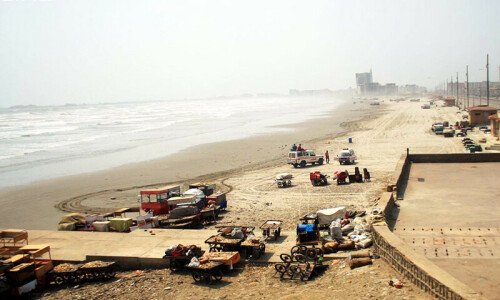
Federal and provincial authorities have agreed to strengthen coordination to tackle marine pollution and protect Pakistan’s coastal ecosystems, underscoring the need for joint efforts to promote environmental sustainability and safeguard coastal livelihoods. Read More: https://theboardroompk.com/us-temporarily-lifts-sanctions-on-iranian-oil-amid-final-peace-deal-negotiations/ The understanding was reached during a meeting between Federal Minister for Maritime Affairs Muhammad Junaid Anwar Chaudhry and Sindh Governor Syed Muhammad Nehal Hashmi at the minister’s chamber in the National Assembly. Both leaders discussed shared priorities related to waste management, conservation of marine resources, and sustainable economic activities along Sindh’s coastline. Marine Pollution Control Board Meeting Planned Minister Junaid Anwar Chaudhry announced that he would convene a meeting of the Marine Pollution Control Board during his upcoming visit to Karachi. The meeting will review ongoing efforts aimed at addressing marine pollution and provide the Sindh governor with an update on institutional measures to tackle marine litter and coastal degradation. He said the Karachi Port Trust (KPT) has already been conducting routine cleanup operations in port waters and adjoining areas as part of its environmental management and maintenance activities. The minister emphasized that closer cooperation between federal and provincial institutions is essential to effectively address the growing environmental challenges facing Pakistan’s coastal regions. Plastic Pollution Poses a Global Threat Referring to assessments by the United Nations Environment Programme (UNEP), the minister said that between 19 million and 23 million tonnes of plastic waste enter aquatic ecosystems every year worldwide. He noted that international studies, including those supported by the World Bank, show that plastic often accounts for more than 50 percent of marine litter by item count, although the exact proportion differs across regions and research methods. According to Junaid Anwar Chaudhry, healthy oceans play a critical role in climate regulation, biodiversity conservation, and sustaining coastal communities. He highlighted the importance of protecting mangrove forests and fisheries, which support the livelihoods of millions of people living in Sindh and Balochistan. Circular Economy Can Reduce Pollution and Create Jobs The maritime affairs minister said a transition toward a circular economy could help address environmental challenges while creating new economic opportunities. He stressed that improved recycling and resource recovery systems could generate employment and reduce pressure on ecosystems. He also called for stronger waste management systems to prevent pollution at its source. The minister said better municipal and industrial waste collection, treatment, and recycling infrastructure are necessary to stop waste from reaching the sea and damaging marine habitats. Sindh Governor Calls for Greater Coordination Governor Syed Muhammad Nehal Hashmi emphasized the importance of stronger cooperation between federal and provincial authorities. He said effective waste management and sustainable economic development are essential for the welfare of coastal communities across Sindh. The governor added that coordinated efforts are needed to preserve marine resources and ensure long-term environmental sustainability. Both leaders agreed that maritime affairs institutions, environmental agencies, local governments, and industrial regulators must work together within a comprehensive policy framework to achieve meaningful progress.

Bank Makramah Limited Clarifies Media Reports Regarding Ownership and Potential Investment
Editor pick

Bank Makramah Limited Clarifies Media Reports Regarding Ownership and Potential Investment

Bank Makramah Limited (BML) wishes to clarify and categorically refute recent media reports and market speculation suggesting that the Bank is being sold. The Board of Directors of the Bank has accorded in principle approval to proceed further with discussions and engagement with a potential investor regarding a prospective fresh/additional capital injection into the Bank. The objective of such investment is to strengthen the Bank’s Minimum Capital Requirement (MCR) and Capital Adequacy Ratio (CAR), thereby supporting the Bank’s growth plans and regulatory requirements. Any investment in Bank Makramah Limited remains subject to satisfactory due diligence, successful negotiation and execution of definitive transaction documents between the parties, and receipt of all applicable corporate and regulatory approvals. Bank Makramah Limited remains committed to maintaining transparency with its stakeholders and will make all necessary disclosures in accordance with applicable regulatory requirements as and when material developments occur.

Muhammad Ali Tabba, Chief Executive Officer of Lucky Cement
Editor pick

Lucky Group Chairman Calls for Neutral Tax Policies for ICE, Hybrid and Electric Vehicles

Muhammad Ali Tabba, Chief Executive Officer of Lucky Cement and Chairman of Lucky Group, has urged policymakers to adopt a pragmatic approach while finalising Pakistan’s upcoming auto policy. Read More: https://theboardroompk.com/pakistan-monetary-policy-under-pressure-as-icma-warns-inflation-threat-is-growing/ Sharing his views on LinkedIn, Tabba warned against using sales tax and Federal Excise Duty (FED) to cross-subsidise different vehicle technologies, including Internal Combustion Engine (ICE), Plug-in Hybrid Electric Vehicles (PHEVs), Electric Vehicles (EVs), and Range-Extended Electric Vehicles (REEVs). Tabba Warns Against Market Distortions Muhammad Ali Tabba said cross-subsidisation across vehicle categories could distort market dynamics and undermine competitiveness in the industry. Drawing a comparison with Pakistan’s gas and power sectors, he said similar interventions in the past had created structural inefficiencies. According to him, policies that artificially support one technology over another can weaken competition and hamper sustainable growth. He stressed that the auto industry needs fair competition instead of tax policies that favour specific vehicle technologies. New Auto Policy Nears Completion Tabba’s remarks come as the government moves to finalise a new five-year Auto Industry Development Policy, which will replace the existing framework expiring on June 30. The proposed policy includes significant reductions in duties and taxes across various engine categories. Under the draft framework, the cumulative duty and tax burden on vehicles with engine capacities of 1,800cc and above is expected to decline to 74 percent from levels as high as 156 percent. Similarly, taxes and duties on vehicles between 1,000cc and 1,500cc are proposed to fall to 52 percent from 76 percent. The changes aim to improve affordability and encourage growth in the country’s automotive sector. EV Taxation Under Debate The proposed framework also addresses the taxation regime for electric vehicles. During a recent meeting of the National Assembly Standing Committee on Finance, lawmakers expressed concerns over proposed levies on electric vehicles priced above Rs20 million. Members also highlighted the lack of adequate charging infrastructure, saying the country must first establish a reliable network of charging stations before expecting a major shift toward electric mobility. Lawmakers stressed that infrastructure development and supportive policies should go hand in hand to make electric vehicles a viable option for consumers. Industry Stakeholders Await Final Framework The government is expected to announce the new Auto Industry Development Policy before the end of June. The framework will shape Pakistan’s automotive sector over the next five years and determine taxation, import duties and incentives for conventional, hybrid and electric vehicles. As discussions continue, industry stakeholders are calling for policies that encourage competition and support long-term growth without creating distortions in the market.

Jubilee Life Celebrates Parents and Caregivers of Persons with Disabilities through "Lights. Camera. Inclusion."
Editor pick

Jubilee Life Celebrates Parents and Caregivers of Persons with Disabilities through “Lights. Camera. Inclusion.”

Karachi, June 22, 2026: Jubilee Life Insurance, Pakistan’s largest private sector life insurance company, brought together persons with disabilities (PWDs), their families, community partners, and other stakeholders from ConnectHear and NOWPDP for celebrating the unsung heroes held under its dedicated campaign Lights. Camera. Inclusion. The initiative was designed to honour parents and caregivers whose consistent support and resilience enable individuals to overcome life’s challenges and achieve personal and professional milestones. Held in collaboration with Karachi Vocational Training Centre (KVTC) and Karachi Down Syndrome Program (KDSP), the initiative was designed to mark Mother’s Day and Father’s Day in a way that goes beyond traditional celebrations. Through an inclusive movie experience, Jubilee Life created a space where families could come together, share meaningful moments, and feel seen, valued, and celebrated. The event brought together PWDs and their parents from Jubilee Life, KVTC and KDSP, representatives from partner organisations including ConnectHear and NOWPDP, as well as members of the broader Jubilee Life family. More than a gathering, the initiative served as a reminder that inclusion is built not only through policies and programs, but through human connection, understanding, and a shared sense of belonging. Sharing his thoughts regarding this unique proposition, Javed Ahmed, Managing Director & CEO, Jubilee Life Insurance, said: “Behind every person who overcomes barriers and reaches their potential is often a parent or caregiver whose love, resilience, and determination have never wavered. Through this initiative, we wanted to celebrate those individuals whose contributions are rarely in the spotlight but whose impact is immeasurable. At Jubilee Life, inclusion is not simply about creating opportunities; it is about recognising the people and support systems that make those opportunities possible.” Farukh Iftekhar, Group Head HRMD Jubilee Life Insurance, added: “True inclusion extends beyond the workplace. While the achievements of persons with disabilities are increasingly being recognised, the journey behind those achievements often remains unseen. For many families, it is a journey defined by perseverance, advocacy, sacrifice, and unconditional love. Lights. Camera. Inclusion sought to acknowledge those everyday acts of strength that quietly shape lives and open doors to opportunity.” The initiative forms part of Jubilee Life’s broader Diversity, Equity & Inclusion (DEI) agenda and aligns with the company’s Environmental, Social, and Governance (ESG) commitments. Through sustained partnerships with organisations working to advance inclusion and accessibility, Jubilee Life continues to champion opportunities that enable persons with disabilities and their families to thrive.

Pakistan closer to eliminating neonatal tetanus after WHO pre-validation for KP in partnership with UNICEF
Editor pick

Pakistan Closer To Eliminating Neonatal Tetanus After WHO Pre-Validation For KP In Partnership With UNICEF

Peshawar/Islamabad– Following a comprehensive field assessment in partnership with the United Nations Children’s Fund (UNICEF), the World Health Organization (WHO) has pre-validated the elimination of maternal and neonatal tetanus (MNT) in Khyber Pakhtunkhwa (KP) province. This milestone takes Pakistan closer to interrupting the transmission of this life-threatening disease for mothers and newborns nationwide. Around 94 per cent of Pakistan’s population (250 million people) now live in areas where the spread of neonatal tetanus remains under controlled limits – less than 1 case of tetanus per 1,000 live births. Gilgit-Baltistan achieved elimination in July 2025, Islamabad Capital Territory and Pakistan-Administered Kashmir in March 2025, Sindh in December 2024, and Punjab in 2016. With Khyber Pakhtunkhwa’s achievement of the elimination threshold, Balochistan is the only province still working towards this goal. The pre-validation assessment was conducted following a comprehensive review led by WHO and UNICEF, at the request of the Government of KP, which included field visits to high-risk, hard-to-reach districts with historically low immunization coverage, namely Dera Ismail Khan, Battagram and Kohistan (Upper and Lower); a desk review of three years of surveillance data; and a quality audit of the tetanus vaccination campaigns in South Waziristan (Upper and Lower), where field access was not possible. Khyber Pakhtunkhwa’s achievement is the result of the transformative strategies led by the national and provincial governments, in partnership with UNICEF and WHO. Combined efforts include improved immunization for pregnant women and women of childbearing age, surveillance, community engagement, safer delivery practices, improved skilled birth attendance, cord care, and enhanced access to other antenatal, maternal, newborn and child health services. Around 12,000 Lady Health Workers, together with thousands of vaccinators and frontline health staff, were at the heart of this effort, reaching women in some of the province’s most remote and underserved communities. In 2025 alone, WHO and UNICEF supported the vaccination of 5.4 million pregnant women and women of childbearing age across Pakistan, more than 0.87 million of them in Khyber Pakhtunkhwa. “This achievement shows the commitment of Pakistan’s authorities and its health workforce, as well as the communities, to saving lives and protecting every mother and child from a preventable disease. To achieve prosperity and sustainable development, every country needs healthy mothers and newborns. WHO will stand by Pakistan and its partners to achieve the elimination of neonatal tetanus across the country and protect every family, no matter where they live or who they are,” said Dr Dapeng Luo, WHO Representative in Pakistan. Despite progress, Pakistan remains among the 8 countries worldwide that have yet to eliminate MNT. While Khyber Pakhtunkhwa’s progress towards MNT elimination is a major achievement, sustained efforts are needed to maintain the hard-fought gains. “Pakistan is one step closer to protecting every mother and newborn from maternal and neonatal tetanus. Khyber Pakhtunkhwa’s progress reflects the determination of women to protect their own health and give their babies the best start in life, supported by dedicated frontline health workers and stronger health services and systems. Together with the government and our partners, UNICEF is proud to support this journey towards a healthier future for every child,” said Pernille Ironside, UNICEF Representative in Pakistan. UNICEF and WHO will stand with Pakistan to accelerate action and support the remaining province, Balochistan, to take a decisive step towards the maternal and neonatal tetanus elimination target as part of the objectives of the Immunization Agenda 2030.

Karachi Port Sets Record By Handling Over 2.65 Million Containers In FY 2025-26
Editor pick

Karachi Port Sets Record By Handling Over 2.65 Million Containers In FY 2025-26

ISLAMABAD, June 19, 2026 — Karachi Port Trust (KPT) has set a new record for container throughput, handling more than 2.651 million twenty-foot equivalent units (TEUs) this fiscal year, Federal Minister for Maritime Affairs Muhammad Junaid Anwar Chaudhry said on Friday. The minister said the milestone, achieved weeks before the close of the fiscal year, surpassed the previous high and underlined growing confidence in Pakistan’s maritime sector and improved port performance. “KPT has surpassed last year’s record of 2.651 million TEUs, creating history by achieving the highest-ever container handling volume,” he said in a statement, attributing the result to “the dedication of our workforce, improved operational efficiency and the government’s commitment to strengthening Pakistan’s maritime infrastructure.” Admiral Shahid Ahmad, chairman KPT, said the performance demonstrated the port’s ability to accommodate rising trade volumes and support national economic objectives. “The ongoing reforms, infrastructure upgrades and measures aimed at improving port services have contributed to the rise in cargo and container traffic,” he said, adding that Karachi Port handles a substantial share of the country’s seaborne trade and remains a critical gateway for imports and exports. Junaid Chaushry said the enhanced efficiency and capacity expansion at the port are expected to boost Pakistan’s competitiveness in regional and international shipping markets. The government, the minister added, will continue investing in maritime infrastructure and modernisation to position Pakistan as a leading logistics and transshipment hub connecting South Asia, Central Asia and the Middle East.The record throughput is being seen as an indicator of rising commercial activity and the growing importance of Pakistani ports within regional supply chains, Junaid Chaudhry concluded.

Scroll to Top