Business

Bank Makramah Limited Assigned ‘A-/A2’ Ratings with Stable Outlook by VIS
Business

Bank Makramah Limited Assigned ‘A-/A2’ Ratings with Stable Outlook by VIS

Karachi, March 25, 2026 — Bank Makramah Limited (BML) has been assigned initial entity ratings of ‘A-’ (Long Term) and ‘A2’ (Short Term) with a ‘Stable’ outlook by VIS Credit Rating Company Limited.The assigned ratings reflect a significant improvement in the Bank’s credit profile, underpinned by strong sponsor support, successful recapitalization, ongoing restructuring initiatives, and a strengthened governance and liquidity framework. Read More: https://theboardroompk.com/sbp-cancels-licenses-of-dream-exchange-and-al-raj-international-over-regulatory-violations/ It is noteworthy that the Bank’s last assigned ratings in 2018 stood at ‘BBB-’ (Long Term) and ‘A3’ (Short Term) with a ‘Negative’ outlook. Subsequently, the ratings were suspended in 2019. The current assignment represents a restoration of ratings after suspension, along with a substantial upgrade in both long-term and short-term ratings, and a revision in outlook from Negative to Stable. This achievement underscores the Bank’s comprehensive transformation journey, marked by capital strengthening, improved solvency position, enhanced governance structure, and consistent progress toward strategic objectives. The milestone follows a record pre-tax profit of PKR 19 billion for the year ended 2025, alongside compliance with Minimum Capital Requirement (MCR) and Capital Adequacy Ratio (CAR) benchmarks.Bank Makramah Limited now enters its next phase, defined by financial stability, strategic clarity, and sustainable value creation for its stakeholders.

Gold Price in Pakistan Surges Sharply After Historic Drop
Business

Gold Price in Pakistan Surges Sharply After Historic Drop

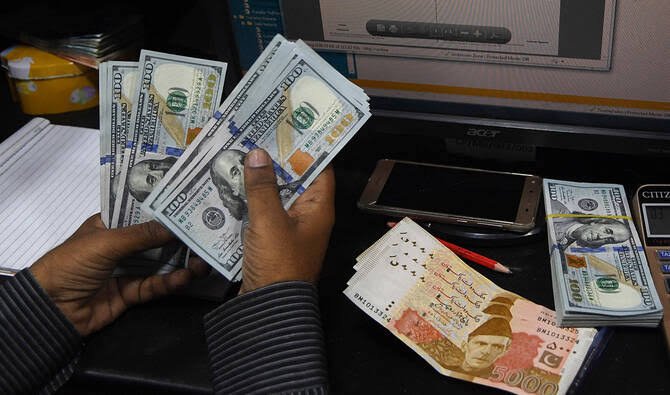
Gold Price in Pakistan has once again captured national attention as prices recorded a dramatic rebound on Tuesday, leaving investors, jewelers, and everyday buyers surprised. After witnessing one of the steepest declines just a day earlier, the local gold market has bounced back with remarkable intensity. Read More: https://theboardroompk.com/iran-rejects-trumps-fake-peace-claims-fires-missile-barrage-at-israel/ According to market data, the price of 24-karat gold per tola surged to Rs464,062, marking a massive increase of Rs16,300 in a single day. This sharp upward movement reflects the highly volatile nature of the precious metals market, both locally and globally. Why Gold Price in Pakistan Is Rising Again The sudden spike in the Gold Price in Pakistan comes right after a historic dip observed on Monday. Market analysts suggest that such rapid fluctuations are driven by a combination of global uncertainty, currency movements, and investor sentiment. Gold per 10 grams (24-karat) also jumped significantly, reaching Rs397,858, an increase of Rs13,975, while 22-karat gold climbed to Rs364,716 per 10 grams. This quick recovery indicates that buyers re-entered the market after seeing lower prices, pushing demand and prices upward again. Silver Prices Follow the Same Upward Trend It wasn’t just gold that saw a surge. Silver prices in Pakistan also moved higher, reflecting the broader trend in precious metals. • Silver (24-karat per tola): Rs7,454 (up Rs570)• Silver (per 10 grams): Rs6,390 (up Rs489) This parallel rise shows that investor interest is not limited to gold alone but extends across the metals market. A Day of Sharp Contrast: From Historic Fall to Sudden Rise To understand the magnitude of the change, here’s a simple breakdown of daily price movements: • Gold increased from Rs447,762 to Rs464,062 per tola• Silver rose from Rs6,884 to Rs7,454 per tola In simple terms, the market went from panic selling to aggressive buying within just 24 hours a rare and striking shift. Global Gold Market: What’s Driving the Trend? Internationally, gold prices are also showing movement, with spot gold trading near $4,425 per ounce, up by $19.7 (0.45%). However, despite this short-term rise, the global outlook for gold remains uncertain. Prices have actually declined nearly 18% since late February, largely due to rising geopolitical tensions and shifting investor preferences. One major factor influencing the global market is the strengthening of the US dollar, which has emerged as a preferred safe-haven asset over gold in recent weeks. Impact of Global Tensions on Gold Price in Pakistan Ongoing geopolitical tensions, especially involving Iran and its regional implications, are playing a key role in shaping investor behavior. Experts believe that: • Rising tensions could increase global inflation• Central banks may keep interest rates higher for longer• Investors may shift between gold and the US dollar depending on risk levels All these factors directly influence the Gold Price in Pakistan, making it highly sensitive to international developments. What This Means for Buyers and Investors For everyday consumers in Pakistan, especially those planning weddings or long-term investments, this volatility creates uncertainty. • Buyers may hesitate, expecting another dip• Investors may see short-term trading opportunities• Jewelers face fluctuating demand patterns In such conditions, market timing becomes extremely difficult, and price swings can happen without warning. Is Gold Still a Safe Investment? Despite recent fluctuations, gold continues to hold its reputation as a long-term store of value. However, the current market suggests that short-term risks are higher than usual. Investors are advised to: • Monitor global economic trends closely• Keep an eye on currency movements• Avoid panic buying or selling Final Thoughts on Gold Price in Pakistan The latest surge in the Gold Price in Pakistan highlights how unpredictable the market has become. A massive fall followed by an equally sharp rise within days signals heightened uncertainty driven by global economic and political factors. For now, all eyes remain on international developments and currency trends, which will likely determine the next move in gold prices.

Pakistan Gold Market Witnesses Historic Single-Day Plunge of Rs43,600
Business

Pakistan Gold Market Witnesses Historic Single-Day Plunge of Rs43,600

Gold prices in Pakistan experienced a dramatic decline on March 23, 2026, with the per tola rate dropping by a record Rs43,600 in a single day, according to the All Pakistan Gems and Jewellers Sarafa Association (APGJSA). Read More: https://theboardroompk.com/pakistan-bans-high-octane-fuel-in-govt-vehicles-to-enforce-austerity/ Record Local Drop Amid Bullion Market Volatility The new price for 24-karat gold settled at Rs447,762 per tola, down sharply from the previous level. This marks the biggest single-day fall ever recorded in the local market, shocking investors and jewelers alike. The price for 10 grams of gold also fell significantly by Rs37,380 to Rs383,883. Silver followed suit, decreasing by Rs800 to Rs6,884 per tola. Traders noted heavy selling pressure as buyers held back, waiting for further stabilization after the steep correction. International Factors Drive the Sharp Correction The plunge in Pakistan’s gold market mirrored a substantial drop in global prices, where spot gold fell by $436 to $4,250 per ounce (with a $20 premium). This international decline was attributed to fading safe-haven demand amid shifting market dynamics. A Reuters report highlighted gold diving to a four-month low, down over 8% in the session, driven by inflation pressures from the escalating Middle East conflict raising bets on higher global interest rates. The combination of stronger dollar influences and reduced speculative buying contributed to the rout, impacting local rates through currency and import linkages.

China's 15th Five-Year Plan Boosts Momentum in China-Pakistan Ties
Business

China’s 15th Five-Year Plan Boosts Momentum in China-Pakistan Ties

China’s 15th Five-Year Plan (2026-2030), approved during the recent Two Sessions in March 2026, is set to provide fresh impetus to the longstanding partnership between China and Pakistan. Read More: https://theboardroompk.com/pakistan-bans-high-octane-fuel-in-govt-vehicles-to-enforce-austerity/ Written by Yang Yundong, Consul General of China in Karachi, the article highlights how the plan’s emphasis on high-quality development, innovation, and expanded opening-up aligns with deepening bilateral ties. Milestone Year for Diplomatic Relations 2026 marks the 75th anniversary of diplomatic relations between China and Pakistan, adding symbolic weight to the opportunities presented by the new plan. China’s previous 14th Five-Year Plan (2021-2025) delivered strong results, with GDP exceeding 140 trillion RMB and an average annual growth of 5.4%, outpacing the global average and contributing significantly to worldwide economic progress. Building on this success, the 15th Plan prioritizes technological self-reliance, comprehensive reforms, ecological progress, improved livelihoods, and enhanced national security, aiming for substantial advancements by 2035 toward socialist modernization and moderately developed-country levels of per capita GDP. Opportunities Through Belt and Road and Broader Cooperation The plan stresses high-quality Belt and Road Initiative (BRI) development and “actively expanding independent opening-up,” which creates avenues for stronger China-Pakistan collaboration. It promotes mutual benefit, institutional openness, and a higher-standard open economy, offering Pakistan enhanced prospects in areas like innovation, green technologies, and connectivity. As policies from the Two Sessions roll out and the plan advances, bilateral cooperation is expected to scale new heights, fueling Pakistan’s economic momentum and supporting regional peace and stability. The framework provides certainty amid global uncertainties, inviting shared growth through deepened international ties.

Gold Price in Pakistan Drops Sharply, Latest Gold & Silver Rates Today Shock Investors
Business

Gold Price in Pakistan Drops Sharply, Latest Gold & Silver Rates Today Shock Investors

Gold Price in Pakistan has taken a surprising dip, catching the attention of investors, traders, and everyday buyers across the country. The precious metal, often seen as a safe haven in uncertain economic times, has suddenly become more affordable raising an important question: Is this the right time to buy gold? Read More: https://theboardroompk.com/textile-sector-sounds-alarm-aptma-seeks-30-day-fix-for-export-delaying-issues/ Let’s break down the latest developments in simple terms and understand what this means for the Pakistani market. Major Drop in Gold Price in Pakistan Today The Gold Price in Pakistan has decreased significantly, with a sharp fall of Rs 8,100 per tola. This brings the new price down to Rs 491,362 per tola, marking one of the most noticeable drops in recent weeks. Similarly, the price of 10 grams of gold has dropped by Rs 6,945, now standing at Rs 421,263. This decline has sparked curiosity among buyers, especially those planning weddings or investments, as gold becomes relatively more accessible. Why Is Gold Becoming Cheaper? The fall in the Gold Price in Pakistan is closely linked to changes in the international market. Globally, gold prices dropped by $81 per ounce, bringing the rate down to $4,686 per ounce. Here’s what’s driving the decline: • Reduced global demand for safe-haven assets• Strengthening of the US dollar• Profit-taking by international investors• Changing interest rate expectations•Since Pakistan imports gold, any shift in global prices directly impacts local rates. Silver Prices Also Decline Alongside Gold It’s not just gold silver has also followed the downward trend. • Silver per tola decreased by Rs 50, now priced at Rs 7,684• 10 grams of silver dropped by Rs 43, reaching Rs 6,587• In the global market, silver is now priced at $72 per ounce The simultaneous drop in both metals suggests a broader trend in the commodities market rather than a localized fluctuation. What This Means for Pakistani Buyers and Investors The falling Gold Price in Pakistan presents both opportunities and risks: For Buyers This could be the perfect time to purchase gold for weddings or long-term savings. Lower prices mean better value for money. For Investors While some may see this as a buying opportunity, others may remain cautious, waiting to see if prices fall further. For Traders Market volatility can create short-term trading opportunities, but also increases risk. Should You Buy Gold Now or Wait? Timing the gold market is never easy. However, with the Gold Price in Pakistan currently on a downward trend, many experts suggest: • Buy gradually instead of investing all at once• Keep an eye on global economic indicators• Monitor currency fluctuations, especially the Pakistani Rupee vs US Dollar If global prices continue to decline, local prices may fall further but sudden rebounds are always possible. A Window of Opportunity? The recent drop in the Gold Price in Pakistan has created a wave of interest across the country. Whether you’re a cautious investor or a first-time buyer, this price shift could be an opportunity worth considering. However, as always, smart decisions require careful observation of both local and international trends.

Zindigi, powered by JS Bank, Launches Pakistan’s First Fintech Credit Card
Business

Zindigi, powered by JS Bank, Launches Pakistan’s First Fintech Credit Card

Karachi: Zindigi, powered by JS Bank, has launched Pakistan’s first fintech credit card, marking a major milestone in the country’s digital financial evolution. Read More: https://theboardroompk.com/foreign-profit-repatriation-surges-10-52-in-fy26-reaching-1-73-billion/ Built for a mobile-first generation, the Zindigi Credit Card enables customers to complete the entire application journey digitally through the app, with access to credit in minutes, eliminating the need for branch visits and lengthy documentation. Despite the rapid growth of digital payments in Pakistan, credit card penetration remains relatively low, leaving a large segment of digitally active consumers underserved. Zindigi aims to bridge this gap by offering a fast, seamless, and fully digital credit experience. The card supports POS, online payments, ATM withdrawals, and international transactions, while giving users complete control via the app, including activation, PIN management, transaction controls, card blocking, and real-time tracking. The Zindigi Credit Card is designed to deliver both accessibility and convenience. The platform will also introduce a range of lifestyle benefits, including discounts across dining, travel, shopping, and entertainment. Speaking on the launch, Noman Azhar, Chief Officer Zindigi, said: “We set out to rethink credit for today’s digital users. Our goal is simple, to make access to credit as seamless as using any modern app.” This launch reinforces Zindigi’s commitment to innovation, as it continues to redefine financial services and expand access to credit for Pakistan’s growing digital population.

Foreign Profit Repatriation Surges 10.52% in FY26 reaching $1.73 billion
Business

Foreign Profit Repatriation Surges 10.52% in FY26 reaching $1.73 billion

Foreign Profit Repatriation Pakistan has taken a notable upward turn in the first eight months of FY26, signaling renewed activity by global investors operating in the country. According to central bank data, foreign companies repatriated profits and dividends worth $1.73 billion, marking a 10.52% year-on-year increase compared to $1.56 billion in the same period last year. Read More: https://theboardroompk.com/pia-halts-uaes-fujairah-route-amid-regional-tensions/ This surge reflects not just improved earnings by multinational companies but also evolving economic dynamics that are shaping Pakistan’s investment landscape. What Is Driving Foreign Profit Repatriation Pakistan in FY26? The bulk of the increase in Foreign Profit Repatriation Pakistan came from foreign direct investments (FDI). Multinational companies repatriated $1.67 billion in profits from FDI alone, up 11.27% YoY from $1.5 billion in 8MFY25. On the other hand, profit outflows linked to portfolio investments showed a slight decline. These stood at $60.32 million, down 6.81% compared to last year, indicating cautious activity in stock market-related foreign investments. Interestingly, February 2026 saw relatively moderate outflows, with foreign firms repatriating $48.7 million during the month. Which Sectors Are Sending the Most Profits Abroad? A closer look at Foreign Profit Repatriation Pakistan reveals that certain sectors are contributing heavily to the outflow of profits. The Power sector leads the chart with $421.85 million in repatriated profits. This is followed by the Financial Business sector, which recorded $374.09 million in outflows. Other sectors also showed strong activity: • The Food sector witnessed a significant rise, reaching $142.42 million, highlighting growing profitability in consumer-driven industries.• The Communications sector reported $132.3 million, reflecting continued expansion in telecom and digital services.• The Transport sector contributed $91.29 million, indicating recovery and growth in logistics and mobility. These trends suggest that foreign investors are earning substantial returns across both infrastructure and consumer-oriented industries in Pakistan. Country-Wise Breakdown: Who Is Taking the Largest Share? The Foreign Profit Repatriation Pakistan data also highlights which countries are benefiting the most from these outflows. The United Kingdom remains the top recipient, with companies repatriating $444 million during 8MFY26. However, this is slightly lower than $496.59 million recorded in the same period last year. In February alone, UK-based firms received $20.2 million. A major shift is seen in China, which emerged as the second-largest beneficiary with $433.32 million—a sharp increase from $140.46 million last year. This surge underscores the growing footprint of Chinese investments in Pakistan, particularly under infrastructure and energy projects. Other notable contributors include: • The Netherlands, with $155.2 million, showing stable investment returns.• The United States, where investors repatriated $147.51 million, reflecting consistent corporate earnings. What Does This Mean for Pakistan’s Economy? The rise in Foreign Profit Repatriation Pakistan carries mixed implications for the economy. On the positive side, higher profit repatriation indicates that foreign companies are generating strong returns an encouraging sign for Pakistan’s investment climate. It suggests operational stability and profitability across key sectors. However, increased outflows also mean pressure on foreign exchange reserves, as dollars leave the country. This can impact the balance of payments if not offset by higher inflows such as exports, remittances, or fresh investments. The Bigger Picture: Growth Opportunity or Economic Challenge? The ongoing rise in Foreign Profit Repatriation Pakistan highlights a critical balancing act. While it reflects investor confidence and business growth, it also raises questions about sustainability and foreign exchange management. For policymakers, the focus will likely remain on attracting new investments while ensuring that the economy benefits from long-term capital retention. Strengthening exports and encouraging reinvestment of profits locally could help maintain this balance. A Signal of Confidence with a Cautionary Note The latest data on Foreign Profit Repatriation Pakistan paints a picture of a growing and active investment environment. With billions of dollars flowing out as profits, it is clear that multinational companies are finding value in Pakistan’s market. Yet, the challenge lies in converting this momentum into sustained economic gains—ensuring that Pakistan not only attracts foreign capital but also retains enough value to strengthen its financial position in the long run.

KSE-100 Index Rally Sparks Investor Optimism as Market Surges Past 154,000 Points
Business

KSE-100 Index Rally Sparks Investor Optimism as Market Surges Past 154,000 Points

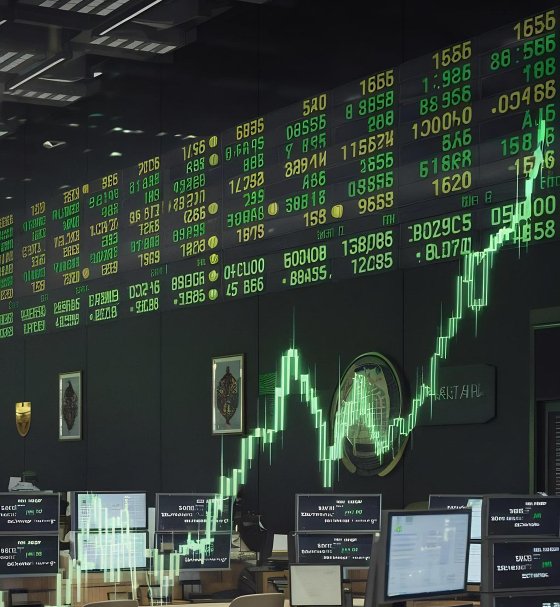
The latest KSE-100 Index Rally has once again placed the spotlight on Pakistan’s equity market, as bullish momentum at the Pakistan Stock Exchange lifted investor confidence and sparked widespread interest across financial circles. Read More: https://theboardroompk.com/rising-fuel-prices-ev-demand-global-oil-tensions-are-changing-car-buying-trends/ On Wednesday, the benchmark KSE-100 Index climbed sharply to close at 154,292 points, gaining an impressive 4,276 points (2.85%). This surge reflects improving sentiment driven by easing global oil prices and renewed institutional participation a combination that has historically fuelled strong market cycles in Pakistan. How the KSE-100 Index Rally Unfolded During the Session The trading session remained firmly in positive territory throughout the day. The index touched an intraday high near 154,684 points, demonstrating sustained buying pressure, while the lowest level of the day still reflected a modest gain a sign of resilient market confidence. The total traded volume for the benchmark index exceeded 213 million shares, highlighting strong investor participation and heightened activity across multiple sectors. Market breadth also painted an optimistic picture. A large majority of listed companies closed in green territory, with only a handful declining. Such broad-based gains typically signal improving risk appetite among both retail and institutional investors. Sectoral Strength Driving the KSE-100 Index Rally The ongoing KSE-100 Index Rally was largely powered by heavy buying in key economic sectors. Banking stocks led the advance, reflecting confidence in financial sector profitability and interest-rate outlook expectations. Energy exploration companies also played a vital role as easing international oil prices improved the cost outlook for the economy. Cement and fertilizer sectors added further strength, suggesting expectations of increased construction activity and agricultural demand in the coming months. Meanwhile, the power generation segment contributed modest gains, underlining its defensive appeal for investors seeking stability in volatile market conditions. Some smaller sectors, including textiles and leasing companies, remained relatively unchanged indicating selective buying trends rather than speculative market-wide movements. Top Performers and Stocks That Supported the Market Upswing Several companies emerged as major contributors to the index’s upward momentum. Leading banks such as United Bank Limited and Meezan Bank added significant index points. In the energy sector, exploration giants like Oil and Gas Development Company and Pakistan Petroleum Limited supported the rally, while fertilizer heavyweight Fauji Fertilizer Company further strengthened market performance. On the downside, limited pressure was observed from a few banking and consumer stocks, but their impact remained minor compared to the overall bullish trend. Broad Market Activity Signals Renewed Investor Confidence Beyond the benchmark index, the broader market also displayed strong momentum. The All-Share Index posted a notable increase, while overall trading volume rose significantly compared to the previous session. This surge in activity indicates that investors are gradually returning to equities amid expectations of economic stabilization, easing inflationary pressures, and improved corporate earnings outlook. High-volume stocks included financial institutions, energy firms, and telecom-related companies, reflecting diversified investor interest rather than concentration in a single sector. What the KSE-100 Index Rally Means for Pakistan’s Market Outlook The latest KSE-100 Index Rally highlights the dynamic nature of Pakistan’s capital market and its sensitivity to both global and domestic developments. Despite strong fiscal-year gains, the index has also experienced volatility during the calendar year reminding investors that market sentiment can shift rapidly. Analysts believe sustained policy stability, consistent foreign inflows, and continued sectoral earnings growth will be key to maintaining bullish momentum. For retail investors, the rally offers renewed optimism but also underscores the importance of informed decision-making and long-term investment strategies. A Turning Point or Short-Term Surge? The sharp rise in the benchmark index has generated excitement across Pakistan’s financial community. Whether this KSE-100 Index Rally marks the beginning of a longer bullish cycle or remains a short-term surge will depend on economic indicators, global commodity trends, and investor confidence in the months ahead. For now, the market’s strong performance reflects a clear message optimism is returning, and Pakistan’s stock market continues to offer compelling opportunities for those willing to navigate its risks.

Pakistan Mutual Fund Industry Sees Shift Toward Safer Investments in February
Business

Pakistan Mutual Fund Industry Sees Shift Toward Safer Investments in February

The Pakistan Mutual Fund Industry experienced a significant shift in February, reflecting changing investor sentiment and a cautious approach toward market volatility. Total equity Assets Under Management (AUMs) declined by nearly 9% on a month-on-month basis, settling at approximately Rs678 billion. Read More: https://theboardroompk.com/pakistan-power-generation-february-2026-demand-surges-as-coal-and-renewables-reshape-energy-mix/ While the broader mutual fund sector saw a slight dip in total AUMs now standing at around Rs4.3 trillion the underlying trend tells a deeper story. Investors and fund managers increasingly rotated their allocations toward safer fixed-income instruments, pushing debt-based AUMs up by 2% to Rs3.6 trillion. This change highlights a growing preference for capital preservation amid uncertain economic conditions, a development that is shaping the current trajectory of the Pakistan Mutual Fund Industry. Why Safer Assets Are Attracting Attention A key takeaway from February’s data is the declining share of equities within overall portfolios. By the end of the month, equities accounted for just 16% of the total mutual fund industry exposure lower than the previous month. Market observers believe this cautious stance stems from persistent inflation concerns, policy uncertainty, and fluctuating stock market performance. For everyday investors in Pakistan, this shift signals a broader trend: wealth managers are prioritizing stability over aggressive growth strategies. Despite this defensive positioning, professional fund managers still demonstrated strong conviction in high-quality, blue-chip companies. These stocks continue to form the backbone of equity portfolios across the Pakistan Mutual Fund Industry. Islamic vs Conventional Funds: Who Is Leading the Market? Industry insights compiled by research houses indicate that Al Meezan Investment Management maintained its dominance in the Shariah-compliant segment. With equity AUMs of roughly Rs103 billion, the firm commands about 32% of the Islamic equity market share. On the conventional side, National Investment Trust Limited emerged as the leading player, holding around Rs91 billion in equity assets equivalent to nearly 13% of the total equity AUM in the sector. This competitive landscape underscores how both Islamic and conventional investment avenues continue to evolve within the Pakistan Mutual Fund Industry, offering diverse options to investors with varying risk appetites. Blue-Chip Stocks Still Dominate Mutual Fund Portfolios Even as equity allocations declined, fund managers concentrated their holdings in well-established companies listed on the Pakistan Stock Exchange. The top 30 stocks alone accounted for more than 63% of the total equity exposure highlighting the industry’s strong reliance on market leaders. Among these, Pakistan State Oil stood out with mutual funds collectively owning nearly 43% of its available free-float shares. Other companies attracting significant institutional interest included Oil and Gas Development Company Limited, Pakistan Petroleum Limited, Kohat Cement Company Limited, and Kohinoor Textile Mills Limited. Such concentrated ownership suggests that mutual funds continue to favor sectors like energy, cement, banking, and textiles industries often viewed as core drivers of Pakistan’s economic growth. 🇵🇰 Popular Stocks by Fund Participation Interestingly, when measured by the number of funds holding a particular stock rather than ownership size, Oil and Gas Development Company Limited topped the rankings, appearing in nearly 89 mutual fund portfolios. Close behind were Lucky Cement Limited and Fauji Fertilizer Company Limited, reflecting strong institutional confidence in diversified industrial leaders. Financial sector names also gained traction, with Meezan Bank Limited and United Bank Limited recording notable increases in fund holdings during the month. What This Means for Investors and the Economy The February trend offers a valuable snapshot of evolving investment strategies in Pakistan. The shift toward debt instruments suggests heightened caution, yet continued interest in blue-chip equities indicates optimism about long-term economic recovery. For retail investors, this dual trend presents both opportunities and lessons. Diversification remains essential, and understanding how institutional investors navigate market cycles can help individuals make more informed decisions. As macroeconomic indicators stabilize and market confidence improves, the Pakistan Mutual Fund Industry may once again witness stronger equity inflows. Until then, prudent risk management is likely to remain the guiding principle across fund portfolios.

Pakistan-Iran Trade Flows Smoothly Amid Middle East Turmoil: Envoy
Business

Pakistan-Iran Trade Flows Smoothly Amid Middle East Turmoil: Envoy

Pakistan and Iran continue to maintain robust trade relations even as regional tensions escalate in the Middle East. According to Pakistan’s Ambassador to Iran, Muhammad Mudassir Tipu, bilateral trade and transit activities remain fully operational. Read More: https://theboardroompk.com/israel-claims-killing-irans-security-chief-ali-larijani/ The ambassador expressed deep appreciation for the Government of Iran’s support in facilitating Pakistan’s trade during these difficult times. Envoy Highlights Border Efficiency Tipu noted that land borders between the two countries are functioning optimally. Green channels have been established at multiple crossing points to enable swift movement of goods. This setup helps reduce delays and ensures essential commodities flow without major hindrances. The embassy remains in constant contact with stakeholders on both sides. Mutual Efforts to Tackle Challenges Pakistan is also providing maximum cooperation to Iran to keep trade unaffected. Issues like congestion at borders are being resolved through collaborative measures. The ambassador emphasized ongoing engagement between officials and private sector players. This proactive approach safeguards economic ties amid external pressures. The statement comes against the backdrop of wider regional developments. Conflicts have affected maritime routes, including the Strait of Hormuz, a critical passage for global energy supplies. A Pakistan-bound oil tanker successfully transited the strait recently, underscoring negotiated arrangements for safe passage. Pakistan relies heavily on Gulf imports via this route, balancing diplomatic relations carefully. Despite these complexities, land-based trade with Iran shows stability. Border markets and transit routes continue to support local economies in both nations. Analysts view this resilience as a positive sign for bilateral relations. Religious, cultural, and historical bonds further strengthen economic cooperation. The ambassador’s remarks reaffirm commitment to uninterrupted commerce. Both countries appear focused on minimizing disruptions from external conflicts. This development highlights the importance of diplomacy in maintaining trade flows. As regional situations evolve, sustained coordination will be key. Overall, Pakistan-Iran trade stands as an example of pragmatic partnership. It benefits border communities and contributes to regional stability.

Scroll to Top