Author name: Web Desk

Pakistan Cotton Arrivals 2025 Reflect Regional Divide in Output
Pakistan

Pakistan Cotton Arrivals 2025 Reflect Regional Divide in Output

Pakistan cotton arrivals 2025 reached 5.43 million bales by December 31, marking a 0.33% year-on-year decline compared to the same period last year, according to the latest data released by the Pakistan Cotton Ginners Association (PCGA) and the Pakistan Cotton Corporation (PCC). Read More: https://theboardroompk.com/kse-100-index-performance-declines-amid-broad-based-selling-pressure/ While the overall decline appears marginal, a deeper look into provincial performance reveals a sharp divergence between Punjab and Sindh, highlighting structural imbalances within Pakistan’s cotton economy. Pakistan Cotton Arrivals 2025: National Overview As of the end of December 2025, cotton arrivals at ginning factories totaled 5.43 million bales, compared to 5.45 million bales in December 2024. On a month-on-month basis, arrivals increased by nearly 6%, indicating some seasonal recovery momentum as harvesting peaked across major cotton-growing belts. However, despite this short-term improvement, overall volumes remain well below historical averages, reinforcing concerns about Pakistan’s long-term cotton production capacity. Punjab’s Cotton Output Declines Sharply in 2025 Pakistan Cotton Arrivals 2025 Show Punjab Under Pressure Punjab, traditionally a major contributor to national cotton output, recorded 2.54 million bales by December 31, 2025. This represents a 4.44% year-on-year decline from 2.66 million bales in the same period last year. Month-on-month, Punjab did show an 8.17% increase, rising from approximately 2.35 million bales in November 2025. However, this recovery was insufficient to offset deeper seasonal losses caused by: • Reduced cotton acreage• Water availability challenges• Pest infestations• Farmers shifting to alternative, higher-margin crops Punjab’s declining contribution continues to weigh heavily on Pakistan cotton arrivals 2025, underscoring persistent vulnerabilities in the province’s cotton ecosystem. Sindh Leads Growth in Pakistan Cotton Arrivals 2025 Sindh Offsets National Decline In contrast, Sindh province emerged as the stabilizing force for Pakistan’s cotton sector this season. Cotton arrivals in Sindh reached 2.89 million bales by December 31, 2025, reflecting a 3.58% year-on-year increase compared to 2.79 million bales in December 2024. On a month-on-month basis, Sindh recorded a 3.92% rise, adding over 100,000 bales from November levels. The province’s performance allowed it to retain its position as Pakistan’s largest cotton-producing region, partially compensating for Punjab’s contraction. Improved crop management practices and relatively better water availability contributed to Sindh’s resilience during the 2025 cotton season. Historical Context Highlights Structural Weaknesses Pakistan Cotton Arrivals 2025 Far Below Peak Levels Historical trends underline the severity of the current slowdown. Pakistan recorded peak cotton arrivals of 8.17 million bales in December 2023, illustrating a significant gap between recent performance and prior production highs. The sharp contrast between peak output and Pakistan cotton arrivals 2025 reflects deeper, long-standing challenges that remain unresolved within the sector. Key Challenges Facing Pakistan’s Cotton Sector Despite modest gains in Sindh, Pakistan’s cotton industry continues to struggle with several structural constraints: • Chronic water shortages• Rising incidence of pest attacks• Inadequate support prices for farmers• Competition from alternative cash crops such as sugarcane and maize• Limited adoption of modern seed technology Without comprehensive policy intervention, these factors threaten to further erode Pakistan’s cotton production base and increase reliance on imported raw material for the textile industry. Outlook for Pakistan Cotton Arrivals 2025 While short-term seasonal gains are possible in the remaining months of the cotton year, overall Pakistan cotton arrivals 2025 are expected to remain under pressure unless systemic reforms are introduced. Strengthening farmer incentives, improving irrigation infrastructure, and investing in pest-resistant seed varieties will be critical to reversing the declining trend. For Pakistan’s textile-driven economy, the performance of the cotton sector remains a strategic priority, making policy clarity and sectoral support more urgent than ever.
Australia Student Visa Risk India: Canberra Flags India as High-Risk for Student Visas
World

Australia Student Visa Risk India: Canberra Flags India as High-Risk for Student Visas

Australia student visa risk India has become a major concern for international education stakeholders after Australian authorities officially placed India in the highest-risk category for student visa applications. The move signals tighter scrutiny, longer processing times, and more rigorous documentation requirements for Indian students aspiring to study in Australia. The decision aligns India with Nepal, Bangladesh, and Bhutan countries now facing enhanced checks under Australia’s revised student visa risk assessment framework. This development marks a significant policy shift that could reshape student mobility trends, university enrollments, and bilateral education ties. Why Australia Student Visa Risk India Has Increased Under Australia’s updated migration risk framework, student visa applicants are assessed based on country-level risk indicators, visa compliance history, and post-study outcomes. The reclassification of India into the highest-risk tier reflects concerns raised by Australian authorities regarding: • Higher visa refusal rates• Non-genuine student applications• Increased cases of overstaying visas• Misuse of student visas for employment While Indian students remain one of the largest international cohorts in Australia, policymakers argue that stricter controls are needed to maintain the integrity of the education and migration system. Australia Student Visa Risk India: What Has Changed Previously, Indian students benefited from relatively streamlined visa processing due to strong education ties between both countries. However, under the new framework, applicants from high-risk countries face enhanced scrutiny at every stage of the application process. Instead of a simplified checklist, students must now demonstrate stronger financial capacity, clearer academic progression, and verifiable intent to return home after studies. Universities enrolling students from high-risk countries are also subject to greater compliance obligations. Countries Classified Under Highest Student Visa Risk Australia’s highest-risk student visa category now includes: • India• Nepal• Bangladesh• Bhutan Applicants from these countries are subject to additional background checks, higher evidence thresholds, and stricter assessment of Genuine Student (GS) criteria. Impact of Australia Student Visa Risk India on Education Sector The reclassification could have far-reaching consequences for Australia’s international education industry, which contributes billions of dollars annually to the economy. Indian students alone represent a substantial share of enrollments across Australian universities, vocational institutes, and English-language colleges. Education consultants expect: • A potential short-term decline in Indian student applications• Increased visa rejection rates• Longer processing timelines• Higher demand for alternative destinations such as the UK, Canada, and Germany Australian universities may also need to adjust recruitment strategies and provide stronger compliance support to maintain enrollment numbers. Business and Economic Implications From a broader business perspective, the Australia student visa risk India decision could influence workforce planning, especially in sectors reliant on international graduates such as IT, healthcare, and engineering. Australia has long depended on international students as a pipeline for skilled migration, making this policy shift particularly significant. Analysts suggest that while the policy aims to curb misuse, it must balance economic needs with migration controls to avoid unintended labor shortages. What Indian Students Should Do Now Despite the stricter environment, Australia remains a top study destination. Education experts advise Indian students to: • Prepare stronger financial documentation• Choose accredited and reputable institutions• Ensure clear academic progression• Demonstrate genuine intent to study• Seek professional visa guidance Well-prepared applications with transparent documentation still stand a strong chance of approval under the new system. Australia Student Visa Risk India Signals Policy Reset The Australia student visa risk India designation marks a clear policy reset by Canberra, reflecting tighter immigration controls amid growing global student mobility. While the move introduces new hurdles, it also underscores the importance of credibility, compliance, and transparency in international education. For students, institutions, and businesses alike, adapting to this evolving visa landscape will be critical in navigating the future of cross-border education.

PSX Gong Ceremony Canada Pakistan Business Council Signals Strong Market Confidence and Trade Growth
Pakistan

PSX Gong Ceremony Canada Pakistan Business Council Signals Strong Market Confidence and Trade Growth

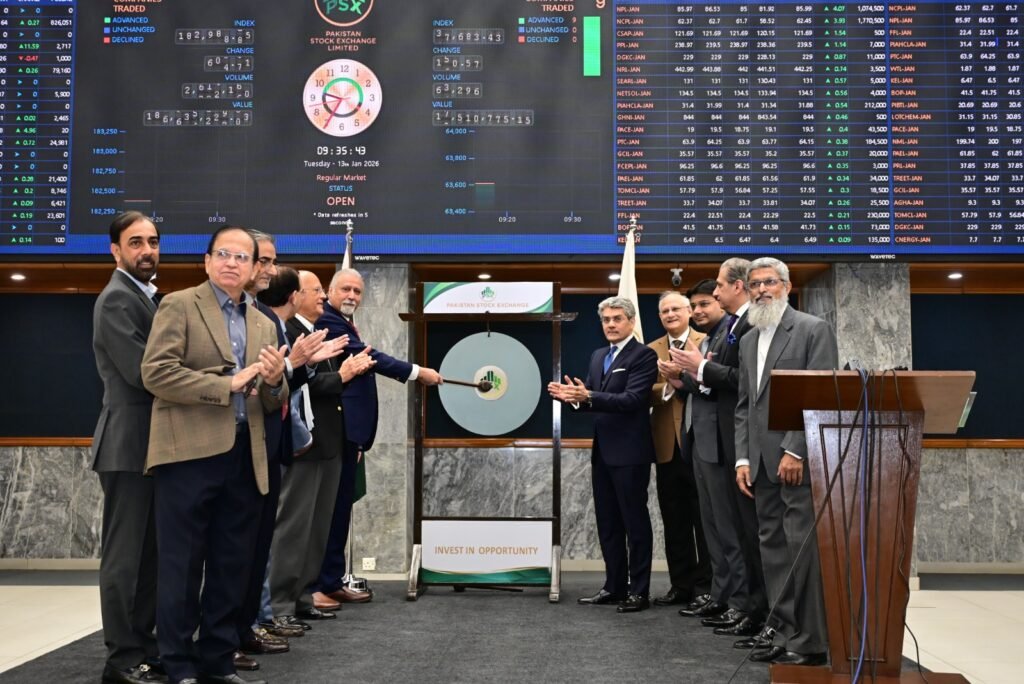
PSX Gong Ceremony Canada Pakistan Business Council marked a significant moment for Pakistan’s capital markets as Mr. Samir Dossal, President of the Canada Pakistan Business Council (CPBC), rang the ceremonial opening gong at the Pakistan Stock Exchange (PSX) on 13 January 2026 in Karachi. The prstigious event celebrated a major milestone $1 billion in bilateral trade between Canada and Pakistan while reinforcing growing institutional and investor ties between the two countries. The ceremony was hosted by PSX Chairman Mr. Ruhail Muhamad and Managing Director & CEO Mr. Farrukh Sabzwari, with special recognition given to Mr. Nadeem Naqvi, Director at PSX and CPBC, for his instrumental role in strengthening Canada-Pakistan business engagement and facilitating greater international investor participation in Pakistan’s capital markets. PSX Gong Ceremony Canada Pakistan Business Council Reflects Market Optimism During his address, Mr. Dossal emphasized that the strong performance of the Pakistan Stock Exchange sends a powerful signal to global investors, particularly Canadian institutions exploring emerging market opportunities. He noted that Pakistan has successfully navigated economic challenges in recent years and is now positioned for sustainable growth and renewed investor confidence. With a population exceeding 240 million, Pakistan offers a large and rapidly expanding consumer and investment market. Mr. Dossal highlighted that the vibrant Pakistani-Canadian diaspora further strengthens bilateral relations by enabling two-way flows of capital, expertise, innovation, and entrepreneurial collaboration. Canada-Pakistan Trade Growth: From $300 Million to $1 Billion A key highlight of the PSX Gong Ceremony Canada Pakistan Business Council event was the remarkable expansion of bilateral trade. Since 2012, trade volume between Canada and Pakistan has grown from approximately $300 million to over $1 billion annually, reflecting stronger policy alignment, improved regulatory coordination, and rising private-sector engagement. This growth spans multiple high-impact sectors, each contributing to long-term economic integration between the two nations. PSX Gong Ceremony Canada Pakistan Business Council Highlights Key Sectors Agrifood Trade and Market Access After nearly three years of regulatory coordination, Canada and Pakistan successfully resolved outstanding requirements, enabling the arrival of 500,000 tons of Canadian canola at Karachi Port. This breakthrough represents one of the most significant agrifood trade achievements between the two countries. Mr. Dossal acknowledged the leadership of Senator Ishaq Dar, Ms. Anita Anand, and High Commissioner Tarik Ali Khan, whose coordinated efforts made this landmark trade deal possible. Education, Innovation, and Research Collaboration Another major milestone announced at the ceremony was the academic partnership between NED University and Toronto Metropolitan University, led by Dr. Mohamed Lachemi. Facilitated by CPBC, the signed Memorandum of Understanding is expected to foster long-term collaboration in research, innovation, and knowledge exchange, strengthening human capital development across borders. Canadian Brands Thriving in Pakistan’s Consumer Market The PSX Gong Ceremony Canada Pakistan Business Council also spotlighted the rapid success of Canadian franchises in Pakistan. Tim Hortons has recorded strong consumer response following flagship store launches in Karachi and Lahore. Mary Brown’s Chicken recently entered the Pakistani market with an enthusiastic reception, while Second Cup continues its sustained growth with over 50 outlets nationwide, reinforcing confidence in Pakistan’s retail and food services sector. Additionally, CPBC’s engagement with CATYES.org, the Canadian Alliance for Trade, aligns Canada-Pakistan trade objectives with Canada’s broader Indo-Pacific Strategy, opening new channels for investment and strategic cooperation. PSX Gong Ceremony Canada Pakistan Business Council Sends a Clear Message Concluding his remarks, Mr. Dossal delivered a clear and forward-looking message:“We are not just trading goods; we are building a shared economic future.” The PSX Gong Ceremony Canada Pakistan Business Council stands as a symbol of deepening trust, expanding trade, and long-term partnership between Canada and Pakistan anchored in strong institutions, resilient markets, and shared economic ambition. About the Canada Pakistan Business Council (CPBC) The Canada Pakistan Business Council (CPBC) is the premier bilateral trade organization dedicated to advancing economic ties between the two countries. Recently celebrating its 42nd anniversary, CPBC has played a pivotal role in facilitating over $1 billion in annual trade, supporting investment flows, policy dialogue, and private-sector collaboration across multiple industries.

SECP Warns Against Unauthorized Investment Platforms Preying on Investors
Pakistan

SECP Warns Against Unauthorized Investment Platforms Preying on Investors

SECP warns against unauthorized investment platforms as the Securities and Exchange Commission of Pakistan (SECP) has issued a strong public alert highlighting the growing threat of illegal online trading and investment schemes operating without regulatory approval. These fraudulent platforms are increasingly targeting unsuspecting investors across Pakistan by promising unrealistically high returns on stock market investments. According to the regulator, several unauthorized entities are actively misleading the public, raising serious concerns about investor protection, financial fraud, and digital financial safety. SECP Warns Against Unauthorized Investment Platforms Operating Illegally In its latest advisory dated January 13, 2026, SECP has identified illegal online investment platforms operating under the names “Hillhouse Capital / Hillhouse Investment” and “S-169 Wharton.” These platforms falsely claim to offer lucrative investment opportunities in shares of listed companies while operating entirely outside Pakistan’s regulatory framework. SECP has categorically clarified that neither Hillhouse Capital nor S-169 Wharton is licensed, registered, or authorized to provide investment advisory or trading services in Pakistan. As a result, the regulator has formally reported these platforms to relevant law enforcement agencies for further investigation and action. How Unauthorized Investment Platforms Mislead the Public SECP warns against unauthorized investment platforms that typically follow a familiar pattern of deception. These schemes are often promoted through private messaging apps, particularly WhatsApp and Telegram groups, where fraudsters misuse the names of licensed brokerage houses, reputable financial institutions, or well-known market professionals. Instead of presenting legitimate disclosures or risk warnings, such platforms lure investors with exaggerated claims of guaranteed or unusually high returns a clear red flag in any regulated financial market. In practical terms, these platforms claim to offer: • Online trading in listed company shares• “Insider tips” or exclusive stock recommendations• Managed investment services without formal contracts• Fast and risk-free profits SECP reiterates that no legitimate investment opportunity can guarantee fixed or abnormal returns, especially in equity markets. SECP Warns Against Unauthorized Investment Platforms and Advises Investor Caution SECP strongly advises investors to engage only with SECP-licensed securities and futures brokers. Legitimate brokers can be verified through official sources, including the websites of the Pakistan Stock Exchange (PSX) and the Pakistan Mercantile Exchange (PMEX). Instead of trusting unsolicited investment offers, investors should independently verify: • Whether the broker or platform is SECP-licensed• Whether official contact details match those listed on the broker’s website• Whether the investment structure complies with Pakistani securities laws SECP warns against unauthorized investment platforms that ask investors to transfer funds to personal bank accounts, digital wallets, or informal arrangements—another common indicator of fraud. SECP Warns Against Unauthorized Investment Platforms: Public Advisory SECP has issued a firm warning advising the public not to deposit or invest any funds with Hillhouse Capital / Hillhouse Investment, S-169 Wharton, or any individuals or groups promoting similar schemes under any arrangement. The regulator further urges investors to: • Avoid sharing CNIC details, bank information, or OTPs• Refrain from joining unofficial investment groups on social media• Report suspicious investment offers to SECP immediately By taking these precautions, investors can protect themselves from financial loss and identity misuse. Why SECP’s Warning Matters for Pakistan’s Financial Market SECP’s action reflects its broader mandate to safeguard investor confidence and ensure transparency in Pakistan’s capital markets. Unauthorized investment platforms not only harm individual investors but also undermine trust in the country’s financial system. As digital finance and online trading continue to grow, SECP warns against unauthorized investment platforms becoming more sophisticated and aggressive in their outreach making investor awareness more critical than ever. SECP warns against unauthorized investment platforms as a reminder that informed decision-making is the first line of defense against financial fraud. Investors are encouraged to remain vigilant, verify credentials, and rely solely on licensed market participants. In an era of fast-growing digital investment opportunities, regulatory compliance is participants it is essential for financial security and long-term market stability.

Pak-Qatar General Takaful to Launch Rs420m IPO at PSX Next Week
Pakistan

Pak-Qatar General Takaful to Launch Rs420m IPO at PSX Next Week

Karachi, January 13, 2026: Pak-Qatar General Takaful Limited (PQGTL), a Pak-Qatar Group Company, is one of Pakistan’s pioneering dedicated Shariah-compliant takaful providers, is set to launch its Initial Public Offering (IPO) next week to raise up to Rs. 420 million, the company said in a statement. The book-building process is scheduled for January 21–22, with investor registration opening on January 16. Read More: https://theboardroompk.com/pak-qatar-general-takaful-ipo-gets-secp-approval-signaling-strong-ipo-momentum-in-pakistan/ Following the IPO, PQGTL will become the first dedicated general (non-life) takaful operator to be listed on the Pakistan Stock Exchange (PSX), at a time when the benchmark KSE-100 Index continues to scale new historic highs. The listing forms part of PQGTL’s strategy to enhance its paid-up capital base, enabling the company to meet applicable regulatory capital requirements for non-life insurers and Takaful operators, while supporting future growth initiatives. “Arif Habib Limited has been mandated by Pak-Qatar General Takaful Limited to act as the consultant and book runner for raising funds through the Initial Public Offering,” the company stated. The IPO follows the successful listing of Pak-Qatar Family Takaful Limited (PQFTL) last month, which raised Rs. 901 million in Pakistan’s first-ever Islamic insurance sector IPO at a strike price of Rs. 18.02 per share. That offering—Pakistan’s largest dedicated family takaful IPO—was oversubscribed by 3.5 times, reflecting strong investor appetite for Shariah-compliant financial products. Under the current offering, PQGTL will issue 30 million shares, with a floor price of Rs. 10 per share and a ceiling price of Rs. 14 per share. Of the total offering, 22.5 million shares (75%) will be allocated to institutional investors, while 7.5 million shares (25%) will be offered to the public. The general public subscription is scheduled for January 28–29. The proceeds from the IPO will be utilized to fund strategic initiatives, including investments in software and other intangible assets, hardware and infrastructure, marketing and brand development, human resource enhancement, and the establishment of new branches, as well as the transformation of existing branches to improve operational efficiency and customer experience. PQGTL is part of Pak-Qatar Group, Pakistan’s premier and pioneer Islamic financial services group and is backed by Qatar-based financial institutions. The company offers a comprehensive range of Shariah-compliant general takaful products and, upon listing, will become the first dedicated General Takaful company to trade on the PSX. Last week, the Securities and Exchange Commission of Pakistan (SECP) approved PQGTL’s IPO prospectus, noting that IPO activity at the PSX has gathered strong momentum during FY2025–26. PQGTL’s offering will mark the sixth IPO on the PSX Main Board so far, this fiscal year.

US Tariffs on Countries Trading with Iran Signal Major Shift in Global Trade Policy
World

US Tariffs on Countries Trading with Iran Signal Major Shift in Global Trade Policy

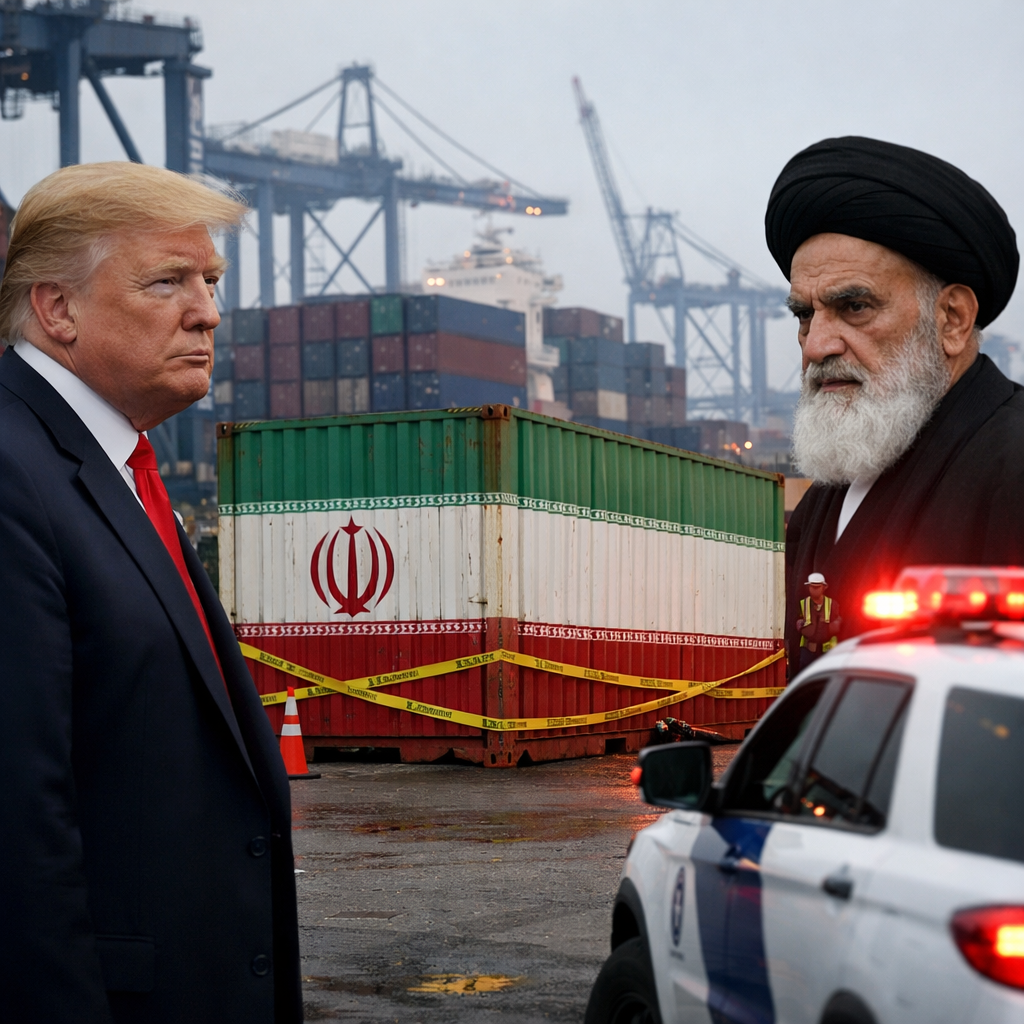
US tariffs on countries trading with Iran mark a significant escalation in Washington’s economic pressure campaign against Tehran, potentially reshaping global trade dynamics and placing allied economies under fresh strain. Read More: https://theboardroompk.com/trump-administration-threatens-criminal-indictment-against-american-central-bank-fed-chair-powell-for-not-lowering-intrests-rates/ The United States has signaled its intent to impose a 25% tariff on any country that continues commercial relations with Iran, applying the penalty across all trade conducted with the U.S. The proposed measure, described as taking immediate effect, was announced by President Donald J. Trump through a post on his Truth Social platform, where he called the decision “final and conclusive.” According to the announcement, nations maintaining business ties with Iran would face broad trade penalties when exporting to or importing from the United States. While operational details remain unclear, the message alone has sent ripples through international markets and policy circles. US Tariffs on Countries Trading with Iran and Washington’s Strategic Message The announcement underscores Washington’s willingness to use secondary tariffs as a geopolitical tool. Unlike traditional sanctions that directly target Iran, US tariffs on countries trading with Iran would effectively penalize third-party economies, forcing governments to choose between access to U.S. markets and engagement with Tehran. President Trump also framed the move within a broader political narrative, stating that Iran was nearing a period of “major change” and suggesting that the country was “looking at freedom, perhaps like never before.” He added that the United States “stands ready to help,” signaling that economic pressure may be paired with political leverage. This escalation comes amid ongoing internal unrest in Iran, where protests across multiple cities have drawn global attention and renewed scrutiny of the government’s response. Pakistan and US Tariffs on Countries Trading with Iran: A Growing Concern Among the countries closely watching developments is Pakistan, which has recently intensified its economic engagement with Iran. The proposed US tariffs on countries trading with Iran raise serious questions for Islamabad’s regional trade strategy. In November 2025, Pakistan and Iran agreed to deepen cooperation in agriculture, food security, and bilateral trade. Key areas of collaboration included livestock exports, staple food commodities, and agricultural technology exchange. Instead of presenting this information in a table, it can be explained as follows: Pakistan plans to export 350,000 livestock to Iran while expanding shipments of wheat, rice, maize, and animal fodder. The two countries also discussed technology transfers, joint ventures in modern irrigation systems, and the development of drought-resistant crops, reflecting a long-term strategic partnership. Pakistan has publicly set an ambitious target of $10 billion in bilateral trade with Iran, a goal that could now face headwinds if U.S. penalties are enforced broadly. Economic Implications of US Tariffs on Countries Trading with Iran The potential fallout from US tariffs on countries trading with Iran extends beyond bilateral relationships. For export-driven economies, even a partial loss of U.S. market access could significantly impact foreign exchange earnings, supply chains, and investor confidence. From a market perspective, the uncertainty alone may delay trade agreements, discourage long-term contracts, and raise compliance costs for businesses operating across borders. For developing economies like Pakistan, navigating between strategic partnerships and global financial systems dominated by the U.S. dollar presents a delicate balancing act. Global Response Still Unclear Despite the strong language used in the announcement, no detailed framework has yet been released explaining how the tariffs would be implemented, enforced, or which countries would be affected first. As of now, U.S. government agencies and foreign governments have not issued official responses. This lack of clarity has heightened uncertainty in international markets, particularly among U.S. allies and regional partners with existing economic ties to Iran. What Comes Next for Global Trade? As tensions remain elevated, US tariffs on countries trading with Iran are expected to remain a focal point for policymakers, investors, and trade analysts. Whether the measure becomes a fully enforced policy or remains a strategic warning will depend on diplomatic engagement, market reactions, and geopolitical developments in the coming weeks. For countries like Pakistan, the challenge will be balancing regional economic cooperation with global trade realities while avoiding costly disruptions to exports, investment flows, and long-term growth objectives.

PIA Launches 'Air to Rail' Partnership: Seamless Travel to Canada and UK Cities
Pakistan

PIA Launches ‘Air to Rail’ Partnership: Seamless Travel to Canada and UK Cities

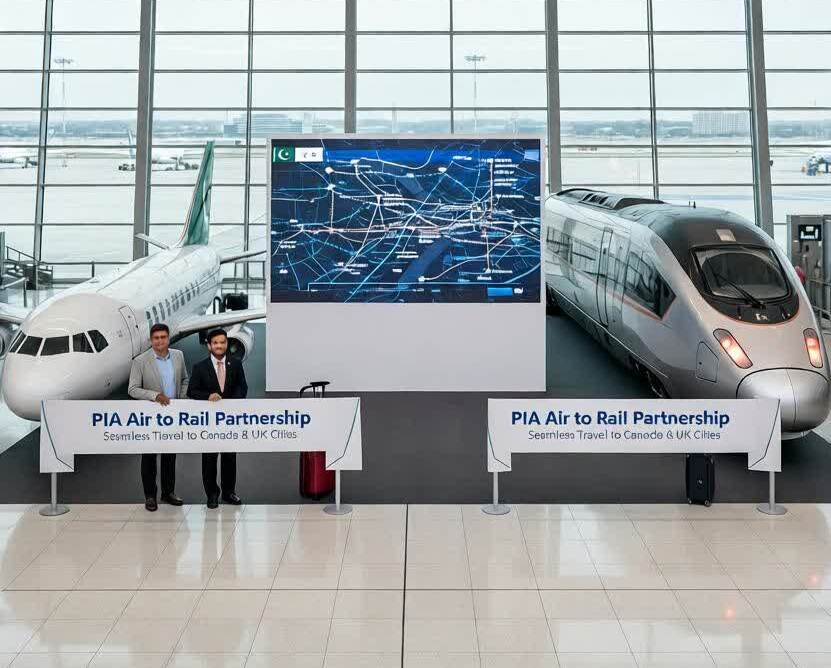
Pakistan International Airlines (PIA) has launched a groundbreaking “Air to Rail” partnership with leading rail operators in Canada and the United Kingdom, enabling seamless intermodal travel for its international passengers. Under this historic agreement, travelers can now book a single ticket that combines PIA flights with onward train journeys, simplifying connections from major arrival airports to multiple destinations across both countries. Read More: https://theboardroompk.com/pia-lahore-to-london-flights-to-resume-from-march-30-2026/ The initiative aims to provide door-to-door convenience, save time, and eliminate the hassle of separate bookings for ground transport upon arrival. Seamless Connectivity in Canada Passengers arriving in Toronto on PIA flights can continue their journey via partner rail services to eight key Canadian cities. This integration leverages Canada’s extensive rail network, allowing travelers to reach urban centers and regional hubs efficiently without additional transfers or separate reservations. The partnership enhances accessibility for the Pakistani diaspora and tourists, offering a more integrated travel experience from Pakistan to various parts of Canada. Expanded Reach Across the UK For those flying into London or Manchester, the agreement provides onward rail access to over 50 cities throughout the United Kingdom. This broad coverage connects passengers to destinations beyond the major airports, supporting business, family visits, and leisure travel. Booking is streamlined through PIA’s official channels, including its website, mobile app, booking offices, and registered travel agents, ensuring a user-friendly process. The spokesperson emphasized that the collaboration represents a significant step in modernizing PIA’s services, aligning with digital advancements and passenger-centric improvements. By reducing post-flight logistics, the initiative promises greater convenience, cost efficiency, and reliability for international travelers.

Pakistan Defense Exports Potentially Hit $13bn Mark
Pakistan

Pakistan Defence Exports Potentially Hit $13bn Mark

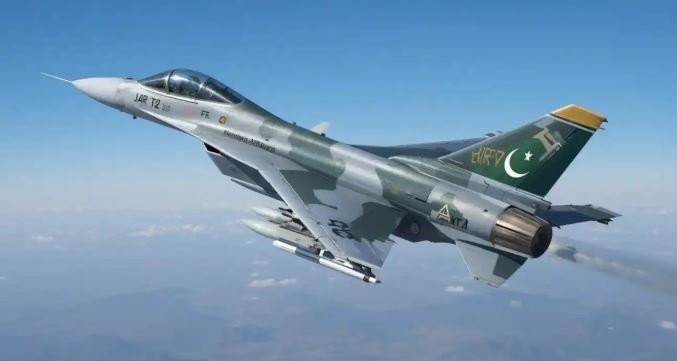
Pakistan is poised for a major economic transformation as defense exports surge, with tracked deals potentially reaching $13 billion. This wave of agreements, spanning fighter jets like the JF-17 Thunder, Al-Khalid tanks, drones, armored vehicles, naval systems, ammunition, and small arms, targets markets in Africa, the Middle East, Asia, and beyond, according to KTrade report. Read More: https://theboardroompk.com/jf-17-thunder-takes-centre-stage-in-pak-indonesia-defence-discussions/ Bolstered by the battle-proven performance of Pakistani equipment—particularly the JF-17 in recent regional conflicts—these exports are seen as a key driver for foreign exchange inflows, industrial growth, and job creation over 2026-2030. Strategic Partnerships Fuel Export Momentum Key deals involve countries such as Saudi Arabia (in advanced talks to convert $2 billion in loans into JF-17 purchases), Indonesia (discussing cooperation), Bangladesh (exploring acquisitions), and African nations like Libya, Sudan, Nigeria, Ethiopia, Algeria, Zimbabwe, and others. The JF-17 Thunder, co-developed with China and produced domestically at Pakistan Aeronautical Complex (PAC) Kamra, stands out as a flagship product. Institutions like Heavy Industries Taxila (for tanks), Pakistan Ordnance Factories (POF), and Karachi Shipyard are gearing up for scaled production. These geo-strategic engagements, enhanced post recent diplomatic successes, position Pakistan as a reliable supplier for nations seeking affordable, high-quality arms without stringent conditions. Economic Supercharge and Long-Term Gains Analysts project an 82% jump in foreign exchange reserves from these inflows, aiding the Uraan Pakistan goal of $60 billion in exports by 2029. The boom catalyzes investments in supporting industries—avionics, components, and training—while creating widespread employment. A robust defense tech sector could spill over into broader technology advancements, including drones and advanced missiles. With global defense spending rising amid conflicts, Pakistan’s export push offers a pathway to economic stability, reduced reliance on loans, and strengthened external accounts.

ML-1 Railway Upgrade Set to Kick Off from Karachi Port in July 2026
Uncategorized

ML-1 Railway Upgrade Set to Kick Off from Karachi Port in July 2026

Karachi/Islamabad – Federal Minister for Railways Muhammad Hanif Abbasi announced that construction work on Pakistan Railways’ flagship Main Line-1 (ML-1) project will commence in July 2026, starting from Karachi Port. Read More: https://theboardroompk.com/pakistan-railways-reclaims-3509-sq-ft-in-rawalpindi-anti-encroachment-drive/ The initiative, part of broader reforms to shift freight from roads to rail, follows a key meeting on January 9, 2026, between the minister and Karachi Port Trust (KPT) Chairman Rear Admiral (Retd) Shahid Ahmed, focusing on enhancing cargo logistics and reducing port congestion. Initial Focus on Karachi-Pipri Section and Freight Expansion The project begins with the modernisation of the 54-kilometre railway section from Karachi Port Trust (KPT) to Pipri, aimed at enabling seamless and efficient cargo movement. Pakistan Railways plans to launch at least four dedicated freight trains daily within the next five months (by mid-2026), with priority given to bulk cargo. KPT has committed to upgrading its internal railway tracks and coordinating closely with Pakistan Railways to improve connectivity and operational efficiency. Strategic Shift to Rail for Economic and Logistical Gains The minister emphasised the strategic role of Karachi Port in national and international trade, highlighting the need for integrated rail-port infrastructure to cut logistics costs, ease road pressure, shorten turnaround times, and boost trade, industry, and the overall economy. Both officials agreed that rail-based freight is more cost-effective and sustainable compared to road transport. The ML-1 upgrade aligns with ongoing China-Pakistan Economic Corridor (CPEC) commitments, where Pakistan and China have reaffirmed dedication to advancing ML-1 alongside the Karachi Circular Railway (KCR). This development marks a significant step in Pakistan Railways’ modernisation drive, promising enhanced freight capacity and long-term economic benefits amid efforts to revitalise the national rail network.

JF-17 Thunder Takes Centre Stage in Pak-Indonesia Defence Discussions
Pakistan

JF-17 Thunder Takes Centre Stage in Pak-Indonesia Defence Discussions

Islamabad – An Indonesian delegation, led by Defence Minister Lt Gen (R) Sjafrie Sjamsoeddin, met Pakistan Air Force Chief Air Chief Marshal Zaheer Ahmed Baber Sidhu at Air Headquarters in Islamabad on Tuesday to discuss deepening bilateral defence cooperation, with the JF-17 Thunder fighter jet emerging as a central topic. Read More: https://theboardroompk.com/pakistan-and-bangladesh-deepen-defence-ties-with-potential-jf-17-deal/ Strategic Dialogue and Modernisation Efforts The talks, which follow the recent state visit by the Indonesian President to Pakistan, emphasised capacity building, specialised training, technological exchange, and joint operational collaboration between the two air forces. Air Chief Marshal Sidhu briefed the minister on the PAF’s ongoing modernisation, including the induction of advanced capabilities, infrastructure upgrades, and readiness for multi-domain operations. He reaffirmed Pakistan’s commitment to long-term institutional engagement with Indonesia. JF-17 as Key Attraction Amid Global Interest Discussions highlighted the JF-17 Thunder, a multi-role combat aircraft jointly developed by Pakistan and China and produced in Pakistan. The jet has gained significant prestige following its demonstrated performance in the May 2025 conflict with India. Minister Sjamsoeddin praised the PAF’s operational excellence and commended Pakistan’s self-reliance in aerospace, particularly through the National Aerospace Science & Technology Park (NASTP), calling it a “testament to Pakistan’s increasing self-reliance.” Reports indicate advanced-stage negotiations for the potential sale of over 40 JF-17 jets, alongside air defence systems, training programs for Indonesian air force personnel, and interest in Pakistani drones like the Shahpar. While no concrete decisions were announced, both sides expressed enthusiasm for expanding joint ventures in aviation and aerospace to bolster regional stability. This engagement aligns with Pakistan’s broader defence export push, as seen in recent interest from Iraq, Bangladesh, and others.

Scroll to Top