
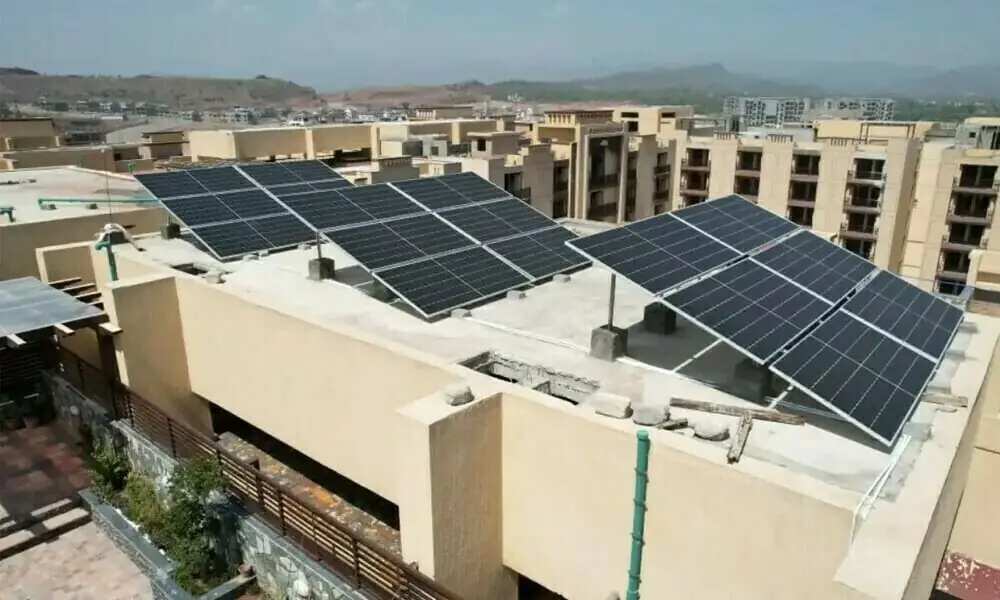
Karachi: A new study highlights how Pakistan’s rapid adoption of rooftop solar systems has delivered massive economic relief by slashing liquefied natural gas (LNG) imports. The consumer-driven surge in solar installations has helped the country avoid significant fuel costs amid global energy volatility.
Explosive Growth in Solar Capacity
Pakistan’s installed solar capacity has skyrocketed from under 1 GW in 2018 to over 51 GW by early 2026. This boom, largely powered by affordable Chinese solar panels, represents one of the fastest people-led energy transitions worldwide.
Households, businesses, and industries have embraced rooftop systems due to high grid tariffs and unreliable power supply.
Analysts estimate that distributed solar now contributes around 20% of the country’s electricity in recent periods, reducing dependence on imported fossil fuels.
Solar panel imports alone reached record levels, with over 12 GW added in 2025.
Economic and Energy Security Benefits
The study by Renewables First and the Centre for Research on Energy and Clean Air (CREA) reveals that this solar expansion has already saved Pakistan approximately $12 billion in oil and gas imports since 2021 up to February 2026. An additional $6.3 billion in savings is projected by the end of 2026 if high global prices persist.
This shift has enabled the cancellation or renegotiation of some LNG contracts, cutting LNG demand by up to 40% in certain periods and lowering overall fossil fuel imports by 40% between 2022 and 2024. It provides a buffer against disruptions like potential issues in the Strait of Hormuz.
Experts note that falling solar costs, combined with net metering incentives, have made rooftop systems highly attractive. The development enhances energy independence while easing pressure on foreign exchange reserves.