Author name: Web Desk

Pakistan Govt Orders 30-Day Plan to Clear Stuck Containers at Karachi Port
Pakistan

Pakistan Govt Orders 30-Day Plan to Clear Stuck Containers at Karachi Port

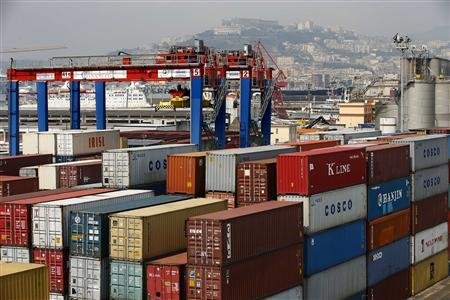
Federal Minister for Maritime Affairs Muhammad Junaid Anwar Chaudhry has directed port authorities to prepare and execute a comprehensive 30-day plan to resolve congestion at Karachi Port terminals. The initiative aims to shift, auction, and dispose of stuck-up containers and surplus materials occupying valuable on-dock space. Read More: https://theboardroompk.com/pakistan-france-trade-and-investment-forum-opens-new-doors-for-business-cooperation/ Rising Transshipment Cargo Adds Pressure The surge in transshipment cargo, driven by improved port performance and regional dynamics including disruptions in Middle East shipping routes, has intensified congestion. Officials noted that this increased volume is straining terminal capacity, potentially affecting overall port efficiency. 30-Day Plan for Shifting and Clearance The minister chaired a sub-committee meeting and instructed authorities to transfer stuck-up containers and surplus items from on-dock areas to designated off-dock facilities such as Sky Media Terminal, Al-Hamd Terminal, and Northern Bypass within 30 days. Karachi Port Trust (KPT) has been tasked to collect detailed shifting plans from terminal operators and share them with the sub-committee and customs by the end of this week. Customs authorities will facilitate the auction of stuck-up containers within one month, while terminal operators must dispose of surplus materials like wooden pallets and unused equipment in the same period. Rationalised reserve prices for mixed lots will help accelerate the auction process. The Federal Board of Revenue (FBR) will allow shipping companies to remove and destroy abandoned containers as per existing regulations. A clear mechanism will also be developed to shift transshipment cargo to off-dock terminals on commercial terms, with updated records of off-dock facilities maintained. Focus on Seamless Operations and Future Growth Minister Chaudhry emphasized that port operations must continue without disruption to domestic trade. “Pakistan must seize emerging regional opportunities by adopting a forward-looking framework to sustain and expand our ports’ potential,” he stated. Officials expressed confidence that these coordinated efforts will significantly reduce congestion, support trade flows, and enhance maritime logistics efficiency in the country.
Pakistan France Trade and Investment Forum Opens New Doors for Business Cooperation
World

Pakistan France Trade and Investment Forum Opens New Doors for Business Cooperation

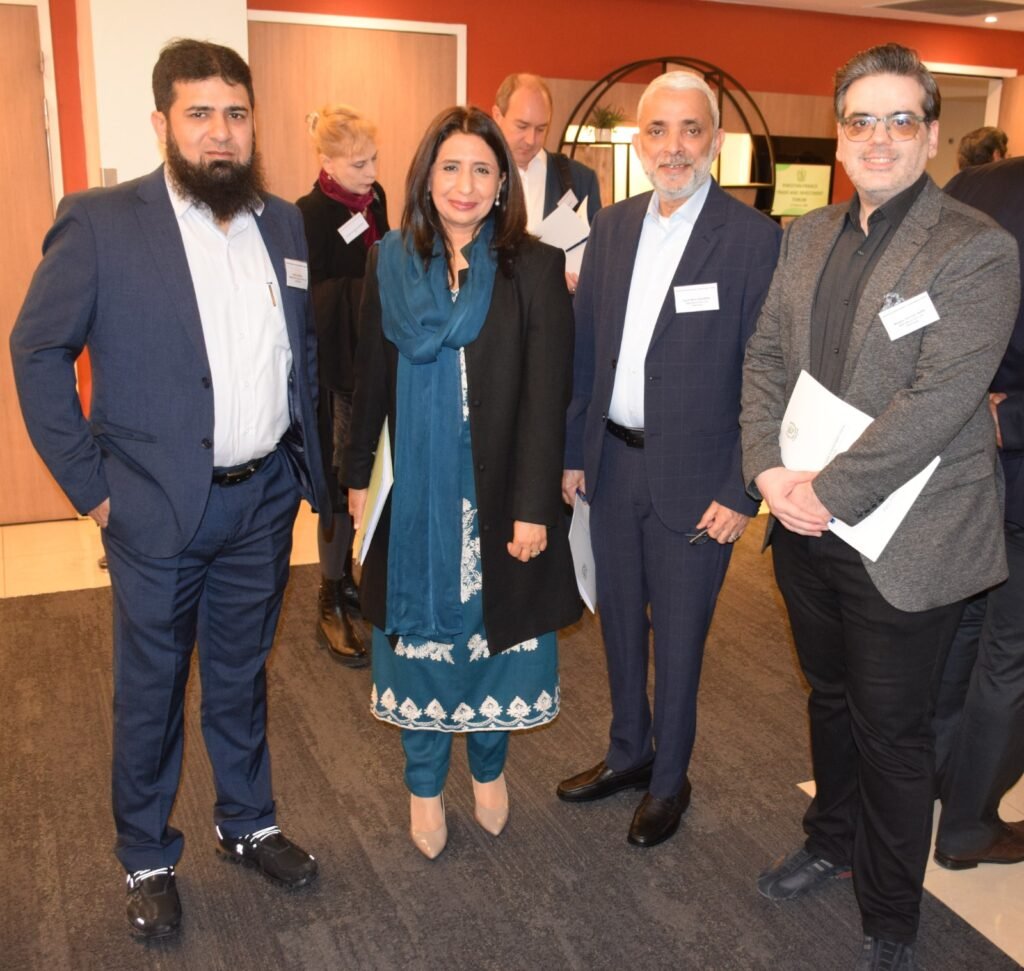
The Pakistan France Trade and Investment Forum marked a major step toward strengthening economic ties between Pakistan and France. Held in Paris, the high-level gathering brought together policymakers, investors, and industry leaders to explore fresh opportunities in trade, investment, and sustainable growth. Read More: https://theboardroompk.com/pakistan-uk-free-trade-agreement-gains-momentum-as-trade-talks-deepen-economic-cooperation/ The event reflected growing interest in Pakistan’s economic potential and highlighted the willingness of both nations to deepen commercial cooperation in key sectors. Why the Pakistan France Trade and Investment Forum Matters The Pakistan France Trade and Investment Forum created a platform for meaningful dialogue between business communities. More than seventy companies from sectors such as agriculture, information technology, textiles, energy, and tourism participated, signaling strong investor confidence. The initiative followed the 2024 understanding between Emmanuel Macron and Shehbaz Sharif to promote a sustainable and mutually beneficial economic partnership. Leadership Highlights at the Pakistan France Trade and Investment Forum Pakistan’s Ambassador to France, Mumtaz Zahra Baloch, inaugurated the forum and emphasized Pakistan’s economic reforms, investor-friendly policies, and improved business environment. French business leaders also showed strong support for expanding economic cooperation. Key voices included Thierry Pflimlin, Patricia Glasel, and Ardavan Amir-Aslani. They highlighted the importance of private-sector collaboration and long-term partnerships. Pakistan’s Federal Minister for Commerce, Jam Kamal Khan, described the forum as a timely initiative to expand Pakistan’s global trade footprint and attract foreign investment. Key Sectors Discussed During the Pakistan France Trade and Investment Forum During plenary sessions and Business-to-Business meetings, participants explored several high-potential areas. Discussions focused on textiles, agriculture and dairy, and information technology, along with energy and tourism opportunities. Textile collaboration centered on joint ventures, technology transfer, and value-added exports. Agriculture and dairy discussions emphasized modern farming techniques and supply chain improvements. Meanwhile, IT collaboration highlighted outsourcing opportunities, digital services, and startup partnerships. These discussions translated into practical pathways for joint investments and long-term cooperation between businesses from both countries. Growing Confidence in Pakistan as an Investment Destination The participation of over seventy companies demonstrated growing confidence in Pakistan’s market potential. Investors showed interest in Pakistan’s large consumer base, competitive labor costs, and strategic location connecting South Asia, Central Asia, and the Middle East. The Pakistan France Trade and Investment Forum also underscored the importance of sustainable growth, encouraging partnerships aligned with environmental and technological innovation. Future Outlook After the Pakistan France Trade and Investment Forum The successful conclusion of the Pakistan France Trade and Investment Forum signals a positive trajectory for bilateral trade. Both countries expressed commitment to expanding cooperation, strengthening business linkages, and encouraging cross-border investment. The forum is expected to pave the way for future trade delegations, investment projects, and policy-level engagement aimed at boosting economic collaboration. With renewed momentum, Pakistan and France appear poised to build a stronger economic partnership that benefits businesses, investors, and consumers in both nations.

Pakistan UK Free Trade Agreement Gains Momentum as Trade Talks Deepen Economic Cooperation
Pakistan

Pakistan UK Free Trade Agreement Gains Momentum as Trade Talks Deepen Economic Cooperation

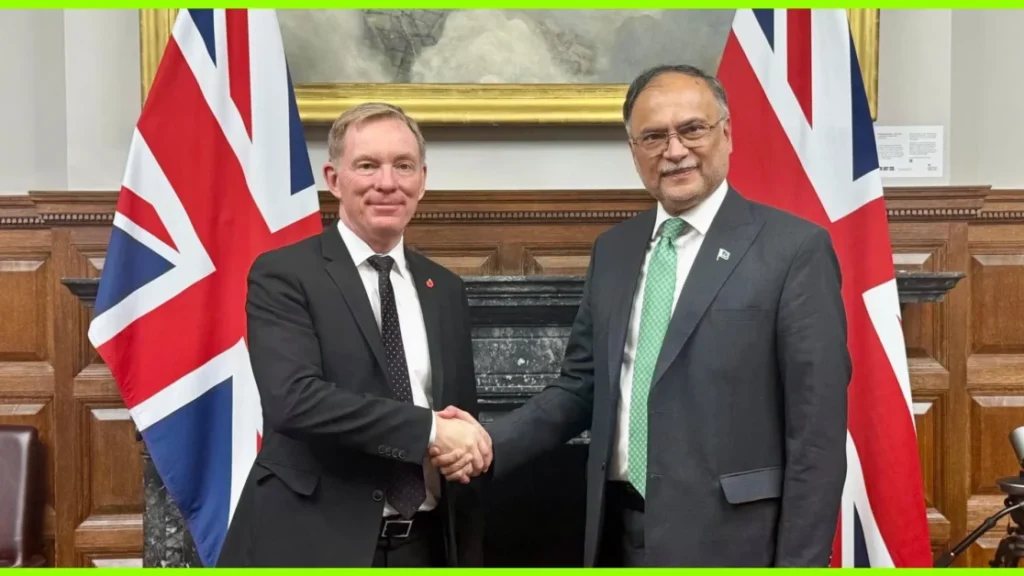
The proposed Pakistan UK Free Trade Agreement is gaining traction as Pakistan and the United Kingdom move toward deeper economic integration. High-level talks in Islamabad highlighted growing bilateral trade engagement, with both countries exploring long-term opportunities to strengthen commercial ties amid global economic and energy uncertainties. Read More: https://theboardroompk.com/attock-cement-acquisition-moves-forward-as-fauji-cement-and-kapco-launch-public-offer/ Officials reviewed progress under the Pakistan UK Trade Dialogue and emphasized that a structured free trade framework could become the next logical step in enhancing cooperation. The initiative reflects a shared interest in boosting trade volumes, improving market access, and supporting investment flows between the two economies. Pakistan UK Free Trade Agreement to Boost Key Sectors Discussions during the meeting focused on activating dedicated working groups in priority sectors considered vital for export growth and value addition. These sectors include information technology, agriculture, healthcare and life sciences, professional services, and education and skills development. These areas hold strong potential for collaboration. Expanding IT exports, improving agricultural productivity, and strengthening healthcare partnerships could help Pakistan diversify its export base. Meanwhile, education and professional services cooperation may open pathways for skill development and employment opportunities. Such sectoral engagement is expected to improve competitiveness, enhance productivity, and create new business opportunities for both countries. This approach aligns with Pakistan’s broader economic strategy to increase exports and attract foreign investment. Structural Reforms Support Pakistan UK Free Trade Agreement Pakistan reiterated its commitment to structural reforms aimed at improving the business climate. Officials highlighted ongoing tariff rationalization and regulatory adjustments designed to create a more predictable and investor-friendly environment. These reforms are intended to enhance competitiveness by reducing trade barriers and simplifying procedures. Policy consistency was also emphasized as a key factor in maintaining long-term investor confidence. Stable policies encourage foreign companies to expand operations and invest in new sectors. The UK side, however, raised concerns regarding proposed changes to Pakistan’s intellectual property framework. Officials called for greater policy clarity and transparency to ensure international businesses remain confident in Pakistan’s regulatory direction. Timely consultation with stakeholders was stressed to avoid uncertainty and maintain trust. Basmati Rice Branding and Market Protection Both sides reviewed progress on the registration of Geographical Indications and trademarks for Pakistani basmati rice. This issue carries direct implications for export branding and international market protection. Securing geographical indication status helps safeguard Pakistan’s premium basmati rice identity in global markets. It also prevents misuse of branding by competitors and strengthens export positioning, particularly in high-value markets such as the UK. Improved branding through GI protection could increase export revenues and enhance Pakistan’s agricultural trade profile. Global Shipping Risks Affect Trade Outlook Beyond trade policy, discussions addressed rising risks in global shipping routes, especially around the Strait of Hormuz. Pakistan highlighted the impact of increased maritime charges on export competitiveness. Higher insurance premiums and shipping costs can raise export prices, making Pakistani products less competitive in international markets. Pakistan called for a balanced assessment of risk premiums to support regional trade flows and maintain stability. Both countries acknowledged that global supply chain disruptions and geopolitical tensions continue to influence trade dynamics. Pakistan UK Free Trade Agreement to Strengthen Economic Cooperation The engagement concluded with an understanding to continue close coordination on trade, energy, and regional stability. The proposed Pakistan UK Free Trade Agreement is viewed as a long-term framework that could unlock new opportunities for businesses, investors, and exporters. By expanding sectoral cooperation, improving regulatory clarity, and addressing global trade challenges, both countries aim to build a resilient economic partnership. The agreement, once finalized, could significantly enhance bilateral trade and strengthen economic ties between Pakistan and the United Kingdom.

Pakistan Trade Deficit March 2026 Narrows as Imports Fall Faster Than Exports
Business

Pakistan Trade Deficit March 2026 Narrows as Imports Fall Faster Than Exports

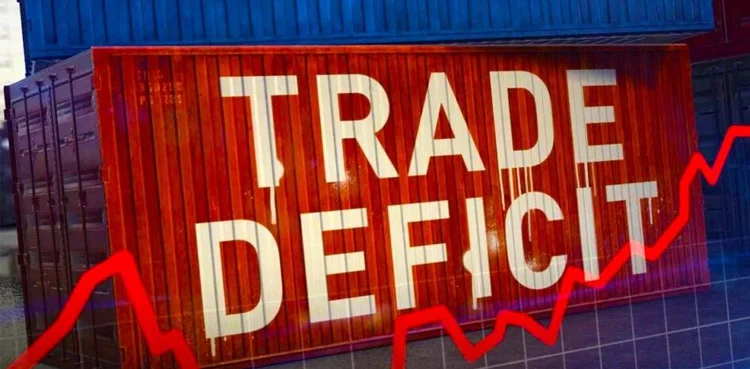
Pakistan Trade Deficit March 2026 narrowed on a month-on-month basis, offering temporary relief to the country’s external account. However, the broader trend still reflects structural challenges, with exports declining and cumulative deficits widening during the current fiscal year. Read More: https://theboardroompk.com/attock-cement-acquisition-moves-forward-as-fauji-cement-and-kapco-launch-public-offer/ According to provisional data released by the Pakistan Bureau of Statistics, the country’s trade gap contracted in March 2026 mainly due to a sharper drop in imports compared to exports. While the monthly improvement is encouraging, year-on-year figures show continued pressure on the balance of payments. Pakistan Trade Deficit March 2026 Shows Monthly Improvement The Pakistan Trade Deficit March 2026 stood at $2.73 billion, reflecting a 9.36 percent decline compared to $3.01 billion recorded in February 2026. The narrowing occurred because imports fell significantly, while exports declined only marginally. Exports slipped slightly to $2.26 billion in March, compared to $2.28 billion in February. This small decrease suggests relative stability after the steep drop witnessed in previous months. Imports, on the other hand, fell more sharply to $4.995 billion, down from $5.29 billion in February. This stronger contraction in imports helped reduce the overall trade gap for the month. The monthly performance indicates that import compression continues to play a major role in controlling the trade deficit. However, economists often view such reductions cautiously, as they may also reflect slower industrial activity and reduced domestic demand. Year-on-Year Comparison Highlights Ongoing Pressure Despite the monthly improvement, the Pakistan Trade Deficit March 2026 widened on a year-on-year basis. The deficit increased by 3.71 percent compared to $2.63 billion recorded in March 2025. Exports fell significantly by 14.40 percent compared to $2.645 billion in March last year. Imports also declined by 5.37 percent from $5.278 billion, but the sharper fall in exports compared to imports resulted in an expanded trade gap. This divergence suggests that Pakistan’s export sector continues to face challenges such as weak global demand, competitiveness issues, and rising production costs. Meanwhile, imports remain relatively resilient, particularly for essential goods and industrial inputs. Cumulative Trade Deficit Widening in FY26 The Pakistan Trade Deficit March 2026 data also reflects a concerning cumulative trend for the fiscal year. During July to March FY26, total exports stood at $22.73 billion, showing an 8.04 percent decline compared to $24.72 billion in the same period of FY25. Imports during the same nine-month period increased to $50.54 billion, registering a 6.64 percent rise from $47.39 billion last year. As a result, the cumulative trade deficit widened significantly to $27.81 billion. This marks a sharp 22.65 percent increase compared to $22.67 billion recorded in the corresponding period of the previous fiscal year. The widening gap highlights persistent imbalances between Pakistan’s export earnings and import payments. These imbalances continue to exert pressure on foreign exchange reserves and the overall balance of payments. What Pakistan Trade Deficit March 2026 Means for the Economy The Pakistan Trade Deficit March 2026 offers mixed signals for policymakers. The monthly narrowing provides short-term relief, but declining exports and rising cumulative deficits indicate deeper structural issues. Sustained improvements will require strengthening export competitiveness, diversifying markets, and reducing reliance on non-essential imports. Economic analysts emphasize that long-term stability depends on boosting industrial productivity, supporting export-oriented sectors, and encouraging value-added manufacturing. Without these measures, periodic import compression alone may not deliver sustainable improvements. Outlook for the Coming Months Going forward, the trajectory of the Pakistan Trade Deficit March 2026 suggests that external sector pressures are likely to remain. Any recovery in exports, particularly in textiles, agriculture, and IT services, could help narrow the gap. However, rising global commodity prices and domestic demand recovery may increase imports again. Overall, while March brought a modest improvement, Pakistan’s external sector continues to face structural challenges. Policymakers will need consistent reforms and export-led growth strategies to achieve sustainable balance in trade accounts.

Attock Cement Acquisition Moves Forward as Fauji Cement and KAPCO Launch Public Offer
Pakistan

Attock Cement Acquisition Moves Forward as Fauji Cement and KAPCO Launch Public Offer

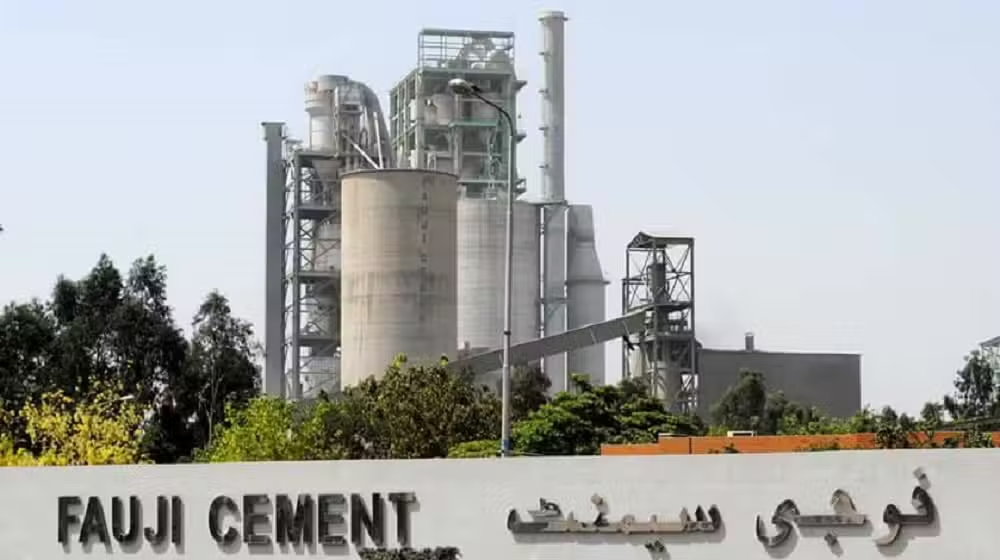
The Attock Cement acquisition has entered a crucial phase as Fauji Cement Company Limited and Kot Addu Power Company Limited formally initiated the public offer process for Attock Cement Pakistan Limited. The development signals growing consolidation in Pakistan’s cement sector and highlights rising investor interest in strategic industrial assets. Read More: https://theboardroompk.com/fbr-section-175c-jewelry-sector-dispute-escalates-as-talks-between-fbr-and-traders-fail/ The joint acquirers have dispatched offer letters and acceptance forms to all shareholders, marking the operational start of the acquisition process. The official public announcement is scheduled for April 4, 2026, following regulatory compliance and procedural requirements. Attock Cement Acquisition: Public Offer Details Under the Attock Cement acquisition plan, Fauji Cement and KAPCO are jointly offering to acquire 10.95 million ordinary shares. This represents approximately 7.97 percent of Attock Cement Pakistan Limited’s total shareholding. The offer price has been fixed at Rs330.41 per share, reflecting a premium aimed at attracting shareholder participation. The acceptance period will begin shortly after the official announcement. Shareholders who wish to tender their shares will be able to submit acceptance forms within the defined window. Payments for accepted shares will be made within ten days after the closing of the offer period. If shareholder participation exceeds the targeted number of shares, a proportional allocation mechanism will be applied. This ensures fair distribution among participating investors while maintaining compliance with takeover regulations. Strategic Importance of the Attock Cement Acquisition The Attock Cement acquisition is viewed as a strategic move by both Fauji Cement and KAPCO to strengthen their position in Pakistan’s construction materials market. The cement sector has been witnessing increased consolidation as companies seek operational efficiencies, expanded distribution networks, and improved market share. The acquisition process follows an earlier binding agreement submitted by KAPCO in August 2025. Under that agreement, KAPCO aimed to acquire a majority 84.06 percent stake in Attock Cement from the Pharaon Investment Group. The current public offer is part of regulatory requirements under Pakistan’s takeover laws to provide equal opportunity to minority shareholders. Regulatory Approvals and Compliance The Attock Cement acquisition required multiple regulatory clearances before moving forward. These included approval from the Competition Commission of Pakistan and compliance with the Securities Act and Pakistan Stock Exchange takeover regulations. Such approvals are essential in large corporate acquisitions to ensure fair competition and protect shareholder interests. The completion of these regulatory steps has allowed the transaction to progress into the public offer stage. Market Impact of the Attock Cement Acquisition The development is expected to influence Pakistan’s cement industry dynamics. Industry analysts believe that the Attock Cement acquisition could lead to improved operational synergies, enhanced production capacity utilization, and better cost management. For investors, the offer price of Rs330.41 per share provides a benchmark for valuation and may impact trading activity in cement sector stocks. The transaction also signals continued corporate activity within Pakistan’s industrial sector, reflecting confidence in long-term infrastructure demand. What Comes Next Following the April 4, 2026 announcement, the acceptance window will open for shareholders. Once the offer period closes, payments will be processed within the specified timeframe. The proportional allocation mechanism will apply if the number of shares tendered exceeds the targeted acquisition size. The Attock Cement acquisition represents a significant milestone in Pakistan’s cement industry and could reshape competitive positioning among major players. Investors and market participants will closely monitor the acceptance response and subsequent developments as the transaction progresses toward completion.

FBR Section 175C Jewelry Sector Dispute Escalates as Talks Between FBR and Traders Fail
Pakistan

FBR Section 175C Jewelry Sector Dispute Escalates as Talks Between FBR and Traders Fail

The FBR Section 175C Jewelry Sector dispute has intensified after negotiations between the Federal Board of Revenue (FBR) and the All Pakistan Gems and Jewelers Association (APGJA) ended without agreement. The deadlock has raised concerns about enforcement actions, nationwide protests, and potential disruption in Pakistan’s gold and jewelry markets. Read More: https://theboardroompk.com/ccp-fines-unilever-frieslandcampina-engro-rs-35-million-for-deceptive-ice-cream-marketing/ Three rounds of discussions between FBR Chairman Rashid Mehmood Langrial and APGJA President Qasim Shikarpuri failed to produce a compromise, leaving both sides firmly entrenched in their positions. With neither party backing down, the situation is moving toward confrontation that could impact traders, consumers, and the broader economy. What Is FBR Section 175C and Why It Matters The FBR Section 175C Jewelry Sector controversy revolves around a provision introduced through the Finance Act 2025. The clause authorizes tax officials to be stationed at business premises to monitor production, inventory, and supply chains in real time. The government views this measure as part of a broader strategy to improve tax documentation in cash-heavy sectors. Officials argue that increased monitoring will reduce tax evasion and bring more businesses into the formal economy. However, jewelry traders see the provision as intrusive. They believe that placing Inland Revenue officers inside shops could disrupt normal business operations and damage customer confidence. Traders also argue that the sector already complies with existing tax laws and should not be subjected to physical monitoring. Jewelry Traders Reject FBR Section 175C The APGJA has strongly opposed the FBR Section 175C Jewelry Sector measure, calling it unacceptable under any circumstances. According to Qasim Shikarpuri, the presence of tax officials inside shops would create operational challenges and undermine trust between traders and authorities. The association has indicated that if the provision is implemented without changes, it may organize nationwide protests. These could include shutter-down strikes across major jewelry markets in Karachi, Lahore, Islamabad, and other cities. Such action could disrupt gold trading activity, particularly during peak demand periods, and may affect related industries such as bullion dealers and small manufacturers. Government Push for Tax Documentation The policy direction behind the FBR Section 175C Jewelry Sector enforcement aligns with broader government efforts to tackle tax evasion. Prime Minister Shehbaz Sharif has repeatedly emphasized the need to expand the tax base and formalize undocumented sectors. Officials believe that deploying Inland Revenue officers at select business locations will enhance transparency. The initiative is aimed at addressing structural weaknesses in Pakistan’s tax system and improving revenue collection at a time when fiscal pressures remain high. The government also views the jewelry sector as largely cash-driven, making it difficult to track transactions without real-time oversight. Risk of Market Disruption and Protests The deadlock over FBR Section 175C Jewelry Sector has raised the likelihood of market disruption. If traders proceed with protests or strikes, jewelry markets across the country could temporarily shut down. This would affect daily trading volumes and potentially impact gold prices in local markets. Industry stakeholders are also concerned about the uncertainty surrounding enforcement actions. If authorities move ahead without consensus, tensions between regulators and traders may increase, further complicating compliance efforts. Possibility of Further Dialogue Despite the current impasse, both sides have indicated willingness to continue discussions. The APGJA leadership has stated that dialogue could resume if a balanced solution is proposed. Traders are seeking alternatives that ensure tax compliance without physical monitoring inside business premises. A negotiated settlement could help avoid protests and ensure smoother implementation of documentation measures. However, until such an agreement is reached, the FBR Section 175C Jewelry Sector dispute is likely to remain a key issue for Pakistan’s business community. Outlook for Pakistan’s Jewelry Industry The outcome of this dispute will have significant implications for the jewelry sector. If enforcement proceeds, businesses may need to adjust to new compliance requirements. On the other hand, if traders succeed in negotiating modifications, the government may adopt alternative monitoring mechanisms. Either way, the FBR Section 175C Jewelry Sector debate highlights the broader challenge of balancing tax enforcement with ease of doing business. The coming weeks will determine whether the situation moves toward compromise or confrontation.

Kacha Area Operation to Clear Bandits by Next Month, Karachi Law and Order Improves
Pakistan

Kacha Area Operation to Clear Bandits by Next Month, Karachi Law and Order Improves

The Kacha Area Operation has entered a decisive phase as Sindh Police intensifies efforts to eliminate bandits and restore security across the region. Inspector General of Police Sindh, Javed Alam Odho, expressed confidence that the Kacha area will be cleared of criminal elements by next month, marking a significant milestone for public safety and economic stability. Read More: https://theboardroompk.com/ccp-fines-unilever-frieslandcampina-engro-rs-35-million-for-deceptive-ice-cream-marketing/ Speaking at a meeting with industrialists at the Korangi Association of Trade and Industry, the IGP highlighted progress made under the ongoing operation codenamed “Nijat-e-Mehran.” The initiative, which was intensified earlier this year, has already produced measurable results and is being viewed as a crucial step toward improving the law and order situation in Sindh. Kacha Area Operation Intensified Against Criminal Networks According to the Sindh Police chief, the Kacha Area Operation has led to the elimination of 32 bandits, while more than 100 suspects have been arrested. Additionally, 225 criminals have surrendered during the crackdown. These developments reflect a strong push by law enforcement agencies to dismantle organized criminal networks operating in riverine areas. Odho stated that clearing the Kacha region would allow families to travel without fear and would also support economic activities that rely on safe transportation routes. He emphasized that security operations would continue until complete control is achieved. Karachi Street Crime Shows Noticeable Decline The Kacha Area Operation has been complemented by broader improvements in Karachi’s law and order situation. Data shared during the meeting indicated a significant drop in street crime across the city over the past year. Motorcycle snatching incidents have decreased by 55 percent, car snatching by 45 percent, and mobile phone snatching by 35 percent. Despite approximately 16,500 mobile phone snatching incidents being reported during the year, the IGP noted that the number remains comparatively lower than international urban centers. More importantly, murders during armed snatching have declined by up to 80 percent, signaling improved policing and deterrence. Safe City Project to Strengthen Kacha Area Operation Impact Officials also discussed the importance of the Safe City project in sustaining gains from the Kacha Area Operation. The second phase of the initiative includes the installation of 2,225 modern surveillance cameras across Karachi, featuring facial recognition capabilities. The project aims to improve monitoring, crime prevention, and rapid response. Authorities also plan stricter enforcement of traffic laws, installation of road signs, and registration of FIRs against violators to improve discipline on roads. In addition, 100 police mobile units will be repaired and reactivated, while police stations in the Korangi industrial area will receive additional vehicles on priority. Monthly task force meetings at the IGP office will further enhance coordination between police and the business community. Business Community Welcomes Security Improvements President of the Korangi Association of Trade and Industry, Muhammad Ikram Rajput, appreciated the sacrifices made by Sindh Police in combating terrorism and crime. He noted that improved law and order is essential for economic growth and investor confidence. Rajput stressed that street crime remains a concern for industrialists, but ongoing reforms under the Kacha Area Operation and related initiatives are encouraging. He described the Safe City project as a potential game changer for Karachi, capable of strengthening surveillance and investigative capabilities. Industrial Output Linked to Security Stability Business leaders highlighted the economic importance of improved security. Representatives from the Korangi industrial area noted that six major exporters contribute approximately 1.5 billion dollars in exports, accounting for around five percent of Pakistan’s total exports. Overall, the area contributes nine percent to national exports. Industrialists also revealed that earlier attempts at blackmail targeting businesses were effectively countered through a joint task force formed in collaboration with law enforcement agencies. The continued success of this coordination has increased confidence among investors. Addressing Drug Abuse to Reduce Crime The Sindh Police chief also pointed out that drug addiction remains a major factor contributing to crime. He urged industrial associations and institutions to support the establishment of rehabilitation centers. According to him, reintegrating affected individuals into society would help reduce crime and strengthen long-term security. Kacha Area Operation Expected to Boost Business Confidence The overall message from the meeting was that the Kacha Area Operation is not only a law enforcement initiative but also a key factor in improving economic stability. Reduced crime, enhanced surveillance, and stronger police-business collaboration are expected to create a safer environment for investment and industrial growth. Business leaders expressed optimism that continued reforms and effective policing will further strengthen Karachi’s position as Pakistan’s economic hub.

CCP Fines Unilever & FrieslandCampina Engro Rs 35 Million for Deceptive Ice Cream Marketing
Pakistan

CCP Fines Unilever & FrieslandCampina Engro Rs 35 Million for Deceptive Ice Cream Marketing

ISLAMABAD: The Competition Commission of Pakistan (CCP) has successfully enforced its order against two manufacturers of frozen desserts for misleading consumers by advertising their products as “ice cream,” and has recovered PKR 35 million in penalties from the undertakings. Read More: https://theboardroompk.com/dont-penalize-us-for-a-war-we-didnt-start-fpcci-members-blasts-port-authorities/ The case was initiated on a complaint filed by M/s Pakistan Fruit Juice Company (Private) Limited, manufacturers of “Hico” ice cream, alleging that M/s Unilever Pakistan and M/s Friesland Campina Engro were engaged in deceptive marketing by portraying their frozen dessert products as ice cream through television and social media advertisements. Following a formal enquiry under the Competition Act, 2010, the Commission concluded that the undertakings had disseminated false and misleading information to consumers in violation of Section 10 of the Act. The Commission had originally imposed penalties of PKR 75 million each on the two companies. Additionally, a penalty of PKR 20 million was imposed on Unilever Pakistan for making false comparative claims by portraying its frozen dessert as healthier than dairy-based ice cream. In its order, the Commission relied on standards issued by the Pakistan Standards and Quality Control Authority (PSQCA) and the Punjab Pure Food Regulations 2018, which clearly distinguish between “ice cream” and “frozen desserts.” While ice cream is made from milk, cream, or other dairy ingredients, frozen desserts may include edible vegetable oils and are classified as a separate product category. The Commission had directed the undertakings to cease and desist from presenting frozen desserts as ice cream, remove all misleading advertisements across platforms, and make adequate disclosures regarding their products. The companies were also required to submit compliance reports within the prescribed timeframe. The Competition Appellate Tribunal (CAT) upheld the Commission’s findings, affirming that the conduct constituted deceptive marketing under the law. The successful recovery of penalties marks an important step in enforcement of the Commission’s orders and reinforces CCP’s commitment to protecting consumers from deceptive marketing practices while ensuring fair competition in the marketplace.

“Don’t Penalize Us for a War We Didn’t Start”: FPCCI Members Blasts Port Authorities
Pakistan

“Don’t Penalize Us for a War We Didn’t Start”: FPCCI Members Blasts Port Authorities

Karachi: Khurram Ijaz, foreign trade and logistics expert and former Vice President Federation Pakistan Chambers of Commerce & Industry (FPCCI), has strongly condemned what he termed the “unjust and exploitative practices” of port authorities and shipping lines, as exporters face mounting demurrage and detention charges on consignments stranded in the wake of the Iran war fallout. Read More: https://theboardroompk.com/psx-rally-lifts-pakistan-stock-exchange-as-kse-100-surges-over-4-percent/ Khurram Ijaz said exporters had fulfilled all obligations—payments cleared, bookings confirmed, and containers delivered to ports well before the escalation of regional tensions in late February. Yet, with vessel operations disrupted, shipments remained stuck at terminals. “It is highly unjustified that exporters are now being penalized for delays entirely beyond their control,” he asserted. Calling the situation, a clear case of Force Majeure, Ijaz argued that imposing financial penalties is both legally and morally indefensible. He criticized the lack of a coordinated response, noting that shipping lines and port operators have adopted a case‑to‑case approach that breeds uncertainty and opens the door to arbitrary decision‑making. “This is not a discretionary matter—it requires a categorical policy directive,” he emphasized. The trade expert urged the Ministry of Maritime Affairs and the Federal Board of Revenue(FBR) to intervene immediately, directing all terminals and shipping lines to waive demurrage, detention, and container rent for consignments that reached ports between February 24 and March 10, particularly those bound for Middle Eastern destinations. He further suggested that if operators cannot absorb the costs, the government should consider a temporary compensation mechanism to protect exporters. Ijaz warned that Pakistan’s credibility in international markets is at stake. Exporters, he noted, are already grappling with high energy tariffs, rising logistics expenses, and shrinking global demand. Burdening them further with unjustified charges, he cautioned, will only deepen their financial stress and discourage exports. “At this critical juncture, the priority must be to facilitate exporters—not penalize them for circumstances entirely beyond their control,” Khurram Ijaz concluded.

PSX Rally Lifts Pakistan Stock Exchange as KSE-100 Surges Over 4 Percent
Business

PSX Rally Lifts Pakistan Stock Exchange as KSE-100 Surges Over 4 Percent

The PSX Rally dominated market headlines as the Pakistan Stock Exchange surged sharply on Wednesday, driven by aggressive buying across major sectors and improving global sentiment. The benchmark KSE-100 Index closed at 155,511.56, recording a strong gain of 6,768.25 points, reflecting renewed investor confidence in Pakistan’s equity market. Read More: https://theboardroompk.com/standard-chartered-foundation-announces-eighth-cohort-of-women-in-tech-accelerator-with-village-capital/ The trading session remained positive throughout the day, with the index touching an intraday high of 157,347.17 and a low of 151,262.76. Total traded volume reached 420.21 million shares, signaling heightened investor participation and strong market momentum. PSX Rally Triggers Rare Trading Halt A rare development during the session further highlighted the strength of the PSX Rally. Trading at the Pakistan Stock Exchange was halted for nearly an hour after both the KSE-100 and KSE-30 Index rose more than five percent, triggering an automatic market halt under PSX regulations. Such halts occur only during extreme volatility and emphasize the intensity of the bullish momentum. Market breadth remained overwhelmingly positive. A total of 92 companies closed higher, while only seven declined and one remained unchanged, reflecting broad-based buying interest. Top Performing Stocks During the PSX Rally Several blue-chip companies led the gains during the session. Notable performers included Nishat Mills Limited, Adamjee Insurance Company Limited, Fauji Cement Company Limited, Interloop Limited, and Lucky Cement Limited. These stocks posted strong gains and contributed significantly to overall market performance. On the other hand, a few stocks showed minor declines, including Fauji Hamdard Limited, Pak Gulf Leasing Company Limited, Unilever Pakistan Foods Limited, Attock Petroleum Limited, and Nestle Pakistan Limited. Banking Sector Leads the PSX Rally The PSX Rally was largely driven by heavyweight banking stocks. Major contributors included United Bank Limited, Habib Bank Limited, and Meezan Bank Limited. Gains in these stocks added significant points to the benchmark index. Sector-wise performance showed strong gains across commercial banks, cement, fertilizer, oil and gas exploration, and technology sectors. This broad-based participation indicated that the rally was not limited to a few stocks but reflected overall market strength. Broader Market Activity Strengthens The broader market also followed the bullish trend. The All-Share Index closed at 92,721.58, up by 3,646.62 points. Total market volume surged to 670.87 million shares compared to the previous session’s 434.96 million shares. Traded value jumped to Rs43.98 billion, showing a substantial increase in liquidity and investor engagement. A total of 485 companies participated in trading, out of which 365 closed higher, 67 declined, and 53 remained unchanged. This strong participation further confirmed positive sentiment among investors. Global Factors Behind the PSX Rally The strong PSX Rally was largely supported by improving global sentiment and easing geopolitical concerns. Investor confidence improved following statements by Donald Trump regarding a potential withdrawal of US forces from Iran, which raised hopes of de-escalation in Middle East tensions. Additionally, declining global oil prices helped reduce concerns about inflation and Pakistan’s external account pressures. Lower oil prices are generally positive for Pakistan’s economy, encouraging investors to increase exposure to equities. Most Active Stocks by Volume Heavy trading activity was observed in several stocks. The most actively traded shares included K-Electric, Bank of Punjab, Cnergyico, Hascol Petroleum, WorldCall Telecom, Maple Leaf Cement, Fauji Cement, Pakistan International Bulk Terminal, Trust Securities, and Nishat Chunian Power. These stocks attracted strong investor interest and contributed significantly to total market volume. Fiscal Year and Calendar Year Performance Despite recent volatility, the benchmark index has gained 29,884 points or 23.79 percent during the fiscal year. However, on a calendar-year basis, the index remains down by 18,543 points or 10.65 percent, highlighting earlier market corrections and recent recovery momentum. Outlook After the PSX Rally The latest PSX Rally reflects a sharp turnaround in market sentiment. Improved global cues, easing geopolitical risks, and value buying in key sectors have revived investor confidence. If macroeconomic indicators remain stable and foreign sentiment continues to improve, analysts expect sustained momentum in Pakistan’s equity market.

Scroll to Top