
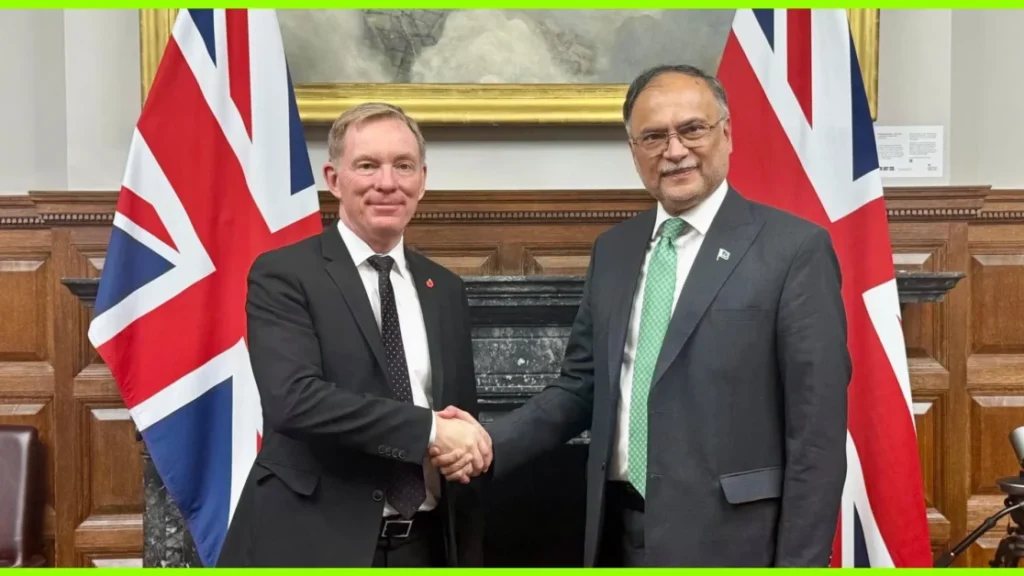
The proposed Pakistan UK Free Trade Agreement is gaining traction as Pakistan and the United Kingdom move toward deeper economic integration. High-level talks in Islamabad highlighted growing bilateral trade engagement, with both countries exploring long-term opportunities to strengthen commercial ties amid global economic and energy uncertainties.
Officials reviewed progress under the Pakistan UK Trade Dialogue and emphasized that a structured free trade framework could become the next logical step in enhancing cooperation. The initiative reflects a shared interest in boosting trade volumes, improving market access, and supporting investment flows between the two economies.
Pakistan UK Free Trade Agreement to Boost Key Sectors
Discussions during the meeting focused on activating dedicated working groups in priority sectors considered vital for export growth and value addition. These sectors include information technology, agriculture, healthcare and life sciences, professional services, and education and skills development.
These areas hold strong potential for collaboration. Expanding IT exports, improving agricultural productivity, and strengthening healthcare partnerships could help Pakistan diversify its export base. Meanwhile, education and professional services cooperation may open pathways for skill development and employment opportunities.
Such sectoral engagement is expected to improve competitiveness, enhance productivity, and create new business opportunities for both countries. This approach aligns with Pakistan’s broader economic strategy to increase exports and attract foreign investment.
Structural Reforms Support Pakistan UK Free Trade Agreement
Pakistan reiterated its commitment to structural reforms aimed at improving the business climate. Officials highlighted ongoing tariff rationalization and regulatory adjustments designed to create a more predictable and investor-friendly environment.
These reforms are intended to enhance competitiveness by reducing trade barriers and simplifying procedures. Policy consistency was also emphasized as a key factor in maintaining long-term investor confidence. Stable policies encourage foreign companies to expand operations and invest in new sectors.
The UK side, however, raised concerns regarding proposed changes to Pakistan’s intellectual property framework. Officials called for greater policy clarity and transparency to ensure international businesses remain confident in Pakistan’s regulatory direction. Timely consultation with stakeholders was stressed to avoid uncertainty and maintain trust.
Basmati Rice Branding and Market Protection
Both sides reviewed progress on the registration of Geographical Indications and trademarks for Pakistani basmati rice. This issue carries direct implications for export branding and international market protection.
Securing geographical indication status helps safeguard Pakistan’s premium basmati rice identity in global markets. It also prevents misuse of branding by competitors and strengthens export positioning, particularly in high-value markets such as the UK.
Improved branding through GI protection could increase export revenues and enhance Pakistan’s agricultural trade profile.
Global Shipping Risks Affect Trade Outlook
Beyond trade policy, discussions addressed rising risks in global shipping routes, especially around the Strait of Hormuz. Pakistan highlighted the impact of increased maritime charges on export competitiveness.
Higher insurance premiums and shipping costs can raise export prices, making Pakistani products less competitive in international markets. Pakistan called for a balanced assessment of risk premiums to support regional trade flows and maintain stability.
Both countries acknowledged that global supply chain disruptions and geopolitical tensions continue to influence trade dynamics.
Pakistan UK Free Trade Agreement to Strengthen Economic Cooperation
The engagement concluded with an understanding to continue close coordination on trade, energy, and regional stability. The proposed Pakistan UK Free Trade Agreement is viewed as a long-term framework that could unlock new opportunities for businesses, investors, and exporters.
By expanding sectoral cooperation, improving regulatory clarity, and addressing global trade challenges, both countries aim to build a resilient economic partnership. The agreement, once finalized, could significantly enhance bilateral trade and strengthen economic ties between Pakistan and the United Kingdom.