Author name: Web Desk

Govt announces targeted subsidies after fuel price hike amid regional tensions
Pakistan

Govt announces targeted subsidies after fuel price hike amid regional tensions

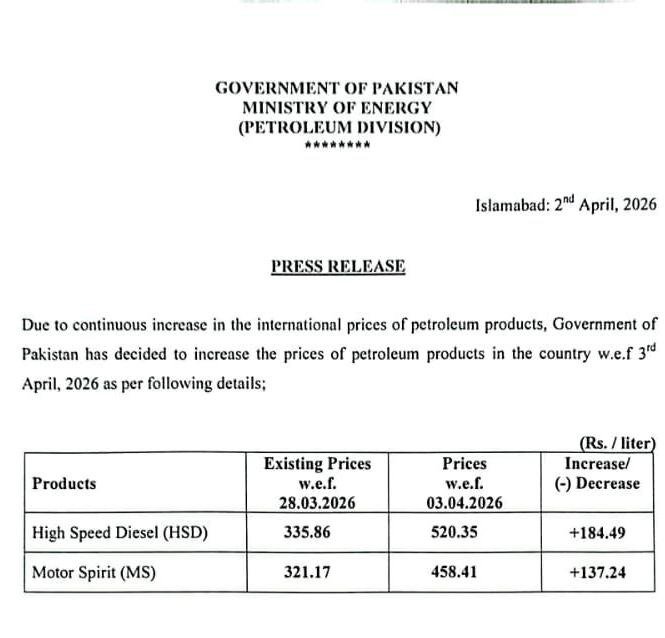
The government on Thursday unveiled a targeted subsidy package aimed at cushioning the impact of a sharp increase in petroleum prices, as global oil markets remain volatile due to escalating regional tensions. Read More: https://theboardroompk.com/us-army-chief-fired-as-war-with-iran-intensifies/ The announcement came shortly after fuel prices surged to historic highs, intensifying pressure on consumers already grappling with inflation. Shift from blanket to targeted relief-Support for vulnerable sectors Finance Minister Muhammad Aurangzeb said the government had opted for a targeted subsidy mechanism to ensure relief reaches the most deserving segments, rather than continuing costly blanket subsidies. He noted that previous broad-based subsidies had become fiscally unsustainable amid soaring global oil prices. Petrol prices have climbed to Rs458.40 per litre, while high-speed diesel reached Rs520.35 per litre, reflecting a sharp spike in international crude oil rates driven by geopolitical tensions in the Middle East. The government said the new subsidy framework would primarily focus on low-income groups, including small farmers, motorcyclists, and public transport operators. These segments are considered most vulnerable to rising fuel costs, which directly affect mobility, agricultural output, and supply chains. Officials emphasized that the targeted approach would allow better allocation of limited fiscal resources while ensuring that relief measures remain effective and sustainable. The government had already spent significant amounts in recent weeks to shield consumers from rising fuel costs but acknowledged that continuing such support was no longer viable. Petroleum Minister Ali Pervaiz Malik said the increase in fuel prices was unavoidable due to surging global oil markets and ongoing geopolitical instability. He added that Pakistan, being heavily reliant on imported energy, has limited capacity to absorb international price shocks. The surge in fuel prices is expected to have a ripple effect across the economy, driving up transportation and food costs and adding to inflationary pressures. Analysts warn that lower-income households are likely to bear the brunt of the increase, making targeted relief measures critical in the current scenario. The latest move reflects the government’s attempt to strike a balance between economic stability and social protection, as policymakers navigate the dual challenges of rising global energy prices and constrained fiscal space.

US Army chief Fired as war with Iran intensifies
World

US Army chief Fired as war with Iran intensifies

The United States Defence Secretary Pete Hegseth has removed Army Chief of Staff Randy George in a sudden leadership shake-up, as Washington remains engaged in an ongoing war with Iran, according to media reports. The move comes at a sensitive moment, with thousands of US troops deployed across the Middle East. Read More: https://theboardroompk.com/islamabad-commuters-to-enjoy-free-transport-under-rs350m-relief-plan/ Leadership tensions within Pentagon, Decision comes during active conflict Reports indicate that General George’s removal reflects growing tensions between Hegseth and senior Army leadership, rather than differences over military strategy. Officials cited long-standing disputes over personnel decisions and strained relations within the Pentagon hierarchy. The Army chief, who was appointed in 2023 for a typical four-year term, was asked to step down with immediate effect. His abrupt departure has raised questions about stability in US military leadership during wartime. The defence secretary has reportedly clashed with Army officials over promotions of senior officers, including efforts to block certain candidates from advancing to higher ranks. These disagreements deepened a rift between Hegseth and the Army’s top command. General George had worked closely with Army Secretary Daniel Driscoll, forming a strong leadership partnership that some reports suggest further contributed to tensions with the defence secretary. The removal also comes amid a broader shake-up within the Pentagon, where several high-ranking officers have been dismissed in recent months as part of efforts to reshape military leadership. Alongside George, other senior officials — including General David Hodne and Major General William Green — were also removed, signaling a wider restructuring of the Army’s top ranks. The United States remains actively involved in military operations against Iran, with escalating tensions across the region and no clear timeline for resolution. Analysts warn that leadership disruptions during active conflict could impact operational coordination and strategic decision-making. General Christopher LaNeve is expected to take over as acting Army chief, having previously worked closely with Hegseth at the Pentagon. The move highlights ongoing internal challenges within the US defence establishment, as policymakers attempt to balance wartime priorities with leadership restructuring at the highest levels of the military.

Islamabad commuters to enjoy free transport under Rs350m relief plan
Pakistan

Islamabad commuters to enjoy free transport under Rs350m relief plan

The government has announced a month-long free public transport initiative in Islamabad, allocating Rs350 million to ease the financial burden on commuters amid rising living costs. The decision was made on the directives of Prime Minister Shehbaz Sharif and will come into effect immediately. Read More: https://theboardroompk.com/pakistan-banking-sector-cppa-funding-injects-rs235-billion-to-stabilize-power-sector/ Relief for daily commuters , Govt to bear full cost of scheme Interior Minister Mohsin Naqvi said the initiative would provide free rides across all public transport services in the federal capital for the next 30 days. The scheme is aimed at offering immediate relief to citizens struggling with increasing transportation expenses. Officials said the government would bear the entire cost of the programme, estimated at Rs350 million, underscoring its commitment to supporting the public during challenging economic conditions. The move is expected to benefit thousands of commuters on a daily basis, particularly students, office workers, and low-income groups who rely heavily on public transport for routine travel. By eliminating fares temporarily, authorities hope to improve mobility and reduce financial pressure on households. The initiative also reflects a broader effort by the government to introduce targeted relief measures in response to inflationary pressures. Rising fuel prices and transport costs have significantly impacted urban commuters, prompting authorities to step in with short-term support mechanisms. Officials noted that further operational details — including routes covered and adjustments to service schedules — will be announced in the coming days to ensure smooth implementation of the scheme. The free transport plan is also expected to encourage greater use of public transport, potentially reducing traffic congestion and lowering fuel consumption in the capital. Analysts say such measures, while temporary, can provide meaningful relief to vulnerable segments of society, especially when combined with broader economic policies aimed at stabilizing prices and supporting income levels. The announcement comes as the government continues to roll out various relief initiatives to cushion citizens against rising costs, highlighting the importance of accessible and affordable public services in urban centers.

Pakistan Power package drives 12% growth in electricity consumption: 2,164 GWh Consumed in Just 3 Months with total Rs.20 Billion benefit
Pakistan

Pakistan Power package drives 12% growth in electricity consumption: 2,164 GWh Consumed in Just 3 Months with total Rs.20 Billion benefit

Pakistan Power package drives 12% growth in electricity consumption: 2,164 GWh Consumed in Just 3 Months with total Rs.20 Billion benefit. Read More: https://theboardroompk.com/pakistan-banking-sector-cppa-funding-injects-rs235-billion-to-stabilize-power-sector/ The government’s surplus power package has significantly boosted industrial electricity consumption, with demand rising sharply in early 2026 as businesses shift toward cost-effective grid power, according to an official statement. The initiative, launched in December 2025, aims to optimize surplus generation capacity while supporting economic recovery. Industry leads surge in electricity usage Under the package, industrial and agricultural consumers have increased their reliance on grid electricity, reducing dependence on expensive self-generation methods. Officials say the shift reflects growing confidence in the affordability and reliability of the national power system. Data from the Power Division shows that industrial categories accounted for the largest share of consumption under the scheme. B1 industries led with 27%, followed by B4 at 25%, B2 at 24%, and B3 at 22%, while the agriculture sector recorded a 21% share. The most notable gains were recorded in early 2026, with electricity consumption growing by 12% year-on-year in January and 11% in February. Authorities described this increase as a clear indicator of the package’s success in stimulating demand and supporting industrial activity. Officials said the initiative was designed to utilize idle generation capacity, which had previously placed financial strain on the power sector. By encouraging higher consumption, the government aims to improve efficiency and reduce the burden of capacity payments. The package also provides financial relief to consumers by offering competitive tariffs, making grid electricity more attractive compared to alternative energy sources. This has helped industries lower operational costs and improve productivity. Analysts view the rising electricity demand as a positive signal for broader economic recovery, particularly in the manufacturing sector. Increased industrial activity is expected to support exports, employment, and overall economic growth in the coming months. The government has emphasized that the policy is part of a wider strategy to stabilize the energy sector while ensuring sustainable growth. Officials say further measures may be introduced to maintain momentum and expand the benefits of the package. The development highlights a shift toward more efficient utilization of Pakistan’s energy resources, as policymakers focus on balancing supply, demand, and affordability in the power sector.

Pakistan Banking Sector CPPA Funding: Injects Rs235 Billion to Stabilize Power Sector
Pakistan

Pakistan Banking Sector CPPA Funding: Injects Rs235 Billion to Stabilize Power Sector

Pakistan banking sector CPPA funding surged on April 3 as banks collectively deployed more than Rs235 billion into the Central Power Purchasing Agency (CPPA). The large-scale liquidity injection aims to stabilize Pakistan’s strained power sector payment chain and ease cash flow constraints that continue to fuel circular debt. The move once again highlights how commercial banks are playing a critical role in supporting essential infrastructure financing. With energy supply linked directly to industrial productivity and economic stability, such funding is viewed as a short-term but necessary measure. Major Banks Lead Pakistan Banking Sector CPPA Funding The Pakistan banking sector CPPA funding drive was led by major commercial banks, with Meezan Bank Limited emerging as the largest contributor, injecting Rs38.96 billion into the facility. The participation of Islamic and conventional banks demonstrates broad-based support across the financial system. Following closely, Habib Bank Limited provided Rs31.17 billion, while National Bank of Pakistan contributed Rs27.38 billion. These three institutions alone accounted for nearly half of the total liquidity injection, underscoring their strong balance sheet capacity. Strong Participation from Large Commercial Banks Other major lenders also played a substantial role in Pakistan banking sector CPPA funding. Allied Bank Limited contributed Rs21.78 billion, and United Bank Limited added Rs20.75 billion to the financing pool. Their participation reflects continued coordination between financial institutions and policymakers to manage the energy sector’s financial stress. Mid-tier contributions were also significant. Faysal Bank Limited injected Rs14.74 billion, while Bank AL Habib Limited provided Rs13.07 billion. Meanwhile, MCB Bank Limited added Rs12.83 billion, rounding out the major participants. In explanatory terms, the funding pattern shows a tiered contribution structure. Large banks with extensive deposit bases contributed amounts exceeding Rs20 billion, while mid-sized banks injected between Rs12 billion and Rs15 billion. This balanced distribution reduces concentration risk and spreads financial exposure across the banking sector. Why Pakistan Banking Sector CPPA Funding Matters Pakistan banking sector CPPA funding is closely linked to the country’s circular debt problem. The power sector often faces delays in payments across the supply chain, including generation companies, fuel suppliers, and distribution companies. When liquidity dries up, it can disrupt electricity supply and increase financial losses. Banks step in periodically to bridge this gap by providing short-term financing. These injections help clear outstanding dues, maintain electricity generation, and avoid operational shutdowns. However, analysts emphasize that while such funding offers temporary relief, structural reforms remain essential. Economic Impact of CPPA Funding Injection The Rs235 billion injection is expected to support: • Timely payments to power producers• Stabilization of electricity supply• Reduced pressure on government guarantees• Improved confidence in energy sector financing For businesses and industries across Pakistan, uninterrupted power supply is critical. Manufacturing output, export performance, and investor confidence all depend on reliable electricity availability. Therefore, Pakistan banking sector CPPA funding indirectly supports broader economic activity. Circular Debt Challenge Remains Despite repeated funding injections, circular debt continues to grow due to inefficiencies in distribution companies, transmission losses, and tariff gaps. Financial experts argue that long-term sustainability will require reforms in governance, billing recovery, and energy pricing. Still, the latest Pakistan banking sector CPPA funding demonstrates strong coordination between financial institutions and authorities. It also reinforces the banking sector’s central role in maintaining macroeconomic stability during periods of financial stress. Pakistan banking sector CPPA funding of over Rs235 billion represents a significant liquidity boost aimed at stabilizing the country’s power sector. With leading banks contributing substantial amounts, the move ensures continued electricity generation and smooth functioning of the payment chain. While the injection provides short-term relief, lasting improvements will depend on structural reforms in the energy sector.

Reko Diq Project Faces Strategic Slowdown but Not a Halt
Pakistan

Reko Diq Project Faces Strategic Slowdown but Not a Halt

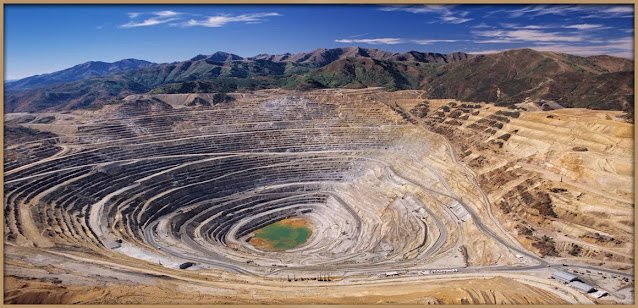
The Reko Diq Project remains a cornerstone of Pakistan’s mining ambitions, and the latest update from Barrick Mining Corporation has drawn significant attention from investors, policymakers, and the business community. The mining giant has announced a cautious slowdown in development while reaffirming its long-term confidence in the massive copper-gold deposit located in Reko Diq. The decision follows a strategic review launched in February 2026, which will now extend until mid-2027. During this period, the company plans to scale back capital spending and moderate development pace to reassess evolving security conditions and project dynamics. Why the Reko Diq Project Timeline Is Being Extended The Reko Diq Project timeline extension is primarily linked to escalating security concerns in Pakistan and the broader region. Barrick stated that a comprehensive reassessment is necessary to ensure long-term viability before committing additional capital. Rather than halting operations, the company emphasized that development will continue under active management, albeit with reduced capital allocation. Phase 1 of the project has already received approval under this revised framework. This extended review will allow Barrick to evaluate: • Changing security conditions• Capital requirements• Financing structure• Project scope adjustments• Overall timeline The move signals a strategic recalibration rather than a withdrawal, aimed at strengthening the project’s foundation. Reko Diq Project Costs May Rise Earlier projections placed Phase 1 costs between $5.6 billion and $6.0 billion, while Phase 2 was estimated at $3.3 billion to $3.6 billion. First production had initially been targeted by the end of 2028. However, Barrick has indicated that both capital budget and timeline could increase. In practical terms, this means: • The initial production date may shift beyond 2028• Total project investment could rise significantly• Financing structures may be adjusted These changes reflect global mining realities, where security considerations, inflation, and logistics often reshape large-scale projects. Long-Term Confidence in the Reko Diq Project Remains Strong Despite near-term challenges, Barrick reaffirmed that the Reko Diq Project is one of the world’s largest undeveloped copper-gold deposits and retains strong long-term value. This continued commitment is crucial for Pakistan’s economic outlook, particularly in attracting foreign direct investment. The company also highlighted that it will maintain investment in local communities and continue existing social development programs. This includes initiatives related to education, healthcare, and infrastructure in surrounding areas. Such commitments help ensure community support and sustainability a key requirement for large mining projects. Investor Perspective on the Reko Diq Project From an investor standpoint, the latest update suggests a delay rather than a cancellation. Development continues, but at a measured pace designed to manage risk. Key investor takeaways include: • The project remains active• Capital spending will be moderated• Timeline may extend• Costs could increase• Long-term viability is being prioritized This strategic pause allows Barrick and its partners to align the project with ground realities, particularly regarding security and financing. Strategic Importance for Pakistan The Reko Diq Project represents one of the largest foreign investments in Pakistan’s mining sector. Its success could: • Boost export revenues• Strengthen foreign exchange reserves• Create employment opportunities• Develop infrastructure in Balochistan• Enhance Pakistan’s mining profile globally Barrick confirmed it will continue consultations with joint venture partners and provide further updates once the review concludes. What Happens Next The company will closely monitor conditions over the next year while continuing limited development activities. A final update is expected after completion of the extended review in mid-2027. While the timeline may stretch, the long-term message remains clear: the Reko Diq Project continues to hold strategic importance, and Barrick’s sustained involvement signals confidence in Pakistan’s mineral potential.

Pakistan Fuel Price Hike Shocks Economy as Petrol Reaches Record Rs458 Per Litre
Pakistan

Pakistan Fuel Price Hike Shocks Economy as Petrol Reaches Record Rs458 Per Litre

Pakistan fuel price hike has triggered widespread concern after the government announced an unprecedented increase in petroleum prices, pushing fuel costs to record highs. The decision, described as difficult but necessary, is expected to have far-reaching consequences for inflation, transportation, and business activity across the country. The government raised petrol prices by Rs137 per litre, bringing the new rate to Rs458.40 per litre. High-speed diesel witnessed an even steeper increase of Rs184 per litre, pushing its price to Rs520.35 per litre. The new prices came into effect at midnight, marking the highest fuel rates ever recorded in Pakistan. Why the Pakistan Fuel Price Hike Was Announced Officials attributed the Pakistan fuel price hike to rising international oil prices and ongoing geopolitical tensions in the Middle East. According to the government, instability in the region has disrupted global energy markets, forcing many countries to revise fuel pricing. During a press conference, government representatives highlighted that even developed economies are facing energy supply challenges. Neighboring countries have reportedly experienced fuel shortages and long queues at petrol pumps, indicating a wider regional crisis. The government stated that despite efforts over the past two years to stabilize the economy, the surge in global oil prices left little room to maintain subsidies. As a result, authorities opted to shift from blanket fuel subsidies to targeted relief measures for vulnerable segments of society. Shift in Government Policy on Fuel Pricing The Pakistan fuel price hike marks a reversal from the government’s earlier stance. Just days before the announcement, authorities had indicated willingness to absorb a financial burden instead of passing it on to consumers. However, escalating global oil prices and geopolitical uncertainty changed the situation rapidly. Particular concern emerged following rising tensions in the Middle East and threats to key oil supply routes. These developments significantly increased international crude oil prices, forcing policymakers to reconsider their approach. This is also the second fuel price increase within a month, following an earlier rise of Rs55 per litre. The frequency of adjustments signals mounting pressure on Pakistan’s energy import bill and foreign exchange reserves. Economic Impact of the Pakistan Fuel Price Hike The Pakistan fuel price hike is expected to affect multiple sectors of the economy. Higher fuel costs typically translate into increased transportation charges, which then push up the prices of essential commodities. Transporters are likely to revise fares for buses, taxis, and ride-hailing services. Similarly, freight costs for goods movement are expected to rise, increasing the price of food items, construction materials, and industrial products. Businesses, particularly manufacturing and logistics firms, will face higher operational costs. Small and medium enterprises may struggle to absorb these expenses, potentially leading to reduced production or price adjustments. The agriculture sector could also be impacted, as diesel is widely used in tractors, tube wells, and transport of crops. Increased input costs may ultimately result in higher food prices, adding to inflationary pressure. Inflation Concerns Intensify Economists warn that the Pakistan fuel price hike may accelerate inflation, which has already affected household budgets. Fuel prices directly influence electricity tariffs, transportation costs, and production expenses, creating a cascading effect throughout the economy. Consumers may see higher prices for daily necessities, including vegetables, flour, milk, and packaged goods. With disposable incomes already under strain, the increase could reduce purchasing power and slow economic activity. Regional Comparison and Record High Prices The latest Pakistan fuel price hike has pushed local fuel rates to the highest levels in the country’s history. Analysts note that Pakistan’s petrol and diesel prices are now among the highest in the region, intensifying pressure on businesses and consumers alike. The record increase is being viewed as a major economic shock, with ripple effects expected across all segments of society, from transport operators to industrial units and households. What Lies Ahead After the Pakistan Fuel Price Hike The government has indicated that targeted relief measures may be introduced to cushion the impact on low-income groups. However, the effectiveness of these measures will depend on implementation and fiscal space. Going forward, fuel price movements will likely remain tied to global oil markets and geopolitical developments. Until international prices stabilize, Pakistan may continue to face volatility in domestic fuel rates.

Arif Habib Limited Warns Against AI-Generated Deepfake Videos Featuring Chairman
Pakistan

Arif Habib Limited Warns Against AI-Generated Deepfake Videos Featuring Chairman

Karachi: Arif Habib Limited, one of Pakistan’s leading securities brokerage, investment banking, and research firms, has raised serious concerns over the spread of artificial intelligence-generated videos and social media posts that falsely feature its Chairman, Arif Habib.In an official statement issued on Thursday, the company revealed that misleading and unauthorized content is being circulated online, potentially aimed at confusing investors and the general public. The firm described the videos and posts as “fake” and warned that they contain inaccurate information not endorsed by the group.“We have identified the circulation of AI-generated videos and posts falsely featuring Arif Habib, spreading misleading and unauthorized information,” the company stated. It urged clients and the public to exercise caution and refrain from engaging with such content.Arif Habib Limited emphasized that only information shared through its official communication channels should be considered authentic. The company advised stakeholders to verify any news or announcements directly from verified sources to avoid falling victim to potential fraud or misinformation campaigns. This development comes amid growing concerns globally about the misuse of AI tools to create deepfakes for financial scams, market manipulation, or reputational damage. In Pakistan’s capital markets, where investor confidence is critical, such incidents can create unnecessary volatility and erode trust. Arif Habib Group is a prominent name in Pakistan’s financial sector, known for its brokerage services, investment banking, and economic research. The company has called upon the public to remain vigilant against emerging digital threats, including AI-driven fraud.Investors are recommended to follow only official websites, verified social media handles, and regulatory disclosures for updates related to Arif Habib Limited and its associated entities. The firm concluded by reinforcing its commitment to transparency and investor protection in an increasingly digital landscape.#InvestorAlert #DeepfakeWarning #ArifHabibLimited

“The digital transformation of Pakistan’s financial landscape presents a significant opportunity to improve transparency, strengthen documentation and support inclusive economic growth.” Ahmed Ali Siddiqui, Group Head Consumer Finance and Digital Banking at Meezan Bank
Pakistan

“The digital transformation of Pakistan’s financial landscape presents a significant opportunity to improve transparency, strengthen documentation and support inclusive economic growth.” Ahmed Ali Siddiqui, Group Head Consumer Finance and Digital Banking at Meezan Bank

KARACHI: Meezan Bank is stepping up its digital payments strategy, expanding its merchant network and accelerating adoption of instant payment solutions as Pakistan’s shift toward a cashless economy gathers pace, senior bank official said. The move comes as digital transactions continue to rise sharply across the country. Read More: https://theboardroompk.com/pakistan-govt-orders-30-day-plan-to-clear-stuck-containers-at-karachi-port/ Data from the State Bank of Pakistan shows that around 92% of retail transactions are now conducted through digital channels, reflecting a growing shift away from cash-based payments. Within this evolving landscape, Meezan Bank has emerged as a key player in merchant acquiring and digital payment enablement. The bank’s merchant base has crossed 50,000, with average monthly transaction volumes reaching approximately Rs50 billion, according to industry estimates. Speaking on the development, Ahmed Ali Siddiqui, Group Head Consumer Finance qnd Digital Banking at Meezan Bank, said the transition toward digital payments is not just a technological shift but an economic necessity. “The digital transformation of Pakistan’s financial landscape presents a significant opportunity to improve transparency, strengthen documentation and support inclusive economic growth,” Siddiqui said. “By enabling merchants to accept digital payments seamlessly, we are helping businesses move from informal cash-based operations into the formal economy.” Pakistan’s economy continues to face structural challenges linked to its reliance on cash, including a low tax-to-GDP ratio of around 9–10% and limited access to formal financing for SMEs, which contribute nearly 40% to GDP but receive less than 10% of bank credit. Industry experts say digital payments can play a critical role in addressing these gaps by improving financial records, enhancing tax collection and reducing transaction inefficiencies. Cash handling alone is estimated to cost between 0.5% and 1.5% of GDP, while cash-on-delivery still accounts for a majority of e-commerce transactions. Meezan Bank has been actively expanding its digital acquiring infrastructure, including point-of-sale (POS) terminals, QR-based payments, and e-commerce payment solutions. The bank is also integrating with Raast, Pakistan’s instant payment system, to enable faster, low-cost and secure transactions for both merchants and consumers. As part of its growth strategy, the bank is targeting the onboarding of more than 140,000 additional merchants and expanding Raast acceptance across a network of over 40,000 POS terminals. It has also introduced features such as instant QR code generation and soundbox devices that provide real-time transaction alerts, aimed at improving merchant confidence in digital payments. Market data indicates strong momentum in Raast-based merchant payments, with transaction volumes growing at an average monthly rate of around 40%, reflecting increasing acceptance among small retailers and micro-businesses. Siddiqui said continued investment in infrastructure and innovation would be critical to sustaining this growth. “Our focus is on building a robust digital ecosystem that is accessible, secure and aligned with Shariah principles,” he said. “This will not only strengthen our market position but also contribute to Pakistan’s broader goal of a documented and cashless economy.” Analysts say that as banks expand digital payment capabilities and onboard more merchants, Pakistan could see faster progress toward financial inclusion and economic formalization, particularly among underserved segments. With transaction volumes rising and institutional support strengthening, the country’s digital payments ecosystem appears poised for continued expansion in the coming years.

KSE-100 Index Falls Over 3,500 Points as Global Tensions Shake Pakistan Stock Market
Pakistan

KSE-100 Index Falls Over 3,500 Points as Global Tensions Shake Pakistan Stock Market

The KSE-100 Index witnessed a significant decline on Thursday, closing lower by 3,500.30 points, or 2.25 percent, reflecting broad-based selling across major sectors. Weak global cues, rising geopolitical tensions, and cautious investor sentiment combined to push the Pakistan Stock Exchange into negative territory. Read More: https://theboardroompk.com/pakistan-govt-orders-30-day-plan-to-clear-stuck-containers-at-karachi-port/ The benchmark closed at 152,011.26 points after moving within a wide intraday range of 2,250.20 points. The session saw an intraday high near 152,272.63 and a sharp low of 150,022.43, indicating strong volatility and uncertainty among investors. Trading activity remained active but cautious, with total volume in the benchmark index reaching 202.91 million shares. Broad-Based Declines Weigh on KSE-100 Index Market breadth remained decisively negative. Out of 100 companies in the index, only 15 recorded gains, while 84 declined and one remained unchanged. This imbalance clearly highlighted the dominance of selling pressure throughout the session. Among the worst-performing stocks were NPL, SEARL, PAEL, THALL, and PTC, each declining by more than five percent. On the other hand, selective buying emerged in a few stocks, with TRG leading gains with a double-digit increase. IBFL, HCAR, UPFL, and FHAM also posted moderate gains, offering limited support to the market. Banking Sector Leads KSE-100 Index Decline The biggest drag on the KSE-100 Index came from heavyweight banking stocks. UBL alone shaved off more than 374 points from the index, followed by FFC, MCB, HUBC, and PPL, which collectively deepened the decline. Sector-wise performance also reflected widespread weakness. Commercial banks contributed the largest negative impact, followed by oil and gas exploration companies, cement, fertilizer, and power generation sectors. These sectors collectively pushed the index deeper into the red. Limited support came from the refinery, tobacco, synthetic and rayon, modaraba, and closed-end mutual fund sectors, but their contribution was too small to offset the broader losses. Global Tensions Hurt Investor Sentiment Investor confidence remained fragile due to global uncertainty. Oil prices surged during volatile trading after renewed geopolitical concerns, particularly heightened tensions involving Iran. This development raised fears of energy market disruptions and dampened investor appetite for risk. At the same time, US stock futures signaled weakness. Futures linked to the S&P 500 and Nasdaq-100 dropped more than one percent, while Dow Jones futures fell significantly. The global risk-off sentiment spilled over into emerging markets, including Pakistan, accelerating selling pressure. Broader Market Also Closes in Negative Territory The weakness was not limited to the benchmark index. The All-Share Index closed at 90,933.96 points, declining by 1,787.62 points or 1.93 percent. Overall market participation remained moderate, with total volume reaching 352.27 million shares and traded value standing at Rs19.51 billion. A total of 481 companies were traded during the session. Of these, 99 advanced, 323 declined, and 59 remained unchanged, reinforcing the bearish tone across the market. High-Volume Stocks Reflect Cautious Trading Trading activity was concentrated in a few stocks. KEL led volumes with over 56 million shares traded, followed by WTL with more than 17 million shares. BOP, CNERGY, FCCL, and FNEL also recorded strong turnover but mostly ended lower, indicating selling pressure in actively traded stocks. Interestingly, TRG stood out among high-volume stocks by posting a strong gain, showing selective investor interest despite overall market weakness. Fiscal Year Performance Still Positive Despite the recent decline, the KSE-100 Index has delivered strong performance during the fiscal year, gaining 26,384 points or 21 percent. However, on a calendar-year basis, the index has lost 22,043 points, or 12.66 percent, highlighting recent volatility and shifting investor sentiment. Outlook for Pakistan Stock Market The short-term outlook for the KSE-100 Index remains cautious. Market direction will likely depend on global developments, geopolitical tensions, oil price movements, and foreign investor activity. Domestic factors such as monetary policy expectations and economic indicators may also influence sentiment. Investors are expected to remain selective, focusing on fundamentally strong stocks while maintaining caution amid ongoing uncertainty.

Scroll to Top