Author name: Web Desk

Pakistan National Shipping Corporation Fleet Expansion Strengthens Maritime Capacity
Breaking News, Pakistan

Pakistan National Shipping Corporation Fleet Expansion Strengthens Maritime Capacity

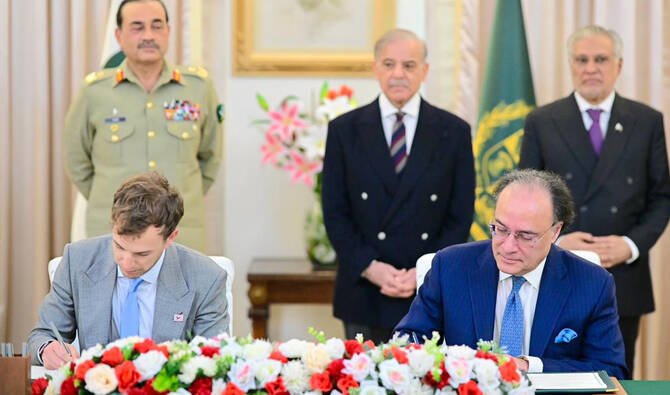
Pakistan National Shipping Corporation fleet expansion has taken a significant step forward with the addition of a modern Aframax oil tanker, M.T Karachi, reinforcing the country’s strategic maritime and energy transportation capabilities. The development was disclosed through an official filing to the Pakistan Stock Exchange (PSX) on Tuesday, signaling PNSC’s continued focus on fleet modernization and long-term growth. Read More: https://theboardroompk.com/pakistan-defence-exports-potentially-hit-13bn-mark/ The newly inducted vessel operates under Karachi Shipping (Private) Limited, a subsidiary structure aligned with PNSC’s expansion strategy. With a deadweight tonnage (DWT) of 109,990 tonnes, the tanker enhances the national carrier’s ability to transport crude oil and petroleum products efficiently across regional and international routes. Pakistan National Shipping Corporation Fleet Expansion: Key Highlights The addition of M.T Karachi marks a notable milestone for Pakistan’s only national flag carrier in the shipping sector. Aframax tankers are widely used in global oil transportation due to their optimal size, fuel efficiency, and ability to access a wide range of ports. In simple terms, the vessel’s capacity allows it to carry nearly 110,000 metric tonnes of cargo, making it suitable for medium-haul crude oil routes and energy supply chains. This acquisition strengthens Pakistan National Shipping Corporation’s operational resilience at a time when global shipping markets remain volatile and energy security is a top national priority. Strategic Importance of PNSC Fleet Expansion Pakistan National Shipping Corporation fleet expansion is closely aligned with Pakistan’s broader economic and energy objectives. By expanding its tanker fleet, PNSC reduces the country’s reliance on foreign-chartered vessels, which often expose importers to fluctuating freight rates and foreign exchange pressures. Industry analysts note that owning and operating modern tankers can significantly lower transportation costs for crude oil imports while improving foreign exchange savings. Additionally, an expanded fleet supports consistent revenue generation for PNSC through long-term charter contracts and spot market opportunities. Pakistan National Shipping Corporation and Energy Security The maritime transport of oil and petroleum products remains a backbone of Pakistan’s energy supply chain. The induction of M.T Karachi enhances PNSC’s role as a strategic national asset capable of supporting uninterrupted fuel imports during global supply disruptions. From a business perspective, the vessel also improves operational flexibility, allowing PNSC to serve both domestic and international clients. This strengthens the corporation’s competitive positioning in the regional shipping market while supporting Pakistan’s trade logistics ecosystem. Outlook for Pakistan National Shipping Corporation Fleet Expansion Looking ahead, Pakistan National Shipping Corporation fleet expansion is expected to remain a key focus area as the company pursues modernization and profitability. Market observers anticipate further additions to the fleet, particularly in energy and bulk cargo segments, to capitalize on rising regional trade and energy demand. The induction of M.T Karachi reflects a clear strategic intent: building a stronger, more self-reliant national shipping fleet capable of supporting economic stability, trade growth, and energy security.

US-Based Rafay Joins Forces with Data Vault to Launch Pakistan's Hyperscale-Style Sovereign AI Platform
Uncategorized

US-Based Rafay Joins Forces with Data Vault to Launch Pakistan’s Hyperscale-Style Sovereign AI Platform

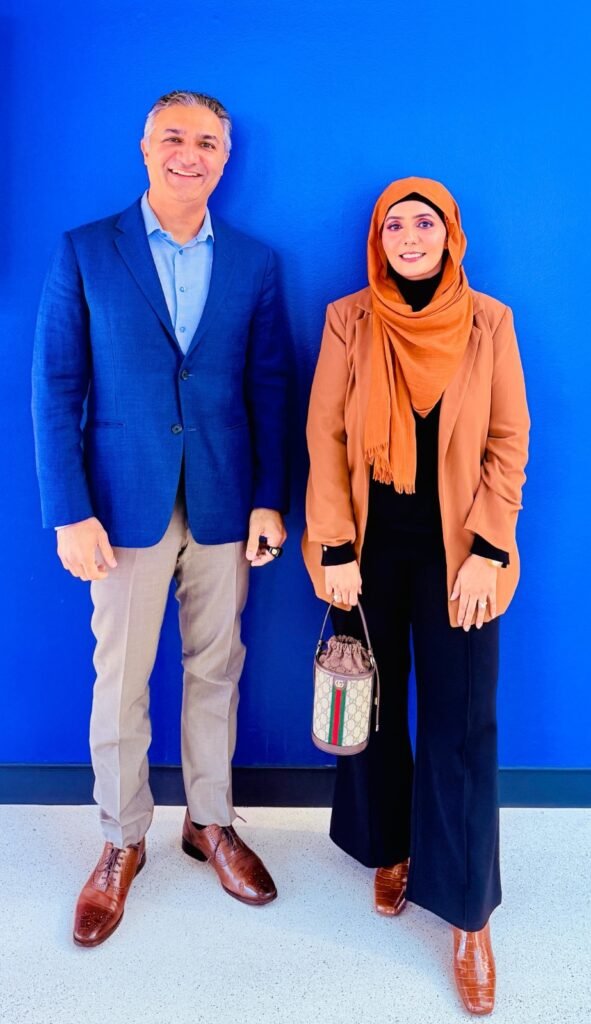
Data Vault Pakistan has announced a strategic partnership with Rafay Systems to build what the companies describe as Pakistan’s first sovereign AI cloud, targeting telcos, banks, cloud providers, and large enterprises that want to deploy AI at scale while keeping sensitive workloads under local control. Read More: https://theboardroompk.com/roshan-digital-accounts-inflows-rise-sharply-in-december-2025/ Data Vault, positioning itself as Pakistan’s first sovereign, AI-ready data center and GPU-as-a-Service provider, said the partnership is designed to deliver a hyperscaler-like experience comparable to Azure, AWS, and Google Cloud: self-service access for developers and data science teams, faster provisioning, and managed platform operations—without exporting sensitive data outside the country.Beyond infrastructure, the companies are pitching the partnership as a catalyst for AI innovation in Pakistan, reducing barriers that slow down experimentation and production deployment. By packaging GPU compute and Kubernetes into a governed, self-service platform, Data Vault says organizations can move from pilots to production faster, and enable more local teams—startups, universities, enterprises, and service providers—to build and deploy AI services inside Pakistan. NVIDIA has highlighted the broader industry shift toward self-service GPU clouds and “private cloud” experiences for AI teams, arguing that instant provisioning and a platform layer are essential to improve developer productivity and optimize GPU utilization. Data Vault says its sovereign AI cloud is being built on NVIDIA-accelerated computing, with Rafay’s platform providing the orchestration layer that helps deliver cloud-like consumption and governance. Mehwish Salman Ali, Founder and CEO of Data Vault Pakistan, stated that the partnership aims to make sovereign AI consumption as easy to consume as any hyperscale cloud, while ensuring that sensitive workloads remain securely within the country. The initiative is designed to deliver a hyperscale-like experience comparable to global services such as Azure, AWS, and Google Cloud, offering self-service access for developers and data science teams, rapid provisioning, and managed platform operations–all without data ever leaving Pakistan, she added. Key expected outcomes include faster time-to-market for AI use cases in banking, telecommunications, healthcare, manufacturing, and government sectors. The platform also seeks to lower friction for startups and researchers in accessing GPU capacity and modern MLOps and Kubernetes environments. Haseeb Budhani, CEO of Rafay Systems, emphasized the balance of speed and control, noting, “Companies want AI outcomes quickly without compromising security or control.” The joint offering will include GPU-as-a-Service and AI-as-a-Service capabilities for training, fine-tuning, and inference, along with managed Kubernetes and platform services covering lifecycle management, security policy enforcement, and observability. It will also provide self-service consumption with built-in guardrails, allowing rapid access for development teams while maintaining centralized governance and cost control. Furthermore, the partnership will enable infrastructure providers to monetize AI resources through multi-tenant service delivery models.

Despite Weekly Dip, Pakistan's Physical Currency in Circulation Stands around Rs11 Trillion
Pakistan

Despite Weekly Dip, Pakistan’s Physical Currency in Circulation Stands around Rs11 Trillion

Currency in circulation stood at PKR 10,917 billion as of January 2, 2026, reflecting a minor weekly decline of PKR 27 billion from PKR 10,944 billion in the previous week. This small contraction contributed to a Currency in Circulation (CIC) share of 26.2% in Broad Money (M2), down 0.3 percentage points week-on-week from 26.5%. Despite the dip, CIC recorded a strong year-to-date (FYTD) increase of PKR 283 billion and a year-on-year (Y/Y) surge of PKR 1,801 billion, underscoring sustained cash demand in the economy amid ongoing recovery efforts. Read More: https://theboardroompk.com/info-ministry-rejects-disinformation-alleging-pakistan-bases-for-us-iran-attack/ Broad Money Growth Accelerates Overall Broad Money (M2) rose by PKR 346 billion week-on-week to PKR 41,626 billion, building on a FYTD expansion of PKR 838 billion and a robust Y/Y growth of PKR 6,012 billion. Total deposits with banks drove much of the weekly momentum, climbing PKR 367 billion to PKR 30,660 billion. This deposit growth offset the minor CIC reduction and supported overall liquidity. Net Foreign Assets of the banking system also strengthened significantly by PKR 102 billion weekly to PKR 880 billion, with a Y/Y increase of PKR 1,351 billion, signaling improved external inflows and confidence. Private Sector Credit Rebounds While Government Borrowing Eases Credit to the private sector showed positive momentum, expanding by PKR 412 billion week-on-week to PKR 10,755 billion, with FYTD growth at PKR 807 billion. Conventional banking contributed PKR 152 billion weekly, while Islamic banking added PKR 259 billion. Meanwhile, Net Federal Government Borrowings declined by PKR 66 billion to PKR 37,164 billion, primarily due to reduced borrowing from scheduled banks (down PKR 134 billion), partially offset by higher SBP borrowing (up PKR 68 billion). These trends highlight a balanced shift toward private sector activity and moderated fiscal reliance on banks.

Prof. Dr. Abdul Basit Top 2% Scientists Recognition Elevates Pakistan’s Global Medical Standing
Pakistan

Prof. Dr. Abdul Basit Top 2% Scientists Recognition Elevates Pakistan’s Global Medical Standing

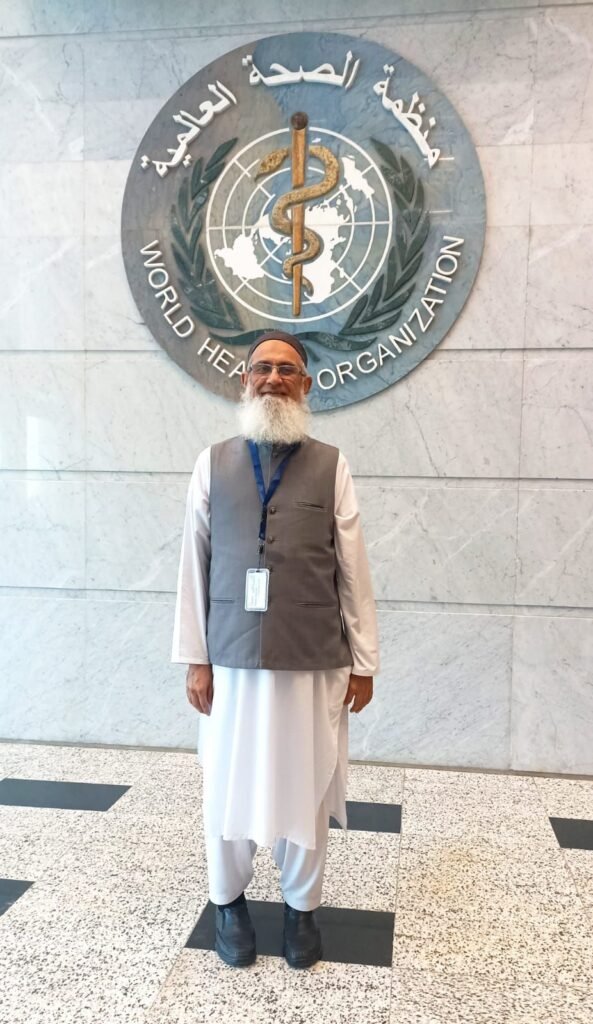
Prof. Dr. Abdul Basit Top 2% Scientists ranking by Stanford University marks a major milestone for Pakistan’s medical and research community, underscoring the country’s growing influence in global healthcare innovation. Indus Hospital & Health Network (IHHN) has proudly celebrated this achievement, recognizing Prof. Dr. Abdul Basit’s exceptional contributions to diabetes, endocrinology, and public health research worldwide. Read More: https://theboardroompk.com/eu-scientists-term-2025-as-third-hottest-year-on-record-with-3-year-average-breaching-1-5c-threshold/ The recognition places Prof. Dr. Abdul Basit among the world’s top 2% most influential scientists, a distinction awarded based on standardized citation metrics, academic productivity, and long-term research impact. Compiled by Stanford University in collaboration with Elsevier, the list is considered one of the most credible global benchmarks for scientific excellence. Why Prof. Dr. Abdul Basit’s Top 2% Scientists Ranking Matters The Prof. Dr. Abdul Basit Top 2% Scientists honor is more than an individual achievement it reflects the rising global credibility of Pakistan’s healthcare institutions. Prof. Basit’s work has consistently addressed critical challenges in diabetes management, prevention, and policy development, particularly in low- and middle-income countries. His research has helped shape clinical guidelines, improved patient outcomes, and contributed to international collaborations focused on non-communicable diseases. This recognition further reinforces the role of evidence-based medicine in shaping sustainable healthcare systems. Prof. Dr. Abdul Basit Top 2% Scientists Impact on Diabetes & Endocrinology Over the years, Prof. Dr. Abdul Basit has emerged as a leading voice in diabetes and endocrinology, combining clinical excellence with impactful research. His work spans peer-reviewed publications, policy advocacy, and capacity-building initiatives across Asia and beyond. In practical terms, his contributions include: • Advancing early diagnosis and prevention strategies for diabetes• Promoting patient-centered care models• Supporting research-driven healthcare reforms• Mentoring emerging medical researchers These efforts have directly strengthened Pakistan’s reputation as a contributor to global medical knowledge. Indus Hospital & Health Network’s Role in Global Scientific Excellence The Prof. Dr. Abdul Basit Top 2% Scientists recognition also highlights the research-oriented culture fostered by Indus Hospital & Health Network. IHHN has consistently invested in academic excellence, innovation, and ethical healthcare delivery, enabling its leadership to compete on an international stage. Rather than focusing solely on service delivery, the network integrates research, training, and policy engagement positioning itself as a model for healthcare institutions in emerging economies. Key Highlights Explained in Simple Terms Stanford’s global ranking evaluates scientists based on multiple performance indicators. In simple terms, this recognition reflects: • The global influence of Prof. Dr. Abdul Basit’s research• The frequency and quality of citations by other researchers• Long-term academic consistency and subject-matter leadership• Contribution to solving real-world healthcare challenges Together, these factors explain why Prof. Dr. Abdul Basit ranks among the world’s top scientific minds. Strengthening Pakistan’s Global Research Image The Prof. Dr. Abdul Basit Top 2% Scientists milestone sends a powerful message to international stakeholders, investors, and academic institutions: Pakistan is producing globally competitive research leadership. Such recognitions enhance opportunities for international collaboration, funding, and cross-border innovation in healthcare. As non-communicable diseases like diabetes continue to rise worldwide, experts such as Prof. Dr. Abdul Basit play a critical role in shaping effective, inclusive, and data-driven solutions.

Pakistan Need Capability to Address Abuse of Dominance, Data Power and Algorithmic Collusion in Digital Platforms, Dr. Amber Darr at CCP Seminar
Pakistan

Pakistan Need Capability to Address Abuse of Dominance, Data Power and Algorithmic Collusion in Digital Platforms, Dr. Amber Darr at CCP Seminar

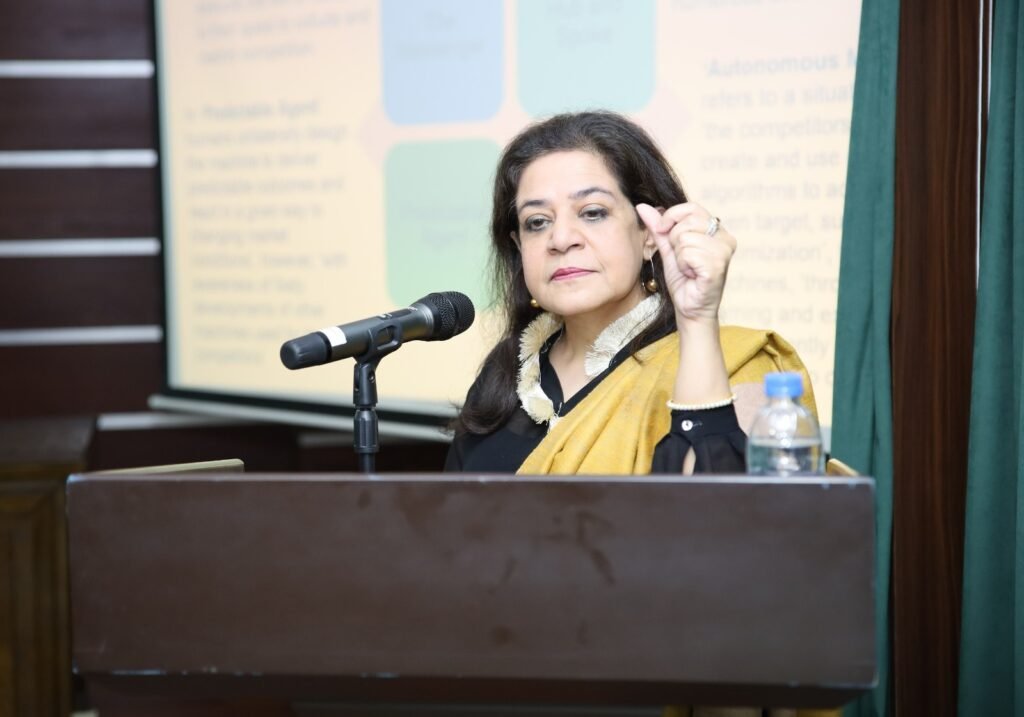
ISLAMABAD, Jan 14: The Competition Commission of Pakistan (CCP), under its ongoing Lecture Series on Competition Law, hosted a lecture titled “Competition Concerns in the Digital Economy.” The lecture was delivered by Dr. Amber Darr, Lecturer in Competition Law at the University of Manchester, UK, and External Expert at CCP’s Centre of Excellence in Competition Law (CECL). Read More: https://theboardroompk.com/pakistan-unveils-sultan-super-basmati-worlds-longest-grain-in-national-basmati-spectrum/ The lecture examined how the rapid expansion of digital platforms, big data, algorithms, and network effects is transforming markets and posing new challenges for competition authorities worldwide. Dr. Darr explained key characteristics of digital markets, including increasing returns to scale, market tipping, data-driven market power, and risks of algorithmic collusion. She also discussed the complexities of defining relevant markets and assessing dominance in zero-price and innovation-driven environments. Referring to leading European Union cases involving Google, Apple, and Amazon, Dr. Darr highlighted issues such as abuse of dominance, tying and bundling practices, unfair trading conditions, and the evolving approach to vertical agreements in digital markets. The lecture also placed Pakistan’s digital economy in a regional and global context, stressing the need for effective competition enforcement to ensure fair and innovative markets. The session was attended by CCP officers from Management Executives to Director Generals. Participants actively engaged in discussion on regulatory and enforcement challenges, reflecting CCP’s continued focus on capacity building in competition law enforcement.

Pakistan Signs Deal with Trump-Linked World Liberty Financial to Explore $1 Stablecoin for Cross-Border Payments
World

Pakistan Signs Deal with Trump-Linked World Liberty Financial to Explore $1 Stable coin for Cross-Border Payments

ISLAMABAD — Pakistan has entered into an agreement with SC Financial Technologies, an entity connected to World Liberty Financial (WLF)—the primary crypto venture associated with the family of U.S. President Donald Trump—to investigate the integration of WLF’s USD1 dollar-pegged stablecoin into regulated cross-border payment systems. Read More: https://theboardroompk.com/pakistan-china-sign-mou-to-boost-quantum-computing-research/ According to a source familiar with the arrangement reported by Reuters on January 14, 2026, the collaboration involves working with the State Bank of Pakistan to incorporate the stablecoin alongside the country’s emerging digital currency infrastructure. The deal, one of the earliest sovereign partnerships for WLF since its 2024 launch, aligns with Pakistan’s efforts to modernize remittances and digital finance amid a more crypto-friendly U.S. regulatory environment under Trump. An official announcement was anticipated later that day during a visit by WLF CEO Zach Witkoff to Islamabad. Focus on Remittances and Efficient Digital Payments Pakistan, which receives over $30 billion annually in remittances—a lifeline for its economy—aims to leverage stablecoins for faster, cheaper international transfers compared to traditional channels. The USD1 stablecoin, backed 1:1 by U.S. dollars and short-term Treasurys and available on multiple blockchains like Ethereum, Solana, and Tron, could reduce costs and settlement times for overseas workers sending funds home. The partnership builds on prior engagements, including a 2025 Letter of Intent between WLF and the Pakistan Crypto Council to advance blockchain and DeFi adoption. Geopolitical and Regulatory Implications The agreement highlights warming U.S.-Pakistan ties in the digital finance space and positions Pakistan as an early testing ground for private stablecoins in regulated settings. WLF has gained prominence through high-profile uses, such as Abu Dhabi’s MGX employing USD1 for a $2 billion Binance stake acquisition. Critics note potential risks around dollar dominance and regulatory oversight, but proponents see it as boosting Pakistan’s fintech profile and attracting global innovation. Neither Pakistan’s finance ministry nor central bank commented immediately, though the move reflects broader global interest in stablecoins for efficient, borderless payments.

EU Scientists Term 2025 as Third-Hottest Year on Record, with 3-Year Average Breaching 1.5°C Threshold
Environment

EU Scientists Term 2025 as Third-Hottest Year on Record, with 3-Year Average Breaching 1.5°C Threshold

BRUSSELS — European Union scientists announced on January 14, 2026, that 2025 ranked as the third-warmest year globally since records began, capping a historic streak of exceptional heat. Data from the Copernicus Climate Change Service, operated by the European Centre for Medium-Range Weather Forecasts (ECMWF), showed 2025 was only marginally cooler than 2023 by 0.01°C and trailed 2024, the hottest year ever recorded. Read More: https://theboardroompk.com/prof-dr-abdul-basit-top-2-scientists-recognition-elevates-pakistans-global-medical-standing/ For the first time, the three-year period from 2023 to 2025 averaged over 1.5°C above pre-industrial levels, marking the longest such breach on record. Long-term warming stands at about 1.4°C, but short-term spikes have pushed the planet past the Paris Agreement’s critical threshold temporarily. Unprecedented Heat Streak and Global Rankings The last three years—2024 (warmest), 2023 (second), and 2025 (third)—form the hottest trio in instrumental history. Copernicus data revealed 2025’s global average temperature anomaly reached approximately 1.47°C above pre-industrial levels. The UK Met Office corroborated the third-place ranking since 1850. Experts noted that while natural variability plays a role year-to-year, the underlying trend is driven by human-caused greenhouse gas emissions from fossil fuels. Rising Risks and Urgent Calls for Action Experts warned that the Paris Agreement’s 1.5°C limit—measured as a long-term average—could be exceeded this decade, a decade earlier than anticipated in 2015. Samantha Burgess of ECMWF emphasized that “every fraction of a degree matters” for intensifying extremes like heatwaves, storms, and floods. Carlo Buontempo, Copernicus director, stated the world is “bound to pass” 1.5°C, shifting focus to managing overshoot impacts. Extreme events in 2025, including record European wildfire emissions, deadly Pakistan floods killing over 1,000, and Hurricane Melissa, underscored climate change’s role in worsening disasters. Urgent emission reductions remain essential to limit further escalation.

NBP Fund Management Stock Market Investments Reach Rs106 Billion Milestone
Pakistan

NBP Fund Management Stock Market Investments Reach Rs106 Billion Milestone

NBP Fund Management stock market investments have crossed a major milestone, with assets under management (AUM) in equity-based portfolios surpassing Rs106 billion, reinforcing the company’s position as one of Pakistan’s most trusted asset management firms. Read More: https://theboardroompk.com/pakistan-renewable-energy-transition-gains-momentum-with-solar-and-climate-leadership/ The achievement, recently highlighted on the official social media platform of the National Bank of Pakistan (NBP), reflects over two decades of consistent performance, disciplined fund management, and long-term value creation for investors across Pakistan’s evolving capital markets. NBP Fund Management Stock Market Investments Reflect Long-Term Growth Strategy Operating under the tagline “Managing Your Savings,” NBP Fund Management Limited has steadily expanded its equity-focused investment footprint through prudent risk management and diversified portfolio strategies. The Rs106+ billion in stock market investments represents assets under management across multiple equity-linked segments, including open-end equity schemes, voluntary pension funds, and discretionary equity mandates. This diversified allocation has enabled the company to cater to both retail and institutional investors seeking sustainable long-term returns. Rather than relying on short-term market movements, NBP Fund Management has emphasized fundamental research, disciplined asset allocation, and active portfolio management, contributing to consistent growth despite market volatility. Breakdown of NBP Fund Management Stock Market Investments Instead of presenting figures in a table, the Rs106+ billion milestone can be explained through its core investment segments. A substantial portion of these NBP Fund Management stock market investments is held in equity-based open-end mutual funds, which provide retail investors access to professionally managed stock portfolios. Another significant share comes from voluntary pension schemes, designed to help individuals build long-term retirement savings through equity exposure. The remaining assets stem from discretionary equity mandates, where customized investment strategies are managed on behalf of institutions and high-net-worth clients. Together, these segments form a balanced equity investment ecosystem that supports both capital growth and retirement planning objectives. NBP Fund Management Stock Market Investments Backed by Strong Credentials As a wholly owned subsidiary of the National Bank of Pakistan, NBP Fund Management Limited benefits from the credibility, governance standards, and financial heritage of the country’s largest public-sector bank. The company holds an AM1 rating from PACRA, the highest asset manager rating, signifying strong internal controls, robust risk management frameworks, and a proven track record of performance. This rating has played a key role in building investor confidence, particularly during periods of market uncertainty. With over 20 years of experience, the firm has positioned itself as a reliable partner for investors seeking exposure to Pakistan’s equity markets while maintaining a disciplined investment approach. Why NBP Fund Management Stock Market Investments Matter for Pakistan’s Economy The growth of NBP Fund Management stock market investments is not only a corporate milestone but also a positive signal for Pakistan’s broader financial ecosystem. Rising equity-based assets under management indicate increasing investor participation in capital markets, reduced reliance on traditional savings instruments, and growing awareness of long-term wealth creation through equities. Such developments contribute to market depth, improved liquidity, and greater stability in Pakistan’s stock exchange, ultimately supporting economic growth and financial inclusion. Looking Ahead: Sustaining Growth in NBP Fund Management Stock Market Investments As Pakistan’s capital markets mature, NBP Fund Management is expected to further expand its equity offerings, enhance digital investor access, and introduce innovative fund structures aligned with evolving investor needs. The Rs106 billion milestone serves as a foundation for future growth, signaling the firm’s readiness to capitalize on emerging market opportunities while continuing to safeguard investor interests.

Overseas Investors Say $565.7 billion investment needed for Pakistan’s climate goals, green taxonomy
Environment

Overseas Investors Say $565.7 billion investment needed for Pakistan’s climate goals, green taxonomy

Karachi, January 14: Pakistan will need a staggering US$565.7 billion in investment to achieve its Nationally Determined Contributions (NDC) 3.0 climate commitments by 2035, it was revealed during a session on Pakistan Green Taxonomy (PGT) and ESG Disclosure Guidelines hosted by the Overseas Investors Chamber of Commerce and Industry (OICCI). Read More: https://theboardroompk.com/pakistan-renewable-energy-transition-gains-momentum-with-solar-and-climate-leadership/ The session, attended by top business executives and industry stakeholders, highlighted the critical role of sustainable finance and transparent ESG reporting in attracting the investments necessary to build Pakistan’s climate resilience. The session was held in the backdrop of the Securities and Exchange Commission of Pakistan’s issuance of the revised ESG Disclosure Guidelines for listed companies, formally aligning them with the Pakistan Green Taxonomy. The move is aimed at strengthening sustainability reporting, enhancing transparency, and supporting Pakistan’s climate transition and environmental commitments.The session outlined that Pakistan’s NDC 3.0 targets include a 17 percent unconditional and 33 percent conditional reduction in greenhouse gas emissions, a 30 percent increase in electric vehicle adoption, and a shift to 60 percent renewable energy. Meeting these ambitious goals will depend heavily on mobilizing green-aligned investments, making frameworks like the Pakistan Green Taxonomy and robust ESG disclosure practices essential for guiding capital toward sustainable projects. The Pakistan Green Taxonomy (PGT), launched by the State Bank of Pakistan in 2024, provides a clear classification system for identifying activities that actively contribute to environmental objectives, including climate change mitigation, sustainable water use, ecosystem protection, pollution prevention, circular economy, and land management. Complementing this, the ESG Disclosure Guidelines, which will transition to mandatory reporting between 2029 and 2031, establish standardized metrics for financial and non-financial sustainability reporting. The session on green financing was conducted by Farrukh Rehman, an expert on climate regulatory compliance and Former President, The Institute of Chartered Accountants of Pakistan (ICAP), who emphasized, “The integration of Pakistan Green Taxonomy into ESG reporting is a roadmap for businesses to align operations with national climate objectives. Transparent and structured reporting will attract sustainable investment and enable companies to contribute to Pakistan’s environmental and social goals.” OICCI Secretary General, M. Abdul Aleem, added, “The corporate sector is aware of growing importance of accountability and sustainability as key to business strategy. By adopting ESG disclosures and PGT-aligned practices, companies can secure investment, drive innovation, and enhance resilience against climate-related risks.” The session also covered technical criteria for PGT alignment, including the substantial contribution test, do-no-significant-harm principles, and minimum social safeguards to ensure ethical and responsible practices. Attendees were guided through reporting formats, international standards such as GRI, ISSB, and TCFD, and stepwise ESG reporting processes to ensure compliance and consistency.

Scroll to Top