Author name: Web Desk

Zara Staff Across Europe Gear Up for Black Friday Demonstrations Over Scrapped Bonuses
World

Zara Staff Across Europe Gear Up for Black Friday Demonstrations Over Scrapped Bonuses

Madrid/Brussels: Employees of fast-fashion giant Zara are preparing coordinated demonstrations outside flagship stores in seven European nations on November 28, coinciding with Black Friday – one of the retail sector’s busiest shopping days. The action aims to pressure parent company Inditex into restoring a pre-pandemic profit-sharing bonus system for store and warehouse workers.Organized under the banner of Inditex’s European Works Council, the protests are being led by Spain’s prominent CCOO labor union in partnership with counterparts in Belgium, France, Germany, Italy, Luxembourg, and Portugal. Demonstrators plan to gather in high-traffic urban locations, highlighting what they describe as unfair distribution of the company’s substantial earnings amid rising living costs.A key spokesperson for CCOO at Inditex explained that the bonus program, which once rewarded frontline staff based on overall performance, was eliminated in the wake of COVID-19 disruptions. With Inditex now reporting robust post-pandemic recovery and record revenues, unions argue it’s time to reinstate equitable rewards for those driving sales.This isn’t the first time Zara workers have targeted peak shopping periods: similar actions in Spain during the 2022 Black Friday season successfully secured significant pay hikes months later. Inditex, the world’s leading fashion retailer by sales, has yet to issue an official response to the latest demands. Analysts suggest the timing could amplify visibility but risks disrupting consumer experiences during a critical revenue period for the industry.
Taliban Seeks Deeper Trade Ties with India, Bypassing Pakistan via Chabahar Route
World

Taliban Seeks Deeper Trade Ties with India, Bypassing Pakistan via Chabahar Route

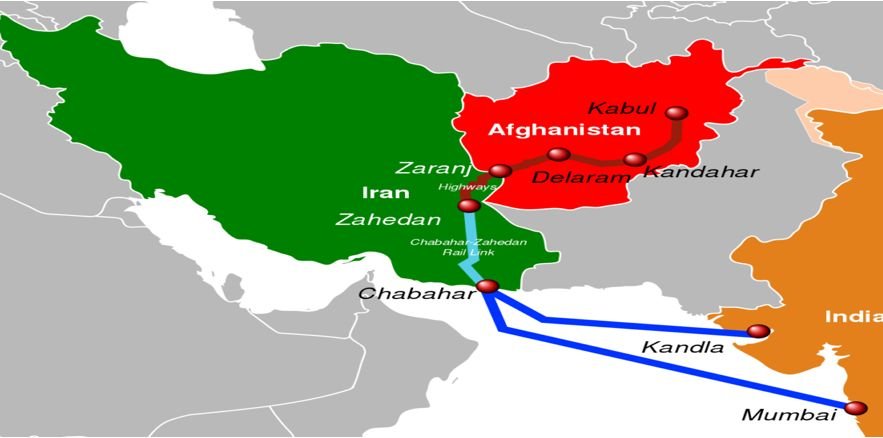
Kabul/New Delhi, November 22, 2025 – In a significant diplomatic push amid strained relations with Pakistan, Afghanistan’s Taliban government has called on India to dramatically expand bilateral trade by establishing cargo hubs on Afghan soil and enhancing logistics through Iran’s Chabahar Port.During high-level talks in New Delhi this week, Acting Minister of Industry and Commerce Al-Haj Nooruddin Azizi urged Indian officials to scale up commercial exchanges and assist in launching scheduled shipping lines from the Indian-operated Chabahar Port. This strategic port in southeastern Iran serves as a vital gateway for landlocked Afghanistan, allowing direct access to global markets without relying on Pakistani routes, which have been disrupted by repeated border clashes and closures.Azizi, leading a large business delegation, proposed developing dry ports in Afghanistan’s southwestern Nimroz province, bordering Iran, to streamline cargo movement. He also requested smoother processing at India’s Nhava Sheva Port near Mumbai and faster visa issuance for Afghan traders. The minister highlighted cooperation in sectors like pharmaceuticals, cold storage, fruit processing, and industrial parks.The overtures come as Kabul redirects trade away from Pakistan following armed confrontations that halted cross-border traffic, causing millions in losses for exporters of perishable goods like fruits. Afghanistan has increasingly turned to Chabahar and Central Asian pathways, with freight volumes surging.India, which has provided extensive humanitarian aid since 2021, announced the imminent launch of dedicated air cargo services between Kabul, Delhi, and Amritsar. Officials described the discussions as reflecting shared commitment to economic cooperation, though New Delhi maintains no formal recognition of the Taliban regime.Experts view this as a geopolitical shift, countering Pakistan’s influence and China’s inroads in Afghanistan, while bolstering regional connectivity. Bilateral trade has neared $1 billion annually, with potential for further growth in mining, agriculture, and energy investments.

Indian Rupee Plunges to All-Time Low Amid Outflows and Trade Deal Stalemate
World

Indian Rupee Plunges to All-Time Low Amid Outflows and Trade Deal Stalemate

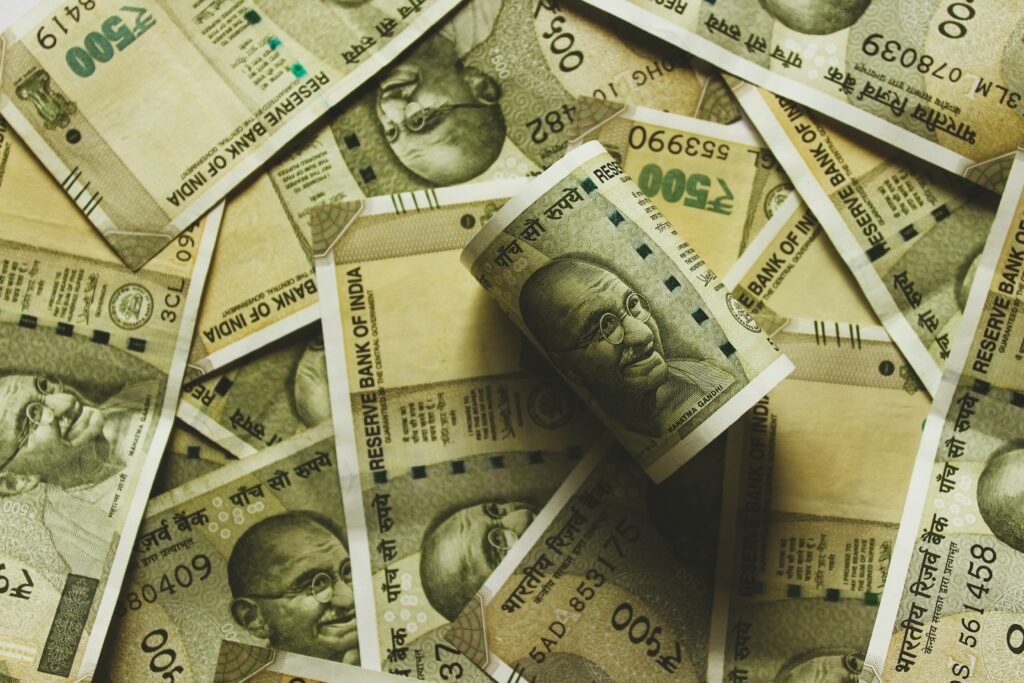
Mumbai: The Indian rupee cratered to a fresh all-time low on Friday, breaching the psychologically significant 89 level against the US dollar for the first time, as relentless foreign portfolio sell-offs, stalled negotiations on a bilateral trade pact with the United States, and a notable retreat by the Reserve Bank of India from aggressively defending a prior threshold fueled the sharp depreciation.Closing at 89.49 per dollar after touching an intraday nadir of 89.52, the currency marked its steepest single-day drop in six months, down 0.9%. This eclipsed the previous record low of 88.80 set earlier in the autumn, extending a bruising three-month slide triggered by escalating US tariffs on Indian goods imposed since late August.Foreign investors have yanked out a staggering $16.5 billion from Indian equities year-to-date, with outflows accelerating amid fears that prolonged trade friction could erode export competitiveness and widen the current account deficit. Uncertainty over a potential US-India deal—seen as critical to easing tariff pressures—has kept markets on edge, while importers rushed to hedge dollar exposures.The RBI, which had staunchly guarded the 88.80 mark through heavy interventions, appeared to ease its grip, allowing market forces greater play. Analysts view this as a strategic shift to preserve reserves amid fading Fed rate-cut hopes and a resilient dollar. A weaker rupee could bolster exports but risks stoking inflation via pricier imports, particularly oil. The currency also hit a record low of 12.60 against the offshore Chinese yuan.

Declining Oil Demand: West Africa-Focussed London Oil Producer's Shares Fall 35%
World

Declining Oil Demand: West Africa-Focussed London Oil Producer’s Shares Fall 35%

The West Africa-focussed oil producer, which is listed in London, Tullow Oil delivered a sobering trading update on November 21, 2025, cautioning investors that full-year production would hit the bottom of its guided range amid relentless field declines in Ghana and stalled payments from the government there. The company, now laser-focused on West Africa after divesting non-core assets in Kenya and Gabon earlier this year, said output for 2025 is expected around the lower end of 40,000-45,000 barrels of oil equivalent per day (boepd). Worse still, preliminary guidance for 2026 points to a further drop to 34,000-42,000 boepd, underscoring the challenges of maturing reservoirs at its flagship Jubilee and TEN fields. Natural decline rates, compounded by technical issues like water cut in wells, have eroded volumes despite resumed drilling activities. Cash flow is under severe strain from over $200 million in outstanding receivables owed by Ghana, including critical gas payments and development debts. Tullow reaffirmed $300 million in free cash flow for 2025 but raised year-end net debt expectations to $1.2 billion. With bonds maturing in May 2026, urgent talks are underway with bondholders and commodity traders for refinancing, alongside contingency plans like debt extensions. CEO Ian Perks emphasized operational efficiencies and cost cuts targeting $50 million in savings over three years. Shares plummeted up to 35% to an all-time low of 5.55 pence, slashing market capitalization below £100 million and highlighting investor fears over potential dilution or restructuring.

27th Constitutional Amendment elevates security safeguards for CPEC projects: Chinese Scholar
World

27th Constitutional Amendment elevates security safeguards for CPEC projects: Chinese Scholar

BEIJING: Pakistan’s 27th Constitutional Amendment, which elevates security safeguards for key cooperative projects to a constitutional level, stands as a landmark measure in protecting Chinese investments—especially those under the China-Pakistan Economic Corridor (CPEC), the flagship project of the Belt and Road Initiative (BRI). This legislative move not only addresses long-standing coordination bottlenecks between Pakistan’s federal and provincial authorities but also reinforces the strategic bedrock of China-Pakistan all-weather strategic cooperative partnership, APP reported. These views were expressed by Prof. Cheng Xizhong, Senior Research Fellow at the Charhar Institute, a non-governmental Chinese think-tank on diplomacy and international studies based in Beijing. He said that the core value of this amendment lies in its systematic optimization of security governance. Prior to its enactment, overlapping command structures among Pakistan’s military, police and provincial security forces often led to bureaucratic delays in responding to security threats. The amendment abolishes these redundant mechanisms and establishes a unified security command system, ensuring swift and coordinated responses. For Chinese investors, this institutional overhaul has delivered immediate and tangible benefits. The Karachi-Lahore Motorway expansion project, once hindered by prolonged security assessment procedures, recently obtained approval within just three months, with construction progressing 30% ahead of the original schedule. Similarly, the Gwadar Port Free Trade Zone, a vital node of CPEC, has accelerated its expansion plan, with three new industrial parks under construction to accommodate Chinese enterprises in logistics and manufacturing, he added. Prof Cheng said that more importantly, the amendment explicitly designates CPEC as a “national top priority,” legally binding all government agencies to prioritize project implementation—greatly consolidating investor confidence. Beyond safeguarding existing projects, the amendment’s essence—linking national stability with cooperative security—sets a pioneering precedent. As Chinese investment in Pakistan expands into emerging sectors like high-tech industrial parks and textile processing zones, this security framework provides a reliable guarantee for new collaborations. It also serves as a valuable model for Belt and Road cooperation globally, proving that targeted institutional innovation can effectively mitigate cross-border investment risks and enhance the sustainability of international cooperation, he added.

Cement Exports Increase 28.58% to $134.516 Million in 4 Months
Business

Cement Exports Increase 28.58% to $134.516 Million in 4 Months

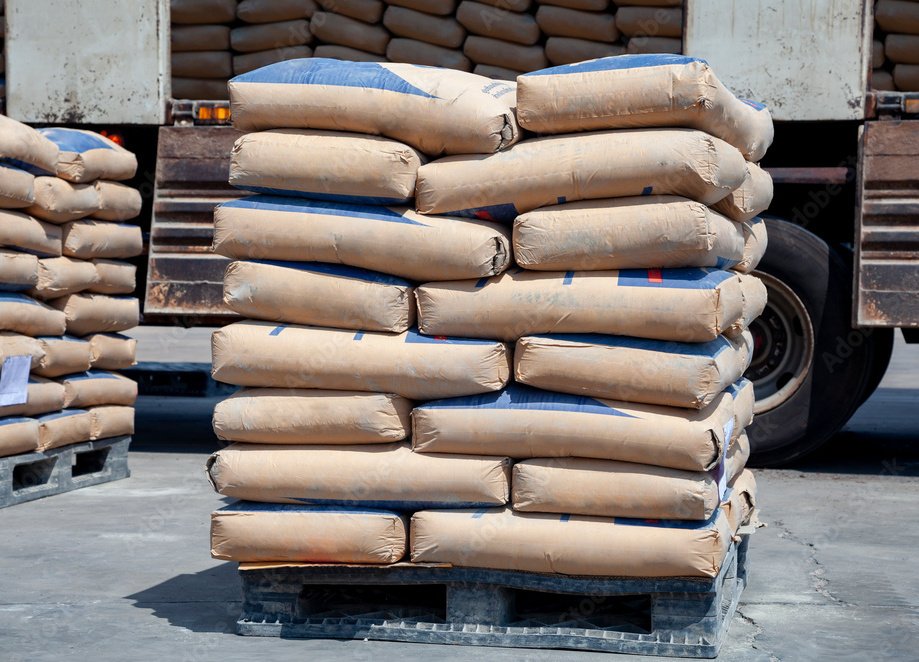
ISLAMABAD:The exports of cement witnessed an increase of 28.58 percent during the first four months of the current financial year 2025-26 as against the exports of the corresponding months of last year.The cement exports from the country were recorded at US $134.516 million during July-October (2025-26) against the exports of US $104.617 million during July-October (2024-25), according to the Pakistan Bureau of Statistics (PBS).In terms of quantity, the cement export also rose by 20.40 percent from 2,857,679 metric tons to 3,440,737 metric tons, the data revealed.Meanwhile, year-on-year basis, the cement exports witnessed a decrease of 9.92 percent during the month of October 2025 as compared to the same month of last year.The exports of cement from the country during October 2025 were recorded at US $35.511 million against the exports of US $39.423 million in October 2024.On a month-on-month basis, cement exports increased by 35.18 percent during October 2025 when compared to the exports of US $26.270 million in September 2025, the PBS data revealed

Crypto Market Extends Retreat as Bitcoin Plunges Below $86,000
World

Crypto Market Extends Retreat as Bitcoin Plunges Below $86,000

The cryptocurrency market deepened its month-long slide during Asian trading Friday, with bitcoin tumbling as much as 2.1% to below $86,000 for the first time since April amid evaporating momentum and risk-off sentiment.Bitcoin traded at $85,350.75 at one point, down from recent highs, while ether dropped over 2% to $2,777.39, its lowest in four months. The broader sell-off mirrors weakness in tech stocks, fueled by concerns over elevated valuations and fading hopes for aggressive Federal Reserve easing.U.S. spot bitcoin ETFs saw billions in outflows this month, exacerbating the decline. Whales following four-year cycle patterns are selling heavily, thinning liquidity.Total crypto market cap has shed over $1 trillion recently. Volatility remains elevated as macro factors dominate. Fundstrat’s Sean Farrell calls current levels a “potential value zone” for buyers, with oversold signals flashing.Analysts warn of further downside if panic intensifies, but a rebound could target prior supports. Institutional interest persists long-term despite short-term pain.

PM’s Committee Moves to Document Gemstone Trade and Boost Exports
Pakistan

PM’s Committee Moves to Document Gemstone Trade and Boost Exports

Islamabad: A meeting of the Prime Minister’s Committee on Gemstone Policy was held today, chaired by Special Assistant to the Prime Minister, Haroon Akhtar Khan. Minister of State for Finance and Railways Bilal Azhar Kayani and Adviser to the Prime Minister Rana Ihsan Afzaal also attended the meeting. During the briefing, it was highlighted that Pakistan’s actual gemstone exports remain undocumented and will soon be formally registered. The Committee noted that nearly half of the total gemstone output is wasted due to outdated mining practices and obsolete technology. The Committee further observed that 30–40% of precious stones are lost because of non-scientific blasting and drilling methods. It was also emphasized that a significant portion of gemstones is exported in raw form without value addition, reducing Pakistan’s export potential. The Committee pointed out that the sector faces serious challenges due to the lack of international cooperation and investment. Haroon Akhtar Khan stated that the use of modern mining technologies can substantially enhance both gemstone production and exports. He added that comprehensive value addition to gemstones could multiply export figures. Pakistan currently holds an undocumented export potential of USD 2 billion in the gemstone sector, while only USD 7 million worth of gemstone exports are formally recorded at present. Haroon Akhtar Khan also noted that nephrite exports remain largely undocumented and directed stakeholders to present a clear five-year export analysis for the gemstone sector.

Cloudflare Outage Shuts Down Pakistan Online — Urgent Need for Local Internet Strength
Pakistan

Cloudflare Outage Shuts Down Pakistan Online — Urgent Need for Local Internet Strength

A recent Cloudflare outage that disrupted digital services nationwide has once again underscored Pakistan’s deep dependence on foreign internet infrastructure and highlighted the need for a comprehensive national resilience strategy. Officials from the Federal Ministry of IT and Telecommunication (ITT) told The Express Tribune that Pakistan maintains a 24/7 vigilance system through the National Cyber Emergency Response Team (NCERT). While the system continuously monitors cyber risks, authorities offered limited clarity on the country’s preparedness for failures originating in global networks. With ITT Minister Shaza Fatima Khawaja abroad, further comment could not be obtained. Cloudflare—a major U.S.-based provider of cybersecurity and content delivery services—faced a technical fault that rendered numerous essential websites inaccessible, including the Pakistan Stock Exchange, Sindh High Court, X, and OpenAI. The incident slowed browsing speeds and interrupted routine online transactions for millions of users. Industry specialists noted that although the glitch did not originate in Pakistan, its impact was felt almost instantly, exposing how vulnerable the country remains to disruptions outside its control. IT experts argue that Pakistan must urgently invest in indigenous infrastructure—local data centres, Internet Exchange Points (IXPs), and content-caching systems—to keep critical digital traffic within national borders. Noman Ahmed Said, CEO of Sai Global, described the outage as evidence of a structural imbalance: Pakistan’s rapid digital expansion has outpaced the infrastructure required to sustain it. Past disruptions—subsea cable faults, regional routing issues, and political shutdowns—have already caused substantial economic losses. In 2024 alone, internet restrictions cost Pakistan an estimated $1.6 billion. In contrast, P@SHA Chairman Sajjad Syed downplayed the incident, likening it to routine global outages experienced by major platforms like Google, Facebook, and Microsoft. He stressed that Pakistan was not at fault and that Cloudflare-dependent websites were temporarily affected like elsewhere in the world. The Pakistan Telecommunication Authority (PTA), however, faced criticism for its muted response. While Cloudflare issued detailed updates and apologies, the PTA released only a brief statement acknowledging a “global outage,” offering little guidance to affected users. Experts now call for a more strategic approach—treating internet access as essential national infrastructure, enforcing stronger redundancy standards, building domestic capacity, and developing a unified cyber-resilience framework. Without such measures, they warn, Pakistan will continue to experience nationwide disruption from even minor international technical failures.

Daraz Pakistan Extends 11.11 Excitement with Big Friday Sale from 21 to 30 November
Pakistan

Daraz Pakistan Extends 11.11 Excitement with Big Friday Sale from 21 to 30 November

After powering one of the biggest online shopping moments of the year with 11.11, Daraz Pakistan is extending the celebration with its Big Friday Sale, live on the Daraz app and website from 21 November (8 PM onwards) until 30 November. The extension gives customers across Pakistan more time to enjoy major savings, explore new brands and take advantage of high-value deals during one of the busiest shopping periods of the year. This year’s 11.11 delivered discounts of up to 90%, savings worth more than PKR 1 billion, free delivery on eligible orders and one of the largest assortments ever offered on the platform. The event brought together top national and international brands across fashion, electronics, home appliances, beauty, lifestyle and groceries, making it the biggest sale of 2024 for Pakistani shoppers. With demand peaking, Daraz is extending the experience through Big Friday to keep offers accessible for customers who want to complete their November and wedding season shopping. Big Friday carries forward the most loved mechanics of 11.11 while adding fresh surprises throughout the campaign. Customers can continue playing the 1 Rupee Game, unlock Rs. 11 deals at 3 PM and enjoy themed days for Electronics, Beauty, Fashion, Grocery and Lifestyle. These curated days bring focused assortments, new product drops and additional vouchers that can be stacked on top of existing discounts. Surprises such as Shop & Win prizes, app-only flash vouchers and short window Rush Hour deals keep the campaign dynamic throughout the week. The sale also features strong value through partner bank and wallet promotions. During 11.11, customers enjoyed grand savings through partner banks for digital payments. These incentives remain central to Big Friday, with multiple partners continuing to unlock additional savings at checkout. For customers who want to shop with the confidence of verified products, DarazMall continues to offer an authenticity guarantee backed by up to 3X moneyback if an item is proven to be counterfeit. More than 200 new brands joined DarazMall during 11.11, giving customers a wider assortment of official stores to choose from. The 14-day return policy on eligible products remains active during Big Friday, making it easier for shoppers to upgrade electronics, appliances or fashion items with peace of mind. “11.11 has become a national shopping moment in Pakistan and customers turned it into a celebration this year,” said Ehsan Saya, Managing Director, Daraz Pakistan. “Big Friday allows that excitement to continue. We want people to enjoy more days, more deals and more chances to save, whether they are restocking essentials or buying something special for themselves or their families.” The Daraz Big Friday Sale runs from 21 November (8 PM onwards) to 30 November, exclusively on the Daraz app and website.

Scroll to Top