Author name: Web Desk

PTCL-Telenor Acquisition Review is Now in Final Stages
Pakistan

PTCL-Telenor Acquisition Review is Now in Final Stages

Pakistan’s telecom sector is moving closer to a major shift as the Competition Commission of Pakistan (CCP) progresses into the final stages of reviewing the proposed acquisition of Telenor Pakistan by Pakistan Telecommunication Company Limited (PTCL). This review is a key requirement under local competition laws and ensures that market consolidation does not negatively affect consumers or industry competitiveness. According to officials familiar with the matter, the CCP has been thoroughly examining market dynamics, potential impacts on pricing, service quality, infrastructure sharing, and overall market fairness. The regulator has already completed several rounds of data collection, stakeholder feedback, and internal assessments. The focus remains on whether the acquisition could create a dominant market position or limit competitive choices for telecom users in Pakistan. PTCL, backed by e& (formerly Etisalat Group), aims to acquire 100% of Telenor Pakistan’s operations. If approved, the deal is expected to reshape Pakistan’s telecom landscape by combining PTCL’s fixed-line expertise and fiber infrastructure with Telenor Pakistan’s large mobile user base. Industry analysts believe this merger could accelerate Pakistan’s digital connectivity goals, improve network coverage, and enable better integration of emerging technologies such as 5G. However, the CCP’s final decision will depend on whether sufficient safeguards are in place to maintain fair competition. The regulator may impose conditions related to spectrum management, consumer protection, and market transparency before granting approval. Once cleared, the acquisition will move toward closing formalities, including financial settlement and operational integration. This will mark one of the largest telecom mergers in Pakistan’s history, potentially influencing service standards and expanding digital access nationwide. For now, the industry awaits the CCP’s concluding verdict, which is expected soon. The outcome will determine how Pakistan’s telecom sector evolves in the coming years and whether this consolidation will ultimately benefit consumers and the broader digital ecosystem.

Pakistan’s Solar Power Capacity Expected to Surpass National Grid Demand by Next Year
Uncategorized

Pakistan’s Solar Power Capacity Expected to Surpass National Grid Demand by Next Year

Pakistan is undergoing a rapid solar energy transformation, and it could lead to a surreal milestone as early as next year. According to government officials, rooftop solar power in industrial hubs like Lahore, Faisalabad, and Sialkot may drive daytime electricity production so high that it actually exceeds what the national grid demands. Aisha Moriani, the Secretary of the Ministry of Climate Change and Pakistan’s lead at COP30, explained that in some daylight hours, solar output from homes and businesses could fully offset, or even go beyond, the grid’s need for electricity. She described this phenomenon as “negative grid-linked demand,” a scenario rarely seen in developing markets but more common in parts of Europe and Australia. This surge comes against a backdrop of mounting interest in solar energy, fueled by persistent power cuts and rising electricity tariffs. More and more Pakistanis are turning to solar panels for reliability and savings, and in doing so, the country has become one of the top global importers of solar equipment. In fact, its solar generation has surpassed neighboring China in some respects. But this boom isn’t without its challenges. The growing oversupply of solar power is creating financial stress for Pakistan’s utilities, many of which are already grappling with debt. As the grid demand drops during sunny hours, revenue declines, prompting concern about grid maintenance and sustainability. To address this, the government is proposing new policies. Solar users — especially large-scale adopters — could face revised tariffs to ensure everyone contributes fairly to grid upkeep. At the same time, Pakistan is rethinking its energy import strategy. Officials report they’re negotiating more flexible LNG contracts, aiming for pricing and terms that better suit the shifting demand dynamics. Their goal? To balance affordability, stability, and evolving energy needs — and try to recalibrate Pakistan’s energy future around the solar revolution that’s already under way.

Pakistan to Introduce Prepaid Electricity Meters: “No Balance, No Power” Reform Coming Soon
Pakistan

Pakistan to Introduce Prepaid Electricity Meters: “No Balance, No Power” Reform Coming Soon

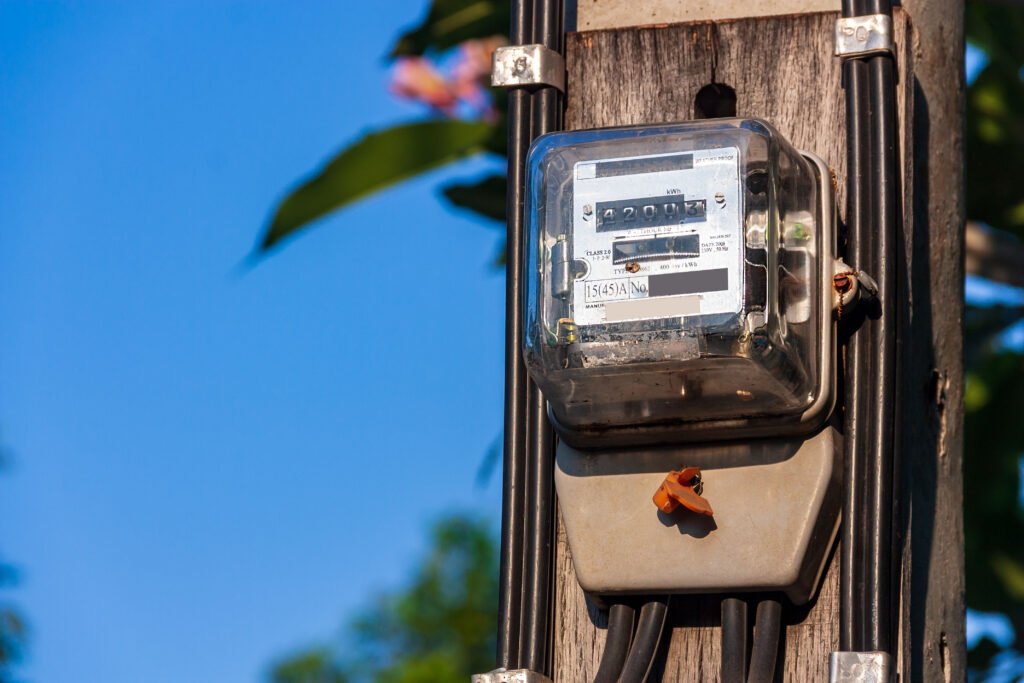
Pakistan’s federal government is gearing up for a major shake-up in the power sector: a nationwide rollout of prepaid electricity meters that will require users to top up credit before using power. Under this new system, once the meter balance reaches zero, electricity will automatically shut off — replacing monthly bills and late payments with a simple recharge-to-use model. Under this plan, consumers will use a rechargeable card to pay for electricity in advance. Officials say this shift could eliminate the need for meter readers and make the entire billing process more transparent, efficient, and stress-free for users. This initiative is part of a broader reform agenda. The Power Division has already begun a large-scale deployment of smart meters across the country as part of its “Year of Customer Service Improvement” for 2025–26. Thanks to competitive procurement through open tenders, the cost of single-phase smart meters has been brought down from around Rs 20,000 to approximately Rs 15,000 — a reduction that could save the country billions each year. Authorities believe these smart meters will ensure accurate readings, minimize human errors, and ultimately support the transition to a prepaid electricity model. For consumers, the benefits are clear: better control over consumption, real-time monitoring, and a system that encourages smarter energy use. For power companies, the reform promises improved operational visibility, faster billing processes, and fewer disputes. In short, Pakistan’s electricity sector is entering a new era — one where digital meters and prepaid credit may completely transform not just how people pay for electricity, but how they manage their energy consumption.

Militants Strike FC Headquarters in Peshawar; Three Officials Lose Lives
Pakistan

Militants Strike FC Headquarters in Peshawar; Three Officials Lose Lives

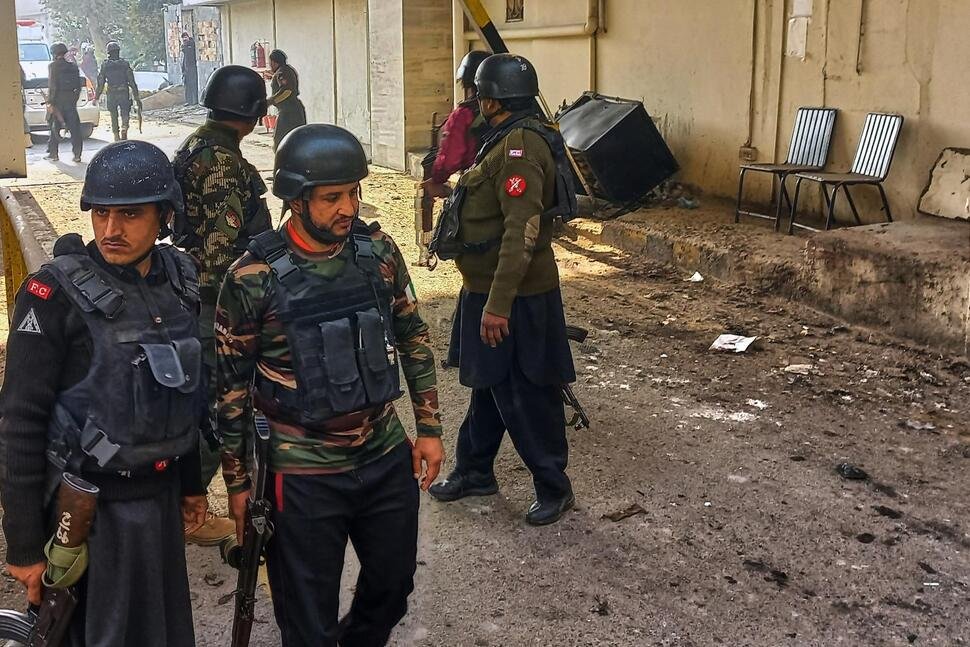
Early Monday morning, Peshawar once again faced a frightening reminder of the security challenges confronting the region. Around 8 am, militants launched an attack on the Federal Constabulary (FC) headquarters located in the busy Saddar area. According to officials, three attackers approached the main entrance, where one of them detonated an explosive vest at the gate. The remaining two attempted to enter the compound but were swiftly taken down by security personnel. Unfortunately, three FC officials stationed at the gate were martyred in the blast, while two others sustained injuries. Rescue teams and ambulances arrived quickly, shifting the wounded to nearby hospitals for urgent medical treatment. The FC headquarters is not just an administrative facility — it includes barracks, residential quarters, and a hospital, making the attack particularly alarming. Security forces immediately cordoned off the area and launched a clearance operation to ensure no additional threats remained. Traffic on Saddar Road was temporarily halted as part of the emergency response. The incident prompted strong condemnation from national and provincial leaders, who praised the quick reaction of the security forces. They emphasized that the attackers failed to achieve their objective due to the alertness and bravery of the personnel on duty. Authorities have also reaffirmed their support for the families of the martyred and injured, stressing that such acts of violence will not deter efforts to maintain peace. This attack serves as another stark reminder of the sacrifices made by frontline forces and the continued need for vigilance in the fight against terrorism.

Khyber Pakhtunkhwa Leads the Way with Pakistan’s First Digital Payments Law
Pakistan

Khyber Pakhtunkhwa Leads the Way with Pakistan’s First Digital Payments Law

Khyber Pakhtunkhwa (K‑P) is poised to become a trailblazer in Pakistan’s digital economy after Chief Minister Sohail Afridi approved the “Khyber-Pakhtunkhwa Digital Payments Act 2025.” This landmark legislation will be taken to the provincial cabinet for formal ratification, making K-P the first province to set up a legal framework specifically for digital payments. Under the new law, all government departments, businesses, and service providers will be required to switch to QR code–based payments. This move is meant to not only make transactions more convenient and efficient but also increase transparency and reduce the reliance on cash. One of the most ambitious and socially impactful aspects of the Act is a two-year exemption: informal or previously undocumented businesses that start accepting QR-based payments under the new law will not be hit with new direct sales tax immediately. This is a smart way to move micro-entrepreneurs into the formal economy without scaring them off with sudden tax burdens. But, if a business refuses to accept digital payments—or tries to charge extra for QR code payments—it will be breaking the law. To make this digital shift work, the government is planning to build out public Wi-Fi zones and offer digital services in markets and commercial areas. They’re also going to include financial and digital literacy lessons in schools, while setting up district-level teams to train businesses and help them adopt the new system. Afridi says that this law isn’t just about payments — it’s a major step toward a “cashless model economy.” He believes that encouraging digital payments will reduce corruption, stabilize revenue collection, and support data-driven governance. All of this, he argues, will help restore public trust in government institutions and drive K‑P’s digital transformation forward.

Pakistan’s 5G Rollout: Industry Demands Lower Taxes to Speed Adoption
Pakistan, Tech

Pakistan’s 5G Rollout: Industry Demands Lower Taxes to Speed Adoption

As Pakistan moves closer to launching 5G services, telecom authorities are stressing the need for major tax reductions to ensure the technology can be adopted smoothly and at scale. The Pakistan Telecommunication Authority (PTA) has urged the government to lower duties on telecom equipment and raw materials, warning that the current tax structure could slow down progress. The government has already set an ambitious target to auction the 5G spectrum by February 2026, a timeline aimed at accelerating the country’s shift toward advanced digital connectivity. With nearly 196 million mobile users and 148 million broadband subscribers, Pakistan has a strong base that could benefit significantly from 5G-enabled services. The arrival of 5G is expected to bring major transformations in everyday digital usage. Features such as e-SIMs, NFC-based payments, barcode banking, nano-finance, and even wireless charging are likely to become more common once smartphones with advanced chips and processors enter the market. However, a major challenge remains: less than 5% of mobile phones in Pakistan currently support 5G. Telecom experts emphasize that affordability will play a crucial role in determining how quickly consumers embrace the new technology. If 5G-enabled smartphones remain expensive, adoption will be slow. Local manufacturers are therefore being encouraged to start integrating modern chipsets so the market can be ready when 5G officially arrives. Industry groups highlight another major hurdle: a large portion of the population still uses basic phones. Estimates suggest that around 40% of mobile users rely on feature phones, while nearly 10% do not own a mobile phone at all. Even so, local production remains strong, with around 1.2 million smartphones and 1.5 million feature phones being manufactured each month. To prepare the market, the PTA is calling for significant tax reforms. These include reducing duties on imported components—some of which are taxed at nearly 20%—and lowering levies on telecom infrastructure. According to officials, making smartphones more affordable will increase internet penetration, which in turn will boost economic activity and generate greater revenue for the government in the long run.

Lower Phone Prices Ahead? PTA Favors Tax Reduction on Imports
Pakistan

Lower Phone Prices Ahead? PTA Favors Tax Reduction on Imports

The Pakistan Telecommunication Authority (PTA) has come out in support of reducing taxes on mobile phones brought into the country. This move aims to make smartphones more affordable for everyday users across Pakistan. According to Amer Shahzad, Director-General (Wireless – Licensing) at PTA, the organization itself doesn’t impose these taxes — that responsibility lies with the Federal Board of Revenue (FBR). He also clarified that PTA staff pay the same import taxes as everyone else; there are no free or tax-exempt phones for employees. High import duties have long pushed the cost of smartphones out of reach for many Pakistanis. Lowering these taxes could bring several benefits: reduce the financial burden on students and lower-income families, discourage smuggling, increase legal imports, and ultimately boost mobile usage. More affordable devices mean broader internet access, which in turn supports growth in the telecom industry. While PTA doesn’t set tax rates, its public support for tax relief sends a powerful message. The authority’s stance underscores its commitment to both affordability and transparency. By making mobile devices cheaper and more accessible, Pakistan can foster greater digital inclusion and fuel long-term growth in its technology ecosystem.

India to Launch Dedicated Air Cargo Link with Afghanistan, Bypassing Pakistan Route
World

India to Launch Dedicated Air Cargo Link with Afghanistan, Bypassing Pakistan Route

New Delhi/Kabul: India will soon start regular air cargo flights connecting Delhi, Mumbai and Amritsar with Kabul and Kandahar, a senior Ministry of External Affairs official confirmed on Friday, marking a major step to deepen economic engagement with Taliban-ruled Afghanistan.The decision follows intensive talks with visiting Afghan Acting Minister of Commerce and Industry Haji Nooruddin Azizi, who led a 45-member business delegation to New Delhi this week. Azizi pressed India to accelerate trade and establish dedicated cargo hubs inside Afghanistan, highlighting urgent needs for wheat, rice, life-saving medicines, and industrial raw materials after repeated border closures with Pakistan caused severe shortages.With land routes through Pakistan disrupted by recent military skirmishes, Afghanistan has suffered multimillion-dollar losses in perishable exports and critical imports. The new air corridor will initially operate several weekly freighters, with plans to scale up based on demand. Indian officials described the initiative as “humanitarian and commercial,” emphasizing that engagement remains technical and does not imply political recognition of the Taliban regime.Azizi also renewed requests for smoother customs clearance at Indian ports and faster business visas. Both sides explored joint investments in Afghan mining, agriculture processing, and pharmaceutical sectors. Trade volume, already close to $1 billion annually despite challenges, is projected to grow significantly once air and alternative sea routes via Chabahar Port in Iran are fully operational.

Eli Lilly Becomes First Pharmaceutical Giant to Reach $1 Trillion Valuation
World

Eli Lilly Becomes First Pharmaceutical Giant to Reach $1 Trillion Valuation

Indianapolis/New York: Eli Lilly and Company (LLY.N) achieved a historic milestone on Friday, becoming the world’s first pharmaceutical company to surpass a market capitalization of $1 trillion. Shares closed at a record high, pushing the century-old drugmaker into an elite group previously reserved for technology behemoths such as Apple, Microsoft, and Nvidia. The breakthrough caps a remarkable 2025 for Lilly, with its stock surging more than 35% year-to-date. Investors have rewarded the company for its dominant position in the fast-expanding market for GLP-1 receptor agonists — medications originally developed for diabetes that have revolutionized obesity treatment. Demand for Lilly’s tirzepatide-based products, sold as Mounjaro for diabetes and Zepbound for chronic weight management, continues to outstrip supply despite aggressive manufacturing expansion. Analysts project combined annual sales of the two brands could exceed $30 billion by 2028, with some forecasts reaching $50 billion as indications broaden to include sleep apnea, heart failure, and fatty liver disease. The valuation triumph highlights a broader shift on Wall Street, where healthcare stocks — long viewed as defensive plays — are now trading at premium multiples typically seen in high-growth tech. Lilly now ranks among the ten most valuable companies globally, surpassing established giants like Tesla and Walmart. CEO David Ricks called the milestone “a testament to our innovation engine and the life-changing impact of our medicines,” while pledging continued investment in next-generation obesity and cardiometabolic therapies.

Indian Tejas Fighter Jet Goes Down Mid-Display at Dubai Air Show
Breaking News, World

Indian Tejas Fighter Jet Goes Down Mid-Display at Dubai Air Show

An Indian Tejas fighter jet made by Hindustan Aeronautics Ltd (HAL) crashed at around 2:10 pm local time during a demonstration flight on the final day of the Dubai Air Show, sources told AFP. Witnesses captured dramatic footage of the aircraft failing to regain control mid-maneuver, plunging toward the ground and erupting into a ball of flames that billowed thick, black smoke as emergency crews rushed in. The Indian Air Force later confirmed via a post on X that the pilot was fatally injured. In its statement, the IAF expressed deep sorrow and announced that a court of inquiry has been launched to investigate what caused the accident. This Tejas jet, which is India’s indigenous light combat aircraft, was developed to reduce dependence on foreign-made fighters. The Mark 1A version, powered by engines from General Electric, is especially important to India’s long-term plan to modernize its air force. In September, India signed a $7 billion deal for 97 upgraded Tejas Mk 1A jets — a major step in replacing older MiG-21s. Earlier in the week, social media was abuzz with allegations that a Tejas jet had leaked oil while parked at the show. The Indian government dismissed those claims, explaining that the fluid was simply condensation being drained — a routine procedure under humid conditions. Experts say it’s too soon to determine what caused the crash, and the UAE’s aviation authorities have not yet commented publicly on whether they’ll lead a local investigation. Meanwhile, General Electric, which manufactures the jet’s engines, said it’s ready to support the inquiry.

Scroll to Top