Author name: Web Desk

Maple Leaf Cement’s Credit Rating Upgraded to A+ with Stable Outlook
Pakistan

Maple Leaf Cement’s Credit Rating Upgraded to A+ with Stable Outlook

VIS Credit Rating Company Limited has announced an upgrade in the medium to long-term entity rating of Maple Leaf Cement Factory Limited (MLCF), raising it from A (Single A) to A+ (Single A Plus). The company’s short-term rating has been reaffirmed at A1 (A One), while the outlook remains Stable. This rating action reflects strong confidence in Maple Leaf Cement’s financial health, operational resilience, and long-term business sustainability. Strong Credit Quality and Liquidity Position: According to VIS, the upgraded medium to long-term rating indicates good credit quality backed by strong protection factors, while the reaffirmed short-term rating highlights a high likelihood of timely debt repayments and excellent liquidity. Maple Leaf Cement’s rating continues to benefit from its well-established position in Pakistan’s cement industry and its strategic integration within the broader Kohinoor Maple Leaf Group (KMLG), which provides additional operational and financial stability. Experienced Management and Solid Corporate Governance: VIS also credited the company’s experienced and long-standing management team, known for its deep industry knowledge. The presence of strong corporate governance structures, including active audit and remuneration committees, ensures high levels of transparency, accountability, and regulatory compliance. Operational Resilience Amid Industry Challenges: Despite facing subdued construction demand, volatile input costs, and fluctuating energy prices, Maple Leaf Cement has managed to maintain stable production levels. The company’s resilient profitability is supported by: • Strong pricing power• Ongoing cost optimization measures• Efficient energy utilization These factors have helped the company sustain healthy profit margins and positive cash flows, even in a challenging macroeconomic environment. Strengthening Financial Profile and Lower Leverage: From a financial perspective, VIS highlighted the company’s conservative capital structure, marked by: • Declining debt levels• A stronger equity base• Improving liquidity ratios Timely repayment of long-term borrowings and reduced dependence on short-term financing have significantly lowered leverage, while efficient working capital management has further strengthened liquidity buffers. In addition, robust internal cash generation and steady subsidiary income continue to support the company’s strong debt-servicing capacity. Outlook and Future Rating Prospects: VIS emphasized that the continued strengthening of Maple Leaf Cement’s financial profile will be a key factor in future rating actions. With a Stable outlook, the current rating suggests confidence in the company’s ability to maintain its solid performance in the near to medium term. The upgrade of Maple Leaf Cement’s rating to A+ is a strong endorsement of the company’s financial discipline, operational efficiency, and strategic market position. For investors and stakeholders, this move signals enhanced creditworthiness, lower financial risk, and long-term stability in one of Pakistan’s leading cement manufacturers.

Ukraine Faces Worst Population Collapse: Will Need Workers from Other Countries
World

Ukraine Faces Worst Population Collapse: Will Need Workers from Other Countries

Kyiv: Ukraine is experiencing the fastest population decline of any country in the world not affected by famine or genocide, with new data showing the nation lost almost one-quarter of its people in just four years of war.The State Statistics Service and the Ptoukha Institute for Demography and Social Studies released figures Wednesday confirming that Ukraine’s population has fallen to 31 million, down from 41–42 million on the eve of Russia’s full-scale invasion in February 2022. In government-controlled territory alone, only 28.8 million people remain.For the first time since records began, deaths in 2024 outnumbered births by nearly three to one: 495,000 deaths against just 176,600 births. In the hardest-hit frontline regions of Kherson, Zaporizhzhia and Donetsk, the ratio reached ten deaths for every birth.“Ukraine is living through a demographic catastrophe,” said Ella Libanova, director of the Ptoukha Institute. “We have the lowest fertility rate on the planet – around 0.9 children per woman – combined with the highest death rate in Europe. No country can survive this trajectory without radical change.” The war has compounded decades of decline. Since independence in 1991, Ukraine has already lost more than 20 million people through emigration and low birth rates. The 2022 invasion has accelerated the collapse through four lethal channels:Battlefield and civilian casualties (official figures remain classified, but independent estimates exceed 100,000 military deaths alone)Mass exodus of more than 6.5 million refugees, mostly women and children, to the European UnionInternal displacement of another 5 millionOccupation of roughly 20 % of Ukrainian territory, including Crimea and parts of four eastern oblastsDemographers now project that, even if the war ended tomorrow, Ukraine’s population will fall below 25 million by 2050 and could shrink to as little as 15 million by the end of the century.President Volodymyr Zelenskyy acknowledged the crisis in a televised address Wednesday evening:“We are fighting not only for territory but for the very future of the Ukrainian people. A nation cannot exist without children, without families, without hope.” The government has increased monthly child benefits to the equivalent of $1,220 – one of the highest rates in Europe – and is drafting legislation to encourage refugee returns and attract immigrant workers. Officials admit, however, that no financial incentive can fully offset the trauma of war.In the eastern city of Kramatorsk, obstetrician Olena Marchenko told reporters her maternity ward delivered only 180 babies this year, compared with 1,200 before the invasion. “Women say they are afraid to bring children into a world with air-raid sirens and blackouts,” she said.International organisations are sounding the alarm. The United Nations Population Fund (UNFPA) warned last month that Ukraine risks becoming “a country of the old and the absent” unless birth rates recover and refugees return in large numbers.As winter deepens and the war grinds into its fourth year, the human cost is no longer measured only in territory lost, but in an entire generation that may never be born.

Trump Clears Path for Kei Cars in the U.S., Signaling Major Shift in Auto Regulations and Trade Policy
World

Trump Clears Path for Kei Cars in the U.S., Signaling Major Shift in Auto Regulations and Trade Policy

Ultra-compact Japanese vehicles may soon hit American roads as safety rules and fuel standards face sweeping changes. President Donald Trump has taken a major step toward allowing kei cars, Japan’s ultra-compact, fuel-efficient vehicles to be manufactured and sold in the United States. The move could reshape the American small-car market, lower fuel costs for consumers, and open a new chapter in U.S, Japan automotive trade relations. Speaking at the White House this week, Trump said he was inspired after seeing the tiny vehicles during a recent visit to Japan. “They’re very small, they’re really cute, and I said, ‘How would that do in this country?’” he told reporters while outlining plans to roll back Biden-era fuel efficiency standards. He confirmed that he has authorized Transportation Secretary Sean Duffy to approve the production of kei cars in the U.S, a directive that could fast-track regulatory changes that have long blocked these vehicles from American roads. Why Kei Cars Have Been Banned in the U.S: Kei cars are limited by strict size and engine regulations in Japan and are designed for narrow urban streets, low fuel consumption, and affordability. Although they account for nearly one-third of all new vehicle sales in Japan, they currently do not meet U.S. federal safety and emissions standards for new vehicles. As a result, most kei cars in the U.S. today arrive under the 25-year import rule, which allows older vehicles to be imported even if they don’t meet modern crash-safety standards. Even then, many states restrict their use to private property or low-speed roads due to concerns that they are too small and slow to safely share highways with large trucks and SUVs. Safety experts and state regulators have long argued that kei cars lack the structural protection required for American traffic conditions. Transportation Department “Clears the Deck”: Following Trump’s directive, Duffy said the Department of Transportation has now “cleared the deck” for automakers such as Toyota Motor Corp. to begin building and selling smaller, more fuel-efficient vehicles in the U.S. This marks a significant shift in federal policy and could open the door for a new category of ultra-compact vehicles tailored for city driving and fuel savings. Toyota declined to comment on the announcement, but industry analysts say the decision could pressure multiple automakers to rethink U.S. product strategies. Business Reality vs. Market Demand: Despite their popularity overseas, analysts remain cautious about the commercial success of kei cars in the U.S. “The reason Japanese carmakers don’t make or sell kei cars in the U.S. is business feasibility,” one auto analyst explained. “The market exists but remains niche. Pricing and production costs don’t always match American expectations.” Even with regulatory approval, automakers would need to redesign kei cars to meet U.S. crash standards, which could significantly increase costs and reduce their low-price advantage. Kei Cars and U.S, Japan Trade Politics: Trump’s embrace of kei cars also highlights how automobiles continue to be used as a geopolitical bargaining chip between the United States and Japan. Passenger vehicles were a central issue during recent U.S., Japan trade negotiations. The talks gained momentum when Japan floated the idea of increasing imports of American-made vehicles. While selling large U.S. pickup trucks in densely populated Japanese cities seemed far-fetched, the concept appealed to Trump, along with proposals for Toyota Motor Corp. and Honda Motor Co. to export more U.S.-assembled vehicles back to Japan. Kei cars now appear to be the latest leverage point in this ongoing automotive trade dynamic. What This Means for American Drivers: If the policy shift is finalized, American consumers could soon see:• Lower-cost city cars• Improved fuel economy• More compact options for urban commuting• Greater competition in the small-car segment However, key questions remain around safety compliance, pricing, insurance rules, and state-level regulations. Trump’s decision to fast-track approval for kei cars marks a major change in U.S. auto policy, blending fuel-efficiency reform, consumer choice, and international trade strategy. While significant regulatory and safety hurdles still remain, the move signals serious momentum toward bringing Japan’s iconic micro-cars to American streets for the first time as mainstream new vehicles. If approved, kei cars could transform urban transportation in the U.S, but whether they succeed commercially will depend on safety updates, pricing, and how willing American drivers are to go small.

Heat-Struck Workers Behind Global Fashion Labels i.e., H&M, Zara, Mango, NEXT, IKEA in Karachi Face Life-Threatening Conditions
Pakistan

Heat-Struck Workers Behind Global Fashion Labels i.e., H&M, Zara, Mango, NEXT, IKEA in Karachi Face Life-Threatening Conditions

KARACHI: Thousands of garment and textile workers in Karachi, producing clothes for major global brands including H&M, Zara, GAP, Mango, ASOS, C&A, NA-KD, NEXT, and IKEA, are suffering severe heat stress amid rising temperatures fueled by climate change, according to a damning new report by Climate Rights International (CRI).Released Wednesday, the report titled “They Don’t See What Heat Does to Our Bodies” reveals factory floors often hotter than outdoor temperatures, with poor ventilation, sealed windows, and intense machinery heat creating suffocating conditions. Workers report frequent fainting, dehydration, dizziness, nausea, and swollen limbs, yet production continues during extreme heatwaves.“Inside, it feels like my body is melting,” said Muhammad Hunain, a textile worker. Many avoid drinking water to prevent reprimands for frequent bathroom breaks, increasing risks of kidney damage and long-term health complications.Despite earning just Rs32,000–40,000 ($115–145) monthly, workers face wage deductions or dismissal threats if they stop due to illness. Fainting incidents often result in unpaid leave without medical care.The report links affected factories to the named international brands through public supply-chain disclosures. Most brands are signatories to the International Accord on health and safety, yet only NEXT has explicit heat-risk guidelines for suppliers. Others reportedly rely on general standards that ignore extreme heat as a hazard.Workers and researchers accuse factories of temporarily improving conditions—adding fans, providing clean water—only during brand audits.CRI warns Karachi’s garment sector is on the frontlines of climate change, with Pakistan warming faster than the global average. Without urgent action—better ventilation, heat protocols, paid sick leave, and enforceable laws—the human toll will worsen.One worker, Shaista, summed it up: “We’re not asking for luxury… just air to breathe and water to drink.”

Pakistan’s External Debt-to-GDP Falls to 26% on Record $38.3bn Remittances
Pakistan

Pakistan’s External Debt-to-GDP Falls to 26% on Record $38.3bn Remittances

KARACHI: State Bank of Pakistan Governor Jameel Ahmad announced that Pakistan’s external debt-to-GDP ratio has improved significantly to 26% in FY25 from 31% a few years ago, mainly due to strong growth in workers’ remittances and a larger economy.Speaking on the sidelines of “Pakistan Women Entrepreneurship Day 2025”, he revealed that total foreign debt has remained stagnant at June 2022 levels for the past three years, with all new external financing used solely to repay maturing obligations rather than building reserves.Remittances hit a record $38.3 billion in FY25, up 27% from $30.3 billion in FY24, and are projected to cross $40 billion in FY26. The GDP has expanded to $407.1 billion from $375 billion in FY22.The Governor reiterated that the current account deficit will stay within the projected 0–1% of GDP despite rising imports ($5.2 billion in November 2025). SME financing rose by Rs150 billion to Rs700 billion in the last year, keeping the sector on track to reach the Rs1.1 trillion target in five years.

Corruption Worth Rs. 106 Million Reportedly Exposed in Project Supported by World Bank
Pakistan

Corruption Worth Rs. 106 Million Reportedly Exposed in Project Supported by World Bank

A major financial scandal has surfaced in Khyber Pakhtunkhwa after a departmental inquiry exposed a Rs106.04 million fraud within a World Bank-funded education project. The investigation revealed deep-rooted internal control failures, suspected staff collusion, and serious lapses in banking verification. The inquiry was launched when the project director of the Khyber Pakhtunkhwa Human Capital Investment Project (KP-HCIP) flagged unusual withdrawals from the project’s bank account. KP-HCIP, backed by a Rs26 billion loan, was designed to enhance education quality in Peshawar, Haripur, Nowshera, and Swabi, and was later expanded to support flood-affected districts. According to the inquiry committee, the fraud was carried out by exploiting cheque books that had already been fully used. New cheque books were allegedly obtained illegally using a fake authority letter, enabling unauthorized withdrawals. Investigators discovered that a man with no connection to the project managed to collect four cheque books without the required approval from official signatories. The committee pointed to a former project accountant—who still held project equipment and had extensive knowledge of internal systems—as the primary suspect behind the scheme. The inquiry also highlighted significant negligence on the part of the project’s financial management specialist and internal audit officer. It further criticized the National Bank of Pakistan, along with verification systems of FBR and Faysal Bank, for failing to detect irregularities that facilitated the fraudulent transactions. To move the case forward, investigators have recommended lodging an FIR, placing all suspects on the Exit Control List (ECL), and forwarding the matter to anti-corruption authorities. They also advised that a forensic audit be conducted by an independent chartered accountancy firm, covering the period from the project’s inception up to September 2025. The education department has been urged to tighten internal controls and strengthen financial oversight across all components of the project to prevent further losses and restore accountability.

Pak Qatar Family Takaful Files Draft Prospectus for IPO on PSX, Public Comments Open Till December 10th
Pakistan

Pak Qatar Family Takaful Files Draft Prospectus for IPO on PSX, Public Comments Open Till December 10th

Pakistan’s largest family Takaful operator moves a step closer to listing as it plans to raise capital for digital growth, branch expansion, and brand development. Pakistan’s first dedicated Islamic family Takaful company, Pak Qatar Family Takaful Limited, has officially kicked off its journey toward becoming a publicly listed company. The company has placed its draft prospectus on the Pakistan Stock Exchange for public review, inviting feedback ahead of its much-anticipated Initial Public Offering (IPO). According to the announcement, stakeholders and investors can submit their comments on the draft prospectus until December 10, 2025, marking a key regulatory milestone before the IPO launch. Market Leader in Pakistan’s Family Takaful Sector: Pak Qatar Family Takaful currently dominates the family Takaful segment in Pakistan, holding an impressive 44% market share. In the niche of dedicated Takaful products, the company commands an overwhelming 90.47% share, reinforcing its leadership in Shariah-compliant insurance solutions. Within the broader life insurance industry, the company controls 6.6% of the total market, highlighting its growing footprint beyond just Islamic insurance. IPO Structure and Share Offering Details: Here is a quick breakdown of the IPO structure: • 75% of the issue (22.5 million shares) will be offered through the Book Building Method • Floor price: PKR 10 per share • Price band cap: Up to 40% (maximum PKR 14 per share) • 25% of the issue (7.5 million shares) will be allocated to retail investors at the final strike price • The retail portion will be fully underwritten, ensuring investor confidence and liquidity Leading brokerage house Arif Habib Limited has been appointed as the lead manager for the IPO. How Pak Qatar Plans to Use IPO Proceeds: Pak Qatar Family Takaful has outlined a clear growth strategy for utilizing the funds raised through the public offering. The capital will be directed toward strengthening both operational and digital capabilities, including: • Upgrading IT infrastructure and core insurance software • Expanding and renovating branch network across Pakistan • Human resource development and talent enhancement • Brand-building and national marketing campaigns • Boosting digital sales platforms and customer experience These investments are expected to significantly improve service delivery, operational efficiency, and the company’s competitive edge in the rapidly expanding Islamic insurance market. Strengthening Position in Pakistan’s Growing Takaful Industry: With rising awareness of Shariah-compliant financial products and increasing demand for ethical insurance solutions, Pakistan’s Takaful industry is witnessing steady growth. Pak Qatar Family Takaful aims to leverage the IPO to further fortify its financial resilience, technological base, and market leadership. The planned listing is expected to provide new growth momentum to the company while offering investors a rare opportunity to participate in the country’s largest family Takaful operator. Pak Qatar Family Takaful’s move toward a public listing reflects strong confidence in Pakistan’s Islamic finance sector. As the public comment period remains open until December 10, 2025, all eyes are now on the upcoming IPO, which is poised to become one of the most significant listings in the Shariah-compliant financial services space.

SBP Governor: Women's Financial Inclusion Soars to 52% in Pakistan; Rs230B Loans Lent to Female Entrepreneurs
Uncategorized

SBP Governor: Women’s Financial Inclusion Soars to 52% in Pakistan; Rs230B Loans Lent to Female Entrepreneurs

Governor State Bank of Pakistan (SBP) Mr. Jameel Ahmad has said that there is now widespread understanding that no nation can grow when half of its population is excluded from the financial system. He said that SBP has pursued a deliberate, multi-pronged strategy to expand women’s financial inclusion, and to sustain the progress made so far, we must continue building the ecosystem, where women-led businesses can access finance, markets, and mentorship. He was delivering his keynote address at the Pakistan Women Entrepreneurship Day (PWED) 2025.During his keynote address, Governor Mr. Jameel Ahmad emphasized the event as a celebration of the creativity, determination, and success of women who are driving economic transformation in Pakistan. He highlighted the significant progress made in providing financing to women entrepreneurs. He shared that because of our collective efforts, women’s financial inclusion has risen from 4 percent to 52 percent, and we have succeeded in narrowing the gender gap from 47 percent in 2018 to 30 percent in 2025. More than 17.6 million new women-owned bank accounts have been added since 2021, reflecting active engagement in the financial system. While sharing the progress on loans to women led business, he said that over 974,000 loans have been disbursed amounting to Rs. 230.3 billion between November 2024 and October 2025. Governor Ahmed highlighted that increase in financial inclusion for our female population would not be possible without support from our banking industry. He acknowledged the ongoing institutional shift within the banks. Over 14,600 women have joined the banking workforce in the last three years, raising the overall ratio of female employees from 13 to 17 percent.Governor Ahmad also said that ‘At the State Bank, we recently hired a batch of young female graduates under our Emerging Women Leaders Initiative. And now we also have a female member on the SBP’s Board. At the national level, Pakistan became a global signatory to the Women Entrepreneurs Finance Code in February 2025, becoming the 19th member, worldwide. SBP, along with 22 banks, has pledged to share data, introduce new actions, and appoint leadership to improve women’s access to finance. Furthermore, Pakistan’s banking industry is continuing to play a crucial role in turning policy into action. This year, with the support of our banking industry and partner institutions, we conducted more than 300 awareness and mentorship programs across 55 districts, engaging over 45,000 women across the country. This puts Pakistan on the global map in terms of turning inclusion commitments into measureable accountability’.The event highlighted Pakistan’s advancements in women-focused financing and the increasing commitment to inclusion, leadership, and ecosystem support. Held at SBP Karachi and mirrored in 16 Field Offices nationwide, PWED 2025 served as a platform to celebrate the ambition, resilience, and economic participation of women in Pakistan.Pakistan Women Entrepreneurship Day 2025 was a testament to the growing role of women in driving economic growth and inclusion in Pakistan, and a step towards fostering a more inclusive and supportive ecosystem for women-led businesses in the country. The Governor congratulated the award winners of Women of Impact Awards, Business Idea Competition and Empower Her Campaign Awards.The event featured insightful contributions from guest speakers including Dr. Zeelaf Munir, Chairperson Pakistan Business Council, Ms. Saira Awan Malik, CEO TCS Group and Ms. Shabista Bakhtiar, President Women Chamber of Commerce, Karachi who shared their expertise on women entrepreneurship, business opportunities, and the challenges faced by women entrepreneurs in Pakistan.The SBP and the Banking Services Corporation (SBP BSC) came together to commemorate PWED 2025, showcasing the successes and achievements of women entrepreneurs across the country. This national celebration brought together a diverse range of stakeholders including policymakers, financial institutions, development partners, business leaders, and inspiring women entrepreneurs.

Pakistan Stock Exchange Drops Dewan Farooque Motors from Futures Trading List
Pakistan

Pakistan Stock Exchange Drops Dewan Farooque Motors from Futures Trading List

Karachi: The Pakistan Stock Exchange (PSX) has removed Dewan Farooque Motors Limited (DFML) from its list of stocks that can be traded in futures contracts. This means investors can’t start new 90-day futures deals for DFML shares anymore. The decision comes after DFML was labeled “non-compliant” in a notice on December 1. In simple terms, futures contracts are like agreements to buy or sell shares at a set price in the future. DFML was allowed for these before, but now it’s off the list because it doesn’t meet the rules anymore. However, any ongoing deals—like those ending in December 2025, January 2026, or February 2026—will still go on until they finish. PSX’s General Manager Jawad H. Hashmi shared this update in a notice to all traders, regulators, and companies involved. He asked everyone to take note and adjust their plans. This change aims to keep trading fair and follow strict guidelines. Investors in DFML should check with their brokers for what this means for their holdings. The full notice is on the PSX website.

Privacy Win in India: Controversial Cyber Safety App Mandate Revoked Following Uproar
Tech, World

Privacy Win in India: Controversial Cyber Safety App Mandate Revoked Following Uproar

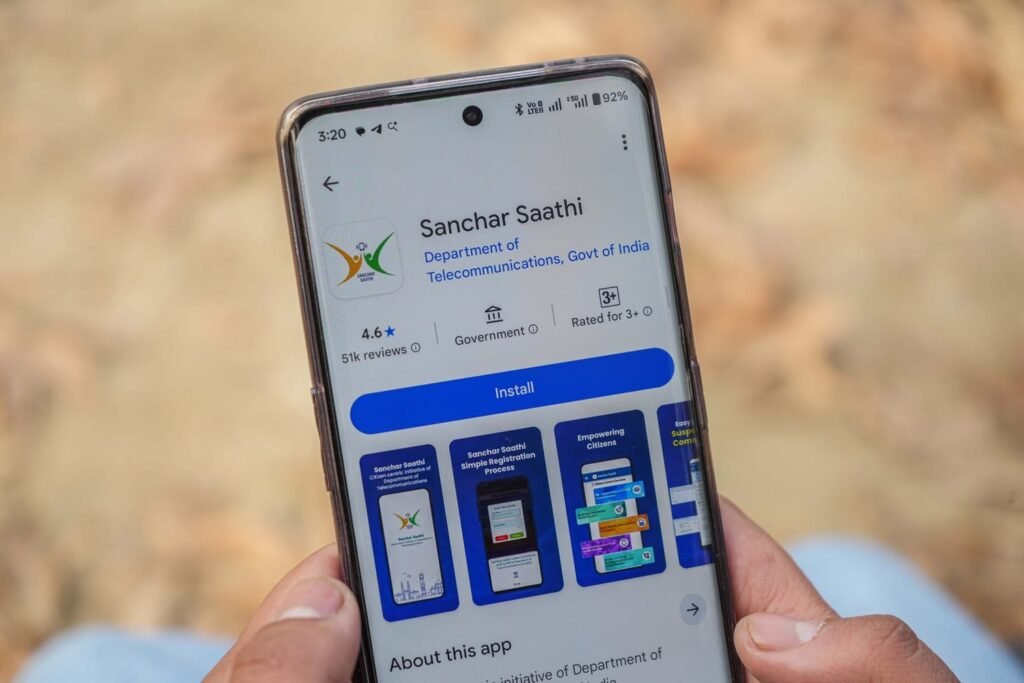
New Delhi: In a swift reversal, India’s Department of Telecommunications (DoT) has withdrawn its mandate requiring smartphone manufacturers to pre-install the government-run Sanchar Saathi app, just days after issuing the directive amid widespread backlash over privacy and surveillance concerns. The original order, dated November 28 under the Telecom Cyber Security Rules 2024, compelled companies like Apple and Samsung to preload the app on new devices by March 2026, make it non-deletable, and push it via updates to existing phones. Opposition leaders and privacy advocates decried it as a potential tool for government snooping, sparking social media outrage and resistance from global handset makers. Launched in January 2025, Sanchar Saathi aims to combat telecom fraud by disconnecting fake connections, tracing stolen devices, and aiding recoveries. It has already facilitated 1.5 crore fraudulent disconnections, traced 26 lakh stolen phones, and recovered 7 lakh. Downloads surged 10-fold post-directive, with 6 lakh registrations in a day, prompting DoT to deem the mandate unnecessary due to “increasing acceptance.” Telecom Minister Jyotiraditya Scindia assured Parliament no snooping would occur, emphasizing empowerment for public safety. The Indian Cellular and Electronics Association (ICEA) welcomed the move, advocating for voluntary measures and consultations. Experts like Mishi Choudhary from SFLC.in called it a positive step but urged evidence-based anti-fraud strategies beyond apps. The government will issue a circular confirming the voluntary approach, shifting focus to organic adoption amid rising cyber threats.

Scroll to Top