Author name: Web Desk

Mahmood Khan Achakzai Notified as Leader of Opposition in National Assembly on PTI Nomination
Pakistan

Mahmood Khan Achakzai Notified as Leader of Opposition in National Assembly on PTI Nomination

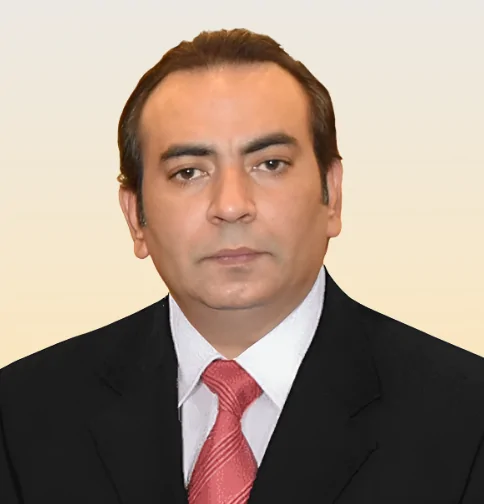
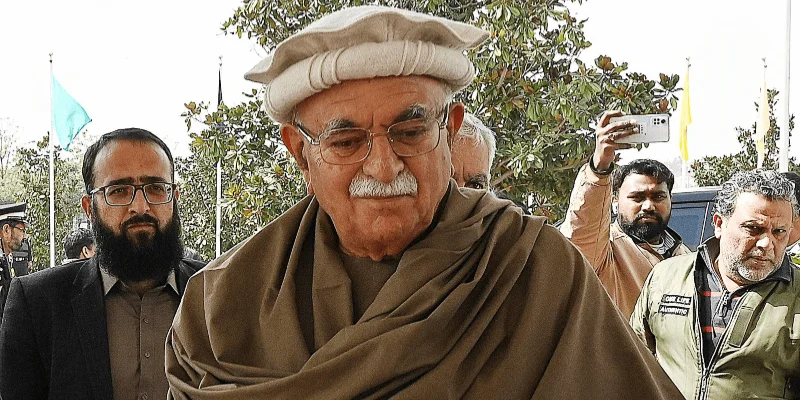
The National Assembly Secretariat has officially notified Mahmood Khan Achakzai, a prominent Member of the National Assembly (MNA) and senior parliamentarian, as the Leader of the Opposition in the lower house of parliament. Read More: https://theboardroompk.com/pakistan-freezes-gas-prices-for-six-months-to-provide-winter-relief/ The notification, issued on January 16, 2026, under Rule 39 of the Rules of Procedure and Conduct of Business in the National Assembly, 2007, was approved by Speaker Sardar Ayaz Sadiq and took immediate effect. Achakzai, who heads the Pashtunkhwa Milli Awami Party (PkMAP) and leads the opposition alliance Tehreek Tahafuz Ayeen-i-Pakistan (TTAP), assumes this key constitutional role after months of vacancy following the disqualification of the previous holder, PTI’s Omar Ayub, in August 2025. End to Prolonged Vacancy and Political Negotiations The position had remained unfilled for nearly five months amid shifting parliamentary dynamics and opposition coordination. Achakzai’s nomination was backed by a significant number of opposition members—reportedly 76 signatures—and formally proposed by PTI founder Imran Khan, with PTI Chairman Barrister Gohar Ali Khan confirming the submission of papers. After verification and no competing nominations, the Speaker finalized the appointment following recent meetings with opposition representatives. This development resolves ongoing discussions in political circles and restores structured parliamentary oversight from the opposition benches. Significance for Opposition Role and Democratic Oversight As Leader of the Opposition, Achakzai will play a pivotal constitutional function, including consultation on major state appointments, leading parliamentary debates, and ensuring government accountability. Known for advocating democratic rights, constitutionalism, and federalism, his leadership is expected to strengthen opposition unity within the TTAP alliance, which includes PTI and other groups. The appointment comes at a critical time for Pakistan’s political landscape, potentially enhancing checks and balances in the National Assembly while fostering greater engagement on national issues. It marks a milestone for smaller parties like PkMAP in securing influential roles at the federal level.

UN High Seas Treaty Takes Effect: 81 Nations Commit to Biodiversity Conservation
Uncategorized

UN High Seas Treaty Takes Effect: 81 Nations Commit to Biodiversity Conservation

A landmark United Nations treaty aimed at safeguarding marine biodiversity in international waters has officially entered into force, ushering in a new era of global ocean protection. The High Seas Treaty, known as the Agreement on Biodiversity Beyond National Jurisdiction (BBNJ), became legally binding on January 17, 2026—120 days after reaching the required threshold of 60 ratifications in September 2025. Read More: https://theboardroompk.com/pakistan-freezes-gas-prices-for-six-months-to-provide-winter-relief/ With 81 nations having ratified it so far, the treaty covers the high seas and international seabed, which span over two-thirds of the world’s ocean surface and more than 90% of Earth’s habitable volume, addressing long-standing gaps in ocean governance amid threats like climate change, overfishing, pollution, and biodiversity loss. Milestone After Decades of Negotiations Nearly two decades in the making, the BBNJ Agreement was adopted in June 2023 following intensive UN-led talks. It builds on the 1994 UN Convention on the Law of the Sea by introducing modern tools for sustainable management, including the establishment of marine protected areas in international waters, environmental impact assessments for activities like deep-sea mining, and equitable benefit-sharing from marine genetic resources. The treaty’s entry into force marks a triumph of multilateralism, with ratifications from diverse nations including major economies like China, Germany, France, Japan, and Brazil. It becomes binding for ratifying states, requiring them to integrate its provisions into national laws and promote accountability for harmful activities on the high seas. Path Forward for Ocean Health and Inclusivity UN officials and negotiators hailed the development as a critical step toward combating the “triple planetary crisis” of climate change, biodiversity decline, and pollution, while aligning with the 2030 Sustainable Development Agenda. The treaty emphasizes inclusive governance, featuring provisions for Indigenous Peoples, local communities, and gender balance—unique among ocean-related instruments. Challenges remain, including non-ratification by some powers like Russia and pending actions from others such as the United States. The first Conference of the Parties is expected within a year to advance implementation, universal participation, and support for developing and small island nations. This historic moment strengthens collective responsibility for protecting vast ocean ecosystems vital to global life.

KSE-100 Index Climbs 3,642 Points as Market Optimism Prevails
Pakistan

KSE-100 Index Climbs 3,642 Points as Market Optimism Prevails

The KSE-100 Index concluded Friday’s trading session at 185,098.83 points, marking a remarkable 2.01% increase (+3,642.50 points). Investors’ confidence remained high throughout the day, with the index hitting an intraday high of 185,208.98 (+3,752.65) and a low of 182,559.69 (+1,103.36) points. Market sentiment was bolstered by the federal government’s decision to maintain current fuel prices for the fortnight starting January 16, 2026. High-Speed Diesel remains at Rs257.08 per litre, while petrol continues at Rs253.17 per litre, providing relief to both businesses and consumers. Global Developments Add to KSE-100 Index Momentum Internationally, fears of a US-Iran confrontation that had previously rattled markets eased as Washington scaled back its military presence in the Middle East. This reduction in geopolitical tension played a significant role in supporting the KSE-100 Index, highlighting the growing sensitivity of local markets to global developments. Trading Overview: Gains, Losers, and Market Volume The total volume traded on the KSE-100 Index reached 381.92 million shares. Out of 100 index companies, 89 closed higher, 11 fell, and none remained unchanged. Top Gainers: • THALL: +10.00%• JVDC: +10.00%• OGDC: +6.75%• PPL: +5.96%• PKGS: +5.57% Top Losers: • MEHT: -3.22%• KAPCO: -1.24%• UPFL: -1.20%• GADT: -1.05%• PIOC: -0.92% Index Contribution Highlights: • OGDC: +457.09 points• PPL: +339.24 points• HUBC: +219.60 points• ENGROH: +187.38 points• FFC: +185.86 points Meanwhile, the companies pulling the index lower included POL (-13.90 pts), PIOC (-13.20 pts), and MEHT (-8.16 pts). Sector-Wise Performance Driving KSE-100 Index Several sectors led the market’s upward momentum: • Oil & Gas Exploration Companies: +886.47 points• Commercial Banks: +800.78 points• Fertilizer: +345.51 points• Power Generation & Distribution: +235.59 points• Investment Banks / Securities Companies: +211.72 points Conversely, the index saw minimal drag from: • Textile Spinning: -1.04 points• Sugar & Allied Industries: -0.61 points This sector-level performance reflects a strong underlying market breadth, indicating broad investor participation rather than concentration in a few high-profile stocks. Broader Market Snapshot The All-Share Index closed at 111,509.34 points, up 2,327.02 points (+2.13%). Market turnover surged to 959.53 million shares, compared to 820.03 million in the previous session. Traded value reached Rs69.46 billion, showing a substantial increase of Rs23.49 billion.There were 451,058 trades across 482 companies, with 334 closing up, 117 closing down, and 31 unchanged. Top Ten Stocks by Volume: KSE-100 Index Shows Strong Year-to-Date Performance The KSE-100 Index has recorded substantial growth over the fiscal year, gaining 59,472 points (+47.34%), while posting a 6.35% increase (+11,045 points) in the current calendar year. This growth highlights resilient market dynamics and investor confidence amid both domestic and global economic factors. Key Takeaways • Fuel price stability continues to boost market sentiment.• Sector-led gains in Oil & Gas, Banks, and Fertilizers drove index performance.• Global geopolitical easing positively impacted investor confidence.• Broader market volumes and traded value surged, reflecting active participation. Investors will likely watch the KSE-100 Index closely in the coming sessions as markets digest domestic policy cues and international developments.

SBP Launches WE-Finance Code to Empower Women Entrepreneurs in Pakistan
Pakistan

SBP Launches WE-Finance Code to Empower Women Entrepreneurs in Pakistan

The State Bank of Pakistan (SBP) has officially kicked off the implementation of the WE-Finance Code, a bold initiative designed to empower women entrepreneurs and transform their access to finance across the nation. The move marks a critical step in Pakistan’s journey toward inclusive economic growth, creating pathways for women-led businesses to thrive in both conventional and digital financial ecosystems. Read More: https://theboardroompk.com/pakistan-poised-for-lng-revival-in-2026-as-global-prices-dip-exporters-hope-amid-domestic-challenges/ “We are building pathways that ensure women entrepreneurs can fully participate in and contribute to Pakistan’s economic growth,” said Mr. Saleem Ullah, Deputy Governor of SBP, at the inaugural Women Entrepreneurship Finance (WE-FI) Code Consultative Workshop. This milestone aligns with SBP’s Strategic Plan 2028, emphasizing financial inclusion, gender equality, and sustainable development. Understanding the WE-Finance Code: A Game-Changer for Women Entrepreneurs Adopted on July 7, 2025, the WE-Finance Code addresses structural barriers that have historically limited women entrepreneurs from accessing formal credit. Its framework is action-oriented, aiming to: • Expand financial access for women-led businesses• Promote gender-intelligent product innovation• Strengthen credit appraisal mechanisms tailored to women-led MSMEs SBP leads a coalition of 23 financial institutions covering conventional, Islamic, and microfinance banks along with the Pakistan Banks Association (PBA). Together, they are committed to operationalizing the Code across Pakistan’s financial sector. Workshop Highlights: Driving Action Through Collaboration To officially launch the implementation, SBP and the Asian Development Bank (ADB) hosted a two-day Consultative Workshop in Islamabad, bringing together banks, regulators, and development partners. The workshop focused on: Participants also reviewed existing gaps in women’s financial inclusion and formulated a forward-looking National Action Plan under the WE-Finance Code. The discussions emphasized market segmentation for women, portfolio strategies focused on women-led MSMEs, and reinforcing institutional commitment through the WE-Finance Code Charter. Expanding the Coalition: Roadshows and Policy Dialogues Prior to the workshop, SBP and ADB officials conducted a WE-FI Code Roadshow, engaging key stakeholders beyond the financial sector. Strategic dialogues were held with: • Securities and Exchange Commission of Pakistan (SECP)• Pakistan Telecommunication Authority (PTA)• Small and Medium Enterprises Development Authority (SMEDA) These discussions aimed to strengthen policy coordination, enhance inter-agency collaboration, and build a robust national coalition supporting the WE-Finance Code. Through these efforts, SBP is ensuring that the initiative not only reforms banking practices but also accelerates women-led entrepreneurship, ultimately fueling sustainable economic growth. The Road Ahead: A Transformative Shift for Pakistan With the WE-Finance Code now in motion, Pakistan stands at the threshold of a transformative financial revolution. Women entrepreneurs long constrained by structural and institutional barriers can expect: • Greater access to credit and financial services• Innovative products tailored to their business needs• Enhanced support through digital finance initiatives By driving these initiatives, SBP is not only fostering financial inclusion but also creating an ecosystem where women-led businesses can thrive, contributing meaningfully to Pakistan’s economic growth and sustainability goals.

Pakistan Large-Scale Manufacturing Growth Sparks New Optimism Across Industries
Uncategorized

Pakistan Large-Scale Manufacturing Growth Sparks New Optimism Across Industries

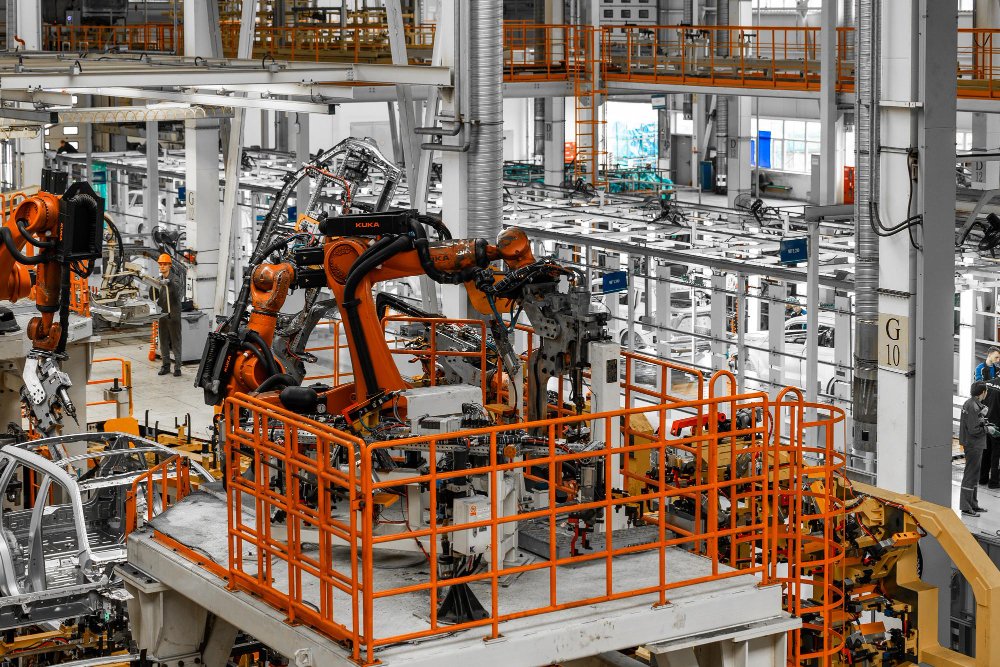
Pakistan Large-Scale Manufacturing Growth is once again in the spotlight as fresh data for November 2025 reveals a powerful revival in the country’s industrial engine. With factories humming, assembly lines accelerating, and consumer demand strengthening, Pakistan’s manufacturing sector is showing signs of a long-awaited turnaround one that could redefine economic momentum heading into FY26. Read More: https://theboardroompk.com/pakistan-seafood-exports-record-strong-growth-as-global-demand-bites/ According to provisional figures based on the 2015–16 base year, the Quantum Index of Manufacturing (QIM) climbed to 118.28 in November 2025, reflecting sustained industrial expansion. Large-Scale Manufacturing Industries (LSMI) posted an impressive 10.37% year-on-year growth, while maintaining stability with a 0.16% month-on-month increase compared to October. But behind these numbers lies a deeper, more compelling story of sectoral leadership, resilience, and shifting economic dynamics. Pakistan Large-Scale Manufacturing Growth: The Bigger Picture Between July and November FY26, Pakistan’s manufacturing output expanded by 6.01% cumulatively, with the QIM averaging 115.72, significantly higher than 109.65 recorded in the same period last year. This steady rise highlights strengthening domestic demand and improving industrial confidence despite lingering macroeconomic challenges. What makes this growth particularly striking is the breadth of sectoral participation, led by automobiles, petroleum products, garments, cement, and beverages. Automobiles Lead Pakistan Large-Scale Manufacturing Growth No sector captured attention quite like automobiles. In November alone, automobile production surged by 61.35%, while cumulative output between July and November skyrocketed by an astonishing 75.15%. This remarkable expansion reflects easing supply constraints, improving financing conditions, and renewed consumer appetite especially for locally assembled vehicles. Automobiles alone contributed 1.77 percentage points to overall manufacturing growth, making them the single largest driver of industrial recovery. Petroleum Products and Energy Demand Power Ahead Another key pillar of Pakistan Large-Scale Manufacturing Growth was petroleum products, which recorded a robust 43.66% year-on-year increase in November. Over the five-month period, the sector expanded by 18.06%, driven by rising transportation activity and industrial energy needs. Petroleum products contributed 1.29 percentage points to cumulative manufacturing growth, underscoring their strategic importance to both industry and the broader economy. Garments, Cement, and Construction Signal Demand Revival The garments sector delivered strong momentum with 18.43% growth in November and 7.14% cumulative expansion, reflecting improving export orders and domestic retail demand. Meanwhile, cement production grew 8.74% in November, pushing cumulative growth to 13.47% during July–November FY26. This expansion mirrors renewed activity in construction and infrastructure, often considered a bellwether for economic confidence. Together, garments and cement added more than 2 percentage points to overall manufacturing growth. Mixed Signals Across Other Manufacturing Segments Beverages recorded an exceptional 32.61% increase in November, while textile products posted a modest yet steady 2.52% monthly improvement, indicating gradual normalization in traditional industries. However, not all sectors shared the upswing. Iron and steel production declined 5.99% in November and 3.80% cumulatively, reflecting cost pressures and subdued large-scale construction demand. Pharmaceuticals contracted 5.31% during July–November, while machinery and equipment output fell sharply by 16.37% in November, signaling investment hesitancy in capital-intensive segments. Sectoral Contributions: Who Drove Pakistan Large-Scale Manufacturing Growth? The cumulative 6.01% growth was primarily driven by: • Automobiles• Petroleum products• Garments• Cement• Food manufacturing• Textiles These gains were partially offset by declines in pharmaceuticals and iron & steel products, highlighting the uneven nature of industrial recovery. What Pakistan Large-Scale Manufacturing Growth Means for the Economy The sustained momentum in Pakistan Large-Scale Manufacturing Growth points toward improving economic conditions, rising consumer confidence, and stronger domestic demand—particularly in automobiles and construction-linked industries. Yet, the uneven sectoral performance signals the need for targeted policy interventions to support lagging industries and ensure a broad-based, sustainable industrial revival. If current trends persist, Pakistan’s manufacturing sector could emerge as a key growth engine in FY26 fueling employment, exports, and long-term economic stability.

Pakistan Seafood Exports Record Strong Growth as Global Demand Bites
Politics

Pakistan Seafood Exports Record Strong Growth as Global Demand Bites

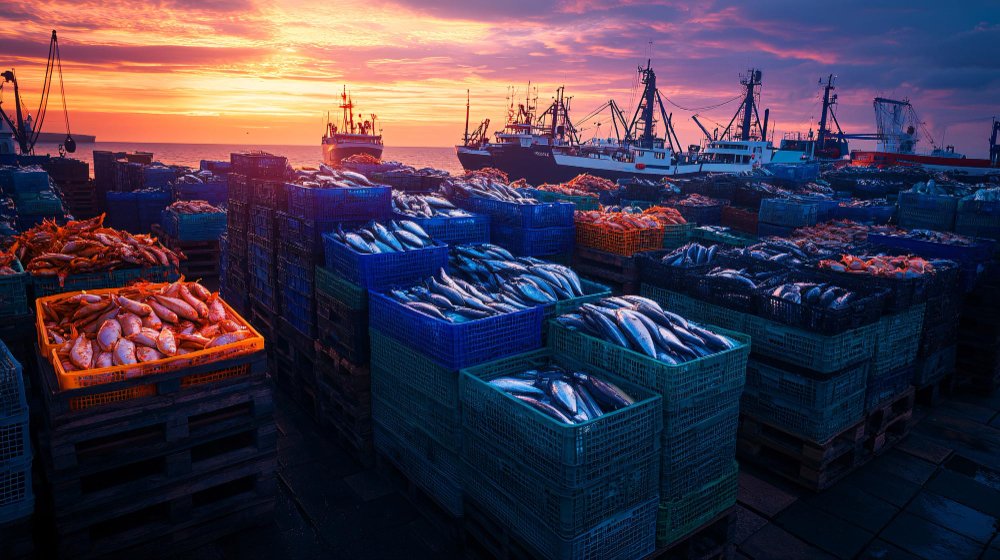
Pakistan seafood exports are making waves in global markets, recording a robust 21.6% year-on-year growth in value during the first half of FY2025–26, signaling renewed confidence in the country’s marine economy and export competitiveness. Read More: https://theboardroompk.com/pakistan-poised-for-lng-revival-in-2026-as-global-prices-dip-exporters-hope-amid-domestic-challenges/ According to official data from the Marine Fisheries Department, seafood exports reached $253.24 million between July and December 2025, compared with $208.25 million during the same period last year. Export volumes also climbed sharply, rising 19.1% to 122,629 metric tons, reflecting stronger foreign demand and improved export readiness. This upward momentum, sustained consistently across the six-month period, points to more than just seasonal recovery it suggests a structural shift in Pakistan’s fisheries sector. Pakistan Seafood Exports Gain Global Traction Federal Minister for Maritime Affairs Muhammad Junaid Anwar Chaudhry described the export performance as a sign of improving competitiveness of Pakistan seafood exports in international markets. He noted that steady monthly growth reflects better logistics, stronger compliance with global standards, and increased value-added processing. In comparison, during the first half of FY2024–25, Pakistan exported just under 103,000 metric tons, highlighting how quickly export capacity has expanded within a year. Frozen Fish Leads Pakistan Seafood Exports Among product categories, frozen fish remained the backbone of Pakistan seafood exports, accounting for shipments of over 26,600 metric tons valued at $53.33 million. This was followed closely by shrimps and prawns, which generated $40.46 million, while frozen cuttlefish contributed $36.13 million. Beyond these major categories, additional earnings came from shrimp meal, crabs, sardines, mackerel, flatfish species, and fish meal. This diversification reflects growing investment in value-added processing, reducing reliance on raw exports and improving margins. China Dominates Pakistan Seafood Exports Market When it comes to destinations, China remained the largest buyer of Pakistan seafood exports, importing more than 83,600 metric tons valued at $149.2 million nearly 59% of total exports during the period. Thailand ranked second, importing seafood worth $31.3 million, primarily shrimps and prawns. The United Arab Emirates, Malaysia, and Japan followed, with increasing demand for cuttlefish and fish meal. Pakistan seafood exports also reached the European Union, Saudi Arabia, Vietnam, Kuwait, and the United States, indicating expanding geographic reach. Monthly Data Shows Consistent Growth Momentum Export performance strengthened month after month, peaking at $56.42 million in November and $55 million in December. Seasonal demand, smoother port operations, and enhanced cold-chain logistics played a critical role in sustaining this momentum. Alongside exports, non-tax revenue from the fisheries sector rose to Rs127.7 million, up from Rs118 million in the same period last year, underscoring the sector’s growing fiscal contribution. Pakistan Seafood Exports and the Maritime Economy The fisheries sector remains a vital pillar of Pakistan’s maritime economy, supporting hundreds of thousands of livelihoods along the Arabian Sea, particularly in Sindh and Balochistan. Historically contributing around 1% to GDP, the sector has rebounded strongly from pandemic-era disruptions. The recovery has been powered by expanded processing capacity, improved cold-chain infrastructure, and stricter certification aligned with international quality standards. Sustainability and Infrastructure Drive Future Growth The maritime affairs minister attributed recent gains to targeted initiatives under the Ministry of Maritime Affairs, including collaboration with the International Maritime Organization on sustainable fishing practices and investments in Karachi and Gwadar port infrastructure. However, he stressed that long-term growth in Pakistan seafood exports must go hand in hand with regulatory compliance and marine biodiversity protection, especially in the face of climate-related challenges. The Big Picture With rising global demand, diversified export products, and expanding market access, Pakistan seafood exports are entering a decisive growth phase. If sustainability measures and infrastructure upgrades continue, the sector could emerge as a major foreign exchange earner turning Pakistan’s coastline into a strategic economic asset.

President FPCCI Atif Ikram Sheikh Says Govt Must Declare Industrial Emergency to Avert Economic Collapse
Pakistan

President FPCCI Atif Ikram Sheikh Says Govt Must Declare Industrial Emergency to Avert Economic Collapse

Atif Ikram Sheikh, President FPCCI, has made a fervent appeal to the federal government to immediately declare an industrial emergency in Pakistan; warning that the country’s manufacturing base is teetering on the brink of a systemic and irreversible collapse. He reiterated that FPCCI rejects incremental package as no industry received electricity bill at PKR. 22 per unit and they continue to receive the bills at PKR. 34 – 35 per unit. Read More: https://theboardroompk.com/gas-supply-in-karachi-disrupted-amid-reduced-output-from-two-gas-fields/ FPCCI President Mr. Atif Ikram Sheikh and United Business Group (UBG) Patron-in-Chief Mr. S. M. Tanveer have asserted that a lethal combination of regionally-uncompetitive energy tariffs; exorbitant interest rates and a restrictive taxation regime has made it nearly impossible for local industries to compete in the global marketplace. They also highlighted the plight of stagnating real estate sector as 40 allied industries are also suffering along with it. Atif Ikram Sheikh maintained that, on excessive income tax rates, FPCCI demands the reduction of income tax on industry from 39% to 20% and it advocates the maximum income tax on the salaried class at 15%. Whereas, tariff of gas for industries should be brought down to PKR. 2,400 / MMBTU from the current PKR. 3,900 / MMBTU for export competitiveness. Atif Ikram Sheikh highlighted the alarming disparity in utility costs – noting that Pakistani exporters are currently burdened with electricity tariff of 12.5 cents per unit; while regional rivals in India, Bangladesh and Vietnam are operating at significantly lower rates of 6 to 9 cents – who are the major competitors of Pakistani products in the export markets. Atif Ikram Sheikh further argued that this gap has triggered a rapid process of de-industrialization; leading to the closure of hundreds of units and a mass exodus of capital to more business-friendly countries. Therefore, the industry can no longer sustain the cross-subsidy burden – which is effectively a hidden tax used to subsidize other sectors at the cost of national productivity.

Vietnam FDI Success Is Redefining Asia’s Investment Map
World

Vietnam FDI Success Is Redefining Asia’s Investment Map

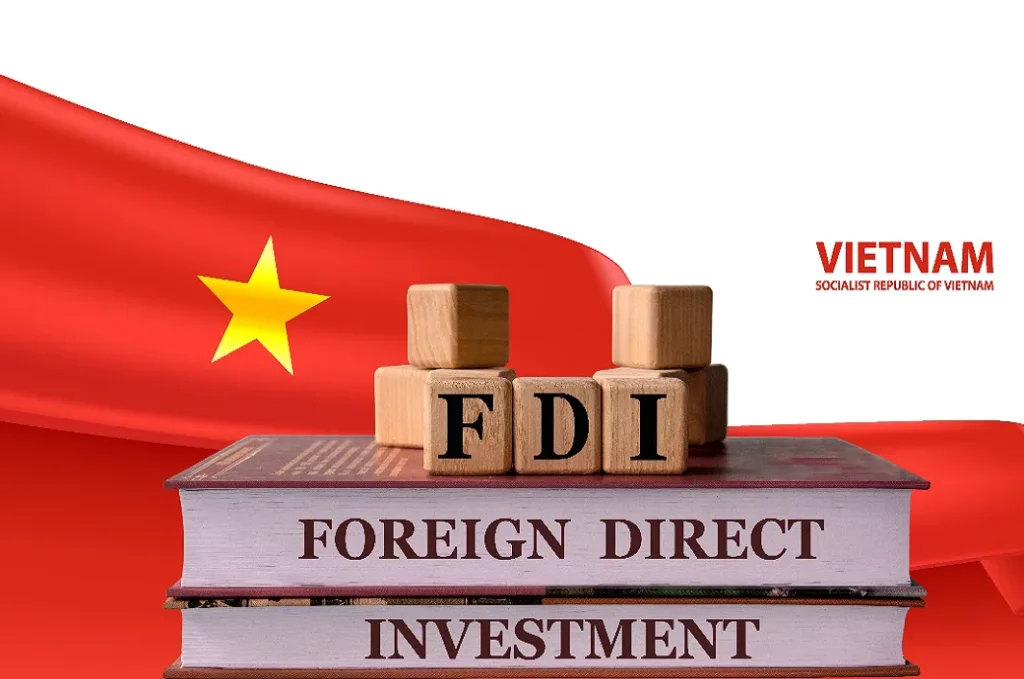
Vietnam FDI success is no longer a future promise it is a proven reality. While many Asian economies compete for foreign capital, Vietnam has quietly positioned itself as one of the most reliable destinations for long-term investment. Global giants such as Intel, Samsung, and LG have not only entered Vietnam but expanded their footprints year after year. A standout example is Intel’s $1.5 billion investment in Saigon Hi-Tech Park since 2010, signaling strong confidence in Vietnam’s manufacturing ecosystem, workforce quality, and policy stability. But Intel is not alone. Vietnam’s rise is the result of a deliberate, well-executed economic strategy. Why Vietnam FDI Success Outpaces Other Asian Economies Vietnam did not stumble into success it engineered it. Unlike countries that rely solely on cheap labor, Vietnam built a balanced investment model combining cost efficiency, policy certainty, and global integration. Investors find Vietnam predictable, scalable, and business-friendly. Key drivers behind Vietnam FDI success include: • Long-term industrial planning• Competitive production costs• Strong export-oriented policies• Investor-friendly regulations Instead of frequent policy reversals, Vietnam focused on consistency an attribute foreign investors value above all. Vietnam FDI Success Built on Smart Policy Decisions One major reason behind Vietnam FDI success is policy clarity. The government simplified business registration, reduced bureaucratic friction, and offered competitive tax incentives for foreign manufacturers. Rather than presenting investors with complex incentive tables, Vietnam adopted a sector-focused approach. High-tech manufacturing, semiconductors, electronics, and export-oriented industries receive targeted support, including tax holidays, duty exemptions, and land-use benefits. This clarity helps multinational companies calculate long-term returns without regulatory surprises. Vietnam FDI Success Driven by Cost and Capability Vietnam’s labor advantage extends beyond affordability. The workforce is young, trainable, and increasingly skilled. Technical education partnerships with foreign firms ensure that productivity rises alongside wages. In practical terms, investors comparing Vietnam with regional peers often notice: • Lower operational costs than China• Higher workforce stability than emerging South Asian markets• Faster factory setup times compared to ASEAN neighbors This combination creates a compelling business case where cost efficiency meets operational reliability. Vietnam FDI Success and Global Supply Chain Shifts The global “China+1” strategy significantly accelerated Vietnam FDI success. As companies diversify supply chains to reduce geopolitical risk, Vietnam offers proximity to China without excessive exposure. Vietnam’s trade agreements further strengthen its appeal. Membership in CPTPP, EVFTA, and RCEP allows companies operating in Vietnam to access major global markets with reduced tariffs. For exporters, this means manufacture in Vietnam, sell to the world. Vietnam FDI Success Proven by Real Investment Flows Instead of presenting numerical tables, Vietnam’s success is best explained through impact: • Semiconductor plants operating at full capacity• Electronics exports dominating trade statistics• Industrial zones expanding faster than regional averages•Intel’s $1.5 billion investment reflects a broader trend: multinational firms are not testing Vietnam they are committing to it. What Other Asian Economies Can Learn from Vietnam FDI Success Vietnam’s model offers valuable lessons: • Stability beats short-term incentives• Skilled labor matters as much as cheap labor• Trade access drives manufacturing decisions• Investor trust compounds over time Vietnam focused on execution rather than announcements and the results followed. The Future of Vietnam FDI Success Looking ahead, Vietnam is positioning itself as a high-tech manufacturing and innovation hub, not just a low-cost alternative. Investments in semiconductors, green energy, and digital infrastructure suggest that Vietnam FDI success is entering a new phase one driven by value, not volume. For global investors searching for Asia’s next long-term growth story, Vietnam is no longer an option it is a priority.

Princess Hind bint Saud, Daughter of King Saud, Passes Away Outside Kingdom
World

Princess Hind bint Saud, Daughter of King Saud, Passes Away Outside Kingdom

Princess Hind bint Saud bin Abdulaziz Al Saud, a member of Saudi Arabia’s royal family and one of the daughters of the late King Saud bin Abdulaziz Al Saud, has passed away. The Saudi Royal Court announced her death on January 13, 2026, stating that she passed away outside the Kingdom. Her funeral prayer (Janazah) was performed on Wednesday, January 14, 2026, after Asr prayer at the Imam Turki bin Abdullah Grand Mosque in Riyadh, led by Prince Faisal bin Bandar, Governor of the Riyadh Region. Read More: https://theboardroompk.com/pakistan-freezes-gas-prices-for-six-months-to-provide-winter-relief/ The announcement has prompted widespread condolences from leaders, including Pakistan’s President Asif Ali Zardari and Prime Minister Shehbaz Sharif, as well as international figures, highlighting her respected status within the House of Saud. Royal Lineage and Family Background Princess Hind was a daughter of King Saud bin Abdulaziz Al Saud (1902–1969), the second King of Saudi Arabia who ruled from 1953 to 1964. As part of the extensive Al Saud family, she belonged to one of the most prominent branches of the royal lineage, with deep historical ties to the founding of the modern Kingdom. Her father, King Saud, was a key figure in the early consolidation of the state, and her siblings and extended relatives include numerous senior princes and princesses. The princess was known for her noble character, close connection to people, and contributions in humanitarian and charitable spheres, often working quietly without seeking public attention. She had pursued studies in psychology and served in healthcare roles, including at King Khalid University Hospital, reflecting her commitment to social welfare and community service. Condolences and National Mourning The passing has evoked profound grief across Saudi Arabia and beyond, with official statements describing it as a moment of deep sorrow for the royal family and the nation. Pakistani leaders expressed solidarity, with President Zardari noting the grief shared by those who hold the Saudi royal family in high esteem, and Prime Minister Sharif extending heartfelt sympathies while standing with the Kingdom in this hour of loss. Other condolences came from regional leaders, such as Qatar’s Amir Sheikh Tamim bin Hamad Al Thani and Yemen’s Presidential Leadership Council President Rashad Al-Alimi. Prayers focused on Allah granting her vast mercy, a place in Paradise, and patience to her family. The event underscores the interconnectedness of Gulf monarchies and Pakistan-Saudi ties, as the Kingdom mourns a respected royal figure whose legacy includes quiet dedication to humanitarian causes and family values.

Pakistan Poised for LNG Revival in 2026 as Global Prices Dip: Exporters' Hope Amid Domestic Challenges
Pakistan

Pakistan Poised for LNG Revival in 2026 as Global Prices Dip: Exporters’ Hope Amid Domestic Challenges

Global LNG exporters eye cautious optimism for 2026 amid surging supply and patchy demand, with Reuters noting that lower prices could revive interest in cost-sensitive markets such as Pakistan. After a year of reduced Asian imports—including notable cuts by China, Japan, and India—exporters hope that expanded production will drive spot prices down, boosting affordability and consumption in emerging economies facing energy needs. Read More: https://theboardroompk.com/gas-supply-in-karachi-disrupted-amid-reduced-output-from-two-gas-fields/ Opportunities for Pakistan’s Energy Security Pakistan stands to benefit significantly if global LNG prices soften in 2026. As a price-sensitive importer reliant on long-term contracts (primarily from Qatar), lower international benchmarks could ease the financial strain from high regasified LNG (RLNG) costs that have constrained industrial and power sector use. Bullish forecasts suggest this could encourage higher utilization of imported gas for electricity generation and industrial revival, supporting economic growth amid efforts to stabilize macro conditions through IMF support and lower interest rates. Earlier projections from mid-2025 anticipated steady or slightly rising LNG demand (around 1,000-1,200 MMcf/d) tied to improved stability, and cheaper cargoes could align with this by reducing diversion needs and enabling fuller contract uptake. This would enhance energy availability, reduce reliance on expensive alternatives, and aid in bridging domestic gas shortfalls without straining foreign reserves further.

Scroll to Top