Author name: Web Desk

PM Shehbaz Orders Urgent Monsoon Preparations, Approves Climate Resilience Plan
Pakistan

PM Shehbaz Orders Urgent Monsoon Preparations, Approves Climate Resilience Plan

ISLAMABAD: With devastating monsoon floods now an annual reality, Prime Minister Shehbaz Sharif on Wednesday directed federal and provincial authorities to immediately begin preparations for the 2026 monsoon season, approving the Ministry of Climate Change’s short-term resilience plan for instant rollout.Chairing a high-level review meeting as winter grips the country, the premier warned that Pakistan cannot endure another cycle of avoidable catastrophe. He ordered seamless integration of planning, data-sharing, and response systems across all institutions and stressed coordinated efforts between the Ministry of Climate Change, Ministry of Planning, NDMA, and provincial governments.PM Shehbaz also instructed preparations for an early meeting of the National Water Council to formulate comprehensive national water management strategies.Highlighting the economic toll, he lamented that Pakistan, despite contributing less than 1% to global emissions, is forced to divert significant GDP portions toward climate damage control instead of development. “We face severe consequences of climate change we did not create,” he said.Ministers Ahsan Iqbal, Ahad Khan Cheema, Muhammad Aurangzeb, Musadik Malik, Attaullah Tarar, and senior officials were briefed on global weather forecasts and short-, medium-, and long-term preparedness measures. The prime minister demanded visible progress before the next monsoon to protect lives and infrastructure nationwide.
US Congress Report Praises Pakistan’s ‘Military Success’ Against India, Credits Chinese Weapons
World

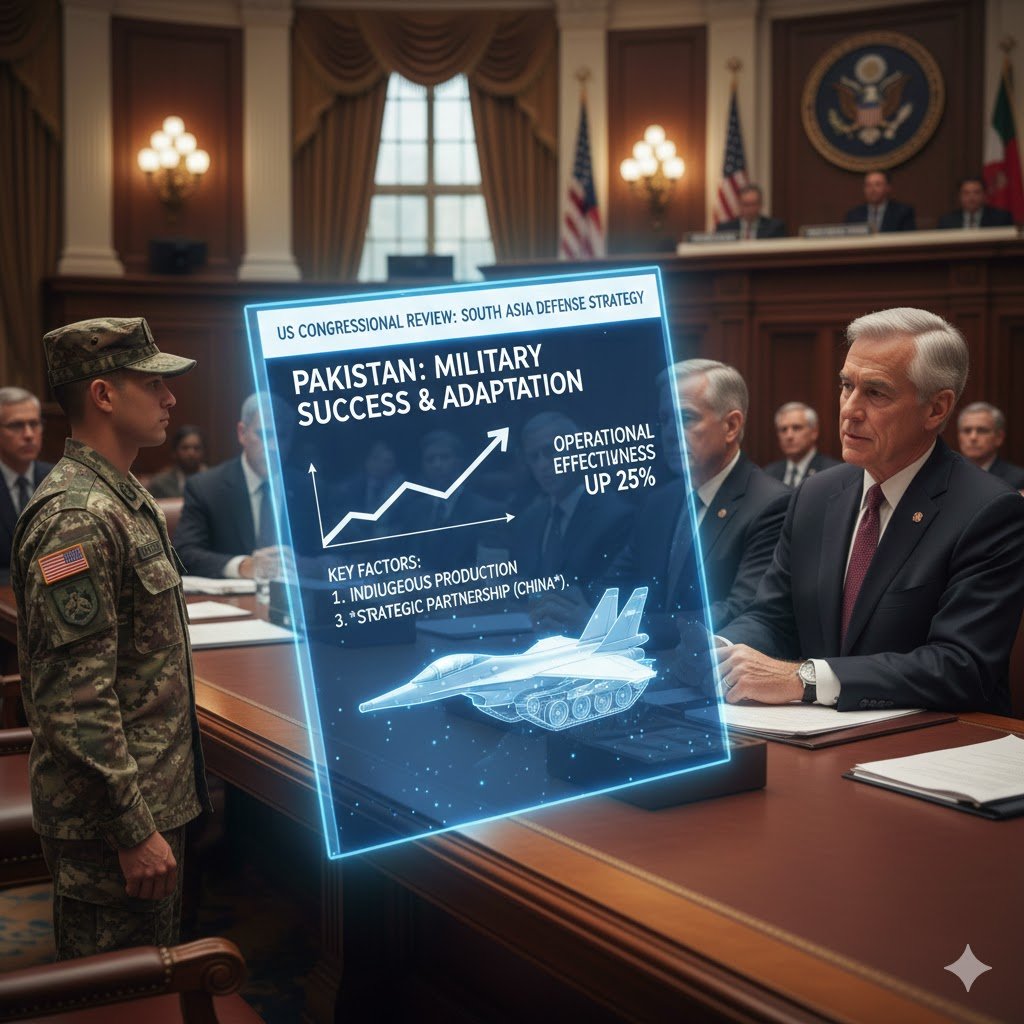
US Congress Report Praises Pakistan’s ‘Military Success’ Against India, Credits Chinese Weapons

ISLAMABAD: A newly released report by the US-China Economic and Security Review Commission has described Pakistan’s performance in the May 2025 four-day aerial conflict with India as a “military success,” attributing the outcome primarily to the first-ever combat deployment of advanced Chinese weaponry.Submitted to the US Congress on Tuesday, the document states that Pakistan’s downing of up to seven Indian aircraft — with Islamabad claiming zero losses — showcased the battlefield effectiveness of Beijing’s HQ-9 air-defence systems, PL-15 air-to-air missiles, and J-10C fighters operated by the Pakistan Air Force. The clash, triggered by Indian air strikes on Punjab and Azad Jammu & Kashmir on May 7 following a terrorist attack in IIOJK, ended with US mediation on May 10.The commission noted that China seized the opportunity to demonstrate its arms superiority over Western systems, including French Rafale jets, and subsequently offered Pakistan 40 fifth-generation J-35 stealth fighters, KJ-500 AWACS, and ballistic missile defence systems in June 2025. The report also accused Beijing of running AI-generated disinformation campaigns to exaggerate the performance of its platforms.Highlighting deepening Sino-Pakistani military ties, it revealed China supplied 82% of Pakistan’s arms imports between 2019-2023, with joint exercises intensifying in 2024-2025. Pakistan responded by hiking its defence budget 20% to $9 billion despite overall fiscal constraints.

Business Sector Donates PKR 25.44 Billion as PCP Hosts Corporate Philanthropy Awards 2025
Pakistan

Business Sector Donates PKR 25.44 Billion as PCP Hosts Corporate Philanthropy Awards 2025

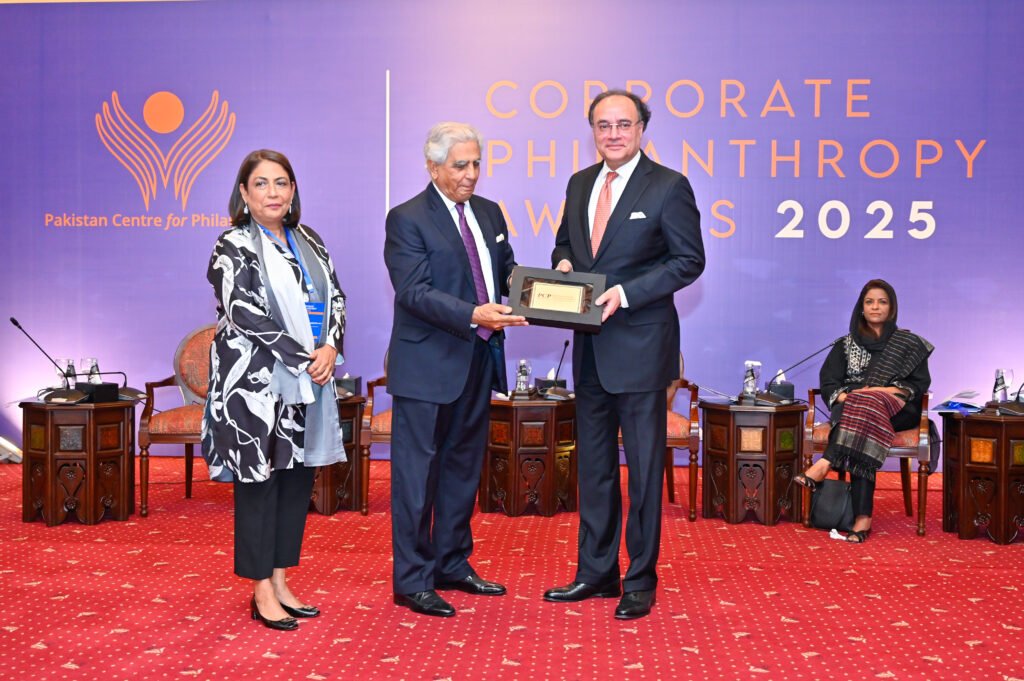
Islamabad – November 19, 2025: Corporate giving in Pakistan reached a record PKR 25.44 billion in 2023, according to the latest Corporate Philanthropy Report released by the Pakistan Centre for Philanthropy (PCP). The findings were unveiled at the Corporate Philanthropy Awards 2025, held at Serena Hotel, Islamabad, where Federal Minister for Finance & Revenue Muhammad Aurangzeb was the Chief Guest. Addressing the ceremony, the Muhammad Aurangzeb, Federal Minister for Finance & Revenue, praised the corporate sector for sustaining its social contributions despite economic instability, saying business leaders continue to play a “progressive and vital role” in national development. He noted, “Corporate philanthropy is no longer a peripheral activity; it has become a meaningful pillar of Pakistan’s development agenda. This generosity forms part of the moral economy of our country. Even in periods of fiscal pressure and shifting economic cycles, corporate giving has remained on an upward path, showing how responsibly the business community continues to support national progress. The award winners today are leading the way, and their contributions reflect a culture that values human development, social protection, and wider opportunity.” The minister further acknowledged the integrity of the Pakistan Centre for Philanthropy and its role in promoting a structured culture of giving nationwide. He encouraged organisations that donate quietly to share their contributions more openly, noting that visibility builds confidence across the ecosystem and reduces the need for directive measures when the corporate sector chooses to lead voluntarily. PCP shared that Public Listed Companies led donations with PKR 18.23bn, followed by Public Unlisted Companies (PKR 3.28bn) and Private Limited Companies (PKR 3.93bn). Companies listed on the KSE-100 index donated PKR 15.24bn, while KSE-30 firms gave PKR 8.80bn, reflecting strong alignment with national priorities. The Glass & Ceramics sector recorded the highest giving ratio, contributing 7.80% of total profits. A total of 18 leading companies were honored for high-volume donations and strong giving relative to profits. Award recipients included OGDCL, Mari Energies, Bank Alfalah, Yunus Textile Mills, Novatex, Fast Cables, Barrett Hodgson, U.S. Denim Mills, KSB Pumps, Unity Foods, Searle, Y.B. Pakistan, Ghani Ceramics, among others. The event also featured a panel discussion titled “Philanthropy Ecosystem in Pakistan: Opportunities and Challenges,” chaired by Badaruddin F. Vellani, with participation from Mehnaz Akbar Aziz, Ahmer Bilal Soofi, Asif Rasool, Dr. Faisal Sultan, and Zia Akhter Abbas. The panel examined policy gaps, taxation issues, and the need for stronger regulatory support to expand organized giving. Concluding the event, PCP Chairman Zaffar A. Khan reaffirmed the importance of corporate philanthropy in complementing public-sector development efforts, noting that the 20th edition of the survey reflects the private sector’s sustained commitment to social progress.

Pakistan to Launch First-Ever National Women Entrepreneurship Policy
Pakistan

Pakistan to Launch First-Ever National Women Entrepreneurship Policy

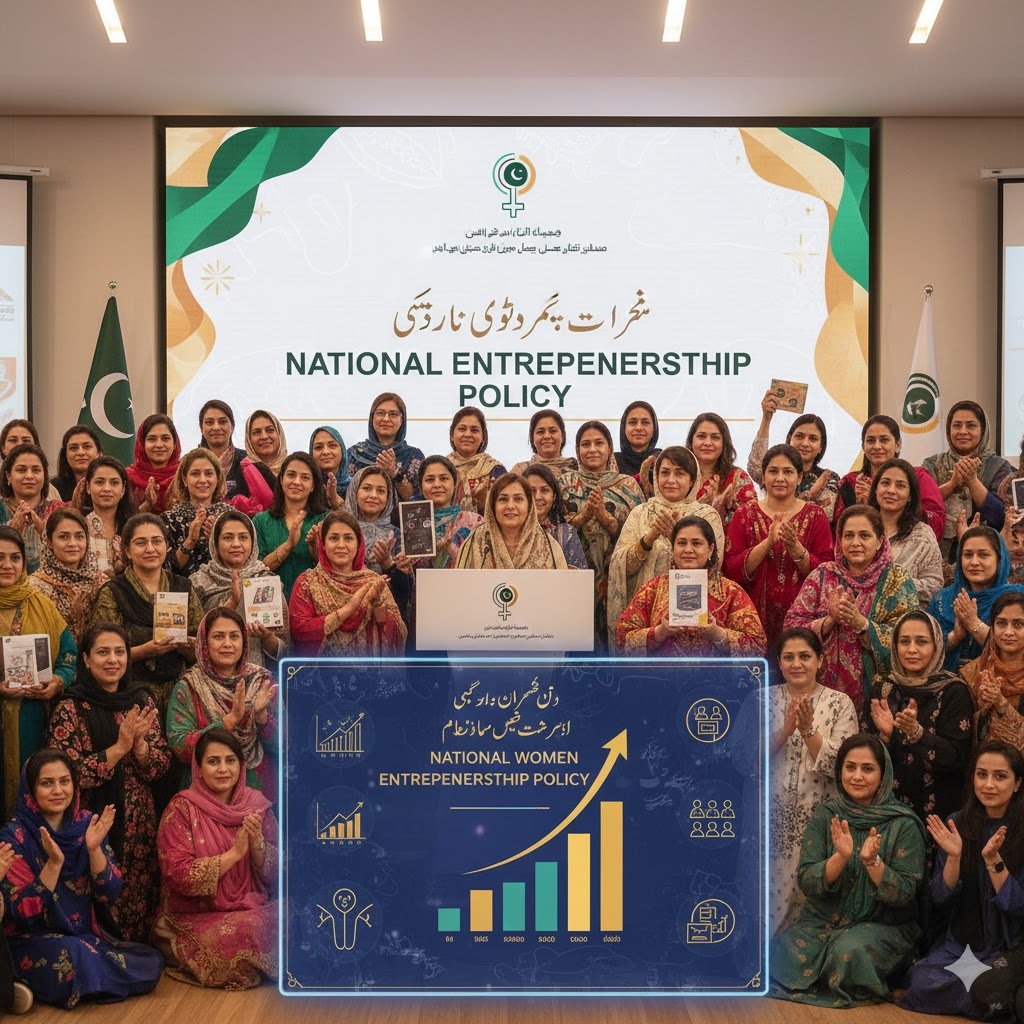
ISLAMABAD: Pakistan is all set to unveil its inaugural National Women Entrepreneurship Policy (WEP), a landmark framework designed to accelerate women’s economic empowerment through targeted financing, enhanced export opportunities, and expanded business support services.Announced by Special Assistant to the Prime Minister on Industries and Production Haroon Akhtar Khan during Women’s Entrepreneurship Day celebrations organised by SMEDA and FPCCI, the policy places women at the heart of national economic development, as directed by Prime Minister Shehbaz Sharif.The policy sets ambitious targets: raising women’s employment in enterprises from 2% to 5%, increasing registered women exporters from 2,500 to achieve 50% representation, allocating 15% of the SME Fund and 5% of the Export Development Fund exclusively for women, expanding co-working spaces by 20%, and providing 100,000 women entrepreneurs with critical business information. It also aims to support 20% of BISP beneficiaries in disaster-prone areas.A flagship component is the AI-powered Women Entrepreneurship Portal, developed with UK’s FCDO, which will connect women to mentors, regulators, and support organisations. Backed by a $2.2 million ADB programme, initiatives include digital training via basic phones, multilingual content, and dedicated efforts to formalise informal women-led businesses.The policy further introduces green financing, export-readiness programmes, and a design cell at SMEDA in collaboration with top textile universities.

Senate Panel Slams Banks Over Forced Abaya Policy, Terms Islamic Banking ‘Fraud’
Politics

Senate Panel Slams Banks Over Forced Abaya Policy, Terms Islamic Banking ‘Fraud’

ISLAMABAD: The Senate Standing Committee on Finance on Wednesday directed the State Bank of Pakistan (SBP) to immediately act against commercial banks allegedly forcing female employees to wear abayas, terming the practice unconstitutional and discriminatory.PPP Senator Dr Zarqa Taimur strongly objected, asserting that Pakistani women already observe modest dress and no additional religious attire can be imposed. Senior PML-N Senator Farooq H. Naek equated the compulsion to “forcing a man to grow a beard”, questioning how the central bank permitted such policies.Committee Chairman Saleem Mandviwalla announced that concerned banks would be summoned to explain their dress code rules. In a separate scathing remark, Mandviwalla accused many Islamic banking institutions of committing “fraud and deception” by charging higher profit rates than conventional banks despite claiming Shariah compliance.The strong bipartisan condemnation reflects growing parliamentary scrutiny of workplace gender policies and the pricing practices of Islamic financial institutions. The SBP has been asked to submit a compliance report in the next meeting while the offending banks face potential regulatory action if found violating employees’ constitutional right to personal freedom and expression.

FBR Chief to Chinese Tile Firms: Accept AI Cameras or Shut Down Operations
World

FBR Chief to Chinese Tile Firms: Accept AI Cameras or Shut Down Operations

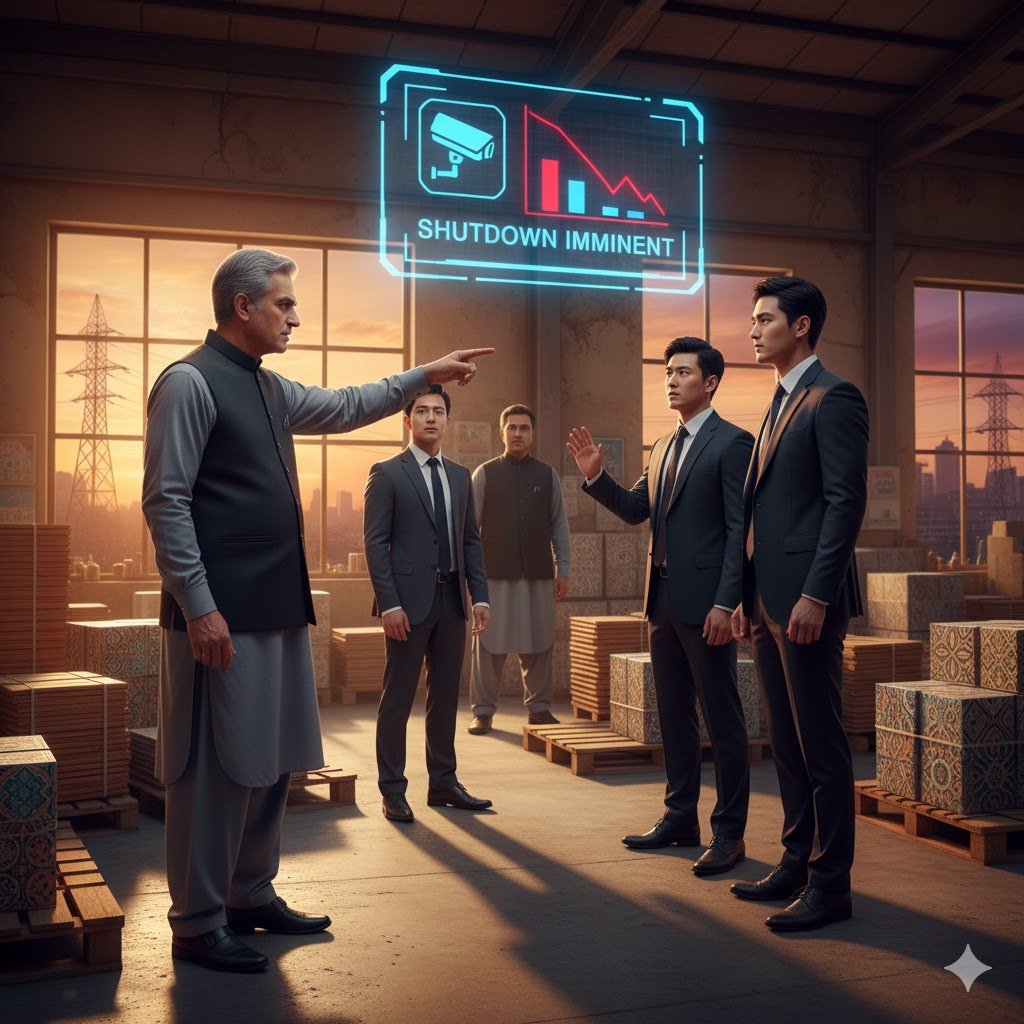
ISLAMABAD: Federal Board of Revenue (FBR) Chairman Rashid Langrial on Wednesday issued a stern ultimatum to four Chinese-owned ceramic tile companies, warning them to either accept installation of AI-enabled monitoring cameras or cease operations in Pakistan. The tough stance came during a fiery Senate Standing Committee on Finance meeting after Chinese representatives pleaded with senators to block the FBR’s camera plan, citing risks to trade secrets.Langrial disclosed that tile manufacturers are evading roughly Rs30 billion annually in sales tax by under-reporting production. He stressed that the government has already shown flexibility by reducing camera count from 16 to just five per factory, placed only at points that capture accurate output without exposing proprietary processes.“If your board of directors does not agree to install cameras, then stop work,” Langrial thundered, rejecting claims that the system would compromise commercial confidentiality. State Minister for Finance Bilal Azhar Kayani defended the initiative, saying AI-driven video analytics would eliminate physical FBR inspections while ensuring full tax compliance.The companies argued they operate in Saudi Arabia and elsewhere without such surveillance and criticised abrupt policy changes. Langrial countered that the decision followed complaints from the Pakistan Tiles Manufacturers Association about rampant under-reporting by competitors.Successful camera deployment in sugar and cement sectors is projected to yield Rs76 billion and Rs102 billion respectively this fiscal year, reinforcing the government’s resolve to extend monitoring to 18 high-risk sectors.

Pakistan's Large-Scale Manufacturing Growth Slows Amid High Cost Disadvantages
Pakistan

Pakistan’s Large-Scale Manufacturing Growth Slows Amid High Cost Disadvantages

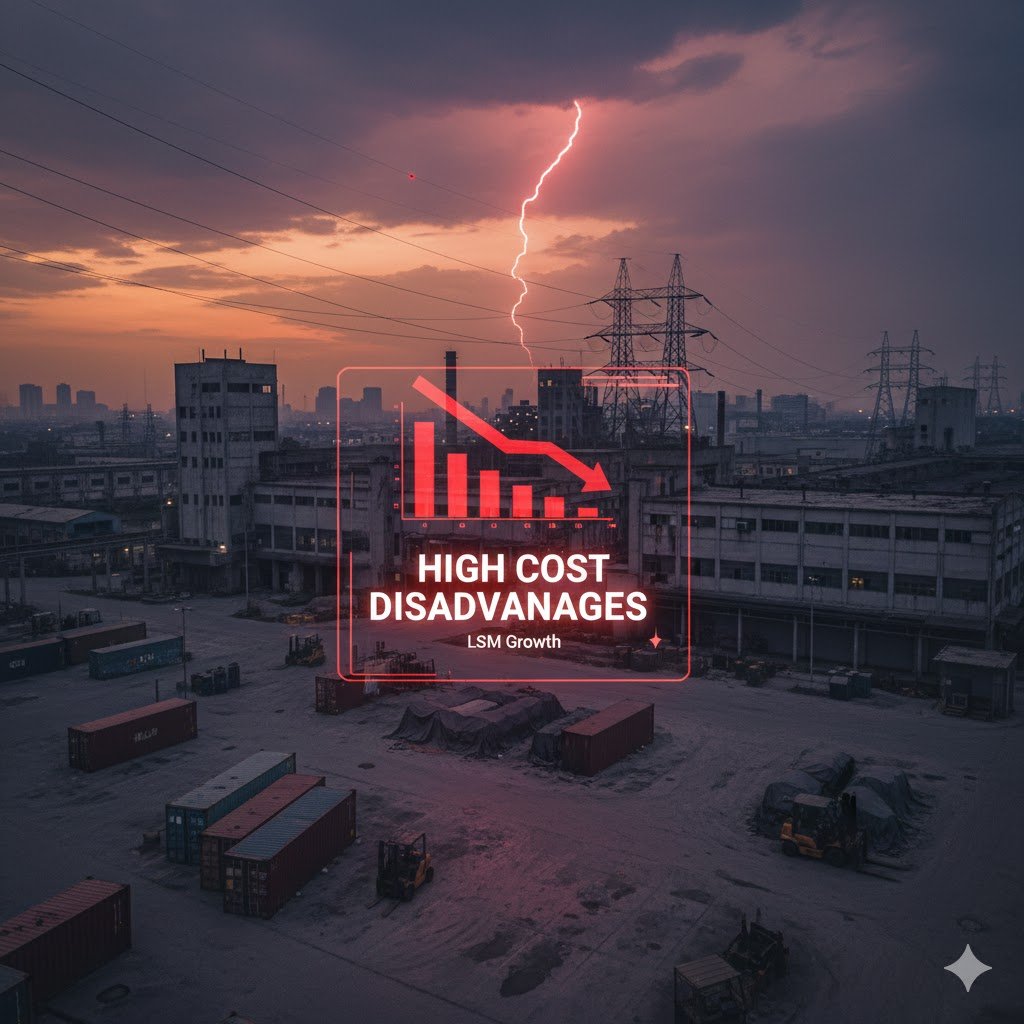
ISLAMABAD: Large-scale manufacturing (LSM) in Pakistan grew by a modest 4.1% during the first quarter (July-September) of FY2025-26, down from an initial 4.5% pace in the first two months, according to data released by the Pakistan Bureau of Statistics (PBS). Despite crossing the 4% mark, the LSM index stood at just 114.7 in September, still below the three-year-high of 132.5.An internal assessment by the Ministry of Industries has revealed that several key sectors face severe cost disadvantages ranging from 22% to 67% due to skewed economic policies, high energy prices, taxation, and regulatory burdens. The ceramic tiles and glass sectors suffer the highest handicap of over two-thirds, followed by steel (one-third) and paper & board (one-fourth). These distortions have caused the manufacturing sector’s contribution to GDP to shrink from 26% to 18% over the past three decades.The ministry has urged immediate policy corrections, including abolition of the super tax, gradual reduction of corporate tax from 29% to 26%, a 5% cut in interest rates, and market-driven exchange rate adjustments. It warned that without addressing structural high costs, tariff liberalization alone will deplete foreign exchange reserves and fail to boost competitiveness.Growth was mainly driven by food, tobacco, textile, and paper sectors, while overall industrial activity remains constrained by political uncertainty and anti-export biases.

Gul Ahmed Textile Strengthens Presence with New SITE Karachi Facility
Business

Gul Ahmed Textile Strengthens Presence with New SITE Karachi Facility

Gul Ahmed Textile Mills Limited has announced that its Board of Directors has approved the acquisition of an industrial property in the Sindh Industrial Trading Estates (SITE), Noorlabad, District Jamshoro. The decision, shared in a notice to the Pakistan Stock Exchange (PSX) on Thursday, includes the purchase of Plot No. A-44 along with the associated land, building, plant, machinery, equipment, and other assets, subject to completion of all necessary legal, regulatory, and corporate formalities. The company stated that the Chief Executive Officer has been authorised to carry out the transaction independently. Additionally, the Chief Financial Officer and Company Secretary have been empowered to act jointly to perform all tasks and formalities required to finalise and give effect to the acquisition. The board emphasised that the move forms part of the company’s strategic efforts to expand its operational footprint and strengthen its presence in the industrial sector. Gul Ahmed Textile has requested the PSX to circulate the information to its members in accordance with Section 96 of the Securities Act, 2015, and the exchange’s regulations. This acquisition marks a significant step for Gul Ahmed Textile Mills, reinforcing its commitment to growth and operational efficiency while ensuring full compliance with corporate governance and regulatory requirements.

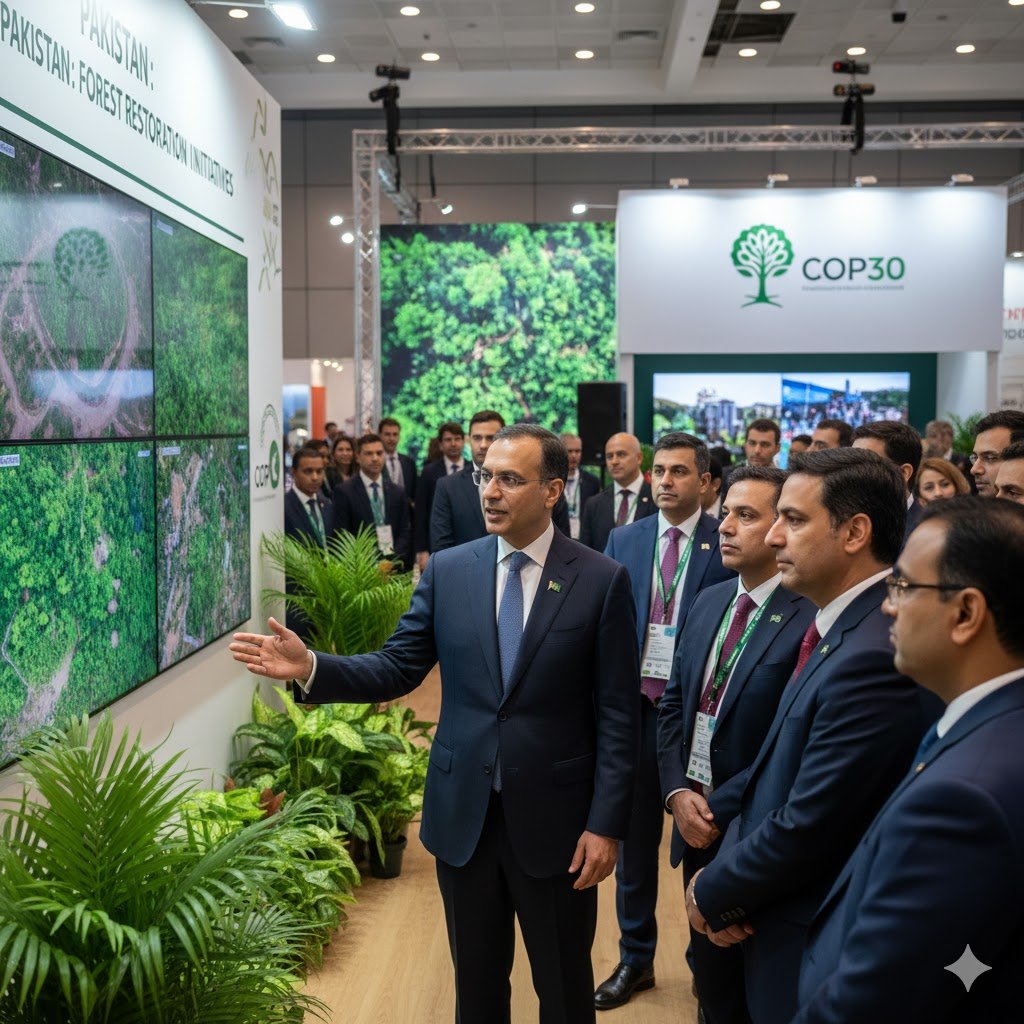
At COP30, Pakistan Showcases Impressive Forest Restoration Achievements
Pakistan

At COP30, Pakistan Showcases Impressive Forest Restoration Achievements

Federal Minister for Climate Change and Environmental Coordination, Musadik Malik, highlighted Pakistan’s progress in forest revival and ecosystem restoration during a COP30 side event dedicated to the Upscaling Green Pakistan Programme (UGPP). Speaking through a recorded message, the minister noted that global climate conversations continue to focus on reducing greenhouse gas emissions and expanding natural systems that can effectively absorb carbon. He stressed that forests play a central role in both climate mitigation and adaptation, calling nature-based solutions essential to long-term global resilience. “Carbon sequestration requires factories that absorb carbon dioxide and release oxygen — and that factory is a tree,” he stated, underscoring the value of forest ecosystems in lowering carbon loads and strengthening environmental stability. The session, hosted by the Ministry of Climate Change, showcased Pakistan’s achievements in rehabilitating degraded landscapes, restoring ecological balance, and actively involving local communities in conservation initiatives. The UGPP has facilitated extensive plantation drives in previously barren areas while promoting stronger grassroots participation in protecting natural resources. Dr. Malik added that the programme has significantly improved climate awareness at the community level, encouraging citizens to safeguard forests and adopt more sustainable practices. He reaffirmed Pakistan’s dedication to global forest protection, saying the country stands committed to preserving its own forests as well as supporting global restoration efforts. A documentary produced by the ministry was also screened, featuring on-ground success stories and visible improvements in local ecosystems. The event concluded with a panel discussion attended by climate experts, international partners, development organisations, and civil society members working to advance forest restoration and climate resilience.

give me a realistic image for this caption for posting on instagram the picture should have no text at the bottom and of high resolution should fit in instagram post pic should be aesthetically beautiful and eye cathching
Pakistan

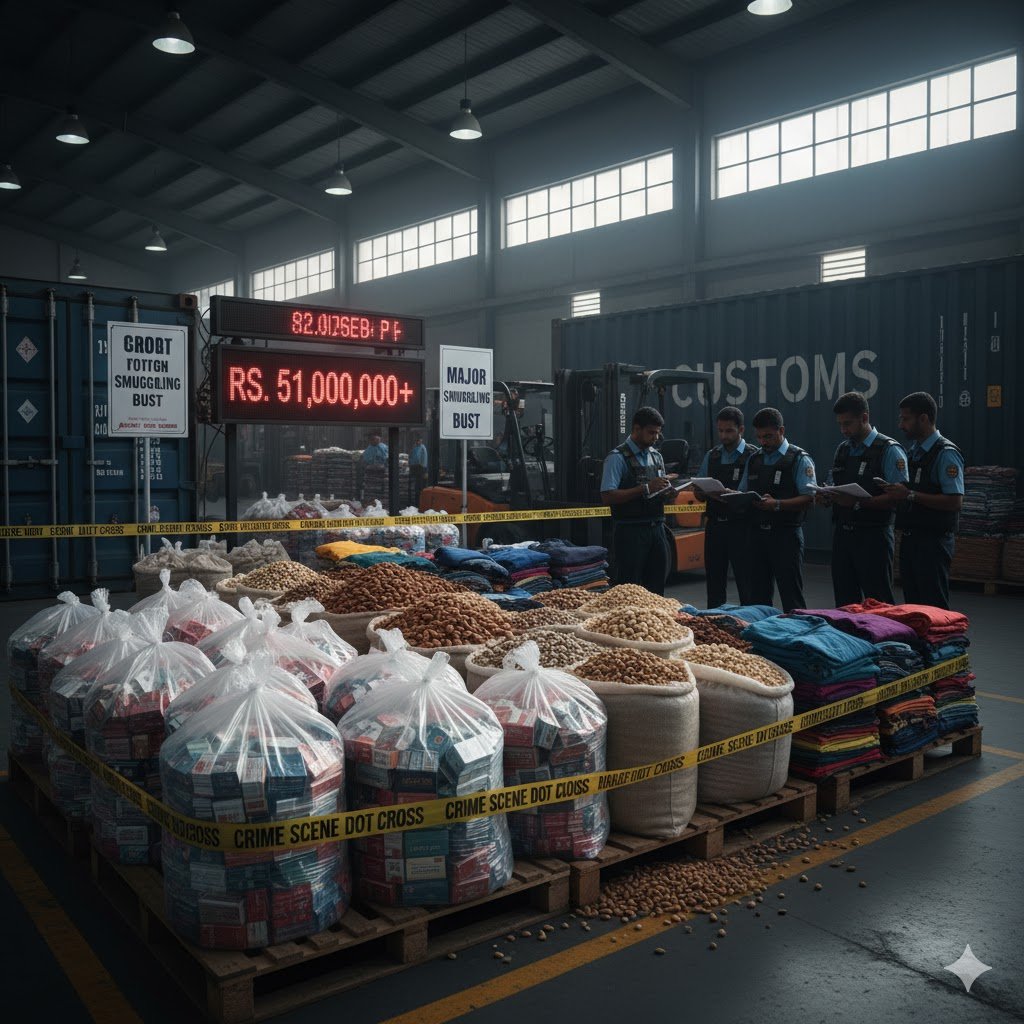
Major Bust: Customs Captures Smuggled Cigarettes, Dry Nuts & Garments Exceeding Rs. 51 Million

The Collectorate of Customs Enforcement Peshawar has confiscated smuggled goods worth over Rs. 51 million after intercepting a truck in Dera Ismail Khan. The operation was carried out on Wednesday by the Quick Response Force, which stopped the vehicle near Waziristan Chowk. Officials reported that the truck, registered as P 4234, was en route from Quetta to Rawalpindi when it was flagged down for inspection. A detailed search of the vehicle resulted in the seizure of a substantial consignment of foreign-made cigarettes, rolls of polyester fabric, and betel nuts. The truck was taken into custody, and a case has been initiated under the Pakistan Customs Act, 1969. The Federal Board of Revenue (FBR) commended the enforcement team for its timely action, noting that it reflects the department’s continued commitment to combating illegal trade and protecting national revenue. Authorities stated that increased surveillance on key transit corridors is proving effective, particularly as smuggling groups attempt to alter their routes and strategies to evade detection. Customs officials added that enforcement activities across Khyber Pakhtunkhwa are being further strengthened. The goal is to disrupt the inflow of non-duty-paid goods that commonly enter Pakistan through its western borders and to ensure stronger control over illicit supply chains.

Scroll to Top