Author name: Web Desk

SBP Governor Tells Banks to Prioritize Human Judgment Over AI in Loan Approvals
Business

SBP Governor Tells Banks to Prioritize Human Judgment Over AI in Loan Approvals

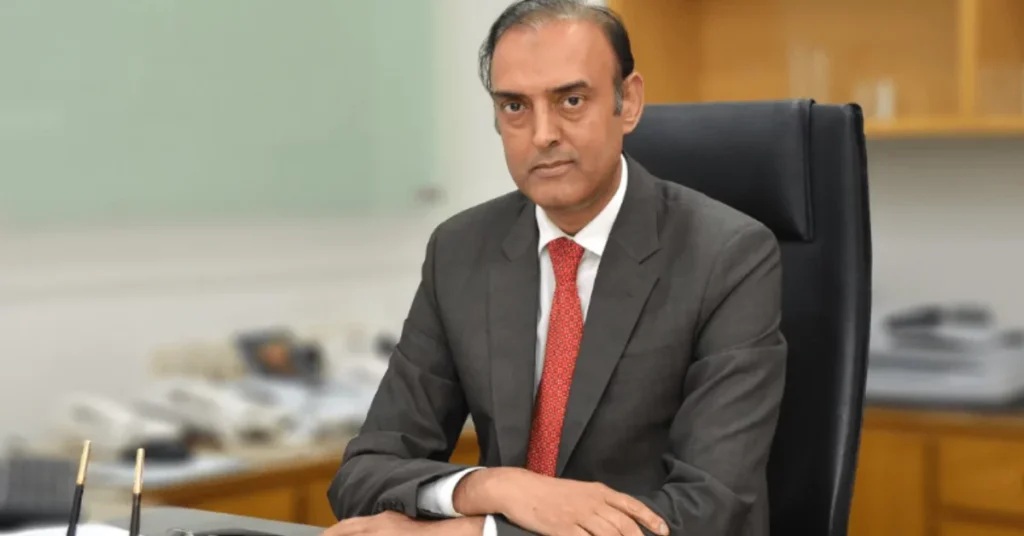
State Bank of Pakistan (SBP) Governor Jameel Ahmad has called on financial institutions to ensure human judgment remains superior to artificial intelligence (AI) decisions, particularly in critical areas like loan approvals and customer due diligence. Speaking at the sixth AlBaraka Forum Regional Conference – Pakistan 2026, themed “Islamic Economy in the Digital Age – Innovation Within The Framework of Compliance,” the governor acknowledged the rapid adoption of AI in banking to boost efficiency, enhance risk management, and reduce costs. Read More: https://theboardroompk.com/pakistan-liquid-foreign-reserves-show-fresh-momentum-in-2026/ However, he stressed that “human oversight remains essential to monitor AI-driven decisions, especially in sensitive areas such as credit approval and customer due diligence.” This caution comes as Pakistan’s banking sector embraces digital transformation, with mobile banking apps, branchless banking, wallets, and electronic money institutions driving 78% of digital retail transactions. The governor highlighted the broader context of digital progress, including SBP initiatives like Raast, Assan Mobile Account, digital onboarding, Roshan Digital Account, and licensing of digital banks, which have expanded formal financial access. He noted global trends where over 70% of people use digital financial services and 80% are open to shifting to digital banking, signaling changing consumer expectations. In the realm of Islamic finance, Ahmad emphasized that technology should serve socioeconomic goals, promote inclusion for small businesses, farmers, and women entrepreneurs, and align with Shariah principles of fairness, transparency, and shared prosperity. He warned against risks where technology merely replicates conventional models, urging robust data protection and high regulatory standards beyond basic compliance. This guidance underscores the need for a balanced approach in Pakistan’s evolving financial landscape, where innovation must not compromise ethical and human-centric decision-making.

Safety Isn't a Burden—It's Survival: Why Gul Plaza & Baldia Remind Us of the Real Cost of Cutting Corners
Opinion

Safety Isn’t a Burden—It’s Survival: Why Gul Plaza & Baldia Remind Us of the Real Cost of Cutting Corners

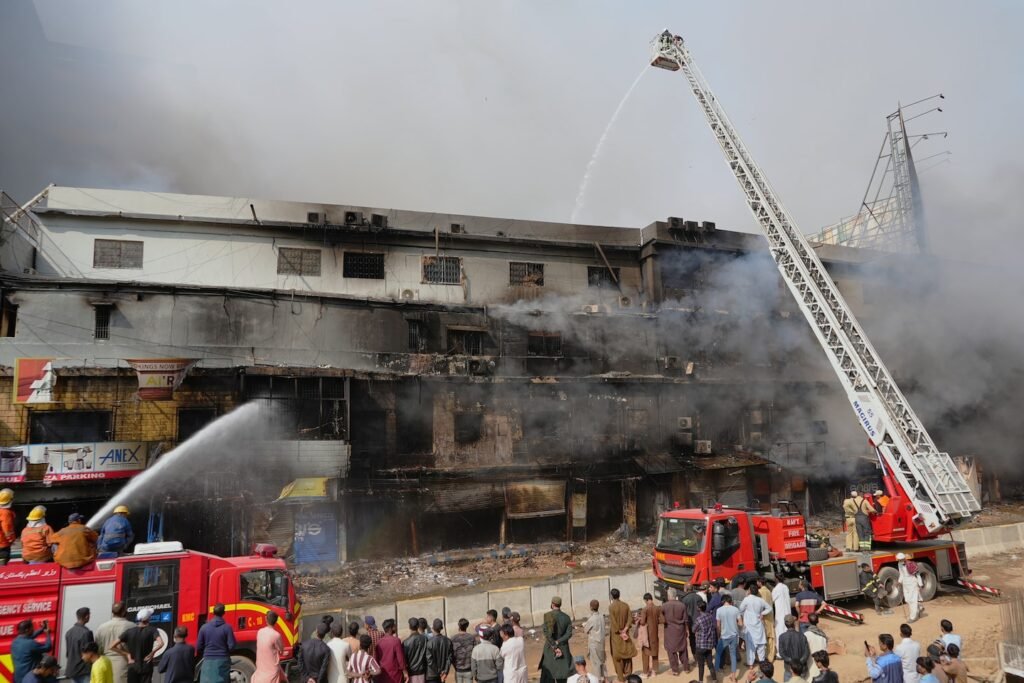
Karachi: As rescue teams continue sifting through the smoldering ruins of Gul Plaza on M.A. Jinnah Road, the death toll has climbed to at least 14–19 people, with over 60 still missing and dozens injured. The massive fire, which erupted late Saturday night and raged for nearly 36 hours before being brought under control, has devastated a beloved multi-story shopping hub housing around 1,200 shops selling everything from garments and cosmetics to plastics and household goods. Read More: https://theboardroompk.com/karachis-gul-plaza-inferno-death-toll-hits-14-dozens-still-missing-after-36-hour-blaze/ Thick smoke trapped victims inside due to poor ventilation, blocked exits, and the rapid spread fueled by highly flammable stock. Officials suspect a faulty circuit breaker or electrical short circuit as the cause, with investigations ongoing amid reports of outdated wiring and inadequate safety measures. This heartbreaking scene echoes one of Pakistan’s darkest industrial tragedies: the 2012 Baldia Town factory fire at Ali Enterprises. That inferno claimed 259–289 lives (mostly workers trapped by locked exits, barred windows, and absent firefighting equipment) and injured hundreds more. The blaze, possibly sparked by a faulty generator or electrical fault, spread unchecked through garment and plastic materials in a building riddled with violations—unregistered workers, no fire drills, blocked escape routes, and zero sprinklers or alarms. Investigations revealed a pattern of negligence: safety compliance was skipped to cut costs in a competitive export-driven sector, turning a potential minor incident into mass fatalities from smoke inhalation, burns, and stampedes. In both cases, the mindset that fire safety or ever overall safety is a “financial burden” proved fatally wrong. Basic precautions—certified wiring checks, affordable ABC extinguishers (costing just a few thousand rupees), clear emergency exits, smoke detectors, ventilation improvements, and regular drills—were deemed too expensive or inconvenient. Yet the true price has been staggering: irreplaceable lives, billions in economic losses for traders and families, destroyed livelihoods, and long-term trauma for Karachi’s commercial heart. Gul Plaza’s collapse and Baldia’s locked doors highlight how short-term savings on safety lead to long-term ruin—human, financial, and communal. Traders and experts now stress that safety is an investment, not an expense. Small steps like installing MCBs, maintaining extinguishers, ensuring unobstructed pathways, and securing insurance could prevent repeats. Sindh authorities have announced compensation for victims’ families, but prevention demands stricter enforcement of building codes, mandatory audits, and a cultural shift among landlords, shop owners, and regulators. As Karachi mourns Gul Plaza’s victims—including a brave firefighter—and searches for the missing, the message is clear: treating safety as optional isn’t thrift—it’s recklessness. Survival demands we prioritize lives over ledgers. Never again should “too costly” become the excuse for preventable tragedy. Karachi’s markets deserve better; their people deserve safety first.

Pakistan to Save $17 Billion by Scrapping 8,000 MW Expensive Electricity Procurement
Pakistan

Pakistan to Save $17 Billion by Scrapping 8,000 MW Expensive Electricity Procurement

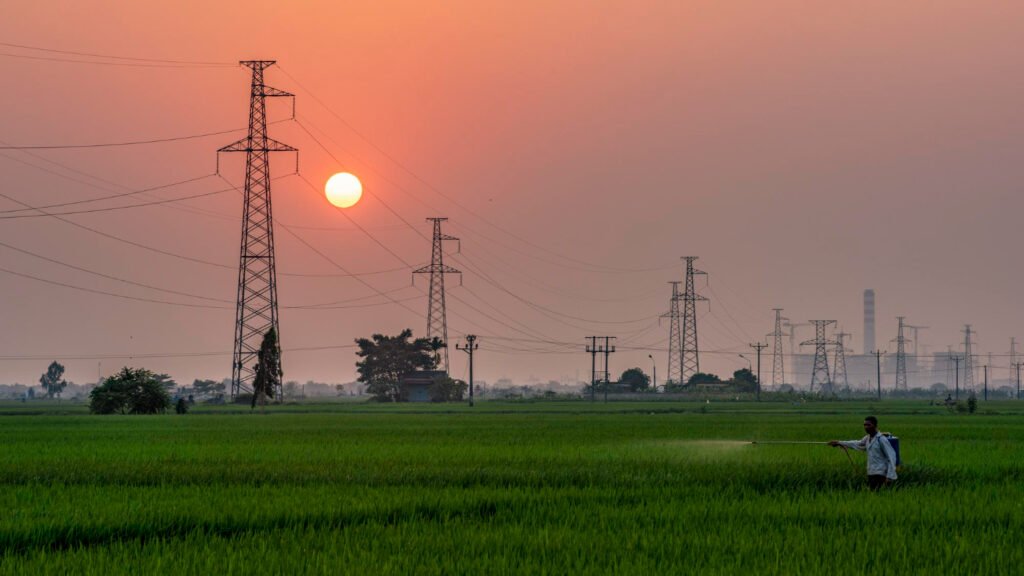
The Pakistani government has decided to abandon the procurement of approximately 8,000 megawatts of expensive electricity, a strategic move projected to generate savings of nearly USD 17 billion, according to Federal Minister for Power Sardar Awais Ahmed Khan Leghari. Read More: https://theboardroompk.com/pakistan-poised-for-lng-revival-in-2026-as-global-prices-dip-exporters-hope-amid-domestic-challenges/ Speaking at a news conference on Sunday, the minister emphasized that the decision was taken purely on merit to alleviate financial pressures on the power sector and the federal government. This step forms part of broader reforms aimed at curbing inefficiencies, with losses incurred by distribution companies (DISCOs) currently absorbed by the government rather than passed directly to consumers. The announcement comes amid ongoing efforts to stabilize the energy sector, reduce circular debt, and provide relief through lower tariffs. Power Sector Reforms and Financial Gains Significant progress has already been reported under these reforms. Losses in the power distribution system have dropped from Rs 586 billion to Rs 393 billion, while recoveries have improved by Rs 183 billion. Circular debt, a longstanding burden, declined by Rs 780 billion in the previous year. The minister highlighted that abandoning the costly 8,000 MW procurement will prevent additional strain on public finances, freeing resources for other priorities. These measures align with comprehensive changes to enhance efficiency, boost collection rates, and minimize wasteful expenditure in the sector. Path to Affordable and Competitive Electricity Power tariffs have already been reduced by 20 percent nationally over the last two years, offering some respite to households and industries. Looking ahead, the government, under Prime Minister Shehbaz Sharif’s leadership, aims to bring electricity prices in line with international rates within the next 18 months. The minister stressed that these reforms prioritize merit-based decisions to ensure sustainable, affordable energy. While specific details on the abandoned projects (such as fuel types or plants) were not outlined, the focus remains on retiring or shifting away from high-cost sources to foster long-term economic stability and consumer relief.

Karachi's Gul Plaza Inferno: Death Toll Hits 14, Dozens Still Missing After 36-Hour Blaze
Breaking News

Karachi’s Gul Plaza Inferno: Death Toll Hits 14, Dozens Still Missing After 36-Hour Blaze

A catastrophic fire that engulfed the historic Gul Plaza shopping centre on Karachi’s MA Jinnah Road has claimed at least 14 lives, including a dedicated firefighter, while dozens remain missing amid ongoing search and rescue efforts. The blaze erupted late Saturday night around 10:15-10:38 PM on January 17/18, 2026, originating from a ground-floor shop dealing in artificial flowers and plastics. Read More: https://theboardroompk.com/elon-musk-demands-up-to-134-billion-from-openai-microsoft-over-wrongful-gains/ Highly flammable materials and a suspected gas leakage explosion fueled the rapid spread across multiple floors of the pre-Partition era building, which housed around 1,200 shops. After more than 33 hours of intense firefighting involving Rescue 1122, Pakistan Navy tenders, Rangers, and other agencies, the fire was finally brought under control early Monday, though parts of the structure collapsed, complicating recovery operations. Over 20 people sustained injuries, many with severe burns, and traders face billions in losses as livelihoods were devastated. Rescue Challenges and Human Toll Rescuers faced extreme hazards from thick smoke, intense heat, structural instability, and partial collapses that buried victims under debris. Bodies were recovered gradually, pushing the death toll from initial reports of six to 14, with some remains beyond immediate identification. Around 60-65 people were reported missing at peak, with families clinging to desperate final messages and calls from trapped loved ones—including those shopping for weddings or daily needs. A pregnant woman was among those feared trapped. Operations shifted from firefighting to debris clearance and body recovery, with Navy personnel and heavy equipment aiding access. Official Response and Safety Concerns High-level officials, including Prime Minister Shehbaz Sharif, President Asif Ali Zardari, Sindh CM Murad Ali Shah, Governor Kamran Tessori, and Karachi Mayor Murtaza Wahab, expressed condolences and directed immediate medical aid, financial support, and investigations. Traders and residents criticized delayed initial response and inadequate fire safety in older buildings, highlighting absent sprinklers, poor exits, and lax enforcement. Calls grew for urgent audits and stricter regulations to prevent future tragedies in Karachi’s crowded commercial hubs.

Nvidia H200 Suppliers Halt Production as China Blocks Chip Imports
Tech

Nvidia H200 Suppliers Halt Production as China Blocks Chip Imports

Nvidia’s suppliers have paused production of components for the H200 AI chip after Chinese customs blocked shipments of the processors into the country, according to a Financial Times report cited by Reuters on January 17, 2026. The H200, Nvidia’s second-most powerful AI accelerator, had recently received U.S. approval for export to China under certain conditions. Read More: https://theboardroompk.com/from-subscriptions-to-ads-openai-targets-free-users-in-revenue-push/ The block follows strong anticipated demand from Chinese firms, with Nvidia expecting over 1 million orders. Suppliers had ramped up operations around the clock, preparing for potential shipments as early as March 2026. Details of the Block and Supplier Response Chinese customs authorities informed agents this week that H200 chips are not permitted to enter the country. Government officials also summoned domestic tech companies, warning them against purchasing the chips unless absolutely necessary. No official reason was provided, and it’s unclear if this represents a formal ban, a temporary restriction, or a negotiating tactic amid U.S.-China tensions. The directives came shortly after the U.S. formally approved H200 exports earlier in January 2026, with conditions including Nvidia certifying sufficient domestic supply and Chinese buyers proving security measures and non-military use. Suppliers halted output in response, disrupting preparations for large-scale deliveries. Broader Implications for Nvidia and AI Industry The H200 remains a major flashpoint in U.S.-Sino relations, balancing export controls against China’s push for AI self-sufficiency. Strong demand exists, but Beijing may aim to bolster domestic alternatives or use restrictions strategically. Nvidia did not immediately comment outside business hours. The pause could impact revenue from a key market, where China represents significant AI opportunity despite ongoing geopolitical hurdles. The situation highlights supply chain vulnerabilities in the global AI chip sector, with potential ripple effects on availability and pricing.

From Subscriptions to Ads: OpenAI Targets Free Users in Revenue Push
Tech

From Subscriptions to Ads: OpenAI Targets Free Users in Revenue Push

OpenAI has announced it will begin testing advertisements in ChatGPT, marking a significant step toward diversifying revenue beyond subscriptions. The move comes as the company faces enormous costs for AI development and infrastructure, while preparing for a potential initial public offering. Read More: https://theboardroompk.com/indonesia-first-to-block-grok-ai-over-sexualised-deepfakes-and-child-images/ The tests will target users on the free tier and the lower-priced Go plan, starting with some logged-in U.S. adults in the coming weeks. Premium tiers—Plus, Pro, Business, and Enterprise—will remain ad-free. How Ads Will Appear and Safeguards Ads will show at the bottom of ChatGPT responses when a relevant sponsored product or service matches the ongoing conversation. For example, a query about Mexican food might include a link to a sponsored hot sauce brand. OpenAI emphasized that ads will be clearly separate from AI-generated answers and will not influence ChatGPT’s outputs. User conversations will stay private and not be shared with advertisers. Ads will be blocked for users under 18 and on sensitive topics like health or politics. The company plans to gather early user feedback and quality signals before any broader rollout. Business Context and Challenges OpenAI, backed by Microsoft, remains a money-losing operation despite ChatGPT’s massive scale—800 million weekly active users. Heavy spending on data centers and AI infrastructure, projected to exceed $1 trillion by 2030, drives the need for new revenue streams. The Go plan, initially launched in markets like India, is expanding globally and costs $8 per month in the U.S. Analysts note ads could unlock significant income from non-paying users but ris]k alienating them, potentially driving switches to competitors like Google’s Gemini or Anthropic’s Claude. Sam Altman has previously described ads as a “last resort” but now supports testing to make AI accessible without requiring payment for everyone.

Elon Musk Demands Up to $134 Billion from OpenAI, Microsoft Over 'Wrongful Gains'
World

Elon Musk Demands Up to $134 Billion from OpenAI, Microsoft Over ‘Wrongful Gains’

Elon Musk has escalated his long-running legal battle against OpenAI and Microsoft, filing court documents on January 17, 2026, seeking damages of up to $134 billion. The Tesla CEO and xAI founder alleges that the companies profited immensely from his early contributions to OpenAI, which he co-founded in 2015 as a nonprofit dedicated to safe AI development. Read More: https://theboardroompk.com/musks-starlink-faces-major-security-test-amid-irans-deadly-crackdown/ Musk claims he provided around $38 million in seed funding—about 60% of the initial capital—along with recruiting talent, making key connections, and lending his credibility to the project. He left the organization in 2018 amid disagreements. Key Allegations in the Filing The core of Musk’s argument revolves around breach of contract and deviation from OpenAI’s original nonprofit mission. He accuses the company of converting to a for-profit structure, particularly through its close partnership with Microsoft, which invested billions and now holds a significant stake. Musk’s expert witness, financial economist C. Paul Wazzan, calculated that OpenAI derived “wrongful gains” of $65.5 billion to $109.4 billion from his early support, while Microsoft benefited by $13.3 billion to $25.1 billion. Musk argues these figures reflect massive returns, similar to early investors in startups who reap outsized rewards. He seeks disgorgement of these gains, plus potential punitive damages and other penalties. A federal judge in Oakland, California, recently allowed the case to proceed to a jury trial starting in April 2026. Responses and Context OpenAI has dismissed the lawsuit as “baseless” and part of an ongoing “harassment” campaign by Musk, who now competes directly through xAI and its Grok chatbot. Microsoft has denied aiding any breach, and both companies have challenged Musk’s expert calculations as “made up” and “implausible.” The dispute highlights tensions in the AI industry over mission drift, competition, and massive valuations—OpenAI is reportedly worth around $500 billion.

Government Quietly Jacks Up Petroleum Levy by Rs24 to Record Rs84.27/ltr
Pakistan

Government Quietly Jacks Up Petroleum Levy by Rs24 to Record Rs84.27/ltr

Islamabad – January 17, 2026: Despite significant declines in ex-refinery prices (Petrol down Rs32.33/ltr and High-Speed Diesel down Rs25.06/ltr since March 2025), the government has substantially increased the Petroleum Development Levy (PDL) — pushing it to Rs84.27/ltr on MS (petrol) and Rs76.21/ltr on HSD (diesel). Read More: https://theboardroompk.com/pakistan-large-scale-manufacturing-growth-sparks-new-optimism-across-industries/ According to a detailed analysis by Arif Habib Limited, this strategy has allowed retail prices to remain relatively stable (currently Rs253.17/ltr for petrol and Rs257.08/ltr for diesel as of mid-January 2026) while significantly boosting government revenue. Half-year collections have already reached ~Rs748.5 billion toward the ambitious full-year FY26 target of Rs1,468 billion, putting the government broadly on track for one of the highest-ever petroleum levy hauls.Headline: Smart Revenue Play: Falling Global Oil Prices Used to Fund Rs1,468 Billion FY26 Levy Target While international oil prices and local ex-refinery costs have trended downward for most of 2025–2026, the government has utilized this space to sharply raise the Petroleum Development Levy — up from the earlier baseline of Rs60/ltr to current levels of Rs84.27/ltr (petrol) and Rs76.21/ltr (diesel). Market experts at Arif Habib Limited highlight this as a deliberate fiscal move that cushions retail prices from global volatility while accelerating non-tax revenue collection — critical for meeting IMF-aligned fiscal targets and funding the budget without direct pump-price shocks.

Pakistan's Tractor Sales Plunge to Two-Decade Low in 2025 Amid Farm Distress
Pakistan

Pakistan’s Tractor Sales Plunge to Two-Decade Low in 2025 Amid Farm Distress

Pakistan’s tractor industry endured one of its most challenging years in nearly two decades during calendar year 2025, with sales plummeting to levels not seen since the early 2000s.Data compiled by Topline Securities from the Pakistan Automotive Manufacturers Association (PAMA) indicates that annual tractor sales reached only 24,724 units in 2025. Read More: https://theboardroompk.com/agriculture-lab-on-wheels-punjab-transforming-farm-services-through-mobile-innovation/ This represents a steep decline from 39,480 units in 2024 and significantly lower than peak years such as 66,060 units in 2017.The sharp downturn reflects severe distress in Pakistan’s agrarian sector, which remains the backbone of the economy, employing a large portion of the population and contributing substantially to GDP. Underlying Causes of the Sales Collapse Weak farm economics were the primary driver behind the subdued demand. Farmers grappled with persistently low prices for major crops including wheat, rice, cotton, and sugarcane, often failing to cover production costs amid global commodity fluctuations and domestic market pressures. Input costs surged for fertilizers, pesticides, diesel, and other essentials, squeezing already thin profit margins.High inflation throughout much of 2025 eroded rural purchasing power, while limited access to affordable credit and high financing costs made large capital investments like tractors out of reach for small and medium-scale farmers. Economic uncertainty, including currency volatility and policy inconsistencies, further discouraged purchases. Industry reports highlight that mechanization levels in Pakistan lag far behind regional and global averages, with low horsepower availability per cultivated acre hindering productivity gains and exacerbating the cycle of low incomes. Broader Industry and Economic Impact The tractor sector’s slump had ripple effects across the supply chain. Local manufacturers, including major players like Millat Tractors (Massey Ferguson) and Al-Ghazi Tractors (New Holland/Fiat), faced reduced production, idle capacity, and pressure on employment. The industry supports thousands of direct jobs and an extensive network of vendors and dealers in rural areas. Delayed mechanization also threatened long-term agricultural output, food security, and export potential in a country where agriculture accounts for a significant share of economic activity. Earlier in 2025, reports noted sales in fiscal year 2024-25 hitting a 22-year low of around 29,192 units, underscoring a prolonged crisis that carried into the calendar year. Signs of Hope and Projections for 2026 Analysts remain cautiously optimistic about a turnaround in 2026. Topline Securities projects tractor sales to rebound by 15–20%, driven by gradually improving farm economics. Expectations include stabilization or modest recovery in crop prices, continued easing of inflation, and potentially lower interest rates that could improve credit availability for farmers. Government initiatives—such as targeted subsidies for agricultural machinery, better rural financing schemes, and policies to support mechanization—could provide additional momentum. Recent trends in the broader auto sector, including stronger passenger vehicle and two-wheeler sales in late 2025 due to macroeconomic improvements, suggest a favorable environment may extend to tractors. However, sustained recovery will hinge on consistent policy support, resolution of input cost pressures, and broader rural development efforts. The 2025 performance serves as a stark reminder of the vulnerabilities in Pakistan’s agriculture-dependent economy and the urgent need for structural reforms to boost farm profitability and mechanization.

Pakistan's 5G Push: Zong Introduces Diverse ZTE Devices with Inclusive Financing
Pakistan

Pakistan’s 5G Push: Zong Introduces Diverse ZTE Devices with Inclusive Financing

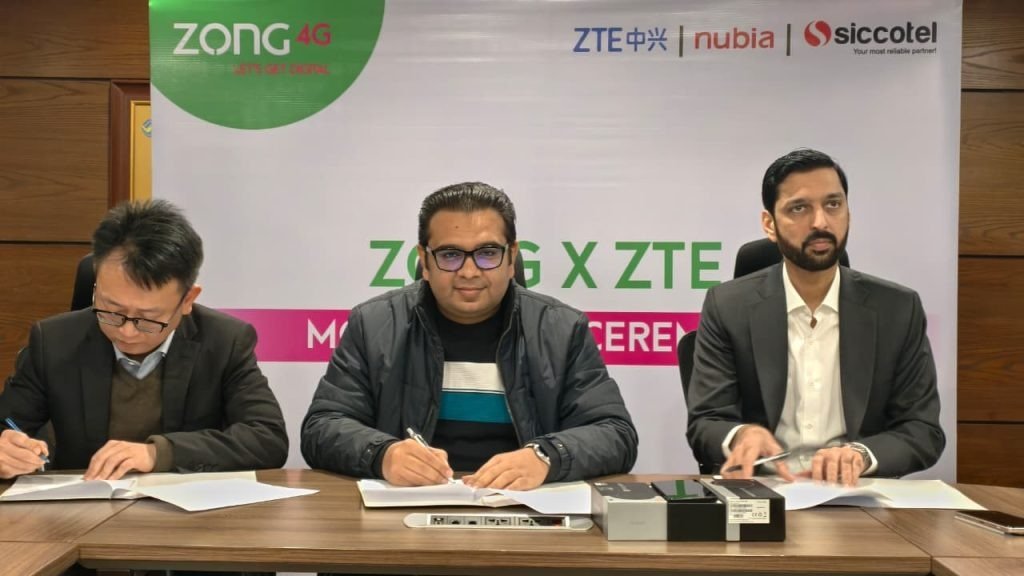
Zong, Pakistan’s leading digital services provider, has entered into a strategic Memorandum of Understanding (MoU) with global technology giant ZTE Corporation and its authorized distributor Siccotel. Read More: https://theboardroompk.com/power-generation-slows-in-november-as-energy-mix-shifts-to-cheaper-sources/ The partnership, announced on January 16, 2026, aims to accelerate the adoption of 5G technology across the country by expanding access to affordable and advanced smartphones. This collaboration focuses on introducing a wider range of 5G-enabled devices, innovative financing options, and bundled services to make next-generation connectivity more inclusive for Pakistani users, aligning with the national goal of building a fully digital Pakistan. Broadening Device Accessibility for All Segments The core of the agreement lies in diversifying Zong’s smartphone portfolio through ZTE’s offerings. This includes entry-level 5G handsets for budget-conscious consumers, mid-to-high-tier models for mainstream users, and specialized gaming-focused devices tailored to tech-savvy youth and high-performance needs. By leveraging Siccotel’s strong distribution network, these devices will reach a broader audience nationwide. The initiative addresses the current gap in smartphone penetration and 5G readiness, ensuring that advanced technology is not limited to premium segments but becomes available to everyday Pakistanis. This move is expected to drive higher adoption rates as 5G networks prepare for commercial rollout. Empowering Digital Transformation and Innovation Sajid Munir, Head of Marketing at Zong, emphasized the partnership’s significance: “This represents a major step in Zong’s strategic direction to accelerate Pakistan’s digital transformation. With 5G on the horizon and smartphone penetration still evolving, it is critical to ensure that advanced technology is both accessible and affordable.” The collaboration combines cutting-edge hardware, flexible payment solutions, and value-added service bundles to foster greater participation in the digital economy. It promises to unlock new opportunities in connectivity, innovation, and engagement, supporting emerging applications like IoT, gaming, and smart services while contributing to a more connected and progressive Pakistan.

Scroll to Top