Author name: Web Desk

Silver Breaches $75, Gold and Platinum Hit All-Time Highs
Editor pick, Pakistan

Silver Breaches $75, Gold and Platinum Hit All-Time Highs

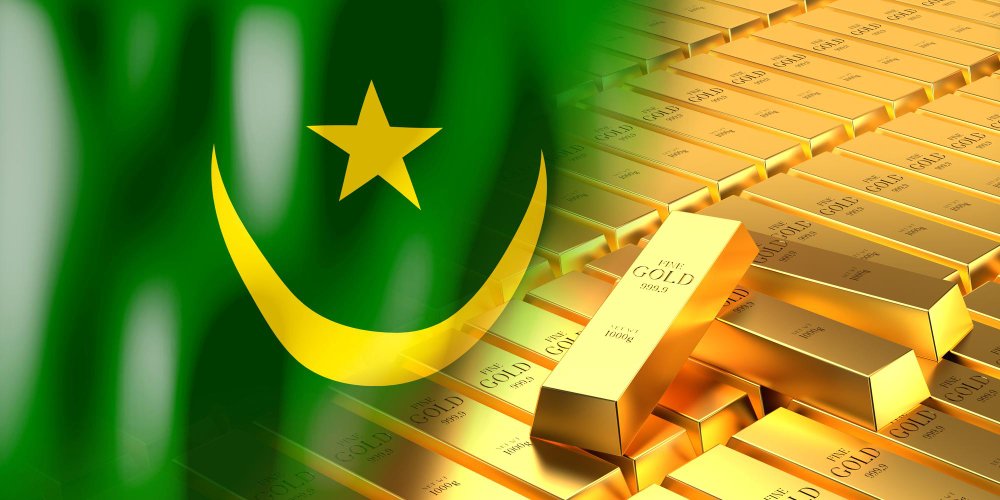
On December 26, 2025, precious metals markets witnessed extraordinary gains, with spot silver surging past the $75 mark for the first time ever, while gold and platinum also scaled fresh record peaks. This year-end rally underscores a historic bull run for the sector, driven by a confluence of speculative buying, monetary policy expectations, and escalating global risks. Background: Precious metals have long served as safe-haven assets and industrial commodities. Gold, traditionally viewed as a store of value, has benefited from central bank purchases and de-dollarization trends. Silver, with its dual role in investment and industry (particularly solar panels, electronics, and EVs), has faced structural supply deficits. Platinum and palladium, key in automotive catalytic converters, have grappled with tight mine supplies amid shifting demand dynamics. In 2025, the sector exploded: silver up 158% year-to-date, platinum roughly 165%, gold nearly 72%, and palladium over 90%. This marks gold’s biggest annual gain since 1979, fueled by Fed rate cuts, a weaker dollar, and geopolitical tensions. The latest surge comes amid thin holiday liquidity, amplifying momentum from early December. Read More: https://theboardroompk.com/gold-price-in-pakistan-reaches-historic-high-amid-strong-domestic-demand/ Drivers Behind the Record-Breaking Surge Speculative momentum and low year-end trading volumes have supercharged prices. Spot silver jumped 3.6% to $74.56 per ounce after hitting $75.14, while gold rose 0.6% to $4,504.79 (record $4,530.60), and platinum climbed 7.8% to $2,393.40 (peak $2,429.98). Palladium gained 5.2% to $1,771.14. Analysts attribute this to expectations of two more US rate cuts in 2026, a softer dollar, and heightened geopolitical risks, including US actions on Venezuelan oil and strikes in Nigeria.


Holiday Boost for PSX: Benchmark Index Gains Nearly 1,200 Points
Uncategorized

Holiday Boost for PSX: Benchmark Index Gains Nearly 1,200 Points

The Pakistan Stock Exchange (PSX) experienced a robust opening on December 26, 2025, following a holiday closure on Christmas Day. The benchmark KSE-100 Index surged by nearly 1,200 points in the morning session, reflecting renewed investor confidence amid global market trends and domestic economic signals. This gain comes after a slight dip earlier in the week, highlighting the market’s resilience in a roll-over period typically marked by caution. Background: The KSE-100, introduced in 1991, serves as the primary gauge of Pakistan’s equity market performance, comprising the top 100 companies by market capitalization on the PSX. Over the past year, the index has navigated volatility driven by factors like inflation, interest rate adjustments by the State Bank of Pakistan, and geopolitical tensions. In 2025, the economy showed signs of recovery with GDP growth projected at 3.5%, supported by IMF-backed reforms and increased remittances. However, challenges such as energy shortages and fiscal deficits have periodically pressured stocks. The previous trading day on December 24 saw the index close down 0.14% at 170,830.22 points due to selective selling in heavyweights. Today’s rally, pushing the index to 172,008.63 by midday, is attributed to buying in blue-chip sectors, buoyed by positive Asian market cues where indices like Japan’s Topix hit record highs Read More: https://theboardroompk.com/ogdc-circular-debt-settlement-advances-with-sixth-tfc-interest-payment/ Sector-Wise Performance Boosts Momentum Key sectors including automobile assemblers, cement, commercial banks, fertilizers, oil and gas exploration, oil marketing companies (OMCs), and refineries led the charge. Index-heavy stocks such as Attock Refinery (ARL), Pakistan Refinery (PRL), Hub Power (HUBCO), Mari Petroleum (MARI), Oil & Gas Development Company (OGDC), Pakistan Petroleum (PPL), Pakistan State Oil (PSO), Wah Noble (WAFI), Habib Bank (HBL), MCB Bank (MCB), and National Bank of Pakistan (NBP) all traded in positive territory. This broad-based buying indicates investor bets on improving corporate earnings and potential policy easing in the new year. Global Influences and Future Outlook Internationally, Asian stocks reached six-week highs, with South Korea’s benchmark up 72% annually and China’s blue-chips gaining 18%. A softer yen and precious metals rally added to the risk-on sentiment, spilling over to emerging markets like Pakistan. Analysts suggest this intra-day strength could sustain if trading volumes rise, though thin liquidity due to holidays in Europe and parts of Asia might cap gains. With the PSX’s BR100 up 0.74% and BR30 surging 1.17%, the market appears poised for a positive close to 2025, potentially setting the stage for continued growth in 2026 amid stabilizing macroeconomic indicators.

Apple CEO Tim Cook Doubles Nike Stake with $3 Million Purchase
Uncategorized

Apple CEO Tim Cook Doubles Nike Stake with $3 Million Purchase

Apple CEO Tim Cook, a long-time member of Nike’s board since 2005 and its lead independent director, purchased 50,000 shares of Nike stock on December 22, 2025, at an average price of $58.97 per share. The transaction, valued at approximately $2.95 million, nearly doubled his personal stake to about 105,000 shares, worth roughly $6 million at recent levels. This marks one of the largest open-market purchases by a Nike director or executive in over a decade. The move came shortly after Nike reported weaker quarterly margins and sluggish sales in China on December 18, which had caused the stock to slump nearly 13% in the following days. Read More: https://theboardroompk.com/apple-and-google-issues-warnings-of-passwords-breach-warnings-around-world-including-pakistan/ Stock Rebounds Amid Challenges Following the disclosure of Cook’s purchase via a regulatory filing, Nike shares (NKE) closed 4.6% higher on December 23 at $60, making it one of the top performers on the S&P 500 that day. Analysts interpreted the buy as a strong endorsement of new CEO Elliott Hill’s “Win Now” turnaround strategy, which includes fresh marketing, innovation in running and sports categories, phasing out underperforming lifestyle brands, and improving relationships with wholesalers. Another board member, former Intel CEO Robert Swan, also bought around 8,700 shares for about $500,000 this week. Despite ongoing headwinds like excess inventory, competition from newer brands, and market share losses, Cook’s action—viewed as a “modest positive” by some investors—provided a lift to sentiment as Nike aims to stabilize amid its fourth consecutive year of potential stock declines.

UAE President Sheikh Mohamed Set for Landmark Official Visit to Pakistan
Editor pick, Pakistan, World

UAE President Sheikh Mohamed Set for Landmark Official Visit to Pakistan

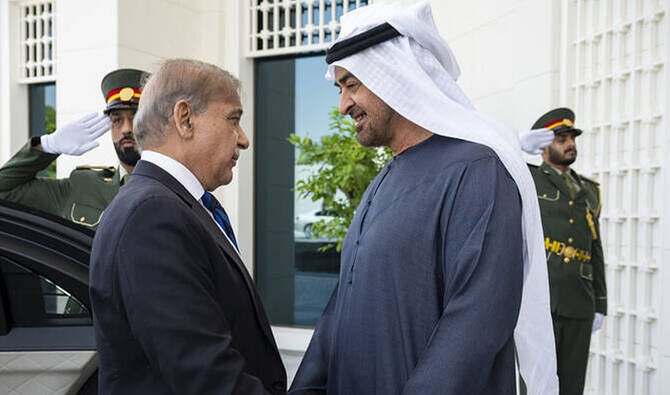
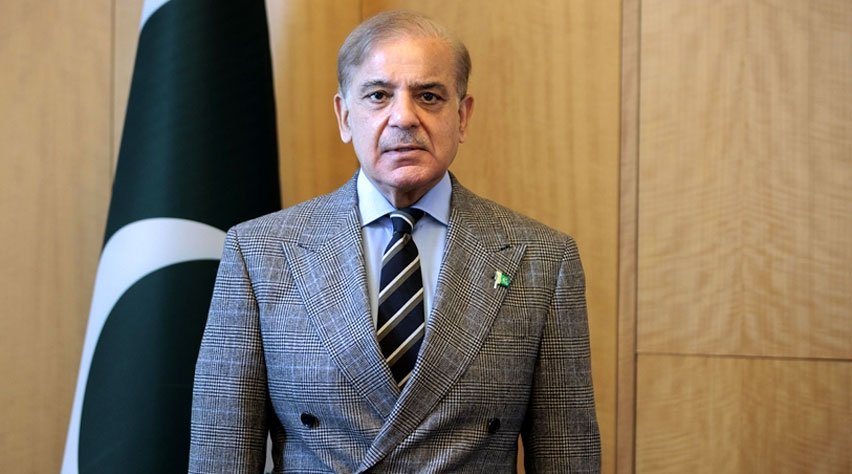
Historic First Visit as UAE President At the personal invitation of Prime Minister Muhammad Shehbaz Sharif, the President of the United Arab Emirates and Ruler of Abu Dhabi, Sheikh Mohamed bin Zayed Al Nahyan, will arrive in Pakistan on December 26, 2025, for an official visit. This marks his first trip to Pakistan in his capacity as UAE President, although he has previously met Pakistani leadership in other settings this year. Accompanied by a high-level delegation comprising ministers and senior officials, the visit underscores the deepening strategic partnership between the two nations. The Foreign Office described it as a significant milestone, highlighting the longstanding brotherly ties rooted in mutual respect, shared values, and decades of cooperation. Focus on Bilateral Ties and Regional Stability During his stay in Islamabad, Sheikh Mohamed bin Zayed will hold high-level talks with Prime Minister Shehbaz Sharif. The leaders will conduct a comprehensive review of the full spectrum of bilateral relations, covering political, economic, and cultural domains. Discussions will also extend to regional and international issues of mutual interest, with an emphasis on enhancing collaboration in priority sectors such as trade, investment, energy, development projects, and regional stability. Pakistani officials view the visit as a golden opportunity to further solidify these ties, building on the UAE’s consistent support for Pakistan in humanitarian, developmental, and economic spheres. The announcement has already prompted preparations, including a public holiday in the federal capital on December 26. This engagement is expected to open new avenues for investment and joint initiatives, reinforcing the enduring commitment of both countries to shared prosperity and peace.

PIA Handover to New Owners Set for April 2026 in Historic Privatization Deal
Uncategorized

PIA Handover to New Owners Set for April 2026 in Historic Privatization Deal

New owners of PIA are expected to take control from April 2026, following cabinet approvals, contract signing within weeks, and a 90-day financial close. Employees must be retained for 12 months with unchanged contracts. The deal prioritizes revival through fleet expansion, service improvements, and potential foreign partnerships, signaling broader reforms, reduced fiscal pressure, and enhanced investor confidence in Pakistan’s economy Read More: https://theboardroompk.com/arif-habib-consortium-wins-pia-privatisation-bid-at-rs135-billion/ Pakistan International Airlines (PIA), once a leading carrier in Asia, has faced decades of financial turmoil, mismanagement, overstaffing, and massive debts exceeding $2.8 billion. Political interference, a 2020 pilot licensing scandal leading to international flight bans, and persistent annual losses burdened taxpayers with subsidies. Previous privatization attempts—in the 1990s, 2013 (halted by protests), and 2024 (failed due to low bids)—did not succeed. Recent restructuring included government assumption of legacy debts, workforce reduction, and lifting of EU/UK bans, making the airline viable. This sale aligns with IMF conditions under a $7 billion bailout, marking Pakistan’s first major privatization in nearly two decades. Bidding Process and Winner On December 23, 2025, a transparent live-televised auction in Islamabad saw a consortium led by Arif Habib Corporation—comprising Fatima Fertilizer, City Schools, and Lake City Holdings—emerge victorious with a Rs135 billion ($482 million) bid for 75% stake, surpassing the Rs100 billion reserve and rivals like Lucky Cement. The government receives about Rs10 billion upfront, retaining 25%. Privatization adviser Muhammad Ali emphasized safeguards, including fresh capital injection to prevent collapse post-sale.

After Multan Exit: PSL Attracts 12 Global Bids for Two New Franchises in Major Expansion Push
Pakistan

After Multan Exit: PSL Attracts 12 Global Bids for Two New Franchises in Major Expansion Push

The Pakistan Super League (PSL), launched in 2015 by the Pakistan Cricket Board (PCB), has grown into one of the world’s premier T20 leagues. Starting with five teams in 2016 (played in UAE due to security concerns), it expanded to six in 2018 with the addition of Multan Sultans. The league features city-based franchises like Lahore Qalandars, Karachi Kings, Islamabad United, Peshawar Zalmi, Quetta Gladiators, and Multan Sultans. After the 2025 season—the tenth edition and the last under original ten-year agreements—five franchises renewed, while Multan Sultans’ owner opted out due to disputes. This paved the way for expansion to eight teams from PSL 11 in 2026, shifting to an April-May window for better player availability. The PCB shortlisted six cities—Faisalabad, Rawalpindi, Hyderabad, Sialkot, Muzaffarabad, and Gilgit—for potential new home venues, aiming to boost fan engagement and commercial value. Read More: https://theboardroompk.com/pakistans-business-community-demands-urgent-free-trade-agreements-fta-overhaul-to-curb-trade-deficit/ Strong International Interest in Bids On December 24, 2025, the PCB announced receiving 12 bids for the two new franchises by the extended deadline. Bidders hail from five countries: the United States, Australia, Canada, the UAE, and Pakistan, reflecting the league’s rising global appeal. The process included promotional roadshows in London and New York. Technical evaluation results are due on December 27, 2025, with qualified bidders advancing to an open auction on January 8, 2026, at the Islamabad Convention Centre. Future Implications for the League This expansion marks the PSL’s first major restructuring in seven years, enhancing competitiveness, broadcasting rights value, and sponsorship opportunities. Successful owners will select cities from the shortlist, potentially unlocking new markets and increasing revenue streams. The move underscores the PCB’s transparent approach, positioning the PSL as a more attractive platform for international stars and investors alike.

PM Shehbaz Unveils Sweeping Reforms to Modernize Pakistan's Ports and Boost Trade
Pakistan

PM Shehbaz Unveils Sweeping Reforms to Modernize Pakistan’s Ports and Boost Trade

Pakistan’s maritime sector has long grappled with inefficiencies that hinder trade and economic progress. Major ports like Karachi Port Trust (KPT), Port Qasim Authority (PQA), and Gwadar Port face challenges such as prolonged cargo dwell times, high port charges—the highest in the region—and infrastructure limitations. These issues result in delays, elevated business costs, and reduced competitiveness for Pakistani exports. Historically, Karachi and Port Qasim handle the bulk of the country’s imports and exports, but factors like urban encroachment, upstream locations causing longer ship turnaround times, and underutilization at Gwadar—part of the China-Pakistan Economic Corridor (CPEC)—have limited overall capacity. Recent initiatives, including the National Ports Master Plan and fee reductions, set the stage for broader changes amid Pakistan’s push for export-led growth and maritime hub status under visions like “Maritime @100.” Key Reforms Announced On December 25, 2025, Prime Minister Shehbaz Sharif announced an ambitious reform package during a meeting with a private-sector working group. Key measures include slashing cargo dwell times through better inter-agency coordination, establishing on-site testing labs to eliminate redundant checks, and implementing transparent e-bidding for auctioning abandoned cargo. Designated yards for obsolete goods, managed by international operators, will clear backlogs. Infrastructure upgrades involve accelerating dredging and expansion at all ports, particularly Karachi where tenders are awarded, to accommodate larger vessels. Rail connectivity enhancements will facilitate faster inland transport.Expected Economic Impact Read More:https://theboardroompk.com/pakistans-business-community-demands-urgent-free-trade-agreements-fta-overhaul-to-curb-trade-deficit/ These reforms aim to lower port charges—building on recent 50% cuts at Port Qasim for bulk cargo—and streamline operations via systems like the Port Community System. By reducing delays and costs, the package is expected to enhance export competitiveness, stimulate business confidence (as seen in recent privatizations), and drive economic growth. Officials anticipate improved trade logistics, positioning Pakistan as a more attractive regional hub

Pakistan's Business Community Demands Urgent Free Trade Agreements (FTA) Overhaul to Curb Trade Deficit
Pakistan

Pakistan’s Business Community Demands Urgent Free Trade Agreements (FTA) Overhaul to Curb Trade Deficit

Karachi: Mr. Saquib Fayyaz Magoon, Acting President of the Federation of Pakistan Chambers of Commerce and Industry (FPCCI), has called upon the Government of Pakistan to conduct a comprehensive review of all existing Free Trade Agreements (FTAs) in order to curtail trade deficit – extending benefits of those agreements to Pakistani exporters as well. We need to negotiate and activate the pending FTAs on the same lines to avoid any further disadvantageous positions in future, he added. It is pertinent to note that Rana Tanveer Hussain, Federal Minister for National Food Security & Research, has consulted FPCCI in detail over the recent decline in food exports of Pakistan. The minister informed the apex body that his initiative is based on Prime Minister of Pakistan’s advice to take the business on board. Read More: https://theboardroompk.com/exports-plunge-15-pakistans-jul-nov-trade-deficit-widens-to-15-54-billion/ Rana Tanveer Hussain acknowledged that there are genuine and valid concerns of the business, industry and trade community of Pakistan – which need to be addressed to reverse the decline in exports. He assured FPCCI that the government will seek diligent consultative process with them in taxation, industrial, sectorial and export promotion initiatives. Rana Tanveer Hussain stated that the Ministry of National Food Security & Research and its subsidiary institutions are rigorously and tirelessly working to provide best quality seeds in ample quantities in a timely fashion. He also committed that he will bring federal secretaries of the relevant ministries in his next visit to the FPCCI. Mr. Saquib Fayyaz Magoon, Acting President FPCCI, identified that there are three major areas of concern vis-à-vis declining food and agro-based exports; namely, the need to renegotiate FTAs with major trading partners, provision of top quality seeds for major crops and facilitation to agriculture industry and their exporters in meeting compliance standards of various industries and regions. Mr. Saquib Fayyaz Magoon maintained that a joint meeting of Federal Minister of National Food Security; Federal Minister of Commerce and FPCCI is essential for result-oriented, data-driven and holistic dialogue on the issues pertaining to agricultural production, supply chain and exports issues. Mr. Saquib Fayyaz Magoon underscored that the foundation of a robust export economy lies in the quality of its primary produce. The Federation demanded the immediate implementation of the national seed supply to ensure high-yield varieites through the introduction of climate-resilient varieties along with investment in R&D and increased collaboration between the private sector and research institutes to end dependence on imported seeds. Mr. Aman Paracha, VP FPCCI, speaking during the high-level consultative session, highlighted that Pakistan’s current trade agreements require urgent renegotiation to address growing trade deficits and to provide a more level playing field for local industries and the agricultural sector for economic equity. Aman Paracha emphasized that while FTAs are intended to enhance market access, several existing agreements have resulted in an influx of imports without a reciprocal growth in Pakistani exports. “We need a ‘Trade-First’ diplomacy approach,” stated Aman Paracha. “Existing FTAs must be reviewed to include more value-added agro-based products and to remove non-tariff barriers that currently hinder our penetration into export markets.” Mr. Tariq Jadoon, VP FPCCI, stressed upon the need for an urgent focus on export compliance in lieu of the increasing global requirements for traceability and food safety. Pakistan’s agricultural exports face significant risks, if compliance standards are not modernized, he added. “Compliance is no longer optional; it is a prerequisite for survival in the global value chain,” said Mr. Tariq Jadoon. The Federation urged the government to accelerate the technical support to exporters to meet Sanitary and Phytosanitary (SPS) standards; particularly for the EU, UK, and Gulf markets. FPCCI concluded by recommending the establishment of a joint public-private task force to oversee the standardization of export-oriented crops. By combining better seed technology with rigorous international compliance, Pakistan can potentially double its agro-based exports within the next five years.

Gold Price in Pakistan Reaches Historic High Amid Strong Domestic Demand
Uncategorized

Gold Price in Pakistan Reaches Historic High Amid Strong Domestic Demand

Gold price in Pakistan climbed to an all-time high on Wednesday, reflecting sustained investor demand and continued volatility in global precious metals markets. According to the All-Pakistan Gems and Jewelers Sarafa Association (APGJSA), 24-karat gold was sold at Rs472,862 per tola, marking a day-on-day increase of Rs2,000 and setting a new domestic record. The surge in gold prices highlights the metal’s enduring role as a safe-haven asset for Pakistani investors, particularly amid currency pressures, inflation concerns, and global economic uncertainty. Gold Price in Pakistan: Latest 24-Karat and 22-Karat Rates The upward momentum was also evident in per-gram pricing. 24-karat gold per 10 grams rose by Rs1,714, settling at Rs405,402, while 22-karat gold was quoted at Rs371,632 per 10 grams. These price levels underscore a strong month-long rally in the local bullion market, driven by both investment demand and rising input costs. Gold Price in Pakistan Shows Strong Monthly and Year-to-Date Growth From a broader perspective, gold prices in Pakistan have shown remarkable growth: • Over the past month, gold prices have increased by Rs36,300 per tola, signaling persistent bullish sentiment.• On a fiscal year-to-date (FYTD) basis, prices are higher by Rs122,662 per tola.• On a calendar year-to-date (CYTD) basis, gold has surged by Rs200,262 per tola, making it one of the strongest-performing asset classes in Pakistan in 2025. This sustained appreciation reflects gold’s role as a hedge against inflation and PKR depreciation. Silver Prices in Pakistan Also Rise Sharply Alongside gold, silver prices in Pakistan recorded significant gains. 24-karat silver was sold at Rs7,705 per tola, up Rs500 from the previous session, while 10-gram silver increased by Rs428 to Rs6,605. Silver’s performance has mirrored gold’s momentum, supported by both investment demand and industrial usage expectations. On a comparative basis:• Silver prices have risen by Rs2,283 over the past month• FYTD gains stand at Rs3,923• CYTD increase amounts to Rs4,355 per tola Global Gold Prices and Their Impact on Pakistan Internationally, spot gold traded near $4,490 per ounce, slipping $12 or 0.27% from the previous session. Despite the slight global pullback, local gold prices in Pakistan continued to rise, primarily due to exchange-rate dynamics and strong domestic demand. This divergence highlights how currency movements and local market conditions can outweigh short-term global price fluctuations in determining the gold price in Pakistan. Outlook: Will Gold Price in Pakistan Continue to Rise? Market analysts expect gold prices to remain volatile in the near term. Any further weakening of the Pakistani rupee, coupled with geopolitical risks and global interest rate uncertainty, could push gold prices even higher domestically. For investors, gold continues to offer portfolio stability, while traders remain watchful of both international bullion trends and domestic macroeconomic signals.

OGDC Circular Debt Settlement Advances with Sixth TFC Interest Payment
Uncategorized

OGDC Circular Debt Settlement Advances with Sixth TFC Interest Payment

OGDC circular debt settlement continues to move forward as Oil & Gas Development Company Limited (PSX: OGDC) has successfully received the sixth monthly interest installment under the Term Finance Certificates (TFCs) issued by Power Holding (Private) Limited (PHL). The payment forms part of the government-approved circular debt settlement mechanism aimed at stabilizing Pakistan’s energy sector. The latest installment amounts to Rs 7.725 billion, reflecting steady progress in the structured repayment plan designed to ease liquidity pressures across state-owned energy entities. OGDC Circular Debt Settlement: Payment Details and Structure Under the approved framework, OGDC is entitled to twelve equal monthly interest payments, totaling Rs 92 billion in interest obligations. The repayment schedule commenced in July 2025 and will conclude in June 2026, subject to timely disbursements. Key Highlights of the Sixth Payment • Payment Amount: Rs 7.725 billion• Installment Number: Sixth of twelve• Instrument: Term Finance Certificates (TFCs)• Issuer: Power Holding (Private) Limited (PHL)• Framework: Government of Pakistan’s circular debt settlement plan The receipt of this installment reinforces the government’s commitment to honoring financial obligations under the circular debt resolution strategy. Why the OGDC Circular Debt Settlement Matters The OGDC circular debt settlement is a critical component of Pakistan’s broader effort to address long-standing inefficiencies in the energy sector. Circular debt has historically constrained cash flows, delayed payments to upstream exploration and production (E&P) companies, and discouraged fresh investment. For OGDC, Pakistan’s largest E&P company the timely receipt of TFC interest payments improves: • Cash flow visibility• Balance sheet strength• Dividend sustainability• Investor confidence Consistent inflows also allow OGDC to maintain capital expenditure on exploration, production enhancement, and energy security initiatives. Government-Approved Circular Debt Framework Explained The circular debt settlement mechanism was approved to convert outstanding payables into marketable debt instruments, primarily TFCs, issued through Power Holding (Private) Limited. This approach enables: • Predictable repayment schedules• Reduced pressure on government guarantees• Improved financial discipline across power sector entities Interest payments are spread over a 12-month horizon, ensuring manageable fiscal impact while restoring confidence among energy sector stakeholders. OGDC Circular Debt Settlement and Market Impact The steady progress in the OGDC circular debt settlement is likely to be viewed positively by: • Equity investors, who prioritize earnings stability• Credit rating agencies, assessing sovereign-linked exposure• Institutional funds, focused on dividend-yielding stocks On the Pakistan Stock Exchange (PSX), OGDC remains a blue-chip energy stock, and predictable cash inflows from TFCs strengthen its defensive investment profile amid macroeconomic uncertainty. What Lies Ahead for OGDC? With six out of twelve installments received, OGDC is now halfway through the interest repayment cycle. Continued adherence to the payment schedule will be crucial in: • Sustaining operational momentum• Supporting future exploration projects• Reinforcing trust in government-led financial reforms Market participants will closely monitor upcoming installments as a barometer of fiscal discipline and reform continuity in Pakistan’s energy ecosystem. The receipt of the sixth TFC interest payment marks another important milestone in the OGDC circular debt settlement process. As Pakistan works to resolve structural issues in its power and energy sectors, consistent execution of such frameworks remains vital for economic stability, investor sentiment, and long-term energy security.

Scroll to Top