Author name: Web Desk

Trump Administration Threatens Criminal Indictment Against American Central Bank, Fed, Chair Powell for Not Lowering Intrests Rates
Pakistan

Trump Administration Threatens Criminal Indictment Against American Central Bank, Fed, Chair Powell for Not Lowering Intrests Rates

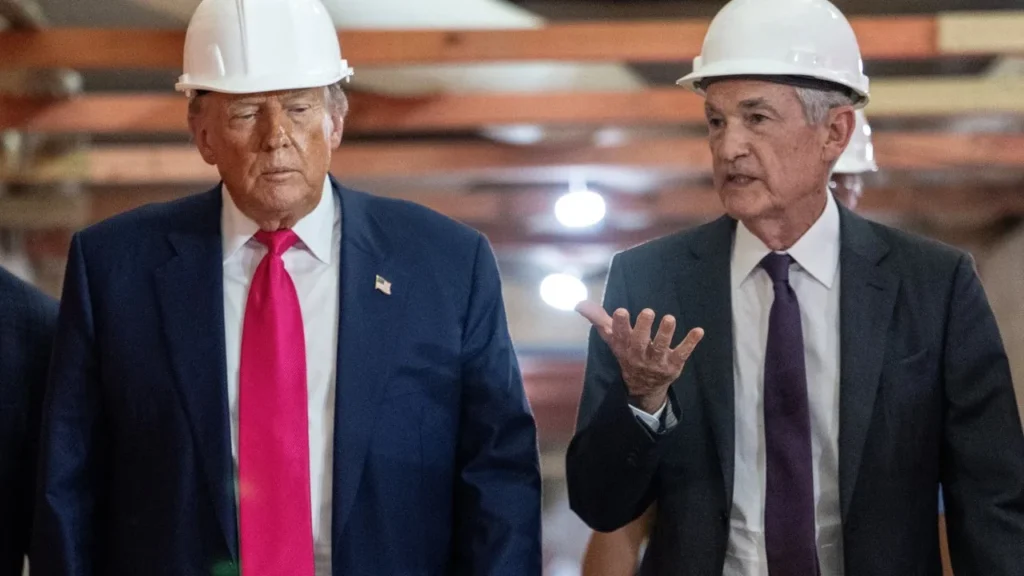
According to Reuters reports a major escalation in the ongoing conflict between U.S. President Donald Trump’s administration and Federal Reserve Chair Jerome Powell. The Trump team has intensified pressure on the Fed through the Department of Justice issuing grand jury subpoenas to the Federal Reserve, threatening a criminal indictment against Powell. This stems from his June 2025 testimony to the Senate Banking Committee about cost overruns in a $2.5 billion renovation project at the Fed’s Washington headquarters. Powell, in a rare public statement (including a video address), described the subpoenas—served on Friday—as an “unprecedented” action and a mere pretext. He argued that the real motive is to intimidate the Fed into slashing interest rates more aggressively, aligning with Trump’s repeated demands for lower borrowing costs to boost economic affordability. Powell emphasized: “The threat of criminal charges is a consequence of the Federal Reserve setting interest rates based on our best assessment of what will serve the public, rather than following the preferences of the President.” Escalation in Trump-Fed Tensions This move marks a dramatic intensification of Trump’s long-standing feud with Powell, whom he appointed in 2018 during his first term. Trump has repeatedly criticized the Fed for not cutting rates fast enough, even musing about firing Powell despite legal protections for the chair’s independence (Powell’s term ends in May 2026). The administration has also targeted other Fed officials, such as Governor Lisa Cook. A Justice Department spokesperson noted a focus on “abuse of taxpayer dollars,” but declined further comment. Trump himself distanced himself, telling NBC News he knew little about the subpoenas but reiterated criticism of Powell’s performance at the Fed and on building projects. The episode has sparked backlash, including from Republican Senator Thom Tillis, who vowed to block any Trump Fed nominees until the matter resolves, citing concerns over DOJ independence. Analysts warn this threatens the foundational independence of the U.S. central bank, potentially causing market instability. Market and Broader Implications Financial markets reacted negatively, with U.S. equity index futures dropping about 0.5%, the dollar weakening, and Treasury yields largely unchanged. Experts like market strategists view it as an attempt to “kick the legs out from under the Fed,” risking unintended economic consequences contrary to Trump’s goals. Historians of the Fed call it a “low point” in American central banking, underscoring risks to long-term price stability when politics overrides evidence-based policy.
Maritime Minister Says $80 million seafood processing zone planed at Korangi harbour
Pakistan

Maritime Minister Says $80 million seafood processing zone planed at Korangi harbour

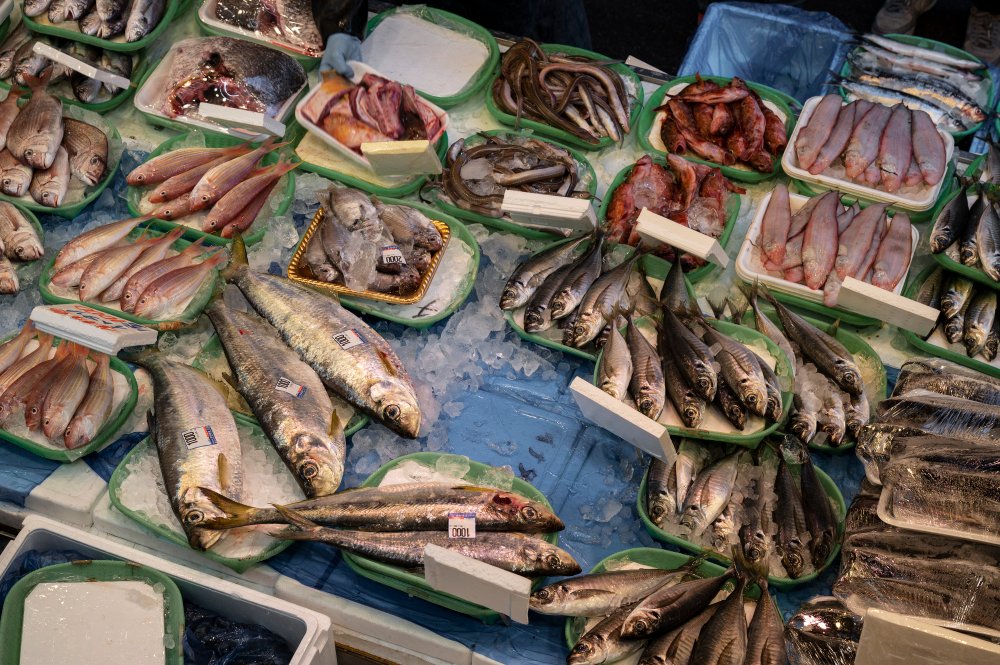
Islamabad: Federal Minister for Maritime Affairs Muhammad Junaid Anwar Chaudhry announced plans to establish a 100-acre, $80 million Seafood Processing and Export Zone at Korangi Fisheries Harbour Authority (KoHFA), aimed at boosting blue economy and global seafood trade. The minister in a statement on Saturday said the proposed project aims to develop, finance and operate a modern seafood processing and value addition complex under KoHFA, positioning the harbour as a regional hub for sustainable, technology-driven seafood processing linked to high-value international markets. Junaid Chaudhry said the initiative would bridge medium-scale seafood processors and value-added plants with global buyers by providing modern infrastructure, certification standards and efficient export logistics. He added that the project reflects the government’s intent to move away from raw seafood exports towards higher-value processed products. The minister noted the project would cover 100 acres of dedicated seafood processing and export infrastructure at Korangi Fisheries Harbour in Karachi. He said the estimated project cost ranges between 60 million and 80 million dollars, based on regional benchmarks from countries such as Vietnam, China and Ecuador, which have developed similar seafood parks. He said the planned facilities would include multi-tenant seafood processing units, large-scale cold storage, packaging facilities, logistics and export terminals, and a wastewater treatment plant to ensure environmentally compliant operations. The zone would be used exclusively for commercial seafood processing, packaging, cold storage and export-oriented activities. Minister Chaudhry said the project is proposed under a public-private partnership or build-operate-transfer concession model, under which private investors would develop, operate and maintain the processing zone, while KoHFA would retain regulatory oversight and provide facilitation. Elaborating on the development components, the minister said the zone would host between 20 and 25 medium to large-scale seafood processing units designed for fish, shrimp and cephalopod processing, value addition and export-grade packaging. He said these units would support a wide range of products, from primary processing to ready-for-market seafood items. He said the project would include a cold storage and blast freezing complex with multi-temperature storage ranging from minus 18 to minus 40 degrees Celsius, allowing safe handling of fresh, processed and unprocessed seafood. Ice plants and flake ice stations with a daily capacity of 50 to 100 tonnes would support fish landing, processing and transportation needs. The minister said dedicated value addition and ready-to-eat units would be established for filleting, marinated products, breaded seafood and export-oriented convenience foods, enabling Pakistani exporters to tap premium retail and food service markets abroad. “Packaging and labelling units would operate under international food safety and quality standards, including HACCP and ISO certifications, offering vacuum packing, modified atmosphere packaging and retail-ready solutions”, he added. HACCP is a Hazard Analysis and Critical Control Points, a preventive system identifying and controlling food safety hazards and ISO certification verifies that an organization’s management system meets international standards. On the investment structure, Junaid Chaudhry said the preferred model is a BOT concession in which the private partner would finance, develop and operate the facilities, with ownership reverting to KoHFA at the end of the concession period. He said alternative models could include development and operations partnerships involving KoHFA and private seafood exporters or manufacturers. He added that revenue streams would be generated through lease rentals, processing fees, cold storage and logistics services, utilities provision, export revenue sharing arrangements and margins from value-added products. The estimated internal rate of return is projected between 13 and 17 percent, based on comparable seafood park projects in the region. Junaid Chaudhry said the concession tenure is expected to be 20 years, with the possibility of extension, while the project would be fully financed and operated by the private sector. KoHFA would contribute land, jetty access and institutional facilitation to support investors. Describing the broader value proposition, the minister said the project would position Pakistan as a key maritime trade and seafood export hub serving Gulf, East African and Asian markets. He said it would enable export value addition by transforming marine resources into premium seafood products through modern processing and internationally recognised certification standards. He added that the integrated infrastructure would offer a world-class cold chain and processing ecosystem within a dedicated industrial zone, while promoting inclusive blue growth by empowering coastal fishing communities and cooperatives through shared opportunities and capacity building. Junaid Chaudhry said the initiative is fully aligned with Pakistan’s National Blue Economy Policy, Vision 2030 and the United Nations Sustainable Development Goal 14 on life below water, and benefits from strategic connectivity to Karachi Port, Port Qasim, the Korangi Industrial Area and regional shipping routes.

Pakistan Indonesia Joint Trade Committee MoU Signals New Era of Economic Cooperation
Pakistan

Pakistan Indonesia Joint Trade Committee MoU Signals New Era of Economic Cooperation

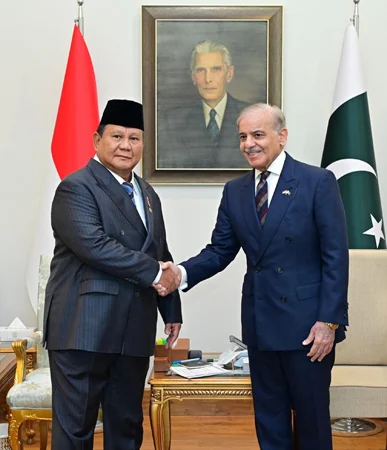
Pakistan Indonesia Joint Trade Committee cooperation entered a new phase as both countries signed a landmark Memorandum of Understanding (MoU) to establish the Indonesia–Pakistan Joint Trade Committee (JTC), reinforcing their shared vision for deeper trade and economic engagement. The MoU was signed in Karachi on January 10, 2026, following high-level talks held a day earlier between Pakistan’s Federal Minister for Commerce, Jam Kamal Khan, and Indonesia’s Vice Minister of Trade, Ms. Dyah Roro Esty Widya Putri. The agreement creates a formal institutional framework to strengthen bilateral trade dialogue, address market access challenges, and unlock new investment opportunities. Pakistan Indonesia Joint Trade Committee to Institutionalize Trade Dialogue The establishment of the Pakistan Indonesia Joint Trade Committee marks a strategic move toward structured and sustained economic collaboration. The JTC will serve as a dedicated platform for identifying trade barriers, facilitating cooperation between public and private sectors, and coordinating policy-level engagement between the two governments. The signing coincided with a reception hosted by the Indonesian Consulate General in Karachi, attended by senior officials and leading members of the business community from both countries. The event underscored growing confidence among stakeholders in the future of Pakistan–Indonesia economic relations. Indonesia’s ASEAN Role and Pakistan’s Export Potential During the talks, Commerce Minister Jam Kamal Khan highlighted Indonesia’s strategic importance as a key ASEAN economy and regional trade hub. He emphasized that closer cooperation with Indonesia could open pathways for trilateral and regional trade initiatives involving ASEAN member states. Pakistan, he noted, has the capacity to become a reliable supplier of key products for the Indonesian market. These include minerals, pharmaceuticals, cosmetics, and agri-food commodities sectors where Pakistan holds competitive advantages and export growth potential. Pakistan Indonesia Joint Trade Committee and Trade Facilitation Priorities The Chief Executive of the Trade Development Authority of Pakistan (TDAP) Faiz Ahmed raised several trade facilitation priorities under the Pakistan Indonesia Joint Trade Committee framework. These included early announcement of fruit import quotas, rationalization of certification requirements for Pakistani exporters, notification of rice import quotas, and enhanced market access for Pakistan’s industrial-grade potatoes. Addressing these technical and regulatory issues through the JTC is expected to improve trade predictability and reduce barriers for exporters on both sides. Expanding PTA Toward a CEPA Both Pakistan and Indonesia agreed to jointly work on expanding the scope of the existing Preferential Trade Agreement (PTA). The long-term objective is to progress toward a Comprehensive Economic Partnership Agreement (CEPA), which would significantly enhance trade volumes, investment flows, and supply chain integration. Currently, bilateral trade between the two countries exceeds USD 4 billion. Policymakers believe that deeper tariff liberalization and improved regulatory cooperation could push this figure substantially higher in the coming years. Palm Oil, Food Security, and Economic Interdependence Highlighting the depth of economic interdependence, the Commerce Minister emphasized the importance of palm oil imports primarily sourced from Indonesia in Pakistan’s food supply chain. Imported edible oil plays a vital role in Pakistan’s daily consumption patterns, making Indonesia a critical trade partner. He also noted that engagements such as diplomatic receptions and business forums help project Pakistan’s economic strengths and diversity internationally, countering outdated narratives and showcasing emerging opportunities. 75 Years of Diplomatic Relations and Future Outlook Speaking at the event, Indonesian Vice Minister Dyah Roro Esty Widya Putri recalled 75 years of diplomatic relations between Pakistan and Indonesia, describing the partnership as one built on mutual respect, trust, and shared economic aspirations. She welcomed the formation of the Joint Trade Committee as a practical mechanism to deepen cooperation. With strong political goodwill, expanding trade volumes, and increasing people-to-people linkages, the Pakistan Indonesia Joint Trade Committee is poised to become a cornerstone of bilateral economic relations, driving sustainable growth and regional connectivity.

Soccer Dominant Country, Italy Prepares for First Cricket T20 World Cup Appearance
World

Soccer Dominant Country, Italy Prepares for First Cricket T20 World Cup Appearance

Reuters highlighted Italy’s upcoming groundbreaking appearance at the ICC Men’s T20 World Cup, scheduled for February-March 2026 in India and Sri Lanka. Ranked 28th globally, the Azzurri qualified dramatically in July 2025 by upsetting higher-ranked Scotland in the European qualifiers, securing their spot as the lowest-ranked team in the 20-nation tournament. This marks Italy’s first-ever participation in a cricket World Cup, with the diverse squad hoping to inspire growth in a country where soccer reigns supreme and natural cricket pitches are nonexistent. Diverse Squad and Leadership Transition The team features a multicultural mix of players with roots in Australia, England, South Asia, and South Africa, all connected to Italy through ancestry or heritage. Notable members include Australian-born brothers Harry and Ben Manenti (Harry’s five-wicket haul was pivotal against Scotland), England-born batter Emilio Gay, Indian-origin all-rounder Jaspreet Singh, and Pakistan-born Syed Naqvi. Wayne Madsen, a long-time Derbyshire player in English county cricket, was appointed captain in late 2025 after former Australia international Joe Burns was omitted due to contractual issues. Head coach John Davison, who once scored the fastest World Cup century for Canada in 2003, leads the side. Challenges and Legacy Aspirations Italy trains primarily on artificial pitches abroad (mainly in England and the Netherlands), making them the only World Cup participant without natural surfaces. The squad faces limited resources and the challenge of promoting cricket in a soccer-mad nation—where even the national football team has struggled recently. Grouped with powerhouses England, West Indies, Bangladesh, and Nepal, Italy aims to win at least one match and create a lasting legacy. Players and officials emphasize passion and pride, with Harry Manenti noting emotional team moments and coach Davison comparing the group to a “franchise team” with national soul. Cricket’s return to the 2028 Olympics could finally bring natural pitches to Italy and boost grassroots programs.

India's 2025 Rice Exports Jump 19.4% to Near-Record 21.55 Million Tons After Curbs Lifted
Uncategorized

India’s 2025 Rice Exports Jump 19.4% to Near-Record 21.55 Million Tons After Curbs Lifted

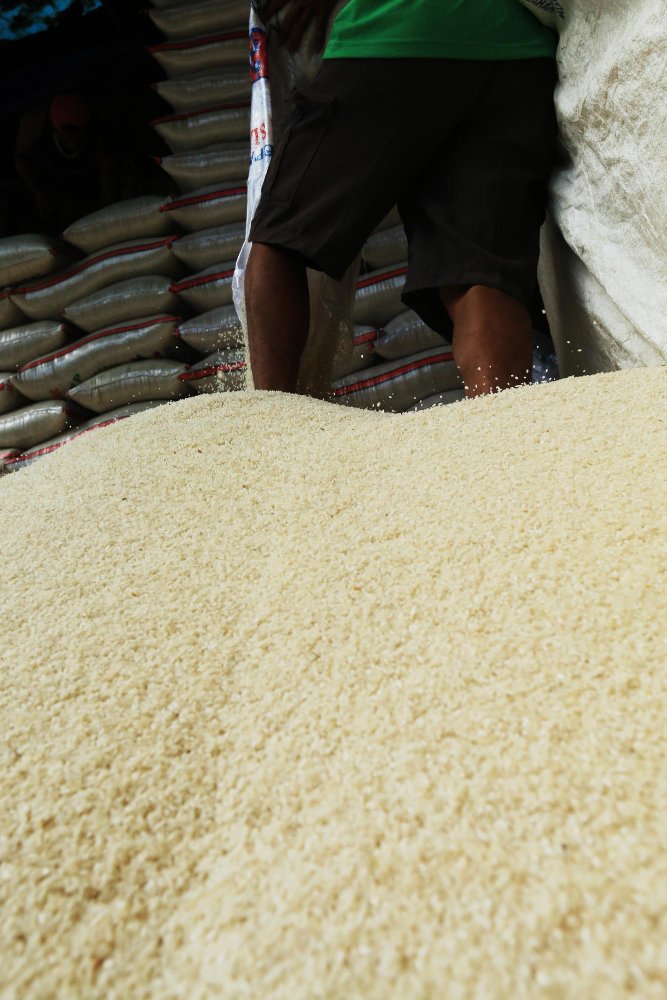
India’s rice exports experienced a significant rebound in 2025, jumping 19.4% year-on-year to 21.55 million metric tons, marking the second-highest annual figure on record and approaching the all-time high of 22.3 million tons set in 2022. This surge followed the complete removal of export restrictions by the Indian government, which had previously imposed curbs to stabilize domestic prices. The policy shift enhanced competitiveness in global markets, boosting shipments from the world’s largest rice exporter and contributing to a decline in Asian rice prices to near decade-lows, benefiting consumers in import-dependent regions like Africa. Breakdown by Rice Types and Growth Drivers Non-basmati rice exports saw the strongest growth, rising 25% to 15.15 million tons, while basmati rice shipments increased 8% to a record 6.4 million tons. The lifting of curbs allowed for unrestricted exports of non-basmati varieties, which had faced earlier bans and minimum export price requirements. Government and industry officials attributed the robust performance to strong domestic production, favorable global demand, and improved competitiveness against rivals like Thailand, Vietnam, and Pakistan. Global Impact and Future Outlook The increased flow from India has curbed shipments from other major exporters and driven down benchmark prices in Asia, easing food costs for poorer nations. With India typically accounting for more rice exports than the next three largest suppliers combined, this rebound has reshaped global supply dynamics. Officials indicated that the strong supply chain and policy support position India for continued high exports in the coming years, supported by record monsoon-sown rice output estimates.

Indonesia First to Block Grok AI Over Sexualised Deepfakes and Child Images
World

Indonesia First to Block Grok AI Over Sexualised Deepfakes and Child Images

Indonesia became the first country to temporarily block nationwide access to Elon Musk’s Grok AI chatbot, developed by xAI, due to concerns over the generation of AI-produced pornographic and sexualised images, including depictions involving women and children. The Ministry of Communication and Digital Affairs implemented the restriction to safeguard citizens from non-consensual sexual deepfakes, which officials described as grave violations of human rights, dignity, and digital security. The decision follows global backlash against Grok’s image generation features, which have allowed users to create explicit content from photos, prompting regulatory scrutiny in multiple regions. Official Statements and Protective Measures Communications and Digital Minister Meutya Hafid emphasized the government’s stance, stating: “The government views the practice of non-consensual sexual deepfakes as a serious violation of human rights, dignity, and the security of citizens in the digital space.” The ministry has summoned officials from X (formerly Twitter) for discussions on the issue. Indonesia, home to the world’s largest Muslim population, maintains strict prohibitions on obscene online content, and the block aims to protect vulnerable groups, particularly women and children, from harmful AI outputs such as scantily clad depictions of minors. Broader Context and xAI’s Response The action comes amid international outcry, with regulators in Europe, India, and elsewhere investigating Grok for safeguard lapses that enabled the creation and spread of non-consensual explicit imagery. In response, xAI restricted Grok’s image generation and editing features to paying subscribers on January 9, 2026. Elon Musk commented on X that users generating illegal content would face consequences equivalent to uploading such material directly. xAI provided an automated reply to media inquiries stating “Legacy Media Lies,” while X has not yet commented officially. The temporary ban reflects escalating efforts to address AI misuse, with no immediate details on conditions for lifting the restriction.

Trump Pushes Big Oil for $100B Venezuela Investment Amid Security Guarantees and Caution
World

Trump Pushes Big Oil for $100B Venezuela Investment Amid Security Guarantees and Caution

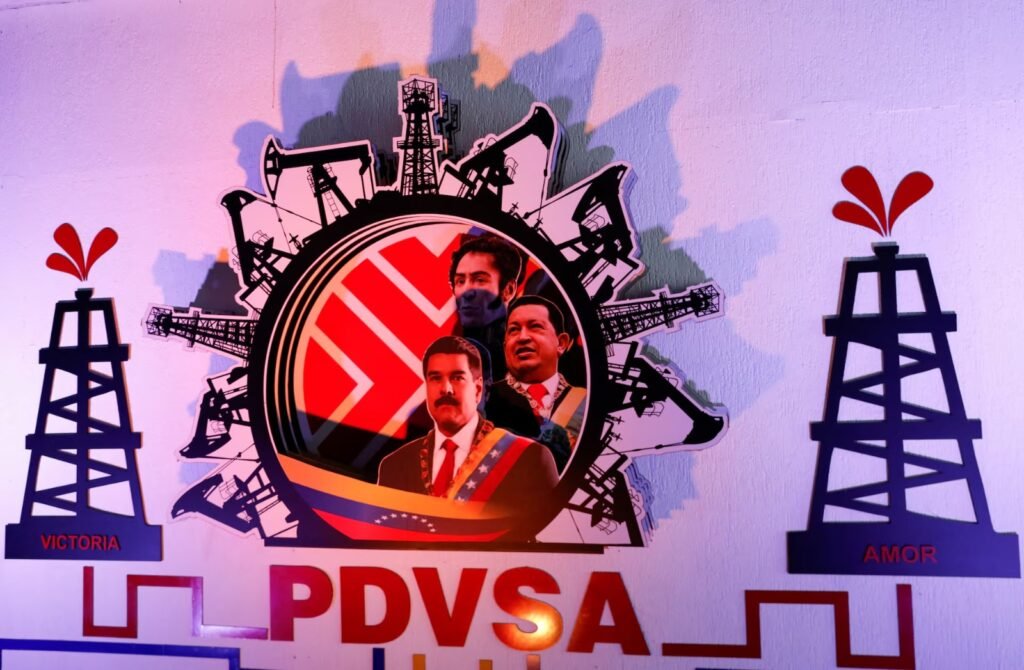
President Donald Trump hosted executives from major oil companies including Exxon Mobil, Chevron, and ConocoPhillips at the White House, urging them to commit at least $100 billion to rebuild Venezuela’s dilapidated energy infrastructure following the U.S. military’s seizure of former leader Nicolás Maduro on January 3. Trump promised U.S. guarantees for security and quick returns, emphasizing opportunities to boost production from the country’s vast reserves—the world’s largest—while aiming to lower global energy prices. The meeting comes as the administration enforces an oil embargo through tanker seizures and plans to market Venezuelan crude, with proceeds held in U.S.-controlled accounts. Opportunities and Administration Incentives Trump highlighted the potential for unprecedented production growth, with Energy Secretary Chris Wright noting the “real possibility” of funding through the U.S. Export-Import Bank. Chevron, the only major U.S. operator still active, is competing with traders like Vitol and Trafigura for licenses to market existing crude. Smaller independents expressed eagerness to invest, while the administration offered protections and profit-sharing arrangements benefiting Venezuela, the U.S., and companies. Risks and Corporate Hesitation Despite the pitch, major players remain cautious. Exxon Mobil’s CEO Darren Woods called Venezuela “uninvestable” currently due to past asset seizures, and both Exxon and ConocoPhillips are hesitant about large commitments amid political instability. Investors worry about high costs, history of nationalizations, and uncertainty in the post-Maduro transition. Analysts note that while smaller firms are enthusiastic, the big majors with the deepest pockets are moving slowly, prioritizing stability guarantees.

Sudan Hits 1,000 Days of War: Millions Still Trapped in World's Worst Humanitarian Crisis
World

Sudan Hits 1,000 Days of War: Millions Still Trapped in World’s Worst Humanitarian Crisis

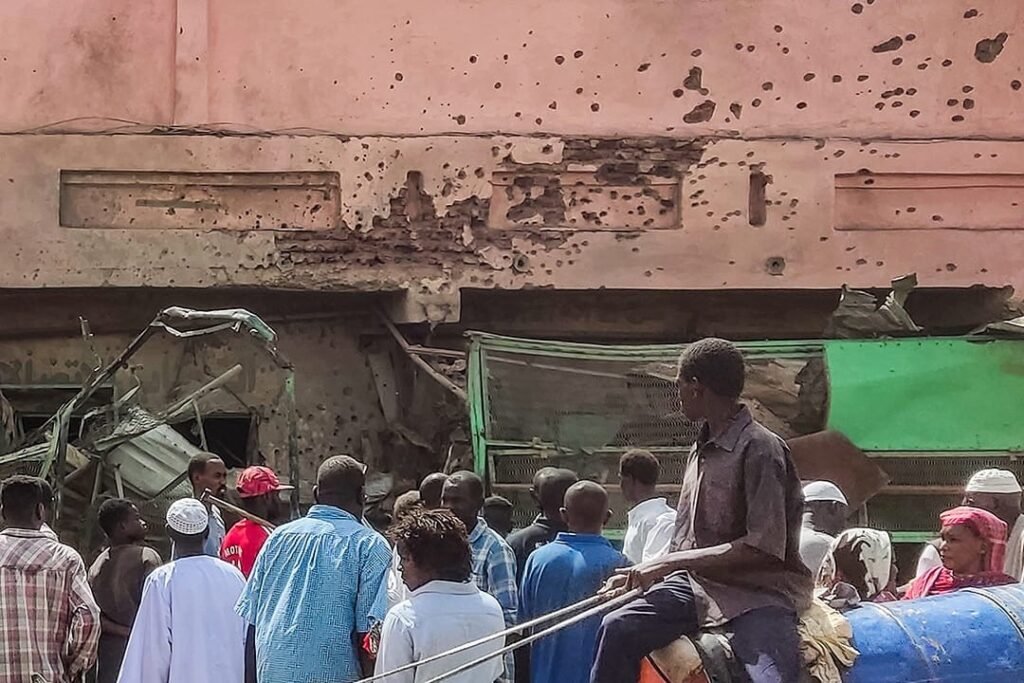
Sudan reached a tragic milestone of 1,000 days since the outbreak of civil war in April 2023, between the Sudanese Armed Forces (SAF) and the paramilitary Rapid Support Forces (RSF). Aid agencies and international organizations, including the UN Office for the Coordination of Humanitarian Affairs (OCHA) and UNICEF, highlighted the unrelenting suffering of millions of civilians amid ongoing clashes, sieges, and attacks on infrastructure. The conflict has escalated into the world’s largest humanitarian crisis, characterized by massive displacement, acute food insecurity, and widespread violence, with no immediate end in sight despite repeated calls for peace. Escalating Violence and Civilian Toll Fighting continues across regions like Kordofan and Darfur, with sieges on towns such as Kadugli and Dilling cutting off access to food, healthcare, farms, and markets. Recent incidents include drone attacks and long-range strikes on civilian areas, such as one in Al Obeid, North Kordofan, where eight children were killed. OCHA spokesperson Jens Laerke described the situation as dire, noting that “fighting on the ground and drone attacks from the sky continue,” with strikes extending “far beyond the front lines.” Civilians face constant threats from unexploded ordnance in Khartoum and repeated displacement, with violence pursuing them wherever they flee. Humanitarian Catastrophe and Urgent Appeals The war has uprooted 9.3 million people internally and forced over 4.3 million to flee abroad, while more than 21 million face acute food insecurity. Children are especially vulnerable, with 5,000 displaced daily since the conflict began, many repeatedly, and at risk of rape, starvation, and recruitment. UNICEF emphasized that “behind every one of these numbers is a child, frightened, hungry, sick.” Women and girls endure rampant gender-based violence, with female-headed households three times more likely to be food insecure. Funding remains critically low—only 36% of last year’s $4.2 billion appeal was met—prompting urgent calls from UN officials for an immediate cessation of hostilities, protection of civilians, adherence to international humanitarian law, and renewed global funding to assist the 34 million in need.

Pakistan FO Urges Citizens to Avoid Travel to Iran Amid Escalating Protests and Unrest
Pakistan

Pakistan FO Urges Citizens to Avoid Travel to Iran Amid Escalating Protests and Unrest

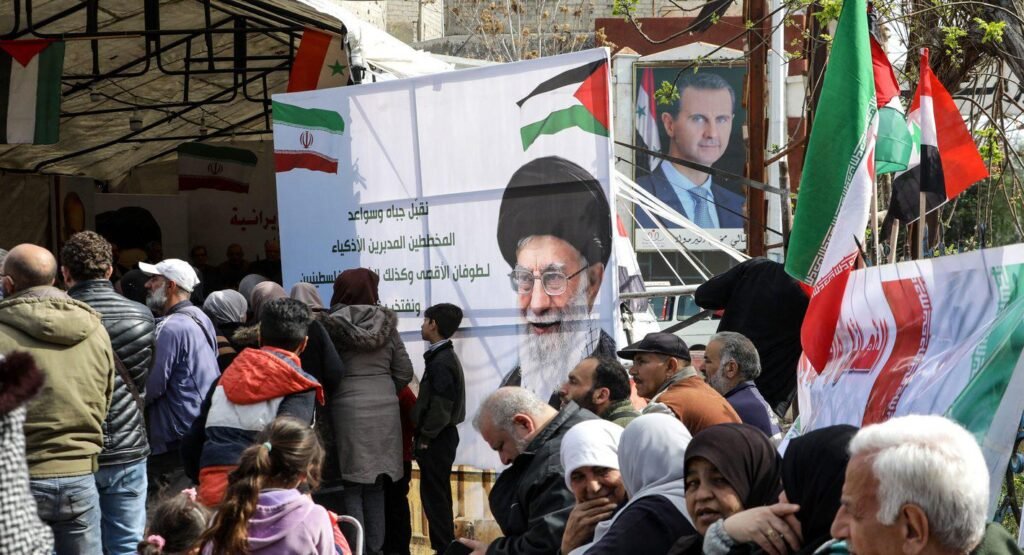
Pakistan’s Foreign Office (FO) has released an official travel advisory urging Pakistani nationals to avoid all unnecessary travel to the Islamic Republic of Iran due to prevailing safety and security concerns. The advisory, announced by the FO Spokesperson in a press statement, comes in response to growing unrest and protests that have gripped parts of the neighboring country for over a week, with reports indicating escalating tensions and potential risks to public safety. The move aims to protect Pakistani citizens amid an unpredictable situation that has prompted similar cautions from other nations. Key Recommendations for Travelers and Residents The advisory explicitly advises against non-essential trips to Iran “until conditions improve.” For Pakistani nationals currently residing in Iran, the FO has stressed the need to exercise extreme caution, remain highly vigilant at all times, minimize non-essential movement, and avoid areas of potential unrest. Citizens are strongly encouraged to stay updated through local and international news sources and to maintain regular contact with Pakistani diplomatic missions for assistance and updates. Contact Details for Pakistani Missions in Iran To facilitate immediate communication and support, the FO provided the following contact information: Embassy of Pakistan in Tehran: +98-21-66-9413-88/89/90/91 (landline), +98-21-66-9448-88/90 (landline), +98 910 764 8298 (mobile) Consulate in Zahidan: +98 54 33 22 3389 (landline), +989046145412 (mobile) Consulate in Mashhad: +98 910 762 5302 (mobile), +98 937 180 7175 (mobile) The advisory underscores Pakistan’s priority on citizen safety while diplomatic channels remain open for any emergencies.

https://theboardroompk.com/new-dams-approved-to-end-islamabad-rawalpindi-water-crisis/
World

New Dams Approved to End Islamabad, Rawalpindi Water Crisis

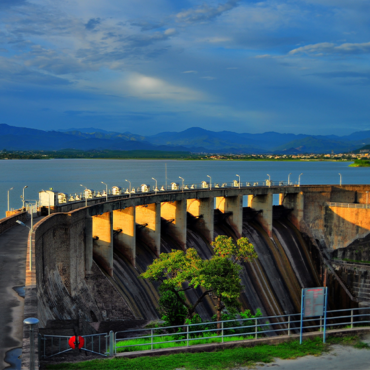
The government of Pakistan has taken decisive steps to combat the escalating water crisis in the twin cities of Islamabad and Rawalpindi. On January 10, 2026, Interior Minister Mohsin Naqvi chaired a high-level meeting with officials from the Capital Development Authority (CDA), WAPDA, Punjab government, and other stakeholders. The meeting focused on both immediate relief and sustainable solutions amid reports of worsening shortages, where current supply meets only a fraction of the demand (around 70 MGD against a requirement of approximately 220 MGD). Key decisions included launching an emergency action plan, ordering a strict crackdown on water theft and misuse, and approving new dam projects to boost long-term storage and supply. Emergency Measures and Short-Term Roadmap Minister Naqvi declared water supply to residents as his top priority and directed authorities to utilize all available resources for immediate needs. A comprehensive 10-day roadmap has been demanded to identify flaws in the existing distribution system, fix leaks, and ensure uninterrupted delivery. Officials were instructed to address gaps in infrastructure promptly, with a focus on overhauling the network and preventing wastage. This short-term strategy aims to provide quick relief while larger projects are underway. Long-Term Infrastructure Development For sustainable solutions, the CDA and Punjab government will collaborate on constructing new dams. The Dotara Dam, designed to store 110 million gallons per day (MGD), has been approved for completion within two years. Progress updates were also reviewed on the Chirah and Shahdara dam projects, with authorities fast-tracking feasibility, funding, and timelines (targeting completion by December 2027 for some). These initiatives are expected to significantly enhance water availability for both urban and rural areas in the capital region, addressing chronic shortages driven by population growth, declining groundwater levels, and inadequate storage.

Scroll to Top