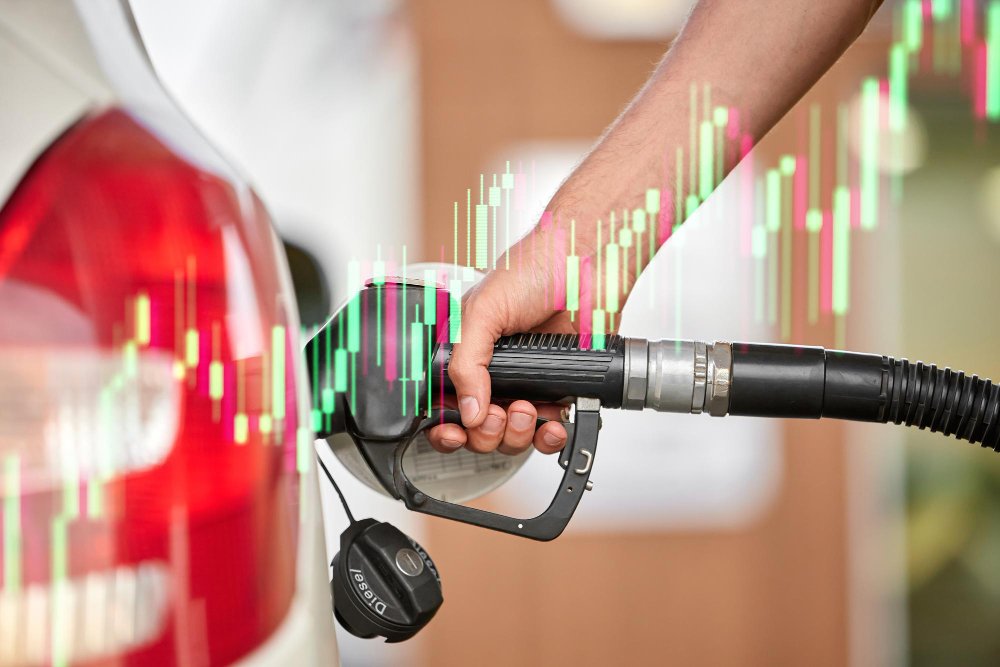
US-Iran tensions

Govt May Revive Fuel Subsidy Mechanism if Middle East Tensions Persist
Editor pick

Govt May Revive Fuel Subsidy Mechanism if Middle East Tensions Persist

The government has indicated that it may revive the fuel subsidy mechanism within days if renewed tensions in the Middle East continue to push global oil prices higher. While acknowledging the financial strain on consumers, officials also reaffirmed their commitment to petroleum price deregulation, saying the policy remains essential under Pakistan’s ongoing IMF programme. Subsidy Could Return “In a Few Days” Petroleum Minister Ali Pervaiz Malik said the government was prepared to reintroduce a targeted fuel subsidy mechanism if the current geopolitical situation did not improve soon. Speaking to journalists after attending a meeting of the Senate Standing Committee on Petroleum, Malik recalled that the prime minister had previously allocated Rs130 billion in fuel subsidies before provincial governments joined the initiative to help cushion the impact of rising fuel prices. He said the government fully understood the challenges facing ordinary Pakistanis but stressed that lasting relief would depend on an easing of global oil prices once tensions in the Middle East subsided. Fiscal Constraints Limit Government Options Malik said Pakistan’s commitments under the International Monetary Fund (IMF) programme had significantly reduced the government’s fiscal flexibility. He explained that recovering the actual cost of petroleum products from consumers remained the only sustainable option, warning that artificially suppressing prices would simply transfer the financial burden elsewhere. Defending the newly introduced daily petroleum pricing mechanism, the minister said it was designed to improve transparency and reduce sudden price shocks by gradually reflecting changes in international oil markets. He added that the Oil and Gas Regulatory Authority (Ogra) had published its pricing methodology to ensure greater public transparency. Senate Committee Debates Daily Pricing System During the Senate Standing Committee meeting chaired by Senator Umer Farooq, lawmakers expressed mixed views over the new daily pricing mechanism. While Senator Amir Chishti supported the policy, Senator Saifullah Abro criticised it, describing it as “slow poison” for consumers. Responding to concerns about replacing the previous fortnightly pricing system, Malik said the government had depoliticised fuel pricing by empowering Ogra to independently determine petroleum prices based on international market movements. Ogra Chairman Nabeel Awan explained that prices are calculated using a seven-day rolling average of Platts international benchmarks, allowing fluctuations to be absorbed more gradually and reducing volatility caused by geopolitical events such as the ongoing US-Iran conflict. Dealers Raise Operational Concerns Members of the Senate committee also questioned the heavy tax burden on petroleum products. Representatives of the Petroleum Dealers Association told lawmakers that frequent daily price revisions had created operational difficulties for fuel stations across the country. The committee directed Ogra to engage with petroleum dealers and other stakeholders to develop practical solutions that minimise disruption while maintaining transparency. Government Reviews Petroleum Pricing Reforms Separately, a government committee headed by Petroleum Minister Ali Pervaiz Malik reviewed the implementation of the daily pricing system. According to an official statement, the committee appreciated the pricing framework and its objective of improving transparency while limiting price volatility. Consulting firm KPMG also presented a comparative study of petroleum pricing and taxation models adopted by regional countries. The minister instructed oil marketing companies (OMCs) to accelerate the end-to-end digitisation of Pakistan’s petroleum supply chain in accordance with directives previously issued by the prime minister. Petroleum Sector Reforms Continue The committee also reviewed the moratorium on new oil marketing companies and discussed its implications for competition and future investment. Officials agreed that the Inland Freight Equalisation Margin (IFEM) mechanism requires a comprehensive review, particularly if petroleum price deregulation moves forward. The issue of a windfall tax also came under discussion, with the Finance Division, Federal Board of Revenue (FBR), and Petroleum Division directed to submit a joint report at the next meeting. The government said consultations would continue as it develops a broader roadmap for petroleum sector reforms focused on transparency, competition and consumer protection. Conclusion While the government remains committed to petroleum price deregulation, it has left the door open for the temporary revival of the fuel subsidy mechanism if Middle East tensions continue to drive global oil prices higher. However, with Pakistan operating under IMF fiscal constraints, any subsidy is likely to be targeted and implemented with provincial support rather than through broad-based price controls.
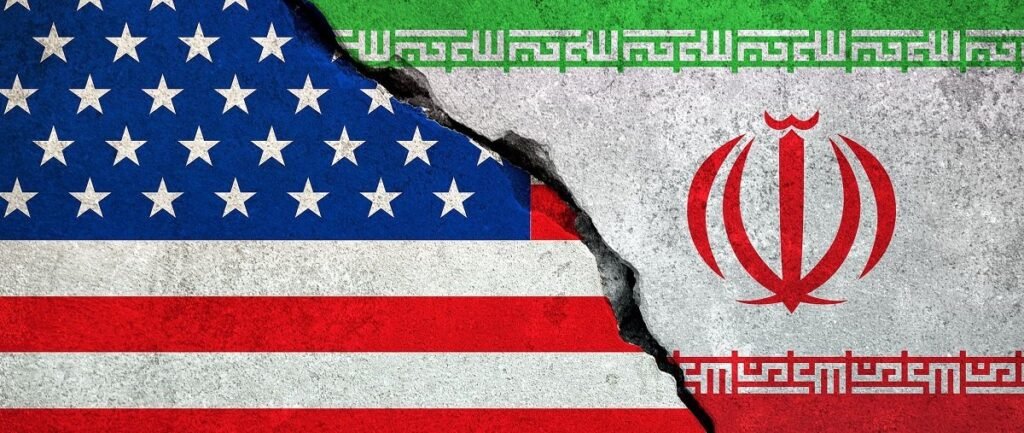
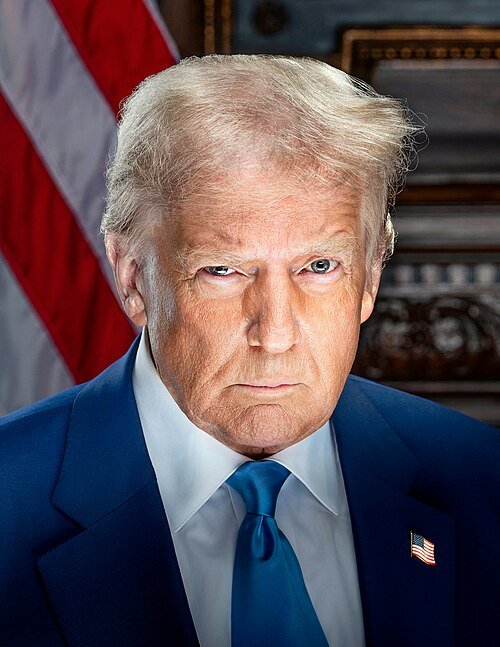
US-Iran Tensions Escalate: Trump Threatens Power Plant Strikes Amid Hormuz Crisis
Uncategorized

US-Iran Tensions Escalate: Trump Threatens Power Plant Strikes Amid Hormuz Crisis

Trump Warns of Expanded Military Action Against Iran US President Donald Trump has warned of expanded military action against Iran, including potential strikes on power plants and bridges, unless Tehran returns to negotiations. The warning comes as the United States resumes a naval blockade of Iranian ports and carries out additional military strikes. According to President Trump, the coming week could see intensified pressure on Iran if diplomatic efforts fail to produce results. He said critical infrastructure, including power plants and bridges, could become targets as part of Washington’s strategy to compel Tehran to negotiate. Threats to Energy Infrastructure Raise Regional Concerns Trump’s remarks were made during a recent interview as military operations in the region continued to intensify. The comments have heightened concerns over the security of Iran’s energy infrastructure and the potential for a broader regional conflict that could further disrupt global oil supplies. Analysts warn that attacks on key infrastructure could significantly increase geopolitical risks and place additional pressure on international energy markets. Hormuz Blockade and Shipping Risks Intensify Iran has responded by warning that it could block additional strategic seaways beyond the Strait of Hormuz if military pressure continues. Meanwhile, Iranian-linked vessels have reportedly moved through the Strait of Hormuz ahead of the renewed US naval blockade. The latest developments mark a significant escalation in US-Iran tensions, raising concerns over the security of one of the world’s most important maritime oil routes. Market participants are closely monitoring tanker movements and shipping activity for any signs of disruption to global crude oil supplies. Regional Conflict Fuels Global Energy Market Uncertainty The United States has carried out multiple consecutive nights of strikes targeting Iranian positions, while Tehran has also launched attacks on neighbouring areas, adding to regional instability. For countries such as Pakistan, which rely heavily on imported petroleum products and overseas remittances, prolonged disruption in the Strait of Hormuz could increase fuel import costs, worsen inflationary pressures and affect economic stability. Earlier expectations of easing tensions following discussions between Washington and Tehran have now been replaced by renewed uncertainty surrounding the region. Markets Monitor Oil Prices and Supply Chain Risks President Trump has described the renewed blockade and military operations as part of a maximum-pressure strategy designed to bring Iran back to the negotiating table. The administration has linked its actions to concerns over maritime security and broader regional stability. Iran’s warning that it could restrict additional export corridors has further increased concerns about international trade routes that are critical for global energy exports. Reports of vessels attempting to transit the area before the full implementation of the blockade have added to market uncertainty. Oil markets have already experienced heightened volatility following previous escalations, and analysts caution that any disruption to shipping through the Strait of Hormuz could trigger further increases in crude oil prices. Businesses in Pakistan, particularly those dependent on imported raw materials or international shipping routes, are being advised to closely monitor developments for potential supply chain disruptions. Diplomatic Outlook Remains Uncertain The situation remains highly fluid, with diplomatic efforts showing little sign of immediate progress. As both Washington and Tehran maintain firm positions over the Strait of Hormuz and regional security, global markets will continue to watch for further military developments and their impact on energy supplies and international trade.

Trump Warns Iran of ‘Complete Decimation’ Over Assassination Threats
Editor pick

Trump Warns Iran of ‘Complete Decimation’ Over Assassination Threats

US President Donald Trump on Friday warned that the United States would “completely decimate” Iran if it attempted or carried out an assassination against the sitting US president. The remarks, made on his social media platform Truth Social, come amid ongoing tensions between Washington and Tehran and follow recent reports of alleged threats against Trump. Trump Issues Strong Warning to Iran In a post on Truth Social, Trump said Iran would face devastating military consequences if it acted on what he described as assassination threats directed at the US president. He claimed that “1,000 missiles are locked and loaded” and aimed at Iran, adding that thousands more would immediately follow if any assassination attempt were carried out. Trump also stated that military orders had already been issued and that US forces would remain prepared to respond for up to one year, with the option of extending that timeframe if necessary. Trump Threatens Overwhelming Military Response According to Trump, the United States military stands “ready, willing, and able” to launch a large-scale response if Iran were to target the US president. He warned that any assassination attempt would trigger an immediate military retaliation and said the United States would “completely decimate and destroy all areas of Iran.” However, Trump did not provide evidence to support his claim that Iran was actively planning an assassination attempt. US-Iran Tensions Remain High Relations between the United States and Iran have remained strained for years over issues including regional security, economic sanctions, Iran’s nuclear program, and military confrontations across the Middle East. Trump’s latest statement adds to the escalating rhetoric between the two countries and is expected to draw international attention as governments continue monitoring developments affecting regional stability. No Immediate Response from Iran At the time of publication, neither the Iranian government nor US national security officials had issued an immediate public response to Trump’s latest remarks. The statement comes as geopolitical tensions in the Middle East remain elevated, with policymakers and global markets closely watching developments between Washington and Tehran.

Scroll to Top