
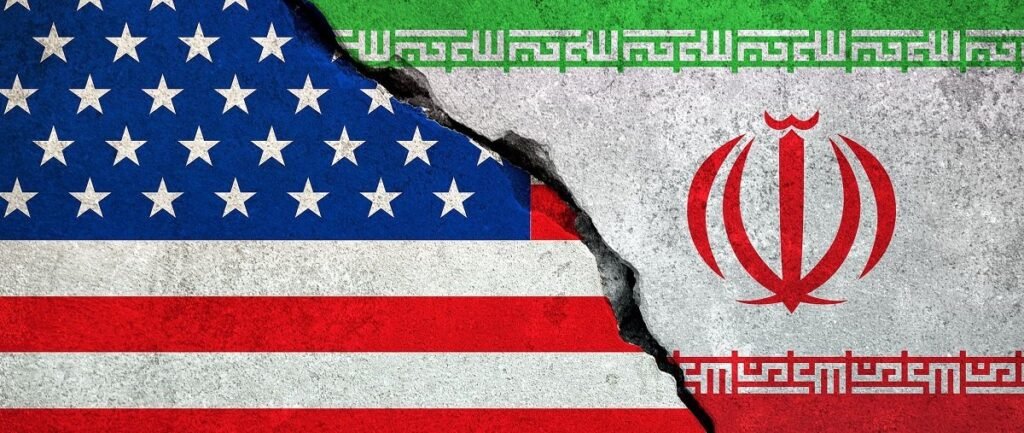
Trump Warns of Expanded Military Action Against Iran
US President Donald Trump has warned of expanded military action against Iran, including potential strikes on power plants and bridges, unless Tehran returns to negotiations. The warning comes as the United States resumes a naval blockade of Iranian ports and carries out additional military strikes.
According to President Trump, the coming week could see intensified pressure on Iran if diplomatic efforts fail to produce results. He said critical infrastructure, including power plants and bridges, could become targets as part of Washington’s strategy to compel Tehran to negotiate.
Threats to Energy Infrastructure Raise Regional Concerns
Trump’s remarks were made during a recent interview as military operations in the region continued to intensify.
The comments have heightened concerns over the security of Iran’s energy infrastructure and the potential for a broader regional conflict that could further disrupt global oil supplies.
Analysts warn that attacks on key infrastructure could significantly increase geopolitical risks and place additional pressure on international energy markets.
Hormuz Blockade and Shipping Risks Intensify
Iran has responded by warning that it could block additional strategic seaways beyond the Strait of Hormuz if military pressure continues.
Meanwhile, Iranian-linked vessels have reportedly moved through the Strait of Hormuz ahead of the renewed US naval blockade.
The latest developments mark a significant escalation in US-Iran tensions, raising concerns over the security of one of the world’s most important maritime oil routes.
Market participants are closely monitoring tanker movements and shipping activity for any signs of disruption to global crude oil supplies.
Regional Conflict Fuels Global Energy Market Uncertainty
The United States has carried out multiple consecutive nights of strikes targeting Iranian positions, while Tehran has also launched attacks on neighbouring areas, adding to regional instability.
For countries such as Pakistan, which rely heavily on imported petroleum products and overseas remittances, prolonged disruption in the Strait of Hormuz could increase fuel import costs, worsen inflationary pressures and affect economic stability.
Earlier expectations of easing tensions following discussions between Washington and Tehran have now been replaced by renewed uncertainty surrounding the region.
Markets Monitor Oil Prices and Supply Chain Risks
President Trump has described the renewed blockade and military operations as part of a maximum-pressure strategy designed to bring Iran back to the negotiating table.
The administration has linked its actions to concerns over maritime security and broader regional stability.
Iran’s warning that it could restrict additional export corridors has further increased concerns about international trade routes that are critical for global energy exports.
Reports of vessels attempting to transit the area before the full implementation of the blockade have added to market uncertainty.
Oil markets have already experienced heightened volatility following previous escalations, and analysts caution that any disruption to shipping through the Strait of Hormuz could trigger further increases in crude oil prices.
Businesses in Pakistan, particularly those dependent on imported raw materials or international shipping routes, are being advised to closely monitor developments for potential supply chain disruptions.
Diplomatic Outlook Remains Uncertain
The situation remains highly fluid, with diplomatic efforts showing little sign of immediate progress.
As both Washington and Tehran maintain firm positions over the Strait of Hormuz and regional security, global markets will continue to watch for further military developments and their impact on energy supplies and international trade.