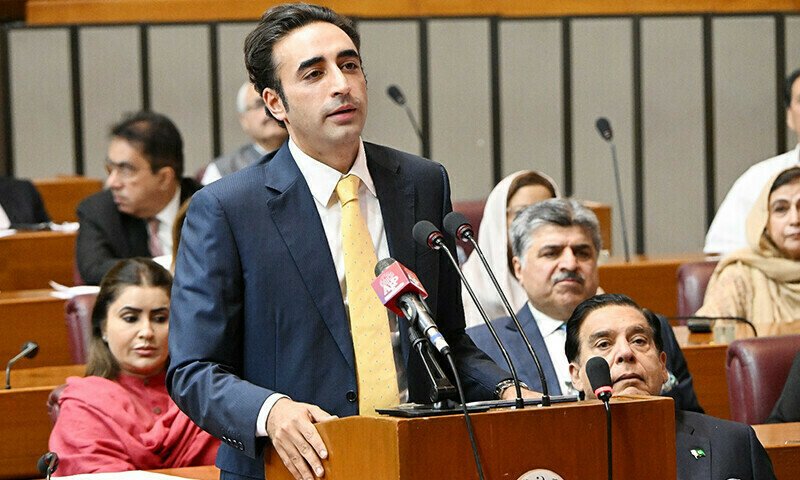
Bilawal Bhutto Zardari has said that lifting sanctions on Iran could unlock economic and strategic benefits not just for Pakistan, but for a broader global community, as Islamabad prepares to host crucial ceasefire talks between Iran and the United States. Read More: https://theboardroompk.com/pakistan-oil-gas-sector-reports-three-discoveries-in-march-2026-amid-isreal-us-war-on-iran/ Pakistan is set to play a central diplomatic role this week. Authorities have finalised all arrangements for high-stakes negotiations in Islamabad. The talks come after a fragile ceasefire between Washington and Tehran, raising cautious optimism across global markets and diplomatic circles. Pakistan Emerges as a Key Diplomatic Bridge Speaking about the upcoming dialogue, Bilawal Bhutto Zardari said the world is now increasingly looking toward Pakistan as a constructive force for peace. He stressed that Islamabad’s role goes beyond regional politics and reflects its growing importance in global diplomacy. He noted that the international community expects Pakistan to help stabilise volatile situations. According to him, hosting talks between Iran and the United States signals trust in Pakistan’s diplomatic capacity. Officials believe the Islamabad meeting could become a turning point. If successful, it may pave the way for broader agreements, including economic cooperation and regional security frameworks. Moreover, Pakistan’s involvement highlights its strategic position. It shares borders with Iran and maintains working relations with the United States. This balance places Islamabad in a unique position to mediate between both sides. Sanctions Relief Could Reshape Regional Economy Bilawal expressed strong hope that the talks would lead to the lifting of sanctions on Iran. He said such a move would not only benefit Pakistan but also contribute to global economic recovery. Sanctions have long restricted Iran’s trade, particularly in energy exports. If lifted, global oil supply could increase, potentially stabilising energy prices worldwide. For Pakistan, the benefits could be immediate. Access to Iranian energy resources could ease domestic shortages and reduce import costs. Trade routes between the two neighbours could also reopen, boosting cross-border commerce. Furthermore, regional connectivity projects could gain momentum. Economic corridors linking South Asia with the Middle East may see renewed investment. Analysts say this could reshape trade flows across the region. Bilawal emphasised that sanctions relief is not just a bilateral issue. Instead, it carries global implications, especially at a time when economies face inflationary pressures and supply chain disruptions. Strong Reaction to India’s Position While addressing foreign policy matters, Bilawal Bhutto Zardari also criticised Subrahmanyam Jaishankar, India’s External Affairs Minister. He said India’s stance reflects narrow-mindedness and frustration. According to him, such remarks reveal a limited outlook on regional cooperation. Bilawal argued that Pakistan is steadily emerging as a responsible global actor. He pointed out that constructive diplomacy, not criticism, is the need of the hour. The comments come amid ongoing tensions between Pakistan and India. Despite periodic escalations, both countries have managed to maintain ceasefire agreements in the past. Call for Long-Term Peace in South Asia Bilawal Bhutto Zardari highlighted the importance of resolving disputes between Pakistan and India. He said both nations cannot afford to leave conflicts unresolved. He noted that repeated tensions have harmed economic growth and stability in both countries. According to him, a sustained peace process is essential for long-term development. He also linked the ongoing US-Iran ceasefire talks to a broader vision of peace. He said such diplomatic efforts should serve as a starting point for resolving other conflicts. “Ceasefires must not remain temporary arrangements,” he stressed. “They should lead to lasting solutions.” Analysts agree that economic pressures are pushing countries toward dialogue. Rising inflation, energy shortages, and security concerns have increased the urgency for peaceful resolutions. Global Attention on Islamabad Talks The Islamabad talks have drawn international attention. Diplomats, policymakers, and investors are closely watching the outcome. A successful negotiation could strengthen Pakistan’s image as a mediator. It could also encourage future diplomatic initiatives hosted by Islamabad. On the other hand, failure to reach consensus may prolong uncertainty. This could impact global markets, particularly energy prices. Still, optimism remains. The recent ceasefire between Iran and the United States has created a window of opportunity. Experts say sustained dialogue is key to turning that opportunity into a lasting agreement. As talks begin, Pakistan stands at the center of a critical diplomatic moment. The outcome may influence not just regional stability but also global economic trends in the coming months.