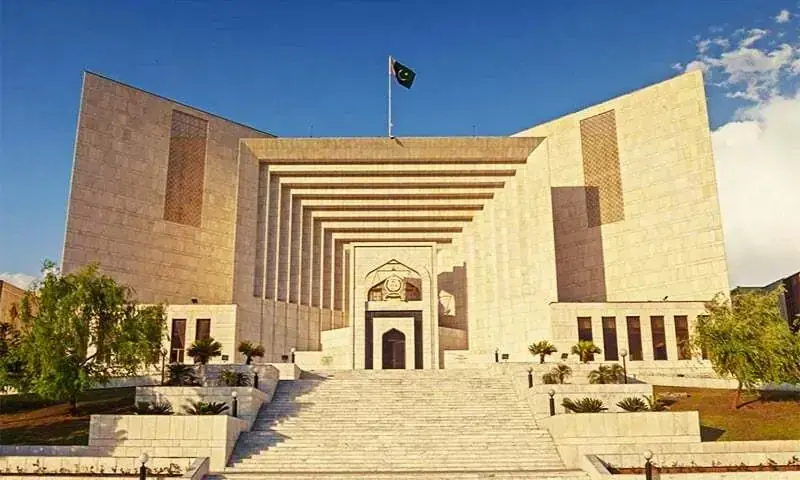
Pakistan Stock Exchange

TRG Supreme Court Appeal Ends in Major Blow for Company
Pakistan

TRG Supreme Court Appeal Ends in Major Blow for Company

The TRG Supreme Court Appeal has ended in a dramatic setback for TRG Pakistan Limited after the Supreme Court of Pakistan dismissed appeals challenging the cancellation of Greentree Holdings’ 30% shareholding in the company. The verdict has triggered serious debate across Pakistan’s corporate and technology sectors. Investors, analysts, and governance experts are now questioning how the ruling could reshape shareholder control, foreign investment confidence, and the future direction of one of Pakistan’s most watched tech-linked firms. The decision also sparked concerns about broader governance risks linked to Pakistan’s business environment at a time when the country is trying to attract international capital into emerging sectors. TRG Supreme Court Appeal Dismissed After Months of Legal Battle According to disclosures sent to the Pakistan Stock Exchange, the apex court dismissed appeals filed by TRG Pakistan Limited, The Resource Group International Limited, and Greentree Holdings Limited. The appeals were filed against a June 2025 ruling by the Sindh High Court that cancelled Greentree Holdings’ 30% stake in TRG Pakistan. In its short order, the Supreme Court stated that all parties had already presented arguments and the petitions were converted into appeals before being dismissed. The ruling instantly became one of the most talked-about corporate legal developments in Pakistan’s capital markets this year. Why the TRG Supreme Court Appeal Matters The significance of the TRG Supreme Court Appeal goes far beyond a courtroom dispute. TRG Pakistan’s most valuable asset is its stake in The Resource Group International Limited, where it reportedly holds nearly 45% voting power. This means any major change in TRG Pakistan’s shareholding structure could directly affect voting control, board influence, and strategic decisions across the wider TRG ecosystem. TRG International warned that the cancellation of Greentree’s shares could materially alter voting dynamics and potentially increase the influence of Zia Chishti within the broader corporate structure. The company described the situation as a possible threat to governance stability and stakeholder confidence. Foreign Investment Concerns Deepen After TRG Supreme Court Appeal One of the strongest reactions came from TRG International, which claimed the ruling could negatively impact perceptions about Pakistan’s investment climate. The Washington-based company stated that nearly $90 million invested into Pakistan through Greentree Holdings now appears at risk. The company further argued that the decision may conflict with established corporate jurisprudence principles and could create uncertainty for foreign investors considering Pakistan’s technology and startup sectors. This concern arrives at a sensitive moment for Pakistan’s economy, where authorities are aggressively seeking foreign direct investment to stabilize growth and support digital transformation initiatives. Market observers believe the case may become a reference point for future debates on shareholder protections and corporate governance standards in Pakistan. Zia Chishti Factor Adds More Drama to TRG Supreme Court Appeal The controversy surrounding Zia Chishti has added another layer of intensity to the legal dispute. TRG International claimed that any renewed association of Chishti with TRG-related entities could create reputational and governance risks for stakeholders and portfolio companies. The company also disclosed that shares held by Chishti in TRG International were placed into receivership earlier this year under an order issued by the Supreme Court of Bermuda. At the same time, TRG International emphasized that it has already implemented multiple governance safeguards to protect its business operations and investment portfolio regardless of developments in Pakistan. TRG Pakistan Reviewing Legal Options After Supreme Court Decision Despite the setback, TRG Pakistan Limited confirmed that it is still reviewing possible legal options with its counsel. TRG International also stated that it is waiting for the court’s detailed reasoning before deciding its next strategic and legal steps. The company maintained that it would continue pursuing all lawful measures to protect its investments, employees, and portfolio companies globally. For investors, however, uncertainty remains high. The case has now evolved from a shareholder dispute into a broader test of investor confidence, governance credibility, and legal predictability in Pakistan’s evolving technology sector. Analysts say the final detailed judgment in the TRG Supreme Court Appeal could become critical for determining the future direction of TRG Pakistan and investor confidence in Pakistan’s corporate landscape.
SECP Approves IPOs of Sitara Petroleum and LSE SPAC-I, PSX Listings Expand
Business

SECP Approves IPOs of Sitara Petroleum and LSE SPAC-I, PSX Listings Expand

Pakistan’s capital market witnessed fresh momentum as the Securities and Exchange Commission of Pakistan (SECP) approves initial public offerings (IPOs) of two new companies, signaling growing investor confidence and increased corporate participation. The Securities and Exchange Commission of Pakistan on Wednesday granted approval for the IPOs of Sitara Petroleum Service Limited and LSE SPAC-I. Both companies will list their shares on the Pakistan Stock Exchange, according to an official press release. With these approvals, the total number of IPOs in the fiscal year 2025–26 has now reached 11, reflecting renewed activity in Pakistan’s equity market. Growing Trend of Capital Market Funding The latest development highlights a rising trend where companies prefer the stock market to raise capital for expansion and growth. The SECP approves IPOs at a time when businesses are actively seeking alternative financing channels beyond traditional banking systems. Officials noted that this trend is opening new investment avenues for individuals and institutions. It also indicates improving confidence in regulatory frameworks and market transparency. The SECP has allowed both companies to issue and publish their prospectuses. This step clears the way for their public offerings and formal entry into the market. SECP Urges Investor Caution While approving the IPOs, the SECP advised investors to carefully review the prospectuses before making investment decisions. The regulator emphasized the importance of informed investing in a dynamic market environment. Authorities reiterated their commitment to maintaining a transparent and investor-friendly system. The SECP approves IPOs under strict regulatory oversight to ensure fairness and accountability in the process. Sitara Petroleum IPO Details Sitara Petroleum Service Limited operates in Pakistan’s energy sector. The company is involved in fuel trading, retail operations, and transportation services. It functions as a dealer of gas and oil across various regions. As part of the SECP approves IPOs initiative, Sitara Petroleum will offer 168 million ordinary shares. The company will use the book-building method for price discovery and allocation. The offering represents 16.66 percent of its post-IPO paid-up capital. Of the total shares, 75 percent will go to institutional investors and high-net-worth individuals. The remaining 25 percent will be available for retail investors. This structure aims to balance participation between large investors and the general public. LSE SPAC-I The second company approved under the SECP approves IPOs framework is LSE SPAC-I. It marks a significant milestone as Pakistan’s first Special Purpose Acquisition Company (SPAC) under the public offering regime. SPACs are investment vehicles that raise funds through IPOs to acquire or merge with other companies. LSE SPAC-I plans to use its proceeds for strategic acquisitions within a three-year period. The company intends to acquire a 19.04 percent stake in Ningbo Green Light Energy Limited. This move indicates a cross-border investment strategy aimed at expanding into the energy sector. IPO Structure of LSE SPAC-I LSE SPAC-I will offer 5 million shares to the public. Unlike Sitara Petroleum, it will adopt a fixed price method for its IPO. This simpler pricing mechanism allows investors to subscribe at a predetermined price. It also reflects the unique nature of SPAC structures, which differ from traditional operating companies. The SECP approves IPOs of such innovative financial vehicles to diversify the investment landscape and attract new types of investors. Boost for Pakistan’s Equity Market Market analysts view the latest approvals as a positive signal for Pakistan’s financial ecosystem. The increasing number of IPOs indicates a shift toward capital market-based financing. The SECP approves IPOs at a time when the government is encouraging private sector growth and investment. More listings on the stock exchange can improve liquidity, transparency, and corporate governance. Investors also benefit from a wider range of opportunities, enabling them to diversify their portfolios. Strengthening Investor Confidence The steady flow of IPOs reflects strengthening investor confidence in Pakistan’s regulatory and financial systems. The SECP’s proactive approach plays a key role in building trust among stakeholders. By ensuring compliance and transparency, the regulator aims to protect investor interests while promoting market development. The SECP approves IPOs process also supports economic growth by channeling funds into productive sectors. IPO Activity Set to Accelerate Experts expect more companies to enter the market in the coming months. The success of recent IPOs may encourage other firms to consider public listings. With improved regulations and investor awareness, Pakistan’s stock market could witness sustained growth in the IPO segment. The approval of Sitara Petroleum and LSE SPAC-I represents another step toward a more vibrant and inclusive financial market.

HUBCO Profit Declines Despite Strong Operations Amid Rising Taxes
Business, Editor pick

HUBCO Profit Declines Despite Strong Operations Amid Rising Taxes

Pakistan’s largest Independent Power Producer, Hub Power Company Limited, reported a slight HUBCO profit decline in the third quarter of fiscal year 2025–26, as higher taxation and reduced revenues offset gains from operations and other income. According to a notice submitted to the Pakistan Stock Exchange on Wednesday, the company posted a consolidated profit of Rs12.13 billion for the quarter ending March 31, 2026. This reflects a nearly 3 percent drop compared to Rs12.48 billion recorded in the same period last year. Earnings and Dividend Announcement The HUBCO profit decline also impacted earnings per share (EPS), which fell to Rs8.33 from Rs8.51 in the corresponding period of the previous year. Despite the dip in profit, the company announced a strong interim dividend. HUBCO declared a cash dividend of Rs5 per share (50 percent) for the third quarter. This comes in addition to the earlier interim dividend of Rs10 per share (100 percent), signaling continued returns for shareholders. Revenue and Profit Margins Under Pressure The HUBCO profit decline comes amid a reduction in revenue from contracts with customers. The company’s consolidated revenue dropped nearly 4 percent to Rs16.5 billion in 3QFY26, compared to Rs17.1 billion in the same period last year. Meanwhile, the cost of revenue saw a modest decline of 2 percent, reaching Rs9.86 billion. However, the decrease in costs was not enough to offset the drop in revenue. As a result, HUBCO’s gross profit fell by 5 percent to Rs6.6 billion. The profit margin also slightly narrowed to 40.1 percent, compared to 40.9 percent in the previous year. Strong Growth in Other Income Despite the HUBCO profit decline, the company recorded a significant increase in other income. This segment surged by nearly 146 percent, reaching Rs3.96 billion compared to Rs1.61 billion last year. This sharp rise provided a cushion against declining revenues and highlights the company’s diversified income streams. Operational Performance Improves HUBCO’s core operations showed resilience during the quarter. Profit from operations increased by 18 percent to Rs9.85 billion, reflecting improved efficiency and cost management. The company also benefited from a reduction in financial expenses. Its cost of finance dropped by over 28 percent to Rs2.1 billion, easing pressure on overall profitability. Additionally, the company earned Rs11 billion from its share of profits in associates and joint ventures, marking an 8 percent increase. These gains contributed positively despite the overall HUBCO profit decline. Pre-Tax Profit Rises Sharply Interestingly, HUBCO’s profit before taxation increased by 20 percent to Rs18.8 billion. This indicates strong underlying performance before the impact of taxation. However, the significant rise in taxes reversed much of this gain, leading to the final HUBCO profit decline for the quarter. Tax Burden Weighs on Bottom Line One of the key reasons behind the HUBCO profit decline was a sharp increase in tax expenses. The company paid Rs6.7 billion in taxes during the quarter, representing a massive 127 percent rise compared to the previous year. This surge in taxation significantly impacted net profitability and offset improvements in operational and financial performance. Analysts note that rising tax burdens remain a major concern for companies operating in Pakistan’s energy sector. The latest financial results present a mixed picture for investors. While the HUBCO profit decline may raise concerns, strong operational growth, higher other income, and reduced finance costs indicate underlying stability. The continued dividend payouts also suggest confidence from management in the company’s financial health. However, the rising tax burden and declining revenues could pose challenges in the coming quarters if not addressed. Energy Sector Challenges Continue The performance of HUBCO reflects broader challenges faced by Pakistan’s power sector. Issues such as regulatory pressures, fluctuating demand, and financial constraints continue to affect profitability. Despite these challenges, HUBCO remains a key player in the country’s energy landscape. Its diversified operations and strategic investments provide some resilience against sector-wide difficulties.

Pakistan Stock Exchange Rally Gains Momentum as Investors Turn Bullish
Business

Pakistan Stock Exchange Rally Gains Momentum as Investors Turn Bullish

The Pakistan Stock Exchange Rally extended on Tuesday as stocks closed higher, driven by improved external inflows and easing global oil prices. The benchmark index at the Pakistan Stock Exchange reflected strong investor sentiment, with buying interest dominating the session. The KSE-100 Index settled at 173,155.79 points, climbing 959.09 points or 0.56 percent. The market remained upbeat throughout the day, reaching an intraday high of 175,298.11 points and a low of 172,837.79 points, indicating sustained accumulation across major sectors. Trading volumes remained robust at over 524 million shares in the benchmark index. Market breadth also stayed positive, as advancing stocks significantly outnumbered decliners, reflecting a broad-based rally across the bourse. Banking Stocks Lead Pakistan Stock Exchange Rally Commercial banks played a decisive role in driving the Pakistan Stock Exchange Rally. The banking sector contributed the majority of index points, supported by strong buying in major financial institutions. United Bank Limited emerged as the top contributor, followed by Bank Al Habib, Pakistan State Oil, Meezan Bank and Attock Refinery. These heavyweights collectively pushed the index higher, offsetting declines in select energy and cement stocks. Sector-wise performance showed that commercial banks added over 844 points to the index. Oil and gas marketing companies, refineries, pharmaceuticals and textile composites also supported the upward momentum. However, exploration companies and cement stocks limited further gains. Top Gainers and Decliners in Today’s Session Among individual stocks, YOUW led the gainers with a sharp increase of over 21 percent. Other notable performers included GADT, CNERGY, NPL and UBL, all posting solid gains. On the downside, CHCC, KTML, LOTCHEM, PABC and NBP ended the session lower, reflecting selective profit-taking by investors. Despite these declines, the broader trend remained positive. The most actively traded shares included CNERGY, BOP, PRL, WTL, KEL, KOSM, UNITY, NCPL, CSIL and PIBTL. These stocks dominated volumes, highlighting strong retail participation in the market. Saudi Deposit Boosts Confidence in Pakistan Stock Exchange Rally Investor sentiment strengthened after the State Bank of Pakistan confirmed receiving one billion dollars from the Ministry of Finance of Saudi Arabia. This amount represents the second tranche of a three billion dollar deposit facility. The inflow provided crucial support to Pakistan’s foreign exchange reserves and reinforced confidence in macroeconomic stability. Analysts believe such inflows reduce external financing risks and encourage institutional investors to increase exposure to equities. Global Oil Prices Add Support to Market International developments also supported the Pakistan Stock Exchange Rally. Oil prices declined amid expectations of renewed diplomatic engagement between the United States and Iran. Lower oil prices are generally favorable for Pakistan, which relies heavily on energy imports. Market participants remain optimistic that potential diplomatic progress could ease supply constraints and stabilize energy costs. This outlook improved sentiment in oil marketing and refinery sectors, contributing to overall gains. Broader Market Performance Remains Positive The All-Share Index also closed higher at 103,349.02 points, gaining 560.51 points. Total market volume crossed 1.16 billion shares, while traded value reached Rs54.94 billion, indicating strong liquidity. Out of 489 companies traded, 279 advanced, 165 declined and 45 remained unchanged. This performance signals a healthy and broad-based market rally. Fiscal Year Performance of KSE-100 The benchmark index has gained 47,528 points during the current fiscal year, reflecting a rise of nearly 38 percent. However, on a calendar year basis, the index remains slightly down by 899 points, indicating recent volatility despite strong fiscal-year performance. Outlook: Can Pakistan Stock Exchange Rally Continue Analysts believe the Pakistan Stock Exchange Rally may continue if foreign inflows remain stable and global oil prices stay subdued. Banking sector strength, improved reserves and geopolitical easing are key factors supporting the bullish outlook. However, investors remain cautious about inflation trends, monetary policy direction and political developments. Any negative surprise could trigger profit-taking in the near term. Overall, the market tone remains optimistic, with strong participation and improving macroeconomic indicators supporting further upside potential in the Pakistan Stock Exchange.

Pakistan Stock Exchange Falls as Global Tensions Trigger Market Shock
Pakistan

Pakistan Stock Exchange Falls as Global Tensions Trigger Market Shock

The Pakistan Stock Exchange witnessed a turbulent Monday session as investors reacted sharply to rising geopolitical tensions and volatile oil prices. The benchmark KSE-100 Index closed in the red, although late-session buying helped reduce earlier heavy losses. Read More: https://theboardroompk.com/illegal-construction-karachi-crisis-deepens-as-sbca-fails-to-stop-portion-mafia/ The index settled at 172,196.70, declining by 1,742.31 points or 1 percent. Despite the negative close, the session was marked by extreme volatility, with investors scrambling to adjust positions amid uncertainty. Pakistan Stock Exchange Sees Wild Intraday Swings The Pakistan Stock Exchange experienced dramatic swings throughout the day. The KSE-100 Index traded within a wide range of more than 5,297 points. It touched an intraday high of 174,523.76 before plunging to a low of 169,226.56, reflecting panic selling followed by cautious bargain hunting. Trading activity remained strong, with nearly 598 million shares changing hands in the benchmark index. However, market breadth remained decisively negative as 77 companies declined compared to just 22 advancing, signaling persistent selling pressure. Major Stocks Drag Pakistan Stock Exchange Lower Heavyweight stocks played a crucial role in pulling the Pakistan Stock Exchange downward. Fertilizer, cement, and power generation sectors led the decline. Large-cap companies including FFC, HBL, HUBC, LUCK, and ENGROH collectively shaved hundreds of points off the index. On the other hand, selective buying in banking stocks provided partial support. UBL emerged as the biggest positive contributor, followed by BAFL and NBP. These gains prevented a deeper slide in the market. Sector-wise, fertilizer companies exerted the strongest negative pressure, followed by cement and power distribution firms. Some support came from property-related stocks, refinery shares, and engineering companies, where investors hunted for bargains at lower valuations. Geopolitical Tensions Shake Investor Confidence Investor sentiment at the Pakistan Stock Exchange remained cautious due to escalating tensions between the United States and Iran. Reports that the United States seized an Iranian-flagged cargo ship in the Strait of Hormuz triggered fears of supply disruptions. The situation worsened after Iran signaled no immediate plans for further negotiations. Earlier diplomatic expectations linked to comments by Donald Trump about sending a delegation to Islamabad had offered some hope. However, the latest developments dampened optimism. Oil markets reacted sharply, with prices rebounding amid fears of another potential closure of the Strait of Hormuz. Rising oil prices typically increase Pakistan’s import bill, weakening macroeconomic outlook and pressuring equities. This uncertainty weighed heavily on investor confidence throughout the session. Late Buying Helps Pakistan Stock Exchange Recover Despite the panic selling earlier in the day, the Pakistan Stock Exchange saw some late-session recovery. Investors stepped in to purchase fundamentally strong stocks at discounted prices, trimming steep losses. The broader market reflected similar sentiment. The All-Share Index closed at 102,788.51, down 0.98 percent. Overall market participation remained high with more than 1.29 billion shares traded, valued at Rs65.27 billion. Out of 488 companies traded, 319 declined while only 138 advanced, showing that selling pressure dominated even as the market recovered partially. High Volume Stocks Highlight Market Activity The most actively traded stocks included Bank of Punjab, Unity Foods, K-Electric, WorldCall Telecom, and Pak Elektron. These stocks accounted for a significant portion of total market turnover, reflecting strong retail participation despite cautious sentiment. Pakistan Stock Exchange Performance Outlook Although Monday’s session ended negatively, the Pakistan Stock Exchange still shows strong performance over the fiscal year. The KSE-100 Index has gained more than 46,000 points, representing growth of over 37 percent. However, the index remains slightly down for the current calendar year, reflecting ongoing volatility. Market experts believe future direction will largely depend on geopolitical developments, oil price trends, and foreign investor participation. Stability in global energy markets could help restore confidence, while further escalation may keep the Pakistan Stock Exchange under pressure.

Bank Alfalah Stock Split: PSX Announces Share Face Value Change and Trading Schedule Update
Editor pick, Pakistan

Bank Alfalah Stock Split: PSX Announces Share Face Value Change and Trading Schedule Update

The Bank Alfalah Stock Split has been formally announced through a Pakistan Stock Exchange notice, outlining key changes in share face value, settlement cycles, and trading mechanics. The development is expected to impact trading behavior and liquidity while keeping the overall paid-up capital unchanged. Read More: https://theboardroompk.com/chery-master-pakistan-starts-early-deliveries-of-tiggo-8-phev/ Under the corporate action, the face value of Bank Alfalah Limited shares will be reduced from Rs10 to Rs5. This change will take effect following the book closure scheduled for April 18, 2026. While such adjustments are technical in nature, they often attract investor attention because they increase the number of shares in circulation and improve accessibility for retail investors. Bank Alfalah Stock Split and Share Structure Adjustment The Bank Alfalah Stock Split will double the number of outstanding shares. The total shares will increase from 1.57 billion to approximately 3.15 billion. Despite this increase, the paid-up capital of the bank will remain unchanged. This means shareholders will receive twice the number of shares they previously held, but the price per share will adjust accordingly. The opening price on April 20, 2026, will be calculated at half of the closing price recorded on April 17, 2026. For example, if the share closes at Rs60 on April 17, the adjusted opening price after the split would be Rs30. Investors will still hold the same overall investment value, but the lower price per share often improves market participation. Settlement Cycle Changes During Bank Alfalah Stock Split The Pakistan Stock Exchange has also announced temporary changes to settlement cycles due to the Bank Alfalah Stock Split. Trading in Bank Alfalah shares will operate under a modified T+0 settlement cycle on April 17, 2026. This adjustment applies to BC-1 activity and ensures a smooth transition before the book closure. From April 20, 2026, which is the first working day after book closure, the normal T+1 settlement cycle will resume. However, shares will then reflect the revised face value and adjusted pricing structure. These temporary changes are designed to avoid settlement mismatches and ensure fair trading conditions for investors. Entitlement Contracts and Ex-Entitlement Trading The Bank Alfalah Stock Split also affects entitlement contracts across multiple months. Contracts such as APRB, MAYB, and JUN will follow a defined schedule for opening, closing, and settlement dates. These contracts will qualify for entitlement benefits. On the other hand, ex-entitlement contracts including APRC, MAYC, and JUNB will operate on separate timelines. Trades under these contracts will not qualify for entitlement benefits and will be executed on an ex-benefit basis. This differentiation is important for traders dealing in futures or derivative contracts, as eligibility for benefits depends on contract type and trading timeline. Impact on Futures and Non-Standard Contracts As part of the Bank Alfalah Stock Split, the stock will transition into non-standardized contract categories within the Cash Settled Futures framework. These categories include CAPRN2, CMAYN2, and CJUNN1 contracts effective April 20, 2026. Despite these technical adjustments, the broader trading and settlement framework of the exchange will remain unchanged. Investors can continue trading normally after the transition period. Why the Bank Alfalah Stock Split Matters The Bank Alfalah Stock Split is primarily aimed at improving liquidity and making shares more accessible to retail investors. Lower share prices often encourage higher trading volumes and broaden participation in the market. Historically, stock splits do not change a company’s fundamental value. However, they often create positive sentiment, particularly among small investors who find lower-priced shares easier to accumulate. For institutional investors, the adjustment mainly involves operational changes in settlement and contract specifications rather than any change in valuation. Key Takeaways for Investors Investors should note that the Bank Alfalah Stock Split will: • Reduce face value from Rs10 to Rs5• Double the number of outstanding shares• Adjust the opening price after book closure• Temporarily modify settlement cycles• Introduce new contract specifications for futures trading These changes are technical but important for traders, especially those dealing in short-term strategies or derivatives.

KSE-100 Index Recovers as Pakistan Stock Exchange Gains on Oil, Cement and Fertilizer Stocks
Business

KSE-100 Index Recovers as Pakistan Stock Exchange Gains on Oil, Cement and Fertilizer Stocks

The KSE-100 Index showed resilience on Monday as the Pakistan Stock Exchange staged a recovery despite global uncertainty in oil markets. The benchmark index closed at 151,207.81 points, gaining 809.10 points or 0.54 percent. The rebound reflected renewed investor interest in energy, cement and fertilizer stocks following recent market declines. However, the session remained highly volatile. The KSE-100 Index moved within a wide intraday range of more than 4,100 points. It touched a high of 151,875.01 points and fell to a low of 147,771.35 points before closing in positive territory. This sharp movement highlighted cautious sentiment among investors amid global developments. Market Breadth Supports KSE-100 Index Recovery The recovery in the KSE-100 Index was backed by strong market breadth. Out of 100 companies in the benchmark index, 68 stocks closed higher, 31 declined and one remained unchanged. Total traded volume within the index reached 270.55 million shares, indicating active participation. Among top-performing stocks, Power sector companies led gains, followed by strong performances in financial services and steel-related companies. Meanwhile, some banking and energy stocks remained under pressure, limiting the overall upside. Oil and Gas, Cement and Fertilizer Lift the KSE-100 Index Sector-wise performance played a key role in pushing the KSE-100 Index higher. Oil and gas exploration companies contributed the largest positive impact, adding more than 330 points to the index. Cement sector stocks followed with a contribution of nearly 240 points, supported by expectations of improved construction demand. Investment banks and securities companies also supported the market, along with fertilizer and power generation companies. On the downside, commercial banks emerged as the biggest drag, reducing nearly 491 points from the index. Refinery stocks and select smaller sectors also witnessed selling pressure. Global Oil Market Volatility Influences Pakistan Stock Exchange Investor sentiment remained cautious during the trading session due to fluctuations in global oil prices. Oil markets experienced sharp swings after geopolitical tensions increased following statements by former US President Donald Trump regarding Iran and the Strait of Hormuz. These developments created uncertainty but also benefited energy-related stocks at the Pakistan Stock Exchange. As a result, investors engaged in selective buying, particularly in oil and gas companies, which supported the KSE-100 Index recovery. Major Contributors to Index Movement The rally in the KSE-100 Index was led by large-cap companies from diversified sectors. Key positive contributions came from Engro Holdings, Pakistan Petroleum Limited, Lucky Cement, Hub Power Company and Oil and Gas Development Company. These stocks collectively added significant points to the index. However, the gains were partially offset by declines in United Bank Limited, Bank Alfalah, Attock Refinery, Pakistan Oilfields and Nestle Pakistan. The banking sector remained under pressure due to profit-taking and interest rate expectations. Trading Activity Improves Across the Market The broader market also showed strength. The All-Share Index closed at 90,610.19 points, gaining 526.11 points or 0.58 percent. Total market volume reached 457.21 million shares, while traded value rose to Rs30.88 billion, reflecting improved liquidity. A total of 483 companies were traded during the session. Out of these, 261 companies recorded gains, 153 declined and 69 remained unchanged, indicating a positive tone at the start of the trading week. Stocks that dominated trading activity included Cnergyico Pakistan, which recorded the highest volume with nearly 58 million shares, followed by WorldCall Telecom with over 30 million shares. Pakistan Refinery Limited also saw strong activity with more than 28 million shares traded. K-Electric, Bank of Punjab, United Bank Limited, Nishat Chunian Power, Fauji Cement, Pakistan International Bulk Terminal and TRG Pakistan were also among the most actively traded stocks. KSE-100 Index Performance in Fiscal and Calendar Year Despite recent volatility, the KSE-100 Index has shown mixed performance over different timeframes. During the current fiscal year, the index has gained 25,580 points, representing an increase of 20.36 percent. However, on a calendar year basis, the index remains down by 22,847 points or 13.13 percent. Outlook for Pakistan Stock Exchange The latest recovery in the KSE-100 Index suggests that investors are cautiously returning to the Pakistan Stock Exchange, particularly in fundamentally strong sectors. Oil and gas, cement and fertilizer stocks are likely to remain in focus in the near term. However, continued pressure in banking stocks and global geopolitical uncertainty may keep volatility elevated. Market participants are expected to monitor international oil prices, interest rate expectations and local economic indicators for further direction.

PSX Rally Lifts Pakistan Stock Exchange as KSE-100 Surges Over 4 Percent
Business

PSX Rally Lifts Pakistan Stock Exchange as KSE-100 Surges Over 4 Percent

The PSX Rally dominated market headlines as the Pakistan Stock Exchange surged sharply on Wednesday, driven by aggressive buying across major sectors and improving global sentiment. The benchmark KSE-100 Index closed at 155,511.56, recording a strong gain of 6,768.25 points, reflecting renewed investor confidence in Pakistan’s equity market. Read More: https://theboardroompk.com/standard-chartered-foundation-announces-eighth-cohort-of-women-in-tech-accelerator-with-village-capital/ The trading session remained positive throughout the day, with the index touching an intraday high of 157,347.17 and a low of 151,262.76. Total traded volume reached 420.21 million shares, signaling heightened investor participation and strong market momentum. PSX Rally Triggers Rare Trading Halt A rare development during the session further highlighted the strength of the PSX Rally. Trading at the Pakistan Stock Exchange was halted for nearly an hour after both the KSE-100 and KSE-30 Index rose more than five percent, triggering an automatic market halt under PSX regulations. Such halts occur only during extreme volatility and emphasize the intensity of the bullish momentum. Market breadth remained overwhelmingly positive. A total of 92 companies closed higher, while only seven declined and one remained unchanged, reflecting broad-based buying interest. Top Performing Stocks During the PSX Rally Several blue-chip companies led the gains during the session. Notable performers included Nishat Mills Limited, Adamjee Insurance Company Limited, Fauji Cement Company Limited, Interloop Limited, and Lucky Cement Limited. These stocks posted strong gains and contributed significantly to overall market performance. On the other hand, a few stocks showed minor declines, including Fauji Hamdard Limited, Pak Gulf Leasing Company Limited, Unilever Pakistan Foods Limited, Attock Petroleum Limited, and Nestle Pakistan Limited. Banking Sector Leads the PSX Rally The PSX Rally was largely driven by heavyweight banking stocks. Major contributors included United Bank Limited, Habib Bank Limited, and Meezan Bank Limited. Gains in these stocks added significant points to the benchmark index. Sector-wise performance showed strong gains across commercial banks, cement, fertilizer, oil and gas exploration, and technology sectors. This broad-based participation indicated that the rally was not limited to a few stocks but reflected overall market strength. Broader Market Activity Strengthens The broader market also followed the bullish trend. The All-Share Index closed at 92,721.58, up by 3,646.62 points. Total market volume surged to 670.87 million shares compared to the previous session’s 434.96 million shares. Traded value jumped to Rs43.98 billion, showing a substantial increase in liquidity and investor engagement. A total of 485 companies participated in trading, out of which 365 closed higher, 67 declined, and 53 remained unchanged. This strong participation further confirmed positive sentiment among investors. Global Factors Behind the PSX Rally The strong PSX Rally was largely supported by improving global sentiment and easing geopolitical concerns. Investor confidence improved following statements by Donald Trump regarding a potential withdrawal of US forces from Iran, which raised hopes of de-escalation in Middle East tensions. Additionally, declining global oil prices helped reduce concerns about inflation and Pakistan’s external account pressures. Lower oil prices are generally positive for Pakistan’s economy, encouraging investors to increase exposure to equities. Most Active Stocks by Volume Heavy trading activity was observed in several stocks. The most actively traded shares included K-Electric, Bank of Punjab, Cnergyico, Hascol Petroleum, WorldCall Telecom, Maple Leaf Cement, Fauji Cement, Pakistan International Bulk Terminal, Trust Securities, and Nishat Chunian Power. These stocks attracted strong investor interest and contributed significantly to total market volume. Fiscal Year and Calendar Year Performance Despite recent volatility, the benchmark index has gained 29,884 points or 23.79 percent during the fiscal year. However, on a calendar-year basis, the index remains down by 18,543 points or 10.65 percent, highlighting earlier market corrections and recent recovery momentum. Outlook After the PSX Rally The latest PSX Rally reflects a sharp turnaround in market sentiment. Improved global cues, easing geopolitical risks, and value buying in key sectors have revived investor confidence. If macroeconomic indicators remain stable and foreign sentiment continues to improve, analysts expect sustained momentum in Pakistan’s equity market.

PSX KSE-100 Index Surges Over 1,900 Points as Oil Price Relief Boosts Investor Confidence
Pakistan

PSX KSE-100 Index Surges Over 1,900 Points as Oil Price Relief Boosts Investor Confidence

The PSX KSE-100 Index staged a powerful rebound on Tuesday, restoring investor confidence after the previous session’s volatility. The benchmark index closed at 148,743.31 points, posting a significant gain of 1,900.34 points or 1.29 percent. The rally was fueled by easing global oil prices and renewed optimism about a possible de-escalation in Middle East tensions, both of which improved market sentiment in Pakistan. Read More: https://theboardroompk.com/hutchison-ports-completes-biometric-registration-of-more-than-15000-truck-drivers/ Trading activity remained positive throughout the session, with the index touching an intraday high of 150,225.63 points and a low of 147,743.67 points. Despite fluctuations, investors maintained buying interest across major sectors. Total traded volume for the benchmark index reached 232.74 million shares, reflecting healthy participation. PSX KSE-100 Index Gains Driven by Broad-Based Buying Market breadth turned strongly positive as most stocks ended the day higher. A total of 72 companies posted gains, while only 26 declined and 2 remained unchanged. This positive trend highlighted renewed investor appetite for equities. Leading performers included BNWM, NBP, AKBL, ATLH, and KOHC, all of which recorded strong percentage gains. On the other hand, some stocks such as SCBPL, ILP, HGFA, AGP, and NML ended the session in negative territory, slightly limiting the overall upside. In terms of index-point contribution, major support for the PSX KSE-100 Index came from banking and energy heavyweights. NBP, MEBL, LUCK, OGDC, and MARI collectively added significant points to the index. However, declines in UBL, FATIMA, SCBPL, ILP, and NML capped part of the rally. Banking and Energy Sectors Lead PSX KSE-100 Index Rally Sector-wise performance revealed strong contributions from commercial banks, which added the largest number of points to the index. Oil and gas exploration companies also played a major role, supported by improving global oil market outlook. Cement stocks benefited from expectations of stable construction demand, while power generation and automobile assemblers also ended higher. However, the textile composite sector and a few defensive segments closed in the red, reflecting selective profit-taking by investors. Broader Market Shows Positive Momentum The broader market followed the positive trend. The All-Share Index closed at 89,074.96 points, gaining 1,107.38 points or 1.26 percent. Although overall sentiment remained upbeat, trading activity moderated compared to the previous session. Total market volume declined to 434.96 million shares from 529.13 million shares, while traded value dropped to Rs22.54 billion. A total of 479 companies were traded, with 281 advancing, 137 declining, and 61 remaining unchanged. These numbers indicate widespread buying despite slightly lower turnover. Oil Price Decline Boosts Investor Confidence The rebound in the PSX KSE-100 Index was largely attributed to falling global oil prices. Lower oil prices reduce Pakistan’s import bill, ease inflationary pressures, and improve the external account outlook. These factors are particularly important for investor sentiment in a fuel-import-dependent economy like Pakistan. Additionally, reports suggesting that U.S. President Donald Trump may seek a quicker resolution to the ongoing Iran conflict contributed to optimism in global markets. Expectations of reduced geopolitical risk encouraged investors to re-enter equities, particularly in banking, cement, and energy sectors. Most Active Stocks by Volume Market activity remained concentrated in a few stocks. K-Electric led volumes with over 46.9 million shares traded, followed by DSLNC and WTL. Bank of Punjab, TSBL, and HUMNL also recorded strong participation. National Bank of Pakistan remained among the most actively traded stocks while also posting strong gains. Other notable volume leaders included TPLRF1, NCPL, and HASCOLNC, indicating broad-based interest across multiple sectors. Fiscal Year Performance of PSX KSE-100 Index Despite recent volatility, the PSX KSE-100 Index has delivered mixed performance over different time horizons. During the ongoing fiscal year, the index has gained 23,116 points, translating into an 18.40 percent increase. However, on a calendar-year basis, the market has declined by 25,311 points, or 14.54 percent, highlighting recent corrections. Outlook for Pakistan Stock Market The recovery in the PSX KSE-100 Index suggests improving investor sentiment, especially if oil prices remain stable and geopolitical tensions ease further. Banking, cement, and energy stocks are expected to remain in focus due to their strong weighting in the index. However, investors may continue to adopt a cautious approach amid global uncertainties. Overall, Tuesday’s rally reflects renewed confidence in Pakistan’s equity market, with macroeconomic triggers such as oil prices and geopolitical developments continuing to shape near-term direction.

Pakistan Stock Exchange closes lower after turbulent trading week
Pakistan

Pakistan Stock Exchange closes lower after turbulent trading week

The Pakistan Stock Exchange wrapped up Friday’s trading session on a cautious note, reflecting lingering investor anxiety and global market headwinds. The benchmark KSE-100 Index settled at 153,866.16, slipping by 555.27 points (0.36%), as traders navigated a volatile week filled with uncertainty and shifting sentiment. Read More: https://theboardroompk.com/pakistan-external-financing-january-2026-inflows-raise-economic-eyebrows/ Despite moments of optimism during the session, the market ultimately succumbed to selling pressure, highlighting the fragile confidence that continues to shape trading activity in Pakistan’s equity landscape. Pakistan Stock Exchange volatility signals investor caution Intraday trading on the Pakistan Stock Exchange remained highly dynamic, with the benchmark index swinging across a wide range of more than 2,200 points. The index briefly surged to an intraday high of 155,002.10, before sliding to a low of 152,780.79, underscoring the choppy nature of market participation. Market breadth also painted a mixed picture. While 37 companies posted gains, 58 declined, reflecting selective buying interest rather than broad-based confidence. Trading volumes in the benchmark index stood at 113.04 million shares, indicating moderate activity amid cautious positioning by institutional and retail investors alike. Sector pressures drag Pakistan Stock Exchange lower A closer look at sector-wise performance reveals that declines were concentrated in investment companies, fertilizers, cement, power generation, and pharmaceuticals. Heavyweight stocks such as Engro Holdings, Lucky Cement, and Fauji Fertilizer Company collectively shaved hundreds of points off the benchmark index. In contrast, strength in commercial banks provided a partial cushion. Buying momentum in leading lenders like United Bank Limited and Faysal Bank Limited helped offset losses, signaling that investors continue to favor fundamentally resilient sectors during periods of uncertainty. Meanwhile, select refinery, technology, and textile stocks also recorded modest gains a sign that bargain hunting remains active even as broader sentiment stays subdued. Global and domestic triggers shaping Pakistan Stock Exchange sentiment The recent decline in the Pakistan Stock Exchange did not occur in isolation. Analysts point to ongoing discussions between Pakistan and the International Monetary Fund as a key driver of investor hesitation. Market participants are closely monitoring the progress of the IMF review, as its outcome could significantly influence economic policy direction and liquidity conditions. External factors have added another layer of complexity. Rising crude oil prices fueled by geopolitical tensions in the Middle East and disruptions near the Strait of Hormuz have weighed on energy-dependent sectors and heightened inflationary concerns. Such developments often trigger defensive trading strategies, leading investors to rotate into safer sectors or temporarily reduce exposure to equities. Broader market performance and trading activity Beyond the benchmark index, the broader All-Share Index also ended slightly lower at 92,322.40, reflecting a marginal decline of 0.18%. Overall market participation softened compared with the previous session, as total traded volume fell to 303.02 million shares, while traded value decreased to approximately Rs14.69 billion. Nearly 472 companies were traded during the session, with advancing stocks only narrowly trailing decliners a trend that indicates mixed sentiment rather than outright bearishness. This suggests that while short-term uncertainty persists, underlying market interest remains intact. Pakistan Stock Exchange outlook: volatility likely to continue Despite the latest dip, the Pakistan Stock Exchange has delivered notable gains over the current fiscal year, reflecting strong rallies earlier in the period. However, calendar-year performance has remained under pressure, highlighting the market’s sensitivity to macroeconomic shifts and global developments. Looking ahead, analysts expect continued volatility as investors assess economic indicators, policy signals, and geopolitical risks. Any clarity regarding IMF negotiations, inflation trends, or energy prices could act as a catalyst for renewed direction in the market. For now, cautious optimism appears to define the mood with traders staying alert for opportunities while keeping risk management at the forefront.

Scroll to Top