
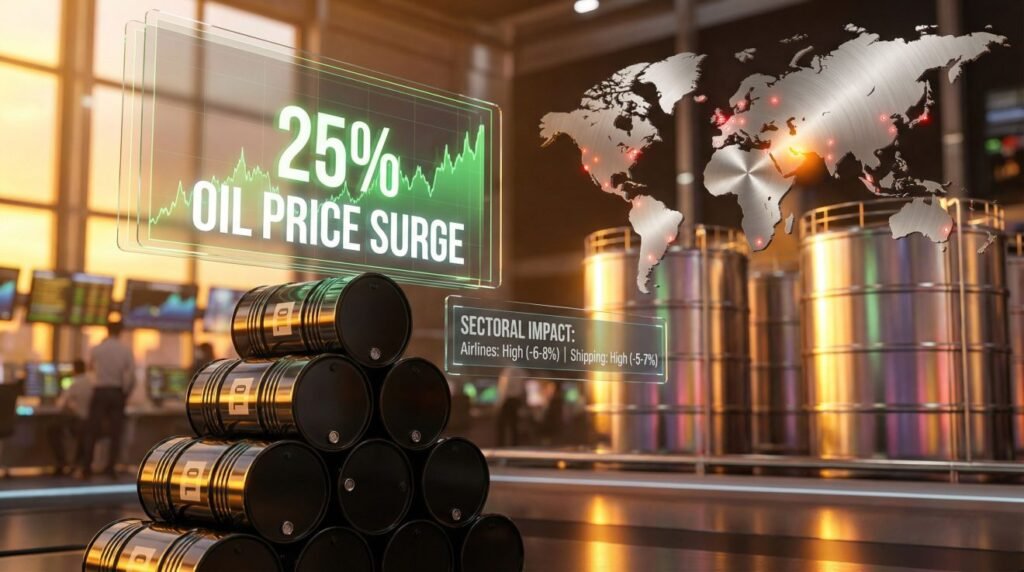
A deepening global fuel crisis is pushing Pacific island nations into economic distress, as soaring fuel prices and shrinking supplies disrupt daily life and strain already fragile economies. Authorities across the region are scrambling to manage energy shortages, while ordinary families face rising food costs and reduced access to healthcare.
The crisis has intensified following tensions in the Middle East, particularly the conflict involving the United States, Israel, and Iran. Disruptions in the Strait of Hormuz, a critical global energy route, have significantly reduced oil and gas flows. The strait typically carries around 20 percent of the world’s oil and liquefied natural gas shipments.
Fuel Prices Surge Across Pacific Islands
The impact of the global fuel crisis has been severe in countries like Papua New Guinea, where fuel prices have surged dramatically. Aid organizations report that diesel, petrol, and kerosene costs have increased by up to 70 percent since the escalation of the Iran conflict.
Godfrey Bongomin, a senior official at World Vision, highlighted the growing challenges faced by communities. He explained that many people rely on boats for transportation, making them highly vulnerable to rising fuel costs.
As a result, food supplies struggle to reach remote areas. This has created shortages and increased prices, further deepening the hardship for families already living on limited incomes.
Healthcare Access Severely Affected
The global fuel crisis is not only affecting food supply chains but also disrupting access to essential healthcare. Rising transportation costs have made it difficult for many people to travel to clinics.
According to aid workers, some patients are now skipping medical appointments because they cannot afford transport. This has serious consequences, especially for those requiring regular treatment for diseases like HIV and tuberculosis.
Bongomin warned that missed treatments could lead to worsening health conditions and long-term public health risks. He stressed that the crisis is directly affecting livelihoods and survival.
Heavy Dependence on Imported Fuel
Pacific island nations are among the most fuel-dependent regions in the world. According to the International Finance Corporation, these countries rely heavily on diesel for electricity generation.
Data from Zero Carbon Analytics shows that diesel accounted for more than half of electricity production in most Pacific nations in 2022, with the exception of Fiji.
This dependence makes the region highly vulnerable to external shocks like the current global fuel crisis. Most countries import fuel from suppliers such as Singapore and South Korea, leaving them exposed to global supply disruptions.
Recent shipping data indicates a sharp decline in fuel imports. Deliveries in early April dropped to just a quarter of March levels, raising fears of prolonged shortages.
Economic Pressure and Rising Poverty Risks
The global fuel crisis is placing enormous pressure on Pacific economies. In Papua New Guinea alone, nearly 40 percent of the population lives below the poverty line. Rising fuel costs are pushing more families toward financial hardship.
Experts warn that the crisis could slow economic growth across the region. Abdul Abiad from the Asian Development Bank stated that even if the conflict eases, recovery will take time.
He projected that regional growth could drop to around 3.4 percent in 2026. If the conflict continues, the economic slowdown could worsen further.
Fuel imports already account for a significant portion of national economies. In some countries, such as Tuvalu, fuel imports represent up to 27 percent of GDP. This makes the impact of the global fuel crisis particularly severe.
Governments Take Emergency Measures
Governments across the Pacific are introducing emergency measures to manage the crisis. The Pacific Islands Forum has activated its emergency response mechanism for the first time since the Covid-19 pandemic.
Several countries have declared states of emergency, including Kiribati, Tuvalu, and the Marshall Islands. These steps reflect the seriousness of the situation and the urgent need for coordinated action.
Some governments have introduced fuel subsidies or price caps to ease the burden on citizens. Countries like the Cook Islands, Nauru, and Papua New Guinea are attempting to stabilize prices and prevent panic.
In Fiji, ministers have even agreed to a 20 percent pay cut to help fund relief measures. However, the decision still requires parliamentary approval.
International Response and Growing Concerns
The global fuel crisis has also drawn international attention. Diplomatic efforts are underway to address supply shortages and support affected nations.
Winston Peters recently raised the issue with US officials, urging them to consider fuel support for Pacific countries. Meanwhile, Australia has acknowledged the crisis but emphasized that it must prioritize its domestic energy needs.
China has also expressed willingness to cooperate with global partners to ensure energy security. This highlights the geopolitical significance of the crisis and its broader implications.
Households Face Daily Struggles
At the ground level, the global fuel crisis is hitting ordinary families the hardest. Rising transport fares and food prices are squeezing household budgets.
Aid groups such as Caritas Internationalis and Save the Children report that low-income families are forced to make difficult choices.
Many are cutting back on essential expenses, including healthcare and education, just to afford basic food supplies. This trend raises serious concerns about long-term social and economic stability.
A Worsening Crisis Ahead
Experts warn that the situation could deteriorate further if global tensions continue. Even if conditions improve, recovery will likely be slow due to the structural vulnerabilities of Pacific economies.
The global fuel crisis has exposed the risks of heavy reliance on imported energy and limited infrastructure. Without sustainable solutions, these nations may continue to face recurring shocks.
For now, governments, aid agencies, and international partners are working to manage the immediate crisis. However, the road ahead remains uncertain for millions of people across the Pacific.