Uncategorized

UN High Seas Treaty Takes Effect: 81 Nations Commit to Biodiversity Conservation
Uncategorized

UN High Seas Treaty Takes Effect: 81 Nations Commit to Biodiversity Conservation

A landmark United Nations treaty aimed at safeguarding marine biodiversity in international waters has officially entered into force, ushering in a new era of global ocean protection. The High Seas Treaty, known as the Agreement on Biodiversity Beyond National Jurisdiction (BBNJ), became legally binding on January 17, 2026—120 days after reaching the required threshold of 60 ratifications in September 2025. Read More: https://theboardroompk.com/pakistan-freezes-gas-prices-for-six-months-to-provide-winter-relief/ With 81 nations having ratified it so far, the treaty covers the high seas and international seabed, which span over two-thirds of the world’s ocean surface and more than 90% of Earth’s habitable volume, addressing long-standing gaps in ocean governance amid threats like climate change, overfishing, pollution, and biodiversity loss. Milestone After Decades of Negotiations Nearly two decades in the making, the BBNJ Agreement was adopted in June 2023 following intensive UN-led talks. It builds on the 1994 UN Convention on the Law of the Sea by introducing modern tools for sustainable management, including the establishment of marine protected areas in international waters, environmental impact assessments for activities like deep-sea mining, and equitable benefit-sharing from marine genetic resources. The treaty’s entry into force marks a triumph of multilateralism, with ratifications from diverse nations including major economies like China, Germany, France, Japan, and Brazil. It becomes binding for ratifying states, requiring them to integrate its provisions into national laws and promote accountability for harmful activities on the high seas. Path Forward for Ocean Health and Inclusivity UN officials and negotiators hailed the development as a critical step toward combating the “triple planetary crisis” of climate change, biodiversity decline, and pollution, while aligning with the 2030 Sustainable Development Agenda. The treaty emphasizes inclusive governance, featuring provisions for Indigenous Peoples, local communities, and gender balance—unique among ocean-related instruments. Challenges remain, including non-ratification by some powers like Russia and pending actions from others such as the United States. The first Conference of the Parties is expected within a year to advance implementation, universal participation, and support for developing and small island nations. This historic moment strengthens collective responsibility for protecting vast ocean ecosystems vital to global life.
Pakistan Large-Scale Manufacturing Growth Sparks New Optimism Across Industries
Uncategorized

Pakistan Large-Scale Manufacturing Growth Sparks New Optimism Across Industries

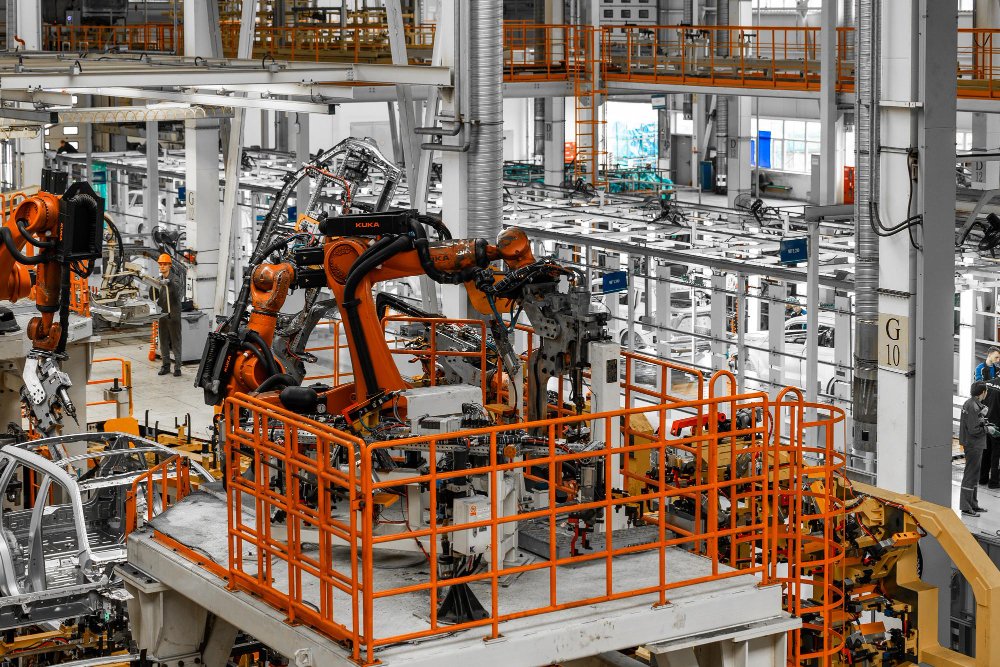
Pakistan Large-Scale Manufacturing Growth is once again in the spotlight as fresh data for November 2025 reveals a powerful revival in the country’s industrial engine. With factories humming, assembly lines accelerating, and consumer demand strengthening, Pakistan’s manufacturing sector is showing signs of a long-awaited turnaround one that could redefine economic momentum heading into FY26. Read More: https://theboardroompk.com/pakistan-seafood-exports-record-strong-growth-as-global-demand-bites/ According to provisional figures based on the 2015–16 base year, the Quantum Index of Manufacturing (QIM) climbed to 118.28 in November 2025, reflecting sustained industrial expansion. Large-Scale Manufacturing Industries (LSMI) posted an impressive 10.37% year-on-year growth, while maintaining stability with a 0.16% month-on-month increase compared to October. But behind these numbers lies a deeper, more compelling story of sectoral leadership, resilience, and shifting economic dynamics. Pakistan Large-Scale Manufacturing Growth: The Bigger Picture Between July and November FY26, Pakistan’s manufacturing output expanded by 6.01% cumulatively, with the QIM averaging 115.72, significantly higher than 109.65 recorded in the same period last year. This steady rise highlights strengthening domestic demand and improving industrial confidence despite lingering macroeconomic challenges. What makes this growth particularly striking is the breadth of sectoral participation, led by automobiles, petroleum products, garments, cement, and beverages. Automobiles Lead Pakistan Large-Scale Manufacturing Growth No sector captured attention quite like automobiles. In November alone, automobile production surged by 61.35%, while cumulative output between July and November skyrocketed by an astonishing 75.15%. This remarkable expansion reflects easing supply constraints, improving financing conditions, and renewed consumer appetite especially for locally assembled vehicles. Automobiles alone contributed 1.77 percentage points to overall manufacturing growth, making them the single largest driver of industrial recovery. Petroleum Products and Energy Demand Power Ahead Another key pillar of Pakistan Large-Scale Manufacturing Growth was petroleum products, which recorded a robust 43.66% year-on-year increase in November. Over the five-month period, the sector expanded by 18.06%, driven by rising transportation activity and industrial energy needs. Petroleum products contributed 1.29 percentage points to cumulative manufacturing growth, underscoring their strategic importance to both industry and the broader economy. Garments, Cement, and Construction Signal Demand Revival The garments sector delivered strong momentum with 18.43% growth in November and 7.14% cumulative expansion, reflecting improving export orders and domestic retail demand. Meanwhile, cement production grew 8.74% in November, pushing cumulative growth to 13.47% during July–November FY26. This expansion mirrors renewed activity in construction and infrastructure, often considered a bellwether for economic confidence. Together, garments and cement added more than 2 percentage points to overall manufacturing growth. Mixed Signals Across Other Manufacturing Segments Beverages recorded an exceptional 32.61% increase in November, while textile products posted a modest yet steady 2.52% monthly improvement, indicating gradual normalization in traditional industries. However, not all sectors shared the upswing. Iron and steel production declined 5.99% in November and 3.80% cumulatively, reflecting cost pressures and subdued large-scale construction demand. Pharmaceuticals contracted 5.31% during July–November, while machinery and equipment output fell sharply by 16.37% in November, signaling investment hesitancy in capital-intensive segments. Sectoral Contributions: Who Drove Pakistan Large-Scale Manufacturing Growth? The cumulative 6.01% growth was primarily driven by: • Automobiles• Petroleum products• Garments• Cement• Food manufacturing• Textiles These gains were partially offset by declines in pharmaceuticals and iron & steel products, highlighting the uneven nature of industrial recovery. What Pakistan Large-Scale Manufacturing Growth Means for the Economy The sustained momentum in Pakistan Large-Scale Manufacturing Growth points toward improving economic conditions, rising consumer confidence, and stronger domestic demand—particularly in automobiles and construction-linked industries. Yet, the uneven sectoral performance signals the need for targeted policy interventions to support lagging industries and ensure a broad-based, sustainable industrial revival. If current trends persist, Pakistan’s manufacturing sector could emerge as a key growth engine in FY26 fueling employment, exports, and long-term economic stability.

CCP Approves Toyota-Led Integration of Hino and Mitsubishi Fuso Operations
Uncategorized

CCP Approves Toyota-Led Integration of Hino and Mitsubishi Fuso Operations

ISLAMABAD, Jan 15: The Competition Commission of Pakistan (CCP) has approved two interconnected merger transactions that are part of a broader global restructuring involving Toyota Motor Corporation, Daimler Truck AG, Hino Motors Limited, and Mitsubishi Fuso Truck and Bus Corporation (MFTBC). Read More:https://theboardroompk.com/pakistan-car-sales-december-2025-jump-35-as-auto-sector-recovery-strengthens/ Together, they form a single integrated business restructuring aimed at consolidating and jointly managing the commercial vehicle operations of Hino and MFTBC through a newly established holding structure. Under the restructuring, Toyota Motor Corporation, through its subsidiary Hino Motors Limited, has acquired full ownership of Mitsubishi Fuso Truck and Bus Corporation. At the same time, Daimler Truck AG has acquired an interest in a newly incorporated holding company, AIB Limited, through which Hino and MFTBC will be jointly owned and managed. The Commission assessment of both transactions, focusing on their potential impact on competition in Pakistan, particularly in the manufacturing and distribution of buses and trucks. While the assessment identified some overlap between the commercial vehicle operations of Hino and MFTBC, the Commission found that the restructuring does not create or strengthen a dominant position in the relevant markets. The commercial vehicle sector in Pakistan remains competitive, with several established players continuing to operate in the market. Regarding Daimler Truck AG’s acquisition of an interest in the holding company, the Commission noted that Daimler Truck AG no longer has any independent commercial vehicle operations in Pakistan. Its only relevant interest, MFTBC, had already been acquired by Toyota under the first part of the restructuring. As a result, this transaction was found to be competitively neutral and does not affect market competition in Pakistan. Based on its assessment, the Competition Commission of Pakistan concluded that the two interconnected transactions, when considered together as part of a single broader restructuring, do not raise any competition concerns. Both transactions were reviewed and approved under the Competition Act, 2010 and the Competition Merger Control Regulations, 2016.

US-Based Rafay Joins Forces with Data Vault to Launch Pakistan's Hyperscale-Style Sovereign AI Platform
Uncategorized

US-Based Rafay Joins Forces with Data Vault to Launch Pakistan’s Hyperscale-Style Sovereign AI Platform

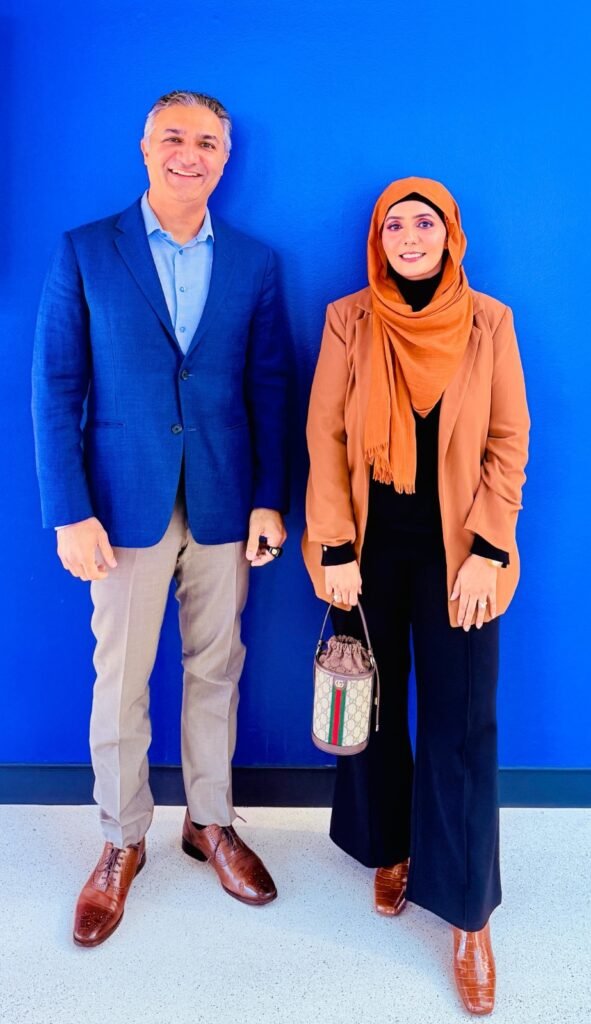
Data Vault Pakistan has announced a strategic partnership with Rafay Systems to build what the companies describe as Pakistan’s first sovereign AI cloud, targeting telcos, banks, cloud providers, and large enterprises that want to deploy AI at scale while keeping sensitive workloads under local control. Read More: https://theboardroompk.com/roshan-digital-accounts-inflows-rise-sharply-in-december-2025/ Data Vault, positioning itself as Pakistan’s first sovereign, AI-ready data center and GPU-as-a-Service provider, said the partnership is designed to deliver a hyperscaler-like experience comparable to Azure, AWS, and Google Cloud: self-service access for developers and data science teams, faster provisioning, and managed platform operations—without exporting sensitive data outside the country.Beyond infrastructure, the companies are pitching the partnership as a catalyst for AI innovation in Pakistan, reducing barriers that slow down experimentation and production deployment. By packaging GPU compute and Kubernetes into a governed, self-service platform, Data Vault says organizations can move from pilots to production faster, and enable more local teams—startups, universities, enterprises, and service providers—to build and deploy AI services inside Pakistan. NVIDIA has highlighted the broader industry shift toward self-service GPU clouds and “private cloud” experiences for AI teams, arguing that instant provisioning and a platform layer are essential to improve developer productivity and optimize GPU utilization. Data Vault says its sovereign AI cloud is being built on NVIDIA-accelerated computing, with Rafay’s platform providing the orchestration layer that helps deliver cloud-like consumption and governance. Mehwish Salman Ali, Founder and CEO of Data Vault Pakistan, stated that the partnership aims to make sovereign AI consumption as easy to consume as any hyperscale cloud, while ensuring that sensitive workloads remain securely within the country. The initiative is designed to deliver a hyperscale-like experience comparable to global services such as Azure, AWS, and Google Cloud, offering self-service access for developers and data science teams, rapid provisioning, and managed platform operations–all without data ever leaving Pakistan, she added. Key expected outcomes include faster time-to-market for AI use cases in banking, telecommunications, healthcare, manufacturing, and government sectors. The platform also seeks to lower friction for startups and researchers in accessing GPU capacity and modern MLOps and Kubernetes environments. Haseeb Budhani, CEO of Rafay Systems, emphasized the balance of speed and control, noting, “Companies want AI outcomes quickly without compromising security or control.” The joint offering will include GPU-as-a-Service and AI-as-a-Service capabilities for training, fine-tuning, and inference, along with managed Kubernetes and platform services covering lifecycle management, security policy enforcement, and observability. It will also provide self-service consumption with built-in guardrails, allowing rapid access for development teams while maintaining centralized governance and cost control. Furthermore, the partnership will enable infrastructure providers to monetize AI resources through multi-tenant service delivery models.

PSX Closing Bell: KSE-100 Index Extends Rally as Bulls Regain Control
Uncategorized

PSX Closing Bell: KSE-100 Index Extends Rally as Bulls Regain Control

PSX Closing Bell updates for January 13, 2026 reveal a strong recovery at the Pakistan Stock Exchange (PSX), with the benchmark KSE-100 Index closing sharply higher as investor sentiment improved across key sectors, particularly banking, cement, and oil & gas exploration. The KSE-100 Index ended Tuesday’s trading session at 183,951.50 points, marking a gain of 1,567.36 points or 0.86% compared to the previous close. The positive close reflects renewed buying interest amid selective sector rotation and institutional participation. PSX Closing Bell Market Summary During the trading session, the KSE-100 Index remained highly volatile, moving within a wide intraday range of 3,714.91 points. The index touched a day’s high of 184,304.86 points, while the lowest level recorded was 180,589.95 points, highlighting aggressive intraday trading activity. Total traded volume for the KSE-100 stood at 437.36 million shares, indicating sustained liquidity despite mixed stock-level performance. Out of the 100 index constituents, 48 stocks closed in positive territory, 50 declined, while 2 remained unchanged, suggesting a selective rather than broad-based rally. Top Gainers and Losers – PSX Closing Bell Insights Among the top gainers, Pakistan Telecommunication Company Limited (PTC) led the chart with an impressive 9.42% surge, followed by National Bank of Pakistan (NBP) gaining 5.24%. Other notable gainers included Atlas Honda Limited (ATLH), Askari Bank Limited (AKBL), and Ghandhara Nissan (GHNI), reflecting strength in banking and auto-related stocks. On the downside, Haleon Pakistan emerged as the biggest laggard, falling 3.58%, while IBFL, SAZEW, LOTTE Chemical Pakistan, and MUREB also faced selling pressure, largely due to sector-specific concerns. KSE-100 Index Movers by Point Contribution From an index-point perspective, United Bank Limited (UBL) played the most significant role in lifting the benchmark, contributing 286.61 points. This was followed by NBP, MCB Bank, Lucky Cement, and Meezan Bank, underscoring the dominant role of financial and cement stocks in driving the rally. Conversely, the index faced downward pressure from Fauji Fertilizer Company (FFC), which shaved off 107 points, along with declines in SAZEW, Haleon, THALL, and PSO. Sector Performance – PSX Closing Bell Analysis Sector-wise, the PSX Closing Bell reflected strong support from Commercial Banks, which collectively added over 1,068 points to the index. Oil & Gas Exploration Companies, Cement, Technology & Communication, and Investment Banks also contributed positively. However, losses in Fertilizer, Food & Personal Care Products, Pharmaceuticals, Chemicals, and Automobile Parts & Accessories partially offset overall gains, indicating cautious investor behavior in defensive and consumption-linked sectors. Broader Market & Volume Leaders In the broader market, the All-Share Index closed at 110,404.18 points, registering a net gain of 904.56 points or 0.83%. Total market volume reached 1.04 billion shares, while traded value surged to Rs62.7 billion, up by Rs14.47 billion, reflecting higher-value trades. Stocks such as Bank of Punjab (BOP), Modaraba Al-Mali, WorldCall Telecom, K-Electric, and PTC dominated trading volumes, indicating strong retail and speculative interest across banking, telecom, and energy stocks. PSX Closing Bell Outlook To put the rally into perspective, the KSE-100 Index has gained 58,324 points (46.43%) during the ongoing fiscal year, while it is up 9,897 points (5.69%) in calendar year 2026 so far. This performance highlights growing investor confidence amid macroeconomic stabilization expectations.

ML-1 Railway Upgrade Set to Kick Off from Karachi Port in July 2026
Uncategorized

ML-1 Railway Upgrade Set to Kick Off from Karachi Port in July 2026

Karachi/Islamabad – Federal Minister for Railways Muhammad Hanif Abbasi announced that construction work on Pakistan Railways’ flagship Main Line-1 (ML-1) project will commence in July 2026, starting from Karachi Port. Read More: https://theboardroompk.com/pakistan-railways-reclaims-3509-sq-ft-in-rawalpindi-anti-encroachment-drive/ The initiative, part of broader reforms to shift freight from roads to rail, follows a key meeting on January 9, 2026, between the minister and Karachi Port Trust (KPT) Chairman Rear Admiral (Retd) Shahid Ahmed, focusing on enhancing cargo logistics and reducing port congestion. Initial Focus on Karachi-Pipri Section and Freight Expansion The project begins with the modernisation of the 54-kilometre railway section from Karachi Port Trust (KPT) to Pipri, aimed at enabling seamless and efficient cargo movement. Pakistan Railways plans to launch at least four dedicated freight trains daily within the next five months (by mid-2026), with priority given to bulk cargo. KPT has committed to upgrading its internal railway tracks and coordinating closely with Pakistan Railways to improve connectivity and operational efficiency. Strategic Shift to Rail for Economic and Logistical Gains The minister emphasised the strategic role of Karachi Port in national and international trade, highlighting the need for integrated rail-port infrastructure to cut logistics costs, ease road pressure, shorten turnaround times, and boost trade, industry, and the overall economy. Both officials agreed that rail-based freight is more cost-effective and sustainable compared to road transport. The ML-1 upgrade aligns with ongoing China-Pakistan Economic Corridor (CPEC) commitments, where Pakistan and China have reaffirmed dedication to advancing ML-1 alongside the Karachi Circular Railway (KCR). This development marks a significant step in Pakistan Railways’ modernisation drive, promising enhanced freight capacity and long-term economic benefits amid efforts to revitalise the national rail network.

Ahsan Iqbal Sounds Alarm Saying Pakistan Heading Towards 400M as NFC Formula Fueling Population Explosion
Uncategorized

Ahsan Iqbal Sounds Alarm Saying Pakistan Heading Towards 400M as NFC Formula Fueling Population Explosion

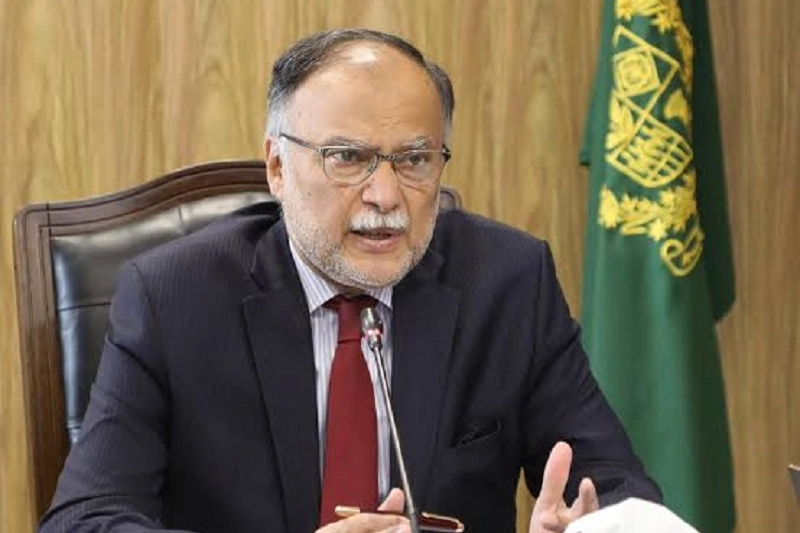
Federal Minister for Planning, Development and Special Initiatives Ahsan Iqbal has raised serious alarms over Pakistan’s accelerating population growth, describing it as one of the most pressing threats to the nation’s future stability and development. In a recent video message, the minister revealed findings from the country’s first Digital Census in 2023, which showed the annual population growth rate climbing from 2.4% in the previous census to 2.55%. “We are one of the fastest-growing populations in the world,” Iqbal stated, noting that such rates are typically observed in the least developed countries of Africa. With Pakistan’s current population at 240 million, continued growth at this pace could push the figure to around 400 million by 2050—a daunting prospect that would severely strain resources, infrastructure, and public services. Iqbal emphasized the direct link between unchecked population expansion and hindered economic progress. Rapid growth, he explained, overburdens available resources, impacts human development indicators, and risks creating a future generation facing deficits in education, skills, and employment opportunities. He announced that the government is launching a coordinated national effort on population planning, acknowledging that the issue falls under provincial jurisdiction and requires strong inter-governmental collaboration. A key concern raised by the minister is the structure of the National Finance Commission (NFC) Award, where 82% of divisible resources are allocated based on population size. This formula, he argued, creates a perverse incentive: provinces gain larger shares by having bigger populations, effectively discouraging efforts to promote family planning and control measures. “What incentive does any province have to decrease its population?” Iqbal questioned, calling for urgent debate and reform to remove this distortion. As discussions on the next NFC Award continue amid delays in technical working groups, Iqbal’s warning underscores the need for immediate policy shifts to align resource distribution with sustainable demographic goals.

India's 2025 Rice Exports Jump 19.4% to Near-Record 21.55 Million Tons After Curbs Lifted
Uncategorized

India’s 2025 Rice Exports Jump 19.4% to Near-Record 21.55 Million Tons After Curbs Lifted

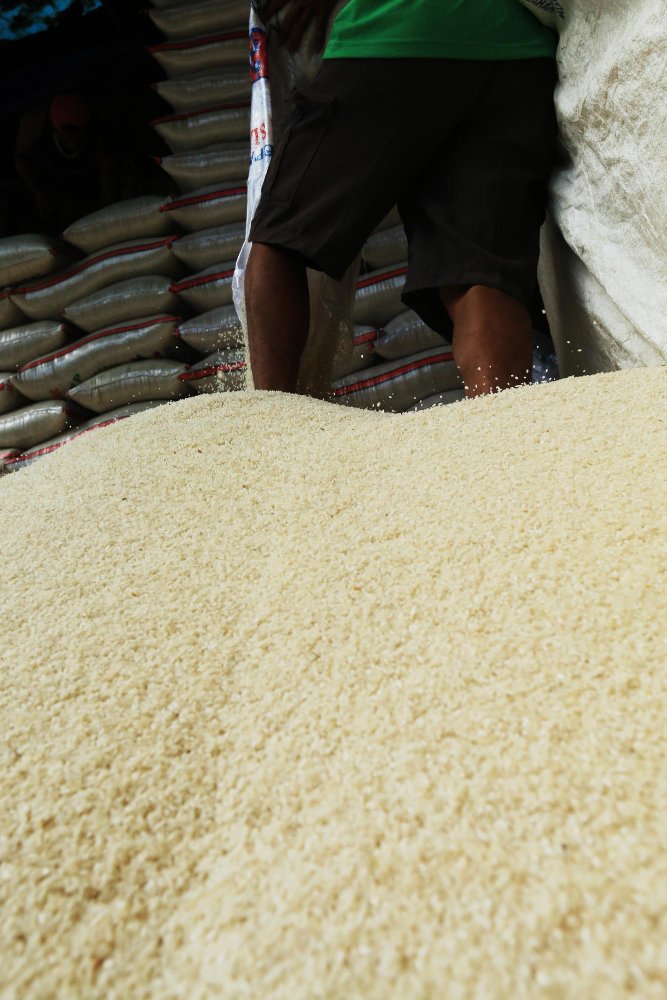
India’s rice exports experienced a significant rebound in 2025, jumping 19.4% year-on-year to 21.55 million metric tons, marking the second-highest annual figure on record and approaching the all-time high of 22.3 million tons set in 2022. This surge followed the complete removal of export restrictions by the Indian government, which had previously imposed curbs to stabilize domestic prices. The policy shift enhanced competitiveness in global markets, boosting shipments from the world’s largest rice exporter and contributing to a decline in Asian rice prices to near decade-lows, benefiting consumers in import-dependent regions like Africa. Breakdown by Rice Types and Growth Drivers Non-basmati rice exports saw the strongest growth, rising 25% to 15.15 million tons, while basmati rice shipments increased 8% to a record 6.4 million tons. The lifting of curbs allowed for unrestricted exports of non-basmati varieties, which had faced earlier bans and minimum export price requirements. Government and industry officials attributed the robust performance to strong domestic production, favorable global demand, and improved competitiveness against rivals like Thailand, Vietnam, and Pakistan. Global Impact and Future Outlook The increased flow from India has curbed shipments from other major exporters and driven down benchmark prices in Asia, easing food costs for poorer nations. With India typically accounting for more rice exports than the next three largest suppliers combined, this rebound has reshaped global supply dynamics. Officials indicated that the strong supply chain and policy support position India for continued high exports in the coming years, supported by record monsoon-sown rice output estimates.

India Moves to Lift Restrictions on Chinese Firms in Government Tenders
Uncategorized

India Moves to Lift Restrictions on Chinese Firms in Government Tenders

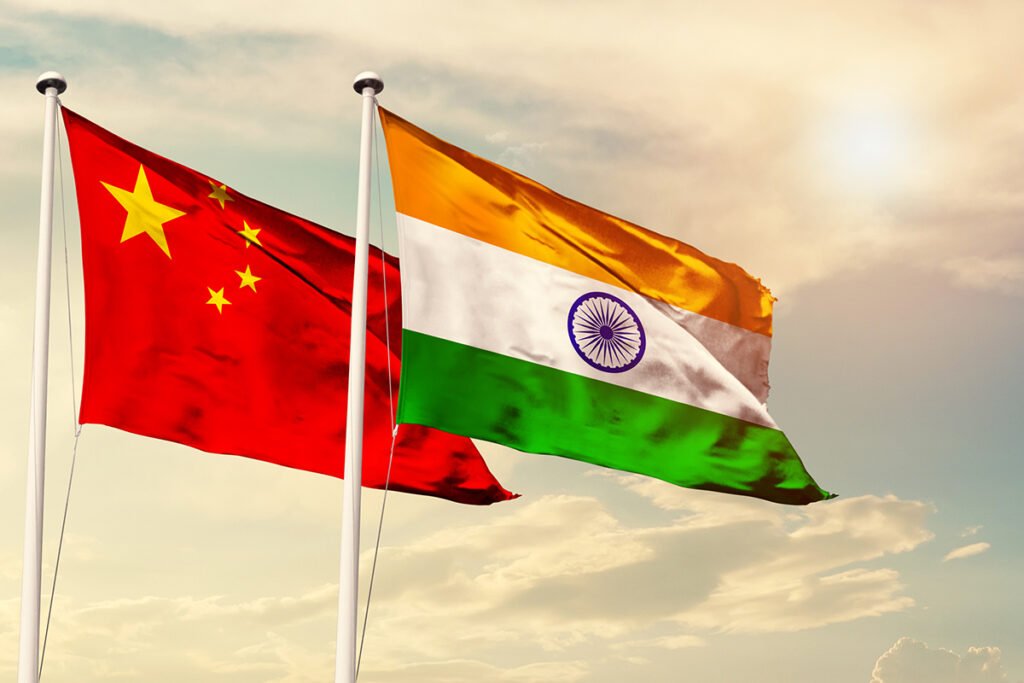
India’s finance ministry is planning to scrap restrictions imposed in 2020 that effectively barred Chinese companies from bidding on lucrative government contracts worth an estimated $700-750 billion. The curbs, introduced after a deadly border clash between Indian and Chinese troops, required bidders from bordering nations to register with a government committee and secure political and security clearances—a process that often led to disqualifications. Practical Pressures and Policy Recommendations Drive Change Multiple government ministries have sought exemptions, citing shortages, project delays, and hindrances to sectoral goals, such as expanding thermal power capacity to 307 GW over the next decade due to restricted imports of Chinese equipment. A high-level committee led by former cabinet secretary Rajiv Gauba recommended easing the rules. Sources indicate the final decision rests with Prime Minister Narendra Modi’s office. This shift follows eased diplomatic tensions, Modi’s visit to China last year, and agreements to deepen commercial ties—partly influenced by external factors like U.S. tariffs on Indian goods. However, restrictions on Chinese foreign direct investment remain intact, signaling a cautious approach. The move could revive competition in infrastructure and manufacturing tenders, reversing trends like a 27% drop in awards to Chinese bidders in 2021.

United Bank Limited Market Capitalization Sets a New Record at PSX
Uncategorized

United Bank Limited Market Capitalization Sets a New Record at PSX

United Bank Limited market capitalization has reached a historic milestone, as UBL (PSX: UBL) becomes the largest listed company at the Pakistan Stock Exchange (PSX) by market value during today’s trading session. This landmark achievement marks a turning point for Pakistan’s banking sector and underscores renewed investor confidence in the country’s equity markets. During intraday trading, United Bank Limited market capitalization surged past Rs 1.275 trillion (approximately $4.5 billion), overtaking Oil & Gas Development Company Limited (OGDC), which had dominated the top position at PSX for several years. United Bank Limited Market Capitalization Surpasses OGDC According to Sohail Mohammed, Chief Executive Officer of Topline Securities, UBL’s rise to the top reflects a broader shift in market leadership. OGDC, historically regarded as Pakistan’s most valuable listed company due to its energy sector dominance, has now been eclipsed by a financial institution signaling a structural transformation in the equity landscape. This shift highlights how banking stocks, supported by higher profitability, strong balance sheets, and disciplined capital management, are increasingly attracting long-term investors. A Three-Year Transformation in United Bank Limited Market Capitalization What makes this achievement even more remarkable is the pace of UBL’s growth. Just three years ago, United Bank Limited market capitalization stood at below $500 million. Today, it has expanded nearly ninefold, reflecting exceptional strategic execution and operational resilience. In simple terms, UBL’s journey can be explained as follows: • From a sub-$500 million valuation to over $4.5 billion• Driven by consistent earnings growth and improved asset quality• Supported by rising dividend payouts and shareholder-friendly policies This transformation positions UBL as one of the most successful turnaround stories in Pakistan’s corporate history. United Bank Limited Share Price Performance and Market Reaction At the time of writing, UBL shares were trading at Rs 510, gaining Rs 22.2 in a single session, representing a 4.55% increase. This sharp upward movement reflects strong institutional buying and heightened investor optimism following the milestone. Higher trading volumes and sustained price momentum indicate that market participants are re-rating the stock based on its long-term earnings potential rather than short-term cycles. Why United Bank Limited Market Capitalization Matters for Pakistan The rise of United Bank Limited market capitalization is more than just a corporate success story it carries broader implications for Pakistan’s financial markets. First, it reinforces the banking sector’s leadership within the PSX, highlighting its role as a key driver of market returns. Second, it signals improving investor sentiment toward Pakistan’s macroeconomic outlook, particularly in relation to interest rate stability and financial sector reforms. Finally, UBL’s ascent positions the bank as a bellwether stock, meaning its performance could influence overall market direction in the coming years. United Bank Limited as a Bellwether for the Equity Market UBL’s scale, liquidity, and profitability now place it at the center of Pakistan’s equity ecosystem. As the largest listed company by market capitalization, its financial results, dividend announcements, and strategic decisions are likely to shape investor expectations across the broader market. For domestic and foreign investors alike, United Bank Limited market capitalization serves as a benchmark for evaluating Pakistan’s financial sector strength and long-term growth potential. A Defining Moment for United Bank Limited Market Capitalization The rise of United Bank Limited market capitalization to the top of the Pakistan Stock Exchange marks a defining moment for both the bank and the country’s capital markets. It reflects disciplined management, resilient fundamentals, and sustained value creation for shareholders. As Pakistan’s largest listed company, UBL is now positioned not only as a banking leader but also as a symbol of confidence in the future of Pakistan’s equity market.

Scroll to Top