Politics

Sunil Gavaskar, Kapil Dev Join Global Cricket Legends in Appeal for Imran Khan's Humane Treatment
Politics

Sunil Gavaskar, Kapil Dev Join Global Cricket Legends in Appeal for Imran Khan’s Humane Treatment

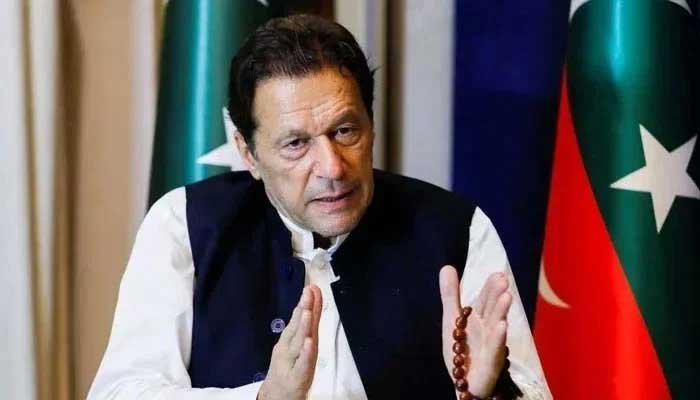
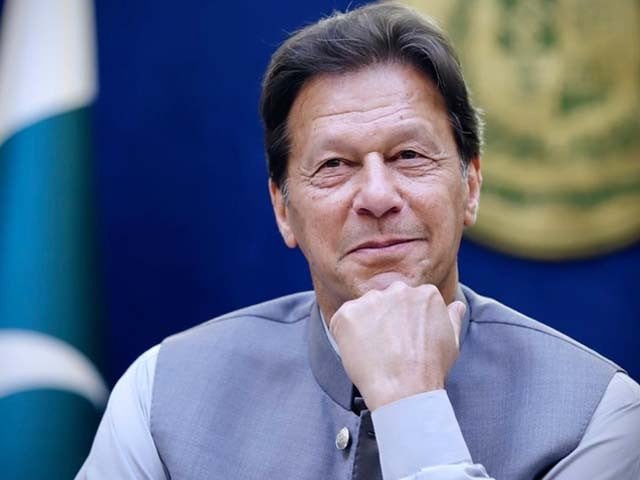
Indian cricket legends Sunil Gavaskar and Kapil Dev have joined 12 other former international captains in signing a humanitarian petition urging the Pakistani government to ensure better treatment and medical care for jailed former Prime Minister Imran Khan. Read More: https://theboardroompk.com/psx-plunges-nearly-4-6682-points-on-geopolitical-fears-and-oil-spike/ The appeal, reported by Reuters on February 17, 2026, expresses “deep concern” over Khan’s deteriorating health, particularly the reported loss of vision in his right eye during his more than two-year imprisonment. Khan, aged 73 and a celebrated 1992 World Cup-winning captain, has been detained since August 2023 following convictions he claims are politically motivated after his 2022 ouster. Petition Details and Signatories The open letter, addressed to the Pakistan government, describes Khan as “one of the finest all-rounders” and a “global sporting icon.” It highlights shared cricketing history, stating: “Many of us competed against him, shared the field with him, or grew up idolizing his all-round brilliance, charisma, and competitive spirit.” The signatories emphasize values of fair play and respect that “transcend the boundary rope,” urging “immediate and adequate medical attention, dignified treatment, and unhindered access to legal processes.” Other notable signatories include Australians Greg Chappell, Ian Chappell, Allan Border, Steve Waugh, Belinda Clark, and Kim Hughes; Englishmen Mike Atherton, Nasser Hussain, Mike Brearley, and David Gower; West Indies’ Clive Lloyd; and New Zealand’s John Wright. Health Context and Broader Appeal Recent court reports noted Khan’s vision issues, though a medical board on February 16, 2026, indicated some improvement after treatment. The petition avoids political commentary, focusing on humanitarian grounds and Khan’s legacy as a cricketer who “embodied that spirit throughout his career.” This rare cross-border initiative from Indian icons amid strained India-Pakistan ties—including recent military tensions—highlights cricket’s potential as a bridge for diplomacy and shared respect.

Jailed Imran Khan Loses 85% Vision in Right Eye, Lawyer Tells Supreme Court
Politics

Jailed Imran Khan Loses 85% Vision in Right Eye, Lawyer Tells Supreme Court

Islamabad— Pakistan’s jailed former Prime Minister Imran Khan has lost 85% of his vision in his right eye, leaving him with only 15% remaining sight. Read More: https://theboardroompk.com/pakistan-pm-shehbaz-to-attend-trumps-board-of-peace-inaugural-meeting-in-washington-on-feb-19/ This revelation came from his lawyer Salman Safdar in a fact-finding report submitted to the Supreme Court following a court-ordered meeting with Khan. Complaints Ignored Since October 2025 Safdar quoted Khan as stating he began experiencing persistent blurred and hazy vision in October 2025. Despite repeated complaints, jail authorities took no action for months. Khan described a sudden and complete loss of vision in his right eye, later diagnosed as right central retinal vein occlusion—a blockage causing severe damage. He underwent a 20-minute eye treatment procedure at a hospital earlier this month, including an injection, but vision recovery remained limited to 15%. Supreme Court Orders Medical Review The Supreme Court, hearing the matter, directed authorities to allow Khan access to his personal physician and form a medical team for a comprehensive health examination. A report on his condition is due by February 16. Khan’s Pakistan Tehreek-e-Insaf (PTI) party demanded immediate specialist access and an end to alleged tactics risking his life in custody. Information Minister Attaullah Tarar earlier confirmed the brief hospital procedure. Khan, 73, has been imprisoned since August 2023 on a 14-year corruption sentence and faces dozens of other cases he claims are politically motivated to sideline him—a charge denied by the military and government. The development intensifies scrutiny over Khan’s jail conditions amid his ongoing legal battles and PTI’s allegations of neglect.

Pakistan's Apex Court Orders Independent Review of Imran Khan's Jail Facilities
Politics

Pakistan’s Apex Court Orders Independent Review of Imran Khan’s Jail Facilities

The Supreme Court of Pakistan has taken a significant step in the ongoing legal proceedings involving former Prime Minister Imran Khan. Read More: https://theboardroompk.com/pakistan-reforms-report-2026-ipp-renegotiations-set-to-save-rs1-4-trillion-in-power-sector/ While hearing appeals against the Toshakhana criminal trial, a two-member bench led by Chief Justice Yahya Afridi appointed Barrister Salman Safdar as amicus curiae (friend of the court). This impartial advisor has been granted permission to visit Imran Khan at Adiala Jail in Rawalpindi. The decision follows the court’s earlier rejection of an urgent plea by PTI lawyers for an immediate meeting with the incarcerated leader. Court’s Directive and Purpose The bench directed Safdar to assess Imran Khan’s current living conditions, health status, and the facilities provided in jail. He must submit a comprehensive written report on his findings. Chief Justice Afridi instructed the attorney general to ensure no obstacles are placed in the way of the visit. Safdar was told to contact the court directly if any hindrance arises from jail authorities. The court also summoned a formal report from the jail superintendent to place all facts on record. This move aims to verify the ground situation independently. Background and Context Imran Khan has been imprisoned since August 2023, facing multiple charges including corruption in the Toshakhana case, land fraud, and disclosure of official secrets. Recent concerns have focused on his health, particularly a reported diagnosis of central retinal vein occlusion in his right eye, which medical experts described as serious and potentially vision-threatening if not treated promptly. The appointment of Safdar comes amid ongoing debates over his detention conditions. A prior report on his earlier stay in Attock Jail (August 2023) was noted, but the court deemed a fresh, on-site assessment necessary. Reactions and Next Steps Barrister Safdar confirmed to the media that his visit was scheduled for 2:00 pm on the same day, describing it as a “heavy responsibility” assigned by the court. The Supreme Court adjourned the hearing until February 12, planning to review Safdar’s report before resuming proceedings. This development highlights the judiciary’s role in ensuring transparency in high-profile incarceration cases.

International Court Concludes Second Phase Merits Hearing in Pakistan-India Indus Waters Arbitration
Politics

International Court Concludes Second Phase Merits Hearing in Pakistan-India Indus Waters Arbitration

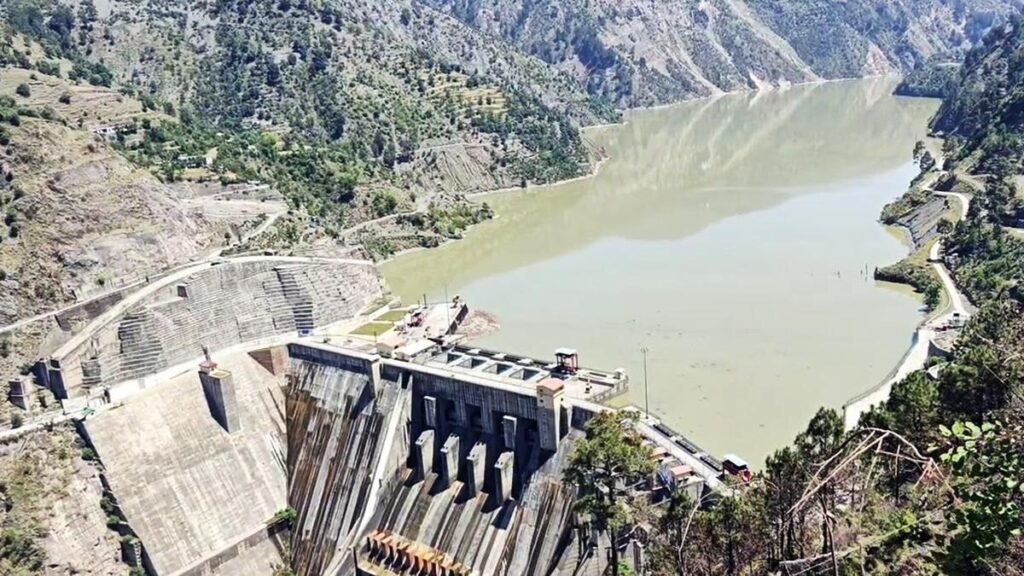
The Court of Arbitration (CoA), established under the Indus Waters Treaty (IWT) 1960, has concluded the second phase hearing on the merits in the ongoing arbitration case initiated by Pakistan against India. Read More: https://theboardroompk.com/pakistan-reforms-report-2026-ipp-renegotiations-set-to-save-rs1-4-trillion-in-power-sector/ The hearing wrapped up on February 3, 2026, at the Permanent Court of Arbitration (PCA) in The Hague, with the PCA serving as the secretariat. Background of the Long-Standing DisputeThe case, formally known as the Indus Waters Western Rivers Arbitration (Pakistan v. India), stems from Pakistan’s concerns over India’s run-of-river hydroelectric projects on the Western Rivers—Indus, Jhelum, and Chenab—which flow into Pakistan. Pakistan argues that certain design elements of these projects may violate IWT provisions, particularly regarding installed capacity, anticipated load, and maximum pondage limits outlined in Annexure D, Part 3. Key Details of the Arbitration Process Pakistan initiated the proceedings in 2016 under Article IX and Annexure G of the IWT to seek clarification on treaty interpretation and application. The CoA, chaired by Professor Sean D. Murphy (USA) and including members from Belgium, USA, Jordan, and Australia, has handled the matter despite India’s consistent non-participation and non-recognition of the tribunal’s jurisdiction. Second Phase Hearing on Merits As per Procedural Order No. 17 (dated November 21, 2025) and Procedural Order No. 18 (January 24, 2026), this phase focused on determining the basis for India to calculate installed capacity and anticipated load for proposed Annexure D, Part 3 hydroelectric projects, and how these factors influence maximum pondage calculations. Pakistan presented its arguments over the two-day session (February 2-3, 2026), while India did not appear or respond to invitations. Implications and Current Status The conclusion of the hearing marks progress in the multi-phase case, following earlier awards (including on competence in 2023 and merits in prior phases). No final award on this phase has been issued yet; the CoA will deliberate and render its decision in due course. The case underscores persistent tensions in Pakistan-India water-sharing relations, with Pakistan emphasizing treaty compliance to safeguard downstream water flows critical for agriculture and millions of people. India has maintained that parallel mechanisms (like Neutral Expert proceedings) apply and has boycotted the arbitration.

Supreme Court Rejects PTI Plea for Immediate Meeting with Imran Khan
Politics

Supreme Court Rejects PTI Plea for Immediate Meeting with Imran Khan

Islamabad: The Supreme Court of Pakistan on Monday rejected a plea by PTI lawyers seeking an immediate meeting with incarcerated party founder Imran Khan. Read More: https://theboardroompk.com/pakistan-reaffirms-gsp-plus-commitment-in-high-level-eu-trade-review/ A two-member bench, headed by Chief Justice Yahya Afridi and comprising Justice Shahid Bilal Hassan, heard multiple petitions related to Imran Khan and his wife Bushra Bibi. Rejection of Immediate Access Request PTI counsel Latif Khosa requested facilitation for an urgent meeting with his client. Chief Justice Afridi observed that such an order could not be issued ex parte without notifying the opposing party and hearing their stance. The court emphasized procedural fairness, stating that the government must be given notice before any directive on access or meetings. The bench clarified that determining the current legal status of related cases pending in other courts was necessary. Instead of granting immediate relief, the court issued a notice to the government, with a response expected by Tuesday. Broader Case Developments and Adjournments During the hearing, the court dismissed Imran Khan’s bail petition in the Al-Qadir Trust case as infructuous. It issued notices in the Toshakhana criminal case on a plea to declare proceedings illegal, seeking replies by next Tuesday. The apex court also directed a report on Imran Khan’s health status in prison to evaluate his medical condition. Proceedings on various petitions were adjourned for two weeks. The court formed a three-member bench for appeals against acquittals in the Cipher case and another for matters including bail cancellation in May 9 Lahore incidents and a defamation suit against Prime Minister Shehbaz Sharif. This decision comes amid ongoing concerns over Imran Khan’s prison conditions and access rights, with PTI alleging prolonged restrictions on family and lawyer visits.

India Rejects Allegations in Islamabad Mosque Bombing That Killed 31
Politics

India Rejects Allegations in Islamabad Mosque Bombing That Killed 31

India has categorically rejected allegations of involvement in a suicide bombing at a Shi’ite mosque in Islamabad that killed at least 31 people and injured over 169 on February 6, 2026. Read More: https://theboardroompk.com/made-in-uzbekistan-exhibition-opens-new-doors-for-pakistan-uzbekistan-trade/ The attack, during Friday prayers at the Khadija Tul Kubra mosque in Tarlai Kalan, prompted swift accusations from Pakistani officials blaming India and Afghanistan, which New Delhi dismissed as baseless amid heightened bilateral tensions. Deadly Attack Shakes Islamabad A suicide bomber opened fire before detonating explosives among worshippers, marking the deadliest attack in Pakistan’s capital since 2008. The Islamic State group later claimed responsibility via Telegram, releasing an image of the alleged attacker. The blast occurred in a heavily guarded area, raising alarms about rising militant threats extending to urban centers. Pakistani authorities reported 31 deaths and 169 injuries, with thousands mourning victims the following day. India’s Firm Denial and Condemnation India’s Ministry of External Affairs condemned the “condemnable” bombing, expressing condolences for the lives lost. In a pointed statement, it rejected “any and every” allegation of involvement as “baseless and pointless.” The ministry accused Pakistan of deflecting from its internal security issues and “home-grown ills” rather than addressing sectarian and social challenges. Pakistani Defence Minister Khawaja Asif alleged the bomber’s Afghanistan links and Indian sponsorship without evidence, while Interior Minister Mohsin Naqvi claimed shared proof of Indian-backed terrorism. Afghanistan also denied involvement. India’s response highlights ongoing mutual blame amid frozen ties post recent conflicts, with no independent verification of claims provided. The incident underscores persistent cross-border accusations and sectarian vulnerabilities in Pakistan.

India Commits to Massive US Purchases in Landmark Trade Deal, Halts Russian Oil Imports
Politics

India Commits to Massive US Purchases in Landmark Trade Deal, Halts Russian Oil Imports

India has inked a pivotal trade agreement with the United States, committing to buy petroleum, defense goods, electronics, pharmaceuticals, telecom products, and aircraft, while ceasing purchases of Russian oil, according to announcements from US President Donald Trump and an Indian official. Read More: https://theboardroompk.com/sindh-governor-overturns-harassment-ruling-against-k-electric-ceo-moonis-alvi/ Key Commitments and Reciprocal Concessions The deal aims to address the US trade deficit with India, where Indian exports to the US hit $85.5 billion in January-November, up 15.88% year-on-year, against imports of $46.08 billion. In exchange, the US will slash tariffs on Indian goods from 50% to 18%, and India will lower trade barriers. Trump highlighted India’s pledge to “BUY AMERICAN at a much higher level,” potentially acquiring $500 billion in US energy, coal, technology, agricultural, and other products. An anonymous Indian government official confirmed the purchases span pharmaceuticals, telecom, defense, petroleum, and aircraft, to be rolled out over years. India has also offered market access in select agricultural products and reduced tariffs on automobiles to balance trade. This initial tranche sets the stage for broader negotiations in coming months. The trade ministry in India has not yet responded to queries. Market Boost and Geopolitical Shifts The announcement sparked optimism, lifting India’s Nifty 50 index by nearly 3% and strengthening the rupee over 1% to 90.40 per dollar in early trading. By halting Russian oil imports, India signals a pivot toward US energy sources, potentially straining ties with Russia amid global tensions. This move could enhance US-India strategic partnerships, especially in defense and technology sectors. Trump’s emphasis on American products underscores efforts to revitalize US exports. Analysts view the deal as a win for reducing deficits while fostering economic ties. No details on specific aircraft or defense items were provided, but the focus includes high-value sectors. The agreement aligns with ongoing US tariff adjustments, including cuts for Pakistan from 29% to 19%. Overall, it promises long-term benefits for both economies, with India gaining better market access and the US boosting sales. Experts predict positive ripple effects on bilateral relations.

Sindh Governor Overturns Harassment Ruling Against K-Electric CEO Moonis Alvi
Politics

Sindh Governor Overturns Harassment Ruling Against K-Electric CEO Moonis Alvi

In a significant development for Karachi’s power sector, Sindh Governor Kamran Tessori has nullified the Provincial Ombudsman’s order to remove Moonis Alvi from his position as CEO of K-Electric Limited, citing a review of records and arguments under the Protection against Harassment of Women at the Workplace Act, 2010. Read More: https://theboardroompk.com/high-beam-headlights-ban-in-pakistan-signals-a-tough-new-stand-on-road-safety/ Legal Reversal and Appeal Process The decision came after Alvi filed an appeal against the Ombudsman’s July 31, 2025, directive, which stemmed from allegations of workplace harassment. The Sindh High Court had already suspended the order just a day after its issuance, providing interim relief. Governor Tessori, exercising powers under Section 9 of the Act, heard from all parties involved before setting aside the ruling. This move underscores the appellate mechanisms available in harassment cases, ensuring thorough scrutiny. K-Electric, Karachi’s sole electricity provider, announced the update via a Pakistan Stock Exchange notice, highlighting the governor’s comprehensive review. Implications for Corporate Governance and Public Reaction Alvi expressed relief on social media, posting, “Alhamdullilah, good to see this chapter coming to a rightful close. Grateful to all my family and friends who stood by me during this time.” He had previously called the Ombudsman’s findings “deeply distressing,” arguing they did not reflect the true situation. The case highlights ongoing challenges in addressing workplace harassment in Pakistan’s corporate landscape, particularly in utility sectors affecting millions. K-Electric serves over 3.4 million customers in Karachi and surrounding areas, making leadership stability crucial amid frequent power outages and public scrutiny. Critics argue such reversals could undermine trust in ombudsman institutions designed to protect employees. Supporters view it as a fair outcome based on evidence. The Protection against Harassment Act, amended over time, aims to safeguard women but allows for appeals to higher authorities like the governor. This resolution may influence future handling of similar complaints in Sindh. Legal experts note that while the order is set aside, the underlying allegations could still be pursued through other channels. For K-Electric, this clears a hurdle for Alvi, who has led the company since 2018, focusing on infrastructure upgrades. The episode began with a complaint leading to the Ombudsman’s probe, details of which remain confidential. Public interest in the case spiked due to K-Electric’s monopoly status and consumer grievances. As Karachi residents, many affected by power issues, watch closely, this decision might shift focus back to operational improvements. Overall, it reinforces the importance of due process in sensitive matters.

Pakistan Pushes for Resolution of $800M Withheld Funds in PTCL Privatization Saga
Politics

Pakistan Pushes for Resolution of $800M Withheld Funds in PTCL Privatization Saga

Deputy Prime Minister and Foreign Minister Ishaq Dar has arrived in Dubai to engage in critical discussions with Etisalat’s management, aiming to resolve a protracted dispute stemming from the 2006 privatization of Pakistan Telecommunication Company Ltd (PTCL). Read More: https://theboardroompk.com/dr-kabir-ahmed-sidhu-secp-chairman-appointment-signals-strong-regulatory-push/ The UAE telecom firm has withheld approximately USD 799 million due to Pakistan’s failure to transfer certain properties as per the agreement. This visit, following Dar’s trip from Davos, underscores Pakistan’s commitment to amicable settlements without legal escalation. Background of the Privatization Deal In 2006, Pakistan sold a 26 percent stake and management control of PTCL to Etisalat International Pakistan for USD 2.6 billion. The deal was initially celebrated as a major economic reform but soon faced hurdles over property transfers. The agreement stipulated the handover of 3,384 PTCL properties, but only 3,248 were available on the ground. Thirty-eight properties could not be transferred, leading to ongoing financial withholding by Etisalat. This has created a 16-year impasse, with Etisalat retaining around USD 800 million. Current Efforts and Broader Context Dar is leading high-level meetings with UAE officials and Etisalat to address these issues. Pakistan has opted against pursuing international litigation, favoring dialogue instead. Fresh in-camera talks were reported in 2025, indicating renewed momentum. The visit occurs amid sensitive regional dynamics in the Middle East. Pakistan, the UAE, and others have joined Gaza’s Board of Peace at US invitation. Strains between Saudi Arabia and the UAE add complexity to bilateral ties. Officials emphasize strengthening economic relations with the UAE. The Foreign Office confirmed Dar’s engagements focus on Etisalat, without details on UAE government meetings. Analysts view this as a pivotal moment for resolving the dispute. Successful talks could unlock withheld funds and boost investor confidence. Pakistan accuses itself of delays in property transfers under the 2006 terms. Etisalat’s stance remains firm on fulfilling original agreement conditions. This resolution push aligns with broader economic diplomacy efforts.

Scroll to Top