Politics

KSE-100 Index Pullback: Market Slides as Middle East Tensions Shake Investor Confidence
Politics

KSE-100 Index Pullback: Market Slides as Middle East Tensions Shake Investor Confidence

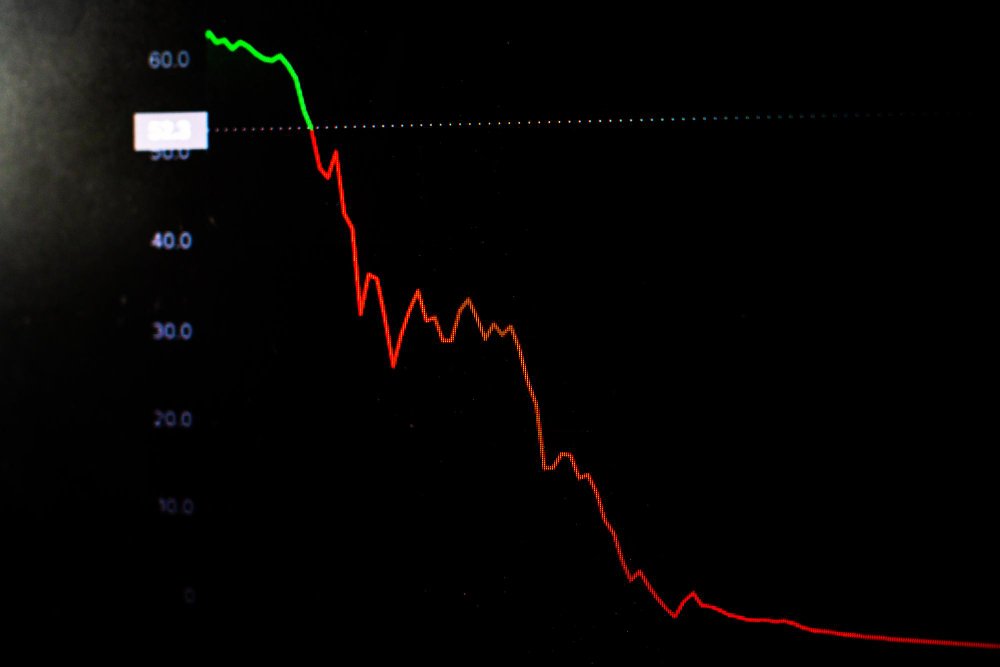
The KSE-100 Index pullback dominated market headlines on Wednesday as Pakistan’s benchmark index reversed course following a powerful rally in the previous session. After surging more than 5,000 points on Tuesday, the market slipped into correction mode, reflecting investor anxiety driven by escalating geopolitical tensions in the Middle East. The index settled at 155,777.21, marking a decline of 1,354.88 points (0.86%). This sudden downturn highlights how fragile investor confidence remains, especially when global uncertainties come into play. Volatility Returns Amid Global Uncertainty The trading session was marked by sharp volatility, with the index swinging across a wide range of over 3,100 points. It briefly touched an intraday high of 157,962, before plunging to a low of 154,790 a clear sign of indecision among investors. Market participation remained moderate, with 362 million shares traded, indicating that investors chose caution over aggressive positioning after the previous day’s rally. The primary trigger behind this KSE-100 Index pullback was rising geopolitical tension, particularly concerns surrounding potential escalation between the United States and Iran. These developments sent ripples across global markets, prompting investors to reduce exposure to riskier assets like equities. Market Breadth Turns Negative Despite Tuesday’s optimism, Wednesday painted a different picture. Declining stocks outpaced advancing ones, reflecting broad-based weakness across sectors. Out of nearly 500 listed companies, over 200 stocks declined, while slightly fewer managed to close in the green. This shift suggests that profit-taking activity and risk aversion took center stage. Among the notable gainers were UNITY, SSGC, and UPFL, showing resilience despite overall market pressure. On the flip side, stocks like IBFL, AKBL, and PABC recorded significant losses, contributing to the negative sentiment. Heavyweights Drag the Index Down The KSE-100 Index pullback was largely driven by losses in major index-heavy stocks. Companies like ENGROH, HBL, UBL, NBP, and LUCK collectively shaved off substantial points from the index. However, not all sectors were under pressure. Energy-related stocks, particularly oil and gas exploration companies, provided some cushion. Fertilizer and select consumer stocks also showed modest gains, preventing a steeper decline. Sector-Wise Performance Reflects Risk-Off Mood The biggest losses came from sectors closely tied to economic activity and financial flows. Commercial banks led the decline, followed by cement, investment companies, and technology-related stocks. Meanwhile, defensive and commodity-linked sectors showed relative strength. Oil & gas exploration, marketing companies, and fertilizer sectors attracted investor interest, as they are often seen as safer bets during global uncertainty. Broader Market Mirrors Weak Sentiment The broader market echoed the trend seen in the benchmark index. The All-Share Index declined by 0.61%, closing at 92,994.51. Trading activity also slowed noticeably. Total market volume dropped to 622 million shares, while overall traded value fell to Rs29.95 billion, down significantly from the previous session. This indicates a wait-and-see approach among investors. In practical terms, while hundreds of companies were actively traded, the balance tilted slightly toward declining stocks, reinforcing the cautious tone dominating the market. High-Volume Stocks: Where Activity Concentrated Investor attention remained focused on a handful of high-volume stocks. UNITY led the pack with over 117 million shares traded, followed by KEL and TSBLR1. Other actively traded names included BOP, PPL, and PAEL, reflecting a mix of speculative interest and sector-specific positioning. These stocks often act as sentiment indicators, and their mixed performance further underlines the uncertainty in the market. Big Picture: Strong Fiscal Gains, Short-Term Pressure Despite the KSE-100 Index pullback, the broader trend remains noteworthy. The index has gained 24% during the current fiscal year, reflecting strong underlying momentum. However, on a calendar-year basis, the market is still down by over 10%, highlighting ongoing volatility and macroeconomic challenges. Outlook: What Lies Ahead for Investors? The current KSE-100 Index pullback underscores a critical reality: Pakistan’s stock market remains highly sensitive to global geopolitical developments. If tensions in the Middle East escalate further, investor sentiment may remain subdued in the short term. However, any signs of de-escalation or stability could trigger another round of bargain hunting, similar to Tuesday’s rally. For now, investors appear to be balancing optimism about long-term growth with caution over immediate risks a dynamic that is likely to shape market direction in the coming sessions.

Government Plans to Phase Out Rs. 10 Note, Eyes Long-Term Savings
Politics

Government Plans to Phase Out Rs. 10 Note, Eyes Long-Term Savings

The federal government is considering a major change to Pakistan’s currency system by gradually replacing the Rs. 10 banknote with a coin — a move aimed at cutting costs and boosting efficiency. Read More: https://theboardroompk.com/illegal-immigration-pakistan-europe-agreement-new-legal-job-pathways-open-for-pakistanis/ A high-level committee led by the finance minister presented a detailed currency management report prepared by the State Bank of Pakistan and the Pakistan Security Printing Corporation to the federal cabinet for review. The report highlights that a Rs. 10 note typically remains usable for only six to nine months before wear and tear forces it out of circulation. In contrast, a metal coin of the same denomination can last 20 to 30 years, significantly reducing the need for repeated printing. Currently, about 35 % of all notes printed each year are Rs. 10 notes, costing roughly Rs. 8–10 billion annually in printing and handling. Experts say switching to coins could save the government Rs. 40–50 billion over the next decade due to lower replacement and administrative costs. Although producing coins initially costs more, their longevity makes them more economical in the long run. The report suggests phasing out the Rs. 10 note over the next three years, following legal procedures under the State Bank Act. Several other countries, including the United Kingdom, Canada, and Australia, have already switched low-value notes to coins to improve cost efficiency.

Pakistan Senate Resolution on Afghanistan Tensions: A Defining Moment
Politics

Pakistan Senate Resolution on Afghanistan Tensions: A Defining Moment

Pakistan Senate Resolution on Afghanistan tensions has sparked renewed debate over regional stability, sovereignty, and cross-border security dynamics. In a powerful and unified move, the Senate of Pakistan has “unequivocally condemned” recent acts of aggression and hostile actions originating from across the Afghan border. Read More: https://theboardroompk.com/ghazab-ul-haq-operation-drives-business-community-support-for-national-security/ This strong-worded resolution underscores a growing urgency within Pakistan’s leadership to address escalating tensions while sending a clear message: any attempt to undermine national sovereignty will be met with a firm, proportionate, and decisive response. A Unified Political Front on National Security The Pakistan Senate Resolution on Afghanistan tensions is notable not only for its content but also for the rare political consensus it reflects. Lawmakers across party lines stood united in defense “Ghazab-ul-Haq” of Pakistan’s territorial integrity and national honour. Such unity is often rare in domestic politics, making this resolution particularly significant. It highlights how national security concerns can transcend political divides, especially when external threats are perceived to be rising. The Senate reaffirmed its support for all necessary state measures aimed at protecting Pakistan’s borders, signaling a robust and coordinated approach moving forward. Strong Condemnation of Cross-Border Threats At the heart of the Pakistan Senate Resolution on Afghanistan tensions is a direct condemnation of what lawmakers described as “hostile rhetoric” and “cross-border violations.” Pakistan has long expressed concerns over the presence of anti-Pakistan militant groups operating from Afghan territory. The resolution reiterates these concerns, emphasizing that continued inaction or inability to curb such elements poses a direct threat to regional peace. This development raises critical questions: Can diplomatic channels ease tensions, or are we entering a phase of hardened security postures in the region? Recognizing the Role of Pakistan’s Armed Forces The resolution also pays tribute to the sacrifices and vigilance of the Pakistan Armed Forces and law enforcement agencies. It acknowledges their unwavering commitment to defending every inch of the homeland, often under challenging and high-risk conditions. By highlighting their bravery and professionalism, the Senate reinforces public confidence in national defense institutions while recognizing the human cost of maintaining security. Pakistan’s Frustration Over Lack of Reciprocity Another key aspect of the Pakistan Senate Resolution on Afghanistan tensions is the expression of “deep disappointment” over the lack of reciprocal goodwill from Afghanistan. For decades, Pakistan has hosted millions of Afghan nationals and advocated for Afghanistan’s stability on international platforms. However, lawmakers noted that instead of cooperation, Pakistan continues to face security challenges emanating from across the border. This sentiment reflects a broader frustration within policy circles: the expectation that humanitarian support and diplomatic advocacy should translate into mutual respect and cooperation. What This Means for Regional Stability The Pakistan Senate Resolution on Afghanistan tensions could mark a turning point in how Pakistan approaches its western border policy. While the resolution emphasizes defensive measures, its tone suggests a readiness to respond decisively if provoked. For businesses, investors, and regional stakeholders, such developments carry significant implications. Stability in Pakistan-Afghanistan relations is closely tied to trade routes, cross-border commerce, and broader economic prospects in South Asia. Any escalation could impact investor sentiment, while improved cooperation could unlock new economic opportunities. Conclusion: A Clear Message with Strategic Implications The Pakistan Senate Resolution on Afghanistan tensions is more than a political statement it is a strategic signal. It communicates resolve, unity, and a firm stance on sovereignty while leaving the door open for responsible engagement. As the region watches closely, the key question remains: will this moment lead to constructive dialogue or further escalation?

Ghazab-ul-Haq Operation Drives Business Community Support for National Security
Politics

Ghazab-ul-Haq Operation Drives Business Community Support for National Security

The Ghazab-ul-Haq Operation has rapidly become a focal point of national attention, not only for its military significance but also for the strong backing it has received from Pakistan’s business community. In a decisive response to cross-border aggression, the operation reflects a broader national consensus: security and economic stability are deeply interconnected. Read More: https://theboardroompk.com/pakistan-launches-strikes-on-afghanistan-claims-133-afghan-taliban-fighters-killed-in-operation-ghazab-lil-haq/ The President of Korangi Association of Trade and Industry (KATI), Muhammad Ikram Rajput, has publicly endorsed the Pakistan Army’s move, calling it a necessary and timely step to safeguard the country’s sovereignty. Ghazab-ul-Haq Operation and Rising Border Tensions The Ghazab-ul-Haq Operation was launched following a series of alarming incidents along Pakistan’s western border, where attacks reportedly targeted civilians and even places of worship. These developments heightened concerns over national security and prompted a swift military response. Rajput strongly condemned these acts, emphasizing that Pakistan cannot afford to compromise on its territorial integrity or the safety of its citizens. His statement underscores a growing sentiment within the business sector: prolonged instability directly threatens economic continuity. Business Community Endorses Ghazab-ul-Haq Operation In an era where economic resilience is closely tied to geopolitical stability, the Ghazab-ul-Haq Operation has received unequivocal support from industrialists and traders alike. Rajput noted that the business community stands “shoulder to shoulder” with the government and armed forces. Under the leadership of Asim Munir, the military’s decisive response has reinforced confidence among stakeholders who rely on a stable environment for growth and investment. He further highlighted that Pakistan’s armed forces have a long-standing record of defending both ideological and geographical boundaries, often at great cost. This legacy, he said, inspires confidence and unity across sectors. Why Ghazab-ul-Haq Operation Matters for Economic Stability The Ghazab-ul-Haq Operation is not just a military initiative it carries significant economic implications. Rajput emphasized that peace and security form the backbone of sustainable economic development. When instability rises, businesses face disruptions in supply chains, reduced investor confidence, and declining productivity. Conversely, strong security measures help restore market confidence and encourage both local and foreign investment. He stressed that terrorism and unrest inflict dual damage: loss of human lives and a direct blow to economic activity. This dual threat makes it imperative for all stakeholders, including the private sector, to support national security initiatives. Call for Unity and Coordinated Strategy Rajput also called for greater coordination between the government and key stakeholders. He urged authorities to keep the business community informed on national security developments, ensuring a unified and strategic approach. The Ghazab-ul-Haq Operation, he said, has already boosted national morale, particularly among traders and industrialists who view stability as essential for long-term planning. He encouraged citizens to remain vigilant, united, and resilient against disruptive elements and hostile narratives. A Defining Moment for National Cohesion As Pakistan navigates evolving security challenges, the Ghazab-ul-Haq Operation stands as a defining moment that highlights the intersection of defence and economic priorities. The strong endorsement from KATI reflects a broader realization: without security, sustainable economic growth remains out of reach. With unified support from both the public and private sectors, Pakistan appears poised to confront these challenges with renewed determination and collective strength.

Lahore ATC Grants Bail Relief to PTI Accused Until March 27 in May 9 Case
Politics

Lahore ATC Grants Bail Relief to PTI Accused Until March 27 in May 9 Case

An anti-terrorism court in Lahore has once again extended interim bail to a group of PTI leaders and workers accused in the high-profile May 9 attack on Jinnah House. The ruling was issued on February 25, 2026, providing continued protection from arrest. Read More: https://theboardroompk.com/ccp-approves-acquisition-of-attock-cement-by-fauji-cement-and-kot-addu-power-company/ Hearing Details and Prosecution Request Under ATC Administrative Judge Manzer Ali Gill, the court heard bail petitions from the accused, who appeared in person. The prosecution sought more time to compile and present the full case record, noting that portions had been forwarded to the Lahore High Court. The judge approved the delay and ordered submission of the complete file at the next date, while directing both sides to come prepared with arguments. Key Accused and Incident Context Interim bail was extended till March 27 for Ali Imtiaz Warraich, Owais Younis, Syeda Fatima, Rukhsana Naveed, Kamran Saleem, Hasnain Ali, Taqi Khan, Malik Tariq, Ammar Nadeem, and Arshad. The charges stem from the May 9, 2023, riots and arson at Jinnah House in Lahore, triggered by events following Imran Khan’s arrest. Multiple PTI members have secured similar relief in related cases, reflecting ongoing judicial handling of the widespread unrest. Implications for Ongoing Trial This development allows the accused to remain out of custody as investigations and trial progress. The court stressed timely progress, ensuring the prosecution meets evidentiary requirements without further undue delays. Future hearings will focus on substantive arguments regarding bail confirmation or other reliefs.

Punjab Government Jet Purchase: Strategic Investment or Political Controversy?
Politics

Punjab Government Jet Purchase: Strategic Investment or Political Controversy?

[1:41 pm, 24/02/2026] Syed Shoaib Shahram XO5: The Russia Law Protecting Prophet Muhammad and Qur’an has captured international attention, signaling a significant shift in how religious sensitivities are addressed within the country. As part of a broader effort to maintain social cohesion, Russia has enacted legislation that bans public insults against the Prophet Muhammad ﷺ and the Holy Qur’an. This move reflects not only domestic priorities but also a calculated response to Russia’s diverse religious demographics particularly its sizable Muslim population. Why Russia Law Protecting Prophet Muhammad and Qur’an Matters The introduction of the Russia Law Protecting Prophet Muhammad and Qur’an is rooted in…[2:08 pm, 24/02/2026] Syed Shoaib Shahram XO5: Punjab Government Jet Purchase: Strategic Investment or Political Controversy? The Punjab Government Jet Purchase has quickly turned into one of the most talked-about political and economic developments in Pakistan. What appears to be a routine government procurement has ignited a heated debate raising questions about governance, priorities, and long-term planning. During a recent Senate session, Rana Sanaullah Khan, Adviser to the Prime Minister on Political Affairs, strongly defended the move. He clarified that the aircraft is not intended for personal use by Maryam Nawaz or any political party but is a strategic asset owned by the provincial government. Why the Punjab Government Jet Purchase Matters The Punjab Government Jet Purchase is being positioned as a long-term investment rather than a luxury expense. According to officials, the new aircraft replaces an aging jet that has been in service for nearly three decades. Sanaullah emphasized that the new jet is expected to serve for another 30 to 40 years, making it a generational asset. In a province as large and economically significant as Punjab, efficient air mobility for official duties is being framed as a necessity rather than an indulgence. This argument reflects a broader governance perspective: investing in infrastructure that enhances administrative efficiency and crisis response capabilities. Political Reactions to Punjab Government Jet Purchase Despite official justifications, the Punjab Government Jet Purchase has drawn sharp criticism particularly from Pakistan Tehreek-e-Insaf (PTI). The opposition party has alleged that the luxury jet, reportedly costing between $38–42 million (approximately Rs11 billion), is intended for the exclusive use of the chief minister. Such claims have fueled political rhetoric, turning the procurement into a symbol of perceived government excess. The controversy underscores how public spending decisions especially high-value ones are often scrutinized through a political lens in Pakistan’s charged environment. Air Punjab Vision Behind the Jet Purchase Adding another layer to the discussion, Punjab Information Minister Azma Bokhari revealed that the aircraft is part of a broader aviation strategy. The government plans to establish a provincial fleet under the proposed “Air Punjab” initiative. This fleet would include a mix of owned and leased aircraft, aimed at improving transportation logistics, governance mobility, and possibly even commercial or emergency operations in the future. From a business and infrastructure standpoint, this signals an ambitious move toward developing regional aviation capabilities something rarely seen at the provincial level in Pakistan. Balancing Public Perception and Policy Decisions The Punjab Government Jet Purchase highlights a recurring challenge in public policy: balancing long-term strategic investments with immediate public perception. On one hand, the government argues that such acquisitions are essential for modern governance and operational efficiency. On the other, critics question whether such expenditures align with public priorities, especially in a developing economy facing fiscal constraints. This tension is not unique to Pakistan. Around the world, government spending on high-value assets often triggers similar debates about necessity versus optics. Final Thoughts At its core, the Punjab Government Jet Purchase is more than just an aviation deal it is a case study in governance, political narrative, and public accountability. Whether the aircraft ultimately proves to be a valuable long-term asset or remains a point of political contention will depend on how effectively it is utilized and communicated to the public. For now, one thing is certain: this purchase has successfully taken off not just in the skies, but in Pakistan’s political discourse.

PTA to Deploy Internet & Telecom Surveillance System
Politics

PTA to Deploy Internet & Telecom Surveillance System

The Pakistan Telecommunication Authority is preparing to introduce a nationwide system designed to oversee internet and telecom networks, with the goal of improving efficiency, security, and regulatory control. The plan includes creating a National Telecom Monitoring Solution that will establish a structured framework for Internet Exchange Points (IXPs), allowing better coordination across Pakistan’s digital infrastructure. Read More: https://theboardroompk.com/jpmorgan-recruits-chips-and-defense-veterans-for-1-5-trillion-security-push/ Under this initiative, the authority intends to develop both technical and regulatory standards to guide the establishment and interconnection of IXPs throughout the country. These exchange points are expected to streamline internet traffic management and reduce dependence on international routing channels. Officials say the new monitoring system will provide real-time insights into network performance, traffic flows, and possible security threats. This visibility would help improve service quality and enable faster responses to outages or cyber risks. The framework will also outline clear requirements for telecom operators, internet service providers, and related stakeholders to ensure uniform implementation. Authorities believe the move could lead to lower latency, stronger compliance with regulations, and more reliable digital services. It is also part of a broader strategy to localize internet traffic and enhance national data governance by reducing reliance on foreign networks. Before finalizing the framework, the regulator plans to consult industry stakeholders to align the system with global standards and local needs.

Glenn Maxwell PSL 11 Signing: Australian Star Chooses PSL Over IPL in Surprise Move
Politics

Glenn Maxwell PSL 11 Signing: Australian Star Chooses PSL Over IPL in Surprise Move

The Glenn Maxwell PSL 11 signing has sent ripples across the cricketing world, as the explosive Australian all-rounder, Glenn Maxwell, has opted to feature in the upcoming season of the Pakistan Super League instead of participating in the Indian Premier League. This unexpected decision has ignited curiosity among fans and analysts alike, raising questions about shifting player preferences and the growing global appeal of the PSL. Why the Glenn Maxwell PSL 11 Signing Matters Maxwell’s move is more than just a player transfer it signals a subtle shift in the dynamics of franchise cricket. Known for his aggressive batting, innovative stroke play, and match-winning abilities, Maxwell brings instant star power to any league he joins. By choosing PSL 11, he adds significant international weight to the tournament, further strengthening its reputation as one of the most competitive T20 leagues in the world. For fans, the Glenn Maxwell PSL 11 signing promises thrilling performances, unpredictable innings, and high entertainment value elements that Maxwell consistently delivers on the field. Hyderabad Kingsmen Secure a Game-Changer The franchise Hyderabad Kingsmen officially confirmed Maxwell’s inclusion, marking a major milestone ahead of PSL 11. In their announcement, the Kingsmen expressed confidence that Maxwell will play a pivotal role in shaping the team’s campaign. His experience across global leagues, including the Big Bash and previous IPL seasons, makes him a strategic asset. Rather than simply adding another international name, the Kingsmen have secured a player capable of changing the course of matches single-handedly something every franchise seeks but few achieve. Glenn Maxwell PSL 11 Signing: A Strategic Shift? Maxwell’s decision to skip the IPL has sparked widespread debate. While the IPL has traditionally been the most lucrative and high-profile T20 competition, the Glenn Maxwell PSL 11 signing highlights a growing trend: players are increasingly exploring diverse leagues based on form, opportunity, and strategic fit. This move could also reflect scheduling considerations, workload management, or a desire for a fresh challenge in different playing conditions. Pakistan’s pitches, known for offering a mix of pace and spin challenges, present a unique test even for seasoned players like Maxwell. What This Means for PSL 11 The Glenn Maxwell PSL 11 signing elevates expectations for the tournament. With international stars choosing PSL over other leagues, the competition’s global standing continues to rise. Fans can expect: • Higher viewership and international attention• Increased competitiveness among franchises• More thrilling, high-scoring encounters Maxwell’s presence alone has the potential to draw neutral viewers, especially those who follow global T20 leagues closely. The Bigger Picture: PSL’s Growing Global Appeal Over the years, the Pakistan Super League has steadily built its brand as a premier cricketing event. The Glenn Maxwell PSL 11 signing reinforces the league’s upward trajectory. It demonstrates that PSL is no longer just a regional tournament it is becoming a global stage where top-tier talent chooses to perform. As more international players consider PSL a priority, the league could soon rival other major T20 competitions in both prestige and commercial value. Final Thoughts The Glenn Maxwell PSL 11 signing is not just a headline it’s a statement. It reflects changing priorities in modern cricket, highlights PSL’s growing influence, and promises fans a season filled with excitement and unpredictability. As PSL 11 approaches, all eyes will be on Maxwell and the Hyderabad Kingsmen to see whether this bold move translates into on-field success.

Sunil Gavaskar, Kapil Dev Join Global Cricket Legends in Appeal for Imran Khan's Humane Treatment
Politics

Sunil Gavaskar, Kapil Dev Join Global Cricket Legends in Appeal for Imran Khan’s Humane Treatment

Indian cricket legends Sunil Gavaskar and Kapil Dev have joined 12 other former international captains in signing a humanitarian petition urging the Pakistani government to ensure better treatment and medical care for jailed former Prime Minister Imran Khan. Read More: https://theboardroompk.com/psx-plunges-nearly-4-6682-points-on-geopolitical-fears-and-oil-spike/ The appeal, reported by Reuters on February 17, 2026, expresses “deep concern” over Khan’s deteriorating health, particularly the reported loss of vision in his right eye during his more than two-year imprisonment. Khan, aged 73 and a celebrated 1992 World Cup-winning captain, has been detained since August 2023 following convictions he claims are politically motivated after his 2022 ouster. Petition Details and Signatories The open letter, addressed to the Pakistan government, describes Khan as “one of the finest all-rounders” and a “global sporting icon.” It highlights shared cricketing history, stating: “Many of us competed against him, shared the field with him, or grew up idolizing his all-round brilliance, charisma, and competitive spirit.” The signatories emphasize values of fair play and respect that “transcend the boundary rope,” urging “immediate and adequate medical attention, dignified treatment, and unhindered access to legal processes.” Other notable signatories include Australians Greg Chappell, Ian Chappell, Allan Border, Steve Waugh, Belinda Clark, and Kim Hughes; Englishmen Mike Atherton, Nasser Hussain, Mike Brearley, and David Gower; West Indies’ Clive Lloyd; and New Zealand’s John Wright. Health Context and Broader Appeal Recent court reports noted Khan’s vision issues, though a medical board on February 16, 2026, indicated some improvement after treatment. The petition avoids political commentary, focusing on humanitarian grounds and Khan’s legacy as a cricketer who “embodied that spirit throughout his career.” This rare cross-border initiative from Indian icons amid strained India-Pakistan ties—including recent military tensions—highlights cricket’s potential as a bridge for diplomacy and shared respect.

Scroll to Top