Politics

Pakistan Condemns Iran Strikes on Saudi Energy Sites
Politics

Pakistan Condemns Iran Strikes on Saudi Energy Sites

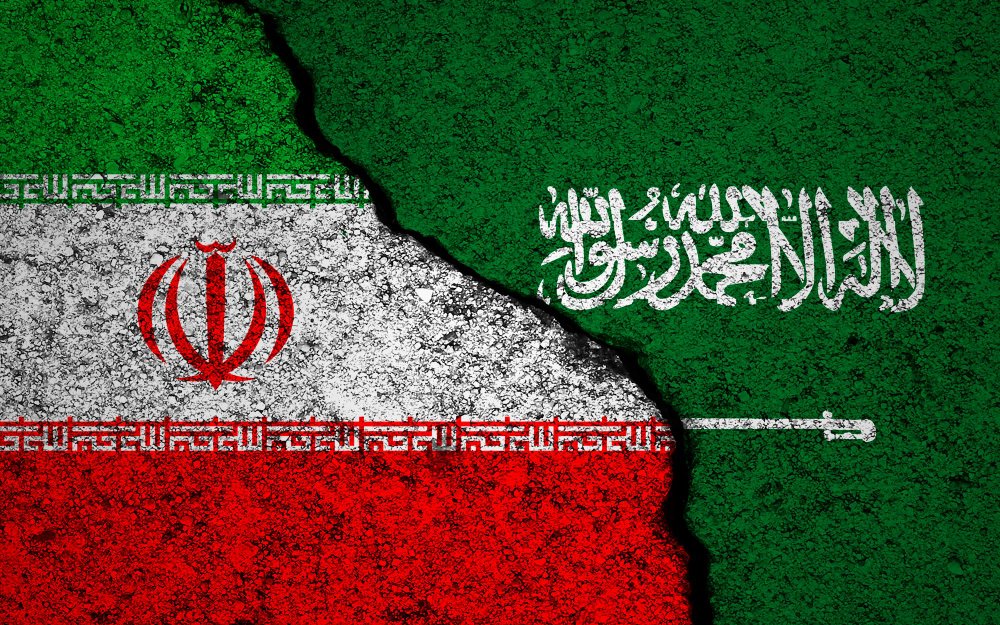
ISLAMABAD:Pakistan on Tuesday strongly condemned missile and drone attacks carried out by Iran on Saudi Arabia’s energy facilities, calling the strikes a serious violation of the Kingdom’s sovereignty and a threat to regional peace. Read More: https://theboardroompk.com/pakistan-petroleum-extends-ceo-khalid-rehmans-tenure-for-steady-leadership/ In an official statement, the Foreign Office expressed deep concern over the escalation, noting that the attacks resulted in loss of life and damage to critical infrastructure in Saudi Arabia’s eastern region. Strong Diplomatic Response and Solidarity Islamabad conveyed its condolences to the families of the victims and reaffirmed its unwavering support for Saudi Arabia’s security and territorial integrity. “The Government of Pakistan considers these attacks a serious violation of Saudi Arabia’s sovereignty and territorial integrity,” the Foreign Office said, warning that such actions undermine regional stability. The statement also described the incident as a “dangerous escalation,” reflecting growing concerns about the widening conflict in the Middle East. Pakistan has consistently maintained close strategic and defence ties with Saudi Arabia, making its response particularly significant amid rising geopolitical tensions. Regional Conflict Deepens Energy Security Risks The attacks reportedly targeted key energy installations in Saudi Arabia’s eastern province, including facilities in major industrial hubs such as Jubail. Saudi authorities earlier indicated that missiles and drones aimed at the region were intercepted, though debris fell near critical infrastructure, highlighting the vulnerability of global energy supply chains. The incident comes amid an intensifying regional conflict involving Iran, the United States, and Israel, with repeated strikes on energy infrastructure raising fears of prolonged instability. Analysts warn that continued attacks on oil and gas facilities could disrupt global energy markets, increase oil prices, and further strain economies dependent on imported fuel — including Pakistan. Islamabad has urged restraint and dialogue, while reiterating its support for efforts aimed at de-escalation and restoring stability in the region.

Iran Rejects Trump Deadline on Hormuz, Warns of Retaliation
Politics

Iran Rejects Trump Deadline on Hormuz, Warns of Retaliation

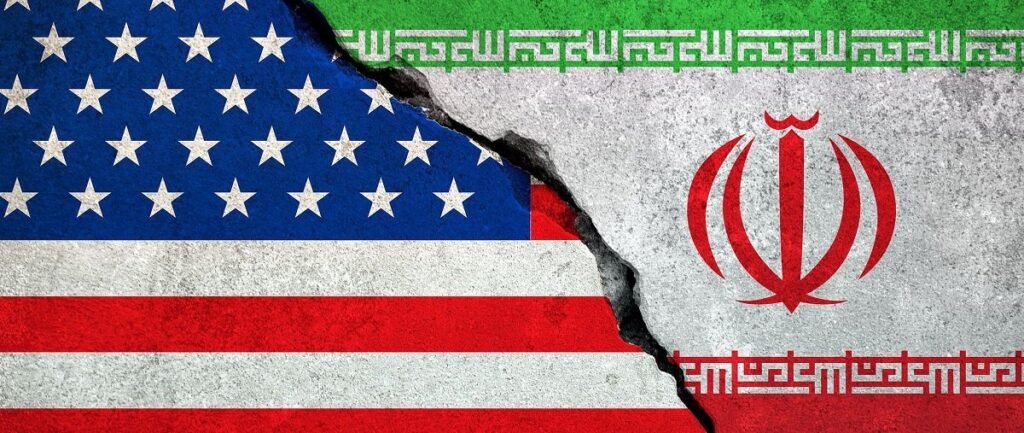
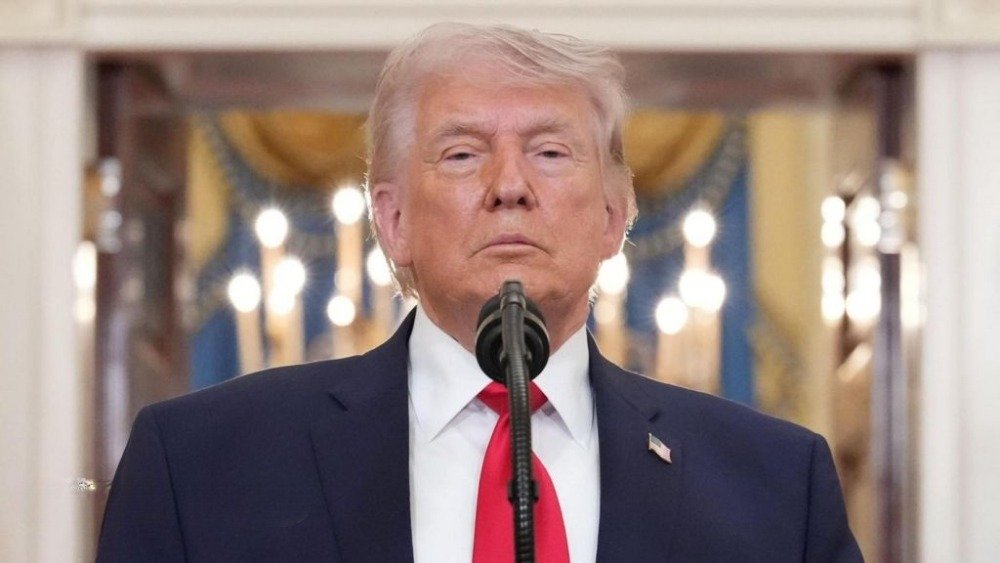
Iran has firmly dismissed the deadline issued by the US President Donald Trump regarding the strategic Strait of Hormuz. The development has intensified tensions in an already volatile region. Tehran has warned of strong retaliatory action if any aggression occurs. Officials in Iran have also condemned what they describe as provocative and dangerous rhetoric coming from Washington. Read More: https://theboardroompk.com/drone-soccer-becoming-a-new-game-in-chinas-tech-driven-sports/ The response came after Trump set a Tuesday deadline linked to security concerns in the Strait of Hormuz. The waterway remains one of the world’s most critical oil transit routes. Iran’s leadership has made it clear that it will not bow to external pressure. Instead, it has signaled readiness to defend its sovereignty. Zarif Condemns Trump’s Threats Former Iranian Foreign Minister Javad Zarif strongly criticized Trump’s ultimatum. He described it as a “vulgar outburst” and warned of serious consequences. Zarif took to social media to express his concerns. He stated that Iran would defend itself against any form of aggression. Zarif also referred to what he called a “war crime” involving the killing of 170 schoolchildren in Minab. He alleged that such actions marked the beginning of escalating hostilities. According to him, Trump’s recent statements only worsened the situation. He further warned that any country supporting such actions could face international legal consequences. His remarks have drawn significant attention globally. Analysts say his statements reflect growing frustration within Iran’s political establishment. At the same time, they underline Tehran’s stance against foreign threats. Strategic Importance of Strait of Hormuz The Strait of Hormuz plays a crucial role in global energy supply. Nearly one-fifth of the world’s oil passes through this narrow passage. Any disruption in this area can trigger a global economic shock. This is why tensions around Hormuz often attract international concern. Iran has repeatedly warned that it could restrict access to the strait if provoked. Such a move would have far-reaching consequences. It could disrupt oil markets and increase global fuel prices. In recent years, several incidents in the region have already raised fears of conflict. Experts believe that Trump’s deadline has added fuel to the fire. It has increased the risk of miscalculation between the two sides. Diplomatic efforts now face significant challenges as both nations harden their positions. Internal Pressure and Diplomatic Challenges Zarif’s comments also come at a time when he faces pressure at home. Reports suggest that Iranian authorities reprimanded him recently. This followed an article he wrote in Foreign Affairs. In that piece, he outlined a roadmap to end ongoing tensions and conflicts. Some officials in Iran viewed his article as controversial. They believed it did not fully align with the government’s current stance. However, Zarif has long been known for advocating diplomacy. He played a key role in negotiating the historic Iran nuclear deal. Despite criticism, his latest statements show a shift toward a stronger tone. Observers say this reflects the changing political climate. Iran now appears less willing to engage in dialogue under pressure. Rising Tensions and Global Concerns The situation has raised alarm among international observers. Many fear that escalating rhetoric could lead to direct confrontation. The Middle East has already witnessed multiple flashpoints in recent months. Any new conflict could further destabilize the region. Global powers are closely monitoring the developments. They have called for restraint from both sides. However, the chances of immediate de-escalation appear slim. Iran’s warning of retaliation signals that it is prepared for worst-case scenarios. Meanwhile, energy markets remain sensitive to any news from the region. Traders and analysts are watching developments closely. Even minor incidents in the Strait of Hormuz can trigger price fluctuations.

FBR 72-Hour Invoice Amendment Rule: New Restrictions on Sales Tax Invoice Changes in Pakistan
Politics

FBR 72-Hour Invoice Amendment Rule: New Restrictions on Sales Tax Invoice Changes in Pakistan

The FBR 72-Hour Invoice Amendment Rule marks a significant shift in Pakistan’s tax administration, as the Federal Board of Revenue (FBR) has imposed a strict three-day limit on cancellation, deletion, or amendment of electronic sales tax invoices. Issued through Sales Tax General Order No. 01 of 2026, the move is aimed at strengthening documentation, reducing manipulation, and enhancing transparency in sales reporting. Read More: https://theboardroompk.com/oil-swings-sharply-as-iran-de-escalation-hopes-clash-with-hormuz-closure-fears/ Under the new directive, registered sales tax persons integrated with FBR’s computerized invoicing system can only modify invoices within 72 hours of issuance. Even within this limited timeframe, changes will only be permitted in cases of genuine or bona fide errors. How the FBR 72-Hour Invoice Amendment Rule Works The new system requires that any modification to invoices must be processed through FBR’s centralized digital platform. This ensures real-time reporting and maintains a complete audit trail for tax authorities. After the 72-hour window expires, businesses will no longer have the autonomy to amend invoices. Instead, they must obtain prior approval from the concerned Commissioner Inland Revenue. This additional step introduces a formal review mechanism, making retrospective changes more difficult and closely monitored. This policy is designed to curb post-reporting adjustments, which have historically created compliance risks and allowed manipulation of declared sales figures. Digital Integration Remains Mandatory for Businesses The implementation of the FBR 72-Hour Invoice Amendment Rule is part of a broader initiative to enforce provisions under the Sales Tax Act, 1990. The law requires businesses to integrate their electronic invoicing systems with FBR for real-time reporting. Earlier, SRO 1413(I)/2025 mandated the adoption of digital invoicing through licensed integrators. However, businesses had raised concerns about operational bottlenecks caused by reliance on a single integrator. In response, FBR has now allowed registered persons to engage one or more licensed integrators for system integration. This adjustment provides flexibility while maintaining standardization through approved service providers. Policy Objective Behind the 72-Hour Limit The introduction of a defined time cap for invoice adjustments reflects FBR’s strategy to improve documentation and prevent after-the-fact manipulation. By locking invoices after three days, the tax authority aims to: • Improve accuracy of reported sales data• Strengthen audit trails and transaction traceability• Reduce misuse of invoice editing• Enhance transparency in tax reporting• Support real-time enforcement and compliance monitoring These measures are aligned with Pakistan’s ongoing transition toward a digitized tax ecosystem. Compliance Challenges for Businesses While the FBR 72-Hour Invoice Amendment Rule enhances transparency, it may also increase compliance pressure for businesses. Companies with complex supply chains, high transaction volumes, or decentralized operations may find it challenging to identify errors within the limited timeframe. Additionally, requiring Commissioner-level approval for changes beyond 72 hours could lead to procedural delays. Businesses will need stronger internal controls, improved reconciliation processes, and better coordination between finance and operations teams. Greater Flexibility Through Multiple Integrators To address operational challenges, FBR has allowed businesses to work with multiple licensed integrators instead of a single provider. This change is expected to reduce technical dependencies and provide industry-specific solutions for system integration. However, integration must still be carried out through FBR-approved integrators to ensure compatibility and standardized reporting. What Businesses Should Do Now Companies registered under the sales tax regime should review their invoicing workflows immediately. Key actions include: • Strengthening internal verification processes within 72 hours• Training finance and tax teams on new compliance requirements• Implementing automated reconciliation systems• Ensing seamless integration with FBR-approved platforms• Maintaining documentation for genuine correction requests The FBR 72-Hour Invoice Amendment Rule represents a decisive move toward real-time tax enforcement and transparent documentation. While it increases compliance responsibilities, the measure is expected to enhance data integrity, reduce manipulation, and support revenue mobilization efforts. With immediate implementation in effect, businesses must adapt quickly to avoid operational disruptions and regulatory risks.

Israel Removes Iranian FM Araqchi and Speaker Qalibaf from Hit List After Pakistan Request
Politics

Israel Removes Iranian FM Araqchi and Speaker Qalibaf from Hit List After Pakistan Request

Islamabad: Israel has temporarily removed Iranian Foreign Minister Abbas Araqchi and Parliamentary Speaker Mohammad Baqer Qalibaf from its target list following a request channeled through the United States by Pakistan, according to a report by Reuters. Read More: https://theboardroompk.com/pakistans-trade-deficit-may-balloon-to-41-8-billion-as-oil-prices-surge-pide-report/ Pakistan’s Diplomatic Intervention A Pakistani source with knowledge of the discussions revealed that Islamabad urged Washington to intervene after learning that Israeli forces had the coordinates of the two senior Iranian officials and intended to strike them. The source stated, “The Israelis had their coordinates and wanted to take them out. We told the U.S. if they are also eliminated then there is no one else to talk to, hence the U.S. asked the Israelis to back off.” The removal is understood to be temporary, lasting four to five days, to facilitate ongoing efforts for possible peace negotiations. Pakistan’s Mediating Role Pakistan, along with Egypt and Turkey, has been actively playing a mediating role between Tehran and Washington amid the Iran conflict. Islamabad maintains direct communication channels with both sides at a time when most other countries have frozen contacts with Iran. A 15-point proposal from US President Donald Trump, reportedly conveyed through Pakistan, is currently under review in Tehran. The proposal includes demands such as removing Iran’s stocks of highly enriched uranium, halting enrichment activities, curbing its ballistic missile program, and cutting support to regional allies. Implications for Peace Efforts Iranian Foreign Minister Araqchi has said Tehran is reviewing the US proposal but has no immediate intention of holding talks to end the conflict. US President Donald Trump earlier remarked that Iran appears desperate to reach a deal. Pakistan’s intervention highlights its growing diplomatic influence in the region. Officials in Islamabad believe preserving key Iranian figures is essential to keeping dialogue channels open. Pakistan’s military and foreign office have not yet commented on the report.

China's Mediation Delivers Ceasefire Lull in Pakistan-Afghanistan Border Clashes
Politics

China’s Mediation Delivers Ceasefire Lull in Pakistan-Afghanistan Border Clashes

China’s diplomatic intervention has significantly reduced intense border clashes between Pakistan and Afghanistan. This marks the most severe fighting since the Taliban regained control in 2021. Escalation began with Pakistani airstrikes on February 26, 2026, targeting alleged militant hideouts in Afghanistan. Read More: https://theboardroompk.com/pm-sharif-assures-full-support-to-saudi-arabia-in-jeddah-meeting-amid-middle-east-tensions/ Chinese efforts, including a direct message from President Xi Jinping urging de-escalation, played a key role. Beijing’s special envoy shuttled between the two capitals, while embassies maintained ongoing contacts. Fighting has now tapered, with no recent Pakistani airstrikes reported and reduced ground engagements along the 2,600-km Durand Line border. Daily minor clashes persist, but the overall intensity has dropped markedly. China’s Active Diplomatic Role in De-escalation China positioned itself as a neutral mediator, leveraging strong ties with Pakistan (via the Belt and Road Initiative investments exceeding $65 billion) and growing economic interests in Afghanistan’s minerals. A late February meeting saw China’s ambassador to Pakistan, Jiang Zaidong, deliver Xi’s message to Prime Minister Shehbaz Sharif, calling for an end to hostilities. China’s Foreign Ministry confirmed shuttle diplomacy by Special Envoy Yue Xiaoyong and communications through embassies in Islamabad and Kabul. Foreign Minister Wang Yi spoke with Pakistan’s Deputy Prime Minister and Foreign Minister Ishaq Dar on March 11, 2026, emphasizing restraint. Meetings in Kabul involved China’s ambassador Zhao Xing and the envoy with Afghanistan’s acting Foreign Minister Amir Khan Muttaqi. Beijing stressed the urgency of preventing escalation and returning to talks, stating it would continue constructive efforts. This mediation fills a gap left by previous Gulf mediators (Qatar, Saudi Arabia, Turkey), now preoccupied with Middle East conflicts. Border Tensions and Path to Stability Pakistan accuses the Taliban of sheltering militants launching attacks inside Pakistan, prompting military operations to secure the border. Afghanistan denies safe havens, viewing militancy as Pakistan’s internal issue, and both sides have claimed heavy casualties without independent verification. The Durand Line remains disputed, fueling long-standing friction exacerbated since 2021. China’s involvement highlights its strategic stake in regional stability to protect investments and counter security threats. While clashes have eased, full resolution requires sustained dialogue. No formal negotiations are confirmed yet, but the lull offers a window for de-escalation. Pakistan’s military insists operations continue until objectives are met, signaling caution amid the fragile calm. This development underscores China’s rising influence in South and Central Asian diplomacy.

Pakistan Navy Launches Operation 'Muhafiz-ul-Bahr' to Shield Trade from Regional Threats
Politics

Pakistan Navy Launches Operation ‘Muhafiz-ul-Bahr’ to Shield Trade from Regional Threats

The Pakistan Navy has initiated a proactive maritime security operation named Muhafiz-ul-Bahr (Protector of the Seas) to shield vital shipping lanes and energy imports amid escalating Middle East tensions, particularly the ongoing U.S.-Israeli conflict with Iran. Read More: https://theboardroompk.com/us-troop-wounded-in-iran-war-surge-to-150-pentagon-confirms-140/ Announced on March 9, 2026, the move underscores Pakistan’s heavy reliance on sea routes for trade and fuel supplies. Operation Details and Objectives The operation focuses on escorting merchant vessels to ensure safe transit through high-risk areas, including routes near the Strait of Hormuz—a critical chokepoint for global oil flowing to South Asia. Navy ships are actively providing protection, with recent examples including escorts for vessels like MV Shalamar (near Fujairah Port in the Gulf of Oman) and MV Sargodha (arriving in Karachi). The Inter-Services Public Relations (ISPR) described it as a response to “multidimensional threats” to national shipping and maritime trade. A handout video released by the military shows a Pakistani sailor armed on a warship accompanying a merchant ship at an unidentified location. Strategic Context and Economic Stakes With approximately 90% of Pakistan’s trade conducted by sea and the country heavily dependent on imported energy (mostly oil and gas from the Gulf), any disruption poses severe risks. The Iran conflict has already driven global oil prices higher, prompting Pakistan to implement fuel austerity measures, hike pump prices by about 20%, and arrange extra petroleum cargoes to maintain comfortable stock levels. The navy emphasized readiness to address emerging challenges, aiming to keep sea lines of communication secure and uninterrupted for both national and regional maritime traffic. This initiative highlights Pakistan’s efforts to safeguard its economic lifeline in a volatile region, where threats to the Strait of Hormuz could ripple into supply shortages and further inflation pressures at home.

Friday Additional Weekly Holiday Pakistan: Government Announces New Austerity and Energy-Saving Plan
Politics

Friday Additional Weekly Holiday Pakistan: Government Announces New Austerity and Energy-Saving Plan

Friday Additional Weekly Holiday Pakistan has emerged as one of the latest policy decisions by the government as it attempts to balance economic stability with energy conservation. Prime Minister Shehbaz Sharif has approved declaring Friday as an additional weekly holiday for federal government offices, a move aimed at reducing operational costs, saving energy, and strengthening austerity measures across government institutions. Read More: https://theboardroompk.com/pakistan-workers-remittances-february-2026-uae-overtakes-saudi-arabia-as-top-source/ The decision was announced during a high-level review meeting held at the Prime Minister’s House, where officials discussed strategies to tackle ongoing economic pressures caused by global economic uncertainty and regional challenges. According to the prime minister, the government is pursuing every possible strategy to stabilize Pakistan’s economy while ensuring responsible public spending. Why the Friday Additional Weekly Holiday Pakistan Policy Matters The Friday Additional Weekly Holiday Pakistan policy is part of a broader national austerity strategy designed to cut costs and improve energy efficiency in government operations. Officials say the move could significantly reduce electricity consumption and operational expenses in federal offices. With energy prices rising globally, conservation measures have become increasingly important for countries facing economic constraints. To ensure strict implementation, the prime minister directed all federal ministries and divisions to fully comply with the policy and monitor the impact of these measures. He also emphasized that financial discipline within government departments is essential to maintain fiscal stability and public trust. Special Committee to Monitor Austerity Measures To oversee the implementation of the Friday Additional Weekly Holiday Pakistan policy and other austerity initiatives, the government has established a special committee headed by Deputy Prime Minister and Foreign Minister Ishaq Dar. The committee will: • Conduct daily reviews of austerity and energy-saving policies• Collect reports from ministries and divisions• Assess the effectiveness of the implemented measures• Recommend improvements where necessary The prime minister also ordered that all austerity measures be subject to third-party audits, ensuring transparency and measurable outcomes. Government Departments Directed to Show Compliance To ensure strict enforcement of the austerity policy, ministries have been instructed to provide detailed documentation of their actions. For example, departments must submit photographic evidence of government vehicles taken out of operation under the austerity program. These reports will be sent to the Cabinet Division to maintain accurate oversight. Additionally, ministries must submit updates to the Prime Minister’s Office outlining improvements in work-from-home arrangements, which are expected to further reduce operational costs. Officials confirmed that daily and weekly reports will be submitted to the monitoring committee covering: • Energy conservation measures• Workforce management strategies• Cost-saving initiatives across departments Technology to Boost Tax Collection In a separate meeting, Prime Minister Shehbaz Sharif also reviewed progress at the Federal Board of Revenue (FBR), focusing on improving tax collection through technology. The government is expanding automated monitoring systems across key sectors to reduce tax evasion and increase transparency. Currently, digital monitoring has already been implemented in industries such as sugar, cement, cigarettes, and fertiliser. These systems allow tax authorities to track production and sales in real time, leading to improved revenue collection. Officials also revealed that the technology will soon be introduced in several additional sectors, including: • Textile• Leather• Paper• Automobile• Beverages Once fully implemented, these digital systems are expected to generate billions of rupees in additional tax revenue for the national exchequer. Strengthening Economic Governance The prime minister praised the government’s economic team for strengthening institutions like Pakistan Revenue Automation Limited (PRAL) by appointing experienced professionals through merit-based recruitment. The goal is to transform PRAL into a modern, technology-driven tax administration platform capable of supporting Pakistan’s long-term fiscal reforms. Economic analysts say the combination of austerity policies, energy conservation measures, and digital tax monitoring could play a significant role in improving government efficiency and reducing fiscal pressure. The Bigger Picture The Friday Additional Weekly Holiday Pakistan policy reflects a broader strategy by the government to adapt to economic challenges through smarter resource management. While the move may initially affect administrative routines, policymakers believe the long-term benefits including reduced energy costs, improved efficiency, and stronger fiscal discipline could outweigh the short-term adjustments. As the government continues to implement these reforms, the success of the policy will largely depend on consistent enforcement, transparency, and technological innovation in public sector management.

KSE-100 Index Pullback: Market Slides as Middle East Tensions Shake Investor Confidence
Politics

KSE-100 Index Pullback: Market Slides as Middle East Tensions Shake Investor Confidence

The KSE-100 Index pullback dominated market headlines on Wednesday as Pakistan’s benchmark index reversed course following a powerful rally in the previous session. After surging more than 5,000 points on Tuesday, the market slipped into correction mode, reflecting investor anxiety driven by escalating geopolitical tensions in the Middle East. The index settled at 155,777.21, marking a decline of 1,354.88 points (0.86%). This sudden downturn highlights how fragile investor confidence remains, especially when global uncertainties come into play. Volatility Returns Amid Global Uncertainty The trading session was marked by sharp volatility, with the index swinging across a wide range of over 3,100 points. It briefly touched an intraday high of 157,962, before plunging to a low of 154,790 a clear sign of indecision among investors. Market participation remained moderate, with 362 million shares traded, indicating that investors chose caution over aggressive positioning after the previous day’s rally. The primary trigger behind this KSE-100 Index pullback was rising geopolitical tension, particularly concerns surrounding potential escalation between the United States and Iran. These developments sent ripples across global markets, prompting investors to reduce exposure to riskier assets like equities. Market Breadth Turns Negative Despite Tuesday’s optimism, Wednesday painted a different picture. Declining stocks outpaced advancing ones, reflecting broad-based weakness across sectors. Out of nearly 500 listed companies, over 200 stocks declined, while slightly fewer managed to close in the green. This shift suggests that profit-taking activity and risk aversion took center stage. Among the notable gainers were UNITY, SSGC, and UPFL, showing resilience despite overall market pressure. On the flip side, stocks like IBFL, AKBL, and PABC recorded significant losses, contributing to the negative sentiment. Heavyweights Drag the Index Down The KSE-100 Index pullback was largely driven by losses in major index-heavy stocks. Companies like ENGROH, HBL, UBL, NBP, and LUCK collectively shaved off substantial points from the index. However, not all sectors were under pressure. Energy-related stocks, particularly oil and gas exploration companies, provided some cushion. Fertilizer and select consumer stocks also showed modest gains, preventing a steeper decline. Sector-Wise Performance Reflects Risk-Off Mood The biggest losses came from sectors closely tied to economic activity and financial flows. Commercial banks led the decline, followed by cement, investment companies, and technology-related stocks. Meanwhile, defensive and commodity-linked sectors showed relative strength. Oil & gas exploration, marketing companies, and fertilizer sectors attracted investor interest, as they are often seen as safer bets during global uncertainty. Broader Market Mirrors Weak Sentiment The broader market echoed the trend seen in the benchmark index. The All-Share Index declined by 0.61%, closing at 92,994.51. Trading activity also slowed noticeably. Total market volume dropped to 622 million shares, while overall traded value fell to Rs29.95 billion, down significantly from the previous session. This indicates a wait-and-see approach among investors. In practical terms, while hundreds of companies were actively traded, the balance tilted slightly toward declining stocks, reinforcing the cautious tone dominating the market. High-Volume Stocks: Where Activity Concentrated Investor attention remained focused on a handful of high-volume stocks. UNITY led the pack with over 117 million shares traded, followed by KEL and TSBLR1. Other actively traded names included BOP, PPL, and PAEL, reflecting a mix of speculative interest and sector-specific positioning. These stocks often act as sentiment indicators, and their mixed performance further underlines the uncertainty in the market. Big Picture: Strong Fiscal Gains, Short-Term Pressure Despite the KSE-100 Index pullback, the broader trend remains noteworthy. The index has gained 24% during the current fiscal year, reflecting strong underlying momentum. However, on a calendar-year basis, the market is still down by over 10%, highlighting ongoing volatility and macroeconomic challenges. Outlook: What Lies Ahead for Investors? The current KSE-100 Index pullback underscores a critical reality: Pakistan’s stock market remains highly sensitive to global geopolitical developments. If tensions in the Middle East escalate further, investor sentiment may remain subdued in the short term. However, any signs of de-escalation or stability could trigger another round of bargain hunting, similar to Tuesday’s rally. For now, investors appear to be balancing optimism about long-term growth with caution over immediate risks a dynamic that is likely to shape market direction in the coming sessions.

Government Plans to Phase Out Rs. 10 Note, Eyes Long-Term Savings
Politics

Government Plans to Phase Out Rs. 10 Note, Eyes Long-Term Savings

The federal government is considering a major change to Pakistan’s currency system by gradually replacing the Rs. 10 banknote with a coin — a move aimed at cutting costs and boosting efficiency. Read More: https://theboardroompk.com/illegal-immigration-pakistan-europe-agreement-new-legal-job-pathways-open-for-pakistanis/ A high-level committee led by the finance minister presented a detailed currency management report prepared by the State Bank of Pakistan and the Pakistan Security Printing Corporation to the federal cabinet for review. The report highlights that a Rs. 10 note typically remains usable for only six to nine months before wear and tear forces it out of circulation. In contrast, a metal coin of the same denomination can last 20 to 30 years, significantly reducing the need for repeated printing. Currently, about 35 % of all notes printed each year are Rs. 10 notes, costing roughly Rs. 8–10 billion annually in printing and handling. Experts say switching to coins could save the government Rs. 40–50 billion over the next decade due to lower replacement and administrative costs. Although producing coins initially costs more, their longevity makes them more economical in the long run. The report suggests phasing out the Rs. 10 note over the next three years, following legal procedures under the State Bank Act. Several other countries, including the United Kingdom, Canada, and Australia, have already switched low-value notes to coins to improve cost efficiency.

Pakistan Senate Resolution on Afghanistan Tensions: A Defining Moment
Politics

Pakistan Senate Resolution on Afghanistan Tensions: A Defining Moment

Pakistan Senate Resolution on Afghanistan tensions has sparked renewed debate over regional stability, sovereignty, and cross-border security dynamics. In a powerful and unified move, the Senate of Pakistan has “unequivocally condemned” recent acts of aggression and hostile actions originating from across the Afghan border. Read More: https://theboardroompk.com/ghazab-ul-haq-operation-drives-business-community-support-for-national-security/ This strong-worded resolution underscores a growing urgency within Pakistan’s leadership to address escalating tensions while sending a clear message: any attempt to undermine national sovereignty will be met with a firm, proportionate, and decisive response. A Unified Political Front on National Security The Pakistan Senate Resolution on Afghanistan tensions is notable not only for its content but also for the rare political consensus it reflects. Lawmakers across party lines stood united in defense “Ghazab-ul-Haq” of Pakistan’s territorial integrity and national honour. Such unity is often rare in domestic politics, making this resolution particularly significant. It highlights how national security concerns can transcend political divides, especially when external threats are perceived to be rising. The Senate reaffirmed its support for all necessary state measures aimed at protecting Pakistan’s borders, signaling a robust and coordinated approach moving forward. Strong Condemnation of Cross-Border Threats At the heart of the Pakistan Senate Resolution on Afghanistan tensions is a direct condemnation of what lawmakers described as “hostile rhetoric” and “cross-border violations.” Pakistan has long expressed concerns over the presence of anti-Pakistan militant groups operating from Afghan territory. The resolution reiterates these concerns, emphasizing that continued inaction or inability to curb such elements poses a direct threat to regional peace. This development raises critical questions: Can diplomatic channels ease tensions, or are we entering a phase of hardened security postures in the region? Recognizing the Role of Pakistan’s Armed Forces The resolution also pays tribute to the sacrifices and vigilance of the Pakistan Armed Forces and law enforcement agencies. It acknowledges their unwavering commitment to defending every inch of the homeland, often under challenging and high-risk conditions. By highlighting their bravery and professionalism, the Senate reinforces public confidence in national defense institutions while recognizing the human cost of maintaining security. Pakistan’s Frustration Over Lack of Reciprocity Another key aspect of the Pakistan Senate Resolution on Afghanistan tensions is the expression of “deep disappointment” over the lack of reciprocal goodwill from Afghanistan. For decades, Pakistan has hosted millions of Afghan nationals and advocated for Afghanistan’s stability on international platforms. However, lawmakers noted that instead of cooperation, Pakistan continues to face security challenges emanating from across the border. This sentiment reflects a broader frustration within policy circles: the expectation that humanitarian support and diplomatic advocacy should translate into mutual respect and cooperation. What This Means for Regional Stability The Pakistan Senate Resolution on Afghanistan tensions could mark a turning point in how Pakistan approaches its western border policy. While the resolution emphasizes defensive measures, its tone suggests a readiness to respond decisively if provoked. For businesses, investors, and regional stakeholders, such developments carry significant implications. Stability in Pakistan-Afghanistan relations is closely tied to trade routes, cross-border commerce, and broader economic prospects in South Asia. Any escalation could impact investor sentiment, while improved cooperation could unlock new economic opportunities. Conclusion: A Clear Message with Strategic Implications The Pakistan Senate Resolution on Afghanistan tensions is more than a political statement it is a strategic signal. It communicates resolve, unity, and a firm stance on sovereignty while leaving the door open for responsible engagement. As the region watches closely, the key question remains: will this moment lead to constructive dialogue or further escalation?

Scroll to Top