Pakistan

Trump Administration Threatens Criminal Indictment Against American Central Bank, Fed, Chair Powell for Not Lowering Intrests Rates
Pakistan

Trump Administration Threatens Criminal Indictment Against American Central Bank, Fed, Chair Powell for Not Lowering Intrests Rates

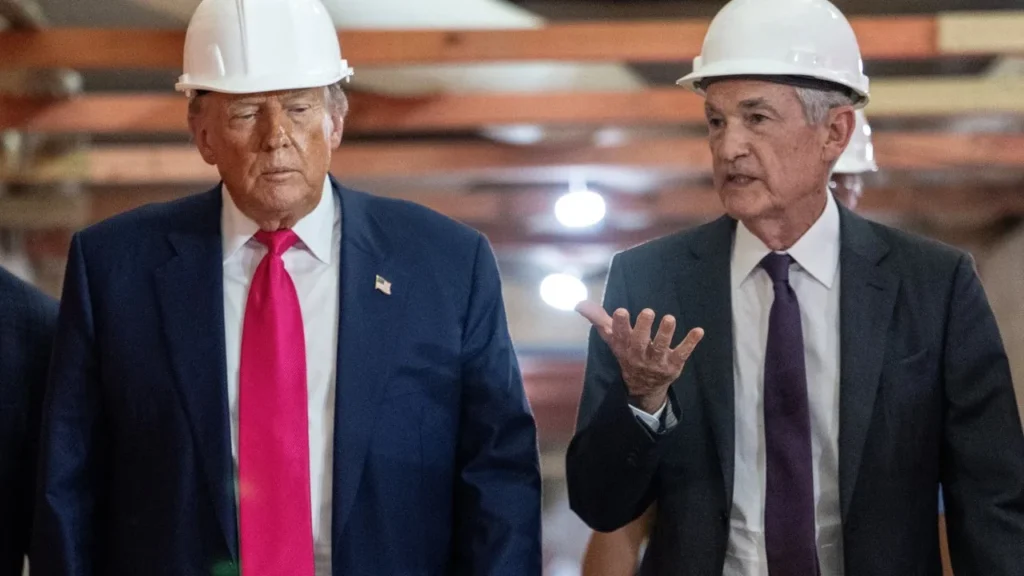
According to Reuters reports a major escalation in the ongoing conflict between U.S. President Donald Trump’s administration and Federal Reserve Chair Jerome Powell. The Trump team has intensified pressure on the Fed through the Department of Justice issuing grand jury subpoenas to the Federal Reserve, threatening a criminal indictment against Powell. This stems from his June 2025 testimony to the Senate Banking Committee about cost overruns in a $2.5 billion renovation project at the Fed’s Washington headquarters. Powell, in a rare public statement (including a video address), described the subpoenas—served on Friday—as an “unprecedented” action and a mere pretext. He argued that the real motive is to intimidate the Fed into slashing interest rates more aggressively, aligning with Trump’s repeated demands for lower borrowing costs to boost economic affordability. Powell emphasized: “The threat of criminal charges is a consequence of the Federal Reserve setting interest rates based on our best assessment of what will serve the public, rather than following the preferences of the President.” Escalation in Trump-Fed Tensions This move marks a dramatic intensification of Trump’s long-standing feud with Powell, whom he appointed in 2018 during his first term. Trump has repeatedly criticized the Fed for not cutting rates fast enough, even musing about firing Powell despite legal protections for the chair’s independence (Powell’s term ends in May 2026). The administration has also targeted other Fed officials, such as Governor Lisa Cook. A Justice Department spokesperson noted a focus on “abuse of taxpayer dollars,” but declined further comment. Trump himself distanced himself, telling NBC News he knew little about the subpoenas but reiterated criticism of Powell’s performance at the Fed and on building projects. The episode has sparked backlash, including from Republican Senator Thom Tillis, who vowed to block any Trump Fed nominees until the matter resolves, citing concerns over DOJ independence. Analysts warn this threatens the foundational independence of the U.S. central bank, potentially causing market instability. Market and Broader Implications Financial markets reacted negatively, with U.S. equity index futures dropping about 0.5%, the dollar weakening, and Treasury yields largely unchanged. Experts like market strategists view it as an attempt to “kick the legs out from under the Fed,” risking unintended economic consequences contrary to Trump’s goals. Historians of the Fed call it a “low point” in American central banking, underscoring risks to long-term price stability when politics overrides evidence-based policy.
Maritime Minister Says $80 million seafood processing zone planed at Korangi harbour
Pakistan

Maritime Minister Says $80 million seafood processing zone planed at Korangi harbour

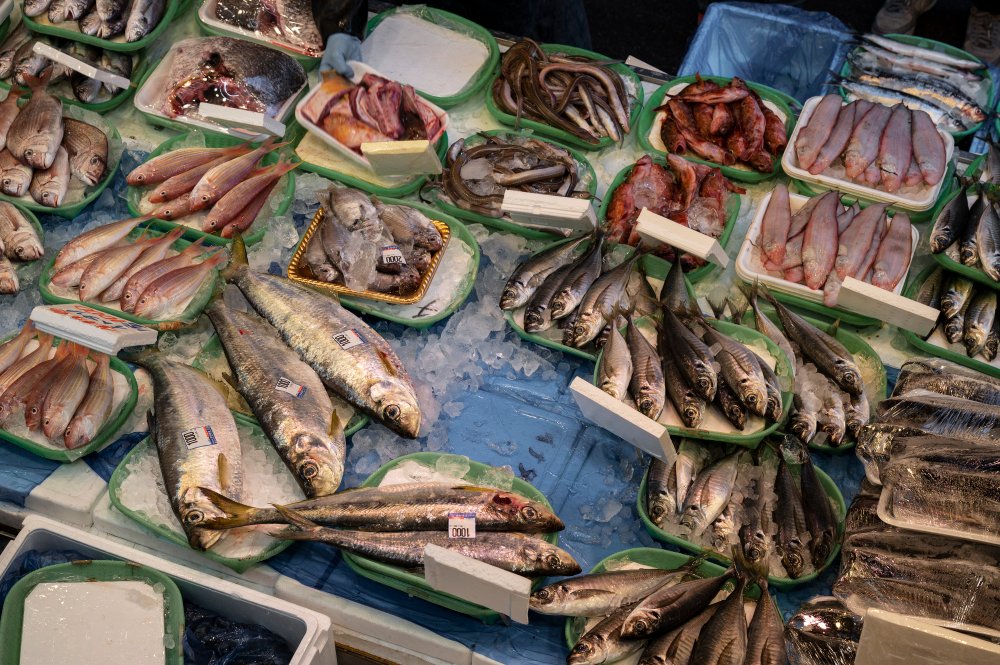
Islamabad: Federal Minister for Maritime Affairs Muhammad Junaid Anwar Chaudhry announced plans to establish a 100-acre, $80 million Seafood Processing and Export Zone at Korangi Fisheries Harbour Authority (KoHFA), aimed at boosting blue economy and global seafood trade. The minister in a statement on Saturday said the proposed project aims to develop, finance and operate a modern seafood processing and value addition complex under KoHFA, positioning the harbour as a regional hub for sustainable, technology-driven seafood processing linked to high-value international markets. Junaid Chaudhry said the initiative would bridge medium-scale seafood processors and value-added plants with global buyers by providing modern infrastructure, certification standards and efficient export logistics. He added that the project reflects the government’s intent to move away from raw seafood exports towards higher-value processed products. The minister noted the project would cover 100 acres of dedicated seafood processing and export infrastructure at Korangi Fisheries Harbour in Karachi. He said the estimated project cost ranges between 60 million and 80 million dollars, based on regional benchmarks from countries such as Vietnam, China and Ecuador, which have developed similar seafood parks. He said the planned facilities would include multi-tenant seafood processing units, large-scale cold storage, packaging facilities, logistics and export terminals, and a wastewater treatment plant to ensure environmentally compliant operations. The zone would be used exclusively for commercial seafood processing, packaging, cold storage and export-oriented activities. Minister Chaudhry said the project is proposed under a public-private partnership or build-operate-transfer concession model, under which private investors would develop, operate and maintain the processing zone, while KoHFA would retain regulatory oversight and provide facilitation. Elaborating on the development components, the minister said the zone would host between 20 and 25 medium to large-scale seafood processing units designed for fish, shrimp and cephalopod processing, value addition and export-grade packaging. He said these units would support a wide range of products, from primary processing to ready-for-market seafood items. He said the project would include a cold storage and blast freezing complex with multi-temperature storage ranging from minus 18 to minus 40 degrees Celsius, allowing safe handling of fresh, processed and unprocessed seafood. Ice plants and flake ice stations with a daily capacity of 50 to 100 tonnes would support fish landing, processing and transportation needs. The minister said dedicated value addition and ready-to-eat units would be established for filleting, marinated products, breaded seafood and export-oriented convenience foods, enabling Pakistani exporters to tap premium retail and food service markets abroad. “Packaging and labelling units would operate under international food safety and quality standards, including HACCP and ISO certifications, offering vacuum packing, modified atmosphere packaging and retail-ready solutions”, he added. HACCP is a Hazard Analysis and Critical Control Points, a preventive system identifying and controlling food safety hazards and ISO certification verifies that an organization’s management system meets international standards. On the investment structure, Junaid Chaudhry said the preferred model is a BOT concession in which the private partner would finance, develop and operate the facilities, with ownership reverting to KoHFA at the end of the concession period. He said alternative models could include development and operations partnerships involving KoHFA and private seafood exporters or manufacturers. He added that revenue streams would be generated through lease rentals, processing fees, cold storage and logistics services, utilities provision, export revenue sharing arrangements and margins from value-added products. The estimated internal rate of return is projected between 13 and 17 percent, based on comparable seafood park projects in the region. Junaid Chaudhry said the concession tenure is expected to be 20 years, with the possibility of extension, while the project would be fully financed and operated by the private sector. KoHFA would contribute land, jetty access and institutional facilitation to support investors. Describing the broader value proposition, the minister said the project would position Pakistan as a key maritime trade and seafood export hub serving Gulf, East African and Asian markets. He said it would enable export value addition by transforming marine resources into premium seafood products through modern processing and internationally recognised certification standards. He added that the integrated infrastructure would offer a world-class cold chain and processing ecosystem within a dedicated industrial zone, while promoting inclusive blue growth by empowering coastal fishing communities and cooperatives through shared opportunities and capacity building. Junaid Chaudhry said the initiative is fully aligned with Pakistan’s National Blue Economy Policy, Vision 2030 and the United Nations Sustainable Development Goal 14 on life below water, and benefits from strategic connectivity to Karachi Port, Port Qasim, the Korangi Industrial Area and regional shipping routes.

Pakistan Indonesia Joint Trade Committee MoU Signals New Era of Economic Cooperation
Pakistan

Pakistan Indonesia Joint Trade Committee MoU Signals New Era of Economic Cooperation

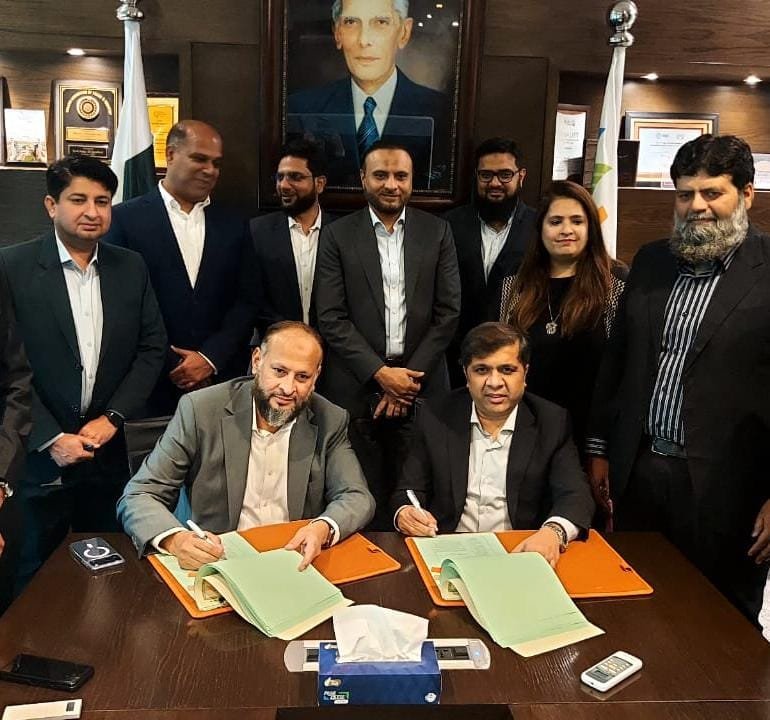
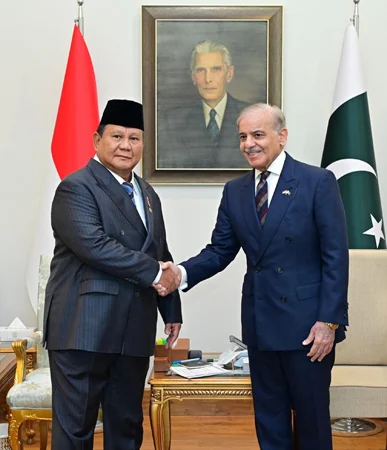
Pakistan Indonesia Joint Trade Committee cooperation entered a new phase as both countries signed a landmark Memorandum of Understanding (MoU) to establish the Indonesia–Pakistan Joint Trade Committee (JTC), reinforcing their shared vision for deeper trade and economic engagement. The MoU was signed in Karachi on January 10, 2026, following high-level talks held a day earlier between Pakistan’s Federal Minister for Commerce, Jam Kamal Khan, and Indonesia’s Vice Minister of Trade, Ms. Dyah Roro Esty Widya Putri. The agreement creates a formal institutional framework to strengthen bilateral trade dialogue, address market access challenges, and unlock new investment opportunities. Pakistan Indonesia Joint Trade Committee to Institutionalize Trade Dialogue The establishment of the Pakistan Indonesia Joint Trade Committee marks a strategic move toward structured and sustained economic collaboration. The JTC will serve as a dedicated platform for identifying trade barriers, facilitating cooperation between public and private sectors, and coordinating policy-level engagement between the two governments. The signing coincided with a reception hosted by the Indonesian Consulate General in Karachi, attended by senior officials and leading members of the business community from both countries. The event underscored growing confidence among stakeholders in the future of Pakistan–Indonesia economic relations. Indonesia’s ASEAN Role and Pakistan’s Export Potential During the talks, Commerce Minister Jam Kamal Khan highlighted Indonesia’s strategic importance as a key ASEAN economy and regional trade hub. He emphasized that closer cooperation with Indonesia could open pathways for trilateral and regional trade initiatives involving ASEAN member states. Pakistan, he noted, has the capacity to become a reliable supplier of key products for the Indonesian market. These include minerals, pharmaceuticals, cosmetics, and agri-food commodities sectors where Pakistan holds competitive advantages and export growth potential. Pakistan Indonesia Joint Trade Committee and Trade Facilitation Priorities The Chief Executive of the Trade Development Authority of Pakistan (TDAP) Faiz Ahmed raised several trade facilitation priorities under the Pakistan Indonesia Joint Trade Committee framework. These included early announcement of fruit import quotas, rationalization of certification requirements for Pakistani exporters, notification of rice import quotas, and enhanced market access for Pakistan’s industrial-grade potatoes. Addressing these technical and regulatory issues through the JTC is expected to improve trade predictability and reduce barriers for exporters on both sides. Expanding PTA Toward a CEPA Both Pakistan and Indonesia agreed to jointly work on expanding the scope of the existing Preferential Trade Agreement (PTA). The long-term objective is to progress toward a Comprehensive Economic Partnership Agreement (CEPA), which would significantly enhance trade volumes, investment flows, and supply chain integration. Currently, bilateral trade between the two countries exceeds USD 4 billion. Policymakers believe that deeper tariff liberalization and improved regulatory cooperation could push this figure substantially higher in the coming years. Palm Oil, Food Security, and Economic Interdependence Highlighting the depth of economic interdependence, the Commerce Minister emphasized the importance of palm oil imports primarily sourced from Indonesia in Pakistan’s food supply chain. Imported edible oil plays a vital role in Pakistan’s daily consumption patterns, making Indonesia a critical trade partner. He also noted that engagements such as diplomatic receptions and business forums help project Pakistan’s economic strengths and diversity internationally, countering outdated narratives and showcasing emerging opportunities. 75 Years of Diplomatic Relations and Future Outlook Speaking at the event, Indonesian Vice Minister Dyah Roro Esty Widya Putri recalled 75 years of diplomatic relations between Pakistan and Indonesia, describing the partnership as one built on mutual respect, trust, and shared economic aspirations. She welcomed the formation of the Joint Trade Committee as a practical mechanism to deepen cooperation. With strong political goodwill, expanding trade volumes, and increasing people-to-people linkages, the Pakistan Indonesia Joint Trade Committee is poised to become a cornerstone of bilateral economic relations, driving sustainable growth and regional connectivity.

Pakistan FO Urges Citizens to Avoid Travel to Iran Amid Escalating Protests and Unrest
Pakistan

Pakistan FO Urges Citizens to Avoid Travel to Iran Amid Escalating Protests and Unrest

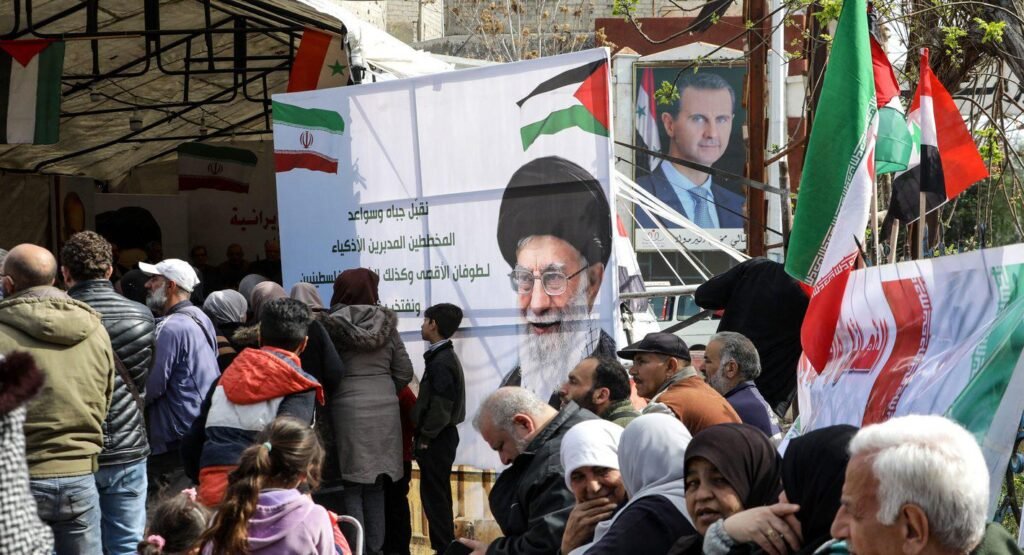
Pakistan’s Foreign Office (FO) has released an official travel advisory urging Pakistani nationals to avoid all unnecessary travel to the Islamic Republic of Iran due to prevailing safety and security concerns. The advisory, announced by the FO Spokesperson in a press statement, comes in response to growing unrest and protests that have gripped parts of the neighboring country for over a week, with reports indicating escalating tensions and potential risks to public safety. The move aims to protect Pakistani citizens amid an unpredictable situation that has prompted similar cautions from other nations. Key Recommendations for Travelers and Residents The advisory explicitly advises against non-essential trips to Iran “until conditions improve.” For Pakistani nationals currently residing in Iran, the FO has stressed the need to exercise extreme caution, remain highly vigilant at all times, minimize non-essential movement, and avoid areas of potential unrest. Citizens are strongly encouraged to stay updated through local and international news sources and to maintain regular contact with Pakistani diplomatic missions for assistance and updates. Contact Details for Pakistani Missions in Iran To facilitate immediate communication and support, the FO provided the following contact information: Embassy of Pakistan in Tehran: +98-21-66-9413-88/89/90/91 (landline), +98-21-66-9448-88/90 (landline), +98 910 764 8298 (mobile) Consulate in Zahidan: +98 54 33 22 3389 (landline), +989046145412 (mobile) Consulate in Mashhad: +98 910 762 5302 (mobile), +98 937 180 7175 (mobile) The advisory underscores Pakistan’s priority on citizen safety while diplomatic channels remain open for any emergencies.

Dr Kabir Ahmed Sidhu SECP Chairman Appointment Signals Strong Regulatory Push
Pakistan

Dr Kabir Ahmed Sidhu SECP Chairman Appointment Signals Strong Regulatory Push

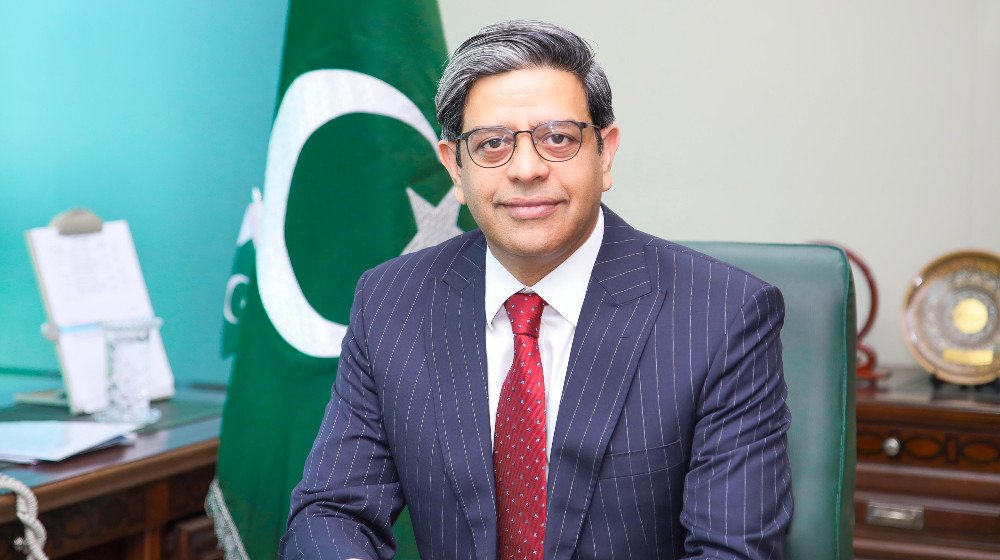
Dr Kabir Ahmed Sidhu SECP Chairman marks a significant milestone for Pakistan’s financial and corporate regulatory landscape, as the Federal Government has approved his appointment as the new Chairman of the Securities and Exchange Commission of Pakistan (SECP) with immediate effect. The decision, officially notified by the Finance Division, reflects a clear intent to strengthen institutional governance, enforcement, and investor confidence in Pakistan’s capital markets. Dr Sidhu brings with him a proven track record of regulatory reform, most notably from his tenure as Chairman of the Competition Commission of Pakistan (CCP), where he led one of the most impactful institutional turnarounds in the regulator’s history. Dr Kabir Ahmed Sidhu SECP Chairman: A Proven Reformist Regulator When Dr Kabir Ahmed Sidhu assumed office as CCP Chairman in August 2023, the Commission was grappling with long-standing enforcement bottlenecks, litigation delays, and a growing backlog of unresolved cases. Within just two years, his leadership transformed the regulator’s operational effectiveness. Under his stewardship, the CCP reduced its pending court case backlog by more than 70 percent. Out of 567 pending matters, 434 cases were successfully decided, restoring confidence in the regulator’s enforcement capability and credibility. This progress also contributed to the development of stronger legal precedent and jurisprudence for competition law in Pakistan. Enforcement Impact and Financial Recoveries Under Dr Sidhu A key achievement during Dr Kabir Ahmed Sidhu’s CCP tenure was the unprecedented recovery of penalties. Approximately PKR 1.36 billion was recovered during his leadership—an extraordinary figure when compared to the Commission’s total recoveries of just PKR 2 billion over the previous two decades combined. In addition to recoveries, the CCP imposed over PKR 2 billion in fresh penalties through new enforcement actions. These measures sent a clear message that market abuse, cartels, and deceptive practices would no longer be tolerated. Crackdown on Cartels and Market Abuse Dr Kabir Ahmed Sidhu SECP Chairman appointment comes on the back of his aggressive enforcement stance against cartels and anti-competitive behavior. During his CCP tenure, major investigations were initiated in sectors critical to Pakistan’s economy, including poultry, sugar, edible oil, telecommunications, and medical services. Several landmark enforcement actions were upheld by the Supreme Court of Pakistan and the Competition Appellate Tribunal. This judicial validation significantly strengthened the CCP’s authority and set robust enforcement benchmarks for future regulators including the SECP. Consumer Protection and Corporate Accountability Beyond cartel enforcement, Dr Sidhu placed strong emphasis on consumer protection and misleading marketing practices. The CCP imposed substantial penalties on companies operating across real estate, FMCG, education, pharmaceuticals, and the automobile sector. High-profile enforcement actions were taken against firms such as Kingdom Valley, FrieslandCampina, Unilever, Engro, Al-Ghazi Tractors, Hyundai Nishat, British Lyceum, and 3N Lifemed. These actions reinforced regulatory accountability and enhanced consumer trust in regulated markets. Institutional Innovation and Market Facilitation One of the most notable institutional reforms under Dr Sidhu was the establishment of the Market Intelligence Unit (MIU), the CCP’s first AI-powered surveillance and analytics wing. This initiative marked a strategic shift from reactive enforcement to proactive, data-driven market monitoring an approach that aligns closely with global regulatory best practices. On the market facilitation front, the CCP processed 139 mergers across 34 economic sectors. High-profile transactions included the PTCL–Telenor merger, Shell Pakistan’s sale to Wafi Energy, and several deals across financial services, energy, and logistics. The PTCL–Telenor merger, in particular, was widely recognized for balancing foreign investment facilitation with competition safeguards. Dr Kabir Ahmed Sidhu’s Academic and Professional Credentials Dr Kabir Ahmed Sidhu holds a Bachelor’s degree in Law, an LLM in Banking, Insurance, and International Business Law, and a PhD from the University of Manchester. His academic journey also includes a postgraduate diploma in Civil Litigation from the Manchester Law Society and professional certifications in mortgage and financial advice from the London Institute of Banking and Finance. His doctoral research focused on investor protection and the regulation of stock exchanges in the UK, US, and Shariah-compliant markets expertise that is highly relevant to SECP’s evolving mandate. With over two decades of professional experience, Dr Sidhu has worked with law firms, insurance companies, financial institutions in the UK, and key government ministries in Pakistan, including the Ministry of Law and the Privatisation Commission. What Dr Kabir Ahmed Sidhu SECP Chairman Means for Pakistan The appointment of Dr Kabir Ahmed Sidhu as SECP Chairman is widely seen as a strategic move to enhance regulatory enforcement, investor protection, and market transparency. His track record suggests a strong focus on institutional reform, technology-driven oversight, and balanced market facilitation key pillars for the next phase of Pakistan’s capital market development. As Pakistan navigates economic stabilization and seeks to attract long-term investment, Dr Sidhu’s leadership at SECP could play a decisive role in shaping a more resilient, credible, and investor-friendly regulatory environment.

CDNS National Savings Hits Rs23.4bn Islamic Inflows Goal Mid-Year
Pakistan

CDNS National Savings Hits Rs23.4bn Islamic Inflows Goal Mid-Year

Islamabad, January 9, 2026 – Pakistan’s Islamic finance sector is gaining significant momentum, with the Central Directorate of National Savings (CDNS) achieving Rs 23.4 billion in Shariah-compliant inflows from July 1, 2025, to January 8, 2026, nearing its annual target of Rs 25 billion for FY 2025-26 just halfway through the fiscal year. Record Inflows Signal Investor Confidence in Ethical Investments A senior CDNS official described the milestone as a testament to the growing appeal of interest-free, ethical investment options amid Pakistan’s evolving financial landscape. “We have revived and reinforced our focus on Islamic finance this fiscal year, which is poised to drive sustainable growth in the country’s Islamic economy,” the official stated. The success stems from dedicated Islamic bonds and Shariah-compliant certificates, attracting investors seeking halal returns while boosting national savings. This builds on prior achievements: CDNS met its Rs 24 billion target in FY 2024-25 and mobilized Rs 75 billion through Islamic bonds in FY 2023-24, establishing a strong foundation for expanded offerings and reforms. The official noted Islamic finance’s global significance, playing a key role in major economies, and aligning with Pakistan’s efforts to diversify products, promote savings culture, and ensure economic stability. Broader CDNS Performance and Future Reforms Beyond Islamic investments, CDNS has secured Rs 700 billion in total inflows by end-December 2025 toward its FY 2025-26 goal, reflecting robust overall mobilization. Ongoing reforms focus on efficiency, digitization, and innovative products to meet market demands. With 94% of the Islamic target achieved mid-year, CDNS is positioned to exceed expectations, underscoring a shift toward secure, ethical avenues for wealth preservation amid economic challenges. This surge highlights investor trust in Shariah-compliant instruments, supporting Pakistan’s inclusive Islamic economic framework.

IT Minister Inaugurates AI Module at Civil Services Academy
Pakistan

IT Minister Inaugurates AI Module at Civil Services Academy

Islamabad, January 9, 2026 – Federal Minister for Information Technology and Telecommunication Shaza Fatima Khawaja has launched the Artificial Intelligence 101 module at the Civil Services Academy, marking a significant step in equipping future civil servants with essential digital skills amid Pakistan’s push for technological advancement. Hands-On Training for Probationary Officers The inauguration addressed a special CSS batch comprising 52 probationary officers from Balochistan, 46 from Sindh, and 10 additional officers from Sindh. A two-day intensive AI training program was conducted for over 150 officers, covering fundamentals of AI, prompt engineering, applications in administration and research, productivity tools, and ethical considerations in government use. Additionally, a Training of Trainers initiative prepared 30 faculty members from various civil service institutions as master trainers to sustain the program. The AI module has now been formally integrated into the CSA curriculum, ensuring structured education for every incoming batch. Alignment with National Digital Vision Minister Khawaja highlighted the module as a direct outcome of the National Artificial Intelligence Policy’s focus on building government capacity. She briefed officers on Prime Minister Shehbaz Sharif’s Digital Nation Vision and the Digital Nation Pakistan Act, emphasizing its role in digital transformation across economy, society, and governance. Praising the joint initiative by the Ministry of IT & Telecom, Planning Commission, CSA, and atomcamp, she announced plans for advanced AI publications. The Minister also noted achievements like 100% e-Office adoption in most federal divisions, slashing file processing times, and stressed high-speed internet, cybersecurity, and AI as pillars of Pakistan’s digital future. She committed to expanding training to mid-career and senior officers while aligning with emerging governance frameworks.

K-Electric Naya Nazimabad Grid Station to Strengthen Karachi’s Power Infrastructure
Pakistan

K-Electric Naya Nazimabad Grid Station to Strengthen Karachi’s Power Infrastructure

K-Electric Naya Nazimabad Grid Station has emerged as a landmark development in Karachi’s urban power infrastructure, as K-Electric (KE) and Naya Nazimabad officially partner to build one of the city’s largest grid stations for a private housing society. Announced on January 9, 2026, the collaboration underscores growing private-sector confidence in Pakistan’s evolving electricity distribution ecosystem. The agreement enables Naya Nazimabad to develop a 132 kV grid station, designed in compliance with NEPRA’s Consumer Service Manual (CSM) and structured as a Sponsor Dedicated Distribution System (SDDS). Upon full completion, the grid station will offer a total capacity of up to 189 megawatts (MW) a scale rarely seen in privately developed residential communities. K-Electric Naya Nazimabad Grid Station: Capacity and Phased Development Under the project’s rollout plan, the grid station will be developed in two distinct phases. In the first phase, the facility will energize 60 MW of peak electricity, ensuring immediate relief and stability for residents and businesses. In the second phase, the capacity will be expanded to 189 MW, positioning it among Karachi’s highest-capacity grid stations serving a private housing society. Instead of presenting this information in tabular form, it is important to note that the phased approach allows Naya Nazimabad to match electricity supply with population growth, commercial activity, and future infrastructure expansion—minimizing load stress while maximizing efficiency. Why the K-Electric Naya Nazimabad Grid Station Matters Unlike conventional dedicated power setups, the K-Electric Naya Nazimabad Grid Station offers shared infrastructure advantages. This includes optimized power distribution, improved load management, and significantly enhanced reliability for thousands of residential units, commercial outlets, and recreational facilities within the society. The grid station is designed to meet modern urban energy standards, supporting uninterrupted electricity for elevators, commercial centers, healthcare facilities, schools, and digital infrastructure critical elements of contemporary city living. Leadership Perspectives on the K-Electric Naya Nazimabad Grid Station Commenting on the partnership, Moonis Alvi, CEO of K-Electric, emphasized that the project goes beyond basic power provision. He noted that the grid station represents KE’s vision of a future-ready Karachi, enabling modern lifestyles while contributing to the city’s broader economic and social development. From the developer’s perspective, Abdus Samad Habib, CEO of Naya Nazimabad, highlighted that uninterrupted electricity is fundamental to building a complete lifestyle destination. He stated that collaboration with K-Electric ensures residents receive world-class amenities supported by a robust, sustainable energy backbone positioning Naya Nazimabad as a benchmark for future urban developments in Pakistan. Private Sector Confidence in K-Electric’s Power Infrastructure The K-Electric Naya Nazimabad Grid Station is also the latest example of KE’s expanding partnerships with the private sector. Increasingly, housing developers and industries are opting to invest in their own grid infrastructure, reflecting rising confidence in KE’s reliability, regulatory compliance, and cost competitiveness. This forward-looking model allows customers to tailor power solutions to their operational needs while benefiting from KE’s technical expertise and integrated distribution network. Long-Term Impact on Karachi’s Urban Growth Beyond meeting immediate electricity demands, the grid station supports Naya Nazimabad’s long-term master plan, which includes residential expansion, commercial zones, and recreational facilities. By aligning infrastructure development with future growth, the project contributes to sustainable urban planning in Karachi.

PM Sharif Launches Digital Ramazan Subsidy Package to End Corruption
Pakistan

PM Sharif Launches Digital Ramazan Subsidy Package to End Corruption

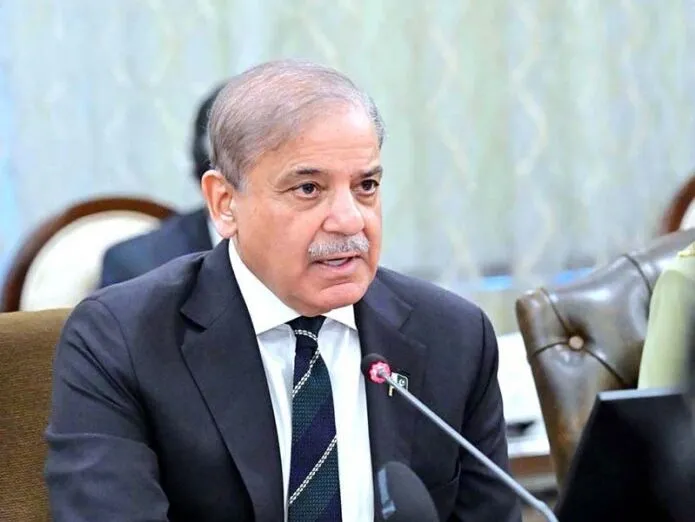
Islamabad, January 9, 2026 – Prime Minister Muhammad Shehbaz Sharif has announced a revolutionary transparent system for the upcoming Ramazan relief package, replacing decades-old corrupt practices that plagued subsidy distribution through utility stores. Ending Corruption Through Digital Innovation Chairing a high-level review meeting, the Prime Minister emphasized that the new mechanism eliminates financial irregularities and mismanagement, ensuring subsidies reach the deserving without deprivation. He directed that subsidy amounts be distributed exclusively via digital wallets under the Social Protection Wallet system of the Benazir Income Support Programme. Starting March 2026, eligible individuals will receive free SIMs for seamless digital transfers, preserving their dignity while promoting a cashless economy. The involvement of the State Bank of Pakistan was highlighted as a milestone in this transition. PM Sharif praised last year’s package, validated by a reputable international audit firm as free from corruption or serious mismanagement. Enhanced Oversight and Inclusive Strategy The Prime Minister instructed the establishment of a digital dashboard and structured monitoring system for real-time oversight. He stressed maximizing inclusion of the underprivileged and called for coordinated efforts among ministries to formulate a comprehensive strategy for Ramazan and Eid packages. Attendees included key ministers like Finance’s Muhammad Aurangzeb, Information’s Attaullah Tarar, and others, along with heads of NADRA and PTA. Subsidized essential items will continue through the Utility Stores Corporation, with a focus on administrative discipline and third-party validation to maintain transparency.

Scroll to Top