Pakistan

Gas Supply in Karachi Disrupted Amid Reduced Output from Two Gas Fields
Pakistan

Gas Supply in Karachi Disrupted Amid Reduced Output from Two Gas Fields

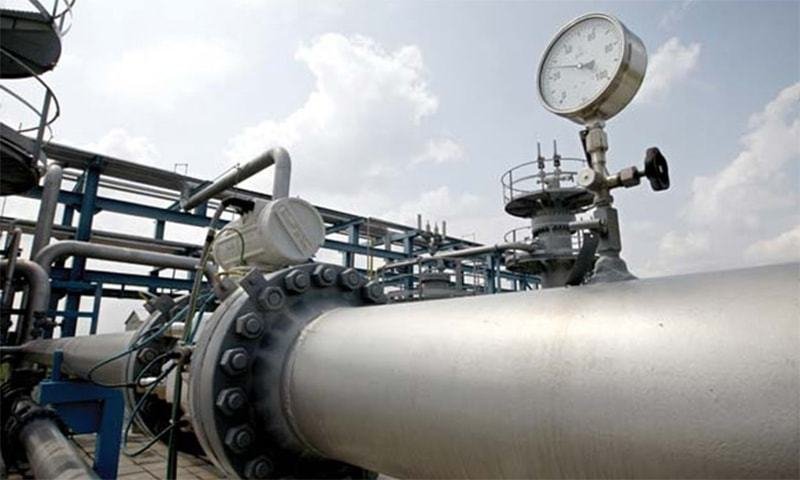
Gas supply in Karachi has come under pressure after Sui Southern Gas Company Limited (SSGC) reported a decline in production from two key gas fields, triggering low pressure and supply disruptions in several parts of Pakistan’s largest city. The situation has raised concerns among households and businesses, particularly during the ongoing winter season when gas demand peaks. According to SSGC, the combined gas supply from the two affected fields stands at around 45 million cubic feet per day (mmcfd). The reduction caused a noticeable dip in system pressure, impacting gas availability in multiple localities. However, company officials confirmed that the situation has started to stabilize and gradual improvement has been observed over the past few hours. Gas Supply in Karachi: What Caused the Disruption? The disruption in gas supply in Karachi is primarily linked to reduced output from upstream gas fields, a challenge that has become more pronounced during winter. Low temperatures significantly increase domestic gas consumption, while system line pack the pressure maintained within gas pipelines weakens due to higher withdrawals. SSGC highlighted that the pressure drop was not due to distribution failure but rather constrained supply amid unusually high seasonal demand. The company emphasized that such situations require immediate load management to prevent a complete system imbalance. SSGC Prioritizes Domestic Gas Supply in Karachi To mitigate the impact of the shortfall, SSGC implemented emergency measures focused on protecting household consumers. One of the most critical steps was the temporary suspension of gas supply to Fauji Fertilizer Company, a major industrial consumer. In addition, industrial gas supply remained suspended on Sunday, allowing SSGC to redirect available volumes toward domestic users. These measures reflect the company’s winter gas load management strategy, where household consumption takes precedence over commercial and industrial demand. Explained simply, gas that would normally be allocated to fertilizer production and industrial operations was rerouted to residential areas to maintain cooking and heating needs. Winter Demand and Gas Supply in Karachi: The Bigger Picture Despite the current challenges, SSGC revealed that it is supplying 28 mmcfd more gas to domestic consumers compared to last winter. This increase underscores the company’s efforts to strengthen household gas availability year-on-year. However, colder-than-usual temperatures across SSGC’s franchise areas have intensified demand beyond projections. As a result, even enhanced domestic allocations have struggled to keep pace, putting extraordinary pressure on the gas transmission network. In practical terms, while more gas is being delivered to homes than last year, consumption has risen even faster, reducing line pressure and affecting end-user supply consistency. Gas Supply in Karachi: Areas Affected and Recovery Outlook Although SSGC did not release a detailed list of affected neighborhoods, the company confirmed that low gas pressure was reported in several parts of Karachi, particularly during peak usage hours. SSGC management stated that teams are closely monitoring gas field recovery and system pressure levels. Once full production from the affected gas fields is restored, the additional supply will be immediately diverted to domestic consumers to normalize gas pressure across the city. Business and Economic Impact of Gas Supply Disruptions The disruption in gas supply in Karachi has broader implications for Pakistan’s economy. Temporary suspension of gas to industries can slow production, affect supply chains, and increase operational costs for businesses reliant on natural gas. However, experts note that prioritizing domestic consumers during winter is essential to avoid social and public welfare challenges. Energy planners argue that long-term solutions — including LNG imports, gas storage expansion, and demand-side management — are critical to reducing seasonal supply shocks. Managing Gas Supply in Karachi During Peak Winter The current gas shortfall highlights the fragile balance between supply and demand in Pakistan’s energy sector. While SSGC’s swift response has helped stabilize gas supply in Karachi, the episode underscores the urgent need for infrastructure upgrades and diversified energy sources. As winter continues, consumers are advised to use gas efficiently, especially during peak hours. SSGC has reassured the public that restoration efforts are ongoing and that domestic consumers will remain the company’s top priority until normal supply conditions are fully restored.
Port Qasim Industrial Complex to Transform Pakistan into a Climate-Resilient Industrial Powerhouse
Pakistan

Port Qasim Industrial Complex to Transform Pakistan into a Climate-Resilient Industrial Powerhouse

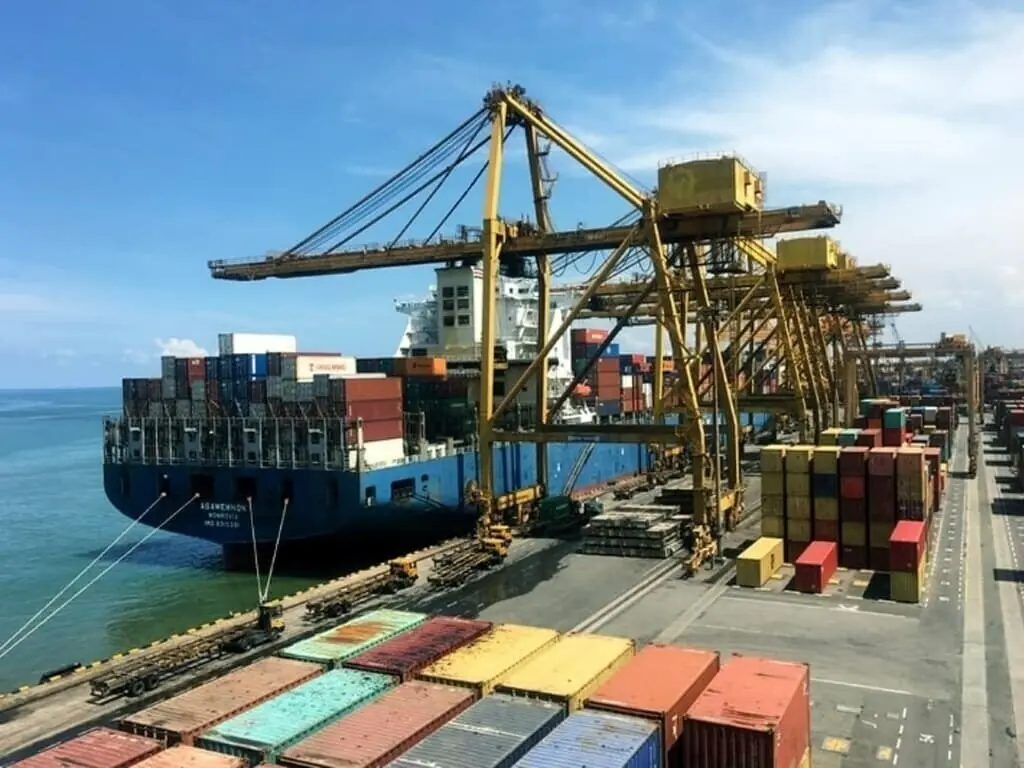
Port Qasim Industrial Complex is at the heart of Pakistan’s ambitious plan to build a globally competitive, climate-resilient industrial and logistics ecosystem that supports long-term economic growth, export expansion, and environmental sustainability. The federal government has unveiled a comprehensive master plan to develop Port Qasim into a modern industrial hub that aligns with Pakistan’s broader objectives of industrialization, trade diversification, and blue economy development. The plan reflects a long-term vision to strengthen investor confidence while ensuring strict environmental compliance. Port Qasim Industrial Complex and Pakistan’s Economic Vision Federal Minister for Maritime Affairs Muhammad Junaid Anwar Chaudhry described Port Qasim Industrial Complex as a “gateway to national prosperity,” emphasizing its strategic importance in Pakistan’s long-term economic framework. According to the minister, the climate-resilient industrial hub is projected to generate tens of billions of dollars in economic activity over the next two decades, significantly enhancing Pakistan’s industrial base. The initiative is also expected to create hundreds of thousands of jobs, stimulate export-led growth, and strengthen supply chains across key sectors. A strong focus on sustainability, he noted, will help mitigate long-term environmental and economic risks an increasingly important factor for global investors evaluating emerging markets. Master Plan of Port Qasim Industrial Complex: Scale and Scope The Port Qasim Industrial Complex master plan spans 14,590 acres and follows a phased development strategy designed to ensure balanced land use, efficient port operations, and long-term sustainability over a 50-year horizon. Instead of fragmented development, the plan introduces a structured zoning model that supports diversified industrial activity while safeguarding environmentally sensitive areas. Industrial Zoning Strategy within Port Qasim Industrial Complex The development is divided into three major industrial zones, each serving a distinct economic purpose. The North Western Zone, covering 3,061 acres, is earmarked for diversified industrial activity. This area will support value-added manufacturing, port-linked ancillary services, and light-to-medium industries that benefit from proximity to port operations. The Eastern Zone, the largest at 7,273 acres, will form the industrial backbone of the complex. It is designed to accommodate heavy industries, export-oriented manufacturing units, and large-scale logistics facilities essential for regional and international trade. The South Western Zone, spanning 2,258 acres, is allocated for specialized industrial and commercial uses. In addition, 1,997 acres of low-lying land will be developed in carefully planned phases, incorporating environmental safeguards to ensure sustainable utilization. This zoning approach ensures that Port Qasim Industrial Complex grows in an orderly, efficient, and environmentally responsible manner. Existing Capacity and Investor Confidence at Port Qasim Industrial Complex Highlighting existing momentum, the minister revealed that Port Qasim Industrial Complex currently hosts 833 operational industrial units, with another 40 units under construction. This sustained expansion reflects strong investor confidence and the port’s growing role as an industrial hub. The government remains committed to improving the ease of doing business by streamlining approvals, upgrading infrastructure, and introducing digital systems that enhance transparency and efficiency. Strategic Role of Port Qasim Industrial Complex in National Supply Chains Port Qasim Industrial Complex plays a critical role in Pakistan’s national supply chain and energy security. The port handles bulk cargo, liquid chemicals, energy imports, and industrial raw materials that are vital to sectors such as manufacturing, energy, construction, and exports. To further enhance competitiveness, the government plans to modernize port infrastructure, strengthen road and rail connectivity, and integrate advanced digital logistics systems. These upgrades aim to reduce costs, improve turnaround times, and align operations with international standards. Positioning Port Qasim Industrial Complex as a Regional Hub The ultimate objective is to position Port Qasim Industrial Complex as a regional industrial and logistics hub that supports Pakistan’s economic transformation. By combining climate resilience, industrial scale, and operational efficiency, the port is set to become a cornerstone of sustainable development and export growth. As global trade increasingly prioritizes sustainability and efficiency, Port Qasim’s long-term vision places Pakistan in a stronger position to compete in regional and international markets.

Pakistan car sales December 2025 jump 35% as auto sector recovery strengthens
Pakistan

Pakistan car sales December 2025 jump 35% as auto sector recovery strengthens

Pakistan car sales December 2025 recorded a strong year-on-year rebound, reflecting renewed momentum in the country’s automotive industry, according to the latest data released by the Pakistan Automotive Manufacturers Association (PAMA). Total sales of cars, including light commercial vehicles (LCVs), vans, and jeeps, increased by 35.2% to 13,280 units, compared to 9,820 units in December 2024. However, despite the robust annual growth, the market experienced a 14% month-on-month decline, as sales slipped from 15,442 units in November 2025, indicating short-term demand normalization after earlier buying activity. Pakistan car sales December 2025 show strong 6MFY26 performance On a cumulative basis, Pakistan car sales December 2025 capped a strong first half of FY26. During July–December FY26 (6MFY26), total vehicle sales reached 88,322 units, marking a 45.5% increase compared to 60,676 units sold in 6MFY25. Passenger cars remained the backbone of the recovery, contributing 65,910 units during the six-month period, up 41.7% year-on-year. Meanwhile, LCVs, vans, and jeeps outperformed the broader market, with cumulative sales rising sharply by 58.1% to 22,412 units, highlighting growing demand from commercial and utility segments. Pakistan car sales December 2025: Production trends mirror sales growth Vehicle production largely tracked sales momentum. In December 2025, total car production stood at 12,950 units, reflecting an 18.5% year-on-year increase, though production declined 21.5% month-on-month due to seasonal and inventory adjustments. For the 6MFY26 period, cumulative car production reached 96,233 units, a significant 51.2% increase from 63,632 units in 6MFY25, underlining improving supply-side conditions amid easing import constraints and better availability of auto parts. Across all vehicle categories, Pakistan’s automotive industry produced 162,270 units in December 2025, while total sales stood close at 160,408 units, signaling healthy market absorption. From July to December 2025, cumulative production surged to 928,521 units, up 32.9% year-on-year. Brand-wise performance highlights in Pakistan car sales December 2025 Major automakers maintained competitive positioning during Pakistan car sales December 2025. Toyota continued its leadership in the 1300cc and above segment, producing 1,959 units of Corolla, Yaris, and Corolla Cross models, while sales reached 2,116 units, reflecting stable consumer demand. Honda produced 2,129 units of City and Civic models during the month, with sales totaling 1,739 units, showing a slight month-on-month softening. Suzuki remained dominant in multiple segments. Swift production stood at 1,331 units, with sales of 1,009 units, while in the below-1000cc segment, Alto production reached 4,388 units, and sales totaled 3,863 units, reaffirming its mass-market appeal. SUVs, commercial vehicles, and tractors support auto sector growth The SUV and pickup segment showed steady traction, with 2,215 units produced and 2,609 units sold in December. Honda’s BR-V and HR-V contributed to this segment with 180 units produced and 204 units sold, while other crossover models continued to gain market share. In the trucks and buses segment, December production reached 626 units, while sales stood at 372 units, led by manufacturers such as Hino, Isuzu, Master, and JAC, supporting logistics and transport sector activity. The farm tractor segment remained a key growth driver. December production totaled 3,506 units, with sales of 3,399 units, reflecting sustained agricultural demand. Over July–December FY26, tractor production reached 13,366 units, while sales stood at 12,929 units. Outlook for Pakistan car sales December 2025 and beyond Overall, Pakistan car sales December 2025 underscore a broad-based recovery in the automotive sector, supported by improved macroeconomic stability, easing supply chain constraints, and gradual revival in consumer confidence. While month-on-month volatility persists, strong cumulative growth signals a positive trajectory for the remainder of FY26.

Gold Price in Pakistan Rallies Sharply Amid Global Economic Turmoil
Pakistan

Gold Price in Pakistan Rallies Sharply Amid Global Economic Turmoil

The gold price in Pakistan witnessed a strong upward move on Monday, reflecting rising global uncertainty and renewed investor appetite for safe-haven assets. According to the All-Pakistan Gems and Jewelers Sarafa Association (APGJSA), prices of both gold and silver surged significantly in the domestic market, tracking international bullion trends. This sudden spike highlights growing concerns over geopolitical instability, economic volatility, and increasing expectations of interest rate cuts by major central banks, particularly the US Federal Reserve. Gold Price in Pakistan Today – Latest Domestic Rates The gold price in Pakistan climbed sharply across all major purity levels. 24-karat gold, the most traded benchmark in the local market, was sold at Rs480,962 per tola, marking a day-on-day increase of Rs7,700. On a per-10-gram basis, 24-karat gold reached Rs412,347, up Rs6,602, while 22-karat gold also moved higher, trading at Rs377,998 per 10 grams. In practical terms, this means gold prices have now gained nearly Rs28,700 in the past month, underscoring sustained bullish momentum driven by global market forces. Silver Prices Follow Gold’s Rally in Pakistan Silver prices mirrored the surge in gold, strengthening further in the local bullion market. 24-karat silver was sold at Rs8,895 per tola, registering an increase of Rs430 in a single session. On a 10-gram basis, silver climbed to Rs7,626, gaining Rs369. Over the past month, silver prices in Pakistan have risen by more than Rs2,400 per tola, indicating strong industrial and investment demand amid rising economic uncertainty. Gold and Silver Performance Snapshot As of January 12, 2026, gold and silver have shown notable gains across multiple timeframes: • Gold has increased by Rs7,700 day-on-day, nearly Rs28,700 over one month, and over Rs130,000 since the start of the fiscal year, reflecting robust long-term performance.• Silver recorded a Rs430 daily rise, more than Rs2,400 monthly growth, and solid gains on both fiscal-year and calendar-year bases. These figures indicate that precious metals continue to outperform many traditional asset classes in Pakistan. Global Gold Prices Drive Gold Price in Pakistan Internationally, spot gold traded near $4,595 per ounce, rising by $55.4 or 1.22% in the latest session. This global rally directly influenced the gold price in Pakistan, as local bullion rates closely track international movements combined with PKR exchange fluctuations. Market analysts attribute the surge to a “perfect storm” of factors, including escalating geopolitical tensions, slowing global economic growth, and mounting pressure on the US Federal Reserve to cut interest rates sooner than expected. Lower interest rates typically weaken the US dollar and increase gold’s appeal as a store of value. What’s Next for Gold Price in Pakistan? Looking ahead, the gold price in Pakistan is expected to remain volatile but biased upward if global uncertainty persists. Any further depreciation of the Pakistani rupee or escalation in geopolitical risks could push prices even higher in the short term. For investors, gold continues to serve as a hedge against inflation, currency risk, and economic shocks making it a key asset to watch in 2026.

Raast QR Insurance Payments Drive Pakistan’s Cashless Insurance Ecosystem
Pakistan

Raast QR Insurance Payments Drive Pakistan’s Cashless Insurance Ecosystem

Raast QR Insurance Payments have taken a major step forward in Pakistan as JS Bank, in collaboration with KuickPay, enables Raast QR–based insurance premium payments for customers of the State Life Insurance Corporation of Pakistan (SLIC). This landmark initiative supports the Government of Pakistan’s Cashless Pakistan vision and strengthens the country’s digital financial infrastructure. As Pakistan’s largest life and health insurer, State Life serves millions of policyholders nationwide. The introduction of Raast QR payments modernizes premium collections, making insurance payments faster, more transparent, and easily accessible for customers across the country. Raast QR Insurance Payments and the Cashless Pakistan Vision The launch of Raast QR Insurance Payments directly aligns with the vision of Prime Minister Mian Muhammad Shehbaz Sharif to accelerate Pakistan’s transition toward a cashless and digitally enabled economy. By leveraging Raast, Pakistan’s instant payment system developed under the supervision of the State Bank of Pakistan (SBP), this initiative reduces reliance on cash while improving efficiency in high-volume, recurring payments such as insurance premiums. How Raast QR Insurance Payments Work for State Life Customers Through this collaboration, State Life policyholders can now pay their insurance premiums by simply scanning a Raast QR code available on the official State Life website (statelife.com.pk). Instead of visiting branches or handling physical cash, customers can complete transactions instantly using their mobile banking apps. This digital payment journey improves convenience, reduces processing time, and ensures real-time confirmation of payments. State Life’s Commitment to Digital Insurance Payments Commenting on the initiative, Mr. Shoaib Javed Hussain, CEO of State Life Insurance Corporation, emphasized that the adoption of Raast QR Insurance Payments reflects State Life’s commitment to digital empowerment. According to him, integrating Raast QR enhances customer experience by offering a faster, cashless, and transparent payment method, enabling every Pakistani to secure their future through State Life’s insurance products with greater ease and confidence. JS Bank’s Role in Scaling Raast QR Insurance Payments As one of Pakistan’s fastest-growing banks, JS Bank continues to invest in scalable digital payment infrastructure. Mr. Basir Shamsie, President & CEO of JS Bank, highlighted that facilitating Raast QR Insurance Payments supports both the Cashless Pakistan and Digital Pakistan agendas. By enabling Raast-based payments for recurring insurance collections, JS Bank is helping institutions move away from cash while strengthening the national digital payments ecosystem. KuickPay Strengthens Financial Inclusion Through Raast QR Insurance Payments KuickPay, working closely with JS Bank and under SBP’s directives, played a key role in implementing the solution. Syed Saqib Ali stated that KuickPay aims to streamline premium payments for State Life customers by offering diverse digital payment options. The initiative not only enhances customer convenience but also promotes financial inclusion, ensuring that digital financial services reach a wider segment of Pakistan’s population. Why Raast QR Insurance Payments Matter for Pakistan Raast QR Insurance Payments deliver multiple long-term benefits for the financial and insurance sectors: Customers gain instant, secure, and hassle-free premium payment options.Insurance companies benefit from efficient, real-time collections and improved transparency.The economy moves closer to reduced cash dependency and greater digital adoption. This initiative demonstrates how public and private sector collaboration can accelerate Pakistan’s digital transformation while improving everyday financial experiences for citizens. A Milestone for Digital Insurance in Pakistan The enablement of Raast QR Insurance Payments for State Life customers marks a significant milestone in Pakistan’s journey toward a cashless, digitally inclusive economy. Through the combined efforts of JS Bank, KuickPay, and State Life Insurance Corporation, insurance premium payments are now simpler, faster, and more accessible than ever before. As digital adoption continues to grow, initiatives like this will play a critical role in shaping the future of Pakistan’s financial and insurance ecosystems.

EPADS 2.0 Pakistan Public Procurement Ushers in a New Era of Transparency
Pakistan

EPADS 2.0 Pakistan Public Procurement Ushers in a New Era of Transparency

EPADS 2.0 Pakistan Public Procurement is set to redefine how government procurement operates, as the Public Procurement Regulatory Authority (PPRA) rolls out sweeping reforms aligned with the Prime Minister’s Digital Pakistan Vision and international best practices. At the core of this transformation is the evolution of the e-Pak Acquisition and Disposal System (EPADS), which has already digitized procurement across the federal government and multiple provinces. With the upcoming launch of EPADS 2.0, Pakistan is entering a more advanced, data-driven, and transparent procurement era. PPRA’s Reform Agenda Behind EPADS 2.0 Pakistan Public Procurement According to PPRA Managing Director Hasnat Ahmed Qureshi, the reform programme was launched in 2024 following a comprehensive diagnostic review conducted by local and international consultants. The initiative gained momentum after the Prime Minister approved a detailed reform roadmap. The reforms are wide-ranging and focus on modernizing procurement through digital systems, legal amendments, institutional restructuring, and capacity building. Together, these measures aim to eliminate inefficiencies and restore trust in public spending. EPADS Adoption and Digital Impact Across Pakistan EPADS has already demonstrated significant impact across Pakistan’s procurement landscape. The platform is currently used by thousands of government entities and suppliers nationwide. In practical terms, this means that nearly 10,000 procuring agencies and around 43,000 suppliers, including close to 600 foreign vendors, are actively operating on EPADS. During FY2024–25 alone, procurement transactions worth Rs1.41 trillion were processed digitally, representing over 526,000 procurement activities. This shift has significantly reduced manual paperwork, shortened procurement timelines, and enhanced auditability across public sector projects. Institutional Integration Strengthening EPADS 2.0 Pakistan Public Procurement A defining feature of EPADS 2.0 Pakistan Public Procurement is its deep institutional integration. The system is fully connected with key national bodies, enabling real-time verification and oversight. EPADS integrates seamlessly with the Federal Board of Revenue (FBR), NADRA, and the Securities and Exchange Commission of Pakistan (SECP), while also linking to the Pakistan Engineering Council (PEC), Financial Accounting and Budgeting System (FABS), Provincial Revenue Authorities, and DRAP. Oversight institutions such as the Auditor General of Pakistan, NAB, and the Competition Commission of Pakistan now have access to real-time dashboards, strengthening accountability and minimizing governance risks. Boosting Competition and Curbing Collusion Through EPADS One of the most tangible benefits of EPADS 2.0 Pakistan Public Procurement is improved competition. Open tenders now attract an average of five to seven bidders, compared to just two to three bidders under the previous manual system. The platform also captures petty purchases and requests for quotations, enforces blacklisting rules, flags procurement delays, and provides an effective grievance redressal mechanism. For high-value projects, EPADS enables live streaming of bids, ensuring transparency for procurements exceeding Rs500 million for goods and services and Rs1 billion for works. EPADS 2.0 Rollout Timeline and Future Enhancements PPRA has outlined a phased rollout for EPADS 2.0 Pakistan Public Procurement. The federal launch is scheduled for January 2026, followed by Gilgit-Baltistan and AJK in February, and a full provincial rollout in March 2026. Advanced monitoring and analytical reporting tools will be introduced by July 2026, while donor-funded procurements will be fully routed through EPADS by September 2026. Additional milestones include the launch of an Online Procurement Academy in October and adoption of Open Contracting Data Standards (OCDS) by December 2026. Regulatory Reforms Supporting EPADS 2.0 Pakistan Public Procurement To support digital transformation, PPRA is amending the PPRA Ordinance 2002 and finalizing the Public Procurement Rules 2025. These rules mandate e-procurement and e-disposal, introduce independent grievance redressal, require third-party oversight, and promote professional procurement cells across government entities. These regulatory changes aim to remove ambiguity, ensure fairness, and enhance efficiency across the procurement cycle. Capacity Building and Institutional Strengthening Capacity development remains central to EPADS 2.0 Pakistan Public Procurement reforms. More than 10,000 officials have already been trained, including nearly 2,500 officials and suppliers during FY2024–25 alone. Training partnerships include NUST, LUMS, IBA, and Air University. PPRA has also strengthened its institutional capacity by hiring technical experts, digitizing internal operations, establishing a modern EPADS training facility, and launching a 16-hour dedicated help desk for continuous system support. EPADS 2.0 Sets New Standards for Procurement Governance The launch of EPADS 2.0 Pakistan Public Procurement marks a decisive step toward modern, transparent, and accountable public procurement governance. By embedding technology, regulatory clarity, and professional capacity across the procurement lifecycle, PPRA is strengthening Pakistan’s credibility and aligning it with international standards.

Pakistan Renewable Energy Transition Gains Momentum with Solar and Climate Leadership
Pakistan

Pakistan Renewable Energy Transition Gains Momentum with Solar and Climate Leadership

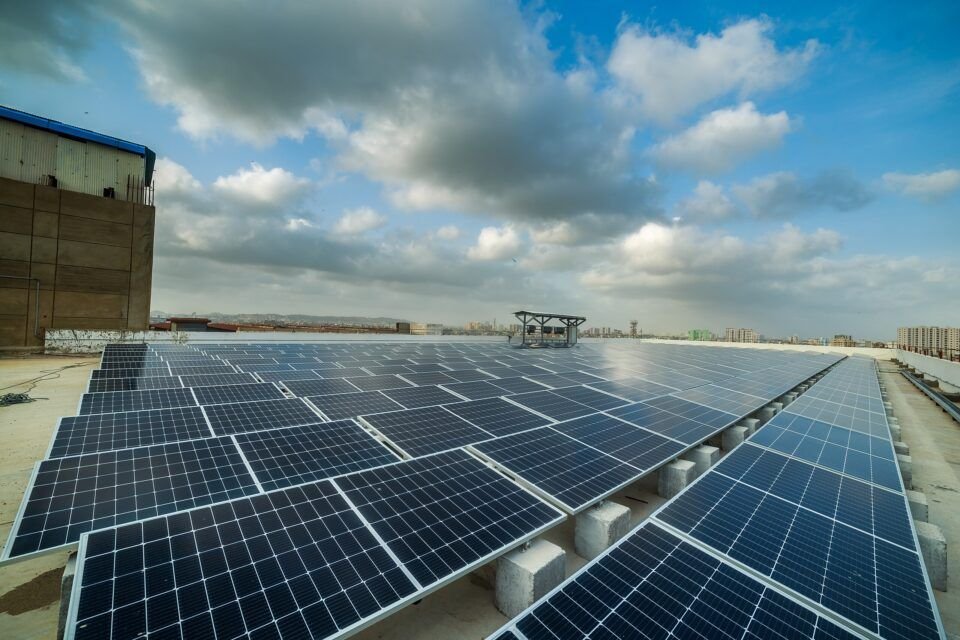
Pakistan Renewable Energy Transition has entered a transformative phase as the country rapidly scales up solar power deployment, increases renewable electricity generation, and advances climate-resilient development. With record-breaking growth in off-grid and net-metered solar installations, Pakistan is positioning itself as one of the fastest-growing clean energy markets globally. Driven by people-centric energy solutions and supportive policy frameworks, the country’s clean energy journey is reshaping the power sector while addressing energy poverty, climate vulnerability, and long-term sustainability. Pakistan Renewable Energy Transition and Record Solar Power Growth Pakistan has emerged as one of the world’s fastest-growing solar markets, achieving a major milestone by the end of 2025. The country now hosts: • 12 gigawatts (GW) of off-grid solar capacity, powering homes, farms, and businesses independently of the national grid• More than 6 GW of net-metered solar, enabling consumers to sell excess electricity back to the grid Together, this reflects a total distributed solar footprint exceeding 18 GW, largely driven by households, small businesses, and agricultural users seeking affordable and reliable energy alternatives. This people-led adoption has reduced pressure on the national grid, lowered electricity costs, and strengthened energy security amid fluctuating fuel prices. Renewables Cross 53% of Electricity Generation A historic breakthrough for the Pakistan Renewable Energy Transition came in the last fiscal year, when renewable sources accounted for 53% of total electricity generation. This marks a decisive shift away from fossil fuel dependence and underscores the growing role of clean energy in Pakistan’s power mix. Key contributors to this achievement include hydropower, solar, wind, and other renewable sources that collectively reduced carbon emissions while stabilizing electricity supply during peak demand periods. This progress also aligns Pakistan more closely with global climate goals and reinforces its credibility in international climate forums. Punjab Solar Panel Scheme 2026 and Energy Inclusion One of the most impactful initiatives supporting the Pakistan Renewable Energy Transition is the Punjab Solar Panel Scheme 2026. The program focuses on: • Providing free or subsidized solar systems to low-income households• Reducing energy poverty in underserved and rural communities• Improving access to reliable electricity for education, healthcare, and livelihoods By decentralizing energy access, the scheme is empowering households while easing the financial burden of rising electricity tariffs. Pakistan Renewable Energy Transition at IRENA Assembly At the 16th International Renewable Energy Agency (IRENA) Assembly, Pakistan reaffirmed its clean energy ambitions on the global stage. Ms. Romina Khurshid Alam, MNA, Coordinator to the Prime Minister on Climate Change, delivered the national statement highlighting Pakistan’s commitment to achieve 60% renewable energy in the power mix by 2030. She emphasized that distributed solar kits have played a vital role in restoring electricity and livelihoods in flood-affected areas, presenting them as a replicable model for climate-resilient recovery in developing countries. Climate Finance, Energy Storage, and Global Cooperation As part of Pakistan’s broader climate strategy, Ms. Alam called on IRENA and its Member States to: • Increase concessional financing for developing economies• Recognize energy storage and green hydrogen as global public goods• Strengthen regional cooperation to enhance shared energy security These measures are seen as essential for accelerating the Pakistan Renewable Energy Transition while ensuring equitable access to emerging clean technologies. Commitment to Paris Agreement and a Low-Carbon Future Pakistan reaffirmed its continued commitment to the Paris Agreement, stressing the importance of sustained technical and financial support from international partners. The government envisions a future that is resilient, inclusive, and low-carbon, where clean energy acts as a catalyst for economic stability and climate adaptation. The Pakistan Renewable Energy Transition reflects a powerful combination of grassroots adoption, policy direction, and international engagement. With solar capacity surging, renewables dominating electricity generation, and ambitious 2030 targets in sight, Pakistan is rapidly transforming its energy landscape—setting an example for climate-vulnerable developing nations worldwide.

Pakistan Mutual Funds Industry Surges to PKR 4.5 Trillion AUM in December 2025
Pakistan

Pakistan Mutual Funds Industry Surges to PKR 4.5 Trillion AUM in December 2025

Pakistan’s mutual funds sector recorded a healthy 5.6% month-on-month (MoM) increase in total Assets Under Management (AUM), rising from PKR 4,306 billion as of November 30, 2025, to PKR 4,548 billion by December 31, 2025. This expansion reflects strong investor confidence, supported by upward momentum in equities and steady inflows into fixed-income and money market products. Equity AUM grew modestly by 6.0% MoM to PKR 660 billion from PKR 622 billion, maintaining its share at around 14.5% of total AUM. The industry’s performance aligns with positive macroeconomic indicators, including stable rupee and declining inflation trends in late 2025. Top Performers Lead Charge with Double-Digit Gains Al Meezan Investments (Al Meezan IML) retained its leadership with AUM climbing 4.2% MoM to PKR 694.5 billion, bolstered by a 5.0% rise in equity portion to PKR 116.8 billion. NBP Funds followed closely at PKR 524.5 billion (up 3.1%), while MCB Funds posted the strongest growth among majors at 7.0% MoM to PKR 429.4 billion, with equity AUM surging 12.1%. Other notable gainers included UBL Funds (up 2.2% to PKR 399.9 billion), Alfalah AML (6.0% to PKR 351.0 billion), and smaller players like Lucky Invest (10.7% to PKR 131.4 billion) and JSIL (17.3% to PKR 125.5 billion). Fund distribution showed money market (22%), income (21%), and Shariah-compliant products dominating, with equity at 9% and Shariah-compliant equity at 6%. The sector’s resilience highlights growing retail and institutional participation despite global uncertainties.

Kaghan Valley Trout Farms on Brink of Collapse Due to Floods and Neglect
Pakistan

Kaghan Valley Trout Farms on Brink of Collapse Due to Floods and Neglect

The once-thriving trout fish farming sector in Bhunja, a scenic hub in Kaghan Valley known for its cold-water resources, is teetering on the edge of collapse. Severe floods over the past two years have wreaked havoc, damaging infrastructure, destroying water channels, and ruining ponds across dozens of farms. An unidentified disease plaguing trout for several years has led to mass fish deaths, inflicting heavy financial losses on farmers who have invested significantly in the business. Many ponds remain unrepaired, disrupting essential water supply and rendering large-scale breeding unviable. The combination of natural disasters and persistent health issues has pushed numerous operators out of the trade, delivering a major blow to the local economy that once benefited from this profitable venture. Seed Shortages and Official Inaction Compound Crisis Farmers report that the government hatchery at Shino Jared has failed to supply trout seed for an extended period, forcing them to source fingerlings from distant regions like Gilgit-Baltistan and Swat. This incurs exorbitant transportation costs and high seed mortality rates, with losses running into hundreds of thousands of rupees per consignment. Despite the farms originally being established under government ADP schemes, no financial assistance has been provided to restore flood-damaged channels or ponds. The Fisheries Department stands accused of prolonged neglect, with no efforts to diagnose the mysterious disease or provide support. Local stakeholders warn that without urgent intervention—such as infrastructure repairs, seed availability, disease research, and financial aid—the industry risks total extinction, threatening livelihoods in this mountainous region dependent on aquaculture for income and employment.

Punjab LPG Nightmare: 25 Dead, Over 240 Injured in Cylinder Blasts in 3 Years
Pakistan

Punjab LPG Nightmare: 25 Dead, Over 240 Injured in Cylinder Blasts in 3 Years

At least 25 people lost their lives, and more than 240 others were injured in a shocking series of LPG cylinder explosions and related fires throughout Punjab province. The data, compiled by the LPG Distributors Association and shared with media outlets, reveals a total of 488 incidents over the recent period, highlighting a severe public safety emergency. Women and children were among the victims, with several survivors facing permanent disabilities due to severe burns and other trauma. Of the injured, around 286 required hospital treatment, though 44 were later discharged. Major Cities Hardest Hit Lahore emerged as the epicenter, recording a staggering 170 incidents, followed by Faisalabad (50), Rawalpindi (38), and Gujranwala (25). Other districts reported significant cases, including Multan (18 incidents, 8 injured), Sargodha (19 incidents, 23 injured, 8 fatalities), Sheikhupura (19 incidents, 29 injured), and Bahawalnagar (16 incidents, 10 injured). Smaller numbers occurred in areas like Bahawalpur, Gujrat, Attock, and Chakwal, while some districts such as Hafizabad and Lodhran reported zero incidents. The association has pointed to substandard, non-certified cylinders as the primary cause, with illegal manufacturing and sales continuing openly in cities like Lahore, Gujranwala, Sialkot, and Multan despite crackdowns involving law enforcement. Authorities have initiated actions against violators, but the persistence of low-quality cylinders raises concerns about ongoing risks in households reliant on LPG for cooking and heating. This surge underscores the urgent need for stricter regulations, better quality controls, and public awareness campaigns to prevent such preventable tragedies.

Scroll to Top