Pakistan

Sui Gas Built Pakistan’s Energy Base but Left Dera Bugti Among Poorest Districts
Pakistan

Sui Gas Built Pakistan’s Energy Base but Left Dera Bugti Among Poorest Districts

Balochistan has played a central role in building Pakistan’s natural gas economy, but the communities living around the province’s major gas fields have seen limited improvements in development and living standards. For decades, fields in Dera Bugti, including Sui, Loti, Pirkoh, Uch and Zin, supplied a major share of Pakistan’s gas requirements. At its peak, Balochistan provided 82% of the country’s natural gas demand in 1982. Although its contribution has declined over time, the province still accounts for around one-fifth of national gas supplies. Balochistan’s Role in Pakistan’s Gas Supply Has Declined Balochistan’s contribution to Pakistan’s gas requirements stood at 55% in 1995 before falling to around 25% a decade later. The decline has continued as older gas fields have moved into advanced stages of depletion and new discoveries have failed to replace the production being lost. Pakistan’s overall gas production reached approximately 4,300 million standard cubic feet per day (mmscfd) in 2012. It has since declined to around 3,100 mmscfd. Oil production has followed a similar pattern. Output peaked at approximately 95,000 barrels per day in 2015 but has now fallen to around 72,000 barrels per day. Vast Exploration Potential Remains Untapped Despite Balochistan’s importance to Pakistan’s energy sector, exploration activity in the province remains limited. Only about 6% of the roughly 1,250 exploratory wells drilled across Pakistan have been located in Balochistan. Nearly 90% of the province remains unexplored. Security concerns have become a major obstacle to expanding exploration, particularly over the past two decades. A more stable operating environment could allow exploration companies to search for new reserves and potentially slow the decline in indigenous oil and gas production. Dera Bugti Remains Poor Despite Its Energy Wealth The contrast between Dera Bugti’s contribution to Pakistan’s energy supply and its development indicators remains striking. The discovery of the Sui No. 1 field in 1952, with an estimated 12 trillion cubic feet of gas, generated significant expectations among local communities. However, decades of gas production have not translated into comparable improvements in education, healthcare, employment and other basic services. Dera Bugti has a Human Development Index of just 0.236, placing it among Pakistan’s 10 least developed districts. The other districts in the bottom 10 are also located in Balochistan. Khuzdar, another important mining district, has an even lower HDI of 0.105. Royalties Have Not Delivered Enough Local Development Oil and gas-producing areas generate substantial revenue through royalties and production bonuses paid by exploration and production companies. However, the continued underdevelopment of many producing districts suggests that these financial resources have not produced sufficient improvements in local living standards. The gap between resource extraction and community development can contribute to frustration among residents. Limited access to employment, education and healthcare can deepen perceptions that local communities have not received a fair share of the benefits generated by their natural resources. Community Engagement Could Support Security The challenges facing exploration companies cannot be separated from the socioeconomic conditions of producing regions. When the state fails to provide adequate public services or economic opportunities, local grievances can intensify and create an increasingly difficult environment for businesses operating in the area. A more effective approach would treat communities as genuine stakeholders rather than relying primarily on a small group of intermediaries. Exploration and production companies could strengthen local relationships through fair employment opportunities, greater local procurement and carefully designed community development programmes. Respect for local traditions and engagement with community elders would also be important in building lasting trust. Royalties Could Fund Skills and New Industries As mature gas fields gradually decline, producing regions need alternative economic opportunities. Royalties and production bonuses could potentially be directed towards technical and vocational education, scholarships for high-performing students and community-based industrial initiatives. Such investments could help communities develop skills and businesses that remain viable even after oil and gas production declines. For areas such as Sui, preparing for the eventual transition away from resource-dependent economic activity could be as important as discovering new reserves. Development and Energy Security Are Closely Linked Pakistan faces a dual challenge in Balochistan: unlocking its remaining energy potential while addressing the longstanding development gap in resource-producing communities. A comprehensive assessment of human development in oil and gas districts could help determine whether existing policies are delivering meaningful results. International examples could also provide useful models for designing stronger community engagement and resource-sharing mechanisms. Improving education, healthcare, employment and local economic opportunities would not only benefit residents but could also strengthen public confidence and create a more stable environment for future investment. Pakistan Needs a New Model for Resource-Producing Areas Balochistan’s experience demonstrates that natural resource wealth alone does not guarantee local prosperity. The province helped build Pakistan’s energy base for decades, yet districts such as Dera Bugti continue to face severe development challenges. Addressing this imbalance will require more than additional exploration. A stronger model would connect resource revenues with measurable improvements in human development, give communities a meaningful stake in economic activity and prepare resource-dependent areas for life after their major fields mature. If Pakistan can combine responsible resource development with genuine local investment, Balochistan’s remaining energy potential could contribute not only to national energy security but also to lasting economic opportunities for the communities that have hosted these resources for generations.

Pakistan Exporters Book Over $3bn In Forwards As Rupee Support Eases
Pakistan

Pakistan Exporters Book Over $3bn In Forwards As Rupee Support Eases

Pakistan’s foreign exchange market is showing signs of moving towards a more normal trading environment as exporters’ outstanding forward contracts exceed $3 billion, providing significant support to the rupee in recent months. The level represents the highest outstanding exporter forward position in more than six years. However, fresh bookings have started to slow, raising questions about how long this source of dollar support can continue at its current strength. Exporter Forward Bookings Reach Six-Year High Exporters have accumulated more than $3 billion in forward contracts, creating a substantial pipeline of expected dollar inflows. These bookings have helped support the rupee by providing greater visibility over future foreign exchange receipts. However, market participants have recently observed a moderation in new forward bookings. If the slowdown continues, the exceptional support provided by exporter forwards could gradually diminish. This does not necessarily mean the rupee will weaken sharply, but it could shift greater importance towards actual export receipts and underlying foreign exchange demand. July Exports Deliver Strong Performance Pakistan’s export performance provides another important signal for the currency market. Exports rose to $2.90 billion in July, making it the highest monthly level in five years and the second-highest figure on record. The strong performance offers encouragement following a period of relatively subdued trade activity. However, questions remain over whether July represents the beginning of a sustained export recovery or an unusually strong month. Conditions in August and September could prove more challenging, particularly amid weaker global demand and stagflation concerns in the United States. SBP Swap Position Improves The State Bank of Pakistan’s swap book has also strengthened considerably. The central bank’s short position has improved from $1.89 billion to around $880 million, contributing to more comfortable dollar liquidity conditions. With the swap position improving, the SBP could potentially reduce purchases on the forward leg. This could place downward pressure on forward premiums in the months ahead. The development is another indication that some of the extraordinary foreign exchange support seen recently may begin to moderate. Three Signals Point Towards Normalisation The combination of exporter forward bookings, strong July exports and an improved SBP swap position provides a useful framework for assessing the rupee’s near-term outlook. Exporter forwards remain substantial, but new bookings are slowing. July exports were exceptionally strong, although upcoming months may face weaker external demand. Meanwhile, improved dollar liquidity gives the central bank greater flexibility in managing its forward position. Together, these factors suggest that the exceptional dollar support of recent months could gradually normalise. Importantly, normalisation does not automatically imply a weaker rupee. Sustainable Dollar Inflows Will Become More Important As extraordinary sources of foreign exchange support ease, the sustainability of Pakistan’s currency stability will increasingly depend on genuine export receipts and market-driven dollar flows. A recovery in domestic economic activity could also increase demand for foreign exchange as imports rise. Pakistan’s recent macroeconomic stabilisation has been supported by strong remittances, improved foreign exchange reserves, IMF-backed policy discipline and import compression. Maintaining stability over the longer term will require stronger exports, greater private foreign investment, increased foreign participation in domestic markets and improved private-sector credit growth. SBP Seeks To Avoid Another Boom-Bust Cycle SBP Governor Jameel Ahmad has reiterated the central bank’s intention to avoid another boom-bust cycle in the foreign exchange market. The improved external position gives policymakers greater room to focus on maintaining stability rather than responding to acute dollar shortages. For the rupee, the next phase could therefore be less about exceptional foreign exchange inflows and more about whether Pakistan can build sustainable sources of dollar earnings. Rupee Expected To Remain In A Narrow Range Market analysts expect the rupee to trade within a relatively narrow range in the coming months. Exporters are likely to continue seeking forward cover to protect against currency fluctuations, although the pace of new bookings may moderate from the exceptionally high levels seen recently. The key question for the currency market is whether stronger exports and other recurring dollar inflows can eventually replace the extraordinary support provided by forward bookings and policy-driven measures. If that transition occurs smoothly, Pakistan could move towards a more sustainable period of exchange-rate stability.

Pakistan Civil Awards: Mohsin Naqvi, Ishaq Dar, FBR Chairman, IB DG and AGP Among 355 Honoured
Pakistan

Pakistan Civil Awards: Mohsin Naqvi, Ishaq Dar, FBR Chairman, IB DG and AGP Among 355 Honoured

Pakistan has announced one of its largest civil honours lists, with President Asif Ali Zardari approving 355 Pakistan Civil Awards for Pakistani citizens and foreign nationals in recognition of their contributions to public service, administration, diplomacy, literature, medicine, business and other fields. The awards, approved on the occasion of Pakistan’s 78th Independence Day, are scheduled to be formally presented on Pakistan Day, March 23. The sheer size of the list has already placed the Pakistan Civil Awards under public scrutiny. While recognising national service is an important state responsibility, such a long list also raises a broader question: how effectively does the civil awards system distinguish extraordinary national contributions from routine official responsibilities? Pakistan Civil Awards Include Ishaq Dar and Mohsin Naqvi Among the most prominent recipients of the Nishan-i-Imtiaz are Deputy Prime Minister and Foreign Minister Mohammad Ishaq Dar, Federal Finance Minister Muhammad Aurangzeb, Interior Minister Mohsin Naqvi, Federal Minister Ahad Khan Cheema, Prime Minister’s Coordinator Bilal Azhar Kayani, and renowned poet and writer Asad Muhammad Khan. The inclusion of senior serving ministers makes the announcement particularly significant. Government officials already operate in positions carrying substantial authority and public responsibility. The award system therefore faces the challenge of demonstrating that recipients are being recognised for exceptional achievements rather than simply holding influential offices. That distinction matters because civil awards derive their credibility from public confidence in the selection process. FBR Chairman, IB Director General and AGP Receive Hilal-i-Imtiaz The Hilal-i-Imtiaz list includes several senior officials who occupy critical positions in Pakistan’s state machinery. Among them are Rashid Mahmood Lagrial, Chairman of the Federal Board of Revenue, Fuad Asadullah, Director General of the Intelligence Bureau, Mansoor Usman Awan, Attorney General for Pakistan, Imdadullah Bosal, Federal Finance Secretary, and Barrister Nabeel A. Awan, Establishment Secretary. The recognition of officials from taxation, intelligence, law and financial administration gives the awards a strong public-sector focus. However, it also highlights the need for greater transparency around the criteria used to evaluate senior bureaucrats and public office holders. The awards will carry greater legitimacy if citizens can clearly understand what specific achievements led to each honour. Business, Medicine, Literature and Overseas Pakistanis Also Honoured The list extends beyond government circles. Dr. Shahid Mahmud, CEO of Interactive Group, Lt. Gen. retired Moazzam Ejaz, Rector of NUTECH, transplant surgeon Dr. Faisal Saud Dar, media pioneer Sultana Siddiqi, and poets Ejaz Rahim and Khurshid Ul Hasan Rizvi are among those receiving recognition. Overseas Pakistanis are also represented, including Dr. Ghulam Murtaza from the United Kingdom, Professor Ahmed Ali, late, from China, and Sardar Muhammad Ilyas Khan from Saudi Arabia. Foreign nationals have also been included in the honours. Sheikha Fatima bint Mubarak of the UAE has been awarded the Nishan-i-Pakistan, while senior figures from Saudi Arabia, Russia, Türkiye and Spain have received various state honors. Why Pakistan Civil Awards Need Greater Transparency The Pakistan Civil Awards are intended to celebrate exceptional service, but the credibility of any national honours system depends on how convincingly it separates extraordinary achievements from institutional responsibilities. The government could strengthen public confidence by publishing clearer explanations for major awards, including the specific contribution, measurable impact and public benefit associated with each recipient. Without such transparency, even deserving recipients can face unnecessary controversy because the public is left to speculate about why particular names were selected. The March 23 ceremony will therefore be more than a formal presentation. It will also test whether Pakistan’s civil honours system can balance recognition, merit and public accountability while celebrating those who have genuinely contributed to the country’s progress.

Petroleum Dealers Margin Raised by Rs1.34 as Strike Threat Forces Government Move
Pakistan

Petroleum Dealers Margin Raised by Rs1.34 as Strike Threat Forces Government Move

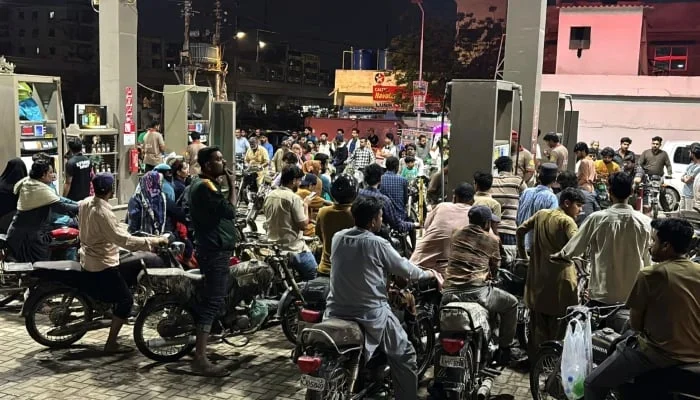
The petroleum dealers margin has been increased by Rs1.34 per litre, taking the total margin to Rs10, after the Pakistan Petroleum Dealers Association threatened to shut petrol pumps across the country. The development highlights the growing pressure on the government from fuel-sector stakeholders and raises fresh questions about how petroleum pricing decisions are being managed. The Pakistan Petroleum Dealers Association announced on August 14 that it had postponed its planned strike after receiving assurances from the government that the increase had been approved at the highest level and that a summary had been sent to the Economic Coordination Committee. Petroleum Dealers Margin Rises After Strike Threat Speaking at an emergency press conference in Karachi, PPDA Chairman Malik Khuda Bakhsh said Petroleum Minister contacted the association following what he described as difficult negotiations in Islamabad and informed the dealers that Prime Minister had approved an increase of Rs1.34 in their margin. The increase takes the petroleum dealers margin to Rs10, although dealers had demanded a substantially larger adjustment equivalent to 8 percent. Instead of immediately accepting the full demand, the government has agreed to establish a joint committee that will examine the dealers’ broader demand and submit its report within 30 days. For consumers, however, the key issue is whether this additional margin will eventually put further pressure on petrol prices. Any increase in the distribution chain can become politically sensitive in a country where fuel prices directly affect transportation, food costs and household budgets. Dealers Accept Rs1.34 Increase but Keep Protest Threat Alive The association has temporarily withdrawn its strike, but its leadership made clear that the dispute is not over. Malik Khuda Bakhsh said the strike had been postponed on the basis of government assurances and warned that protests could resume if the remaining demands were not addressed. Vice Chairman Tariq Hassan claimed that dealers had been deprived of their required margin for three years and alleged that around 50 million dollars was effectively stuck with the government. This claim deserves closer scrutiny because such a large financial figure, if accurate, would raise serious questions about the mechanism through which dealer margins are calculated, adjusted and paid. The government’s decision to respond only after the threat of a nationwide disruption also exposes a broader weakness in policy coordination. If dealer margins have remained under pressure for years, waiting until a strike becomes imminent suggests that the pricing framework may not be sufficiently responsive to changes in operating costs. Fuel Price Revision May Also Return to 7 or 15 Days Another significant development concerns the frequency of petroleum price revisions. According to the dealers’ association, a new summary has reportedly been sent to the Prime Minister proposing that petroleum prices could again be revised every seven or 15 days instead of being changed daily. The association linked the proposal to reduced tensions in the Middle East and a more stable international oil market. A return to a less frequent pricing mechanism could provide consumers and businesses with greater predictability. Daily changes, while potentially reflecting international market movements more quickly, can also create uncertainty for transport operators, retailers and households. However, the government should ensure that any new system works both ways. Consumers should benefit when international oil prices fall, just as they face increases when global prices rise. A transparent formula and timely disclosure of the calculation would be essential to prevent renewed criticism over petroleum pricing. Pakistan’s Petrol Pumps Face Digitalization Deadline PPDA Vice Chairman Anwar Kamal also disclosed that the government has given petrol pumps until March 23, 2027, to complete digitalization, with oil marketing companies responsible for facilitating the process. The association says Pakistan has around 14,000 petrol pumps, but only about 10 percent are currently digitized. This indicates that the sector remains significantly behind the government’s desired level of technological integration. Digitalization could improve sales monitoring, tax documentation, inventory management and regulatory oversight. But imposing a deadline without clearly explaining financing, technical standards and implementation responsibilities could create another conflict between dealers, oil marketing companies and regulators. Government Faces Bigger Test After Margin Increase The petroleum dealers margin increase may have prevented an immediate nationwide strike, but it has not resolved the underlying dispute. The government’s challenge now is to establish whether dealer margins are being calculated through a transparent and economically sustainable formula rather than adjusted only when industrial pressure reaches a critical point. The 30-day committee process will therefore be more important than the Rs1.34 increase itself. For consumers, the biggest question remains whether the additional dealer margin, combined with future international oil movements, will translate into higher pump prices. For dealers, the bigger test is whether the government follows through on its promises without requiring another strike threat to force action. The latest decision may have defused an immediate crisis, but it also sends a clear message about Pakistan’s petroleum pricing system: when long-standing commercial disputes are left unresolved, the cost eventually reaches the entire economy.

NBP President Race Intensifies as Nine Candidates Compete for Top Banking Seat
Pakistan

NBP President Race Intensifies as Nine Candidates Compete for Top Banking Seat

The race for the next National Bank of Pakistan President has moved into its decisive phase after nine candidates appeared before a selection panel chaired by the Federal Minister for Finance. The government is expected to make a decision later this week, with the final appointment subject to Federal Cabinet approval. The nine candidates interviewed for the NBP President position are Hassan Raza, Muhammad Abdullah, Shehram Raza, Mudassar Khan, Zafar Masud, Imran Sarwar, Ali Muhammad Mahoon, Farrukh Iqbal and incumbent President Rehmat Ali Hasni. The selection has attracted unusual attention because the NBP President is not merely the head of another commercial bank. The position places its holder at the helm of one of Pakistan’s most important state-owned financial institutions, making the government’s choice significant for the banking sector and the wider economy. Who Are the Nine Candidates for NBP President? The candidate pool includes several experienced banking professionals, with Zafar Masud emerging as one of the most closely watched names because of his senior banking experience and leadership background. The other candidates are Hassan Raza, Muhammad Abdullah, Shehram Raza, Mudassar Khan, Imran Sarwar, Ali Muhammad Mahoon, Farrukh Iqbal and Rehmat Ali Hasni. The inclusion of Hasni makes the contest particularly interesting because he is already serving as NBP president. The government will now consider the interview panel’s recommendations before sending the appointment through the required approval process. Rehmat Ali Hasni’s Extension Raises Questions One of the most striking aspects of the NBP President selection process is the position of Rehmat Ali Hasni. His three-year term expired on August 6, but the government granted him a two-week extension to maintain continuity while the appointment process is completed. At the same time, Hasni reportedly appeared before the selection panel as one of the nine candidates competing for the position he currently occupies. This arrangement is unusual enough to deserve public scrutiny. While continuity at a major state-owned bank is understandable, allowing an incumbent to seek a fresh appointment while simultaneously receiving an extension creates questions about how transparent and competitive the selection process will ultimately be. The government should therefore clearly explain the selection criteria, the qualifications being assessed and how the final recommendation will be determined. A position of this financial and institutional importance should inspire confidence rather than speculation. Why the NBP President Appointment Matters The incoming NBP President will inherit an institution with an extensive domestic and international banking footprint and a major role in Pakistan’s financial system. The appointment therefore goes beyond an executive reshuffle and could influence the bank’s future strategy, governance, lending priorities and relationship with the government. The next president will also face the challenge of maintaining financial performance while balancing NBP’s commercial objectives with its responsibilities as a state-owned institution. Zafar Masud Adds Weight to the Contest Zafar Masud’s presence gives the NBP President race an especially competitive dimension. His banking background makes him a prominent contender in a field that already includes several senior professionals. However, experience alone should not determine the outcome. The government must demonstrate that the final selection is based on professional competence, governance standards, institutional independence and the ability to manage a systemically important bank. The Decision Could Come Within Days With interviews completed, attention now shifts to the Federal Cabinet. The government is expected to review the panel’s recommendations before making the final appointment. For Pakistan’s banking industry, the question is no longer who will be interviewed but who will ultimately receive the mandate to lead NBP. Nine candidates have entered the race. One will emerge as the next NBP President, while the government’s handling of the final decision will determine whether this high-profile appointment is viewed as a professional banking decision or another closely watched public-sector selection.

National Youth Employment Policy Launched With 50% Women’s Quota, Startup Support
Pakistan

National Youth Employment Policy Launched With 50% Women’s Quota, Startup Support

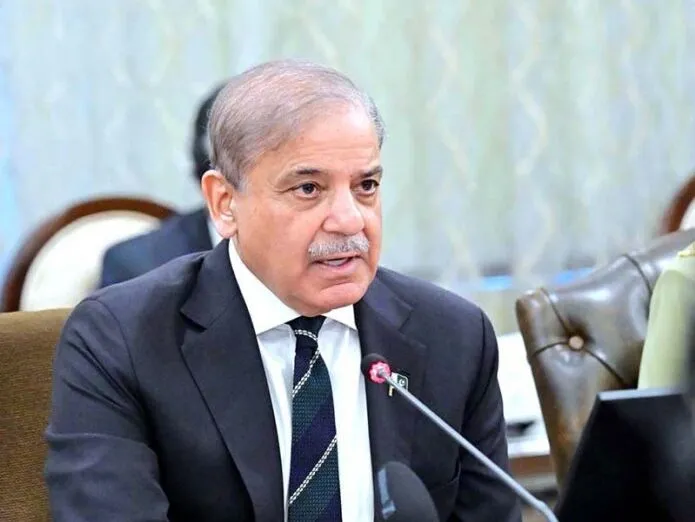
Pakistan has formally launched its first National Youth Employment Policy, introducing a comprehensive framework aimed at expanding employment, entrepreneurship and skills development opportunities for the country’s young population. Prime Minister Shehbaz Sharif launched the policy during a ceremony in Islamabad, according to an official press release. The policy seeks to encourage young people to pursue both employment and entrepreneurship while improving their access to modern skills, technology and international training opportunities. A major feature of the policy is the allocation of a 50% quota for women in the labour force, reflecting the government’s focus on increasing female participation in economic activity. The policy also reserves 10% of the annual quota for startups, with the objective of encouraging young people to establish businesses rather than relying solely on conventional employment. National Youth Employment Policy Focuses on Jobs and Entrepreneurship The launch of the National Youth Employment Policy comes as Pakistan seeks to create more opportunities for its growing young population and equip workers with skills relevant to a rapidly changing economy. The startup quota is designed to provide greater encouragement to young entrepreneurs and promote business creation. By allocating a portion of the annual quota to startups, the government aims to shift the focus from job seeking towards job creation. The policy also places significant emphasis on technology and emerging fields, particularly information technology and artificial intelligence. Prime Minister Shehbaz Sharif announced that 1,000 young men and women will be sent to China for training in Information Technology and Artificial Intelligence on merit. The government will bear all expenses associated with the overseas training programme, giving selected participants an opportunity to gain international exposure and develop skills in sectors considered critical to Pakistan’s future economic growth. The initiative is expected to help develop a skilled workforce capable of contributing to Pakistan’s digital economy and competing for employment opportunities in international markets. Govt Expands Laptop and Digital Education Initiatives The prime minister also highlighted the government’s ongoing laptop distribution programme for students. Shehbaz Sharif said 700,000 laptops have already been distributed among talented students under government initiatives. He further announced that another 250,000 Chromebooks will be distributed to high-achieving students this year. The government sees access to digital devices as an important component of improving education and developing technology skills among young people. Greater access to laptops and Chromebooks can also help students participate in online learning, acquire digital skills and explore opportunities in technology-driven sectors. The measures announced alongside the youth employment policy indicate that the government intends to connect education, skills development and employment more closely. Daanish Schools and New University Highlighted During the ceremony, Prime Minister Shehbaz Sharif also discussed the government’s education initiatives, including the establishment of Daanish Schools across Pakistan. He said the schools were designed to provide deserving students with high-quality education comparable to leading institutions such as Aitchison College. The prime minister also announced the establishment of a new Daanish University in Islamabad, with classes expected to begin next year. According to Shehbaz Sharif, the university will focus on technology and technical education, with particular emphasis on modern sciences. He said admission would be based purely on merit, regardless of students’ financial backgrounds. The initiative is intended to provide talented and deserving students with access to quality higher education and modern technical skills. The emphasis on merit is also aimed at widening educational opportunities for students who may not otherwise have access to high-quality institutions because of financial constraints. Women’s Participation Given Major Focus The 50% women’s quota under the policy represents one of its most significant components. Increasing women’s participation in the labour force remains an important challenge for Pakistan, where social, economic and workplace barriers have limited the participation of many women in formal employment and entrepreneurship. The government’s decision to allocate half of the relevant employment quota to women is aimed at creating greater opportunities for female workers and entrepreneurs. The startup allocation also provides an avenue for young women to pursue entrepreneurship and establish businesses. By combining employment opportunities with entrepreneurship support, the policy seeks to address youth unemployment through multiple channels rather than relying exclusively on traditional jobs. New Innovation and Skills Programmes Launched The prime minister also launched the National Power Sector Innovation Programme and the Skills Ambassador Programme during the ceremony. The power-sector innovation programme is expected to promote new ideas and solutions in an industry facing challenges related to efficiency, technology and service delivery. Meanwhile, the Skills Ambassador Programme is intended to further support skills development and connect young people with opportunities to improve their employability. The launch of the National Youth Employment Policy marks a significant policy step as Pakistan seeks to harness its young population for economic development. With measures covering employment, startups, women’s participation, digital skills, overseas training and education, the government aims to create a broader ecosystem for youth development. The success of the policy, however, will depend on effective implementation, transparent selection mechanisms and the creation of sufficient employment and entrepreneurship opportunities. If implemented effectively, the policy could help young Pakistanis acquire market-relevant skills, access better employment opportunities and contribute more actively to the country’s economic growth.

Pakistan Automotive Industry Urged to Target $63bn Export Goal Under URAAN Pakistan
Pakistan

Pakistan Automotive Industry Urged to Target $63bn Export Goal Under URAAN Pakistan

Pakistan’s automotive industry must shift its focus from primarily serving the domestic market to becoming a major source of export earnings, with the sector expected to make a significant contribution towards the country’s $63 billion export target under URAAN Pakistan, the Planning Commission said. The call was made during a policy dialogue titled “Unlocking Pakistan’s High-Value Export Potential: Threats and Opportunities for the Automotive Industry”, which brought together government officials, private-sector representatives, academics and international development partners to discuss ways to strengthen Pakistan’s automotive exports. The session was jointly chaired by Federal Minister for Planning, Development and Special Initiatives Professor Ahsan Iqbal, Federal Minister for Energy Sardar Awais Ahmad Khan Leghari and Special Assistant to the Prime Minister on Industries and Production Haroon Akhtar Khan. The discussions focused on improving the competitiveness of Pakistan’s automotive industry and identifying measures that could help local manufacturers enter international markets. Govt Calls for Export-Led Growth in Automotive Sector Speaking at the dialogue, Ahsan Iqbal said export-led growth was the central pillar of URAAN Pakistan and should be treated as a national priority rather than simply an economic target. He said Pakistan could no longer afford to keep its industries focused mainly on the domestic market. According to the minister, the country needs a fundamental change in its approach to industrial development, investment, infrastructure and economic policymaking if it wants to significantly increase exports. The minister also highlighted the broader ambition of raising Pakistan’s exports to $100 billion, saying the country must develop a stronger and more diversified export base to achieve sustainable economic growth. He stressed that Pakistan needed foreign exchange earnings rather than relying on borrowing and short-term economic measures. “Pakistan needs dollars,” the minister said, arguing that a stronger export sector would be essential for generating sustainable foreign exchange and reducing dependence on external financing. Automotive Industry Must Enter Global Markets Ahsan Iqbal said Pakistan already has industrial clusters and productive capabilities that can serve as a foundation for export expansion. However, he emphasised that these existing capacities need to be modernised to compete effectively in international markets. The government’s focus, he said, should include improving industrial productivity, upgrading infrastructure, adopting modern technologies and establishing a policy environment that encourages investment in export-oriented manufacturing. The minister expressed confidence that the new Auto Policy 2.0 would help transform the automotive industry and encourage greater integration with global markets. The policy is expected to play an important role in creating conditions for manufacturers and component producers to improve competitiveness and explore overseas markets. For Pakistan’s automotive industry, moving beyond domestic sales could create opportunities for manufacturers to benefit from economies of scale while strengthening the country’s manufacturing and engineering capabilities. Private Sector Urged to Lead Export Drive The planning minister called on manufacturers, exporters and investors to take a leading role in Pakistan’s export expansion strategy. He said closer cooperation between the government and private sector was required to identify new international markets, remove regulatory and infrastructure-related bottlenecks and establish clear priorities for export-led industrial growth. Ahsan Iqbal also urged chambers of commerce and industry to encourage businesses to participate in export missions and develop sector-specific strategies for accessing international markets. He called on industry stakeholders to prepare five-year export plans that clearly identify the potential contribution of individual sectors and the government support required to achieve those targets. Such plans, he said, could provide a more structured approach to increasing exports while allowing policymakers to identify specific constraints facing different industries. Govt Seeks District-Level Export Strategy The minister also called for the development of a comprehensive district-level export development plan covering different regions and sectors of the country. The proposed approach would identify areas where existing industrial capacity can be transformed into globally competitive export clusters. Such clusters could help concentrate investment, infrastructure, skilled labour and technology around industries with strong export potential. For the automotive sector, participants discussed several areas that could determine its ability to compete internationally. These included manufacturing costs, productivity, technological capability, infrastructure, investment, access to international markets and policy facilitation. Improving these areas will be critical if Pakistan wants to move from producing vehicles and components primarily for domestic consumers towards establishing a sustainable presence in global automotive supply chains. Automotive Exports Seen as Key to $63bn Target The Planning Commission said the automotive industry has an important role to play in achieving the $63 billion export target under URAAN Pakistan. The sector has an established manufacturing base and a network of component suppliers that could potentially be expanded to serve international markets. However, increasing exports will require manufacturers to meet international standards, improve productivity, invest in technology and develop products that are competitive in terms of quality and cost. The government’s policy dialogue is therefore aimed at identifying practical steps to unlock the sector’s export potential. The session formed part of a wider consultative series organised by the Planning Commission to promote Pakistan’s high-value export sectors and industrial clusters. The discussions are expected to contribute to policy recommendations aimed at improving Pakistan’s export competitiveness. The government believes this transition can help generate foreign exchange, attract investment, modernise industrial capacity and support long-term economic growth.

Govt Push to Revive Pakistan Steel Mills Gains Momentum
Pakistan

Govt Push to Revive Pakistan Steel Mills Gains Momentum

The government has decided to move towards the Pakistan Steel Mills revival, effectively reversing its earlier decision to liquidate the state-owned steel producer after international investors showed interest in restoring and modernising the dormant industrial giant. Well-informed sources said the government has initiated consultations with Russian company Industrial Engineering LLC for the revival, modernisation and restructuring of Pakistan Steel Mills (PSM). The development marks a significant shift in the government’s approach towards the loss-making state-owned enterprise. The Special Investment Facilitation Council (SIFC) had decided in May 2024 to scrap PSM, while the Cabinet Committee on Rightsizing subsequently approved the liquidation of the existing mill in August 2024. However, the government has now begun exploring a revival plan, with international cooperation emerging as a potential route for restoring the mill to operational status. Pakistan, Russia Sign Protocols For PSM Revival According to sources, two protocols have already been signed between Industrial Engineering LLC of Russia and Pakistan Steel Mills under the Ministry of Industries and Production. The first protocol was signed in Moscow on July 10, 2025. It covers cooperation between the two sides for the revival, modernisation and restructuring of PSM. The second protocol was signed during the 10th session of the Pakistan-Russia Intergovernmental Commission on November 26, 2025. The second agreement focuses on determining the operational and capital expenditure requirements needed for manufacturing activities at the steel mill. The agreements provide a framework for assessing the condition of the existing facility, determining investment requirements and examining the feasibility of restoring production. Sources said an exercise has already been carried out to determine production costs and assess market feasibility. The findings of this exercise are expected to play an important role in determining whether the mill can be restored on a commercially sustainable basis. Govt To Seek Approval To Stop PSM Liquidation The concerned authority is expected to submit recommendations to the Cabinet Committee on State-Owned Enterprises (SOEs) seeking an end to the liquidation process. The proposed move is based on the expectation that PSM can be revived with support from international investors and technical partners. A formal summary regarding the revival has also been submitted to the Ministry of Industries and Production for consideration, according to sources. The new policy direction indicates that the government no longer intends to proceed with the earlier plan to dispose of the existing mill. A parliamentary secretary also stated that the government’s policy direction was now clear and that authorities intended to restore Pakistan Steel Mills to operational status. He added that the timeline agreed with the Russian company would be followed and that further measures would be taken accordingly. The government will now need to determine the investment required, production capacity, operating costs and potential market for locally manufactured steel before finalising the revival framework. Awais Leghari Signals Fresh Revival Efforts Minister for Power Sardar Awais Ahmad Khan Leghari has also indicated that recommendations for reviving Pakistan’s dormant steel giant will soon be presented to policymakers. Speaking during a webinar titled “Pakistan-Russia: Strengthening Trade, Education and Energy Collaboration,” jointly organised by the University of World Civilizations Moscow and the Institute of Regional Studies, Leghari highlighted the improving relationship between Pakistan and Russia. He said bilateral relations had gained positive momentum over the past two decades, supported by mutual trust, respect and a shared commitment to regional stability. The minister’s remarks reinforce the government’s renewed interest in using cooperation with Russia to support major industrial and economic projects. For Pakistan Steel Mills, Russian technical and investment expertise could potentially play a role in modernising outdated facilities and establishing a commercially viable production model. PSM Liquidation Plan Had Earlier Been Approved Pakistan Steel Mills has remained dormant for years, creating a significant financial burden for the government. The government had previously decided to scrap the entity after failing to find a buyer for the mill. The SIFC approved the decision to scrap PSM in May 2024, followed by approval from the Cabinet Committee on Rightsizing for liquidation in August 2024. Since then, the government has continued to bear the cost of salaries for the remaining employees. Meanwhile, bills and other expenses have reportedly been supported through proceeds generated from the sale of scrap from the mill. The proposed reversal therefore represents a major change in policy. Instead of proceeding with liquidation and disposing of the remaining assets, authorities are now examining whether the country’s largest integrated steel production facility can be restored through foreign investment, restructuring and modernisation. Revival Could Support Industrial Development A successful Pakistan Steel Mills revival could have wider implications for the country’s industrial sector. A functioning integrated steel mill could potentially reduce reliance on imported steel products, support downstream industries and create employment opportunities. It could also provide domestic industries with a larger source of locally produced steel for construction, engineering, manufacturing and infrastructure projects. However, experts are likely to closely examine the financial feasibility of any revival plan. PSM has faced years of operational, financial and management problems, while much of its infrastructure requires substantial investment and modernisation. The government’s ongoing assessment of production costs, capital expenditure and market feasibility will therefore be critical. The involvement of an international technical partner could help address some of these challenges, but the final structure of investment, management, financing and ownership will determine whether the revival can become sustainable.

Haroon Akhtar Appointed Adviser to Prime Minister With Federal Minister Status for Industries and Production
Pakistan

Haroon Akhtar Appointed Adviser to Prime Minister With Federal Minister Status for Industries and Production

The federal government has made a significant change in its economic and industrial leadership by appointing Haroon Akhtar as Adviser to the Prime Minister with the status of Federal Minister, giving him responsibility for the Industries and Production portfolio. The appointment was made by the President under clause 1 of Article 93 of the Constitution of Pakistan and takes effect immediately. The Cabinet Division formally issued the notification, confirming Haroon Akhtar’s new position and portfolio. The move puts the Industries and Production Ministry under a political figure with cabinet-level status at a time when Pakistan’s industrial sector faces mounting challenges, including high production costs, weak competitiveness, energy constraints, import pressures and concerns over declining industrial activity. Haroon Akhtar Gets Industries and Production Portfolio As part of the new arrangement, Haroon Akhtar will oversee the Industries and Production portfolio, placing him at the center of several issues that directly affect Pakistan’s manufacturing and business sectors. The portfolio covers a broad industrial landscape and carries implications for manufacturing growth, industrial policy, state-owned enterprises, production capacity and investment conditions. For businesses, the real significance of the appointment will not be determined by the cabinet designation alone. The critical question is whether the new leadership can translate political authority into practical reforms that reduce the cost of doing business and improve industrial competitiveness. Pakistan’s industrial sector has repeatedly highlighted expensive electricity and gas, taxation pressures, regulatory uncertainty, limited access to financing and inconsistent policy as major obstacles to expansion. Simply changing the person responsible for the portfolio will not resolve these structural problems. Haroon Akhtar will therefore face pressure to demonstrate measurable progress rather than rely on administrative announcements or policy statements. What Haroon Akhtar’s Appointment Means for Pakistan’s Industry The appointment could provide the government with an opportunity to place greater political attention on industrial growth. A Federal Minister level adviser may have stronger access to decision makers and greater influence when coordinating industrial policy with the finance, energy, commerce and planning authorities. This coordination is particularly important because industrial problems in Pakistan rarely originate from one ministry alone. Energy prices, taxation, interest rates, import restrictions, exchange rate movements and infrastructure bottlenecks all influence factory output and investment decisions. However, the government should also be prepared to judge the appointment against concrete economic outcomes. Investors and manufacturers need predictable policies, faster approvals and competitive input costs rather than repeated changes in administrative arrangements. The appointment therefore represents both an opportunity and a test for the government. Haroon Akhtar Replaces Previous Special Assistant Arrangement Following his appointment as Adviser to the Prime Minister, Haroon Akhtar will cease to serve as Special Assistant to the Prime Minister. The Cabinet Division said earlier notifications issued on February 27 and March 7, 2025, have been superseded to the extent relevant to his previous position. The administrative change formally establishes his new status while retaining his involvement in the federal government’s economic decision making. The Bigger Question Behind Haroon Akhtar’s Appointment The appointment comes at a sensitive time for Pakistan’s industrial economy. Manufacturers require policy stability and practical solutions to long-standing cost and competitiveness problems. The government will now need to show whether Haroon Akhtar’s enhanced status can produce tangible improvements in industrial policy. If the appointment leads to faster reforms, stronger coordination and improved conditions for manufacturers, it could become an important step for Pakistan’s industrial sector. If it remains only a change in designation, however, businesses are unlikely to see much difference. The real measure of Haroon Akhtar’s appointment as Adviser to the Prime Minister will therefore be its impact on factories, investment, exports, employment and industrial production rather than the title attached to the office.

PSX Adds Record 25,140 New Investor Accounts In July 2026
Pakistan

PSX Adds Record 25,140 New Investor Accounts In July 2026

The Pakistan Stock Exchange (PSX) recorded its highest-ever monthly addition of investor accounts in July 2026, with 25,140 new investor accounts opened during the month, highlighting growing public participation in Pakistan’s capital market. Data shared by the PSX and National Clearing Company of Pakistan Limited (NCCPL) showed that the latest increase included both regular and Sahulat accounts. Of the total new accounts, 14,824, or 59%, were Sahulat accounts, while 10,287, or 41%, were normal accounts. The overall figure also included 29 corporate accounts. The latest figures indicate a significant expansion in the investor base as Pakistan continues efforts to encourage greater participation in the equity market through digital onboarding, easier account-opening procedures and wider access to investment platforms. PSX Investor Base Reaches 607,025 Accounts The increase in July pushed the total number of registered investor accounts to 607,025, according to PSX data. The exchange described the July figure as the highest-ever number of accounts opened in a single month. The investor base stood at 583,052 in June 2026, compared with 392,775 in June 2025 and 329,292 in June 2024. According to the PSX data, the investor base grew by 48% in FY2026, compared with 19% growth recorded in FY2025. The average monthly addition of Unique Identification Numbers (UINs) also increased substantially, rising from 5,290 in FY2025 to 15,856 in FY2026. The increase suggests that interest in Pakistan’s equity market has accelerated considerably, particularly among younger investors. The growing investor base could also support greater market depth and liquidity over the longer term, provided new investors remain active and continue to participate in the formal capital market. Gen-Z And Millennials Lead New Investor Accounts The demographic breakdown of the July accounts shows strong participation from younger age groups. Investors aged between 18 and 30 accounted for the largest share, with 10,691 male and 1,689 female investors joining the market during the month. The 31–45 age group followed, with 7,901 male and 1,592 female investors. The 46–60 category recorded 2,120 male and 557 female accounts. Meanwhile, 410 male and 98 female investors were aged between 61 and 75, while investors above 75 accounted for 42 male and 11 female accounts. The data indicates that younger Pakistanis are increasingly entering the formal investment market. The strong participation of the 18–30 and 31–45 age groups could help broaden the investor base and create a stronger culture of long-term investment. The shift is also consistent with the wider digitalisation of financial services, which has made it easier for individuals to access brokerage and investment platforms without relying entirely on traditional physical processes. Male Investors Account For 84% Of New Accounts The gender-wise breakdown shows that male investors continued to dominate new account openings. Out of 25,111 individual UINs recorded in July, 21,164 were male investors, representing 84% of the total. Female investors accounted for 3,947 accounts, or 16%. While the number of female investors remains significantly lower than male participation, the figures provide a baseline for efforts to improve women’s access to investment opportunities. Increasing female participation in the capital market could further broaden Pakistan’s investor base and bring more households into formal savings and investment channels. Punjab Leads Investor Participation Punjab recorded the highest number of new investor accounts among Pakistan’s provinces, with 12,917 UINs added in July 2026. Sindh ranked second with 8,126 new accounts, followed by Khyber Pakhtunkhwa with 1,828 and Islamabad Capital Territory with 1,460. Balochistan recorded 405 new accounts, while Azad Jammu and Kashmir added 175 and Gilgit-Baltistan recorded 91. Another 138 accounts were registered under the overseas category. The regional figures show that Punjab and Sindh accounted for the overwhelming majority of new investor registrations during the month. Sahulat Accounts Drive New Registrations Sahulat accounts accounted for nearly three-fifths of new registrations in July, demonstrating the importance of simplified investment products in bringing new participants into the stock market. The Sahulat Account is designed to provide an easier route for individuals who want to enter the capital market. Its strong share of July registrations suggests that simplified onboarding can help attract first-time investors. The surge in registrations also comes as regulators and market institutions seek to increase the number of investors in Pakistan. The Securities and Exchange Commission of Pakistan has previously highlighted the relatively low number of capital-market investors compared with the country’s population and set a target of significantly expanding participation. The latest PSX figures therefore represent an important development for Pakistan’s capital market. A larger and more diverse investor base can strengthen market liquidity, improve participation in listed companies and provide businesses with greater access to equity financing. However, sustained growth will depend not only on opening new accounts but also on ensuring that investors receive adequate financial education, understand market risks and remain active over the long term. For now, the 25,140 new investor accounts recorded in July mark a significant milestone for the PSX and underline the growing interest of Pakistani investors, particularly younger people, in the country’s equity market.

Scroll to Top