Pakistan

Pakistan Crypto Council Licenses Set to Transform Exchange Companies and Remittances
Pakistan

Pakistan Crypto Council Licenses Set to Transform Exchange Companies and Remittances

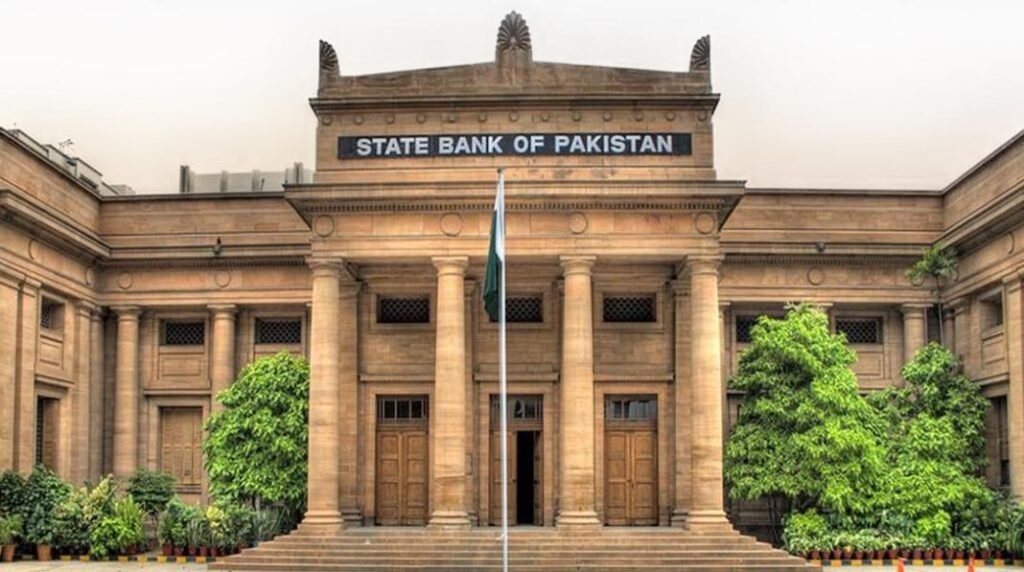
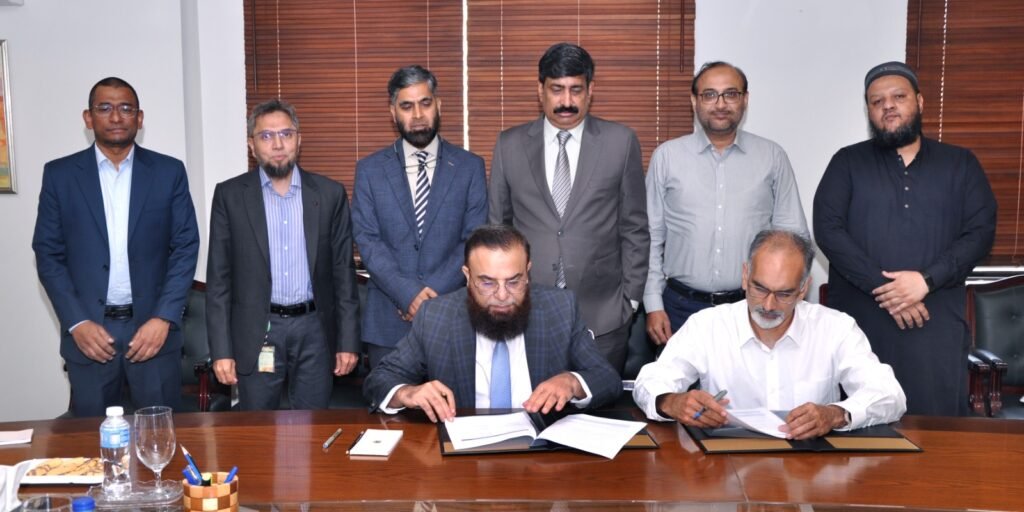
Pakistan Crypto Council Licenses are rapidly emerging as a game-changing development in the country’s financial landscape. In a high-level meeting between industry leaders and regulators, a bold vision for digital finance, faster remittances, and cheaper crypto trading took center stage. The meeting brought together key figures including Bilal Bin Saqib, CEO of the Pakistan Crypto Council, and Chairman Malik Bostan, President Zafar Paracha along with senior members of the Exchange Companies Association of Pakistan. Their discussions signal a major shift toward regulated crypto adoption in Pakistan. Pakistan Crypto Council Licenses to Regulate Exchange Companies Pakistan Crypto Council Licenses are expected to bring exchange companies under a formal regulatory framework. This move could legitimize crypto-related operations and integrate them into the mainstream financial system. According to industry insiders, the initiative has already gained backing from institutions like State Bank of Pakistan and Securities and Exchange Commission of Pakistan. These bodies are encouraging businesses to obtain No Objection Certificates through the crypto council before opening bank accounts. This marks Pakistan’s first structured step toward entering the global digital asset economy. A Bold Vision for Faster Remittances One of the most sensational promises linked to Pakistan Crypto Council Licenses is the transformation of remittance flows. Currently, overseas Pakistanis face delays of three to four days when sending money home. However, under the proposed system: • Stablecoins pegged to the Pakistani Rupee and US Dollar could be introduced• Transactions may be completed within minutes instead of days• Costs for sending money could significantly drop This shift could redefine how millions of overseas Pakistanis support their families, making transfers faster, cheaper, and more reliable. Slashing Crypto Trading Costs for Millions Pakistan Crypto Council Licenses could also deliver a massive financial relief to crypto traders. At present, Pakistani users reportedly pay between 5 to 6 percent in transaction costs while trading cryptocurrencies. Under a regulated framework: • Buying and selling costs could drop to nearly 1 percent• Digital licensing would enable smoother and safer transactions• Millions of users would benefit from reduced financial burden With an estimated 40 million Pakistanis already involved in crypto trading, this cost reduction could unlock unprecedented economic activity. Remittances Targeted to Hit 50 Billion Dollars Pakistan’s current remittance inflows stand at approximately 38 billion dollars annually. With the implementation of Pakistan Crypto Council Licenses, industry leaders believe this figure could surge to 50 billion dollars. The strategy focuses on: • Encouraging inward remittances• Reducing transfer delays• Increasing trust through regulation If successful, this could strengthen Pakistan’s foreign exchange reserves and stabilize its economy. Compliance with Global Standards To ensure international credibility, regulators are aligning Pakistan Crypto Council Licenses with global compliance frameworks. Authorities are working to meet standards set by Financial Action Task Force and customer due diligence requirements. This step is crucial to: • Prevent illicit financial flows• Build global trust in Pakistan’s financial system• Avoid scrutiny on cross-border transactions Such compliance could position Pakistan as a responsible player in the global crypto ecosystem. Exchange Companies Seek Inclusion A key demand raised during the meeting was the inclusion of exchange companies under Pakistan Crypto Council Licenses. Industry representatives urged regulators to allow exchange companies to operate within the crypto framework. In response, Bilal Bin Saqib outlined a phased approach: • Phase one: Individuals and businesses obtain NOCs and begin operations• Phase two: Exchange companies are formally integrated into the system This gradual rollout aims to ensure stability while expanding participation. The Road Ahead for Pakistan’s Digital Economy Pakistan Crypto Council Licenses represent more than just regulation. They signal the beginning of a digital financial revolution that could reshape the country’s economic future. From faster remittances to reduced trading costs and increased foreign inflows, the potential impact is enormous. While challenges remain, the momentum is undeniable. If executed effectively, this initiative could place Pakistan among the leading emerging markets embracing the power of digital assets.

Pakistan Tajikistan Trade Cooperation Gains Momentum with New Corridor Plans
Pakistan

Pakistan Tajikistan Trade Cooperation Gains Momentum with New Corridor Plans

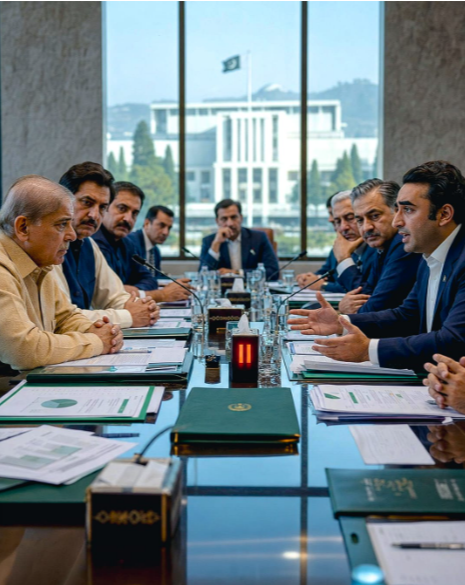
Pakistan Tajikistan Trade Cooperation is rapidly gaining traction as both nations push for stronger economic ties, smarter transit systems, and new regional trade corridors. In a high-level meeting in Islamabad, Jam Kamal Khan and Sharifzoda Yusuf Toir signaled a renewed commitment to transforming bilateral trade into a powerful regional force. The discussions go beyond routine diplomacy. They point toward a strategic shift that could reshape how Pakistan connects with Central Asia, especially Tajikistan. Pakistan Tajikistan Trade Cooperation Focuses on New Trade Corridors At the heart of Pakistan Tajikistan Trade Cooperation is the urgent need to develop multiple trade routes. Officials emphasized that relying on a single transit corridor is no longer sustainable in a rapidly evolving global trade environment. Instead, both countries are exploring diversified corridor mechanisms that prioritize cost efficiency, speed, and reliability. The idea is simple but powerful: build redundancy into trade systems to ensure uninterrupted flow of goods. This includes: • Developing integrated logistics hubs• Introducing multimodal transport systems combining road, rail, and sea• Creating offloading and warehousing facilities Such infrastructure could transform Pakistan into a gateway linking Central Asia with global markets. Logistics and Connectivity Take Center Stage A major takeaway from the meeting was the push for an integrated commercial corridor. Pakistan aims to position itself as a regional trade hub by enhancing connectivity not only with Tajikistan but also with neighboring economies and global partners like China. Improved logistics are expected to: • Reduce transportation costs• Cut delivery times• Increase trade volume efficiency The emphasis on multimodal transport systems reflects a modern approach to trade, where flexibility and speed determine competitiveness. Institutional Cooperation to Drive Trade Growth Pakistan Tajikistan Trade Cooperation is not limited to infrastructure. Both sides are actively working to strengthen institutional frameworks that support trade. The plan includes: • Virtual meetings between export and import agencies• Sector-specific collaboration agreements• Drafting memoranda of understanding for targeted industries Additionally, the Trading Corporation of Pakistan is expected to play a key role in facilitating government-to-government trade, particularly for essential commodities. This dual approach combining public and private sector participation could significantly accelerate trade volumes. Energy and Industrial Opportunities Emerge Tajikistan brings more than just trade potential to the table. The country has surplus energy resources that could be exported to Pakistan, offering a possible solution to Pakistan’s ongoing energy challenges. Key opportunities discussed include: • Electricity exports from Tajikistan• Aluminum trade and industrial supply chains• Cross-border industrial collaboration These sectors could become the backbone of long-term economic cooperation between the two countries. Pakistan Tajikistan Trade Cooperation to Expand Through B2B Engagements To ensure real-world impact, both countries are planning business-to-business forums that will connect private sector players directly. These engagements are expected to unlock new partnerships, investments, and trade deals. Platforms like the Joint Economic Commission will be used to formalize agreements and monitor progress. The goal is clear: move from dialogue to tangible economic outcomes. A Strategic Shift Toward Regional Integration Pakistan Tajikistan Trade Cooperation reflects a broader regional vision. By linking Central Asia with South Asia, both countries are positioning themselves within a larger economic ecosystem. This shift could: • Strengthen regional supply chains• Increase foreign investment opportunities• Enhance economic resilience through diversified trade routes The meeting concluded with both sides expressing optimism and committing to sustained coordination. Pakistan Tajikistan Trade Cooperation is no longer just a diplomatic talking point. It is evolving into a strategic partnership with the potential to reshape regional trade dynamics. From new corridors and logistics hubs to energy exports and industrial collaboration, the roadmap is ambitious and far-reaching. If implemented effectively, this cooperation could redefine Pakistan’s role as a regional trade hub while opening new economic frontiers for Tajikistan.

Oil Prices Surge Above $110 Amid Strait of Hormuz Tensions
Pakistan

Oil Prices Surge Above $110 Amid Strait of Hormuz Tensions

Oil prices surged sharply on Tuesday as geopolitical tensions in the Middle East continued to disrupt global energy markets. Prices climbed above $110 per barrel amid a lack of progress in reopening the Strait of Hormuz, a critical route for global oil shipments. Read More: https://theboardroompk.com/electricity-generation-improves-amid-local-gas-supply-reports-power-division/ Investors reacted cautiously as uncertainty deepened. Markets showed concern over prolonged disruptions in oil supply. At the same time, global equities, especially technology stocks, faced pressure as investors shifted focus to corporate earnings and interest rate outlooks. Brent and WTI Prices Record Strong Gains Benchmark oil prices recorded significant gains during the trading session. Brent crude for June delivery rose 2.7 percent to $111.19 per barrel. Meanwhile, West Texas Intermediate crude climbed 3.4 percent to $99.68 per barrel. Analysts said the price rally reflects growing fears of supply constraints. The ongoing blockade of the Strait of Hormuz has disrupted one of the world’s busiest energy corridors. A large portion of global oil and gas shipments passes through this route, making it vital for energy security. Conflict Stalemate Fuels Market Uncertainty Efforts to end the ongoing conflict in the Middle East remain stalled. The United States is currently reviewing a proposal from Iran to reopen the strait. However, tensions between the two sides continue to rise. Iran has maintained its blockade of the waterway since the start of the US-Israeli offensive two months ago. This move has sent shockwaves through global markets and raised fears of prolonged supply disruptions. Iranian officials stated that Washington can no longer dictate terms. This stance has further complicated negotiations and reduced hopes for a quick resolution. Trump Signals Tough Stance on Iran Proposal Reports suggest that Donald Trump is unlikely to accept Iran’s latest proposal to restore traffic in the Strait of Hormuz. This development has dampened market optimism. Earlier, hopes for a diplomatic breakthrough had increased. However, those expectations weakened after Trump scrapped a planned diplomatic trip. His envoys, Steve Witkoff and Jared Kushner, were scheduled to visit Islamabad to advance discussions. The cancellation signaled a hardening of the US position. Analysts believe this move has contributed to rising uncertainty in global energy markets. Risk of Prolonged Conflict Raises Concerns Qatar has warned that the situation could turn into a “frozen conflict” if no agreement is reached. Such a scenario could prolong disruptions and keep oil prices elevated for an extended period. Market experts say investors are closely monitoring developments. The lack of progress in negotiations has reduced confidence in a near-term resolution. Kathleen Brooks, research director at XTB, said the market remains pessimistic about reopening the strait. She noted that Iran’s demand to delay discussions on nuclear disarmament has complicated talks. Global Economic Impact Intensifies The surge in oil prices is adding pressure to the global economy. Higher energy costs could fuel inflation and slow economic growth in many countries. Investors are also keeping a close eye on central bank policies. Rising oil prices often influence interest rate decisions, particularly in major economies. Technology stocks have already taken a hit as market sentiment shifts. Investors are reallocating funds toward safer assets amid growing uncertainty. The outlook for oil markets remains highly uncertain. Much depends on diplomatic developments and the potential reopening of the Strait of Hormuz. Until then, analysts expect continued volatility in oil prices. Any escalation in tensions could push prices even higher. For now, global markets remain on edge as the Middle East conflict continues without a clear resolution.

Electricity Generation Improves Amid Local Gas Supply, Reports Power Division
Editor pick, Pakistan

Electricity Generation Improves Amid Local Gas Supply, Reports Power Division

The Power Division (PD) said electricity generation has improved across the country due to the increased supply of local gas to power plants. The development has helped stabilise the national grid and reduce pressure during peak demand hours. In an official press release, the division stated that power generation conditions showed noticeable improvement on Tuesday night. Authorities managed to maintain a more balanced supply despite ongoing energy challenges. Hydropower Plays Key Role in Supply Boost Officials confirmed that hydropower generation remained strong during peak hours. Around 6,000 megawatts of electricity was generated from hydropower sources during the night. Pakistan’s total installed hydropower capacity stands at 11,500 megawatts. The spokesperson said that hydropower output, combined with local gas availability, significantly increased overall electricity generation. This combination helped improve system reliability and reduce stress on the grid. Improved Transmission from Southern Region The Power Division highlighted improved transmission from the southern region of the country. Stability in the grid allowed authorities to supply additional electricity to central areas. According to the spokesperson, around 500 megawatts of electricity was transmitted from the southern part of Pakistan. This improved flow helped authorities add an extra 100 megawatts to the central system. Officials said the enhanced coordination between regions played a critical role in managing supply and demand during peak hours. Load Management Reduced Due to Lower Demand Electricity distribution companies carried out limited load management during peak hours. The outages ranged from 25 minutes to one hour in different areas. However, officials confirmed that no load management took place after 8pm. Weather conditions led to a drop in electricity demand, allowing uninterrupted supply during late hours. The division clarified that economic load management continues on high-loss feeders. Officials stressed that this policy remains separate from peak-hour load management. LNG Shortage Continues to Affect Power Generation Despite improvements, the Power Division acknowledged ongoing challenges due to the shortage of liquefied natural gas. Around 5,000 megawatts of generation capacity remains idle because LNG is not available. Global market conditions have limited LNG supply, affecting several power plants that depend on imported fuel. This shortfall continues to impact overall generation capacity. Officials said that restoring LNG supply will play a crucial role in eliminating electricity shortages. Government Expects Further Improvement The Power Division expressed optimism about future improvements. It stated that increased water releases for hydropower generation will further boost electricity supply. Authorities also expect better LNG availability in the coming weeks. This combination could eliminate nighttime power shortages entirely. The division said it is closely monitoring the situation. It aims to ensure consistent electricity supply across the country while managing demand effectively. Officials added that ongoing efforts focus on improving grid stability and reducing reliance on expensive fuel sources. These measures aim to provide long-term relief to consumers facing energy challenges.

Attock Cement Appoints Permanent CEO After 92% Stake Sale
Pakistan

Attock Cement Appoints Permanent CEO After 92% Stake Sale

Attock Cement Pakistan Limited has clarified that Omer Ashraf has been appointed as Chief Executive Officer (CEO) of the company, effective May 2, 2026. The clarification came through an official notice submitted to the Pakistan Stock Exchange on Wednesday. The company stated that Ashraf’s designation was previously misreported. It said the earlier communication had incorrectly referred to him as Acting CEO. The latest notice confirmed that he will serve as the full-time Chief Executive Officer. Correction Issued to Ensure Transparency Attock Cement acknowledged the error in its earlier intimation. It described the mistake as inadvertent and moved quickly to correct the record. The company emphasized its commitment to transparency and accurate disclosures. Officials said the clarification removes any confusion regarding the company’s leadership. They added that Ashraf will assume full executive authority from the effective date. Ownership Shift Triggers Management Changes The announcement follows a major ownership change in the company. Kot Addu Power Company Limited had earlier disclosed that it, along with Fauji Cement Company Limited, acquired a controlling stake of 92.03 percent in Attock Cement. This acquisition marks a significant development in Pakistan’s cement and energy sectors. Industry analysts believe the move could reshape competition and operational strategies within the cement industry. The takeover also triggered a broader management reshuffle within Attock Cement. As part of these changes, Anwar Ali Hyder was appointed as chairman of the company. He assumed the role with immediate effect and will serve for the remainder of the outgoing chairman’s term. Strategic Alignment Between Energy and Cement Sectors The acquisition reflects a strategic alignment between major industrial players. Fauji Cement, a subsidiary of Fauji Foundation, is a well-established name in the cement sector. The company focuses on manufacturing and selling cement and related products. Kot Addu Power Company, on the other hand, operates as a key player in Pakistan’s power generation sector. Its involvement signals a growing trend of diversification among energy firms. Experts say the collaboration between these entities could improve operational efficiency. It may also create synergies in logistics, energy usage, and cost management. Market Impact and Investor Response The leadership changes and ownership shift have attracted attention from investors and market participants. Analysts expect that the appointment of a permanent CEO will bring stability to the company’s operations. Clear leadership often plays a critical role in guiding corporate strategy. Investors typically respond positively to structured governance and defined executive roles. The correction regarding Ashraf’s position also helps maintain investor confidence. Accurate disclosures are essential for listed companies operating under regulatory oversight. Outlook for Attock Cement With new ownership and leadership in place, Attock Cement is entering a transition phase. The company may revise its strategic priorities under the new management. Industry observers expect a focus on expansion, efficiency, and market competitiveness. The cement sector remains a vital component of Pakistan’s construction and infrastructure development. As the new CEO takes charge, stakeholders will closely watch the company’s performance. The coming months will likely reveal the direction set by the new leadership team.

Pakistan Nears IMF Tranche Approval, Aurangzeb Confirms Progress
Pakistan

Pakistan Nears IMF Tranche Approval, Aurangzeb Confirms Progress

Finance Minister Muhammad Aurangzeb said Pakistan has fulfilled most conditions set by the International Monetary Fund (IMF), raising hopes for the approval of a USD1.2 billion tranche on May 8. He expressed confidence while addressing the high-level EU-Pakistan Business Forum, where he outlined the country’s improving economic outlook. Read More: https://theboardroompk.com/nepra-scraps-licensing-for-small-solar-systems-under-25-kw/ The minister said the government expects economic growth to reach around 4 percent this fiscal year. He highlighted signs of macroeconomic stability and noted that key financial indicators are gradually improving. Progress on IMF Programme and Economic Stability Aurangzeb confirmed that Pakistan has largely honored the staff-level agreement reached with the IMF on March 27. This progress paves the way for the third review under the Extended Fund Facility and the second review under the Resilience and Sustainability Facility. He stressed that the IMF board’s approval would unlock critical external inflows. These funds will help stabilise the country’s balance of payments. He added that an IMF mission is expected in mid-May to discuss Pakistan’s upcoming budget proposals. The minister also shared that Pakistan has achieved both a primary and overall fiscal surplus. This development signals improved fiscal discipline. He noted that debt servicing costs will likely remain below budgeted levels, creating additional fiscal space for the government. Foreign Reserves and External Accounts Show Improvement Aurangzeb highlighted improvements in external accounts. He projected that foreign exchange reserves could reach USD18 billion by June. He said this growth will occur despite large repayments, including USD3.5 billion to a bilateral partner and USD1.4 billion in Eurobonds. He pointed to strong remittance inflows as a key support factor. Monthly remittances average around USD3.8 billion, providing stability to the external account. Additionally, inflows through Roshan Digital Accounts continue to contribute between USD180 million and USD200 million each month. The minister also noted that rising IT exports are supporting economic growth. He said these sectors are helping diversify Pakistan’s revenue streams. Shift Toward Commercial Borrowing and Global Markets Aurangzeb announced a strategic shift in borrowing policy. The government plans to reduce reliance on bilateral dollar inflows. Instead, it will raise funds through international bonds and commercial loans. He revealed plans to issue Panda bonds, Eurobonds, and Sukuk in the coming months. A USD250 million Panda bond is expected to launch in May. Multilateral lenders, including the Asian Development Bank and the Asian Infrastructure Investment Bank, will back the issuance with guarantees. He said discussions with Chinese authorities have reached the final stage. This move reflects growing international confidence in Pakistan’s economic recovery. Impact of Gulf Conflict and Inflation Pressures The finance minister acknowledged that the ongoing Gulf conflict has impacted Pakistan’s economy. He said energy infrastructure disruptions have increased inflationary pressures, as also projected by the State Bank of Pakistan. He stated that the government is developing scenario modelling to assess risks. These include oil price shocks, freight disruptions, and inflation linked to the regional conflict. Addressing fuel prices, Aurangzeb defended the Petroleum Levy. He said the government had limited options as global fuel prices rose due to geopolitical tensions. Structural Reforms and Policy Measures Aurangzeb emphasised that Pakistan has met key quantitative targets under the IMF programme. He also highlighted progress on structural benchmarks. These efforts strengthen the case for programme continuation. He announced that the Debt Management Office has been restructured. This step aims to improve oversight and efficiency in managing public debt. The minister also revealed that a contributory pension scheme for the Armed Forces will begin from the 2026-27 budget. He said this reform will help manage long-term fiscal liabilities. Government Adopts Whole-of-Government Approach Aurangzeb said the government has managed the initial impact of the Gulf conflict. It is now assessing second- and third-order effects across various sectors. To coordinate responses, authorities have established the National Coordination and Management Council. This body will ensure a unified strategy across government institutions. He concluded that Pakistan’s economic indicators are moving in the right direction. With IMF support and improved financial discipline, the country aims to sustain growth and stability in the coming months.

NEPRA Scraps Licensing for Small Solar Systems Under 25 kW
Breaking News, Pakistan

NEPRA Scraps Licensing for Small Solar Systems Under 25 kW

In a significant move to facilitate renewable energy adoption, the National Electric Power Regulatory Authority (NEPRA) has officially abolished the licensing requirement for solar power systems with a capacity of up to 25 kilowatts (kW). Read More: https://theboardroompk.com/alleged-fake-claims-oil-marketing-companies-accused-of-extracting-billions-from-govt/ This decision aims to simplify the process for residential and small commercial consumers who utilize net metering to offset their electricity bills. The policy change follows a formal request from the Power Division, acting on the special directives of Federal Minister for Energy, Sardar Awais Ahmad Khan Leghari. Previously, even small-scale solar installers had to navigate bureaucratic hurdles to obtain a license, which often acted as a deterrent for many households looking to switch to green energy. Simplifying the Net Metering Process The removal of the licensing condition is expected to drastically reduce the processing time for net metering applications. By cutting through the red tape, the government hopes to encourage more citizens to invest in solar technology, which helps reduce the burden on the national grid and lowers individual electricity costs. Focus on Clean Energy Goals This initiative is part of a broader government strategy to increase the share of renewable energy in Pakistan’s total energy mix. By making it easier for small-scale users to connect to the grid, the authorities aim to promote environmental sustainability while providing financial relief to the public amid rising energy prices.

TCS Welcomes New B737 Freighter Aircraft at Karachi Airport
Pakistan

TCS Welcomes New B737 Freighter Aircraft at Karachi Airport

Karachi, April 28, 2026: A shining new B737 freighter aircraft in bold red and white livery with the TCS logo arrived today to an enthusiastic welcome at the Karachi Airport. Read More: https://theboardroompk.com/glaxo-posts-23-profit-surge-in-q1-2026-on-strong-margins-and-lower-finance-costs/ The delivery flight was accorded a water-gun salute and was received in person by the Director General Civil Aviation – Mr Nadir Dar, Chairman TCS – Mr Khalid Awan, senior regulatory officials and members of the TCS management team. This event marks a milestone, as the dedicated cargo aircraft, bearing the tagline “Shaping New Trade Routes”, will serve high-volume, time-sensitive freight corridors, reducing transit times for Pakistan’s exporters and importers, while creating new commercial pathways previously unavailable domestically.

Govt Allocates Rs4.4 Billion to Clear PIA Retirees’ Dues Amid Ongoing Restructuring
Pakistan

Govt Allocates Rs4.4 Billion to Clear PIA Retirees’ Dues Amid Ongoing Restructuring

Pakistan’s government has approved Rs4.4 billion to settle pending medical and pension payments for retired employees of Pakistan International Airlines (PIA), even as the national carrier moves through its post-privatisation phase. Read More: https://theboardroompk.com/karachi-chamber-hails-maritime-minister-kpt-leadership-for-timely-intervention/ The decision was taken during a meeting of the Economic Coordination Committee (ECC), chaired by Finance Minister Muhammad Aurangzeb, following a request from the Ministry of Defence to address financial obligations linked to PIA’s restructuring. Originally, authorities sought around Rs6 billion to support PIA Holding Company Limited in managing the airline’s liabilities. However, the ECC approved a portion of this amount, specifically allocating Rs4.4 billion to cover retirees’ medical expenses and pension payments, along with some salary-related disbursements. In a related move, the committee also sanctioned Rs455 million to pay employees of the Precision Engineering Complex, which has been separated from PIA and placed under the Ministry of Defence. However, not all funding requests were approved. A separate proposal seeking Rs1.1 billion for payments to the National Insurance Company Limited (NICL) was rejected, with officials directing that the matter be resolved through the appropriate revenue authorities in line with audit recommendations. The funding decision comes in the wake of the government’s sale of a 75% stake in PIA for Rs135 billion. Under the terms of the agreement, the airline must maintain positive equity—something that remains difficult without continued financial backing from the state. The move highlights the government’s ongoing financial support for the struggling national carrier, particularly in ensuring that retired employees receive their due benefits despite broader restructuring efforts.

PCDMA Warns Interest Rate Hike Hits Economy
Pakistan

PCDMA Warns Interest Rate Hike Hits Economy

KARACHI: Pakistan Chemicals & Dyes Merchants Association (PCDMA) has expressed deep disappointment over the State Bank of Pakistan’s decision to raise the policy rate by one percent, warning that the move will push the national economy toward further slowdown and adversely affect business activity. Read More: https://theboardroompk.com/mondelez-dominates-effie-awards-2026-with-6-awards-accolades/ In a statement, PCDMA Chairman Salim Vali Muhammad said the timing of the increase was particularly damaging, as global economic uncertainty already weighs heavily on Pakistan’s trade and industry. He argued that raising interest rates under the pretext of controlling inflation was neither a new nor effective solution, but rather a failed prescription that has historically burdened traders and industrialists.“When interest rates rise, economic activity slows down. This is not a new phenomenon — we have been highlighting this from the very beginning. The opportunity to reduce rates was missed when conditions were favorable, and now, amid rising fuel prices and mounting inflationary pressures, the decision to hike rates will only worsen the situation,” he remarked. Salim Vali Muhammad stressed that the government and the central bank must take the concerns of the business community seriously. He urged policymakers to adopt a pro-growth monetary stance by reducing interest rates to stimulate industrial and commercial activity, generate employment opportunities, and strengthen economic stability.

Scroll to Top