Pakistan

Pakistan Stock Exchange Launches Public Consultation On First Sustainability Index
Pakistan

Pakistan Stock Exchange Launches Public Consultation On First Sustainability Index

Karachi, July 6, 2026: Pakistan Stock Exchange Limited (PSX) released a Concept Paper on the PSX Sustainability Index (PSI), marking a defining milestone in Pakistan’s journey toward mainstream sustainable finance. The PSI is a proposed benchmark designed to identify and measure the performance of listed companies that embed financially relevant and material environmental, social, and governance risks and opportunities in their business models. Commenting on the development, Mr. Farrukh Sabzwari, Chief Executive Officer of Pakistan Stock Exchange, said: “ESG is no longer a conversation held at the margins of capital markets, it is increasingly central to how companies are valued, how capital is allocated, and how long-term risks are priced. The PSX Sustainability Index is our commitment to giving Pakistan’s capital markets a credible, transparent, and internationally comparable tool to identify companies that are not simply performing today but are building the resilience to perform tomorrow.” The PSI is designed as a total-return performance benchmark, applying a rigorous, materiality-adjusted scoring methodology across Environmental, Social, and Governance pillars. Sector-specific factor weights ensure that companies are assessed against the risks and opportunities that are genuinely financially relevant to their business, not a uniform checklist applied indiscriminately across industries. The Index is relevant to listed companies seeking recognition and access to responsible capital, asset managers and institutional investors building ESG-aligned products on a credible benchmark, and investors seeking structured exposure to companies with sustainable business models. PSX believes that broad market consultation is essential to building an index that reflects the realities of Pakistan’s corporate landscape, accommodates the current state of sustainability disclosure, and sets a clear and achievable improvement pathway for companies across all sectors. Stakeholders are invited to submit written comments no later than 17 July 2026, via email to pd@psx.com.pk. The Concept Paper is available on the PSX website at: https://dps.psx.com.pk/download/attachment/279463-1.pdf

https://theboardroompk.com/senator-muhammad-aurangzeb-visits-arif-habib-groups-head-office/
Pakistan

Senator Muhammad Aurangzeb Visits Arif Habib Group’s Head Office

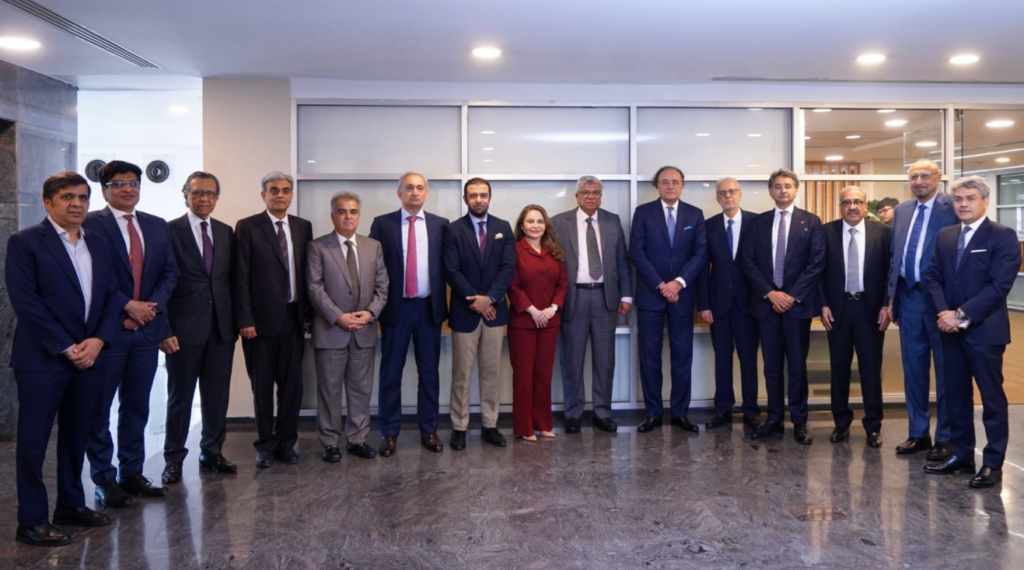
Karachi, July 06, 2026: Senator Muhammad Aurangzeb, Federal Minister for Finance and Revenue, along with leading entrepreneurs of Pakistan, visited the Arif Habib Group’s Head Office, where he met with the Group’s leadership to discuss Pakistan’s economic outlook, capital markets, the investment climate and the Government’s ongoing reform agenda. The leadership of the Arif Habib Group appreciated the Finance Minister’s stewardship of the economy during a challenging period and acknowledged the progress made in restoring macroeconomic stability. Discussions highlighted the decline in inflation to single-digit levels, the reduction in policy rates, improved fiscal and external sector indicators, strengthening foreign exchange reserves and renewed investor confidence. Pakistan’s successful progress under the IMF programme and the improvement in its sovereign ratings outlook were also recognised as important milestones in rebuilding confidence and laying the foundation for long-term economic growth. The meeting also noted the exceptional performance of Pakistan’s capital markets during this period. Since Senator Aurangzeb assumed office in March 2024, the benchmark KSE-100 Index has risen from approximately 65,000 points to over 180,000 points, while FY2026 delivered an annual return of approximately 43.5% and market capitalisation surpassed Rs. 20 trillion. The revival of IPO activity was recognised as another encouraging indicator of renewed corporate confidence and growing investor participation in Pakistan’s equity markets. While acknowledging the positive direction of the Federal Budget, participants discussed the need for further measures to stimulate private investment, create employment and enhance government revenues. The discussion recognised the Special Investment Facilitation Council (SIFC)’s priority sectors, including agriculture, mining, infrastructure and information technology, as key drivers of Pakistan’s next phase of economic growth and emphasised the importance of accelerating investment and implementation in these areas. Particular emphasis was placed on the construction sector as one of the fastest avenues for stimulating economic activity. Participants noted that revitalising construction would generate immediate employment, utilise idle capacity across allied industries, increase government revenues and deliver meaningful economic growth without adversely impacting the current account. The meeting also highlighted the opportunity to unlock the Government’s extensive land bank through public-private partnership (PPP) models, with land contributed as equity to catalyse housing and infrastructure development and accelerate project execution. The discussion further underscored the importance of Real Estate Investment Trusts (REITs) as a transparent, fully documented investment vehicle capable of mobilising domestic liquidity into productive sectors, supporting infrastructure development and broadening investment opportunities. As a pioneer of Pakistan’s REIT sector, the Arif Habib Group reaffirmed its commitment to supporting the Government in leveraging REITs and public-private partnerships to unlock investment, accelerate development, create employment and foster sustainable economic growth. Speaking on the occasion, Mr. Arif Habib, Chairman, Arif Habib Group, said: “The progress achieved in restoring macroeconomic stability has laid a strong foundation for Pakistan’s next phase of growth. The remarkable performance of the Pakistan Stock Exchange and the revival of IPO activity reflect renewed investor confidence. The next step is to translate this stability into higher investment, greater employment and sustained economic expansion. Accelerating development across the SIFC’s priority sectors, while revitalising construction through public-private partnerships and wider utilisation of REITs, presents one of the fastest and most effective opportunities to create jobs, enhance government revenues and unlock Pakistan’s economic potential. The private sector stands ready to partner with the Government in achieving these objectives.” Senator Muhammad Aurangzeb thanked the Arif Habib Group for its continued contribution to Pakistan’s economy and capital markets and reaffirmed the Government’s commitment to maintaining macroeconomic stability, implementing structural reforms and fostering an investment-friendly environment through continued collaboration with the private sector. “The Government remains committed to maintaining macroeconomic stability while implementing structural reforms that strengthen Pakistan’s competitiveness and improve the ease of doing business. Sustainable economic growth will be driven by private sector investment, vibrant capital markets and continued collaboration between government and industry. We value the constructive engagement of institutions such as the Arif Habib Group in supporting Pakistan’s economic development.” The meeting concluded with a shared commitment to maintaining close engagement between policymakers and the private sector to deepen Pakistan’s capital markets, encourage productive investment, expand employment opportunities and support Pakistan’s long-term economic growth.


PSX Reminds Listed Companies to Disclose Gender Pay Gap in Annual Reports
Pakistan

PSX Reminds Listed Companies to Disclose Gender Pay Gap in Annual Reports

KARACHI: The Pakistan Stock Exchange (PSX) has issued a strong reminder to all listed companies regarding the mandatory disclosure of gender pay gap data in their annual reports and on their official websites. In a notice issued on July 6, 2026, the exchange emphasized compliance with SECP Circular No. 10 of 2024, which requires listed companies to publicly report gender pay gap information as part of broader corporate governance and transparency initiatives. Companies With March and June Year-Ends Must Comply According to the PSX notice, companies with financial years ending March 31 and June 30, 2026, are required to include gender pay gap disclosures in their upcoming annual reports. The reminder follows previous notices issued by the Pakistan Stock Exchange and directives from the Securities and Exchange Commission of Pakistan (SECP) aimed at improving transparency and accountability in the corporate sector. The disclosure requirement forms part of the Prime Minister’s Women Empowerment Package (PM-WEP) 2024, which seeks to promote gender equality, workplace inclusion, and diversity across Pakistan’s corporate landscape. SECP Prescribes Gender Pay Gap Reporting Format The SECP has also provided a suggested reporting template for companies to follow. Under the prescribed format, listed companies are required to disclose both: These figures must be calculated using the hourly rates of full-pay male and female employees to ensure consistency and comparability across organizations. Companies are expected to publish the information in their annual reports as well as on their official websites. Non-Compliance May Lead to Enforcement Action The PSX warned that failure to comply with the disclosure requirements may result in enforcement action by the SECP. Listed companies have been urged to adopt the prescribed reporting template and ensure timely public dissemination of the required information. The exchange emphasized that full compliance with the regulatory framework is essential to strengthen investor confidence and improve corporate governance standards. Disclosure Aims to Promote Workplace Equality The latest reporting requirement builds on the SECP’s earlier initiatives to improve gender diversity in Pakistan’s corporate sector, including its 2021 circular on gender diversity. Regulators believe that publishing gender pay gap data will encourage companies to adopt fairer compensation practices, improve workplace transparency, and support greater participation of women in the workforce. The initiative also aligns with the government’s broader efforts to promote women’s economic empowerment and create a more inclusive corporate environment. All listed companies have been advised to ensure meticulous compliance with the reporting requirements to avoid potential regulatory penalties.

Pakistan Telecommunication Amendment Bill Makes Owner Consent Mandatory for Telecom Infrastructure
Pakistan

Pakistan Telecommunication Amendment Bill Makes Owner Consent Mandatory for Telecom Infrastructure

The Pakistan Telecommunication Amendment Bill has come into focus after the federal government clarified that no telecommunications infrastructure can be installed on private property without the explicit consent of the owner. The clarification follows public concerns that proposed amendments could allow telecom companies to access private land without the approval of property owners. Speaking at a joint press conference in Islamabad, Federal Minister for Law and Justice Azam Nazeer Tarar and Federal Minister for Information Technology and Telecommunications Shaza Fatima Khawaja sought to remove confusion surrounding the proposed legislation while outlining the government’s roadmap for expanding digital connectivity and launching 5G services across Pakistan. Property Owner Consent Remains Mandatory The government stated that the revised Pakistan Telecommunication (Re-organization) (Amendment) Bill fully protects the constitutional rights of property owners. Law Minister Azam Nazeer Tarar said the updated draft explicitly requires a property owner’s consent before any right-of-way can be granted over privately owned land. The clarification addresses concerns raised after an earlier version of the bill sparked debate over whether telecom operators could install communication infrastructure without the approval of landowners. According to the minister, the revised legislation removes any ambiguity by clearly stating that neither telecommunications companies nor government agencies can bypass the owner’s permission when seeking access to private property. Bill Introduces Clearer Legal Definitions The proposed legislation also introduces more precise legal definitions aimed at eliminating uncertainty surrounding telecommunications infrastructure. The revised draft defines key terms including: According to the law minister, these definitions are intended to reduce legal confusion and improve transparency in future infrastructure projects. The bill had previously been passed by the National Assembly with six amendments. However, observations raised by the Senate Standing Committee prompted the government to revise several provisions before moving ahead. Rising Internet Demand Drives Telecom Reforms Defending the proposed amendments, IT Minister Shaza Fatima Khawaja said Pakistan’s telecommunications laws must evolve to meet the demands of a rapidly expanding digital economy. She noted that internet data consumption in Pakistan has increased by nearly 25 percent over the past two years, placing growing pressure on existing telecom infrastructure. According to the minister, expanding digital services, cloud computing, e-commerce, digital banking, online education, and artificial intelligence applications all require stronger communication networks. She warned that without significant infrastructure investment, Pakistan could struggle to keep pace with regional digital development. Government Accelerates 5G Rollout Plans The government also shared new details about Pakistan’s upcoming 5G rollout. Shaza Fatima Khawaja said available telecom spectrum has increased from 274 MHz to nearly 750 MHz through what she described as Pakistan’s largest-ever spectrum auction. However, she emphasized that substantial investment is still required before nationwide commercial 5G services can be introduced. According to the minister, successful deployment will require major expansion of: Industry experts believe these investments could support digital transformation, industrial automation, smart city initiatives, and broader access to high-speed internet. Fiber Broadband Expansion Targets 10 Million Homes The government also announced ambitious plans to expand fiber broadband connectivity across Pakistan. Despite a population of nearly 240 million, Pakistan currently has fewer than three million fiber-to-the-home (FTTH) connections. The government now aims to increase that figure to 10 million households within the next three years. Officials believe wider fiber connectivity will improve internet speeds, support businesses, encourage digital entrepreneurship, and strengthen the country’s readiness for next-generation technologies. Government Seeks Balance Between Growth and Rights Responding to criticism over right-of-way provisions, Shaza Fatima Khawaja said expanding internet access remains one of the government’s top priorities. She assured citizens that digital infrastructure development would not come at the expense of constitutional protections or private property rights. The government’s clarification is intended to restore public confidence while providing telecom operators with a transparent legal framework for future network expansion. Amendment Bill Aims to Support Pakistan’s Digital Future The Pakistan Telecommunication Amendment Bill is expected to provide greater legal certainty for telecom operators, investors, and property owners alike. For telecom companies, it offers clearer procedures for infrastructure deployment. For investors, it reduces uncertainty by defining right-of-way rules more precisely. Most importantly, the government has reaffirmed that property owner consent remains a legal requirement before telecommunications infrastructure can be installed on private land. As Pakistan moves toward nationwide 5G adoption and large-scale fiber expansion, the revised bill seeks to balance individual property rights with the infrastructure needed to support the country’s long-term digital transformation.

Commissioner Karachi Orders Evacuation of 59 High-Risk Buildings Before Monsoon
Pakistan

Commissioner Karachi Orders Evacuation of 59 High-Risk Buildings Before Monsoon

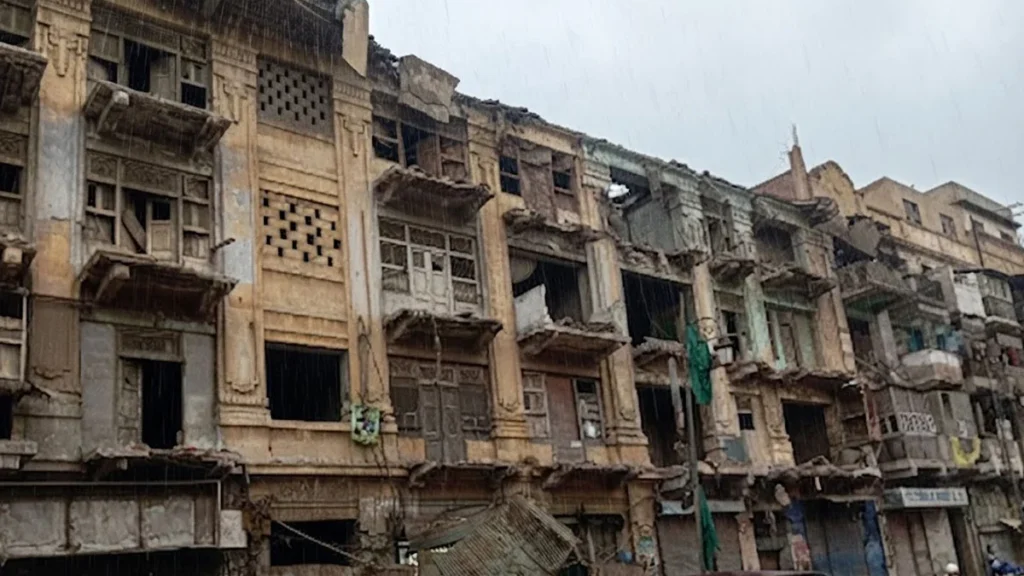
Karachi Orders Evacuation of Dangerous Buildings Before Monsoon KARACHI: Karachi Commissioner Hassan Naqvi has ordered the immediate evacuation of highly dilapidated residential buildings across the city to protect residents ahead of the expected monsoon rains. The directive is aimed at preventing loss of life and property as Karachi prepares for heavy rainfall during the monsoon season. Commissioner Reviews Monsoon Preparedness The decision was taken during a high-level meeting chaired by Commissioner Karachi Hassan Naqvi to review the city’s monsoon preparedness and emergency response measures. Officials from the Sindh Building Control Authority (SBCA) briefed the meeting on the condition of unsafe buildings and the risks they pose during heavy rains. SBCA Identifies 59 Extremely Dangerous Buildings According to the SBCA, Karachi has 584 dilapidated buildings, of which 59 have been declared extremely dangerous. The list includes 29 historical structures that require urgent attention due to their deteriorating condition. Commissioner Hassan Naqvi directed the SBCA to immediately issue evacuation notices to residents living in these high-risk buildings. The notices will also be widely publicized to ensure that occupants are fully informed of the potential danger. Resident Safety Declared Top Priority The commissioner stressed that protecting human lives must remain the administration’s highest priority during the monsoon season. He instructed all relevant departments to act swiftly and effectively to minimize the risk of building collapses and other rain-related incidents. Authorities were also directed to strengthen coordination with district administrations to ensure timely implementation of safety measures. South District Has the Highest Number of Unsafe Buildings The district-wise breakdown presented during the meeting showed that South District has the largest concentration of unsafe structures. According to the SBCA: Officials noted that more than 90 percent of Karachi’s dilapidated buildings are located in South District. Utility Connections May Be Disconnected The commissioner instructed the SBCA to immediately share the list of extremely dangerous buildings with all Deputy Commissioners. The meeting also decided that demolition of unsafe structures would proceed based on their condition and engineering assessments. Authorities warned that if residents fail to comply with evacuation notices, gas, electricity, and water connections may be disconnected to enforce the evacuation orders. Authorities Strengthen Monsoon Contingency Plans The administration said the measures are part of broader monsoon preparedness efforts to reduce risks associated with heavy rainfall. Residents have been urged to cooperate with officials and vacate dangerous buildings in the interest of public safety. Local authorities will continue monitoring the situation and coordinating with relevant departments to strengthen Karachi’s emergency response throughout the monsoon season.

Pakistan Export Losses Reach $3.1b Amid Afghan Border Closure and Middle East Conflict
Pakistan

Pakistan Export Losses Reach $3.1b Amid Afghan Border Closure and Middle East Conflict

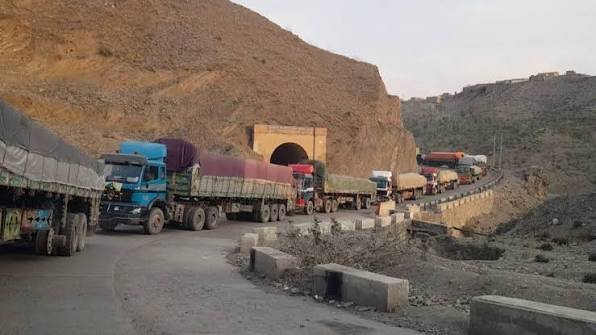
Pakistan has suffered export losses of approximately $3.1 billion as prolonged disruptions at the Afghan border and escalating tensions in the Middle East continue to weigh heavily on the country’s external trade, officials informed the National Assembly Standing Committee on Commerce on Friday. The committee was told that the closure of the Afghan border alone caused export losses of $1.1 billion, while the recent conflict in the Middle East further reduced overseas shipments by an estimated $2 billion. The briefing highlighted the growing economic impact of regional instability on Pakistan’s export sector at a time when the country is striving to boost foreign exchange earnings and strengthen its external account. Standing Committee Reviews Impact of Regional Conflicts The meeting was chaired by Javed Hanif Khan, who led discussions on the effects of geopolitical tensions on Pakistan’s trade performance. Senior officials from the Ministry of Commerce briefed lawmakers on the challenges facing exporters, particularly disruptions to regional trade routes and increasing competition in international markets. The committee reviewed the latest trade data and discussed policy measures aimed at supporting exporters and improving Pakistan’s competitiveness in global markets. Afghan Border Closure Costs Pakistan $1.1 Billion Commerce Secretary Jawad Paul informed the committee that the continued closure and disruption of trade through the Afghan border had resulted in export losses of $1.1 billion. He said transit trade and exports collectively declined by approximately $1.2 billion during the first nine months of the current fiscal year, reflecting the adverse impact of border restrictions on regional commerce. Afghanistan has traditionally served as an important export destination as well as a transit route for Pakistani goods destined for Central Asian markets. Any prolonged disruption at border crossings directly affects exporters, transporters, and businesses involved in cross-border trade. Officials noted that restoring smooth trade flows remains critical for improving Pakistan’s export performance. Middle East Conflict Adds to Pakistan Export Losses In addition to border-related disruptions, officials informed lawmakers that recent tensions in the Middle East had caused an estimated $2 billion decline in Pakistan’s exports. Although ministry officials did not identify specific sectors most affected by the regional conflict, they explained that geopolitical uncertainty disrupted trade routes, increased shipping costs, and affected demand in several export markets. The combined impact of the Afghan border closure and Middle East conflict has significantly reduced Pakistan’s export earnings during the current fiscal year. Food Exports Decline by 25% The committee was also informed that Pakistan’s food export sector experienced a major setback. According to Commerce Secretary Jawad Paul, food exports declined by 25 percent, reflecting weaker international demand and increased competition from other exporting countries. The decline has affected one of Pakistan’s key export categories, raising concerns about the country’s ability to maintain growth in agricultural exports. Officials emphasized the need to improve competitiveness through better pricing, higher productivity, and greater market diversification. Pakistani Rice Faces Tough Competition Rice exports were identified as one of the sectors facing the greatest challenges. Commerce Secretary Jawad Paul said Pakistani rice continues to enjoy a strong reputation for quality in international markets. However, exporters are increasingly losing market share because Indian rice is being offered at significantly lower prices. Officials told the committee that Indian rice is currently being sold for around $1,100 per tonne, while Pakistani rice is priced at approximately $1,300 per tonne. The price difference has made Pakistani exports less competitive despite their higher quality. Industry experts believe narrowing production costs and improving supply chain efficiency could help Pakistani exporters compete more effectively in international markets. No Evidence of Rice Rebranding Claims Committee members also discussed reports alleging that Indian traders were rebranding Pakistani rice before exporting it to international buyers. Commerce Ministry officials acknowledged receiving complaints regarding the issue but clarified that no evidence has been found to substantiate those claims. Officials said investigations had not confirmed that Pakistani rice was being relabeled and sold as Indian products in foreign markets. Copyright Amendment Bill 2026 Approved Besides reviewing trade performance, the committee also considered legislative matters. Members received reports from the subcommittee examining the Copyright (Amendment) Bill 2026 and the Insurance Bill 2026. Subcommittee convener Muhammad Nauman informed lawmakers that the Ministry of Commerce had finalized a new Insurance Bill 2026. However, he said the Trade Organisations (Amendment) Bill 2026 had been referred back to the main committee because committee member Farooq Sattar was unable to attend the meeting. Following discussion, the committee approved the Copyright (Amendment) Bill 2026. Government Plans New Insurance Law Briefing lawmakers on insurance sector reforms, Commerce Secretary Jawad Paul said the government had decided to introduce an entirely new insurance law instead of amending the existing legislation. He explained that the current insurance law is around 25 years old and requires comprehensive reforms rather than limited amendments. According to the secretary, the federal cabinet directed the ministry to prepare a completely new legal framework capable of addressing the changing needs of Pakistan’s insurance industry. SECP Drafts Insurance Bill 2026 Officials informed the committee that the initial draft of the Insurance Bill 2026 had been prepared by the Securities and Exchange Commission of Pakistan (SECP). The proposed legislation aims to increase competition in Pakistan’s insurance market while simplifying licensing procedures and improving the ease of doing business. Committee members were informed that the SECP would continue serving as the insurance sector’s regulator after the new law comes into effect. Officials also said government institutions would be permitted to purchase insurance services from private companies alongside state-owned insurers, promoting greater competition within the industry. Stronger Consumer Protection Measures The proposed legislation also includes enhanced safeguards for policyholders. According to ministry officials, the new law introduces stronger consumer protection measures designed to improve transparency, strengthen regulatory oversight, and safeguard the interests of insurance customers. Lawmakers noted that modernizing the insurance sector could improve investor confidence while encouraging greater private sector participation in Pakistan’s financial services industry.

Pakistan Trade Deficit Widens 63.76% in June as Imports Surge, Exports Decline
Pakistan

Pakistan Trade Deficit Widens 63.76% in June as Imports Surge, Exports Decline

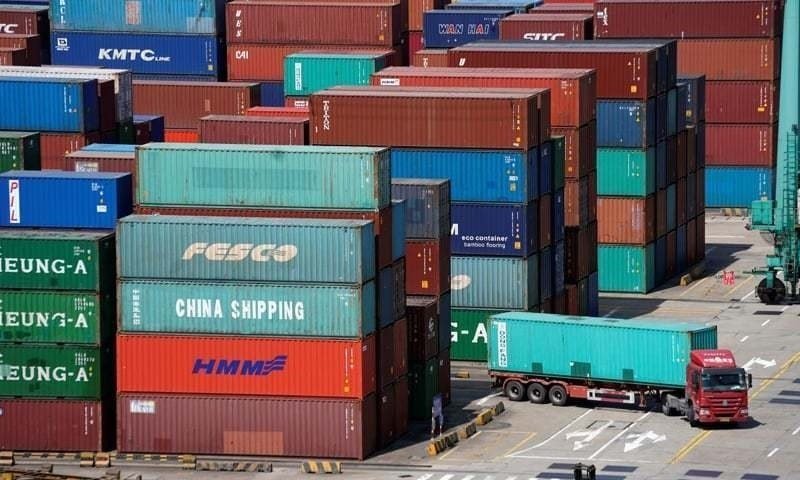
Pakistan Trade Deficit June 2026 Widens to $4.53 Billion as Imports Surge Pakistan’s trade deficit widened sharply in June 2026 after imports surged while exports declined, highlighting growing pressure on the country’s external sector. According to provisional data released by the Pakistan Bureau of Statistics (PBS), the trade deficit increased by 63.76% month-on-month (MoM) to $4.53 billion in June, compared with $2.77 billion recorded in May 2026. The widening gap was primarily driven by a steep increase in imports alongside a notable decline in exports during the month. Exports Fall While Imports Jump Pakistan’s exports dropped to $2.24 billion in June 2026, registering a 16.73% month-on-month decline from $2.69 billion in May. In contrast, imports climbed significantly to $6.77 billion, reflecting a 24.07% increase from $5.45 billion in the previous month. The combination of falling exports and rising imports pushed the monthly trade deficit to $4.53 billion, marking one of the largest monthly trade gaps in recent months. Trade Gap Widens Compared With Last Year On a year-on-year (YoY) basis, Pakistan’s external trade performance also weakened. Exports declined by 9.61% from $2.48 billion recorded in June 2025. Meanwhile, imports increased by 26.27% from $5.36 billion in the same month last year. As a result, the trade deficit expanded by 57.11% year-on-year, rising from $2.88 billion in June 2025 to $4.53 billion in June 2026. The latest figures indicate mounting pressure on Pakistan’s external account as import growth continues to outpace export earnings. FY26 Trade Deficit Crosses $39 Billion The cumulative figures for the fiscal year also reflected a deterioration in the country’s trade balance. During July 2025 to June 2026 (FY26), Pakistan’s total exports stood at $30.13 billion, representing a 5.97% decline compared with $32.04 billion in FY25. At the same time, cumulative imports increased 7.89% to $69.60 billion, up from $64.51 billion in the previous fiscal year. Consequently, the overall trade deficit widened to $39.47 billion, an increase of 21.57% compared with $32.47 billion recorded during the corresponding period of FY25. External Sector Faces Fresh Challenges The latest PBS data highlights renewed challenges for Pakistan’s external sector as rising imports continue to outstrip export growth. A widening trade deficit increases pressure on the country’s foreign exchange reserves and current account balance. Economists will closely monitor whether export performance improves in the coming months or whether higher import demand continues to widen the external imbalance. The June figures underscore the importance of strengthening export competitiveness while managing import growth to maintain external sector stability.

Climate Support Levy Hike Faces Scrutiny as Government Shifts Fuel Taxes Without Cutting Petrol Prices
Pakistan

Climate Support Levy Hike Faces Scrutiny as Government Shifts Fuel Taxes Without Cutting Petrol Prices

Climate Support Levy Increased but Consumers Get No Relief The Climate Support Levy has officially become a bigger part of Pakistan’s fuel taxation system, but motorists are unlikely to notice any immediate difference at the fuel station. While the federal government has increased the Climate Support Levy on petroleum products, it has simultaneously reduced the Petroleum Levy by the same amount, ensuring that retail prices of petrol and high-speed diesel remain unchanged. The decision, implemented at the start of the new fiscal year, has sparked debate over whether the move is a genuine climate policy or simply a reshuffling of fuel taxes without providing financial relief to consumers already struggling with inflation. Climate Support Levy Doubled on Petrol and Diesel According to a notification issued by the Ministry of Energy (Petroleum Division) on July 1, the Climate Support Levy on motor gasoline (petrol) and high-speed diesel has increased by Rs2.50 per litre, taking the levy from Rs2.50 to Rs5.00 per litre. The revised levy also applies to HOBC (97 RON) and furnace oil. However, kerosene oil and light diesel oil continue to remain exempt from the Climate Support Levy. The government has positioned the levy as part of its environmental and fiscal policy, although consumers are unlikely to see any visible environmental benefits in the short term. Petroleum Levy Reduced to Offset the Increase To prevent an increase in fuel prices, the government has reduced the Petroleum Levy by exactly the same amount added to the Climate Support Levy. For petrol sold through retail outlets, the Petroleum Levy has been reduced from Rs66.64 per litre to Rs64.14 per litre. Similarly, the Petroleum Levy on high-speed diesel has been lowered from Rs79.54 per litre to Rs77.04 per litre. This adjustment means the overall tax burden per litre remains unchanged, allowing the government to maintain existing retail fuel prices despite introducing a higher Climate Support Levy. No Change in Petrol Prices but Questions Remain Although petrol and diesel prices remain unchanged, the government’s decision is expected to attract attention from businesses, transport operators, and economists. Keeping fuel prices stable helps avoid additional inflationary pressure on transportation and logistics costs. However, critics argue that simply replacing one levy with another does not reduce the financial burden on consumers. Instead, it changes the composition of fuel taxation while maintaining the same overall tax collection. The move also raises questions about how the revenue generated through the Climate Support Levy will be utilized and whether it will directly support climate adaptation, environmental protection, or renewable energy initiatives. What the Tax Adjustment Means for Consumers For ordinary consumers, the immediate impact is straightforward. There will be no increase or decrease in the retail prices of petrol and diesel despite changes in the levy structure. In practical terms: While motorists avoid an immediate price hike, the restructuring reflects the government’s broader fiscal strategy at a time when Pakistan continues balancing revenue generation with inflation management. Why the Climate Support Levy Matters The introduction and expansion of the Climate Support Levy reflects a growing trend of incorporating environmental taxation into national fiscal policy. Such levies are often intended to generate funds for climate resilience projects, environmental conservation, and sustainable energy development. However, the effectiveness of the policy will ultimately depend on how transparently the collected revenue is managed and whether it contributes to measurable environmental improvements. For businesses, especially those operating in transport, manufacturing, and logistics, stable fuel prices provide short-term certainty. Nevertheless, any future increase in the Climate Support Levy that is not offset by reductions in other taxes could eventually translate into higher operating costs. The government’s latest adjustment to the Climate Support Levy and Petroleum Levy represents a significant restructuring of Pakistan’s fuel taxation system rather than a reduction in consumer costs. While motorists are protected from an immediate increase in petrol and diesel prices, the overall tax burden remains unchanged. As Pakistan seeks new revenue streams while addressing climate-related commitments, the Climate Support Levy is likely to play a larger role in future fiscal policy. Whether it delivers meaningful environmental benefits or becomes another revenue-generation mechanism will depend on how the government allocates and manages the funds collected under the new levy.

Petrol Price Cuts Has Not Yet Eased Inflationary Burden, KATI President
Pakistan

Petrol Price Cuts Has Not Yet Eased Inflationary Burden, KATI President

KARACHI: President of the Korangi Association of Trade and Industry (KATI), Muhammad Ikram Rajput, has expressed concern that despite substantial reductions in petroleum prices, the benefits have yet to reach the general public, leaving low- and middle-income households under continued pressure from high inflation. In a statement, Rajput said the public had expected prices of essential commodities to decline following the reduction in fuel prices. However, contrary to those expectations, transport fares, freight charges, and other costs that were previously increased on the pretext of higher petrol and diesel prices have not been revised downward. He noted that prices of basic necessities continue to remain at elevated levels, adding to the financial burden on both consumers and the industrial sector. Referring to the latest data released by the Pakistan Bureau of Statistics (PBS), Rajput said the country’s annual inflation rate stood at 11.07 percent last month, indicating that government measures aimed at stabilizing prices have yet to produce the desired results. The KATI president also highlighted the lack of effective market oversight, particularly in Karachi and other parts of the country, where profiteering and hoarding continue to inflate the prices of essential goods. He urged the relevant authorities to launch indiscriminate action against hoarders and profiteers and ensure strict implementation of officially notified prices. Rajput called on the government to ensure that the reduction in petroleum prices translates into tangible relief for the public. He urged the authorities to immediately reverse increases in transport and freight charges that were imposed due to higher fuel prices and to strengthen the price control mechanism to bring down the cost of essential commodities. “Unless the government effectively enforces price controls and passes on the benefits of lower fuel prices to consumers, inflationary pressures will continue to affect households and businesses alike,” he said, adding that restoring public confidence requires timely and practical measures that deliver real economic relief.

Pakistani Football Manufacturing Showcased at FIFA World Cup 2026 Event in Tashkent
Pakistan

Pakistani Football Manufacturing Showcased at FIFA World Cup 2026 Event in Tashkent

Pakistan’s renowned football manufacturing industry received prominent international exposure during the live screening of the FIFA World Cup 2026 match between Uzbekistan and Portugal in Tashkent. The event highlighted the country’s export excellence. Sialkot’s Craftsmanship in Spotlight Trade Diplomacy Boosts Exports Federal Minister for Commerce Jam Kamal Khan praised the Pakistan Trade Mission in Tashkent for effectively promoting national manufacturing capabilities at this major sporting platform. He described it as smart public diplomacy. The initiative reached thousands of Uzbek football fans and international viewers. It projected Pakistan’s industrial strength, quality standards, and positive soft image abroad. Pakistan takes pride in its globally recognised football production, especially from Sialkot. The city’s artisans supply premium balls for top international tournaments. At Bunyodkor Stadium and Humo Arena, the Trade Mission showcased the “Trionda” – the official FIFA World Cup 2026 match ball. It was proudly manufactured in Sialkot by Forward Sports. A promotional documentary on Forward Sports was translated into Uzbek and screened before the match. This helped local audiences appreciate Pakistan’s expertise in high-quality sports goods. Minister Jam Kamal Khan emphasised that such events position Pakistan as a reliable, competitive manufacturing hub. They enhance export potential and build business confidence globally. The mission also presented a Pakistan-made Trionda football to Tashkent City Governor Shavkat Umurzakov. The gesture symbolised friendship and growing partnership between the two nations. This promotional activity strengthens trade and economic ties with Uzbekistan. It opens doors for further collaboration in sports goods and other sectors. Sialkot’s sports industry contributes significantly to Pakistan’s exports. Its products are used in major leagues and tournaments worldwide, earning the country a strong reputation. The Commerce Minister noted that visibility at high-profile events like the FIFA World Cup can drive higher orders and market expansion. It helps counter perceptions and highlights quality. The Trade Mission plans more such events in coming weeks. These will continue showcasing Pakistan’s manufacturing prowess to Uzbek businesses and consumers. For Pakistan’s economy, sports goods remain a key export category. Initiatives like this support diversification efforts and job creation in industrial hubs like Sialkot.

Scroll to Top