Business

Private Sector Financing in Pakistan Enters a New Growth Phase
Business

Private Sector Financing in Pakistan Enters a New Growth Phase

Private Sector Financing in Pakistan is emerging as a cornerstone of the country’s economic revival strategy. As Pakistan pushes forward with reform-driven growth, the government is intensifying efforts to protect and expand private sector exposure, reduce sovereign risk, and attract long-term investment through innovative local-currency financing mechanisms. Read More:https://theboardroompk.com/pakistan-banking-sector-announces-voluntary-3-interest-rate-reduction-for-export-sector/ A high-level meeting at the Finance Division signaled this renewed momentum. Federal Minister for Finance and Revenue, Senator Muhammad Aurangzeb, met with a powerful delegation of international investors, including representatives from the International Finance Corporation (IFC), British International Investment (BII), Asian Development Bank (ADB), and Baltoro Capital. The message was clear: Pakistan is positioning the private sector at the center of its economic transformation. Why Private Sector Financing in Pakistan Matters Now Over the past 18 months, Pakistan has worked to restore macroeconomic stability. According to the finance minister, significant progress has been made in stabilizing the currency and rebuilding foreign exchange reserves, which are projected to cover nearly three months of imports by year-end. But stability alone is not the goal. The broader objective of Private Sector Financing in Pakistan is to: • Reduce reliance on sovereign borrowing• Narrow the investment gap• Create a predictable economic environment• Encourage foreign and domestic capital participation By shifting focus toward private equity and local-currency investment structures, Pakistan aims to limit exposure to external shocks while creating sustainable growth pathways. Global Institutions Back Pakistan’s Reform Agenda The presence of IFC, ADB, BII, and Baltoro Capital underscores international confidence in Pakistan’s reform trajectory. These institutions have long supported Pakistan’s development initiatives, but discussions now center on scaling up private sector financing mechanisms. Key areas of collaboration include: • Mobilizing private equity investments• Strengthening trade liberalization efforts• Rationalizing tariffs to enhance competitiveness• Supporting energy sector reforms• Improving tax policy and administration The government is also exploring innovative international financing routes such as the inaugural Panda Bond and the Global Medium-Term Note framework, aimed at diversifying funding sources while maintaining fiscal discipline. Trade Liberalization and Competitive Growth Strategy A significant pillar of Private Sector Financing in Pakistan is enhancing export competitiveness. The government aims to replicate successful Southeast Asian growth models by dismantling protectionist barriers and rationalizing tariffs. Encouragingly, the services sector continues to show strong performance, with exports expected to maintain upward momentum. This shift toward services-led growth aligns with global investment trends and provides new opportunities for private capital deployment. Domestic Investor Confidence Sends Strong Signals Perhaps one of the most compelling developments is rising domestic investor confidence. Successful transactions, including the privatization of Pakistan International Airlines through a local consortium, have sent positive signals to global markets. These developments demonstrate: • Improved transparency in privatization• Strong local investor appetite• Enhanced governance frameworks• A more credible reform narrative For international investors, this represents a turning point. When domestic capital commits first, foreign investors often follow. Reducing Sovereign Risk Through Local-Currency Financing A major theme emerging from the discussions is reducing sovereign risk exposure. By promoting local-currency financing mechanisms, Pakistan aims to shield its economy from exchange-rate volatility and global financial turbulence. This approach strengthens financial resilience while allowing the private sector to play a larger role in infrastructure, energy, and industrial expansion. The Road Ahead for Private Sector Financing in Pakistan The renewed engagement between Pakistan and global development finance institutions signals more than routine diplomacy. It reflects a strategic pivot toward investment-led growth driven by private sector participation. If reforms continue, tax base expansion accelerates, and trade liberalization deepens, Private Sector Financing in Pakistan could become the engine that transforms macroeconomic stabilization into sustainable prosperity. The question now is not whether investors are watching it’s whether Pakistan can sustain reform momentum long enough to convert opportunity into long-term growth.
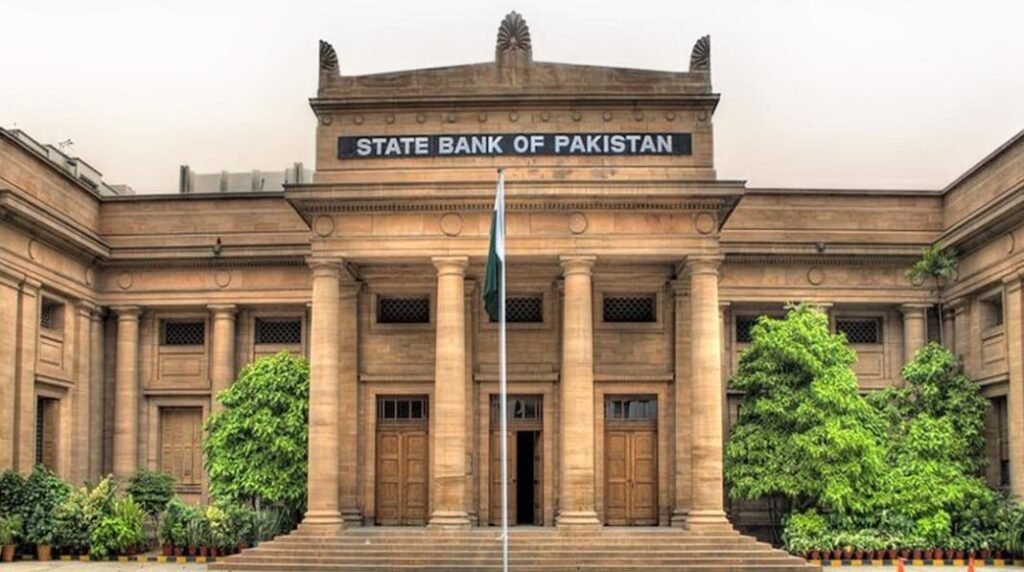
Pakistan Banking Sector Announces Voluntary 3% Interest Rate Reduction for Export Sector
Business

Pakistan Banking Sector Announces Voluntary 3% Interest Rate Reduction for Export Sector

Karachi: In a major move to support the country’s economic revival, Pakistan’s Banking Sector has yet again stepped up to voluntarily reduce markup rates on the Export Refinance Facility (ERF) by 3.0%. This collective initiative demonstrates the sector’s resolve to prioritise national interest, lowering the cost of doing business for exporters to catalyse foreign exchange earnings. Read More: https://theboardroompk.com/hope-on-four-wheels-pakistan-auto-industry-posts-strongest-gains-in-years-amid-economic-easing/ Effective immediately, this reduction brings the end-user rate for exporters under the ERF scheme down to 4.50% for all new loans and rollovers. The initiative is currently subject to the existing ERF limit of PKR 1,052 billion, though this capacity is designed to be flexible and may increase as and when the State Bank of Pakistan (SBP) or EXIM Bank increases the limit through June 2027. This measure represents a vital public interest intervention, aimed at materially promoting economic progress by lowering financing costs for exporters and strengthening foreign exchange inflows. Citing the latest industry data, the Pakistan Banks Association (PBA) highlighted that banks are actively deploying liquidity to support economic recovery. In FY25, private sector credit grew by Rs. 1.1 trillion, a massive increase compared to Rs 470 billion in FY24, reflecting a strong uptick in both working capital and fixed investment loans. This growth is inclusive, with the sector achieving a 57% surge in the SME borrower base, and the amount extended to SMEs doubling in two years. Simultaneously, the agriculture sector saw a historic rebound, with the borrower base growing from 2.7 million to nearly 3 million—reversing a sliding trend since 2019—and disbursements reaching a record PKR 2.58 trillion. Private Sector credit further expanded by Rs 654 billion (or 6.75%) in the first half of FY26 (Jul-Dec). This support for Priority Sector Lending persisted despite intense fiscal crowding out, as banks financed a massive Rs 1.95 trillion in government borrowing, proving that the sector remains the primary engine of economic support. This rate relief is the latest in a series of strategic interventions by the banking industry to stabilise the national economy, including playing critical roles in reducing circular debt and facilitating the privatisation of Pakistan International Airlines (PIA). Moving forward, the PBA vows to remain focused on value addition for the people of Pakistan. The overarching goal remains twofold: continuing to reward the small investors holding billions of shares in the sector, and expanding financial inclusion to ensure that economic benefits reach every corner of the nation. Mr Zafar Masud, Chairman PBA, stated: “This initiative is not just about numbers; it is about the Banking Sector answering the call of the nation. We recognise that export growth is critical for Pakistan’s economic stability. By providing capital at a highly competitive 4.50%, the sector is proving that it stands firmly behind the State and our exporters. The data speaks for itself: with a PKR 654 billion expansion in private-sector credit and historic highs in Agricultural disbursements, we are ensuring that the wheels of the economy keep turning. From supporting the PIA privatisation to managing circular debt, the banking industry remains fully committed to driving Pakistan’s prosperity.” The Pakistan Banks Association expresses its sincere gratitude to the State Bank of Pakistan and the Federal Government for their continued support and guidance in facilitating these voluntary relief measures. About Pakistan Banks Association Established in 1953, the Pakistan Banks Association (PBA) is the representative body of Pakistan’s banking sector, working to foster a conducive environment for banking operations and financial services in the country. PBA promotes the collective interest of its members and plays a pivotal role in policy advocacy, regulatory engagement, and industry collaboration. PBA represents a sector that continues to be the highest taxpaying in the country, underscoring its critical role in Pakistan’s economic stability and sustainable growth. The sector also leads in corporate social responsibility (CSR), contributing the highest among all industries toward education, healthcare, environmental sustainability, and disaster relief. PBA remains committed to advancing financial inclusion, digital transformation, and sustainable development through innovation and collaboration. Its continued efforts aim to strengthen Pakistan’s economic system, support national priorities, and contribute to the prosperity of the people of Pakistan.

Foreign Direct Investment in Pakistan’s Insurance Sector Surges with SECP’s Approval of TPL-Jazz Deal
Business

Foreign Direct Investment in Pakistan’s Insurance Sector Surges with SECP’s Approval of TPL-Jazz Deal

Foreign Direct Investment in Pakistan’s Insurance Sector has received a major boost as the Securities and Exchange Commission of Pakistan (SECP) approved Jazz International Holding Limited’s acquisition of a controlling stake in TPL Insurance Limited. Read More: https://theboardroompk.com/sky-air-compressors-open-house-showcases-german-pakistan-industrial-innovation-in-karachi/ The landmark transaction signals renewed global confidence in Pakistan’s financial services industry particularly in the rapidly evolving digital insurance space. This strategic partnership between a leading digital insurer and a major international digital operator is more than a routine corporate acquisition. It represents a turning point for insurance penetration, fintech innovation, and foreign investor participation in Pakistan’s regulated sectors. Why This Foreign Direct Investment in Pakistan’s Insurance Sector Matters Pakistan’s insurance penetration remains significantly lower compared to regional peers. With a population exceeding 240 million and increasing smartphone adoption, the country presents immense untapped potential for digital insurance services. The acquisition is expected to: • Accelerate digital insurance adoption• Increase foreign capital inflows• Strengthen corporate governance standards• Promote financial inclusion through microinsurance solutions By enabling this transaction, SECP has demonstrated its commitment to building a transparent and investor-friendly regulatory ecosystem. Rather than merely approving a share transfer, the Commission conducted detailed due diligence to ensure compliance with corporate governance principles and prudent risk management frameworks. This strengthens market credibility and sends a powerful message to global investors evaluating Pakistan as an investment destination. Digital Insurance: The Future of Foreign Direct Investment in Pakistan’s Insurance Sector The timing of this development is particularly significant. SECP recently introduced a regulatory framework specifically designed for digital-only insurers and microinsurers a progressive reform aimed at modernizing Pakistan’s insurance landscape. This new framework supports:• Fully digital onboarding processes• Tech-driven underwriting models• Microinsurance products for underserved communities• Faster claims processing through automation By aligning regulatory reform with strategic foreign investment, SECP is laying the foundation for a digitally empowered insurance ecosystem. Jazz International’s involvement brings not just capital, but technological expertise, operational scale, and digital infrastructure elements critical for transforming traditional insurance models. Investor Confidence and Market Transparency Foreign investors often prioritize regulatory clarity, governance safeguards, and institutional transparency. SECP’s proactive facilitation of this deal reinforces Pakistan’s commitment to: • Strengthening regulatory oversight• Ensuring prudent management practices• Encouraging innovation without compromising compliance• Promoting sustainable market development This approval reflects a broader reform agenda focused on enhancing ease of doing business in Pakistan’s financial sector. How This Deal Could Reshape Pakistan’s Financial Landscape The acquisition could trigger a ripple effect across the insurance and fintech sectors. With increasing digital connectivity and mobile penetration, digital insurance products can reach segments previously excluded from formal financial services. Industry analysts believe this Foreign Direct Investment in Pakistan’s Insurance Sector may: • Encourage additional multinational players to explore Pakistan• Drive consolidation and modernization within the insurance industry• Enhance competition and product innovation• Boost overall FDI inflows into regulated sectors For consumers, this could mean affordable microinsurance, seamless mobile-based policy management, and improved claims efficiency. For investors, it signals regulatory maturity and growth potential. A Strategic Milestone for Pakistan’s Economy Foreign Direct Investment in Pakistan’s Insurance Sector is not just about capital it is about confidence. It reflects trust in regulatory institutions, belief in digital transformation, and optimism about Pakistan’s long-term growth trajectory. As SECP continues implementing structural reforms and strengthening governance standards, the country’s insurance industry appears poised for a digital leap. The TPL Insurance–Jazz International partnership may well be remembered as the catalyst that reshaped Pakistan’s insurance penetration story. The question now is: will more global players follow?

National Savings Schemes See Dramatic 80% Drop in December – Should Investors Be Concerned?
Business

National Savings Schemes See Dramatic 80% Drop in December – Should Investors Be Concerned?

National Savings Schemes experienced a dramatic slowdown in December, raising fresh questions about investor confidence in government-backed savings products. According to the latest data released by the State Bank of Pakistan (SBP), net savings mobilized plunged a staggering 80.8% month-on-month (MoM) falling to just Rs4.19 billion compared to Rs21.84 billion in November. Read More: https://theboardroompk.com/psx-witnesses-range-bound-session-up-896-points-to-183049/ This sharp contraction signals cooling investor appetite at a time when economic uncertainty, shifting interest rate expectations, and alternative investment opportunities are reshaping financial decisions across Pakistan. What Triggered the National Savings Schemes Slowdown? The December data paints a concerning picture for National Savings Schemes, particularly across key investment instruments that traditionally attract risk-averse savers. The biggest pressure came from Defence Savings Certificates (DSC) and Special Savings Certificates (SSC), both of which witnessed significant outflows. Rather than steady inflows supporting government-backed instruments, December recorded widening withdrawals and weaker fresh investments a trend that suggests investors may be reassessing returns amid evolving market dynamics. Breakdown: Where Did National Savings Schemes Lose Momentum? A closer look at individual instruments reveals how sharply the tide has turned: Defence Savings Certificates (DSC) DSC saw net withdrawals surge dramatically. In November, the outflow stood at just Rs0.71 billion. By December, this ballooned to Rs7.80 billion, indicating heightened investor exits. Regular Income Certificates (RIC) RIC continued to attract funds but at a significantly slower pace. Inflows declined from Rs5.27 billion in November to Rs2.58 billion in December nearly halving in just one month. Special Savings Certificates (SSC – R) SSC recorded a reversal in trend. After posting a Rs0.96 billion inflow in November, December turned negative with a Rs2.40 billion outflow, reflecting reduced confidence in medium-term savings instruments. Prize Bonds Prize Bonds offered a rare bright spot, improving slightly from Rs1.45 billion to Rs1.68 billion. However, the increase was modest and insufficient to offset larger declines elsewhere. Other Instruments Other National Savings Schemes instruments also weakened, declining from Rs14.87 billion in November to Rs10.13 billion in December. In total, net mobilization dropped by Rs17.65 billion within a single month a notable contraction that underscores fading momentum. Is Investor Confidence in National Savings Schemes Fading? Despite December’s sharp decline, cumulative mobilization for FY26 (July–December) remains strong at Rs156.11 billion. This suggests that while long-term demand for National Savings Schemes persists, the pace is clearly slowing toward the end of the calendar year. Several factors could be influencing this shift: • Expectations of further monetary policy adjustments• Attractive returns in alternative investment avenues• Liquidity needs toward year-end• Profit-taking by investors With interest rate dynamics evolving and inflation expectations stabilizing, savers may be diversifying beyond traditional government-backed certificates. What This Means for the Government and Investors National Savings Schemes play a critical role in supporting Pakistan’s domestic borrowing program. A sustained slowdown could increase reliance on alternative financing sources or prompt adjustments in returns offered on savings instruments. For investors, the decline signals an important moment to reassess portfolio strategies. While National Savings Schemes remain among the safest investment avenues, the question now is whether current returns are competitive enough to retain capital. The Road Ahead for National Savings Schemes The coming months will determine whether December was a temporary year-end dip or the beginning of a broader trend. If inflows continue to soften, policymakers may need to recalibrate profit rates or introduce new incentives to revive investor interest. Conversely, improved economic stability could restore confidence and momentum. One thing is certain: National Savings Schemes are entering a critical phase in FY26, and both investors and policymakers will be watching the numbers closely.

PSX Witnesses Range-bound Session, Up 896 points to 183,049
Business

PSX Witnesses Range-bound Session, Up 896 points to 183,049

The KSE-100 Index staged a rebound from its intraday low near 182,000, settling at 183,049—up 896 points—in a largely range-bound session. Read More: https://theboardroompk.com/pso-announces-donation-campaign-at-its-outlets-during-ramadan/ The index traded within a band of 182,052 to 183,801 during the day. ENGROH (+4.42%), LUCK (+2.49%), FABL (+9.07%), MCB, and BAFL collectively added 920 points to the index, providing strong support. Conversely, BAHL (-2.63%), PPL (-1.7%), and UBL (-0.56%) trimmed 311 points from gains, said Ali Najib, Deputy Head of Trading at Arif Habib Ltd. On the corporate front, PSX expects 12 IPOs in 2026, including Sitara Petroleum Services Ltd., which plans to raise up to USD 11.4mn to expand operations. Additionally, Pakistan and the UAE are nearing the signing of a CEPA agreement, aimed at enhancing bilateral trade beyond the current USD 8–10bn. Trading activity remained moderate, with volumes of 734 million shares and turnover of PKR 35bn. KEL led volumes with 120 million shares. Outlook: Our outlook remains unchanged, with the market expected to continue consolidating within the 180,000–190,000 range, accompanied by heightened volatility during this phase.

India Gain Edge: Pakistan Textile Body Urges Govt to Negotiate Duty-Free US Access for Cotton-Based Products
Business

India Gain Edge: Pakistan Textile Body Urges Govt to Negotiate Duty-Free US Access for Cotton-Based Products

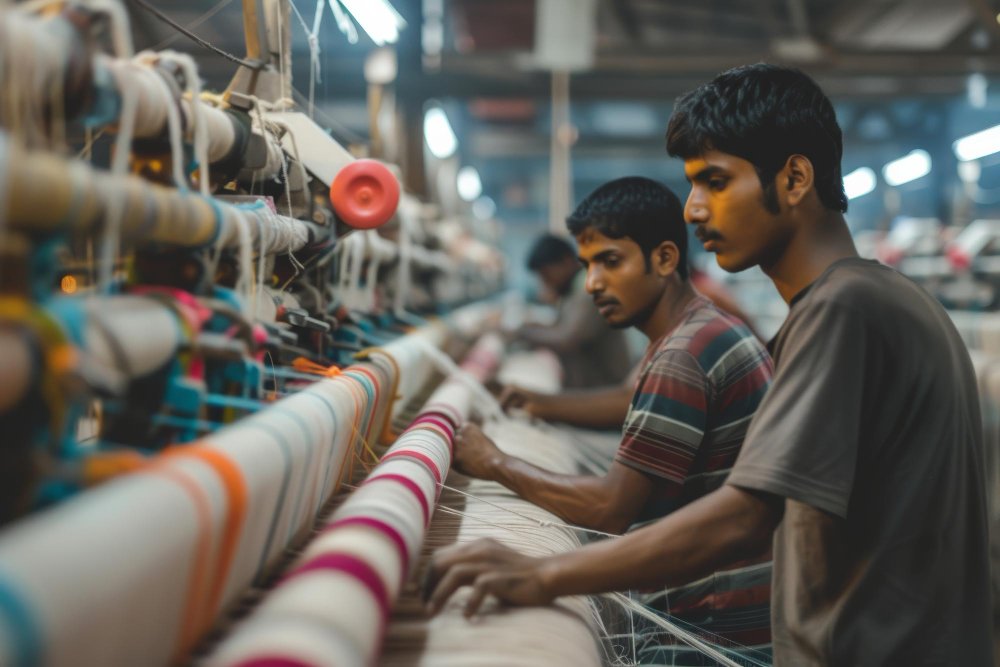
The All Pakistan Textile Mills Association (APTMA) has issued a strong warning about growing threats to Pakistan’s textile and apparel exports, particularly in the crucial US market. Read More: https://theboardroompk.com/forex-reserves-exceed-29-billion-a-turning-point-for-pakistans-economy/ In a letter to Federal Minister for Commerce Jam Kamal Khan, APTMA urged the government to urgently engage with US authorities to secure preferential market access. The association highlighted recent trade shifts favoring competitors, which could erode Pakistan’s export share in its largest market. Competitive Disadvantages Emerge Major rivals have gained better terms in the US. India now faces an 18% tariff, slightly lower than Pakistan’s approximately 19%. The EU-India free trade agreement further strengthens India’s position. Most critically, Bangladesh has achieved zero-tariff access for garments and made-ups produced using American cotton. These changes intensify pressure on Pakistani exporters already battling high domestic challenges. Calls for Strategic Tariff Relief APTMA emphasized that Pakistan’s textile sector faces severe stress from elevated energy and input costs, high interest rates, regional taxes, and a tough overall business climate. Combined with competitors’ advantages, this risks significant market loss. The group proposed a targeted solution: seek duty-free US access for Pakistani textile and apparel items made from American cotton. In return, Pakistan would boost imports of US cotton. APTMA has already approached the American Embassy with a similar proposal to foster concessional access. Such an arrangement, APTMA argued, would bolster Pakistan’s exports, enhance bilateral trade ties, and increase US cotton sales. The letter stressed the need for immediate action amid a rapidly evolving competitive landscape.

Pakistan Construction Stone Exports: A New Era in China Trade Relations
Business

Pakistan Construction Stone Exports: A New Era in China Trade Relations

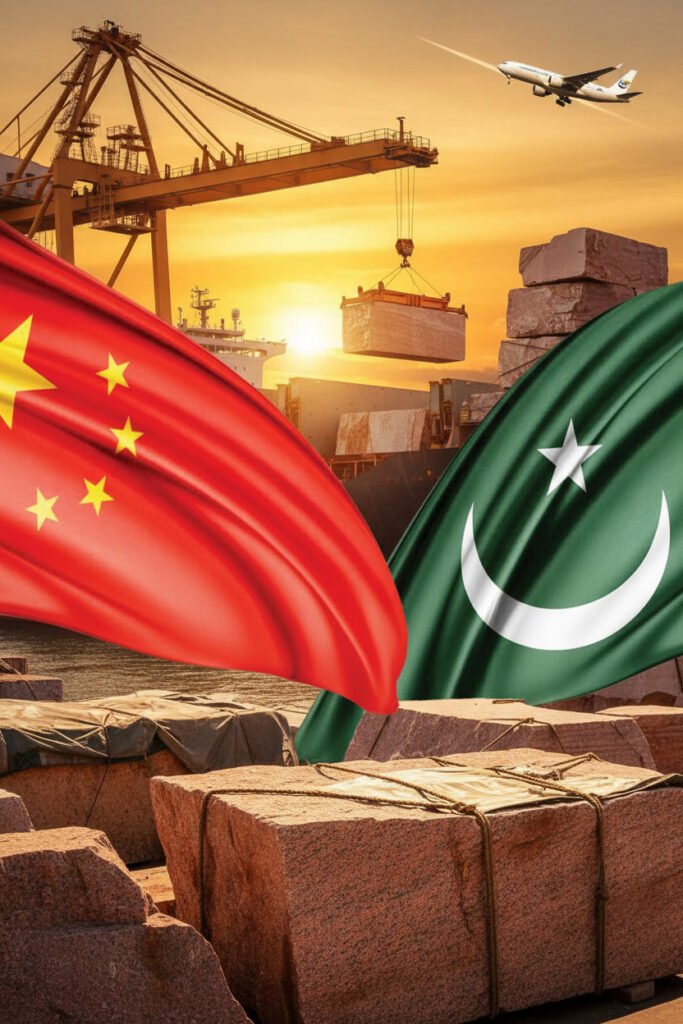
Pakistan Construction Stone Exports have reached a historic milestone, as Pakistan has officially become China’s third-largest supplier of construction stone materials. This remarkable development is not just a trade statistic it signals a powerful shift in regional economic dynamics and highlights Pakistan’s growing footprint in the global construction materials market. Read More: https://theboardroompk.com/sitara-petroleum-ipo-set-to-fuel-pakistans-capital-market-momentum/ With China leading the world in infrastructure development and urban expansion, its demand for high-quality construction materials continues to soar. Pakistan’s natural stone reserves including granite, marble, and other construction-grade materials are now playing a crucial role in meeting that demand. Why Pakistan Construction Stone Exports Are Surging The rapid growth in Pakistan Construction Stone Exports is driven by several key factors. First, Pakistan possesses vast reserves of premium-quality stone, particularly in Balochistan, Khyber Pakhtunkhwa, and Punjab. These regions are rich in granite, marble, and onyx that meet international construction standards. Second, improved trade logistics under the China-Pakistan Economic Corridor (CPEC) have streamlined export routes. Reduced transportation costs and enhanced infrastructure connectivity have made Pakistani stone more competitive in the Chinese market. Third, China’s aggressive urbanization policies have fueled unprecedented demand. With large-scale housing projects, commercial developments, and infrastructure initiatives underway, China continues to import massive volumes of construction materials and Pakistan is increasingly becoming a preferred partner. The Economic Impact of Pakistan Construction Stone Exports The rise of Pakistan Construction Stone Exports is expected to generate significant economic benefits. Instead of presenting figures in tabular form, here’s what the trend means in practical terms: • Export revenues from construction stone materials have grown steadily year-on-year, contributing to Pakistan’s overall export diversification strategy.• Thousands of jobs are being created in mining, processing, logistics, and transportation sectors.• Foreign exchange inflows are strengthening Pakistan’s balance of payments position.• Local mining companies are upgrading machinery and adopting modern extraction techniques to meet international standards. This export growth also reduces reliance on traditional textile exports, helping Pakistan broaden its trade portfolio. Pakistan Construction Stone Exports and Strengthening China Ties Trade between Pakistan and China has historically been robust, but the expansion of Pakistan Construction Stone Exports adds a new dimension to this partnership. China’s trust in Pakistan as a reliable supplier reflects improving quality control, competitive pricing, and timely delivery. The shift also demonstrates how non-traditional export sectors are becoming strategic pillars of bilateral trade. Industry analysts believe that if current growth trends continue, Pakistan could move even higher in China’s supplier rankings in the coming years. Challenges and Opportunities Ahead While the milestone is impressive, sustaining Pakistan Construction Stone Exports will require addressing key challenges. Environmental sustainability in mining operations must be prioritized. Modern processing facilities need further investment to ensure value-added exports instead of raw material shipments. Additionally, regulatory frameworks should be streamlined to facilitate easier export procedures. However, the opportunity is massive. Global demand for construction materials is projected to remain strong, particularly across Asia and the Middle East. If Pakistan continues upgrading its mining infrastructure and maintaining quality standards, its share in the global construction stone market could expand significantly. A Strategic Breakthrough for Pakistan’s Mining Sector The success of Pakistan Construction Stone Exports is more than just a trade achievement it is a signal that Pakistan’s mining sector is entering a new era of global relevance. As infrastructure projects surge worldwide and China continues its development momentum, Pakistan stands at a strategic crossroads. With abundant natural resources, improved logistics under CPEC, and growing international recognition, the country is well-positioned to transform its stone industry into a long-term export powerhouse. The question now is not whether Pakistan can compete globally but how fast it can scale.

Sitara Petroleum IPO Set to Fuel Pakistan’s Capital Market Momentum
Business

Sitara Petroleum IPO Set to Fuel Pakistan’s Capital Market Momentum

Sitara Petroleum IPO is poised to become one of Pakistan’s most significant stock market listings in recent years, with the fuel station operator targeting up to Rs3.2 billion ($11.4 million) in fresh capital next month. As investor appetite surges and the KSE-100 Index posts Asia’s strongest gains, the timing could not be more strategic. Read more: https://theboardroompk.com/pakistan-loan-demand-surge-signals-renewed-economic-confidence/ According to Shahid Ali Habib, CEO of Arif Habib Ltd., the lead manager and book runnerhas confirmed the upcoming offering. If successful, this transaction could rank as Pakistan’s second-largest IPO in the last four years, signaling renewed confidence in the country’s equity markets. Why the Sitara Petroleum IPO Is Launching Now The Sitara Petroleum IPO arrives at a time when Pakistan’s stock market is witnessing a powerful rally. Over the past year, the benchmark KSE-100 Index has surged more than 61%, making it Asia’s best-performing equity market. This strong upward trend has encouraged companies to return to capital markets after a relatively quiet period. Elevated valuations are creating favorable conditions for issuers, while rising retail participation is injecting fresh liquidity into the system. In simple terms, the market is hot and Sitara Petroleum is stepping in at the right moment. Sitara Petroleum IPO Pricing: A Strategic Discount? One of the most attractive elements of the Sitara Petroleum IPO is its valuation. The company’s shares are being offered at a price-to-earnings (P/E) ratio of 5.2x. Industry experts describe this as a significant discount compared to the average valuation of Pakistan’s oil marketing companies. Before announcing the public offer, Sitara successfully raised Rs1.66 billion through a pre-IPO placement. Institutional investors including Bank Alfalah Ltd. and Lucky Investments Ltd. participated at a 10% premium to the floor price. This early institutional backing signals confidence in the company’s expansion strategy and growth trajectory. Company Profile: From Dealer to Expansion Powerhouse Founded in 2012, Sitara Petroleum Services Ltd. has rapidly grown into a key player in Pakistan’s downstream fuel sector. The company operates as the largest dealer of Gas & Oil Pakistan Ltd. (GO) products. GO itself is the country’s second-largest fuel retailer by volume and is backed by Saudi Aramco one of the world’s biggest energy giants. Currently, Sitara Petroleum: • Operates 61 fuel stations primarily in Punjab under GO and Aramco branding• Manages a fleet of 320 oil tankers• Maintains strong logistics capabilities in fuel transportation This operational base gives the company both retail presence and distribution strength a rare combination in Pakistan’s fuel retail segment. How Sitara Petroleum IPO Funds Will Be Used The Rs3.2 billion raised through the Sitara Petroleum IPO will not sit idle. The company has outlined an ambitious expansion roadmap. First, Sitara plans to develop a 30,000-ton oil storage terminal in Gatti, Faisalabad. This project is strategically important because it will enable the company to apply for an independent oil marketing license by FY2028 a major step toward becoming a full-fledged oil marketing company (OMC). Second, the company intends to expand its retail footprint by developing at least 47 new fuel stations across key regions. Third, Sitara aims to strengthen its logistics arm by acquiring 50 additional oil tankers, increasing operational efficiency and market reach. Instead of merely expanding gradually, Sitara appears to be positioning itself for scale vertically integrating storage, retail, and transportation. What Makes the Sitara Petroleum IPO Worth Watching The Sitara Petroleum IPO combines three compelling elements: As Pakistan’s equity market regains investor confidence, energy and infrastructure-linked companies are drawing particular interest. With institutional backing already secured and ambitious expansion plans underway, Sitara Petroleum may become a case study of how mid-sized fuel operators transition into major industry players. For retail investors looking for exposure to Pakistan’s energy retail sector, this IPO could represent a timely opportunity especially given its discounted pricing compared to industry peers. The question now is not whether the IPO will attract attention but how strong the subscription demand will be once books officially open.

Pakistan's Symmetry Group Acquires US-Based LogoDesignGuru to Boost AI Capabilities
Business

Pakistan’s Symmetry Group Acquires US-Based LogoDesignGuru to Boost AI Capabilities

Pakistan’s Symmetry Group Limited has executed a Share Purchase Agreement (SPA) to acquire LogoDesignGuru (LDG), a US-based AI-driven digital branding and technology firm. Read More: https://theboardroompk.com/oil-prices-climb-on-fragile-us-iran-talks-and-rising-india-demand/ The announcement came via a notice to the Pakistan Stock Exchange (PSX) on February 11, 2026, marking a key step in the company’s international expansion strategy. This follows the board’s approval on February 9-10, 2026, of an aggregate investment plan worth up to Rs1,250 million, which includes this US acquisition alongside other initiatives like a local AI investment. Strategic Acquisition and Company ProfilesSymmetry Group, a Karachi-based digital technology and experiences company, specializes in digital products, services, and platform-led solutions. It has been actively building its AI capabilities, including launching generative AI tools and planning AI-focused subsidiaries. LogoDesignGuru (LDG) operates AI-powered design platforms, digital asset marketplaces, and hybrid design-service models, primarily serving international clients. The US firm is currently profitable and is projected to generate around $0.7 million (approximately Rs200 million) in revenue for the current year. The acquisition aligns with Symmetry’s goal to broaden its global footprint, enhance platform-led digital offerings, and integrate advanced AI-driven branding technologies. Expected Benefits and Financial Outlook Post-acquisition, Symmetry anticipates improved earnings through cost optimization, operational synergies, and revenue growth strategies. Revenues from the combined entity are expected to increase at a healthy year-on-year pace. The deal is part of broader fund deployment for scaling operations, supporting long-term client engagements, upgrading technology infrastructure, and meeting working capital needs to boost overall profitability. No specific acquisition price or payment structure was disclosed in the PSX filing. This move underscores growing outbound investment by Pakistani tech firms into AI and digital sectors abroad, complementing Symmetry’s domestic AI initiatives.

Nestlé Pakistan's $100 Million Investment in Sustainability Yields Results, Wins OICCI Award
Business

Nestlé Pakistan’s $100 Million Investment in Sustainability Yields Results, Wins OICCI Award

KARACHI: Nestlé Pakistan’s efforts towards creating shared value for people, planet and business were recognized due to its initiatives on Climate & Net Zero, regenerative agriculture and circularity at the 4th Pakistan Climate Conference, as it won the top Climate Champion Award second time in a row. Read More: https://theboardroompk.com/pakistan-car-sales-hit-43-month-high-in-january-2026/ The 2nd Climate Excellence Awards by Overseas Investors Chamber of Commerce & Industry, representative body of over 200 multinational companies from 30 countries and 14 sectors, hosted the 4th Pakistan Climate Conference and the second edition of Climate Excellence Awards that saw over 80 entries this year. Addressing the conference, Federal Minister for Climate Change & Environmental Coordination Dr. Musadik Masood Malik stressed on mobilizing investment and implementing innovative solutions being driven by the upcoming generation to accelerate the country’s transition towards climate-resilient development. “We need to place bets on these young starry-eyed people because they are the future of Pakistan, and they will lead us out of these climate challenges.” Earlier, Federal Minister for Finance & Revenue, Senator Muhammad Aurangzeb in his address said, “OICCI’s 4th Pakistan Climate Conference has underscored the urgency of climate action and the pivotal role private sector plays in driving sustainable solutions.” He also highlighted government’s role to mitigate climate challenges with Pakistan’s access to $1.3 billion in climate financing from the IMF, World Bank and ADB. Jason Avanceña Chief Executive Officer, Nestlé Pakistan said, “Through the Pakistan Climate Conference, OICCI has pushed for actionable recommendations that support Pakistan’s shift towards a more climate- resilient economy. Earlier at Davos, Nestlé also announced an additional USD 60 million investment in Pakistan to support sustainability and green projects, agricultural services transformation, automation and digitalization. This builds on USD 40 million invested between 2023 and 2025, bringing total planned investment to USD 100 million over six years and is a testament to Nestlé’s commitment to Pakistan,” he said. Speaking on the occasion, Sheikh Waqar Ahmad, Head of Corporate Affairs & Sustainability Nestlé Pakistan said, “We are committed to be a force for good, with sustainability at the heart of our business. Our efforts underscore our commitment to creating shared value, as we take significant strides towards a cleaner environment and a more sustainable future.” Nestlé, under its global Net Zero commitments aims to reduce greenhouse gas emissions by 50% till 2030, on the road to Net Zero by 2050. Nestlé Pakistan also achieved more than a 50% reduction in greenhouse gas emissions versus the 2018 baseline through large-scale investments of 9.6MW solar power and a 20- ton-per-hour biomass boiler at Kabirwala. Nestlé also reduced virgin plastic by 33% and introduced recyclable flexible packaging. The company is also supporting collection and recycling of 11,000 tons of packaging waste through its Clean Gilgit-Baltistan Project in line with the UN’s Sustainable Development Goals (SDGs) 13 and 15.

Scroll to Top