Business

Gold Prices Fall as Fed Rate Hike Fears Spark Biggest Quarterly Crash in 13 Years
Business

Gold Prices Fall as Fed Rate Hike Fears Spark Biggest Quarterly Crash in 13 Years

Gold prices fell sharply on Wednesday as investors shifted toward the U.S. dollar amid growing expectations that the Federal Reserve could raise interest rates before the end of the year. The precious metal, traditionally viewed as a safe-haven asset, has posted its weakest quarterly performance in more than a decade as persistent inflation concerns and tighter monetary policy continue to weigh on global markets. During Asian trading, bullion extended its recent losses, hovering near an eight-month low. Investors are now awaiting a speech by Federal Reserve Chair Kevin Warsh, whose comments could significantly influence interest rate expectations and broader market sentiment. Gold Prices Fall as Investors Shift to the U.S. Dollar Spot gold declined 0.7% to $3,978.40 per ounce, while U.S. gold futures slipped 1.2% to $3,991.45 per ounce during Asian trading. The decline reflects a growing preference among investors for dollar-denominated assets as expectations of higher U.S. interest rates strengthen. Since gold does not generate interest income, it becomes less attractive when yields on competing assets rise. Institutional investors have increasingly rotated funds out of precious metals and into fixed-income securities and the U.S. dollar, intensifying selling pressure on bullion. Gold Suffers Worst Quarterly Decline Since 2013 Gold prices dropped nearly 14% during the June quarter, marking the metal’s worst quarterly performance since 2013. Although geopolitical tensions in the Middle East initially boosted demand for safe-haven assets earlier this year, those gains quickly faded as inflation concerns resurfaced. Investors now believe the Federal Reserve may need to maintain tighter monetary policy for longer than previously anticipated. Rising Technology Costs Add to Inflation Concerns Another factor fueling inflation fears is the continued rise in semiconductor prices, driven by booming demand for artificial intelligence technologies. Higher chip costs have increased production expenses across the technology industry. Concerns intensified after Apple raised prices on several of its products in June, reinforcing expectations that businesses are passing higher costs on to consumers. Persistent inflation reduces the likelihood of interest rate cuts and increases the probability of further monetary tightening, putting additional pressure on gold. Federal Reserve Signals Potential Interest Rate Increase Minutes from the Federal Reserve’s June policy meeting indicated that several policymakers now support at least one additional interest rate increase before year-end. This represents a notable shift from earlier market expectations, which had anticipated rate cuts during 2026. Higher interest rates generally strengthen the U.S. dollar while reducing the appeal of non-yielding assets such as gold, making bullion less attractive to investors. Kevin Warsh Speech in Focus Market participants are closely watching Federal Reserve Chair Kevin Warsh, who is scheduled to speak at the European Central Bank Forum in Portugal. Although analysts do not expect an immediate policy announcement, investors will carefully scrutinize his remarks for clues regarding inflation, economic growth, and future interest rate decisions. His comments could significantly influence global financial markets and determine the short-term direction of gold prices. U.S. Jobs Report Could Be the Next Major Catalyst Attention will quickly turn to the upcoming U.S. nonfarm payrolls report, one of the Federal Reserve’s most closely watched economic indicators. A stronger-than-expected employment report would likely reinforce expectations for another interest rate hike, potentially extending gold’s decline. Conversely, weaker labor market data could ease tightening expectations and provide temporary support for bullion prices. Silver and Platinum Extend Their Declines The weakness was not limited to gold. The broad selloff highlights the impact of rising interest rate expectations across the entire precious metals market. Outlook for Gold Prices Gold remains under pressure as investors weigh persistent inflation against increasingly hawkish Federal Reserve policy. Unless inflation begins to ease or the Fed signals a more accommodative stance, analysts expect gold prices to remain volatile. The upcoming speech by Kevin Warsh and the latest U.S. employment data are likely to be key drivers of market sentiment in the near term, potentially determining whether bullion stabilizes or extends its recent losses.


GCIL Secures OGDCL Gas Processing Contract to Produce CNG and LPG from 2027
Business

GCIL Secures OGDCL Gas Processing Contract to Produce CNG and LPG from 2027

Ghani Chemical Industries Limited (GCIL) Has Secured a Major Five-Year Gas Processing Contract From Oil & Gas Development Company Limited (OGDCL), Marking a Significant Step in the Company’s Expansion Into Pakistan’s Energy Sector. The agreement will allow GCIL to process natural gas from the Sono Lashari Field into value-added hydrocarbon products, including Compressed Natural Gas (CNG), Liquefied Petroleum Gas (LPG), and hydrocarbon condensates. The company disclosed the development in a notification submitted to the Pakistan Stock Exchange (PSX) on Tuesday. The contract is expected to create a new long-term revenue stream and strengthen GCIL’s business portfolio beyond its traditional industrial and medical gases operations. Five-Year Contract Awarded For Sono Lashari Field Under the agreement, OGDCL will allocate a designated quota of raw natural gas from the Sono Lashari Field in Sindh to GCIL for processing. The company will convert the allocated gas into commercially valuable products, including CNG, LPG, and associated hydrocarbon condensates, according to the agreed technical specifications and contractual arrangements. The contract has been awarded for a period of five years, providing GCIL with a stable business opportunity while supporting Pakistan’s efforts to increase the value derived from its domestic natural gas resources. The project also reflects continued collaboration between Pakistan’s largest exploration and production company and the private sector to improve downstream energy infrastructure. Commercial Production Planned For Early 2027 Although the contract has been finalized, commercial production will begin after several preparatory phases are completed. GCIL said project implementation will start after engineering work, procurement of equipment, regulatory approvals, and site mobilization activities have been completed. The company currently expects commercial operations to begin during the first quarter of 2027, provided all technical, regulatory, and operational requirements are completed on schedule. Until then, the company will focus on developing the necessary infrastructure required for processing natural gas from the field. Project Could Generate Up To Rs2 Billion Annually GCIL believes the project has strong commercial potential once production begins. Based on the current technical configuration and prevailing market conditions, the company estimates that annual revenues could range between Rs1.5 billion and Rs2 billion after commercial operations commence. However, the company emphasized that these estimates remain indicative and could change depending on several operational and market factors. Actual revenue will depend on gas allocation levels, gas availability, product mix, plant efficiency, market prices, and other commercial conditions that may evolve during the project’s life. Major Step In GCIL’s Diversification Strategy The gas processing contract represents an important milestone in GCIL’s long-term growth strategy. Traditionally known as one of Pakistan’s leading manufacturers of industrial and medical gases, the company is now expanding into the energy processing business to diversify its revenue sources. GCIL stated that the project is expected to establish an additional recurring revenue stream throughout the five-year contract period, strengthening its long-term financial position. The financial impact of the agreement will begin only after commercial operations officially start in 2027. Project May Be Executed Through a Group Entity The company also informed investors that the project may be implemented either directly by GCIL or through an appropriate group entity. According to the company, the final implementation structure will depend on operational, commercial, and regulatory considerations. GCIL clarified that whichever implementation model is selected, its contractual rights and obligations under the agreement with OGDCL will remain unchanged. This flexibility enables the company to adopt the most efficient operational structure while ensuring compliance with all regulatory requirements. GCIL Continues Expanding Industrial Footprint Founded as a private limited company in 2015, Ghani Chemical Industries Limited converted into a public limited company in 2017. Since then, the company has established itself as one of Pakistan’s leading manufacturers of industrial and medical gases. GCIL currently operates five modern Air Separation Unit (ASU) plants that produce oxygen, nitrogen, argon, and other industrial gases supplied to hospitals and manufacturing industries across the country. The company’s latest expansion into natural gas processing demonstrates its strategy to broaden operations into higher-value energy-related businesses while leveraging its experience in industrial gas production. Positive Outlook For Pakistan’s Energy Sector The contract also highlights continued investment in Pakistan’s downstream energy industry. Processing natural gas into products such as CNG and LPG increases the commercial value of domestic energy resources while supporting industrial demand and improving fuel availability. Projects of this nature also contribute to reducing dependence on imported fuel products by maximizing the utilization of locally produced natural gas. If completed according to schedule, the Sono Lashari Field project could become an important addition to Pakistan’s hydrocarbon processing infrastructure while providing GCIL with a significant source of recurring income over the next five years. The development is expected to be closely watched by investors as the company moves toward engineering, regulatory approvals, and commercial production in early 2027.

Pakistan Signs €20m Italy Loan Agreement To Strengthen Agriculture Sector
Business

Pakistan Signs €20m Italy Loan Agreement To Strengthen Agriculture Sector

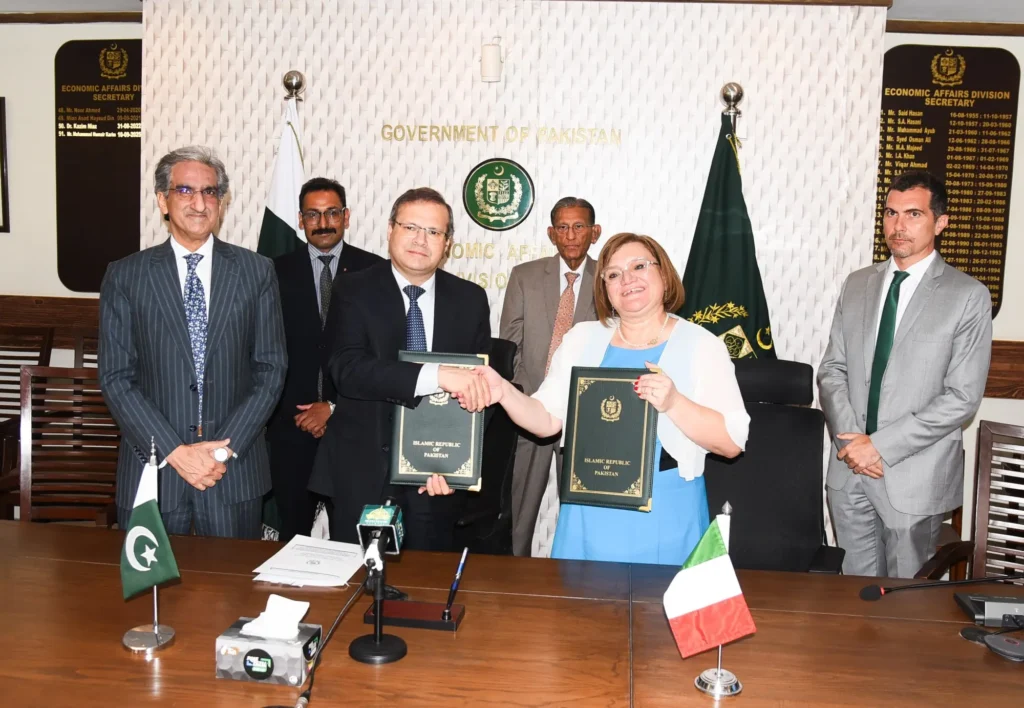
Pakistan Has Signed a €20 Million Concessional Loan Agreement With Italy to Strengthen Technical Capacity, Vocational Training, and Agricultural Extension Services Under the Technical and Vocational Education and Training (TVET) National Reform Programme. The agreement marks another step in bilateral cooperation between Pakistan and Italy and aims to improve agricultural productivity, promote sustainable farming practices, and enhance the livelihoods of farmers across the country through modern skills development. Loan Agreement Signed In Islamabad The agreement was signed in Islamabad by Secretary Economic Affairs Muhammad Humair Karim and Italian Ambassador Marilina Armellin. The signing formalised financial support for the Professional Capacity Building and Extension in Agriculture project, which will be implemented under the TVET National Reform Programme. According to official information, the initiative is designed to strengthen the professional capabilities of farmers, agricultural extension workers, trainers, and other stakeholders through modern and demand-driven training programmes. The project seeks to equip participants with updated technical knowledge and practical skills that can improve farm productivity and increase agricultural efficiency. Focus On Modern Agricultural Training The programme will introduce advanced agricultural practices by combining Italian expertise with Pakistan’s farming potential. Training activities will focus on improving cultivation methods, enhancing crop management, promoting sustainable farming techniques, and increasing value addition across the agricultural supply chain. Officials believe the initiative will help farmers adopt modern production methods that improve crop quality while reducing production costs and environmental impacts. The project also aims to strengthen agricultural extension services so that farmers receive better technical guidance and access to improved farming technologies. Priority Crops Identified The programme will initially focus on several high-value crops that have significant export and commercial potential. These include olives, pistachios, dates, mushrooms, cherries, grapes, peaches, and almonds. By introducing modern agronomic techniques and international best practices, the initiative seeks to improve yields, product quality, and market competitiveness for these crops. Italian expertise in horticulture and sustainable farming is expected to play an important role in developing technical knowledge and improving production standards. Pakistan Oilseed Department To Lead Implementation The Pakistan Oilseed Department will implement the project in collaboration with provincial agriculture departments. The partnership between federal and provincial institutions is expected to ensure effective delivery of training programmes across different agricultural regions. Officials said coordinated implementation will help expand the reach of extension services while addressing the specific needs of farmers in various provinces. The project will also involve trainers and agricultural professionals who will work directly with farming communities to improve technical knowledge and practical skills. Project Expected To Boost Rural Economy Beyond technical training, the initiative aims to generate wider economic benefits for Pakistan’s rural communities. The project is expected to create new employment opportunities, increase farmers’ incomes, reduce post-harvest losses, and strengthen farmer cooperatives. Improved agricultural practices are also expected to enhance productivity and increase the competitiveness of Pakistan’s agriculture sector in both domestic and international markets. Officials believe that greater investment in vocational education and agricultural extension services can contribute to long-term rural development while supporting food security and sustainable economic growth. The €20 million concessional loan agreement reflects continued cooperation between Pakistan and Italy in promoting agricultural development through technical education, modern farming practices, and capacity building.

Attack on Rangers a Cowardly Act, Security Forces' Swift Response Commendable, Business Community
Business

Attack on Rangers a Cowardly Act, Security Forces’ Swift Response Commendable, Business Community

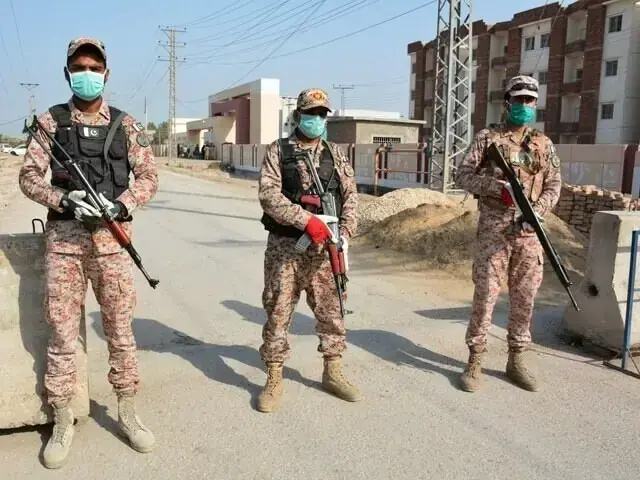
KARACHI: President of the Korangi Association of Trade and Industry (KATI), Muhammad Ikram Rajput, has strongly condemned the terrorist attack on personnel of the Sindh Rangers, describing it as a cowardly act and an assault not only on law enforcement agencies but also on Pakistan’s peace, stability, and national security. Rajput said the attack was unacceptable and praised the swift and courageous response of the security forces, who neutralized the terrorists despite risking their own lives, preventing what could have been a major tragedy in the city. He paid tribute to the Rangers personnel who embraced martyrdom in the line of duty, calling them the nation’s true heroes. “Those who sacrifice their lives for the protection of the country deserve the highest respect. The entire nation will always remember their invaluable sacrifices and stands firmly with their families,” he said. Expressing heartfelt condolences to the families of the fallen personnel, Rajput prayed for the elevation of the martyrs’ ranks, the speedy recovery of the injured officers, and strength and patience for the bereaved families. The KATI president demanded the immediate arrest of all those involved in the attack and urged authorities to ensure they receive the strictest punishment under the law to deter any future attempts to undermine Pakistan’s peace and security. He emphasized that the country must continue to enforce a zero-tolerance policy against terrorism. Rajput reaffirmed the business community’s unwavering solidarity with the Pakistan Army, Sindh Rangers, police, and other law enforcement agencies, stating that the nation deeply values the extraordinary sacrifices made by the country’s security forces in maintaining peace and stability. He also expressed confidence that the people of Pakistan remain united in the fight against terrorism and vowed that the country’s enemies would never be allowed to succeed in their malicious designs.

A Tale of New Beginnings: New Ownership Officially Takes Over Pakistan International Airlines (PIA)
Business

A Tale of New Beginnings: New Ownership Officially Takes Over Pakistan International Airlines (PIA)

ISLAMABAD – June 29, 2026 – Pakistan International Airlines (PIA) today marks a historic milestone in its aviation journey as the airline officially transitions to new management under PIA Equity Ltd, a special purpose vehicle of Arif Habib Consortium. This defining moment signifies a bold step forward in modernizing the national carrier and restoring its legacy of excellence on the global stage. This monumental takeover is the culmination of a rigorous and transparent privatization process engineered to breathe fresh life into the flag carrier. Following the completion of all local and international regulatory approvals, including vital permissions from global lenders and specialized tax concessions; the reins of PIACL have been fully handed over to a powerhouse consortium of Pakistan’s apex corporate leaders. PIA Equity Ltd, a SPV of winning consortium led by Arif Habib Corporation, has consolidated 100% private ownership of the airline, executing a comprehensive transaction valued at approximately Rs180 billion. The strategic alliance represents an unprecedented alignment of industrial, financial, and institutional strength. Composed of Arif Habib Group, Fatima Fertilizer Company Ltd, Fauji Fertilizer Company Ltd, Lake City Holdings (Pvt) Ltd, The City School (Pvt) Ltd and AKD Group Holdings, this private equity model removes bureaucratic friction, paving the way for streamlined, agile corporate decision-making. In a masterful structuring of the deal, Rs55 billion constitutes direct divestment proceeds to the Government of Pakistan, while a massive Rs125 billion is being injected directly into PIACL as fresh equity to aggressively fund operational restructuring, fleet renewal, route expansion and product improvement initiatives. Speaking on the occasion, the Chairman of the new ownership emphasized that while the corporate structure has evolved, the airline’s fundamental responsibility to the people of Pakistan remains paramount. He said, “As the new ownership officially takes over today, we deeply understand that the trust of a nation isn’t simply transferred on a document. Trust is earned—mile by mile, smile by smile, year by year. We know this. And we accept the challenge wholeheartedly.” He further added that, “As the airline enters this promising chapter under the new banner, the underlying promise to our passengers stays resolute. PIA will continue to honor its deep-rooted heritage while building a premium, modern aviation experience. The journey ahead is a collective commitment to excellence, proving once again why we are, and always will be, Great People to Fly With.” With the legacy liabilities managed and operating rights seamlessly transferred, the incoming management consortium is fully capitalized and prepared to elevate PIA’s service standards to compete with international benchmarks.

PECO, Established in 1947, Gets Final Warning from PSX on Regulatory Breach
Business

PECO, Established in 1947, Gets Final Warning from PSX on Regulatory Breach

KARACHI: The Pakistan Stock Exchange (PSX) on Monday issued a fresh notice to Pakistan Engineering Company Limited (PECO), directing the company to rectify its non-compliance with PSX Regulation 5.11.1.(d) by paying all outstanding dues on or before July 14, 2026. Read More: https://theboardroompk.com/france-records-1000-excess-deaths-as-europe-endures-record-heatwave/ This is the latest development in a regulatory matter that dates back to PSX Notice No. PSX/N-427 issued on April 15, 2026, which had flagged PECO for failing to pay a penalty imposed by the exchange. PECO was established in 1947. In fact, it was established in 1932 as the Batala Engineering Company (BECO) by Chaudhry Mohammad Latif Arain in East Punjab, it relocated to Lahore following the 1947 partition. The company was nationalised by the federal government in 1972 and subsequently renamed PECO. According to PSX Notice No. PSX/N-788 dated June 29, 2026, failure to meet the July 14 deadline will trigger action under Clause 5.11.3.(d) of the PSX Regulations, including the issuance of a Risk Warning Alert against the company. The notice further clarified that even if PECO clears the current violation within the stipulated time, the company will continue to remain in the “Non-Compliant Segment” under Regulation 5.11.1.(g) until all outstanding non-compliances are fully resolved. The notice was issued by Atif Islam Siddiqui, AGM and Unit Head, Listed Companies Compliance, Regulatory Affairs Division. It has been circulated widely to SECP, company officials, Central Depository Company, National Clearing Company, State Bank of Pakistan, and other stakeholders. On Monday, PECO shares closed at Rs879.58, reflecting a decline of Rs38.23 or 4.16 percent. Trading volume remained thin at 3,468 shares. The counter is currently displayed with a prominent NON-COMPLIANT marker on the PSX platform. Despite the day’s losses, the stock has posted a year-to-date gain of nearly 79.5 percent and a one-year return of over 15 percent. Market participants will closely watch whether PECO meets the upcoming deadline to avoid further regulatory repercussions.

Historic Cotton Exchange Building Must Be Restored Without Delay: President KCCI
Business

Historic Cotton Exchange Building Must Be Restored Without Delay: President KCCI

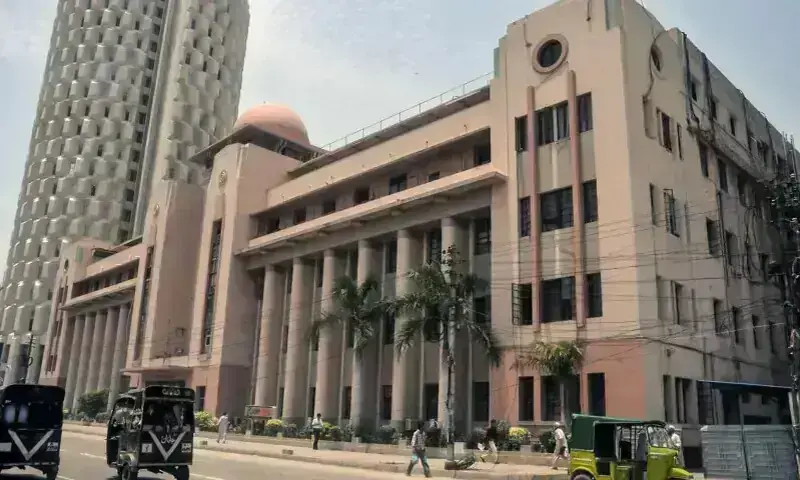
KARACHI: President Karachi Chamber of Commerce & Industry (KCCI), Muhammad Rehan Hanif, while expressing deep concern over the continued sealing and forceful occupation of the historic Cotton Exchange Building, stated that it has inflicted severe damage on Pakistan’s cotton trade, disrupted the operations of hundreds of businesses, and created an atmosphere of uncertainty that threatens the country’s export economy and investment climate. In a statement issued, Rehan Hanif stated that KCCI continues to receive overwhelming number of complaints from its member firms who have been directly affected by the abrupt closure of the Cotton Exchange Building. A total of 209 commercial offices, many of which have been operating continuously since the creation of Pakistan in 1947, have been rendered dysfunctional overnight. These offices comprise importers, exporters, cotton brokers, traders, commission agents, textile-related businesses and numerous enterprises associated with Pakistan’s cotton value chain. The sudden sealing has not only brought their commercial activities to a standstill but has also caused enormous financial losses, contractual complications, reputational damage and uncertainty regarding the future of their businesses. President KCCI observed that the Cotton Exchange Building wherein the Karachi Cotton Association (KCA), operated has historically remained the backbone of Pakistan’s organized cotton marketing system and has played an indispensable role in bringing together growers, ginners, textile manufacturers, exporters, brokers and other stakeholders under a transparent and internationally recognized trading framework. He pointed out that Pakistan now finds itself in an unprecedented and highly embarrassing position of becoming perhaps the only cotton-producing country in the world without a functioning cotton exchange. Such a situation, he remarked, sends an extremely disturbing message to international buyers, foreign investors and global trading partners regarding the institutional stability of Pakistan’s agricultural and export sectors. Rehan Hanif recalled that the Karachi Cotton Exchange had served as the country’s principal platform for organized cotton trading and transparent price discovery since 1934, even before Pakistan’s independence. Following the creation of Pakistan in 1947, it continued to play a pivotal role in the cotton economy until its operations came to a complete halt nearly a year ago. Although hedge trading was discontinued in 1976, the Exchange continued to perform the critical responsibility of announcing daily cotton spot rates that served as the benchmark for the entire cotton economy. These rates were relied upon by cotton growers, ginners, textile mills, exporters, financial institutions and policymakers throughout Pakistan. Approximately 320 registered cotton brokers remained actively associated with the Exchange until its abrupt closure. “The suspension of these vital market functions has disrupted price transparency, weakened market confidence and created unnecessary uncertainty within Pakistan’s cotton trading system at a time when the country desperately needs stronger institutions to revive agricultural exports and industrial growth”, he added. Rehan Hanif noted that historical records clearly indicate that the land upon which the Cotton Exchange Building stands was originally leased in 1883, while the Karachi Cotton Association formally acquired the property through a registered conveyance deed in 1936, with the lease subsequently renewed until 2081. These longstanding legal arrangements, he said, further reinforce the need for resolving the matter strictly through lawful procedures, judicial fairness and institutional transparency. Rehan Hanif also expressed concern over the reported non-compliance with the Sindh High Court’s order dated 18 June 2026, which had allowed the Karachi Cotton Association to continue its business activities from the Cotton Exchange Building until final adjudication of the matter. He urged the concerned authorities to ensure immediate implementation of the Court’s directions and uphold the rule of law. President KCCI also highlighted that the internationally acclaimed KCA HVI Laboratory, recognized for its excellence in cotton fiber testing and quality assessment, has also been adversely affected by the closure. The laboratory has earned international recognition for maintaining world-class testing standards and has significantly contributed towards enhancing the quality, credibility and competitiveness of Pakistani cotton in international markets. Any prolonged disruption of its operations could have far-reaching implications for Pakistan’s textile exports and quality assurance systems. Calling for immediate corrective measures, Rehan Hanif urged the Federal Government and all concerned authorities to intervene without delay to ensure the earliest possible restoration of possession of the Cotton Exchange Building to the KCA and its lawful occupants. He stressed that the matter should be resolved strictly in accordance with the Constitution and applicable laws, while ensuring complete protection of the legitimate rights and business interests of all affected stakeholders.

Audit Report Exposes Rs3.1 Trillion Unapproved Spending, Weak Financial Controls in Federal Govt
Business

Audit Report Exposes Rs3.1 Trillion Unapproved Spending, Weak Financial Controls in Federal Govt

The federal government’s financial management has come under intense scrutiny after audit reports for the audit year 2025-26, covering accounts for FY2024-25, revealed widespread budgetary irregularities, weak internal controls, unapproved spending worth trillions of rupees, and cases of embezzlement of public funds. The findings, highlighted in recent audit reports, raise serious questions about fiscal discipline, transparency, and compliance with constitutional requirements governing public expenditure. Rs3.1 Trillion in Supplementary Grants Remained Unapproved One of the most significant findings concerns supplementary grants obtained by the federal government during the fiscal year. According to the audit report, the government secured supplementary grants totaling Rs3.454 trillion. However, 92 percent of these grants, amounting to Rs3.177 trillion, were not approved by parliament. The Auditor General questioned whether the government complied with constitutional and parliamentary requirements that mandate legislative oversight of public spending. The report noted that such large-scale expenditure without parliamentary approval undermines accountability and weakens financial governance. Excess Spending on Loan Repayments The audit report also highlighted concerns regarding debt management and budget planning. According to the findings, supplementary grants worth Rs1.833 trillion were obtained for the repayment of loan principal without a proper assessment of actual requirements. This resulted in excess expenditure and raised concerns about the accuracy of financial forecasting. In addition, government spending exceeded the final grant authorized by parliament by Rs187 billion, further highlighting weaknesses in expenditure controls and budget management. Questions Raised Over Budget Planning Process Auditors also pointed to serious flaws in the budgeting process. Federal entities requested budget allocations totaling Rs3.809 trillion without conducting proper assessments of their actual financial requirements. The report stated that such practices cast doubt on the credibility and effectiveness of the government’s budget preparation process. Despite seeking massive financial allocations, 115 cost centers failed to utilize Rs87 billion that had been allocated to them. As a result, the funds lapsed at the end of the fiscal year. Furthermore, supplementary grants worth Rs41 billion also remained unused, raising additional concerns about planning inefficiencies and resource management. Constitutional Violations Identified The audit findings also highlighted several instances of non-compliance with constitutional provisions. According to the report, Rs7 billion was transferred from the Federal Consolidated Fund to the Public Account in violation of Article 78 of the Constitution. The Auditor General also noted that Rs24 billion in unclaimed deposits from dormant or dead accounts was not transferred to the government account as required. These irregularities have raised concerns about adherence to constitutional safeguards designed to ensure transparency and proper management of public finances. Weak Accounting and Financial Reporting Systems The report identified major shortcomings in accounting and financial reporting practices across federal institutions. Auditors found that debt and losses reports were not prepared in several cases. They also observed the absence of fixed asset registers and liabilities records in various government entities. In addition, missing General Provident Fund (GP Fund) subscriptions in individual GP Fund accounts were highlighted as another serious administrative deficiency. The Auditor General warned that incomplete financial records weaken transparency and make it difficult to accurately assess the government’s financial position. Lack of Internal Audit Mechanisms A major concern raised in the report relates to the absence of effective internal oversight mechanisms. According to the audit findings, most federal entities either do not have functioning internal audit units or have failed to appoint Chief Internal Auditors. The Auditor General concluded that the lack of internal audits contributed significantly to internal control failures, financial irregularities, and losses of public funds. Experts have long argued that strong internal audit systems serve as a first line of defense against fraud, waste, and financial mismanagement in public institutions. Cases of Embezzlement and Misappropriation Detected The audit report also uncovered cases involving alleged embezzlement and misuse of public money. Auditors identified two cases involving embezzlement, misappropriation of funds, and fictitious payments. In addition, the report highlighted 82 cases where recoveries were recommended due to financial irregularities. Another 78 cases reflected weak internal controls and deficiencies in governance practices. The findings suggest that financial oversight mechanisms remain inadequate in several government departments and agencies. Auditor General Calls for Investigations Expressing concern over the seriousness of the findings, the Auditor General recommended that cases involving significant embezzlement and financial misconduct be referred to relevant investigation agencies. The recommendation aims to ensure accountability and determine whether criminal action is warranted in cases involving misuse of public resources. Government officials have yet to publicly respond in detail to the latest audit observations. Debate Over Fiscal Discipline Expected The audit findings are expected to spark renewed debate in parliament and among policy experts regarding fiscal discipline, public sector accountability, and transparency in government spending. Financial experts argue that parliamentary oversight plays a critical role in ensuring that taxpayer funds are spent efficiently and according to approved budgets. The revelations are also likely to intensify calls for reforms in budget planning, internal auditing, financial reporting, and public sector governance to prevent similar irregularities in future fiscal years. As lawmakers review the findings, attention will focus on whether corrective measures are implemented and whether accountability actions are taken against those responsible for financial mismanagement.

Scroll to Top