Author name: Web Desk

Pakistani Fish Exports to Russia Approved, Opening New Market for Seafood Sector
Pakistan

Pakistani Fish Exports to Russia Approved, Opening New Market for Seafood Sector

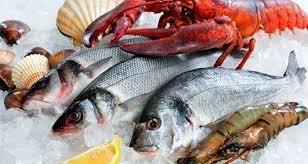
Pakistan has secured approval to begin Pakistani fish exports to Russia, opening a new international market for the country’s seafood sector. Federal Minister for Maritime Affairs Muhammad Junaid Anwar Chaudhry announced the development on Friday, calling it a milestone for Pakistan’s fisheries industry. Read More: https://theboardroompk.com/iranian-president-meets-field-marshal-asim-munir-in-tehran-for-key-security-talks/ This marks the first time Pakistani seafood exporters will gain direct access to the Russian market. Officials expect the move to strengthen trade ties and boost export revenues in the coming months. 16 Pakistani Companies Receive Approval The minister confirmed that 16 local companies have received clearance to export fish and seafood to Russia. Authorities granted approvals after ensuring compliance with international quality and safety standards. The Marine Fisheries Department continues to monitor the process. It ensures that all seafood exports meet strict hygiene, processing, and packaging requirements set by global markets. Officials said this progress reflects Pakistan’s improving regulatory framework. It also highlights the growing credibility of its seafood industry on the global stage. Access to Wider Eurasian Markets The development is expected to extend beyond Russia. The minister noted that entry into the Russian market could open pathways to the Eurasian Economic Union, which includes several emerging economies. These countries present strong demand for seafood imports. Limited domestic production and rising consumption have created opportunities for exporters like Pakistan. Officials believe this access will help Pakistan expand its presence in Central Asia and Eastern Europe. It will also diversify export destinations and reduce reliance on traditional markets. Export Revenue Likely to Increase Pakistan currently earns more than $500 million annually from seafood exports. However, officials expect a sharp increase following entry into the Russian market. The minister projected that exports could rise to $800 million in the near future. He added that exports to Russia alone may generate around $300 million in initial revenue. This growth will benefit multiple sectors. It will support fishermen, processing units, exporters, and logistics providers. It will also contribute to strengthening Pakistan’s foreign exchange reserves. Multiple Trade Routes to Support Exports Authorities plan to use sea, air, and land routes to transport seafood exports. This approach will help maintain product freshness and ensure timely delivery. The minister highlighted the importance of land connectivity with Central Asia. He said land routes provide a cost-effective trade corridor for exporters. Countries such as Kazakhstan, Uzbekistan, and Turkmenistan have shown strong demand for Pakistani fish. Improved logistics will allow exporters to meet this demand efficiently. Pakistani Ports Play Key Role Pakistan’s ports continue to support the expansion of seafood exports. Their strategic location connects South Asia with Central Asia and beyond. Officials stressed the need to improve port infrastructure further. Investments in cold storage, handling facilities, and faster clearance systems remain essential. The minister said ongoing upgrades will enhance export capacity. They will also reduce costs and improve efficiency in the supply chain. Competitive Advantage in Global Markets Pakistan’s warm-water fish species offer a natural advantage in international markets. These products are known for their quality, taste, and nutritional value. The minister expressed confidence that Pakistani seafood can compete globally. He emphasized the importance of maintaining international standards to sustain growth. Authorities are also working to modernize the fisheries sector. Efforts include improving processing facilities, upgrading storage systems, and strengthening quality control. Future of Fisheries Sector The approval for Pakistani fish exports to Russia signals a positive shift for the fisheries sector. It reflects Pakistan’s growing ability to meet global trade requirements. Industry experts expect increased investment and job creation as exports expand. The move may also encourage innovation and improve competitiveness. Officials plan to explore additional markets in the coming months. Continued focus on quality and infrastructure will remain key to long-term success.
Iranian President Meets Field Marshal Asim Munir in Tehran for Key Security Talks
Pakistan

Iranian President Meets Field Marshal Asim Munir in Tehran for Key Security Talks

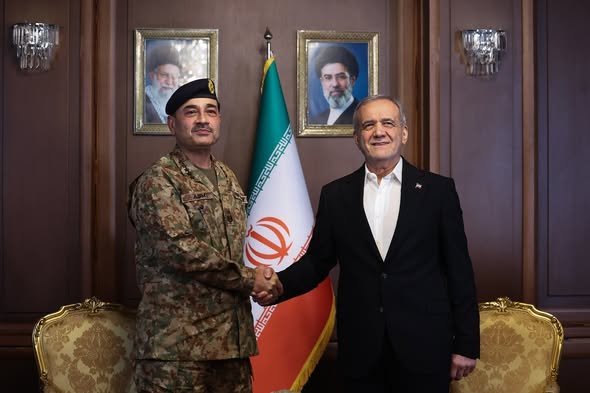
The Iranian President, Masoud Pezeshkian, held a high-level meeting with Pakistan’s Chief of Defence Forces, Asim Munir, in Tehran, marking a significant step in strengthening bilateral ties between the two neighboring countries. The meeting comes at a time when regional security and diplomatic coordination remain critical across the Middle East and South Asia. Read More: https://theboardroompk.com/pakistan-eu-business-forum-set-for-april-28-29-featuring-gsp-scheme-and-b2b-engagements/ Officials from both sides described the engagement as constructive and forward-looking. The Iranian government also shared images of the meeting on the social media platform X, underscoring the importance of the discussions. High-Level Delegations Participate in Talks Senior officials from both countries attended the meeting. Pakistan’s Interior Minister Mohsin Naqvi joined the delegation, reflecting Islamabad’s focus on internal and regional security cooperation. Iran’s Foreign Minister Abbas Araghchi also participated, signaling Tehran’s diplomatic commitment to strengthening ties with Pakistan. During the talks, both sides discussed a range of issues. These included border security, counterterrorism efforts, and regional stability. Officials emphasized the need for coordinated strategies to address shared challenges. The presence of top civilian and military leadership highlighted the seriousness of the engagement. Analysts believe such meetings can pave the way for improved intelligence sharing and stronger defense cooperation between the two nations. Visit to Khatam al-Anbiya Headquarters Earlier, Field Marshal Asim Munir visited the central Khatam al-Anbiya Headquarters in Tehran. The headquarters plays a key role in Iran’s military operations and strategic planning. Lieutenant General Abdollahi welcomed the Pakistani army chief upon arrival. The two military leaders held detailed discussions on matters of mutual interest. They focused on enhancing military coordination and ensuring stability along shared borders. The visit also included a briefing on Iran’s defense structure and operational capabilities. Officials said the exchange of views remained productive and aimed at building mutual trust. Engagement with Iranian Parliament Leadership As part of his official visit, Field Marshal Asim Munir also met Mohammad Bagher Ghalibaf, the Speaker of Iran’s Parliament and head of the negotiating team. During the meeting, Ghalibaf emphasized Iran’s desire for lasting peace in the region. He stated that the Islamic Republic seeks comprehensive and genuine stability not only for Iran but for neighboring countries as well. “I hope those who initiated conflict and now seek to end it will demonstrate sincerity through their actions,” Ghalibaf said during the discussions. He also pointed to challenges in achieving long-term peace. According to him, repeated breaches of commitments have hindered progress in regional diplomacy. His remarks reflected Iran’s cautious stance on ongoing geopolitical developments. Focus on Regional Peace and Stability The discussions between the Iranian president and Pakistani military leadership come amid evolving regional dynamics. Tensions in parts of the Middle East continue to influence security strategies across the region. Both countries share a long border and face similar security concerns. These include cross-border militancy, smuggling, and economic challenges. Strengthening coordination remains a priority for both governments. Officials stressed the importance of dialogue and cooperation. They agreed that sustainable peace requires consistent engagement and mutual understanding. The meeting also highlighted the role of diplomacy in addressing complex regional issues. Experts note that Pakistan and Iran have maintained a delicate but important relationship over the years. High-level visits such as this one often help reset priorities and build confidence between the two sides. Strategic Importance of the Visit The meeting between the Iranian president and Field Marshal Asim Munir holds strategic significance. It reflects both countries’ willingness to engage at the highest levels on critical issues. The visit also signals a broader effort to enhance bilateral cooperation. This includes not only defense ties but also political and economic engagement. Observers believe that continued dialogue can lead to improved coordination in regional forums. It may also help both countries respond more effectively to emerging challenges. As geopolitical uncertainties persist, such interactions become even more crucial. They provide a platform for aligning strategies and promoting stability in a volatile region. The Iranian president’s engagement with Pakistan’s top military leadership underscores a shared commitment to peace, security, and cooperation. Both sides appear keen to translate discussions into practical outcomes in the coming months.

Pakistan–EU Business Forum Set for April 28–29 Featuring GSP+ Scheme and B2B Engagements
Business

Pakistan–EU Business Forum Set for April 28–29 Featuring GSP+ Scheme and B2B Engagements

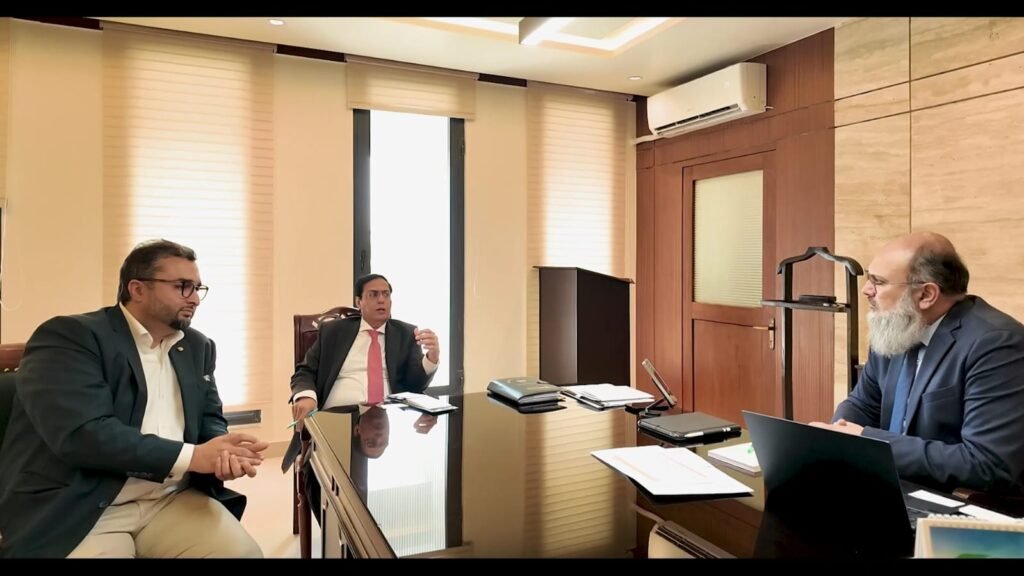
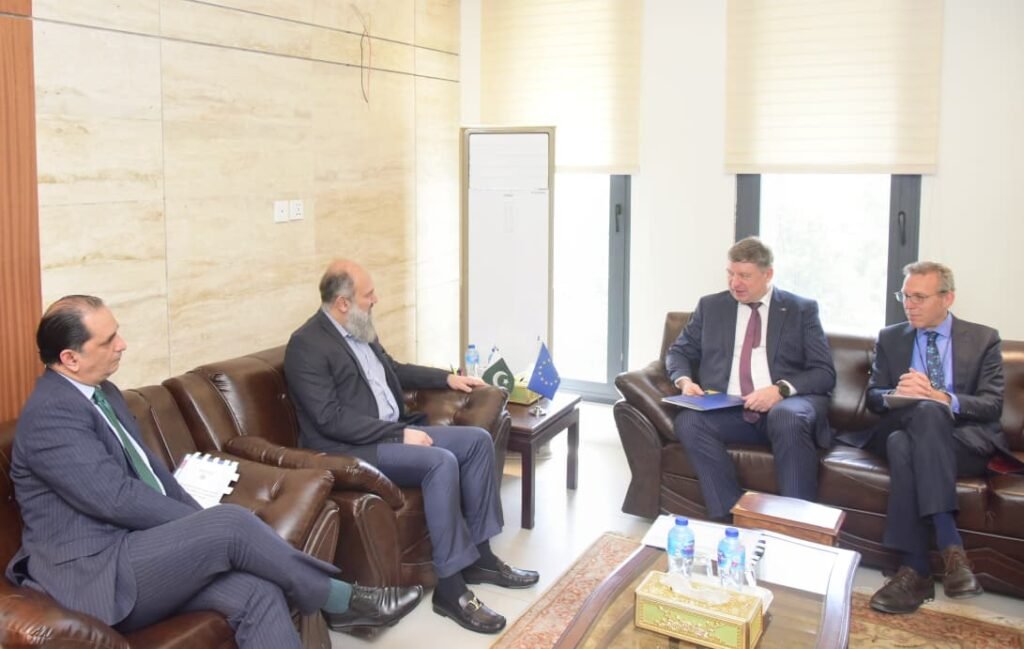
Islamabad, April 17, 2026: Federal Minister for Commerce Jam Kamal Khan held a detailed meeting with Raimundas Karoblis to discuss strengthening Pakistan–European Union economic relations, with a particular focus on the upcoming Pakistan–EU Business Forum—scheduled to be held on April 28–29, 2026, in Islamabad—and the continued importance of the GSP Plus scheme. Read More: https://theboardroompk.com/why-phevs-not-evs-are-winning-the-first-round-of-electrification-in-emerging-markets/ The meeting underscored that the Pakistan–EU Business Forum will serve as a major platform to deepen trade and investment cooperation. Both sides highlighted that the forum is expected to bring together a large number of participants, including government representatives, business leaders, and institutional stakeholders from Pakistan and across the European Union. It was noted that the event will feature extensive business-to-business (B2B) engagements, with hundreds of meetings planned between Pakistani and European companies. These interactions are aimed at fostering direct partnerships, facilitating investment flows, and identifying new avenues for collaboration across key sectors. The Minister emphasized that the forum comes at a critical time and presents an opportunity for Pakistan to project a strong, business-friendly image globally. He reiterated the government’s commitment to providing full support to ensure the success of the event, including facilitation for international participants and expanding B2B engagement opportunities where required. Both sides also discussed the possibility of making such engagements more regular, transforming the forum into a sustained platform for continuous dialogue between Pakistani and European businesses. The importance of maintaining momentum between forums through structured engagement mechanisms was also highlighted. A key area of discussion remained the European Union’s GSP+ scheme, which continues to play a vital role in supporting Pakistan’s exports to EU markets. European representatives acknowledged Pakistan’s progress and noted that the scheme has significantly contributed to enhancing export opportunities, particularly in sectors such as textiles. The Minister stressed that Pakistan remains committed to fulfilling all requirements under the GSP+ framework and views it as a cornerstone for strengthening bilateral trade. He highlighted that maintaining and optimizing the benefits of GSP+ is essential for sustaining export growth and improving competitiveness in international markets. Discussions also touched upon Pakistan’s ongoing tariff rationalization efforts, with the government working towards reducing duty structures to facilitate imports of raw materials and intermediate goods. European partners welcomed these measures, noting that efficient import policies are crucial for boosting export performance and strengthening industrial supply chains. The meeting further explored opportunities to enhance investor confidence by improving predictability, transparency, and policy consistency. European stakeholders emphasized the importance of a stable and conducive business environment to attract long-term investments. Additionally, the potential for broader regional collaboration was discussed, including the possibility of engaging Gulf-based partners in future initiatives to create trilateral investment opportunities involving Pakistan, the European Union, and the Gulf region. Both sides agreed that Pakistan offers significant potential for European businesses, with a growing market, strategic location, and expanding industrial base. They reaffirmed their commitment to strengthening institutional cooperation, enhancing private-sector linkages, and leveraging upcoming platforms to unlock new economic opportunities. The meeting concluded with a shared resolve to further deepen Pakistan–EU trade and investment relations, maximize the benefits of GSP+, and ensure that the upcoming Business Forum delivers tangible outcomes for businesses on both sides.

PHEVs Gain Ground Over EVs in Emerging Markets, Pakistan Sees Early Shift
Auto, Editor pick

PHEVs Gain Ground Over EVs in Emerging Markets, Pakistan Sees Early Shift

Karachi, April 16: As the global push toward electric vehicles (EVs) gathers pace, emerging markets are charting a different course, with plug-in hybrid electric vehicles (PHEVs) increasingly emerging as the more practical solution. The trend is becoming evident in Pakistan, where market dynamics, infrastructure gaps, and cost considerations are shaping consumer preferences. The shift comes amid China’s rise as the world’s largest car exporter, surpassing Japan and Germany, driven largely by its dominance in new energy vehicles, including EVs and hybrid models. While developed economies continue to move toward full electrification, countries like Pakistan face structural challenges that make immediate EV adoption less viable. Industry data shows that electrified vehicles now account for a growing share of China’s auto exports. However, in markets with limited charging infrastructure and inconsistent power supply, PHEVs are being positioned as a transitional technology bridging the gap between conventional internal combustion engines and fully electric mobility. Pakistan reflects this transition clearly. With fuel prices remaining high and volatile, consumers are increasingly prioritizing running costs over upfront vehicle prices. A conventional petrol vehicle with an average fuel efficiency of around 10 kilometers per litre results in significantly higher per-kilometer costs compared to hybrid and plug-in hybrid alternatives, particularly in urban driving conditions. At the same time, constraints around EV adoption persist. Charging infrastructure remains underdeveloped, while concerns over driving range and usability continue to influence purchasing decisions, especially outside major urban centers. These factors have created a favorable environment for PHEVs, with early market indicators suggesting growing traction. Recent activity points to strong consumer interest in plug-in hybrid offerings, particularly within the SUV segment. Chinese automaker Chery’s entry into Pakistan underscores this shift. Its Tiggo PHEV lineup including the Tiggo 7, Tiggo 8, and flagship Tiggo 9 has generated robust initial demand, with bookings and customer interest reportedly exceeding expectations, according to industry sources. The range caters to multiple consumer segments, from urban buyers seeking fuel efficiency to families and premium customers looking for a balance of performance, technology, and cost savings. Market analysts note that the appeal of PHEVs lies in their dual capability: the ability to operate in electric mode for daily commutes while retaining conventional fuel for longer journeys. This flexibility is particularly suited to Pakistan’s current infrastructure and usage patterns. Globally, PHEVs are increasingly viewed as a bridge technology, especially in regions where EV ecosystems are still evolving. China’s export strategy appears aligned with this approach, focusing on scalable hybrid solutions adaptable to diverse markets. For Pakistan, this suggests a gradual transition toward electrification. Rather than an immediate shift to fully electric vehicles, the country’s automotive evolution is likely to be driven by plug-in hybrids in the near to medium term, enabling steady adoption while addressing economic and infrastructure constraints. As the transition unfolds, analysts believe consumer behavior shaped by fuel economics and practicality may ultimately prove more decisive than policy measures in defining the future trajectory of mobility in Pakistan.

BingX Renews Chelsea FC Partnership Bolstering Leadership in Global Sports Strategy
Breaking News, Tech

BingX Renews Chelsea FC Partnership Bolstering Leadership in Global Sports Strategy

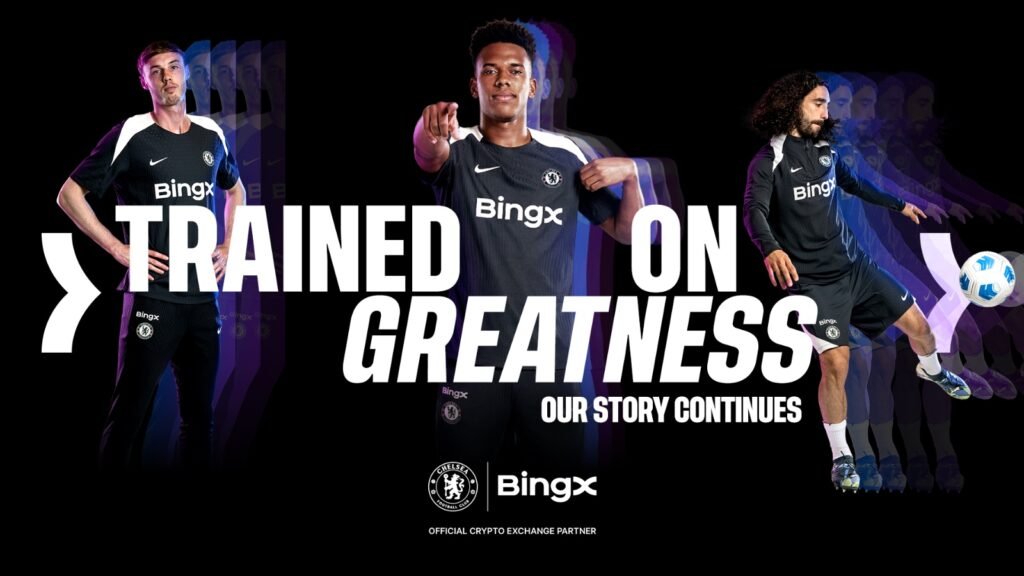
Pakistan, April 16, 2026 – BingX, a leading cryptocurrency exchange and Web3-AI company, today announced it will renew its partnership with Chelsea FC, reinforcing its long-term position as a global leader in sports partnerships. The partnership with Chelsea FC has paved the way for BingX’s immersion into sports, evidenced by the recently announced partnership with Scuderia Ferrari HP.  The extension with Chelsea demonstrates BingX’s strategy of aligning with world-class institutions, expanding its international presence, and connecting the rigorous discipline of elite teams with the performance of next-gen crypto trading. Read More:https://theboardroompk.com/sm-tanveer-urges-unity-investment-repatriation-to-boost-pakistans-economy-at-karachi-business-gathering/ Since the inception of the partnership, BingX and Chelsea FC have united under a shared philosophy symbolized by ‘Trained on Greatness’: discipline, precision, and continuous improvement. This period was marked by Chelsea FC becoming World Champions, with their historic victory in 2025, alongside high-impact activations such as the “Trained on Greatness” campaign and John Terry’s appearance with BingX at TOKEN2049 Singapore, reinforcing both performance and global engagement. The extended partnership follows successful 2.5 years of collaboration, which saw BingX evolve from its entry as Official Sleeve Partner to the deep integration of an Official Training Wear Partner. “By renewing our partnership with Chelsea FC, we are doubling down on our commitment to world-class sports partnerships,” said Pablo Monti, Spokesperson of BingX. “At the heart of this collaboration is a shared belief in the values that drive elite performance: discipline, preparation, and continuous improvement, aligning elite athletic performance and AI-powered crypto trading precision. Together with Chelsea FC, we are proud to join the club from daily preparation to brand storytelling, connecting our brands through visibility across training sessions, behind-the-scenes content, and global digital channels.” John Rogers, Chelsea FC’s Head of Partnerships, said: “We are proud to extend our partnership with BingX, and continue the strong work delivered with our Principal Partner and training kit partner already. From day one, they have shared our vision of embracing innovation while putting fans and their community at the heart of everything we do together. This extension reflects the strength of our relationship and our belief in the potential of the digital world to enhance the experiences of our global fanbase.” As the 2026/27 season unfolds, this partnership will remain grounded in a common mindset that values consistency, innovation, and long-term growth, with both BingX and Chelsea FC united in their ambition to uphold the highest standards both on the training ground and in the crypto trading space.

SM Tanveer Urges Unity, Investment Repatriation to Boost Pakistan’s Economy at Karachi Business Gathering
Business

SM Tanveer Urges Unity, Investment Repatriation to Boost Pakistan’s Economy at Karachi Business Gathering

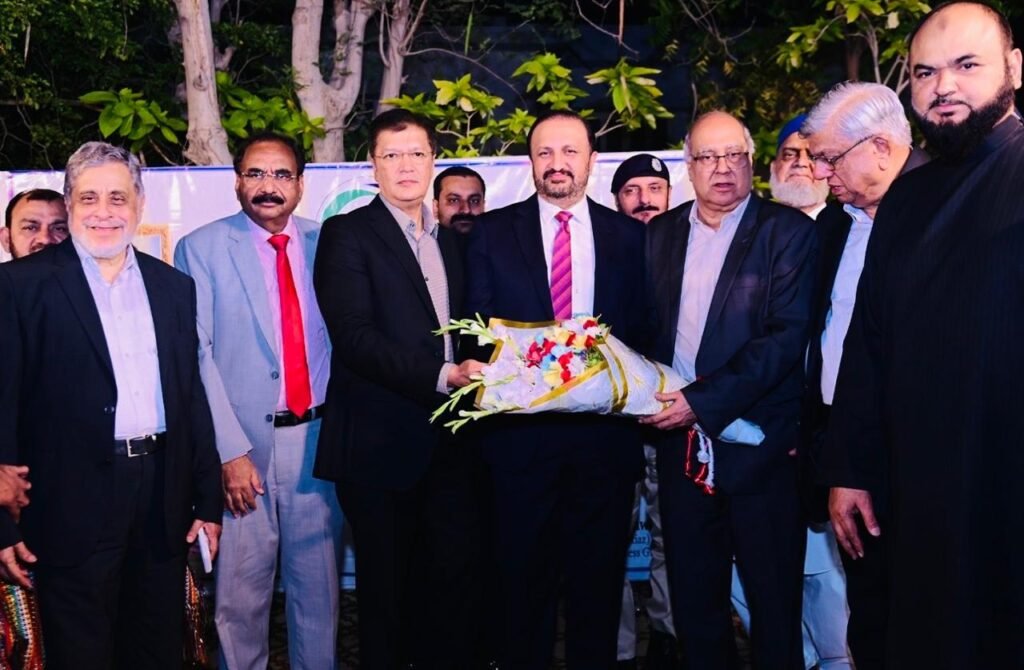
Traders and Industrialists Should Repatriate Capital to Improve the National Economy, SM Tanveer Crime Being Controlled Through Modern Policing and Reforms, IG Sindh Javed Alam Odho Business Community Must Be Given a Central Role in Economic Improvement, KATI President Muhammad Ikram Rajput Reduction in Gas and Electricity Tariffs Can Boost Business Activity and Revive the Industrial Sector, Khalid Tawab and Arif Habib KARACHI: Patron-in-Chief of United Buisness Group (UBG) and Korangi Association of Trade and Industry (KATI) S. M. Tanveer stressed the need for coordinated efforts to strengthen Pakistan’s economy, improve the investment climate and restore confidence in the business sector. Read More: https://theboardroompk.com/nbp-appoints-cricket-legend-shahid-afridi-as-sports-consultant/ Speaking at a dinner hosted by prominent industrialist and Chairman of United Business Group Sindh, Khalid Tawab, in honour of Inspector General of Police Sindh Javed Alam Odho and KATI leadership led by President Muhammad Ikram Rajput. SM Tanveer, said the government is fully aware of the tax-related and other problems confronting traders and industrialists and is working to facilitate them. He added that several positive measures are expected in the upcoming budget, which would likely benefit the business community. The event was attended by FPCCI President Atif Ikram Sheikh, UBG President Zubair Tufail, Mian Zahid Hussain, Senator Abdul Haseeb Khan, businessman Arif Habib, Abdul Sammi Khan, Deputy Commissioner Korangi Masood Bhutto, KATI Vice President Syed Talha Ali, Former chairmen KATI Farhan-ur-Rehman, Ehtishamuddin, Zahid saeed, Syed Farukh Mazhar, Rashid Ahmed Siddiqui, Junaid Naqi, Add. DG-FIA Mujahid Akber, DIG Traffic Pir Muhammad Shah, DIG Asim Kaimkhani, Ameen Farooqi, Olympian Islahuddin, Farhan Hanif, Hyderabad Chamber representative Iqbal Hussain Baig, Hamza Tabani, Najmuddin and a large number of traders and industrialists. SM Tanveer said he has been touring the country under the federation’s platform to help formulate a practical strategy for improving the economy. He stated that Pakistan is in safe hands and that everyone must play their part in the country’s progress. “The country today needs unity and solidarity,” he said, adding that just as national cohesion was visible in Iran, Pakistan too needs a similar spirit of collective commitment to achieve economic recovery and prosperity. He urged traders and industrialists to bring their capital back to Pakistan, saying that while their businesses operate in the country and their children study here, they often transfer their wealth abroad, which harms the national economy. “If we truly love our country, we should bring our money back to Pakistan,” he remarked. He said the government is soon introducing economic policies that will encourage business activity and create a more conducive environment for investment. Addressing the gathering, IG Sindh Javed Alam Odho paid rich tribute to the late SM Muneer, calling him his benefactor and saying he would always remember him. He noted that policing systems around the world are changing, and Sindh Police is also undergoing reforms to modernize its operations. He said the use of drone surveillance in the katcha areas has led to significant improvements in law and order. According to him, several dacoits from the katcha areas have surrendered to the authorities, which he credited to an effective police strategy.Odho said the police force faces challenges due to the low educational level of many personnel, making it difficult to match the performance standards of developed countries. He added that better results could be achieved by improving the balance between officers and constables. Referring to his previous posting in Dadu, he said kidnapping incidents were once common there, but through different strategies the police managed to control crime and restore peace. He added that the force is now focusing on Safe City projects, digitization, technology integration and traffic reforms. He said the absence of criminal incidents on the Motorway and Indus Highway during Eid was evidence of the effective use of modern technology. KATI President Muhammad Ikram Rajput said Pakistan is gaining importance at the global level, with major international decisions now increasingly appearing to be made in Islamabad. He said this has also enhanced the value of the Pakistani passport.Rajput praised the efforts of Sindh Police under Javed Alam Odho for eliminating dacoits from the katcha areas, saying the improvement in law and order is commendable. He added that the business community should be given greater opportunities to play an active role in the national economy, as the private sector is vital for economic growth. He described SM Tanveer as a capable and experienced leader who, if given a higher platform, could help make Pakistan an economic “Asian Tiger.” Rajput said it had long been his wish to see himself as KATI president and Javed Alam Odho as IG Sindh, adding that both wishes have now been fulfilled.Prominent businessman Arif Habib said Pakistan’s economy is currently facing challenges, but improvement in the government’s financial account is a positive sign. He added that if gas and electricity tariffs are reduced, business activity could improve significantly and the industrial sector could become active again. He said the business community stands shoulder to shoulder with the government in efforts to stabilize the economy and is ready to extend every possible form of support.Earlier, Khalid Tawab said Pakistan is moving toward development and that several proposals for improving the economy were presented during a meeting with Interior Minister Mohsin Naqvi at the Federation House, with positive outcomes expected if they are implemented. Tawab said Pakistan’s external debt burden is not beyond management and that with sincere collective effort, dependence on institutions such as the IMF can be reduced. He also highlighted the traffic problems faced by citizens in Karachi during PSL matches due to restricted routes for team movement, urging the relevant authorities to devise a better strategy that keeps public convenience in mind.The event concluded with business leaders reaffirming their support for reforms aimed at economic stability, improved law and order and a stronger partnership between the state and the private sector.

Formalization Key to Boost Exports, Tax Revenue and Manufacturing Quality: Jam Kamal Khan
Pakistan

Formalization Key to Boost Exports, Tax Revenue and Manufacturing Quality: Jam Kamal Khan

Islamabad, April 16, 2026: Federal Minister for Commerce Jam Kamal Khan said that Pakistan’s exports will remain constrained unless the country’s large informal sector is brought into the formal economy, stressing that formalization would not only enhance export growth but also increase tax revenues and improve the overall quality of manufacturing. Read More: https://theboardroompk.com/nbp-appoints-cricket-legend-shahid-afridi-as-sports-consultant/ He expressed these views during a meeting with Mohammad Haris Agar, Director of Agar International (Pvt) Limited, where both sides discussed key challenges in Pakistan’s taxation system, trade structure, and economic documentation. During the discussion, it was highlighted that despite Pakistan’s large economic base, revenue generation—estimated around Rs15 trillion—remains limited due to a narrow tax net and weak enforcement. Large segments of the economy, including agriculture, retail, and small businesses, continue to operate outside the formal system, placing an excessive burden on compliant and registered sectors. The Minister emphasized that the current imbalance discourages growth, as documented businesses bear higher tax and compliance costs, while undocumented players remain outside the regulatory framework. He noted that unless incentives and reforms are introduced to encourage voluntary compliance, the transition toward a documented economy would remain slow. During the meeting disparities in the taxation structure between commercial importers and industrial sectors, where both are often treated similarly despite fundamental operational differences. It was observed that the existing reliance on upfront taxation and limited traceability mechanisms creates inefficiencies and fails to accurately capture value addition across the supply chain. Mr. Haris Agar underlined that while policies exist to differentiate between sectors, ground realities often reflect a dominance of commercial activity with minimal industrial value addition in certain segments, pointing to gaps between policy intent and implementation. Both sides agreed that a shift toward goods-based taxation, improved documentation, and supply chain traceability is essential. The Minister reiterated that bringing SMEs and informal businesses into the formal economy through facilitation, incentives, and gradual reforms is critical for sustainable growth. He concluded that a more inclusive and transparent economic framework would not only broaden the tax base but also strengthen Pakistan’s export competitiveness and industrial development in the long term.

NBP Appoints Cricket Legend Shahid Afridi as Sports Consultant
Pakistan

NBP Appoints Cricket Legend Shahid Afridi as Sports Consultant

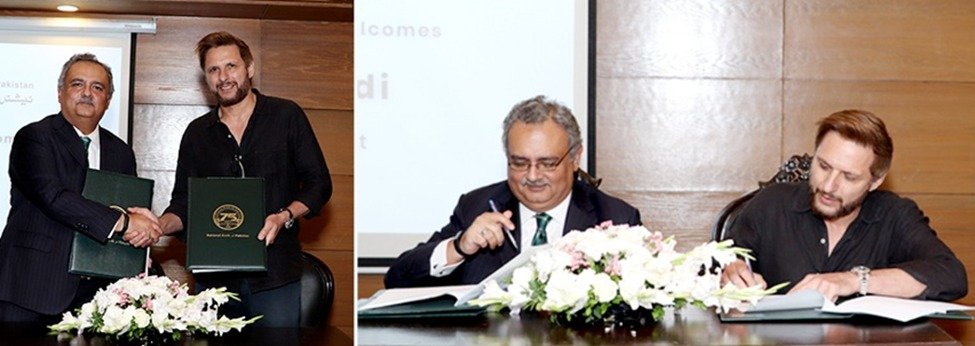
Karachi 16th April 2026: National Bank of Pakistan has formally announced that legendary cricketer Shahid Afridi has joined NBP as a Sports Consultant. The appointment marks a significant step in strengthening the Bank’s long-standing commitment to the development of sports in Pakistan. Read More: https://theboardroompk.com/400-acre-small-industrial-estate-to-be-developed-at-port-qasim-with-ready-infrastructure/ Renowned for his remarkable achievements, Shahid Afridi held the record for the fastest One Day International (ODI) century for 17 years, a testament to his exceptional talent and impact on the game.On the occasion, Mr. Rehmat Ali Hasnie, President of NBP, along with senior executives, warmly welcomed Shahid Afridi to the organization. In his remarks, Mr. Rehmat Ali Hasnie said, “We are honored to have Shahid Afridi join NBP Sports. His unparalleled experience, leadership, and passion for the game will greatly contribute to our mission of promoting sports excellence and developing talent at both grassroots and professional levels.” Addressing a ceremony held at the NBP Head Office, Shahid Afridi stated that he has joined NBP Sports with the aim of elevating its sports programs to the highest level. He acknowledged the pivotal role played by NBP in promoting sports across the country and highlighted its legacy of producing renowned athletes. He further expressed his commitment to nurturing emerging talent and helping develop future sports stars through NBP’s platform. The addition of Shahid Afridi reinforces NBP’s vision of advancing sports in Pakistan and empowering the next generation of athletes.

Mobilink Bank ranks among Top 10 organizations at GDEIB Awards 2026, recognized across all 15 categories
Pakistan

Mobilink Bank ranks among Top 10 organizations at GDEIB Awards 2026, recognized across all 15 categories

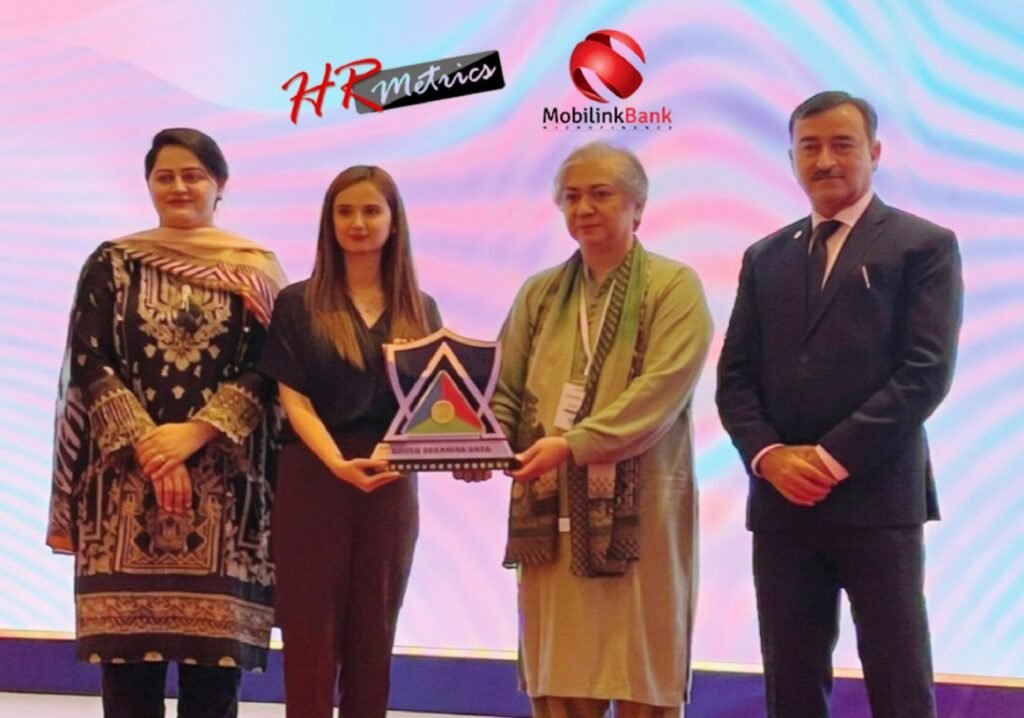
Karachi – April 16, 2026: Pakistan’s leading digital microfinance bank, Mobilink Bank, has been named among the ‘Top 10 Inclusive Companies of the Year’ at the prestigious Global Diversity, Equity, and Inclusion Benchmarks (GDEIB) Awards 2026. The Bank secured recognition across all 15 award categories, reflecting its deep-rooted commitment to global DEI best practices and its continued efforts to drive inclusive growth in Pakistan. Read More: https://theboardroompk.com/400-acre-small-industrial-estate-to-be-developed-at-port-qasim-with-ready-infrastructure/ Mobilink Bank has embedded DEI across its organizational and leadership structures, earning recognition at the highest “Best Practice” level in multiple GDEIB categories, including leadership accountability, recruitment, advancement and retention, learning and development, and sustainability. The Bank also ranks among the top organizations in Pakistan based on its overall GDEIB scoring, further strengthening its position as a national benchmark for inclusive excellence. Mobilink Bank’s progress is further reflected in its leadership composition, where women represent 38% of the Executive Leadership Team (ELT) and 30% of the Future Leadership Team (FLT), demonstrating a sustained commitment to gender-balanced leadership and inclusive decision-making.Haaris Mahmood Chaudhary, President & CEO Mobilink Bank said, “Diversity and inclusion are central to how we grow and lead. We’ve moved from diversity as representation to inclusion as a real outcome. This recognition reinforces the impact we’re creating and our commitment to building a progressive, future-forward organization.” Aleena Tanvir, Chief People Officer, Mobilink Bank, stated: “At Mobilink Bank, DEI is embedded across the entire employee lifecycle, from how we hire and develop talent to how we lead and make decisions. Our focus is on creating equitable opportunities while fostering a culture where every individual feels valued, heard, and empowered to perform at their best. This recognition is a testament to the collective commitment of our people, who bring our core values to life every day.” This landmark achievement is driven by the Bank’s sustained investment in building an inclusive and equitable workplace. Mobilink Bank continues to advance key initiatives such as the Women Inspirational Network (WIN) – fostering gender diversity and leadership development; Humqadam – enabling an accessible and inclusive workforce for Persons with Disabilities; MobiCare – an Employee Assistance Program supporting holistic employee well-being; and MobilinkHER – a returnship program empowering women re-entering the workforce after career breaks. These initiatives collectively reinforce the Bank’s commitment to creating meaningful opportunities for all segments of society. The GDEIB Awards, conducted by HR Metrics, recognize organizations that embed diversity, equity, and inclusion as a strategic driver of innovation, stakeholder trust, and sustainable growth. Mobilink Bank’s continued success highlights its role in shaping a more inclusive, resilient, and future-ready financial ecosystem in Pakistan.

Scroll to Top