Author name: Web Desk

Inflation and Unemployment Drag Pakistan Consumer Confidence to 15-Month Low
Pakistan

Inflation and Unemployment Drag Pakistan Consumer Confidence to 15-Month Low

Dun & Bradstreet Pakistan and Gallup Pakistan have released the 19th edition of the Consumer Confidence Index (CCI) for the first quarter of FY2025-26, revealing a notable dip in sentiment. The index fell to 86.4, down from 96.2 in the previous quarter—a 10.2% decline. Despite this drop, confidence remains 18.5% higher year-on-year, signaling improvement compared to the same period last year.The CCI tracks consumer perceptions of the economy and personal finances across four parameters: household financial situation, national economic conditions, unemployment, and savings. Both current sentiment and future outlook weakened this quarter. Current confidence plunged to 74.7 from 88, while future confidence eased to 98.2 from 104.3, reflecting cautious optimism.Inflation remains the top concern, with 84% of respondents reporting price hikes for essential goods. Unemployment also persists as a major challenge, with a net indicator of 56.5, highlighting widespread labour market strain. Perceptions of Pakistan’s economic situation dropped from 100.8 to 92.5, and fewer respondents expect improvement in the next six months. Encouragingly, optimism about household finances endures as 62% expect stability or improvement in the coming months. Commenting on the findings, Bilal I. Gilani, Executive Director at Gallup Pakistan, said: “This quarter’s drop in consumer confidence reflects inflation and weak job sentiment. People are less upbeat about the present, but they still expect the future to be better. This tells us that stability has helped, but it can only take confidence so far. Without real economic growth, consumer sentiment will not rise much further. In short — people are waiting for jobs and income to grow before they fully believe in a recovery” Zubair Qureshi, Chief Business Officer at Dun & Bradstreet Pakistan, added: “The Consumer Confidence Index is a critical barometer for understanding market sentiment. While short-term challenges persist this quarter, the resilience in household financial expectations signals that businesses have an opportunity to align strategies with evolving consumer priorities.”Confidence fell across all demographics, with urban respondents down 24%, rural down 21%. The steepest decline was witnessed among ages 30–49 (-27%). The survey was conducted telephonically among 2,132 respondents between September and October 2025.
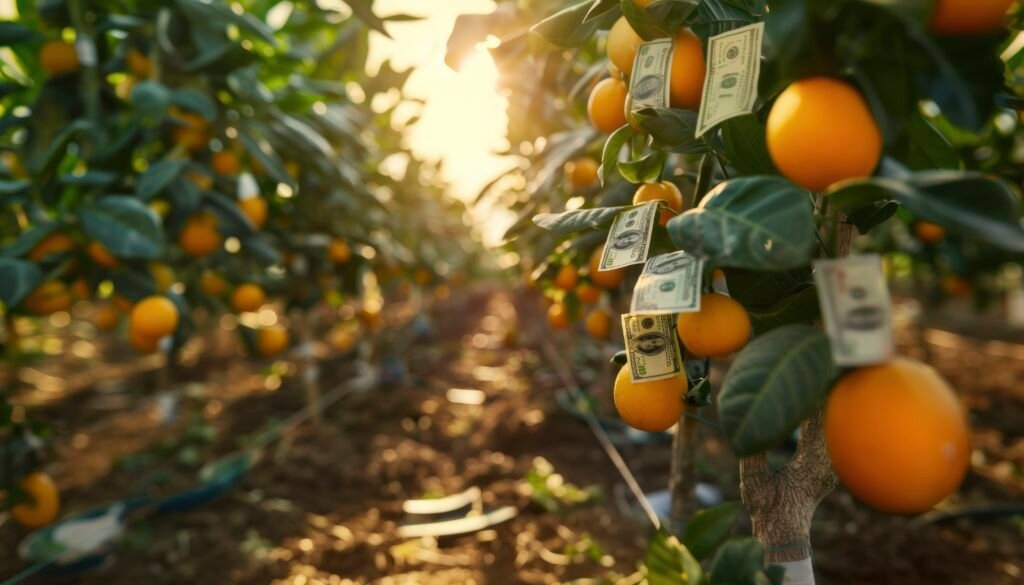
3 Lakh Tons Kinnow Export Target Set for Current Season as Climate-Smart Agriculture Becomes Essential
Uncategorized

3 Lakh Tons Kinnow Export Target Set for Current Season as Climate-Smart Agriculture Becomes Essential

Karachi 09 December 2025: Exports of kinnow from Pakistan have begun for the current season, with 6,000 tons shipped so far—since December 1—to the Middle East, Sri Lanka, and the Philippines. The All Pakistan Fruit and Vegetable Exporters, Importers and Merchants Association has set an export target of 300,000 tons for this season, which is expected to generate 110 million dollars in foreign exchange. Last season, Pakistan exported 250,000 tons of kinnow, earning 95 million dollars. According to the Association’s Patron-in-Chief, Waheed Ahmed, this season has seen a bumper crop, with total production expected to reach 2.7 million tons compared to 1.7 million tons last season. Despite the increase in production, Pakistan’s kinnow exports are still 50 percent lower than the 550,000 tons exported five years ago. He said the main reason for this decline is the lack of research and development in kinnow cultivation and reliance on old varieties that cannot withstand environmental challenges, rather than introducing new ones. Waheed Ahmed said the PFVA has presented short-, medium-, and long-term plans to the government to boost kinnow exports. If implemented, Pakistan can introduce new varieties and increase kinnow exports to 400 million dollars within the next five years. He added that Pakistan will need to acquire new varieties from Egypt, the United States, Morocco, and China for local cultivation. At the same time, preference must be given to low-water-consuming varieties such as lemon, grapefruit, orange, and mandarin, which have strong demand in international markets. According to him, the suspension of trade with Afghanistan has created difficulties in exporting kinnow via land routes to Central Asian states and Russia. The alternative route through Iran is long and costly; freight rates through Iran have already increased by up to 100 percent at the start of the season, alongside additional logistics challenges. Waheed Ahmed also emphasized the need for a national-level strategy to enhance kinnow exports, strengthen research and development, and promote modern irrigation methods in view of the growing water shortage.

Pakistan Receives $3.19 Billion in Workers’ Remittances in November 2025, 9.4% YoY Growth Despite Monthly Dip
Uncategorized

Pakistan Receives $3.19 Billion in Workers’ Remittances in November 2025, 9.4% YoY Growth Despite Monthly Dip

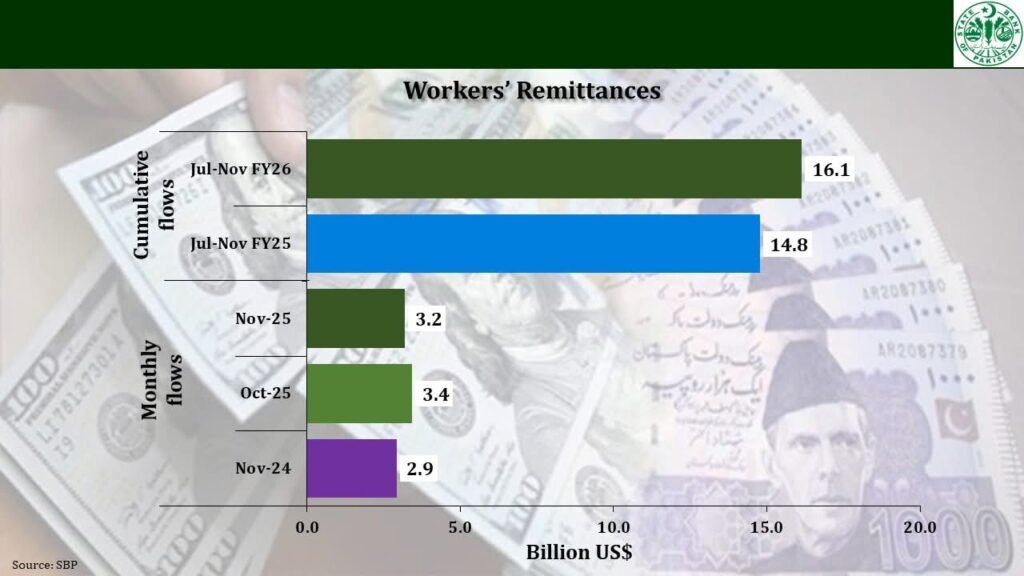
Pakistan recorded $3.19 billion in workers’ remittances during November 2025, according to the latest data released by the State Bank of Pakistan (SBP). While the figure reflects a 6.75% month-on-month decline from October’s inflow of $3.42 billion, the trend remains positive on a yearly basis. Compared to November 2024, when remittances stood at $2.92 billion, Pakistan witnessed a strong 9.4% year-on-year (YoY) growth, signaling sustained support from overseas Pakistanis despite global economic uncertainties. Remittances Hit $16.15 Billion in First Five Months of FY26: During July–November FY26, workers’ remittances reached $16.15 billion, up from $14.77 billion in the same period last year, marking a 9.33% YoY increase. This continued rise highlights the crucial role of expatriate Pakistanis in supporting the country’s external sector and stabilizing foreign exchange reserves. Saudi Arabia and UAE Lead Remittance Inflows in November 2025: Saudi Arabia Remains Top Contributor: Saudi Arabia maintained its position as the largest remittance source, sending $753.0 million in November 2025. MoM change: ▼ 10.11%YoY change: ▲ 3.26% Despite the monthly decline, remittances from the KSA showed healthy annual growth, reaffirming the significant Pakistani workforce presence across the Gulf region. UAE Ranks Second With $675 Million: The United Arab Emirates emerged as the second-largest corridor, contributing $675.0 million: MoM change: ▼ 4.01%YoY change: ▲ 8.98% Within the UAE, Dubai alone accounted for $567.0 million, reflecting its role as a major financial and employment hub for overseas Pakistanis. UK Inflows Surge, While US Remittances Decline: United Kingdom Shows Strong Growth: Workers’ remittances from the UK reached $481.1 million, delivering a significant 17.38% YoY increase. MoM change: ▼ 3.54% The UK remains one of Pakistan’s most stable and high-growth remittance partners, supported by a large, well-established diaspora. United States Records a Decline: Inflows from the United States dropped to $277.1 million: MoM change: ▼ 8.07%YoY change: ▼ 3.86% The decline reflects broader global economic pressures and evolving employment trends impacting overseas workers. EU Remittances Lead With Highest YoY Growth: Remittances from the European Union showed the strongest performance among major corridors, rising 28.81% YoY to $416.6 million. Key contributors included: Italy: $122.9 millionSpain: $72.4 million The growth highlights increasing labor mobility and strengthening economic ties between Pakistan and the EU region. Other GCC Countries See a Decline: Other GCC nations (excluding Saudi Arabia and UAE) sent $298.8 million in November 2025: MoM change: ▼ 13.61%YoY change: ▼ 1.38% The decline reflects softer employment demand and shifting workforce trends in several Gulf markets. Outlook: Remittances Continue to Support Pakistan’s External Accounts: Despite monthly fluctuations, Pakistan’s remittance inflows show strong annual growth, providing a vital buffer for the country’s economy amid ongoing fiscal and external challenges. With over $16.15 billion received in just five months, FY26 is shaping up to be a promising year for foreign inflows driven by overseas Pakistanis.

IMF Approves $1.3 Billion Tranche for Pakistan
Pakistan

IMF Approves $1.3 Billion Tranche for Pakistan

Islamabad/Washington: The International Monetary Fund (IMF) Executive Board has formally approved the release of approximately $1.3 billion for Pakistan under its ongoing $7 billion Extended Fund Facility (EFF) and Resilience and Sustainability Facility (RSF) programs.This marks the third tranche disbursed to Pakistan since the 37-month EFF was signed in September 2024, bringing total disbursements to $3.3 billion.The approval follows the successful completion of the second review, during which Pakistan met all quantitative performance criteria and structural benchmarks well ahead of schedule.Key milestones highlighted by the IMF and Ministry of Finance: First current account surplus in 14 yearsInflation brought under firm control through disciplined fiscal and monetary policySignificant build-up in foreign exchange reserves, restoring investor confidenceCompletion of the Governance and Anti-Corruption Diagnostic ReportContinued energy sector reforms aimed at reducing circular debt and improving efficiencyIntegration of climate-resilient policies in the aftermath of the 2022 floods Previous tranches under the program: September 2024 → $1.0 billion (first tranche)May 2025 → $1.0 billion (second tranche)December 2025 → ~$1.3 billion (third tranche – approved today) Finance Ministry officials termed the swift approval a “strong endorsement” of the government’s reform agenda and its commitment to transparency and structural changes.With reserves bolstered and macroeconomic stability restored, the government has pledged to stay the course on energy pricing, tax reforms, and climate-related initiatives to ensure long-term sustainable growth.The next IMF review is tentatively scheduled for early 2026.

Apple and Google Issues Warnings of Passwords Breach Warnings around World Including Pakistan
World

Apple and Google Issues Warnings of Passwords Breach Warnings around World Including Pakistan

In a coordinated push to safeguard users from shadowy digital predators, Apple and Google have dispatched a fresh wave of cyber threat notifications to millions worldwide this week including Pakistanis. The alerts, targeting individuals potentially in the crosshairs of state-sponsored hackers, underscore the escalating battle against sophisticated surveillance operations. Apple (AAPL.O) and Alphabet’s (GOOGL.O) Google, tech behemoths at the forefront of digital security, revealed the initiative as part of their ongoing commitment to user protection. “We believe you may be a target of a mercenary spyware attack,” reads a typical Apple message, urging iPhone and iPad owners to enable Lockdown Mode for enhanced defenses. Google’s parallel warnings focus on Android users, flagging risks from “government-backed actors” exploiting zero-day vulnerabilities. This latest round extends to users in Pakistan and beyond, highlighting the borderless nature of cyber espionage. Experts attribute the surge to geopolitical tensions, with nation-states like those in the Middle East and Asia deploying Pegasus-like tools to monitor journalists, activists, and dissidents. “These notifications aren’t just alerts—they’re lifelines,” said cybersecurity analyst Dr. Lena Torres. While Apple and Google withhold specifics to avoid tipping off attackers, the move has prompted calls for stronger international regulations. As threats evolve, users are advised to update devices promptly and scrutinize suspicious links. In an era of invisible wars, Big Tech’s proactive stance offers a rare beacon of transparency.

Low-Cost, Battle-Tested: Pakistani Defence Firms Win Big Interest at Egypt’s EDEX
World

Low-Cost, Battle-Tested: Pakistani Defence Firms Win Big Interest at Egypt’s EDEX

CAIRO: Pakistan emerged as one of the standout exhibitors at Egypt’s EDEX 2025, the region’s premier defence expo, showcasing a new generation of low-cost, battle-proven drone and counter-drone systems that drew heavy footfall from African and Middle Eastern delegations. At the Pakistan Pavilion, state-owned Global Industrial & Defence Solutions (GIDS) and private firms prominently displayed the Shahpar-II MALE UAV, Burraq armed drone, and the newly unveiled loitering munitions lineup. Most attention, however, centred on Pakistan’s electromagnetic rifle systems and AI-enabled counter-drone jammers, technologies proven effective against Houthi and TTP drone attacks along Pakistan’s western borders. Global Industrial & Defence Solutions (GIDS) also signed a landmark Memorandum of Understanding with Egypt’s Arab Organization for Industrialization (AOI) on the sidelines of EDEX 2025.The agreement aims to enhance defence-industrial cooperation, expand technology exchange, and explore joint development opportunities across advanced systems.This partnership marks a significant step in strengthening Pakistan–Egypt defence ties and boosting regional collaboration in high-tech capabilities. Senior Pakistani officials told reporters that “multiple African states” – including delegations from Kenya, Rwanda, Zimbabwe and Sudan – held closed-door talks for potential licensed production and direct procurement of Pakistani kamikaze drones and electronic warfare suites. Industry sources said Pakistan is positioning itself as the budget-friendly alternative to Chinese and Turkish systems, offering full technology transfer and prices 30-40% lower.With Egypt pushing to become a regional defence manufacturing hub, Pakistani exhibitors also explored co-production opportunities under Cairo’s offset policy.

Europe's top automaker Volkswagen to Invest $186 Billion Through 2030 as it Faces Crises in China and the United States
Pakistan

Europe’s top automaker Volkswagen to Invest $186 Billion Through 2030 as it Faces Crises in China and the United States

WOLFSBURG, Germany – Volkswagen Group will invest €160 billion ($186 billion) through 2030, CEO Oliver Blume announced on Monday, confirming a significant cutback as Europe’s largest carmaker grapples with deepening crises in its two biggest markets, China and the United States. The new five-year rolling plan (2026–2030) marks a €5 billion reduction from the previous €165 billion framework (2025–2029) and is €20 billion lower than the €180 billion plan set for 2024–2028, when spending had peaked. Blume described the move as “disciplined capital allocation” amid weak demand for electric vehicles in Europe, intensifying price wars with Chinese rivals, and looming U.S. tariffs under the incoming Trump administration. Approximately two-thirds of the €160 billion will flow into electrification and digitalization, while the remainder will support combustion-engine platforms, particularly in growth regions such as South America and India. The announcement comes just days after Volkswagen shocked Germany by threatening to close domestic plants for the first time in its 87-year history and amid stalled wage talks with labour unions. Analysts view the trimmed capex as evidence that Europe’s auto giant is entering a prolonged cost-cutting era to defend profitability.

Africa’s Social Enterprises Quietly Powering the Continent’s Growth, New Report Reveals $96 Billion Economic Engine
World

Africa’s Social Enterprises Quietly Powering the Continent’s Growth, New Report Reveals $96 Billion Economic Engine

When global analysts discuss Africa’s economic future, the narrative often revolves around mega-infrastructure, mineral wealth, or rapid mobile-tech adoption. But a new force is steadily transforming the continent’s economic landscape, social enterprises. These mission-driven businesses are bridging gaps where traditional markets and governments fall short. From delivering essential services and creating dignified jobs to building climate resilience, social enterprises are emerging as a core pillar of Africa’s inclusive growth story. And now, for the first time, Africa has a clear roadmap to scale this impact. A Turning Point: Africa’s First 10-Year Strategy for Social and Solidarity Economy: In early 2025, African Union Heads of State adopted the continent’s first-ever 10-Year Strategy on the Social and Solidarity Economy (SSE). This landmark framework recognizes social enterprises, cooperatives, and community-based organizations as central to building resilient, people-centered economies. This comes at a crucial moment: • Global aid is declining• The youth population is surging• Climate shocks are intensifying Africa needs new economic actors and the social enterprise sector is stepping up. The Most Comprehensive Snapshot Yet: New Report Maps 2.18 Million Social Enterprises: A new flagship study, The State of Social Enterprise: Unlocking Inclusive Growth, Jobs and Development in Africa, provides the clearest view yet of Africa’s social enterprise ecosystem. Developed by the Schwab Foundation for Social Entrepreneurship, World Economic Forum, African Union Commission, Africa Forward, Motsepe Foundation, SAP, and Genesis Analytics, the report surveyed 1,980 enterprises across five major economies: Cameroon, Ethiopia, Ghana, Kenya, and South Africa. Key Findings (SEO-rich, highly shareable data): • 2.18 million social enterprises operate across Africa• They generate $96 billion in annual revdata, 3.2% of Africa’s GDP• They support 12 million jobs• 55% are led by women far higher than the region’s commercial sector• 1 in 3 is led by founders under 35 These findings were unveiled during the G20 Leaders’ Summit in South Africa (2025), highlighting global recognition of Africa’s rapidly expanding impact economy. Real Enterprises, Real Impact: How Social Businesses Are Reshaping Communities: Babban Gona transforms rural livelihoods by offering smallholder farmers credit, training, inputs, and guaranteed crop offtake. • Over 744,000 indirect jobs created• Farmers earn twice the national income average• Nearly 1 million people benefit from increased livelihood security This hybrid social enterprise manufactures modular wheelchairs and reinvests revenue into community-based clinical training. • 21,000+ clients receive assistive devices annually• 347,000+ people reached through training and advocacy• Serves as technical adviser to WHO, USAID, and CHAI Sanergy delivers affordable sanitation while converting waste into regenerative agriculture inputs. • Daily access for 300,000+ residents• Network of 8,000 entrepreneurs• Supplies sustainable fertilizer to 10,000+ farmers• Independently assessed 19× social return on investment Despite Success, Social Enterprises Face Major Barriers: The report reveals three persistent challenges: Five Action Priorities to Scale Africa’s Impact Economy: To unlock the full potential of Africa’s social enterprises, the report proposes five strategic priorities: The Takeaway: Social Enterprises Could Define Africa’s Next Economic Chapter: Africa’s social enterprises are not fringe players, they are a major economic engine delivering jobs, revenue, and community-level impact. The numbers speak loudly:• 2.18 million enterprises• $96 billion in revenue• 12 million jobsBut the real story lies in the transformation of lives: farmers gaining stability, young innovators building digital futures, patients receiving life-changing care. With evidence in hand and a continental strategy in place, Africa now stands at a pivotal moment. Whether social enterprises remain marginal, or become central drivers of inclusive, sustainable growth, will depend on action from governments, investors, corporates, and development partners.The momentum is here. The opportunity is historic.Africa’s next economic chapter may very well be written by its social enterprises.

Karachi Mayor Announces Rs100,000 Monthly Fund Per UC for Manhole Covers After Toddler’s Death
Uncategorized

Karachi Mayor Announces Rs100,000 Monthly Fund Per UC for Manhole Covers After Toddler’s Death

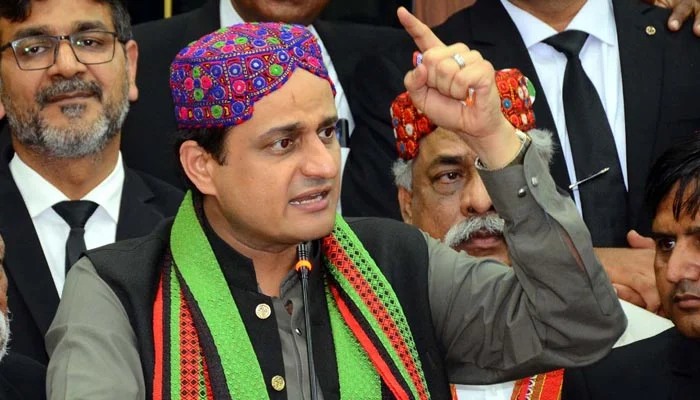
KARACHI: A week after three-year-old Ibrahim tragically died after falling into an uncovered manhole in Gulshan-e-Iqbal’s Nipa area, Mayor Barrister Murtaza Wahab announced on Monday that every Union Committee across the city will receive a dedicated Rs100,000 per month exclusively for installing manhole covers and repairing streetlights. The decision comes amid widespread public outrage and demands for immediate action to prevent further child deaths. Speaking to reporters, the mayor revealed that although UCs previously received Rs500,000 monthly for neighbourhood issues — later increased to Rs1.2 million by the Sindh government — much of the funds were diverted to salaries or deemed insufficient. “After the Nipa tragedy, we have ring-fenced Rs100,000 per UC purely for manhole covers and streetlights starting December,” Wahab said, stressing that the special allocation aims to ensure accountability and swift resolution of these life-threatening hazards.

ECC to Review Circular Debt Plan and Key Economic Proposals in Crucial Meeting Tomorrow
Pakistan

ECC to Review Circular Debt Plan and Key Economic Proposals in Crucial Meeting Tomorrow

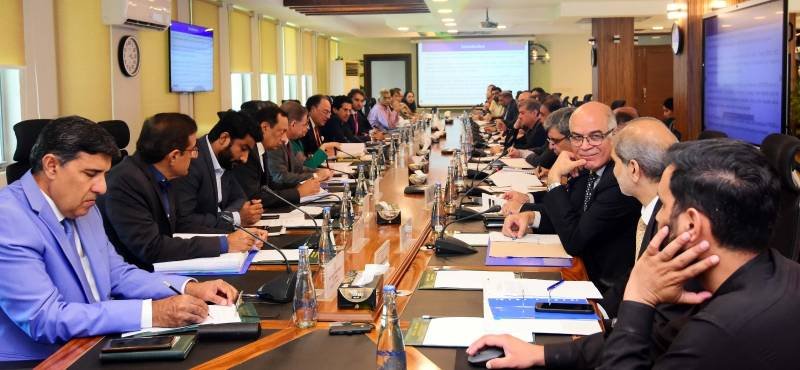
The Economic Coordination Committee (ECC) is set to convene an important session tomorrow, with the Circular Debt Management Plan for FY 2025–26 topping a comprehensive 11-point agenda. The high-stakes meeting is expected to produce several major decisions impacting Pakistan’s energy, petroleum, digital governance, and trade sectors. Circular Debt, Iran Power Agreement Among Top Priorities: At the heart of tomorrow’s meeting is the long-awaited Circular Debt Management Plan, a critical policy framework aimed at stabilizing Pakistan’s power sector amid rising financial stress. The ECC will also review a significant summary on the electricity purchase agreement with Iran, an arrangement that is vital for addressing power needs in Pakistan’s border regions. OMC and Dealer Margin Increase Under Consideration: The Petroleum Division is set to present proposals seeking a possible increase in margins for Oil Marketing Companies (OMCs) and petroleum dealers. Any adjustment to margins could have broad implications for fuel pricing and sector sustainability. Rs 1.28 Billion Grant for Pakistan Digital Authority Likely to Be Approved: In a move to strengthen digital governance, the ECC is expected to approve a technical supplementary grant of Rs 1.28 billion for the Pakistan Digital Authority, a step aimed at improving federal-level digital transformation initiatives. Commerce Division Summaries: Court Ruling, Import Ban, and Gift Scheme Revisions: Several key proposals from the Commerce Division are on the agenda, including:• Implementation of the Lahore High Court decision• A proposed ban on the import of chloroform• Amendments to the vehicle import procedure under the Gift Scheme• Additional trade-related summaries for reviewThese discussions could reshape regulations in Pakistan’s import and trade environment. Housing Subsidy, Development Funds & PASCO Dissolution Also on the Table: The committee will also consider:• Approval of a Rs 5 billion technical supplementary grant for housing sector subsidies• Matters related to the release or surrender of development funds under the Cabinet Division• A summary regarding the dissolution of PASCO and the formation of a special-purpose vehicle for the Wheat Stock Management Company These decisions could shape public-sector financing and agricultural supply chain governance. ECC to Review Budgetary Support for PIA Holding Company: Adding to the extensive agenda, the ECC will deliberate on budgetary release matters for the PIA Holding Company, as the government continues efforts to restructure and stabilize national aviation governance. Major Policy Decisions Expected:With a diverse and consequential agenda, from energy sector reforms to trade regulations and digital investments, tomorrow’s ECC meeting is poised to deliver significant economic policy decisions that could influence Pakistan’s fiscal landscape in the months ahead.

Scroll to Top