Author name: Web Desk

Pakistan to Launch First-Ever National Women Entrepreneurship Policy
Pakistan

Pakistan to Launch First-Ever National Women Entrepreneurship Policy

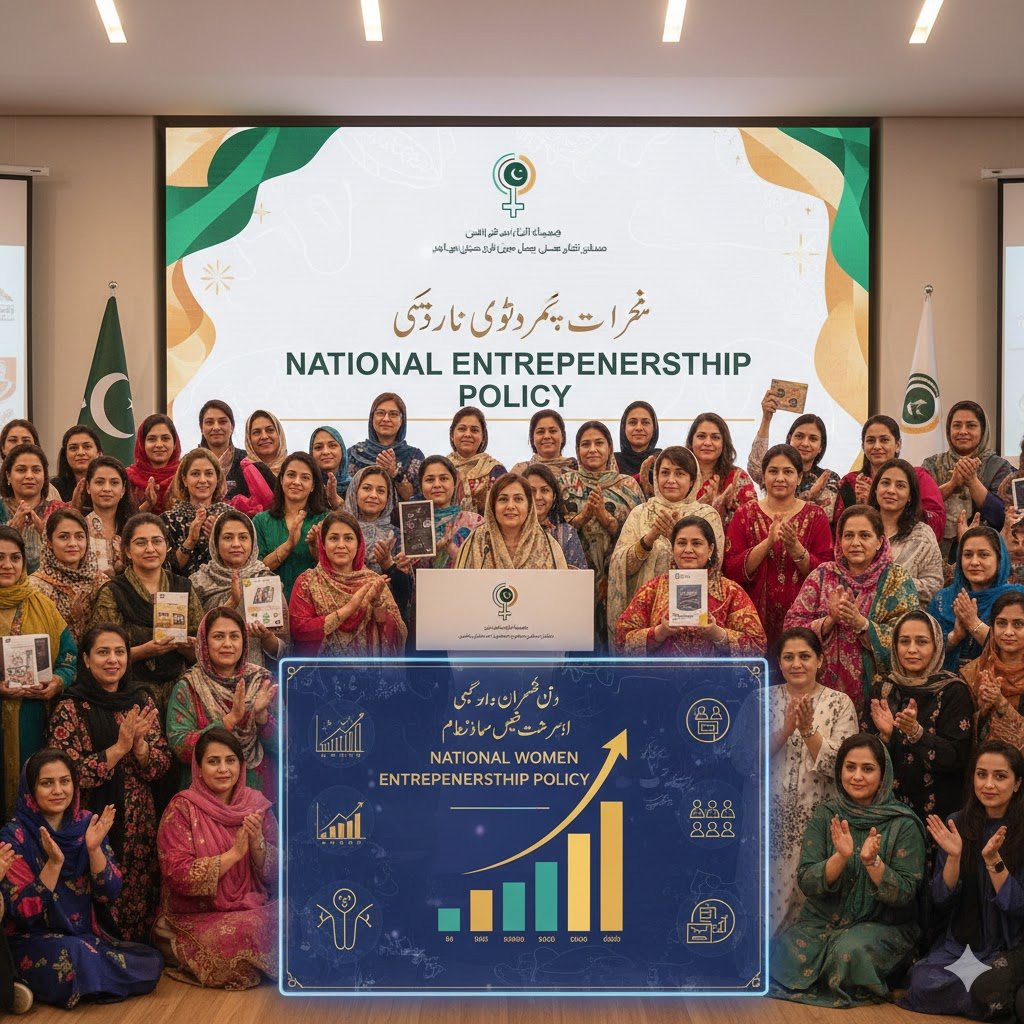
ISLAMABAD: Pakistan is all set to unveil its inaugural National Women Entrepreneurship Policy (WEP), a landmark framework designed to accelerate women’s economic empowerment through targeted financing, enhanced export opportunities, and expanded business support services.Announced by Special Assistant to the Prime Minister on Industries and Production Haroon Akhtar Khan during Women’s Entrepreneurship Day celebrations organised by SMEDA and FPCCI, the policy places women at the heart of national economic development, as directed by Prime Minister Shehbaz Sharif.The policy sets ambitious targets: raising women’s employment in enterprises from 2% to 5%, increasing registered women exporters from 2,500 to achieve 50% representation, allocating 15% of the SME Fund and 5% of the Export Development Fund exclusively for women, expanding co-working spaces by 20%, and providing 100,000 women entrepreneurs with critical business information. It also aims to support 20% of BISP beneficiaries in disaster-prone areas.A flagship component is the AI-powered Women Entrepreneurship Portal, developed with UK’s FCDO, which will connect women to mentors, regulators, and support organisations. Backed by a $2.2 million ADB programme, initiatives include digital training via basic phones, multilingual content, and dedicated efforts to formalise informal women-led businesses.The policy further introduces green financing, export-readiness programmes, and a design cell at SMEDA in collaboration with top textile universities.

Senate Panel Slams Banks Over Forced Abaya Policy, Terms Islamic Banking ‘Fraud’
Politics

Senate Panel Slams Banks Over Forced Abaya Policy, Terms Islamic Banking ‘Fraud’

ISLAMABAD: The Senate Standing Committee on Finance on Wednesday directed the State Bank of Pakistan (SBP) to immediately act against commercial banks allegedly forcing female employees to wear abayas, terming the practice unconstitutional and discriminatory.PPP Senator Dr Zarqa Taimur strongly objected, asserting that Pakistani women already observe modest dress and no additional religious attire can be imposed. Senior PML-N Senator Farooq H. Naek equated the compulsion to “forcing a man to grow a beard”, questioning how the central bank permitted such policies.Committee Chairman Saleem Mandviwalla announced that concerned banks would be summoned to explain their dress code rules. In a separate scathing remark, Mandviwalla accused many Islamic banking institutions of committing “fraud and deception” by charging higher profit rates than conventional banks despite claiming Shariah compliance.The strong bipartisan condemnation reflects growing parliamentary scrutiny of workplace gender policies and the pricing practices of Islamic financial institutions. The SBP has been asked to submit a compliance report in the next meeting while the offending banks face potential regulatory action if found violating employees’ constitutional right to personal freedom and expression.

FBR Chief to Chinese Tile Firms: Accept AI Cameras or Shut Down Operations
World

FBR Chief to Chinese Tile Firms: Accept AI Cameras or Shut Down Operations

ISLAMABAD: Federal Board of Revenue (FBR) Chairman Rashid Langrial on Wednesday issued a stern ultimatum to four Chinese-owned ceramic tile companies, warning them to either accept installation of AI-enabled monitoring cameras or cease operations in Pakistan. The tough stance came during a fiery Senate Standing Committee on Finance meeting after Chinese representatives pleaded with senators to block the FBR’s camera plan, citing risks to trade secrets.Langrial disclosed that tile manufacturers are evading roughly Rs30 billion annually in sales tax by under-reporting production. He stressed that the government has already shown flexibility by reducing camera count from 16 to just five per factory, placed only at points that capture accurate output without exposing proprietary processes.“If your board of directors does not agree to install cameras, then stop work,” Langrial thundered, rejecting claims that the system would compromise commercial confidentiality. State Minister for Finance Bilal Azhar Kayani defended the initiative, saying AI-driven video analytics would eliminate physical FBR inspections while ensuring full tax compliance.The companies argued they operate in Saudi Arabia and elsewhere without such surveillance and criticised abrupt policy changes. Langrial countered that the decision followed complaints from the Pakistan Tiles Manufacturers Association about rampant under-reporting by competitors.Successful camera deployment in sugar and cement sectors is projected to yield Rs76 billion and Rs102 billion respectively this fiscal year, reinforcing the government’s resolve to extend monitoring to 18 high-risk sectors.

Pakistan's Large-Scale Manufacturing Growth Slows Amid High Cost Disadvantages
Pakistan

Pakistan’s Large-Scale Manufacturing Growth Slows Amid High Cost Disadvantages

ISLAMABAD: Large-scale manufacturing (LSM) in Pakistan grew by a modest 4.1% during the first quarter (July-September) of FY2025-26, down from an initial 4.5% pace in the first two months, according to data released by the Pakistan Bureau of Statistics (PBS). Despite crossing the 4% mark, the LSM index stood at just 114.7 in September, still below the three-year-high of 132.5.An internal assessment by the Ministry of Industries has revealed that several key sectors face severe cost disadvantages ranging from 22% to 67% due to skewed economic policies, high energy prices, taxation, and regulatory burdens. The ceramic tiles and glass sectors suffer the highest handicap of over two-thirds, followed by steel (one-third) and paper & board (one-fourth). These distortions have caused the manufacturing sector’s contribution to GDP to shrink from 26% to 18% over the past three decades.The ministry has urged immediate policy corrections, including abolition of the super tax, gradual reduction of corporate tax from 29% to 26%, a 5% cut in interest rates, and market-driven exchange rate adjustments. It warned that without addressing structural high costs, tariff liberalization alone will deplete foreign exchange reserves and fail to boost competitiveness.Growth was mainly driven by food, tobacco, textile, and paper sectors, while overall industrial activity remains constrained by political uncertainty and anti-export biases.

Gul Ahmed Textile Strengthens Presence with New SITE Karachi Facility
Business

Gul Ahmed Textile Strengthens Presence with New SITE Karachi Facility

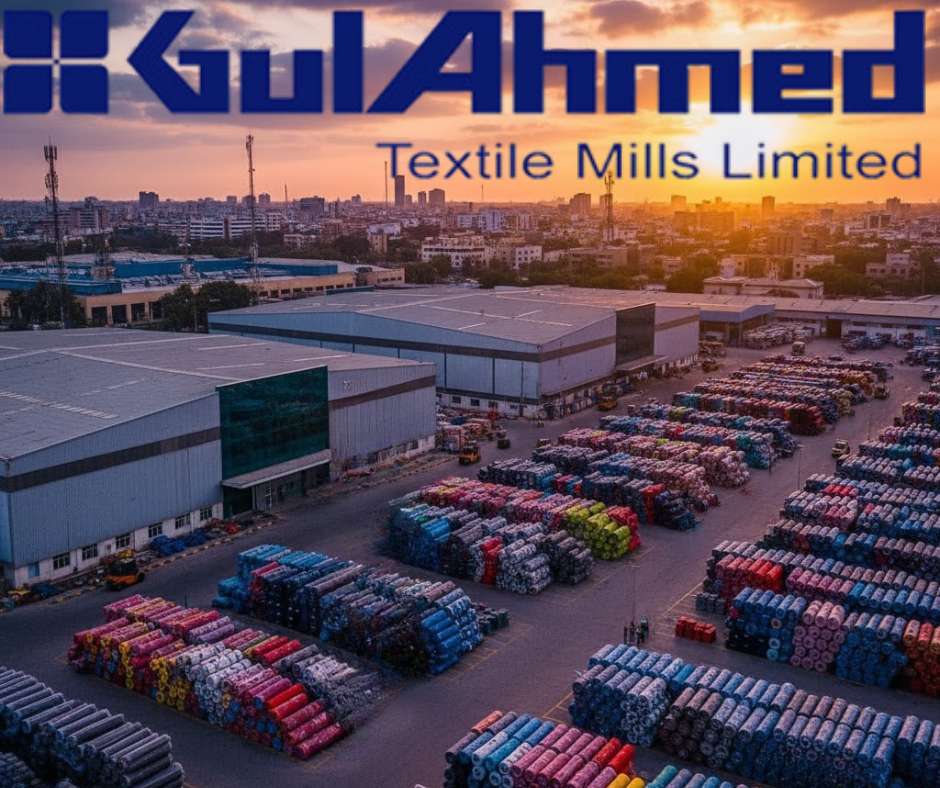
Gul Ahmed Textile Mills Limited has announced that its Board of Directors has approved the acquisition of an industrial property in the Sindh Industrial Trading Estates (SITE), Noorlabad, District Jamshoro. The decision, shared in a notice to the Pakistan Stock Exchange (PSX) on Thursday, includes the purchase of Plot No. A-44 along with the associated land, building, plant, machinery, equipment, and other assets, subject to completion of all necessary legal, regulatory, and corporate formalities. The company stated that the Chief Executive Officer has been authorised to carry out the transaction independently. Additionally, the Chief Financial Officer and Company Secretary have been empowered to act jointly to perform all tasks and formalities required to finalise and give effect to the acquisition. The board emphasised that the move forms part of the company’s strategic efforts to expand its operational footprint and strengthen its presence in the industrial sector. Gul Ahmed Textile has requested the PSX to circulate the information to its members in accordance with Section 96 of the Securities Act, 2015, and the exchange’s regulations. This acquisition marks a significant step for Gul Ahmed Textile Mills, reinforcing its commitment to growth and operational efficiency while ensuring full compliance with corporate governance and regulatory requirements.

At COP30, Pakistan Showcases Impressive Forest Restoration Achievements
Pakistan

At COP30, Pakistan Showcases Impressive Forest Restoration Achievements

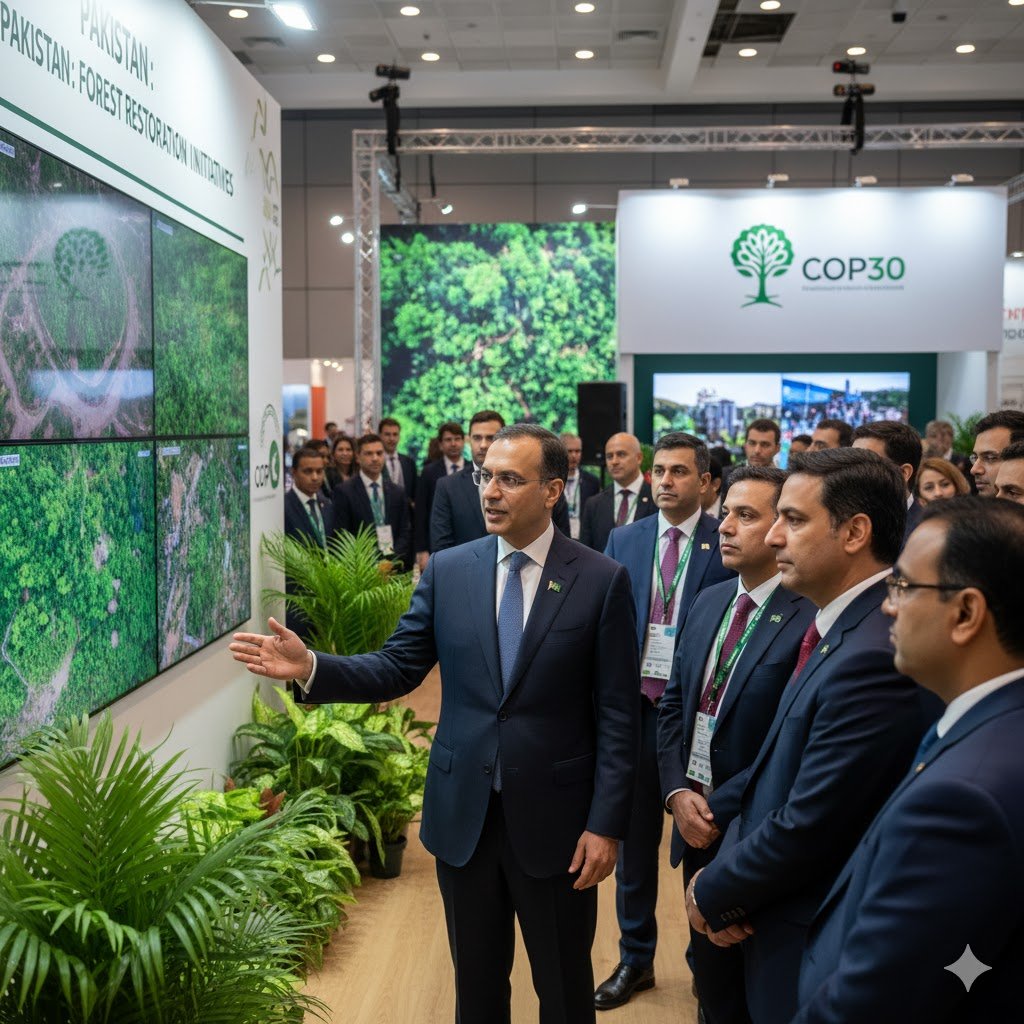
Federal Minister for Climate Change and Environmental Coordination, Musadik Malik, highlighted Pakistan’s progress in forest revival and ecosystem restoration during a COP30 side event dedicated to the Upscaling Green Pakistan Programme (UGPP). Speaking through a recorded message, the minister noted that global climate conversations continue to focus on reducing greenhouse gas emissions and expanding natural systems that can effectively absorb carbon. He stressed that forests play a central role in both climate mitigation and adaptation, calling nature-based solutions essential to long-term global resilience. “Carbon sequestration requires factories that absorb carbon dioxide and release oxygen — and that factory is a tree,” he stated, underscoring the value of forest ecosystems in lowering carbon loads and strengthening environmental stability. The session, hosted by the Ministry of Climate Change, showcased Pakistan’s achievements in rehabilitating degraded landscapes, restoring ecological balance, and actively involving local communities in conservation initiatives. The UGPP has facilitated extensive plantation drives in previously barren areas while promoting stronger grassroots participation in protecting natural resources. Dr. Malik added that the programme has significantly improved climate awareness at the community level, encouraging citizens to safeguard forests and adopt more sustainable practices. He reaffirmed Pakistan’s dedication to global forest protection, saying the country stands committed to preserving its own forests as well as supporting global restoration efforts. A documentary produced by the ministry was also screened, featuring on-ground success stories and visible improvements in local ecosystems. The event concluded with a panel discussion attended by climate experts, international partners, development organisations, and civil society members working to advance forest restoration and climate resilience.

give me a realistic image for this caption for posting on instagram the picture should have no text at the bottom and of high resolution should fit in instagram post pic should be aesthetically beautiful and eye cathching
Pakistan

Major Bust: Customs Captures Smuggled Cigarettes, Dry Nuts & Garments Exceeding Rs. 51 Million

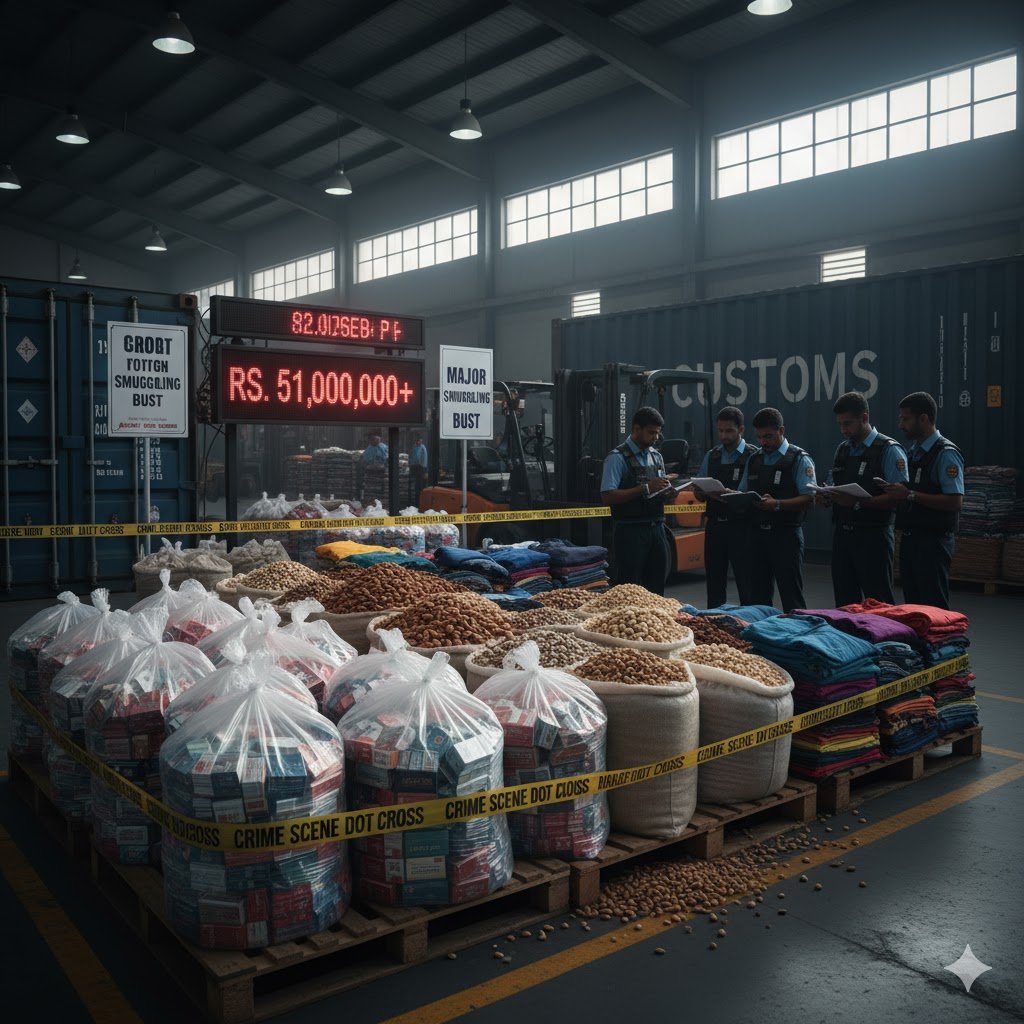
The Collectorate of Customs Enforcement Peshawar has confiscated smuggled goods worth over Rs. 51 million after intercepting a truck in Dera Ismail Khan. The operation was carried out on Wednesday by the Quick Response Force, which stopped the vehicle near Waziristan Chowk. Officials reported that the truck, registered as P 4234, was en route from Quetta to Rawalpindi when it was flagged down for inspection. A detailed search of the vehicle resulted in the seizure of a substantial consignment of foreign-made cigarettes, rolls of polyester fabric, and betel nuts. The truck was taken into custody, and a case has been initiated under the Pakistan Customs Act, 1969. The Federal Board of Revenue (FBR) commended the enforcement team for its timely action, noting that it reflects the department’s continued commitment to combating illegal trade and protecting national revenue. Authorities stated that increased surveillance on key transit corridors is proving effective, particularly as smuggling groups attempt to alter their routes and strategies to evade detection. Customs officials added that enforcement activities across Khyber Pakhtunkhwa are being further strengthened. The goal is to disrupt the inflow of non-duty-paid goods that commonly enter Pakistan through its western borders and to ensure stronger control over illicit supply chains.

Mari Energies, Ghani Chemical Launch Project to Recover Hydrocarbons from Daharki Gas Plant
Pakistan

Mari Energies, Ghani Chemical Launch Project to Recover Hydrocarbons from Daharki Gas Plant

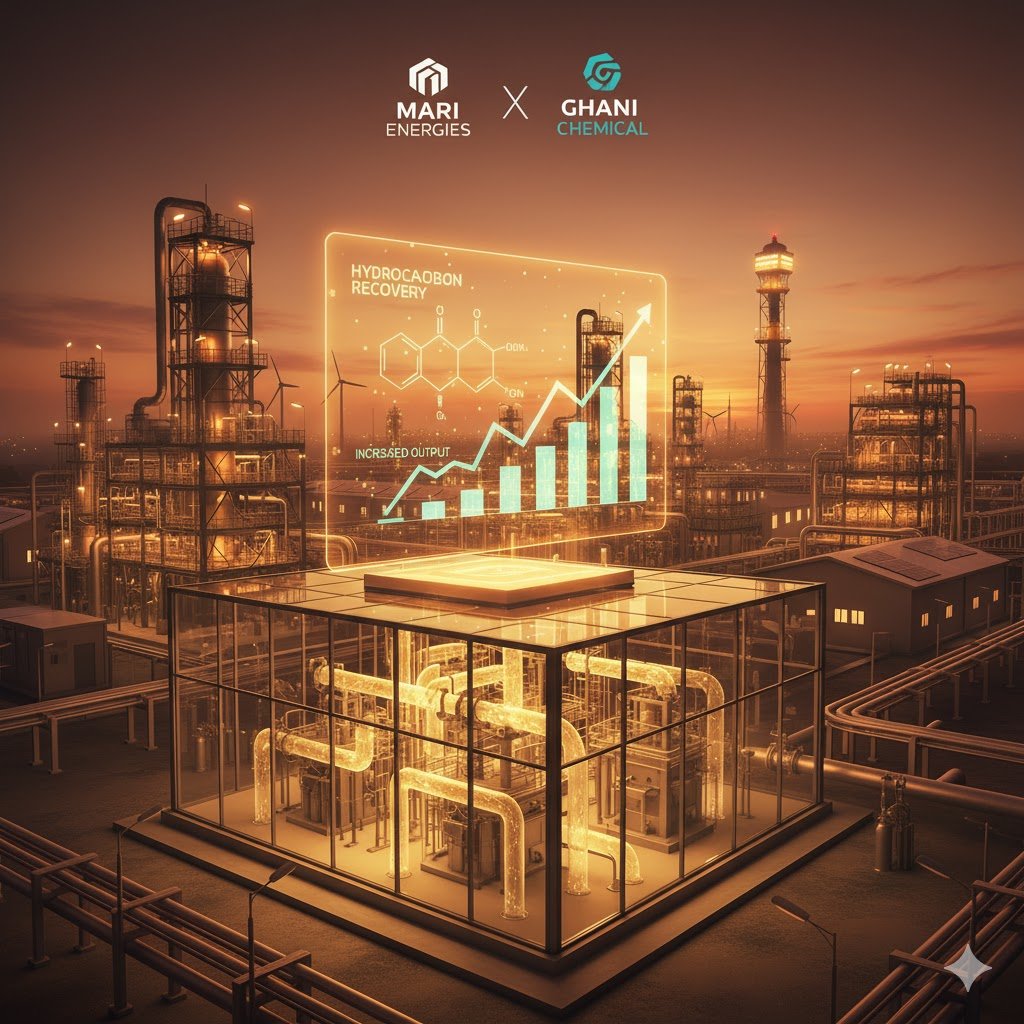
Mari Energies Limited has entered into a joint venture with Ghani Chemical Industries Ltd. to create a new project company dedicated to processing vent and exhaust gases from the Sachal Gas Processing Complex in Daharki, Sindh. In a filing to the Pakistan Stock Exchange, the company stated that the newly formed entity will focus on extracting valuable hydrocarbons from the plant’s exhaust stream. The recovered components will be used to produce liquefied natural gas (LNG) along with industrial-grade and food-grade carbon dioxide (CO₂). Under the agreement, Mari Energies will retain a majority shareholding of 51%, while Ghani Chemical will own the remaining 49%. The initiative is designed to transform waste gases into commercially useful products, helping to curb greenhouse emissions while creating economic value. According to the companies, the project aligns with broader sustainability goals by capturing gases that would otherwise be released into the atmosphere. This collaboration builds on a preliminary term sheet signed between the two firms earlier in July. The venture is expected to support environmental conservation efforts, boost local industry, and generate additional revenue streams through the efficient utilization of gas by-products. Once operational, the project aims to contribute to both regional economic development and Pakistan’s growing emphasis on cleaner, more resource-efficient industrial practices.

IMF Pushes Pakistan to Revamp SIFC Amid Transparency Concerns
World

IMF Pushes Pakistan to Revamp SIFC Amid Transparency Concerns

The International Monetary Fund (IMF), in its latest technical assistance report, has urged Pakistan to introduce major reforms to the Special Investment Facilitation Council (SIFC), warning that its existing structure and limited transparency could weaken public confidence and hinder efficient economic management. The SIFC was created to accelerate foreign investment and oversee key national projects, but the IMF notes that it functions with broad powers and insufficiently tested accountability mechanisms. According to the report, the council’s mandate overlaps with the Board of Investment, creating institutional ambiguity and raising concerns regarding the immunity granted to its staff during decision-making processes. The IMF recommends that the SIFC immediately release its first annual report, outlining all investment initiatives it has supported, the incentives and concessions offered—such as tax and regulatory relaxations—and the justification and results of each approved project. The Fund also calls for clear, formal procedures governing the council’s operations, along with stronger transparency frameworks to ensure adequate oversight. It further questions the necessity of maintaining the SIFC in its current form while the Board of Investment continues to operate, suggesting a review of the council’s legal basis to ensure it does not circumvent established regulatory checks. These recommendations are part of a wider 15-point reform strategy aimed at addressing longstanding governance deficiencies and corruption risks across Pakistan’s public institutions. The IMF believes that a comprehensive implementation of these reforms, including those related to the SIFC, could significantly improve institutional effectiveness and economic stability.

Indonesia-Pakistan trade surges to US$4.2bln as Jakarta eyes deeper economic partnership Rehan Hanif highlights vast untapped trade potential between Pakistan, Indonesia
World

Indonesia-Pakistan trade surges to US$4.2bln as Jakarta eyes deeper economic partnership Rehan Hanif highlights vast untapped trade potential between Pakistan, Indonesia

KARACHI: Consul General of Indonesia, Drs. Mudzakir M.A, informed that trade between Indonesia and Pakistan has continued to grow steadily, reaching US$4.2 billion in 2024. From January to September 2025, bilateral trade stood at US$2.92 billion, compared to US$2.69 billion during the same period of 2024, reflecting a strong and encouraging upward trajectory in bilateral economic engagement.He noted that while trade performance has been positive, there remains considerable potential to diversify the bilateral trade basket. Opportunities exist across multiple sectors including textiles, the Halal industry, agriculture and food products, consumer goods, pharmaceuticals, technology, and digital innovation.The Indonesian CG made these remarks while speaking at a meeting during his visit to the Karachi Chamber of Commerce & Industry (KCCI). President KCCI Muhammad Rehan Hanif, Senior Vice President Muhammad Raza, Chairman Diplomatic Missions & Embassies Liaison Subcommittee Ahsan Arshad Sheikh, Former President Majyd Aziz, President Pakistan-Indonesia Business Forum Shamoon Zaki, and members of the KCCI Executive Committee were present on the occasion.Indonesian Consul General informed that an Indonesian business delegation, facilitated by the Consulate General in Karachi, will participate in the International Consumer Product Fair (ICPF) being held at Expo Center Karachi from 11th to 14th December 2025. Participating companies will represent a range of sectors and showcase Indonesia’s expanding export potential. He requested KCCI to circulate this information among its members and encouraged their active participation in B2B meetings with visiting Indonesian enterprises.He emphasized that Indonesia remains committed to advancing bilateral economic cooperation through enhanced trade facilitation, SME development, technology exchange, sustainable business partnerships, and deeper linkages between private sectors of both countries. The Indonesian Consulate, he assured, would continue to serve as a bridge to ensure that all business opportunities translate into meaningful collaboration.The Consul General stressed that the objective should not only be to increase trade volume, but to move toward high value-added and technology-driven sectors. There is strong potential for collaboration in Halal product development, textiles and garments, palm oil and agribusiness, renewable energy, IT and digital transformation, and SME growth. He reaffirmed the Consulate’s commitment to facilitating trade missions, B2B engagements, and business matchmaking to advance these opportunities.Reaffirming the deeply rooted ties between the two nations, he stated that Indonesia and Pakistan enjoy a strong bond founded on shared faith, historical linkages, and mutual aspirations for peace, development, and stability. Over the years, bilateral cooperation has expanded across trade, investment, education, cultural exchanges, and people-to-people contacts. Today, Pakistan remains one of Indonesia’s strategic partners in South Asia, and Indonesia looks forward to taking this collaboration to greater heights.He acknowledged KCCI’s role as a vital platform for the business community, praising its sustained efforts in promoting global trade linkages, including with Indonesia. The Consul General expressed keen interest in future collaboration with KCCI through joint business forums, trade delegations, seminars, exhibitions, and networking programs, which, he said, would significantly strengthen industrial and commercial cooperation between the business communities of both countries.President KCCI Rehan Hanif, while warmly welcoming the Indonesian Consul General, stated that the visit of the Indonesian diplomat to the Karachi Chamber represents a valuable opportunity to further deepen trade, economic and cultural linkages between Pakistan and Indonesia. “Your presence at KCCI reflects the shared resolve of both nations to strengthen bilateral trade and explore new avenues of mutually beneficial cooperation. We regard Indonesia as a key trading partner within the ASEAN bloc and an important gateway to the dynamic economies of Southeast Asia.”He noted that Pakistan and Indonesia enjoy a longstanding relationship built on friendship, mutual respect, and growing economic collaboration. The two nations are bonded not only through formal trade and diplomacy, but also through strong people-to-people connections, shared values, cultural harmony, and exchanges in areas such as arts and sports.Rehan Hanif highlighted that bilateral trade between Pakistan and Indonesia has shown an encouraging upward trajectory in recent years, particularly after the signing of the Preferential Trade Agreement. However, he emphasized that the true potential of trade between the two brotherly nations remains significantly higher than current realized volumes. There is vast room for diversification, value addition, and meaningful sectoral collaboration in multiple industries.Highlighting industry-specific potential, he pointed out that Pakistan’s pharmaceutical industry is increasingly export-oriented and provides significant space for joint ventures and technology cooperation. Both countries can also collaborate to scale up Halal food exports globally. Pakistan’s rapidly evolving IT sector can tap into Indonesia’s growing digital economy through partnerships and technology transfer initiatives. In the tourism sector, shared cultural and religious heritage provides a natural foundation for boosting tourist flows between the two nations.President KCCI further invited Indonesian investors to explore the wide range of opportunities available in Pakistan’s Special Economic Zones, particularly under CPEC, where highly competitive incentives are available for foreign investors. He reaffirmed that KCCI stands fully committed to facilitating business linkages, trade interactions, and investment flows between Pakistan and Indonesia.To drive progress, he proposed a series of practical initiatives including regular exchange of trade and business delegations, participation in trade fairs and international exhibitions, organizing single-country exhibitions to highlight products and technological strengths, holding sector-specific matchmaking sessions, strengthening direct shipping and logistics connectivity to reduce costs, expanding the existing PTA, and addressing tariff and non-tariff barriers to make trade more efficient and cost-effective.

Scroll to Top