Author name: Web Desk

AI Memory Chip Race: US Chip Maker Micron to Invest $1.5 trillion yen in Japan to Set up New Plant
Uncategorized, World

AI Memory Chip Race: US Chip Maker Micron to Invest $1.5 trillion yen in Japan to Set up New Plant

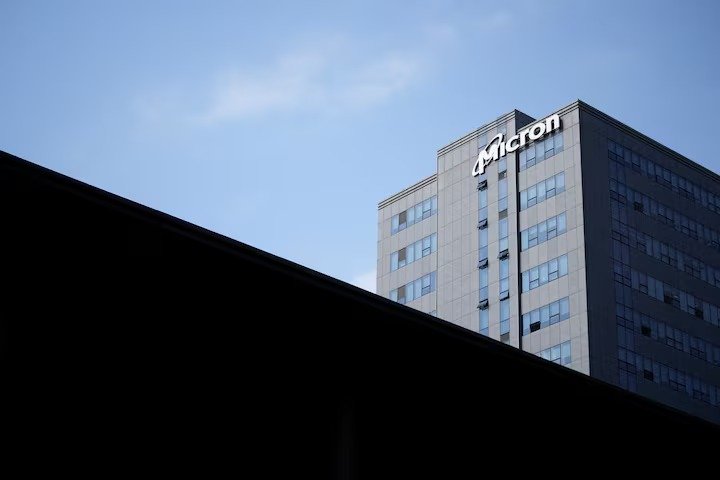
TOKYO: U.S. semiconductor giant Micron Technology is set to pour 1.5 trillion yen ($9.6 billion) into a cutting-edge facility in Hiroshima, western Japan, to manufacture advanced memory chips tailored for artificial intelligence applications, the Nikkei reported Saturday. The massive investment underscores Tokyo’s aggressive push to reclaim semiconductor supremacy as AI demand skyrockets worldwide. The new plant will focus on next-generation dynamic random-access memory (DRAM) and high-bandwidth memory (HBM) chips, critical for powering data centers and AI training models from firms like Nvidia and OpenAI. Construction is slated to begin soon, with production ramping up by late 2027, enabling Japan to produce these components domestically and reduce reliance on volatile global supply chains strained by U.S.-China trade frictions. Micron, already a fixture in Hiroshima with its existing plant operational since 1979, will leverage local expertise and government incentives. Japan’s industry ministry has pledged subsidies under its $13 billion Rapidus initiative, aiming to foster a “virtuous cycle” of innovation. “This bolsters our resilience in the AI era,” a ministry official noted, highlighting partnerships with domestic players like Kioxia. The move aligns with broader U.S.-Japan alliances to counter Beijing’s dominance—China controls over 50% of global memory production. Analysts predict the facility could add 1,000 high-tech jobs and boost Micron’s revenue by 20% annually post-launch. As AI chips evolve, Hiroshima’s revival signals Asia’s pivot toward self-sufficient tech ecosystems, potentially reshaping the $500 billion industry by 2030.

Pakistan-Afghanistan Border Crisis: $100M Kinnow Export to Traditional Regional Markets at Risk, PAJCCI
Pakistan

Pakistan-Afghanistan Border Crisis: $100M Kinnow Export to Traditional Regional Markets at Risk, PAJCCI

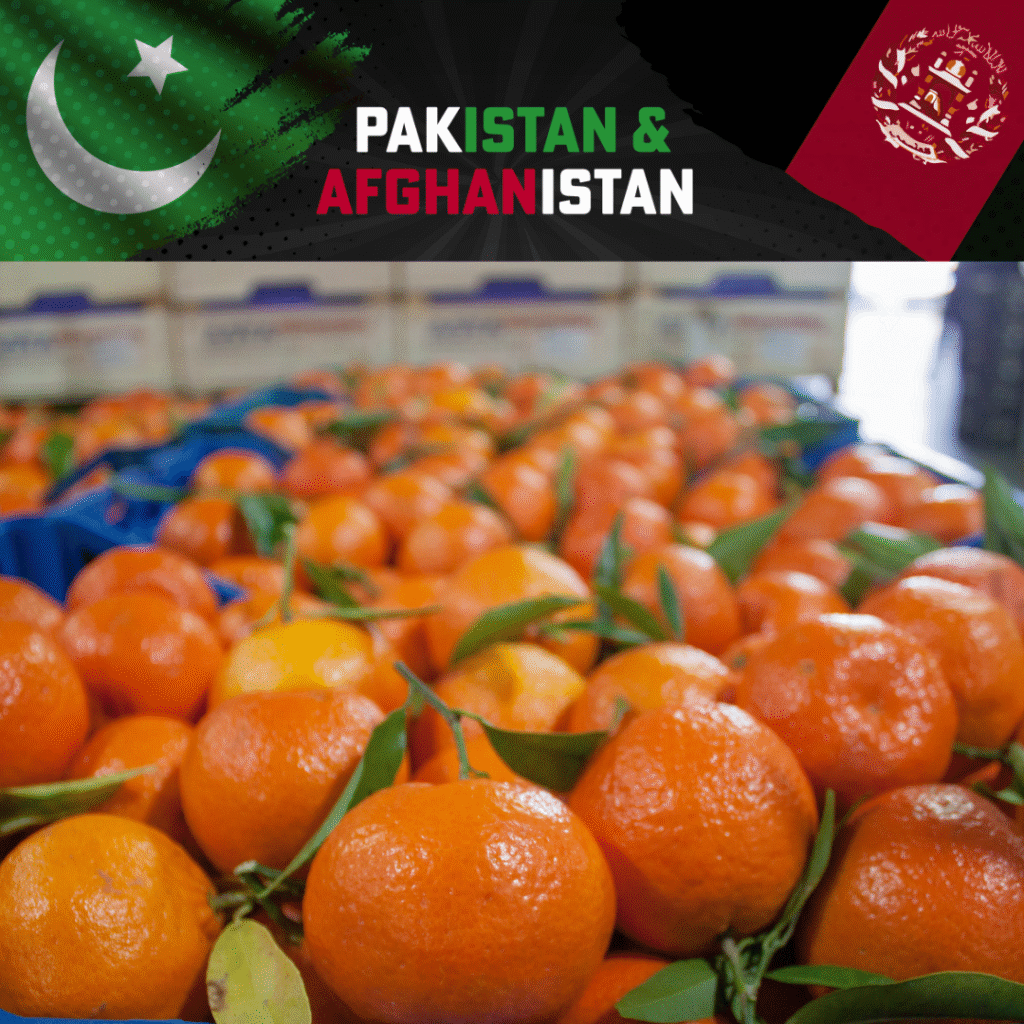
Karachi: The Pakistan-Afghanistan Joint Chamber of Commerce & Industry (PAJCCI) has once again urged the Ministry of Commerce, FBR, Customs, and all relevant authorities to take immediate action as the Pakistan–Afghanistan border trade crisis worsens. PAJCCI President Mr. Junaid Makda expressed deep concern over the rapidly deteriorating situation affecting Pakistani transporters, traders, kinnow exporters, and logistics operators.Mr. Makda highlighted that our earlier apprehensions remain unresolved, and with no concrete relief measures in place, the situation is worsening with each passing day the alarming condition of Pakistani truck drivers stranded inside Afghanistan, many of whom have been stuck for several weeks. Reports indicate that transporters and their vehicles have come under fire and faced violent attacks, creating grave safety risks for the drivers. Many are now enduring severe food shortages, no cash in hand, deteriorating living conditions, and a complete lack of basic support, as all their resources have been depleted. A similar humanitarian crisis persists on the Pakistani side, where hundreds of drivers remain immobilized at border points without food, shelter, or essential assistance.In addition, PAJCCI drew attention to the emerging crisis in kinnow exports, especially after the recent meeting convened by the Ministry of Commerce (MOC) to deliberate on regional trade bottlenecks, which was followed by the State Bank of Pakistan’s communication vide letter No. EPD/Imports&TBML/MOC/Iran&CIS/1043424/2025 dated November 19, 2025, declining the request to exempt the Financial Instrument (FI) requirement for exports to Iran and CIS countries via the Iran land route. With SBP refusing this facilitation and with OFAC restrictions already blocking settlement channels kinnow exporters are now left without any workable payment mechanism, placing the entire season at risk. Last year Kinnow exports reached $110 Million dollars and this year they are projected at $100 Million Dollar; however, Exporters are unable to ship kinnow consignments to their traditional regional markets, and many contracts are now in jeopardy, putting growers, exporters, and supply-chain workers in trouble amid peak export season.Mr. Makda highlighted that thousands of containers carrying bilateral, transit, and Central Asian Republics (CARs) cargo remain stranded across Pakistan, including consignments destined for Afghanistan, Uzbekistan, and other regional economies. The prolonged blockade has resulted in severe financial losses for traders, transporters /carrier operators and clearing agents, who are now compelled to bear daily port demurrage and shipping line detention charges of USD 150–200 per container, despite having no control over the delays. PAJCCI emphasized that the prevailing circumstances clearly constitute a force majeure situation, as these disruptions are extraordinary, unavoidable, and beyond the control of all stakeholders. In view of this, PAJCCI has urged the authorities to grant an immediate and comprehensive waiver of all demurrage and detention charges to prevent further financial strain on the already distressed trade community.PAJCCI emphasized that the overall crisis has now moved far beyond commercial disruption and has escalated into a humanitarian, financial, and logistical emergency, severely affecting vulnerable workers, traders, and their families.PAJCCI reiterated that while national security remains paramount, the situation now demands swift, compassionate, and solution-oriented intervention, as thousands of workers, families, exporters, and businesses continue to suffer under circumstances beyond their control.

Pakistan Sets $200mn Halal Meat Export Target to Malaysia in 3-5 Years
Pakistan

Pakistan Sets $200mn Halal Meat Export Target to Malaysia in 3-5 Years

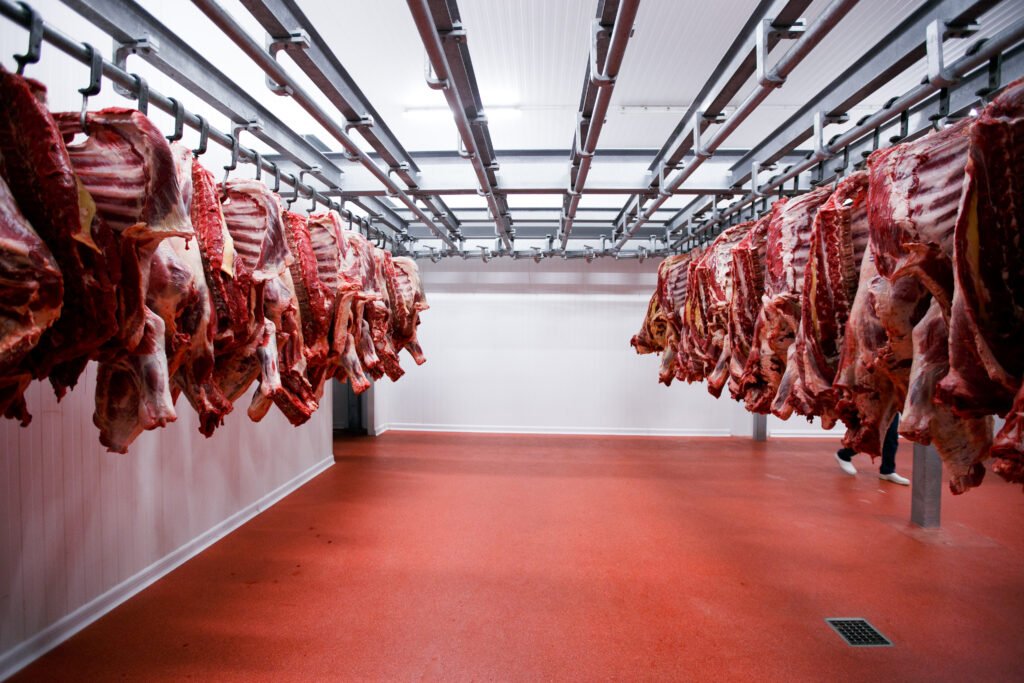
ISLAMABAD: Pakistan has approved an ambitious roadmap to boost halal meat exports to Malaysia from the current negligible $38,000 to $200 million within the next 3-5 years, under direct instructions from Prime Minister Shehbaz Sharif.The decision was taken in a high-level inter-ministerial committee meeting jointly chaired by Special Assistant to PM Haroon Akhtar Khan, Federal Minister for Commerce Jam Kamal Khan, and Federal Minister for National Food Security Rana Tanveer Hussain.The committee granted formal “industry status” to the halal meat sector, paving the way for subsidized electricity, gas tariffs, duty exemptions on machinery, and easier financing. A detailed business plan with clear timelines and responsibilities has been finalized after extensive consultation with public and private stakeholders.Key initiatives include establishment of modern slaughterhouses meeting Malaysian standards, aggressive vaccination and control of foot-and-mouth disease, improvement in cold-chain logistics, and dedicated financial incentives through the State Bank and commercial banks.Haroon Akhtar Khan declared, “These measures will enable Pakistani halal beef and buffalo meat to capture a significant share of the global market while creating thousands of jobs and valuable foreign exchange.”

Major Turkish Investor Shows Keen Interest in Pakistan’s Infrastructure
Pakistan

Major Turkish Investor Shows Keen Interest in Pakistan’s Infrastructure

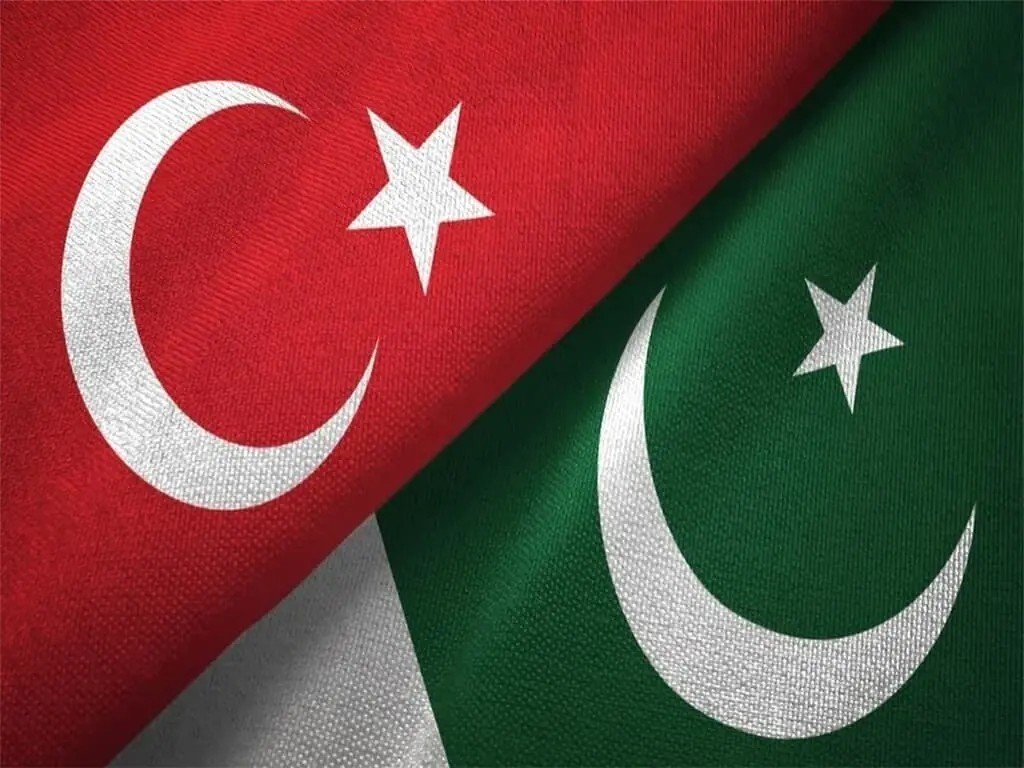
Istanbul: A high-level delegation from Türkiye’s leading conglomerate Iç Holding, headed by Transportation and Infrastructure Group CEO Serhat Sogukpinar, met Federal Minister for Communications Abdul Aleem Khan in Istanbul on Saturday to discuss major investment opportunities in Pakistan’s infrastructure sector.Minister Aleem Khan highlighted Pakistan’s investor-friendly policies and the government’s priority to modernize roads, motorways, ports, airports, and communication networks. He invited Iç Holding to partner in upcoming large-scale projects to boost economic growth.The Turkish officials expressed strong interest in investing in Pakistan’s infrastructure pipeline and proposed joint ventures in transport and energy projects. Both sides agreed to maintain close coordination for swift implementation of potential collaborations.Established in 1969, Iç Holding is one of Türkiye’s most experienced firms in delivering bridges, motorways, airports, ports, and power plants, and other mega infrastructure projects globally.

Putin Set for Key India Visit Amid Shifting Oil Dynamics
World

Putin Set for Key India Visit Amid Shifting Oil Dynamics

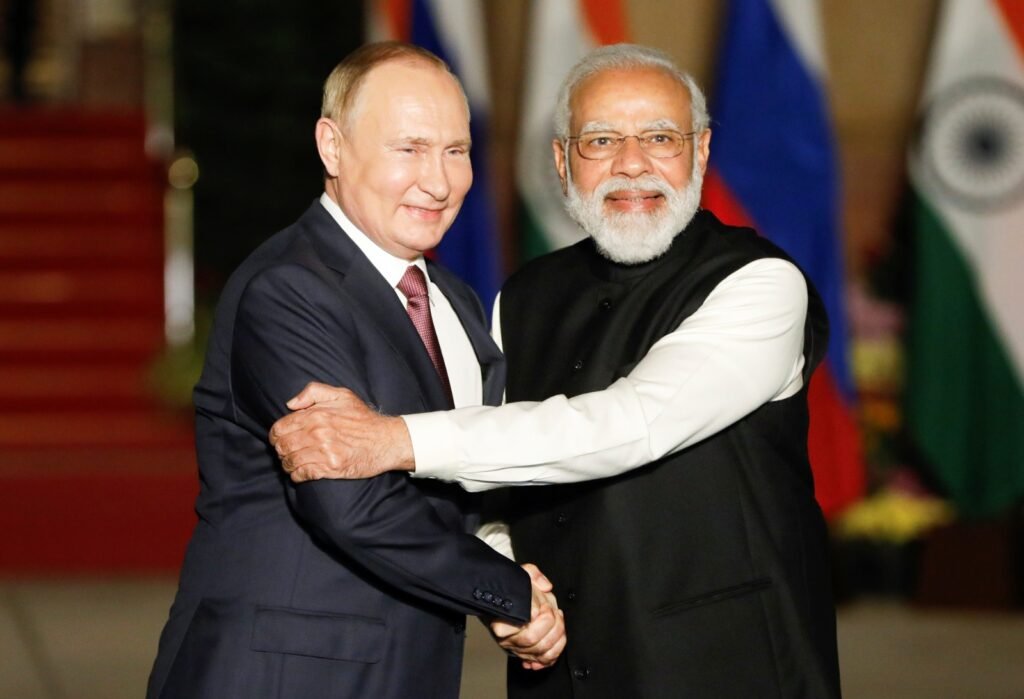
Moscow/New Delhi: Russian President Vladimir Putin is scheduled to visit India on December 4-5, invited by Prime Minister Narendra Modi, to strengthen bilateral ties and address global issues, according to statements from the Kremlin and India’s Foreign Ministry. This marks Putin’s first trip to India since December 2021, shortly before Russia’s military actions in Ukraine began in February 2022. During the two-day state visit, Putin will engage in talks with Modi and meet President Droupadi Murmu separately. The agenda includes signing various intergovernmental and commercial agreements, emphasizing the “particularly privileged strategic partnership” between the nations. The Kremlin highlighted cooperation in political, trade, economic, scientific, technological, cultural, and humanitarian areas. The visit comes amid U.S. pressure, with President Donald Trump urging Modi to halt Russian oil purchases. India, a major buyer of Russian crude, is expected to see imports drop to a three-year low in December, down from November highs, as refiners seek alternatives to comply with Western sanctions, per trade sources. This diplomatic engagement underscores Russia’s efforts to bolster alliances amid geopolitical tensions, while India navigates energy security and international relations.

PSX Relaunches Cash-Settled Futures After Major Overhaul
Pakistan

PSX Relaunches Cash-Settled Futures After Major Overhaul

OUR CORRESPONDENTKARACHI The Pakistan Stock Exchange (PSX) is set to relaunch Cash-Settled Futures (CSF) from December 1, 2025, marking a major overhaul of the derivatives segment aimed at improving market depth, transparency, and risk management. The National Clearing Company of Pakistan Limited (NCCPL) on Friday issued operational guidelines to market participants ahead of the relaunch. According to NCCPL, the clearing, settlement, and risk management functions for the revamped CSF market will be fully handled by the company under updated regulatory and tax frameworks. The relaunch also comes with significant cost relief, as the PKR 250,000 Market-wise Basic Deposit and NCCPL trade fees on CSF will remain waived for the first three months to encourage participation. A key upgrade in the redesigned CSF framework is the introduction of a more transparent Capital Gains Tax (CGT) mechanism. Settled positions will be taxed on actual trade prices, whereas daily mark-to-market (MTM) valuations will determine CGT for open positions. At contract expiry, any remaining open positions will be taxed using the ready-market closing price of the final trading day—bringing uniformity with global futures markets. NCCPL has also enhanced post-trade infrastructure, adding new filters and reports in its Post-Trade Risk Management System (PTRMS), including a dedicated CSF Actual Trade Price Report to track daily profit and loss and exposure. Cash management screens have been updated for settling banks, while brokers have been advised to obtain fresh Pledge Group IDs for margin-related collateral. The Designated Time Schedule (DTS) for the CSF market will mirror that of the ready and deliverable futures markets. Market officials say the relaunch is expected to revive derivatives trading, which has remained subdued in recent years due to structural and regulatory constraints. With improved tax clarity, operational efficiencies, and cost waivers, the new CSF platform is seen as a step toward deepening Pakistan’s capital markets and offering investors better hedging tools.

PSX Ends November on High Note: KSE-100 Hits 166,678 Points Amid Tax Relief Buzz and Sector Gains
Pakistan

PSX Ends November on High Note: KSE-100 Hits 166,678 Points Amid Tax Relief Buzz and Sector Gains

PSX Ends November on High Note: KSE-100 Hits 166,678 Points Amid Tax Relief Buzz and Sector Gains KARACHI: PSX closed November 2024 on a strong note, as the KSE-100 Index extended its upward momentum to settle at 166,678 points, gaining 1,304 points (up 0.99%). “The market opened firmly and sustained its positive trajectory throughout the session. The rally was fueled largely by institutional buying following media reports that the Prime Minister has directed the FBR to reduce the super tax rate on large corporations, boosting investor sentiment,” said Ali Najib, Deputy Head of Trading at Arif Habib Ltd. On the macro side, the Sensitive Price Index (SPI) for the week ending 27-Nov-2025 rose 4.32% year-on-year and 0.73% week-on-week. Meanwhile, on the corporate front, GHNI announced a partnership with Zhongtong Bus Holding to introduce and distribute luxury buses in Pakistan, adding excitement to the market. Sector-wise, Technology, E&P, Power, and Cement were the key drivers of today’s BullRun, with SYS, PPL, HUBC, OGDC, and LUCK collectively contributing 609 points to the index’s advance. Market participation remained strong, with 589.7 million shares traded and a total turnover of Rs 41.9 billion. SSGC topped the volume chart with 39.1 million shares traded. Weekly Review: PSX wrapped up the week on a strong note, posting a gain of 4,575 points or 2.82%. The KSE-100 Index opened at 162,206 and climbed to a weekly high of 167,005, while the low touched 160,565. The benchmark ultimately closed the week at 166,677, reflecting improved sentiment and sustained buying interest across key sectors. Outlook: PSX closed both the week and month on a strong note, with the KSE-100 index breaking above the 166k mark in the final session. Looking ahead, the index is expected to extend its bullish trend in the coming session and may even challenge new all-time highs in the upcoming week, given the strong momentum. However, on the downside, the 165k level is likely to act as the first key support.

Vietnam-Pakistan trade poised to cross US$1 Billion, says Head of Vietnam’s Trade Mission
World

Vietnam-Pakistan trade poised to cross US$1 Billion, says Head of Vietnam’s Trade Mission

KARACHI: Head of Vietnam’s Trade Mission in Karachi, Ms. Nguyen Thi Diep, while expressing satisfaction over the upward trajectory of bilateral trade, said she was optimistic that trade between Vietnam and Pakistan would soon surpass the US$1 billion mark. “Vietnam and Pakistan have consistently maintained strong and friendly relations, particularly in the fields of business and trade. Bilateral trade has risen from just US$54 million in 2006 to US$905 million in 2022, while in 2024 it stood at US$850 million”, she noted during a meeting held at the Karachi Chamber of Commerce & Industry (KCCI) with the visiting Vietnamese delegation.The meeting was attended by President KCCI Muhammad Rehan Hanif, Senior Vice President Muhammad Raza, Chairman Diplomatic Missions & Embassies Liaison Subcommittee Ahsan Arshad Sheikh, Former Vice President Haris Agar, and members of the KCCI Executive Committee.Ms. Nguyen Thi Diep highly appreciated KCCI for hosting the delegation, adding that the Vietnam Trade Mission in Karachi remained grateful for the Chamber’s continuous support and cooperation in promoting bilateral business relations. “We greatly value KCCI’s facilitation and look forward to further strengthening our collaboration”, she said.She informed that Vietnam’s major exports to Pakistan include black and green tea, black pepper, cashew nuts, fish products, synthetic yarn & fiber, iron & steel, machinery & equipment, natural rubber, and chemicals. Pakistan, she noted, is the largest importer of Vietnamese tea, while Vietnamese black pepper ranks No. 1 in Pakistan. Conversely, Pakistan exports cotton and cotton-based products, including yarn, fabrics, denim, along with leather, pharmaceutical products, surgical & dental instruments, and sports goods including Sialkot-made footballs. Highlighting the vast potential for Pakistani exporters, she pointed out that Pakistan’s exports currently account for less than 2 percent of Vietnam’s total imports, despite the fact that many major Pakistani export products enjoy strong demand in the Vietnamese market.To capitalize on these opportunities, she proposed that KCCI should send a high-level business delegation to Vietnam to meet leading business chambers and industry groups. She also recommended that KCCI facilitate seller–buyer delegations to participate in trade fairs and exhibitions in Vietnam to deepen commercial engagement.Responding to KCCI’s invitation for the upcoming My Karachi Exhibition, she assured that all relevant details would be circulated among Vietnamese businesses and importers, who will be encouraged to visit Pakistan and actively participate in the event.President KCCI Rehan Hanif, while warmly welcoming the Vietnamese delegation, stated that Vietnam is globally admired for its remarkable agricultural excellence, particularly in rice, seafood, coffee, spices, fruits, and processed foods. He said that Pakistan greatly values the opportunity to learn from Vietnam’s experience, exchange best practices, and explore partnerships that can enhance productivity, innovation, and value addition across Pakistan’s agrifood sector. He noted that Vietnam’s transformation, from a modest economy in 2000 to a dynamic economy exceeding US$485 billion in 2025, stands as an inspiring example of resilience, discipline, and strategic reforms. “Pakistan, with its vast industrial base, fertile resources, and youthful population, sees Vietnam not only as a valuable partner but also as a model for export-led growth”, he remarked. He further highlighted that Karachi, being the country’s premier port city, offers an exceptionally conducive environment for trade and investment. As the gateway to Central Asia, the Middle East, and Africa, and with regional connectivity rapidly expanding through CPEC and the Gwadar Port, new opportunities are emerging for joint ventures, logistics partnerships, and regional distribution networks benefiting both Pakistan and Vietnam.He emphasized that Pakistan’s competitive strength as one of the world’s largest Halal food markets, providing foreign investors, including Vietnamese exporters, access to a massive global Halal consumer base. Collaboration in Halal-certified meat, processed foods, and value-added agri-products, he noted, can generate substantial business potential.Highlighting the vast untapped opportunities in bilateral trade, investment, and technology transfer, he identified promising avenues of cooperation including food technology and processing, agricultural machinery and automation, biotechnology and seed development, cold-chain logistics, advanced packaging solutions, renewable energy for agro-industries, and IT solutions for agriculture and supply chains. “Vietnamese delegation’s visit to KCCI serves as an excellent platform for meaningful B2B engagement and for building partnerships that are sustainable, mutually beneficial, and future-oriented”, he added while inviting the delegates to participate in the upcoming My Karachi Exhibition scheduled for February next year.

Ghandhara to Assemble Chinese Luxury Buses Locally
Auto

Ghandhara to Assemble Chinese Luxury Buses Locally

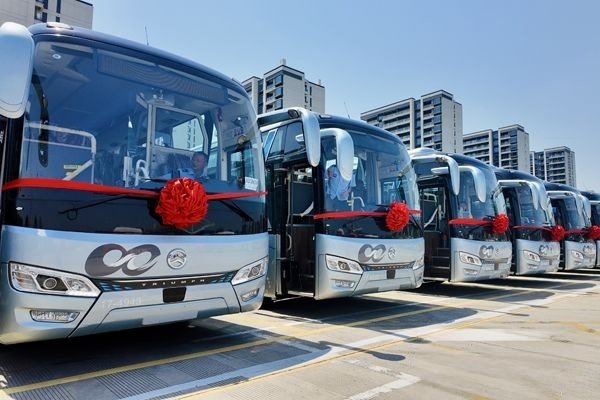
Pakistan’s automotive industry is poised for growth as Ghandhara Industries Limited announces a key alliance with China’s Zhongtong Bus Holding Co. Limited. The partnership, revealed through a filing to the Pakistan Stock Exchange on Friday, aims to roll out Zhongtong’s high-end buses in the local market. This move marks a major step in diversifying Ghandhara’s offerings, with plans to establish a dedicated assembly line alongside its current bus body production setup. Fully imported luxury models are slated for introduction in early 2026, while domestic manufacturing will kick off by mid-year, pending necessary approvals and facility upgrades. Zhongtong, established in 1958, specializes in eco-friendly and energy-efficient buses, serving international markets. Amid Pakistan’s auto sector—long led by Japanese brands like Suzuki, Honda, and Toyota—the deal intensifies rivalry from newcomers such as Hyundai, Kia, and Sazgar Engineering. Adding to the momentum, NexGen Auto, part of the Nishat Group, recently started electric vehicle output ahead of its timeline this month, signaling a shift toward innovative mobility solutions.

Competition Commission of Pakistan Cracks Down on Sugar Mills for Price-Fixing Cartel in Punjab
Pakistan

Competition Commission of Pakistan Cracks Down on Sugar Mills for Price-Fixing Cartel in Punjab

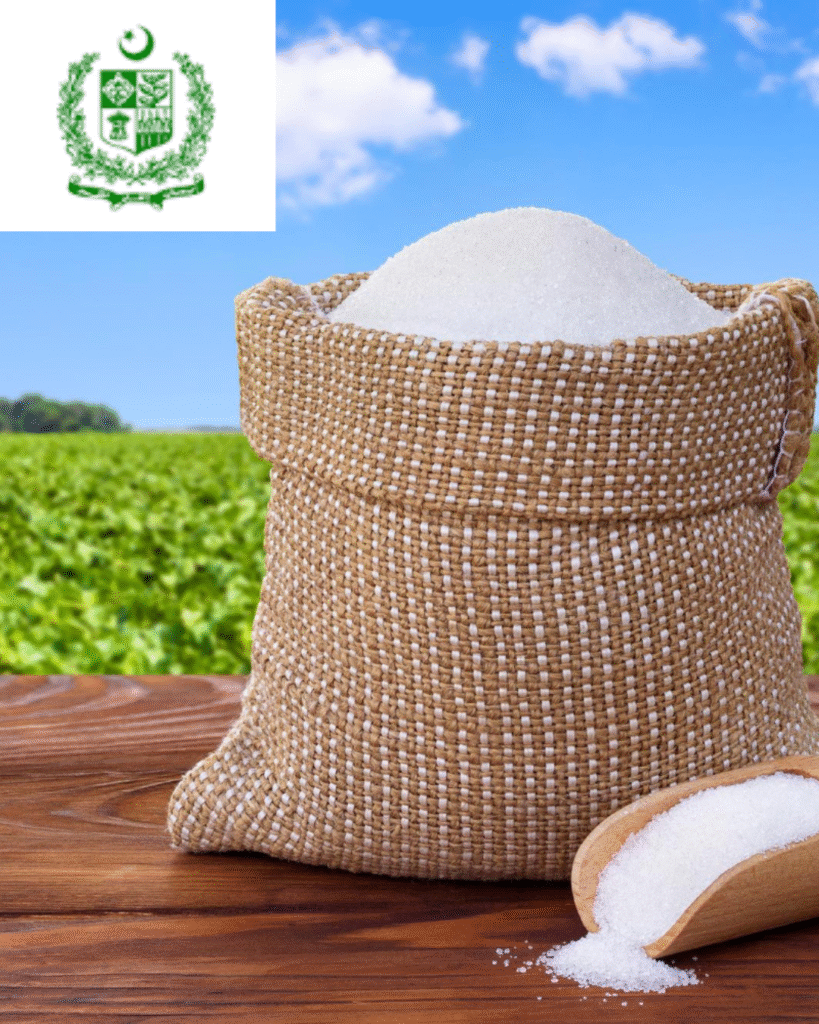
ISLAMABAD: The Competition Commission of Pakistan (CCP) has issued show cause notices to ten sugar mills in Punjab for colluding in relation to start of crushing season and fixing the sugarcane procurement price at Rs. 400 per maund.CCP’s review found that representatives of these mills held a meeting on November 10, 2025, hosted Fatima Sugar Mills, where they collectively decided to commence crushing on November 28, instead of the Punjab Sugarcane Commissioner’s officially notified date of November 15. The mills also jointly agreed to fix the cane purchase price at Rs. 400 per maund, an act that constitutes collusive decision-making.The meeting was chaired by Rana Jameel Ahmad Shahid, Resident Director of Fatima Sugar Mills. It was attended by representatives of Sheikhoo Sugar Mills, Thal Industries Corporation, Tandlianwala Sugar Mills (Rehman Hajra Unit), JK-1 Sugar Mills, Ashraf Sugar Mills, and Kashmir Sugar Mills, while Siraj Sugar Mills, Two Star Sugar Mills, and Haq Bahoo Sugar Mills joined online.Under Section 4 of the Competition Act, 2010, any agreement or arrangement between market players to fix prices or coordinate on business decisions is strictly prohibited and constitutes a violation of competition law.There is a significant imbalance in negotiation power between sugar mill owners and farmers. Ideally, the sugarcane price should be determined through individual negotiations between each mill and farmers, based on the natural interplay of demand and supply. However, instead of allowing market forces to operate, all mill owners collectively and unilaterally fixed the price at PKR 400 per 40 kg.Taking cognizance of this collusion, the CCP has directed all ten mills to submit a written response within 14 days, explaining why legal proceedings should not be initiated against them for entering into prohibited agreements, influencing the sugarcane market, and gaining undue commercial advantage through a coordinated delay in crushing. Such delay crushing at the start of the season can disrupt the supply of sugar in the market, potentially leading to artificial shortages and a rise in retail sugar prices. Chairman CCP, Dr. Kabir Ahmed Sidhu, has issued a strict warning to all business associations and industry groups, stating, “No association or group of competitors will be allowed to form cartels or make collective commercial decisions that harm consumers and distort markets. CCP will take firm action against any entity found engaging in such anti-competitive behaviour and penalize.”

Scroll to Top