Author name: Web Desk

Pakistan-China Economic Cooperation Discussed at IMF–World Bank Meetings
Editor pick, Pakistan

Pakistan-China Economic Cooperation Discussed at IMF–World Bank Meetings

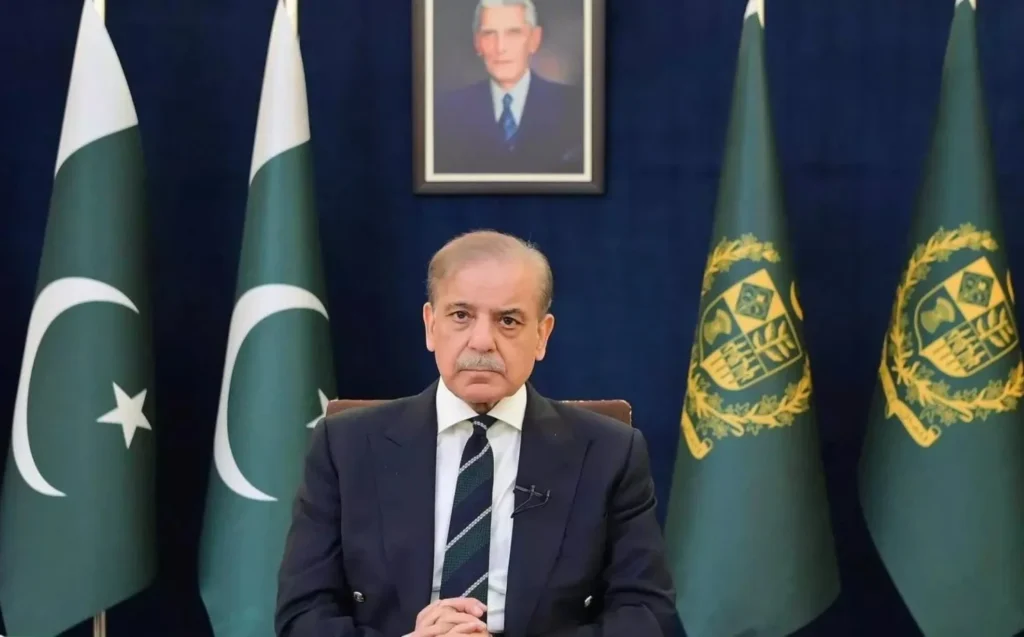
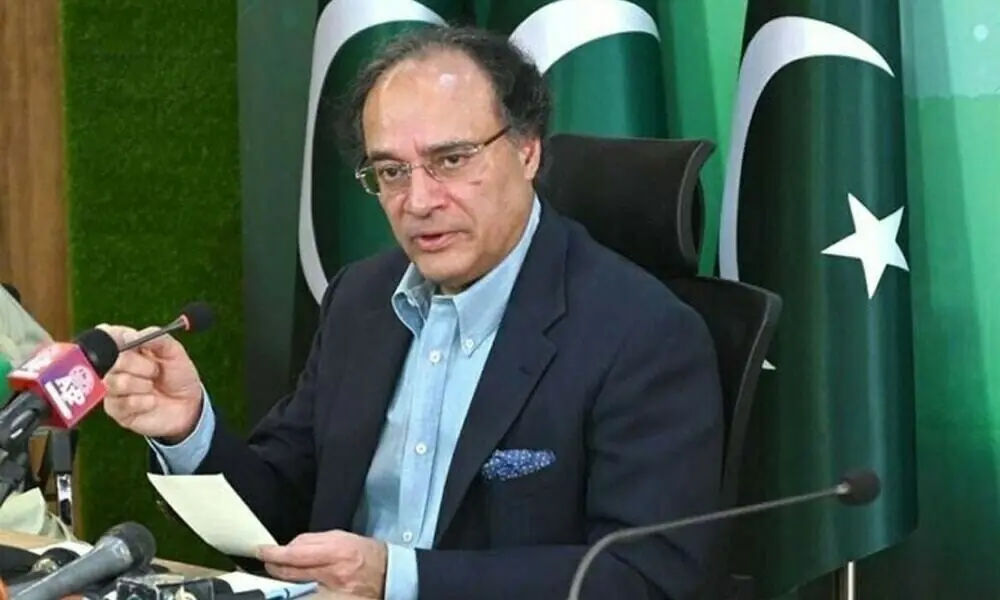
Pakistan-China economic cooperation took center stage as Finance Minister Muhammad Aurangzeb held high-level meetings with Chinese leadership during the IMF and World Bank Spring Meetings in Washington D.C.. The engagements focused on strengthening bilateral ties, mobilising external financing, and reinforcing Pakistan’s improving economic outlook. The minister used the platform to highlight Pakistan’s macroeconomic progress and ongoing reform measures. He emphasized the government’s commitment to stabilizing the economy and expanding strategic partnerships. Meeting with Chinese Finance Minister During his meeting with Lan Fo’an, Aurangzeb expressed appreciation for China’s consistent support for Pakistan. He acknowledged Beijing’s role in facilitating Pakistan’s engagements with the International Monetary Fund. The finance minister briefed his Chinese counterpart on Pakistan’s progress under the IMF programme. He highlighted the successful Staff-Level Agreement for the third review under the Extended Fund Facility and the second review under the Resilience and Sustainability Facility. Officials expect the IMF Executive Board to approve these reviews in early May. This approval would unlock further financial support and strengthen investor confidence. Updates on Financial Stability Measures Aurangzeb informed the Chinese side that Pakistan has repaid a $1.4 billion Eurobond. He also highlighted additional financial inflows secured from Saudi Arabia, which have supported foreign exchange reserves. He shared details about Pakistan’s plan to issue its first Panda Bond. This move aims to diversify funding sources and tap into China’s capital markets. The minister also noted a growing trend in bilateral trade settlement using the Chinese Renminbi. He stressed the need to expand the currency swap facility to support increasing trade volumes between the two countries. Regional Diplomacy and Strategic Support The finance minister appreciated China’s recognition of Pakistan’s mediation efforts in ongoing regional tensions. He reaffirmed Pakistan’s commitment to promoting peace and stability in the region. Aurangzeb also reiterated Pakistan’s full support for the establishment of the Shanghai Cooperation Organization Development Bank. He noted that Pakistan will actively pursue this initiative during its upcoming presidency of the SCO. Both sides expressed satisfaction with continued coordination at international financial forums. They agreed to strengthen collaboration at both the IMF and World Bank levels. Meeting with People’s Bank of China Governor In a separate meeting, Aurangzeb met Pan Gongsheng, Governor of the People’s Bank of China. The discussion focused on Pakistan’s financing strategy and ongoing IMF programme reviews. The finance minister updated the Chinese central bank on progress related to the Panda Bond issuance. He requested faster regulatory approvals to ensure timely execution of the plan. Aurangzeb also highlighted Pakistan’s policy measures to address economic challenges linked to regional instability. These measures include targeted subsidies and demand management strategies to protect key sectors. Invitation to Strengthen Bilateral Engagement Pan Gongsheng invited the finance minister to visit Beijing in the near future. The invitation reflects China’s interest in deepening economic engagement with Pakistan. Officials see this as an opportunity to accelerate financial cooperation and expand bilateral trade frameworks. Future discussions are expected to focus on investment, infrastructure, and financial integration. Strengthening Economic Outlook The meetings underscore Pakistan’s efforts to build stronger economic partnerships while maintaining reform momentum. Engagement with China remains central to Islamabad’s strategy for long-term stability and growth. Analysts believe continued cooperation between Pakistan and China will help address external financing needs and promote sustainable development. The focus on Pakistan China economic cooperation highlights the importance of strategic alliances in navigating global economic challenges. Both countries appear committed to expanding collaboration across financial, trade, and development sectors.

Saudi Deposit Extension Supports Pakistan’s External Stability
Pakistan

Saudi Deposit Extension Supports Pakistan’s External Stability

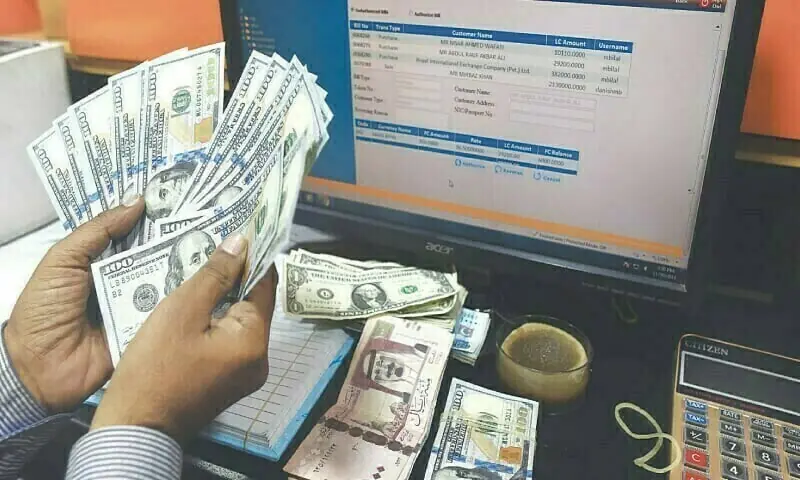
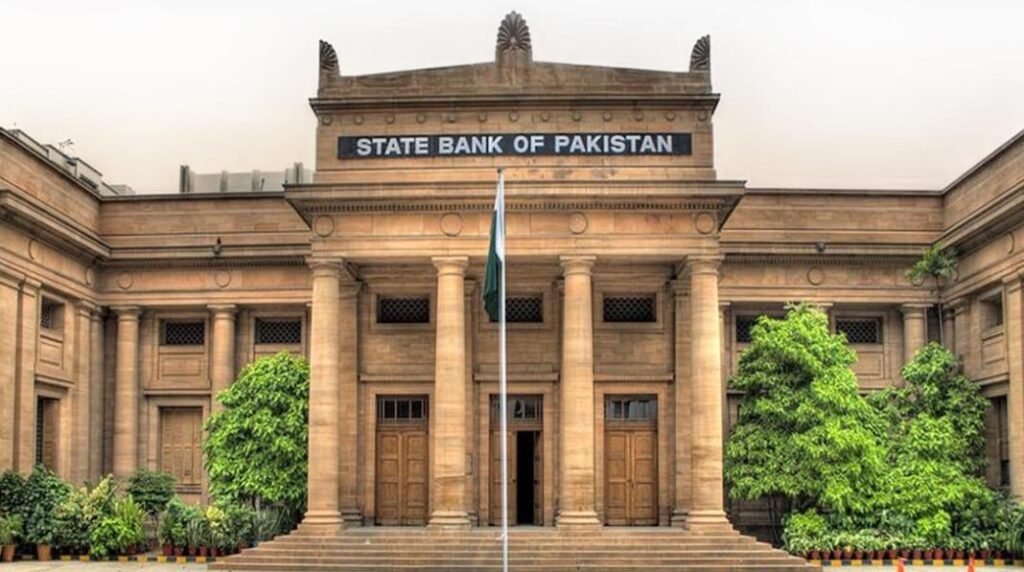
The Saudi Fund for Development has agreed to a Saudi deposit extension of $3 billion with the State Bank of Pakistan, providing continued financial support to Pakistan’s economy. Officials finalized the agreement in Washington D.C., where Chief Executive Officer Sultan bin Abdul Rahman Al-Marshad and SBP Governor Jameel Ahmad signed the deal. Finance Minister Muhammad Aurangzeb also attended the signing ceremony. The agreement extends the tenure of the $3 billion deposit held with Pakistan’s central bank. It aims to strengthen the country’s external account position and ensure continued financial stability. Strengthening Economic Partnership Officials described the agreement as a reflection of strong and longstanding ties between Pakistan and Saudi Arabia. Both countries have maintained close economic cooperation over the years, particularly in financial assistance and investment. The extension provides breathing space to Pakistan’s economy. It supports foreign exchange reserves and helps manage external financing needs. Analysts say such arrangements play a critical role in stabilizing macroeconomic conditions. They also send a positive signal to international markets and lenders. Support for External Sector Stability The Saudi deposit has remained a key component of Pakistan’s financial support framework. By extending its maturity, authorities aim to maintain stability in the external sector. Officials noted that the agreement will help Pakistan manage short-term repayment pressures. It will also improve confidence in the country’s financial outlook. The move comes at a time when Pakistan continues efforts to stabilize its economy. Strengthening foreign reserves remains a top priority for policymakers. Additional $2 Billion Inflow Confirmed In a related development, the State Bank confirmed it has received an additional $2 billion from Saudi Arabia. The funds were transferred by the Saudi Ministry of Finance. The central bank shared the update on X, stating that the amount was received with a value date of April 15, 2026. This inflow adds further support to Pakistan’s reserves. It also highlights continued financial backing from Saudi Arabia during a critical period. Positive Signal for Financial Markets Economic experts view the Saudi deposit extension as a positive development. It demonstrates confidence in Pakistan’s reform efforts and economic direction. The agreement may also improve Pakistan’s standing with international financial institutions. It shows that key partners remain committed to supporting the country’s stability. Officials expect the move to ease pressure on the exchange rate. It may also create a more stable environment for trade and investment. Long-Term Implications The extension of the $3 billion deposit and the additional inflow underline Saudi Arabia’s continued role as a key economic partner. These measures help Pakistan navigate financial challenges and maintain stability. Going forward, policymakers aim to build on this support. They plan to strengthen economic reforms, increase exports, and attract foreign investment. The Saudi deposit extension serves as a timely boost. It reinforces confidence in Pakistan’s financial system and provides a cushion against external shocks.

KSE-100 Index Rally Powers Pakistan Stock Exchange to Strong Weekly Close
Business

KSE-100 Index Rally Powers Pakistan Stock Exchange to Strong Weekly Close

The KSE-100 Index rally dominated market headlines as stocks at the Pakistan Stock Exchange surged sharply on Friday, extending the bullish momentum witnessed throughout the week. Investor confidence strengthened amid improving global sentiment, easing oil prices, and continued financial backing from Saudi Arabia, pushing the benchmark index to a powerful close. The KSE-100 Index ended the session at 173,939.01 points, gaining 4,027.06 points, reflecting a 2.37 percent increase. The market remained firmly positive throughout the day, indicating sustained buying interest from both institutional and retail investors. During intraday trading, the index touched a high of 174,404.03 points and a low of 170,758.25 points, highlighting strong upward momentum despite minor fluctuations. KSE-100 Index Rally Driven by Strong Banking and Energy Stocks The KSE-100 Index rally was largely supported by heavy buying in banking, oil and gas, and cement sectors. Commercial banks emerged as the biggest contributors, adding nearly two thousand points to the index. Oil and gas exploration companies also provided strong support, followed by cement, power generation, and pharmaceutical stocks. Among individual performers, National Bank of Pakistan posted a maximum gain of 10 percent, while Ghani Glass recorded over 9 percent growth. Bank of Punjab also surged above 9 percent. Other notable gainers included Haleon and United Bank Limited, both contributing significantly to overall market strength. On the downside, only limited pressure was observed. Murree Brewery declined slightly by nearly two percent, while minor losses were seen in Mehmood Textile, TRG Pakistan, Engro Fertilizers, and Unilever Pakistan Foods. However, these declines were not enough to impact the overall bullish tone. KSE-100 Index Rally Supported by Record Trading Activity Trading volumes strengthened considerably during the session, reflecting heightened investor participation. More than 704 million shares were traded within the KSE-100 Index alone. Market breadth remained overwhelmingly positive, with 86 companies closing higher and only 14 declining, signaling broad-based buying across sectors. In the broader market, the All-Share Index also performed strongly, closing above 103,800 points after gaining over 2,400 points. Total market volume crossed 1.44 billion shares, while traded value reached approximately 67.99 billion rupees. Out of 486 companies traded, 354 advanced, 101 declined, and 31 remained unchanged, confirming strong bullish momentum. The most actively traded stocks included Bank of Punjab, K-Electric, Treet Corporation, Unity Foods, WorldCall Telecom, Pak Elektron, and Hascol Petroleum. Bank of Punjab led volumes with more than 153 million shares traded, followed by K-Electric with over 134 million shares. Global Factors Fuel KSE-100 Index Rally The KSE-100 Index rally gained further strength from easing global oil prices. Declining crude prices improved sentiment in energy-importing economies such as Pakistan, boosting investor risk appetite. Market participants viewed the decline in oil prices as positive for inflation outlook and external account stability. Additionally, optimism increased after statements suggesting de-escalation of geopolitical tensions in the Middle East. Expectations that the Iran-related conflict could wind down supported global equity markets, which also influenced sentiment at the Pakistan Stock Exchange. Saudi Financial Support Boosts Investor Confidence Domestic sentiment received a major boost after Pakistan secured continued financial support from Saudi Arabia. Both countries agreed to extend a three billion dollar deposit facility placed with the State Bank of Pakistan. This move reinforced Pakistan’s external financing position and eased concerns about foreign exchange reserves. The announcement strengthened confidence among investors who viewed the extension as a sign of continued international backing. Banking stocks responded positively, further accelerating the KSE-100 Index rally. Fiscal Year Performance Highlights Strong Momentum Despite minor volatility earlier in the calendar year, the KSE-100 Index has gained more than 48,000 points during the current fiscal year, representing an increase of over 38 percent. However, on a calendar year basis, the index remains nearly flat with a marginal decline, indicating that recent gains are helping offset earlier losses. Analysts believe continued foreign support, stable macroeconomic indicators, and easing global commodity prices could sustain the bullish trend in coming sessions. Outlook: Will the KSE-100 Index Rally Continue Market experts expect the KSE-100 Index rally to remain intact if macroeconomic stability continues and foreign inflows improve. Banking, cement, and energy sectors are likely to remain in focus, while investor attention may also shift toward upcoming economic data and policy announcements. With strong volumes, positive breadth, and improving global sentiment, the Pakistan Stock Exchange closed the week on a highly optimistic note, setting the stage for potential further gains.

Asia Switches from Plastic to Paper as Oil Hits $100 Amid Iran Conflict
Environment

Asia Switches from Plastic to Paper as Oil Hits $100 Amid Iran Conflict

The ongoing U.S.-Israeli war against Iran has sent global oil prices soaring to nearly $100 per barrel, driving up plastic costs and accelerating a shift toward paper-based packaging across Asia. Read More: https://theboardroompk.com/pakistani-tanker-shalamar-exits-strait-of-hormuz-with-uae-crude-amid-us-blockade-carrying-440000-barrels/ Companies in the region are facing supply disruptions and sharp price hikes for plastic products. Japanese manufacturers have warned of potential shortages of plastic trays and bags, prompting retailers to explore alternatives urgently. Rising Costs Force Industry Shift In Japan, firms like Mitsubishi Chemical and Sanipak are planning to raise prices by about 30% for some plastic items due to higher raw material costs. A product manager at Marutake supermarket in Saitama expressed deep concern, stating uncertainty over how to sell products if plastic trays become unavailable. Malaysia’s dairy producer Farm Fresh has temporarily switched to paper-based milk cartons in response to plastic supply issues. In South Korea, Kolmar Korea – which supplies packaging for brands like L’Oreal – is receiving increased inquiries for paper tubes that use only 20% of the plastic found in traditional packaging. Environmental Concerns Amplify Change Asia’s plastic consumption has grown dramatically, rising from 17 million tonnes in 1990 to 152 million tonnes in 2022 across China, Japan, South Korea, and Southeast Asia. The region accounts for more than one-third of global plastic waste leaking into the environment, largely due to inadequate waste management in lower-income areas. Japan ranks second globally in per capita plastic production and consumption. The current crisis is forcing companies to reconsider long-term sustainable practices, even if some changes prove temporary. Analysts note that while the switch offers a “green edge,” questions remain about whether paper alternatives can fully replace plastics in scale and cost. The conflict has disrupted petrochemical supplies, making paper options more attractive in the short term for cosmetics, food, and consumer goods packaging.

Pakistani Tanker Shalamar Exits Strait of Hormuz with UAE Crude Amid US Blockade Carrying 440,000 Barrels
Pakistan

Pakistani Tanker Shalamar Exits Strait of Hormuz with UAE Crude Amid US Blockade Carrying 440,000 Barrels

A Pakistani-flagged Aframax tanker named Shalamar has exited the Strait of Hormuz carrying approximately 440,000 barrels of UAE crude, shipping data shows. The vessel is en route to Karachi, where it is expected to discharge its cargo on April 19. Read More: http://PHEVs Gain Ground Over EVs in Emerging Markets, Pakistan Sees Early Shift The tanker loaded Abu Dhabi’s Das Blend crude earlier this week at an ADNOC terminal in the United Arab Emirates. It entered the Strait of Hormuz on Sunday along with another Pakistani tanker. Safe Passage Through Tense Waters According to data from Kpler and LSEG, the Shalamar exited the waterway on Thursday. Pakistan’s petroleum minister confirmed that the vessel had loaded crude from the UAE. Pakistan National Shipping Corporation, which manages the tanker, did not immediately respond to requests for comment. This movement comes as traffic through the vital chokepoint has slowed due to heightened regional tensions. The successful transit highlights continued oil trade flows between Gulf producers and Pakistan despite challenges. Context of US Naval Blockade The incident occurs amid a US blockade in the Strait of Hormuz. The US Navy has widened its advisory to include cargoes deemed contraband, warning that vessels suspected of heading to Iranian territory could face visit and search operations. US Central Command reported that 14 vessels turned around to comply with the blockade after 72 hours of enforcement. The Shalamar was one of two Pakistani tankers that entered the Gulf on Sunday to load crude and oil products. Pakistan continues to secure energy supplies through legitimate channels from UAE and other Gulf suppliers. The Das Blend cargo is destined for Pakistan’s refining or storage needs in Karachi. Analysts note that such shipments underscore Pakistan’s reliance on Gulf oil imports while navigating complex geopolitics involving the US, Iran, and regional players. No disruptions were reported for the Shalamar during its passage.

Pakistan Jets Escort Iranian Negotiators Home Amid Israeli Threat Fears
Politics

Pakistan Jets Escort Iranian Negotiators Home Amid Israeli Threat Fears

Pakistani fighter jets provided a rare aerial escort to Iranian negotiators returning home from inconclusive peace talks with the United States in Islamabad. The delegation cited fears of a possible Israeli attack as the reason for requesting enhanced security. The operation involved around 20 Pakistani Air Force jets, including Chinese-made J-10 fighters, along with Airborne Warning and Control System (AWACS) aircraft. The escort accompanied the Iranian team all the way to Iranian airspace near Tehran. Security Concerns Prompt Unusual Escort Iranian officials, led by Foreign Minister Abbas Araqchi and Parliament Speaker Mohammad Baqer Qalibaf, expressed concerns after the talks ended without agreement. Sources indicated the Iranians mentioned a “hypothetical” risk of Israeli targeting, prompting Pakistan to take full responsibility for their safe return. This level of protection went beyond normal diplomatic protocol. Pakistani sources said similar escorts could be arranged for future rounds of talks if requested. One official described the mission as massive, emphasizing the responsibility of providing air cover with potent fighters. The talks, hosted in Pakistan last weekend, marked the highest-level direct engagement between the US and Iran since the 1979 Islamic Revolution. They followed a US-Israel military operation against Iran that began on February 28, 2026, and a recent ceasefire. Implications for Future Diplomacy US Vice President JD Vance led the American side, while President Donald Trump has signaled that further discussions could resume soon in Islamabad. Despite the inconclusive outcome, back-channel contacts remain active. Israel had previously placed Araqchi and Qalibaf on a strike list, though Pakistan reportedly intervened to remove them temporarily. Israeli Prime Minister Benjamin Netanyahu has made strong statements against Iranian leadership in the past. Pakistan’s role as mediator highlights its growing diplomatic influence in the region. The escort operation underscores the fragile security environment even during peace efforts. No immediate comments came from Israeli, Iranian, or US officials on the escort details.

Jahanzaib Haque Takes Helm as Nukta Chief Editor After ARY Acquisition
Pakistan

Jahanzaib Haque Takes Helm as Nukta Chief Editor After ARY Acquisition

Karachi — Jahanzaib Haque has stepped into the role of Chief Editor at the digital media platform Nukta, signaling a new phase of editorial leadership and growth for the outlet after its acquisition by ARY Digital Network. Read More: https://theboardroompk.com/chery-master-pakistan-sets-a-new-industry-benchmark-with-tiggo-8-tiggo-9-phev-ckd-line-off-in-5days/ The appointment comes shortly after ARY Digital Network acquired a majority stake in Nukta in March 2026. The move integrates Nukta into ARY Group’s broader media ecosystem, aiming to combine broadcast strength with digital innovation and reshape Pakistan’s media landscape through enhanced broadcast-digital synergy. In a LinkedIn post announcing the development, Haque emphasized that his career has never been driven by titles but by a deep commitment to the work itself. “Those close to me know I’ve never really worked for titles. It’s always been about the work,” he wrote. He added that he has consistently gone beyond job descriptions — from high-level management to moderating comments out of fascination with online communities and audience behavior. Haque highlighted Nukta’s impressive early performance, noting one billion impressions and 700 million views during its launch year. He expressed strong confidence in the platform’s future, stating that the union with ARY “is going to lead us ever upwards.”He credited the success to Nukta’s dedicated team, offering special shoutouts to key members including:Amber Shamsi (Pakistan Editor and mentor)Kamran Khan (founder and leader)Murtaza Dar (Lahore Editor)Faizan Khan (COO)Quratulain Mohsen (Head of Content, Dubai)Faisal Aziz Khan (Editor Strategic Communications Middle East and Asia)and many others across editorial, production, partnerships, and social media roles.Haque concluded with optimism: “Let’s see what we build from here. Excelsior ✨” Background on Nukta and the Acquisition Nukta, founded by veteran journalist Kamran Khan, quickly gained traction as a dynamic digital news platform known for its fresh storytelling and strong audience engagement. The ARY acquisition, announced in March 2026, positions Nukta to leverage ARY’s extensive television reach, production capabilities, and international presence while maintaining its digital agility. Nukta continues to operate from its Dubai headquarters as part of the expanded ARY ecosystem.This development underscores a broader trend of traditional Pakistani broadcasters investing in digital platforms to reach younger audiences and adapt to evolving media consumption habits.

Chery Master Pakistan Sets A New Industry Benchmark with Tiggo 8 & Tiggo 9 PHEV CKD Line-Off in 5 Days
Auto

Chery Master Pakistan Sets A New Industry Benchmark with Tiggo 8 & Tiggo 9 PHEV CKD Line-Off in 5Days

KARACHI: Chery Master Pakistan has achieved the record-breaking CKD line-off of Tiggo 8 PHEV and Tiggo 9 PHEV within a span of five days, marking a defining milestone in its back-to-back rollout of plug-in hybrid models and setting a new industry benchmark for how quickly advanced vehicles are brought to market in Pakistan. Chery Master Pakistan has launched three globally benchmark plug-in hybrid models in the local market within a span of four months, establishing Pakistan’s largest plug-in hybrid CKD lineup. Delivered at a critical time when rising fuel costs and limited charging infrastructure make plug-in hybrids the only practical solution without range anxiety, this rollout has translated into record-setting early deliveries, further reinforced by the CKD line-off of Tiggo 9 PHEV within just five days of Tiggo 8 PHEV. Backed by the manufacturing strength of Master Auto Engineering and supported by Chery Automobile’s core technical team, the line-off reflects execution at speed while maintaining global engineering precision and quality standards. With Start of Volume Production underway, vehicles are undergoing rigorous validation across Pakistan’s driving conditions. Positioned as Pakistan’s first premium plug-in hybrid E-SUV, Tiggo 9 PHEV stands as the flagship of Chery’s PHEV lineup and a category-defining product, combining high performance, advanced safety and elevated comfort. Alongside Tiggo 8 PHEV and Tiggo 7 PHEV, it forms part of a continuous rollout, bringing Chery’s world’s best plug-in hybrid technology closer to Pakistani customers at an unprecedented pace. Powered by Chery Super Hybrid technology, it delivers up to 170 km of electric driving and up to 1,400 km total range. With 610 horsepower, 920 Nm of torque, and all-wheel drive, it offers performance and efficiency suited for both daily commuting and long-distance travel. With running costs as low as PKR 2 to 10 per kilometre, it enables fuel-free daily driving while eliminating range anxiety and reducing reliance on charging infrastructure. Inside, it features a 15.6-inch infotainment display, 14-speaker Sony audio system, front-row massage seats, and heated and ventilated seating across both the first and second rows. Safety is a key strength, with 10 airbags, Level 2 Plus ADAS with over 27 functions, and automatic parking, positioning it among the safest and most advanced SUVs in Pakistan. Following the highly successful launch of Tiggo 7 PHEV, this milestone builds on an exceptional market response, with strong customer demand reflecting a clear shift toward plug-in hybrid mobility in Pakistan.Commenting on the achievement, Samir Malik, CEO of Master Auto Engineering, said: “This is a proud moment for us. What we are building is not just a product lineup, but a shift in how quickly global technologies can reach Pakistani customers. What we have achieved reflects a new level of speed, precision and execution in the local industry. By combining global capability with local manufacturing strength, we are accelerating this transition while ensuring these solutions remain practical and relevant for Pakistan.” In Pakistan, Chery is introduced by Master Auto Engineering, part of the Master Group with over 60 years of industrial and automotive legacy. The Group is a leader in Pakistan’s automobile industry, with Procon Engineering in auto parts manufacturing and Master Motor in commercial and passenger vehicles, ranking among Pakistan’s largest automotive groups, in partnership with Chery Automobile, China’s No.1 automotive exporter for 23 consecutive years. With volume production underway, Tiggo 9 PHEV marks the next phase, reflecting a new operating pace for the industry and reinforcing Chery Master Pakistan’s back-to-back execution strategy in bringing Pakistan closer to global mobility standards. Social Media Visual Headline: A New Industry Benchmark Tiggo 8 & Tiggo 9 PHEV CKD Line-Off in 5 Days

Bushra Bibi Hospitalised After Transfer from Jail, Family Allowed to Meet
Politics

Bushra Bibi Hospitalised After Transfer from Jail, Family Allowed to Meet

Bushra Bibi hospitalised after being shifted from prison to a medical facility, according to Pakistan Tehreek-e-Insaf (PTI) Chairman Gohar Ali Khan, who confirmed the development on Friday and called for immediate family access. Read More: https://theboardroompk.com/iranian-president-meets-field-marshal-asim-munir-in-tehran-for-key-security-talks/ In a statement shared on X, Gohar said the party received information that the wife of PTI founder Imran Khan was moved to a hospital late at night. He added that he was awaiting a detailed medical briefing regarding her condition and treatment. PTI Demands Medical Access and Transparency Gohar Ali Khan urged authorities to grant immediate access to family members of both Imran Khan and Bushra Bibi. He stressed that access to healthcare and family visits are fundamental rights under the law. He also renewed demands for the former prime minister to be shifted to a hospital for urgent medical care. “Their health is too serious, and every Pakistani is deeply concerned,” he stated. The PTI leadership continues to raise concerns about medical facilities and restrictions on meetings with its incarcerated leaders. Family Members Meet Bushra Bibi Later in the day, Bushra Bibi’s family members were allowed to meet her. Those who visited included her daughter, son-in-law, and sister-in-law. Her sister, Mariam Riaz Watto, confirmed that the family had been called to the hospital. She said Bushra’s daughters were present with her during the visit. Watto also revealed that Bushra Bibi is expected to undergo surgery as part of her treatment. However, officials have not yet shared detailed information about her medical condition. Background of Arrest and Conviction Bushra Bibi was arrested in January 2025 following her conviction in a case linked to misuse of authority and corruption involving Al-Qadir University. In December 2025, a special court sentenced both Imran Khan and Bushra Bibi to 17 years in prison in the Toshakhana-2 case. The case involved allegations of under-priced purchases of luxury state gifts. Their convictions remain a central issue in Pakistan’s political landscape. PTI has consistently challenged the cases and raised concerns about legal proceedings. Imran Khan’s Health Concerns Persist Meanwhile, Imran Khan, 73, remains imprisoned at Adiala Jail since August 2023. He faces multiple cases ranging from corruption to terrorism. His legal team has submitted medical reports to the Supreme Court of Pakistan, stating that he suffers from central retinal vein occlusion (CRVO). The condition can cause severe vision loss due to blockage in the retina’s main vein. According to reports, the former prime minister has lost nearly 85% of vision in his right eye. Doctors have treated him at the Pakistan Institute of Medical Sciences, where he underwent multiple procedures, including anti-VEGF injections to reduce retinal swelling. His most recent hospital visit took place in March, when doctors conducted a detailed examination and declared his condition stable. Court Directives and Medical Reviews A medical board consisting of five specialists has also examined Imran Khan at Adiala Jail. The board included experts in cardiology, ENT, and ophthalmology. The review followed directives from the Islamabad High Court, which instructed authorities to monitor his health closely. However, the court rejected petitions seeking his transfer to a private hospital. Officials maintain that he is receiving adequate medical care within the prison system. Restrictions on Meetings Remain Access to Imran Khan remains restricted. Information Minister Attaullah Tarar confirmed that a blanket ban on meetings has been in place since December 2025. PTI leaders have repeatedly criticized these restrictions. They argue that such limitations violate basic rights and hinder communication with legal teams and family members. Political Context and Developments The issue of incarceration continues to fuel political tensions. PTI had recently announced a rally to demand Imran Khan’s release in April. However, the party postponed the event due to ongoing diplomatic engagements in Islamabad linked to the US-Iran peace process. Observers say the health concerns of both Imran Khan and Bushra Bibi may further intensify political debate in the coming days. The development of Bushra Bibi hospitalised has added urgency to PTI’s demands for medical access and transparency, as questions continue to surround the health and treatment of the party’s top leadership.

Ufone Service Disruptions in Pakistan: Load Shedding Impact on Telecom Connectivity
Tech

Ufone Service Disruptions in Pakistan: Load Shedding Impact on Telecom Connectivity

Ufone Service Disruptions are becoming increasingly noticeable for customers across Pakistan as prolonged electricity load shedding continues to impact telecom infrastructure. With power outages lasting up to eight hours or more in many regions, maintaining uninterrupted mobile connectivity has become a major challenge for telecom operators. The issue highlights a broader concern for Pakistan’s digital economy, where stable communication networks are essential for businesses, freelancers, students, and everyday users who rely on mobile data and voice services. How Load Shedding Is Causing Ufone Service Disruptions The ongoing electricity shortfall is directly affecting telecom tower operations. Mobile network sites require continuous power supply to function efficiently. When grid electricity goes off, telecom companies rely on backup battery systems installed at cell sites. However, these backup batteries are not designed to operate indefinitely. They need several hours of uninterrupted electricity to recharge fully. Frequent load shedding interrupts these charging cycles, resulting in reduced backup capacity. When batteries drain before power is restored, temporary service interruptions occur. This chain reaction is the primary reason behind the current Ufone Service Disruptions experienced by users in different cities. Backup Battery Systems and Their Limitations Urban telecom infrastructure is typically supported by battery backup systems designed to ensure continuity during short outages. These systems usually require three to four hours of uninterrupted electricity to fully recharge. When power supply remains unstable, batteries only partially charge. Over time, their operational duration reduces significantly. This means that instead of supporting networks for several hours, they may only last for a shorter period, increasing the chances of network downtime. Additionally, repeated incomplete charging cycles can gradually degrade battery health, further worsening the situation. This technical limitation is a key factor behind the ongoing Ufone Service Disruptions across the country. Impact of Ufone Service Disruptions on Businesses and Users The effects of service interruptions extend beyond simple inconvenience. Many small businesses in Pakistan rely on mobile connectivity for digital payments, customer communication, and online orders. Network instability can slow down transactions and disrupt operations. Freelancers and remote workers, particularly those dependent on mobile data connections, face productivity challenges. Students attending online classes also experience interruptions. In urban areas where mobile networks serve as backup internet, service disruptions create additional pressure. These widespread impacts highlight how telecom connectivity is closely tied to economic activity and daily life in Pakistan. When Will Services Normalize Telecom operators have indicated that services are expected to stabilize once electricity supply becomes consistent. As power availability improves, battery systems will be able to recharge fully, restoring backup capacity at cell sites. This gradual recovery will reduce the frequency of Ufone Service Disruptions. However, until load shedding schedules improve, users may continue to experience intermittent connectivity issues in certain areas. What Users Can Expect in the Short Term In the short term, customers may notice occasional call drops, slower mobile data speeds, or temporary signal loss. These disruptions may vary depending on local power conditions and tower backup availability. Users are advised to keep alternative communication options available, such as Wi-Fi connections where possible, during extended outages. Businesses relying on mobile connectivity may also consider contingency arrangements to avoid operational delays. Ufone Service Disruptions underline the growing dependence of Pakistan’s telecom sector on reliable electricity supply. While backup systems provide temporary relief, prolonged and frequent load shedding reduces their effectiveness. As electricity stability improves, telecom services are expected to return to normal levels. Until then, intermittent connectivity challenges may persist, affecting users across different regions. The situation highlights the importance of coordinated infrastructure planning to ensure uninterrupted digital connectivity in Pakistan’s evolving communication landscape.

Scroll to Top