Author name: Web Desk

How the AI Revolution Is Reshaping Global Energy Strategy, Why Carbon Removal Is Becoming the Next Big Investment Frontier
Uncategorized

How the AI Revolution Is Reshaping Global Energy Strategy, Why Carbon Removal Is Becoming the Next Big Investment Frontier

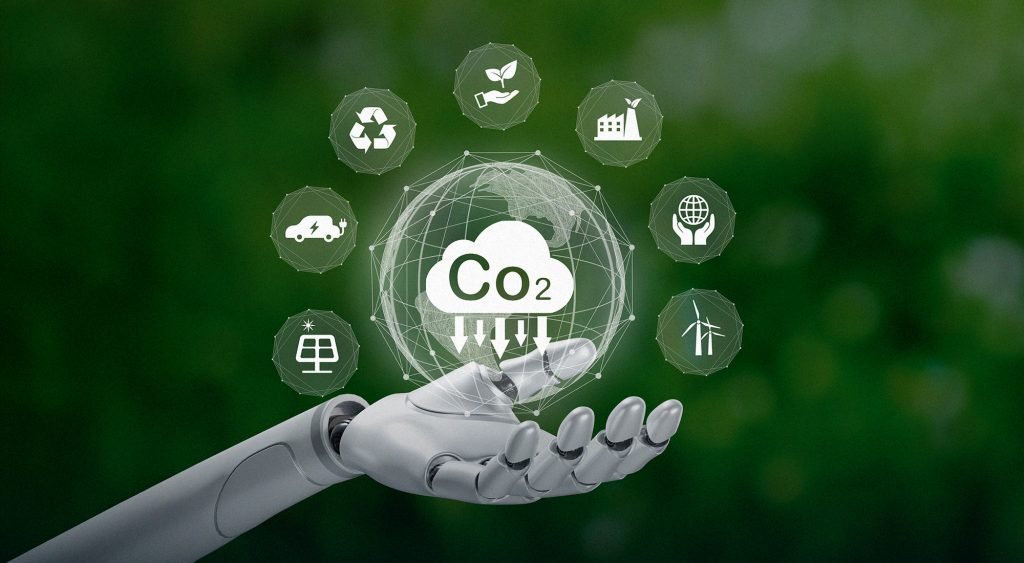
As artificial intelligence (AI) accelerates at unprecedented speed, it is not just transforming industries, it is reshaping global energy demand, climate strategy, and trillion-dollar investment priorities. The world is entering a new era where AI growth and climate commitments intersect, creating both a massive challenge and a high-value business opportunity. At the center of this transformation is a hard truth: the AI boom is building a global carbon debt that can no longer be ignored. AI’s Energy Surge: The New Demand Curve: By 2030, worldwide data center electricity consumption is expected to reach nearly 1,000 terawatt-hours, double today’s levels, and more than Japan consumes in an entire year. Even with renewable energy capacity hitting record growth, clean power simply cannot expand fast enough to feed the explosive demand from AI training and inference workloads. As a result:• Fossil fuels, gas, oil and coal, are poised to deliver more than 50% of global data-center power through 2030.• Annual emissions from data centers could exceed 300 million tonnes of CO₂, according to the International Energy Agency (IEA).• Hyperscalers like Microsoft, Google, Meta and Amazon are moving toward net-zero targets, but emissions are still rising as deadlines approach.The race to scale AI is outpacing the world’s ability to scale clean energy. The Decarbonization Paradox: AI Growth vs. Net-Zero Commitments: No company illustrates this tension more than Microsoft.• Investing $80 billion in new data centers in 2025• Clean-energy contracts in 24 countries• Bets on both nuclear and emerging fusion technologies Yet, its energy consumption has surged 168% since 2020, and total emissions continue to climb. As Microsoft’s Chief Sustainability Officer Melanie Nakagawa said, when talking about the 2030 carbon-negative goal:“The moon has gotten further away.” Even the most aggressive climate-leading tech companies are struggling to keep pace with AI’s power demands. Why Carbon Removal Is Becoming the Next Multibillion-Dollar Market: Reaching net zero is not just about cutting emissions. The world must also begin removing carbon already in the atmosphere. This is where Carbon Dioxide Removal (CDR) becomes a crucial and fast-growing market. Why CDR Matters:• Avoidance offsets don’t remove carbon, they shift responsibility.• CDR captures CO₂ and stores it in soils, oceans, biomass, or deep geological formations.• The IPCC says the world needs 5–10 billion tonnes of carbon removed annually by 2050.• There is no net-zero scenario without carbon removal at scale. Microsoft is leading the way, having already purchased over 30 million tonnes of high-quality carbon removal, representing ~80% of the global market as of October 2025. But to sustain AI growth without breaching climate commitments, other hyperscalers must match that ambition. Why Tech Companies Are Investing in Carbon Removal Now:Contrary to perception, these investments aren’t purely environmental. They’re strategic. The Role of Governments: Public Policy Must Match Private Investment: Tech giants are now operating at nation-state scale, influencing global markets for energy, materials, and carbon. But even with their massive capital power, private investment cannot solve the carbon-removal challenge alone. Governments must:• Establish clear regulatory frameworks• Fund early CDR demonstration projects• Accelerate permitting for storage sites• Integrate CDR into mandatory compliance markets• Invest in carbon infrastructure: measurement, transport, and storageThis mirrors how governments helped scale:• Renewable energy• Broadband• COVID-19 vaccinesA similar public-private model is essential for carbon removal. A Once-in-a-Generation Opportunity: Balancing AI Innovation with a Livable Planet: AI has fundamentally redrawn the global emissions curve. But carbon removal provides a viable pathway to pay down the carbon debt created by the exponential rise in compute power.For businesses, investors, and policymakers, the next five years will define whether AI and net zero can grow togPlane, or collide. One thing is certain:Carbon removal is emerging as one of the most important investment markets of the next decade.Companies that act now will not only protect their AI-driven future, they will help build a sustainable one.
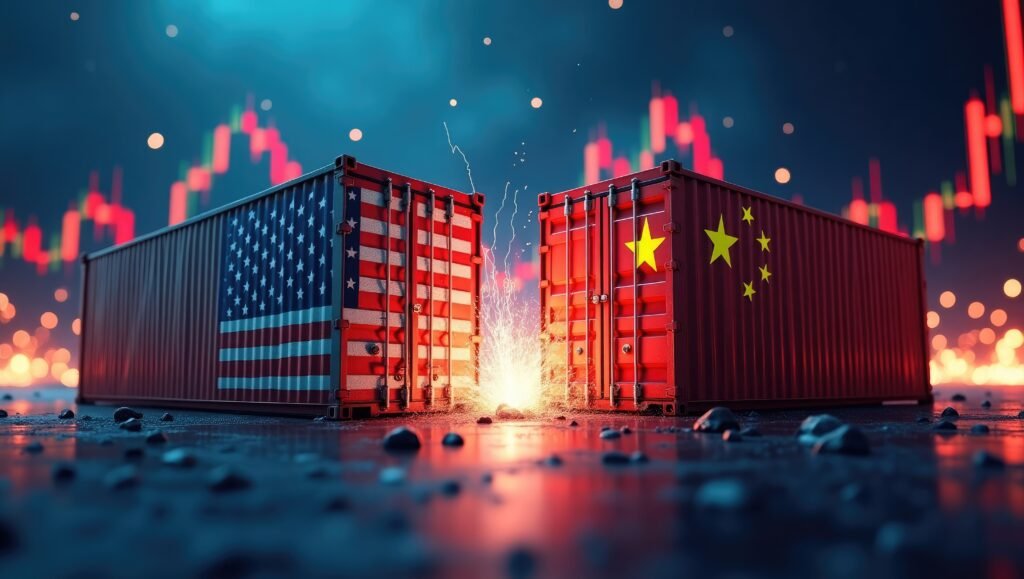
China Exports Smash Forecasts Despite Trump’s 60% Tariffs. Non-US Shipments Surge 18%: Beijing’s Trade Rerouting Pays Off in November
World

China Exports Smash Forecasts Despite Trump’s 60% Tariffs. Non-US Shipments Surge 18%: Beijing’s Trade Rerouting Pays Off in November

BEIJING: China’s exports surged 11.2% year-on-year in November, far exceeding analysts’ expectations of 8.5% growth, powered by a sharp acceleration in shipments to Southeast Asia, Europe, Latin America and Africa as manufacturers rush to reroute trade ahead of Donald Trump’s return to the White House.Non-U.S. exports jumped 14–18% in key emerging markets, while shipments to the United States rose only 3.1%, the slowest pace in 18 months, underscoring successful diversification away from Washington’s threatened 60% tariffs.Imports, however, grew just 1.7% – well below the forecast 4.2% – signaling persistently weak domestic consumption and excess industrial capacity. The trade surplus swelled to a record $104.6 billion.Factory surveys released last week painted a cautious outlook: the Caixin Manufacturing PMI for export orders slipped to 49.8, with respondents citing rising protectionism and expected demand slowdown in 2026.Beijing has accelerated “China +1” strategies, with companies expanding plants in Vietnam, Mexico and Indonesia to retain low-tariff access to Western markets once higher U.S. duties take effect in 2025.Economists warn that while front-loading and rerouting cushioned 2024, global trade fragmentation will pose mounting challenges next year.

Pakistan to Export Excess LNG from Jan 1, Announces Major Energy Reforms
Pakistan

Pakistan to Export Excess LNG from Jan 1, Announces Major Energy Reforms

LAHORE – Petroleum Minister Ali Pervaiz Malik announced Sunday that Pakistan will start selling surplus liquefied natural gas (LNG) in international markets from January 1, 2026, to curb mounting circular debt and losses exceeding Rs1,000 billion since 2018-19.Speaking at a press conference, Malik said reduced power sector demand had created an LNG glut, forcing diversion to domestic consumers and hurting local producers. “From January 1, we will monetize this excess in global markets, ease financial burden, and enable state-owned gas companies to operate at full capacity and generate profits,” he declared. Read More: https://theboardroompk.com/lng-solarization-pakistans-fuel-oil-exports-smash-record-cross-1-4-million-tons-in-2025/ The move follows Pakistan’s recent cancellation of 21 LNG cargoes from Italy’s Eni and ongoing talks with Qatar to defer or resell additional volumes.Malik also unveiled major foreign investment inflows: Turkish Petroleum is returning after 20 years for onshore and offshore exploration and opening an Islamabad office. Azerbaijan’s SOCAR will arrive next week to finalize exploration partnerships and invest millions in the Machike–Thalian oil pipeline with PSO and FWO; construction begins within six weeks.For the Reko Diq copper-gold project, $3.5 billion in private debt has been secured, matched by Barrick Gold and local firms, totaling $6–7 billion in phase-one investment. The signing ceremony is expected within two months.

Thailand Launches Air Strikes at Cambodia on Century-Old Border Dispute; 35,000 Displaced
World

Thailand Launches Air Strikes at Cambodia on Century-Old Border Dispute; 35,000 Displaced

BANGKOK/PHNOM PENH – The Thai military announced Monday that more than 35,000 civilians have been evacuated from four border districts and relocated to temporary shelters as tensions with Cambodia over disputed territory escalate once again.The evacuations affect communities in Surin, Si Sa Ket, Buriram, and Ubon Ratchathani provinces along the 817-kilometre frontier, parts of which remain undemarcated since the 1907 French colonial map drawn when Cambodia was under Paris’s rule.Military spokesmen described the move as “precautionary” amid heightened troop deployments on both sides. Local residents reported increased artillery and small-arms fire near the contested Preah Vihear temple area and other flashpoints in recent days.The century-old sovereignty dispute has triggered deadly clashes before, most notably a week-long exchange of rocket and artillery fire in 2011 that killed at least 18 people and displaced tens of thousands.Despite multiple rounds of bilateral talks and rulings by the International Court of Justice affirming Cambodian sovereignty over the Preah Vihear temple itself in 1962 and surrounding land in 2013, overlapping claims persist. Both governments insist they seek a peaceful resolution, yet neither has ruled out force to protect what each regards as national territory.

PM Shehbaz, CDF Asim Munir meet Binance CEO Richard Teng
Pakistan

PM Shehbaz, CDF Asim Munir meet Binance CEO Richard Teng

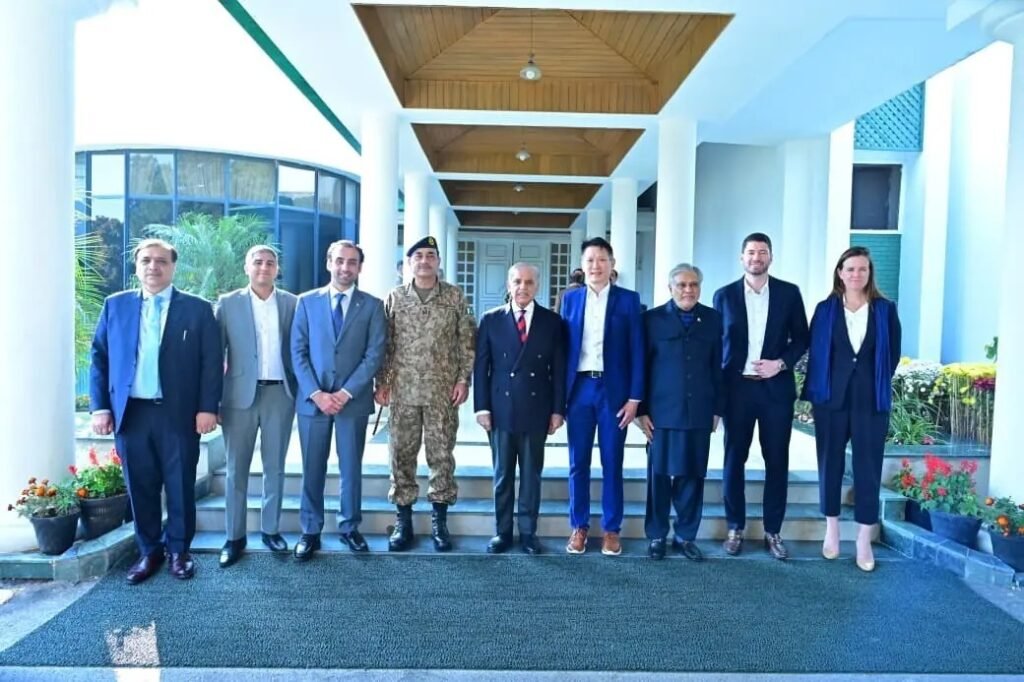
Islamabad: In a historic shift, Prime Minister Shehbaz Sharif and Chief of Army Staff Field Marshal Syed Asim Munir on Saturday held high-level talks with a Binance delegation led by Global CEO Richard Teng, signaling Pakistan’s strong commitment to regulated digital assets.The meeting, also attended by Finance Minister Muhammad Aurangzeb and PVARA Chairman Bilal bin Saqib, follows Friday’s consultative session at the Finance Division where central bank officials, commercial bank heads, and Binance executives discussed Pakistan’s National Digital Asset Framework. Read More: https://theboardroompk.com/crypto-pioneer-bilal-bin-saqib-exits-government-role-sparks-social-media-speculation/ The government emphasized building a secure ecosystem with licensed Virtual Asset Service Providers, robust on/off-ramp infrastructure, enhanced AML/CFT compliance, and integration of citizen-held crypto into formal financial monitoring, without granting legal tender status. Officials described digital asset adoption as an “irreversible global trend” that offers economic opportunities through better financial visibility and credit assessment.Despite Bilal bin Saqib’s recent resignation as Special Assistant to the Prime Minister on Blockchain and Cryptocurrency, he continues to lead the autonomous Pakistan Virtual Assets Regulatory Authority. The rare civil-military engagement with the world’s largest crypto exchange marks Pakistan’s decisive pivot from its earlier blanket ban toward a regulated, innovation-friendly digital asset market.

From 40% to 46% Already: Pakistan Races Toward 60% Renewables by 2030
Pakistan

From 40% to 46% Already: Pakistan Races Toward 60% Renewables by 2030

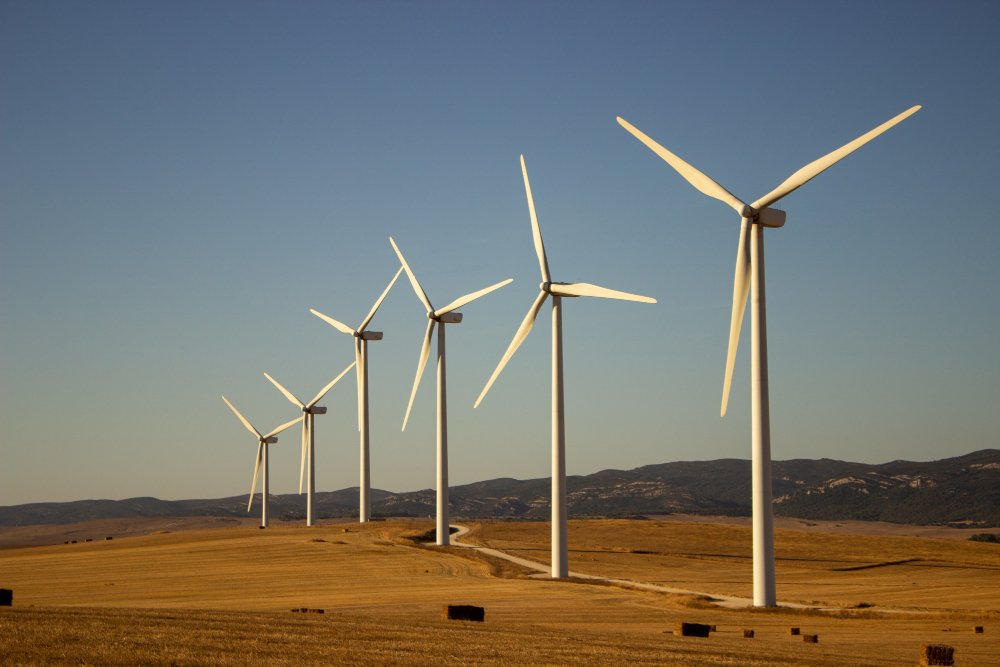
ISLAMABAD: Pakistan has achieved a major clean energy milestone months ahead of schedule, with renewable sources now contributing more than 46% of the country’s total electricity generation as of September 2025, Federal Minister for Energy (Power Division) Awais Ahmad Khan Leghari informed the National Assembly on Friday. Read More: https://theboardroompk.com/k-electric-to-build-26mw-dedicated-grid-station-at-port-qasim/ In a written reply to lawmakers, the minister revealed that the country has already surpassed its own ambitious 2025 target of 40% renewable energy in the national grid. The government remains committed to raising the share to 60% by 2030.While installed on-grid renewable capacity currently stands at 37%, ongoing public and private sector projects are rapidly coming online, pushing the actual generation share significantly higher.The development marks one of the fastest clean-energy transitions among developing nations and positions Pakistan as a regional leader in renewable energy adoption.

Pakistan Removes Major Barrier to Kinnow & Potato Exports via Iran, New Route to CIS & Russia Opens
Uncategorized

Pakistan Removes Major Barrier to Kinnow & Potato Exports via Iran, New Route to CIS & Russia Opens

Karachi: In a major development for Pakistan’s agricultural export sector, the government has removed the key financial obstacle that had long hindered the export of kinnow (mandarin) and potatoes via the Iran land route. Acting on the special directives of the Prime Minister, the Ministry of Commerce and the State Bank of Pakistan (SBP) have jointly issued an important circular granting exporters one-time exemption from submitting the mandatory Financial Instrument (FI) for these shipments. According to the official notification signed by Maria Kazi, JS FT-II, exporters will now be able to ship kinnow and potatoes to Central Asian States (CIS) and Russia through Iran’s land corridor without the previously required banking documentation. Commerce Ministry Circular: A Landmark Facilitation for Exporters: The circular states: Exporters of kinnow and potatoes are exempted from submitting the Financial Instrument in banks for the ongoing export season. This relaxation has been granted under the Export Policy Order 2022 as a one-time special permission. The State Bank of Pakistan has instructed all banks not to demand FI-Documents from exporters. The move addresses long-standing logistical challenges and provides an immediate relief to exporters who faced disruptions through the Afghan transit route. The Iran land route is now formally reinstated as a viable and streamlined export corridor. Pakistan’s Export Performance, And Growth Expected This Year: Export data reveals: Pakistan exported 55,000 tons of kinnow, earning USD 22 million last year. The country also exported 300,000 tons of potatoes to CIS markets, earning USD 50 million. Exporters are highly optimistic about 2025: A bumper kinnow crop has been recorded this season. Shipments to CIS countries are expected to increase by 30% compared to last year. The opening of the Iran corridor is expected to significantly reduce transportation costs, shorten transit time, and enable exporters to serve regional markets more efficiently. PFVA Welcomes the Government’s Decision “A Unique Opportunity for the Sector” Waheed Ahmed, Patron-in-Chief of the All Pakistan Fruit & Vegetable Exporters, Importers and Merchants Association (PFVA), expressed deep appreciation for the government’s timely intervention. He stated: “We express our deepest gratitude to the Honourable Prime Minister, Minister of Commerce, and Governor SBP for resolving the Financial Instrument issue expeditiously for the export of kinnow to CIS countries via Iran. This reflects their strong commitment to boosting this vital export sector.” He added: “Our exporters will leave no stone unturned in utilizing this unique opportunity. With a bumper kinnow crop this year, we are fully prepared to maximize exports and generate valuable foreign exchange for Pakistan.” A Game-Changer for Pakistan’s Agricultural Supply Chain This development carries important implications for: Exporters targeting CIS & Russian marketsLogistics and cold-chain operators using Iran’s land routesPakistan’s kinnow and potato export clustersInvestors looking to expand in the fresh produce sector By relaxing banking requirements and enabling smoother transit routes, the government has unlocked new momentum for Pakistan’s fruit and vegetable export industry. The government’s decision is being hailed as a strategic breakthrough for Pakistan’s agricultural exports. With improved cross-border logistics, reduced documentation barriers, and a bumper harvest season, Pakistan is positioned to significantly enhance its footprint across Central Asia and Russia. This policy shift is expected to: Boost foreign exchange earningsStrengthen Pakistan’s trade competitivenessImprove sustainable market access for key horticultural products Pakistan’s kinnow and potato exporters are ready, and the regional markets are waiting. The State Bank of Pakistan has instructed all banks not to demand FI-Documents from exporters. The move addresses long-standing logistical challenges and provides an immediate relief to exporters who faced disruptions through the Afghan transit route. The Iran land route is now formally reinstated as a viable and streamlined export corridor. Pakistan’s Export Performance, And Growth Expected This Year: Export data reveals: Pakistan exported 55,000 tons of kinnow, earning USD 22 million last year. The country also exported 300,000 tons of potatoes to CIS markets, earning USD 50 million. Exporters are highly optimistic about 2025: A bumper kinnow crop has been recorded this season. Shipments to CIS countries are expected to increase by 30% compared to last year. The opening of the Iran corridor is expected to significantly reduce transportation costs, shorten transit time, and enable exporters to serve regional markets more efficiently. PFVA Welcomes the Government’s Decision “A Unique Opportunity for the Sector” Waheed Ahmed, Patron-in-Chief of the All Pakistan Fruit & Vegetable Exporters, Importers and Merchants Association (PFVA), expressed deep appreciation for the government’s timely intervention. He stated: “We express our deepest gratitude to the Honourable Prime Minister, Minister of Commerce, and Governor SBP for resolving the Financial Instrument issue expeditiously for the export of kinnow to CIS countries via Iran. This reflects their strong commitment to boosting this vital export sector.” He added: “Our exporters will leave no stone unturned in utilizing this unique opportunity. With a bumper kinnow crop this year, we are fully prepared to maximize exports and generate valuable foreign exchange for Pakistan.” A Game-Changer for Pakistan’s Agricultural Supply Chain This development carries important implications for: Exporters targeting CIS & Russian marketsLogistics and cold-chain operators using Iran’s land routesPakistan’s kinnow and potato export clustersInvestors looking to expand in the fresh produce sector By relaxing banking requirements and enabling smoother transit routes, the government has unlocked new momentum for Pakistan’s fruit and vegetable export industry. The government’s decision is being hailed as a strategic breakthrough for Pakistan’s agricultural exports. With improved cross-border logistics, reduced documentation barriers, and a bumper harvest season, Pakistan is positioned to significantly enhance its footprint across Central Asia and Russia. This policy shift is expected to: Boost foreign exchange earningsStrengthen Pakistan’s trade competitivenessImprove sustainable market access for key horticultural products Pakistan’s kinnow and potato exporters are ready, and the regional markets are waiting.

Netflix Buys Warner Bros, Producer of Game of Thrones, Harry Potter, Batman, Superman
World

Netflix Buys Warner Bros, Producer of Game of Thrones, Harry Potter, Batman, Superman

Los Angeles: In a seismic shift for the entertainment industry, Netflix announced Friday it has entered a definitive agreement to acquire Warner Bros. Discovery’s (WBD) film and television studios, along with its HBO Max streaming service, in a cash-and-stock deal valued at $82.7 billion (equity value of $72 billion). The move, which values WBD shares at $27.75 each, catapults Netflix into full vertical integration, blending its streaming dominance with Warner’s iconic franchises like “Game of Thrones,” “Harry Potter,” and DC superheroes Batman and Superman. The acquisition follows a fierce bidding war against rivals Paramount Skydance and Comcast, with Netflix emerging victorious by offering a $5.8 billion breakup fee to sweeten the pot. Under the terms, WBD shareholders will receive $23.25 in cash and $4.50 in Netflix stock per share. The deal hinges on WBD first spinning off its cable networks, including CNN, TNT, and TBS, into a separate public company by Q3 2026, with full closure expected in 12-18 months. Netflix CEO Ted Sarandos hailed the merger as a “game-changer,” promising to preserve Warner’s theatrical release tradition while unlocking $2-3 billion in annual synergies. “This unites two storytelling powerhouses, delivering unmatched content to global audiences,” Sarandos said in a statement. WBD CEO David Zaslav echoed the excitement, noting it would “amplify our legacy in the streaming era.” Industry watchers predict ripple effects: enhanced leverage for Netflix in talent negotiations and potential mergers among smaller studios. However, theater chains and unions voiced concerns over market concentration, with the Directors Guild of America vowing to scrutinize antitrust implications. Shares of Netflix dipped 0.2% pre-market, while WBD surged 3%, trading below the offer price. As streaming wars evolve, this blockbuster union signals Hollywood’s pivot from legacy cables to digital empires, potentially redefining content creation and distribution worldwide.

PSX Market Closing: KSE-100 Surges Past 167k on Strategic Appointments and Saudi Deposit Rollover
Uncategorized

PSX Market Closing: KSE-100 Surges Past 167k on Strategic Appointments and Saudi Deposit Rollover

Karachi:The Pakistan Stock Exchange (PSX) ended the trading week on a high note, continuing its aggressive upward trajectory. On the last business day of the week, the benchmark KSE-100 index gained a massive 802.03 points (0.48%), closing at an impressive 167,085.58. Driven by major developments in national stability and economic support from Saudi Arabia, investor confidence returned to the trading floor, pushing volumes significantly higher than the preceding session. Key Market Triggers: Why the Bulls Took Charge: According to the evening market data, two primary catalysts fueled today’s rally: Market Statistics: Volume & Value Breakdown: The liquidity crunch seems to be easing as participation widened across the board. Indices Summary: Index: KSE-100Current Level: 167,085.58 pointsChange (Points):+802.03Change (%): +0.48% Index: KSE-30Current Level: 50,772.01 pointsChange (Points): +235.95Change (%): +0.47% Index: KMI-30Current Level: 239,923.34 PointsChange (Points):+1,634.32Change (%): +0.69% Note: The KMI-30 (Islamic Index) outperformed the benchmark, indicating strong buying flows in Shariah-compliant equities. Top Performers: The Heavyweights Lifting the Index: The rally was led by the Fertilizer and Exploration & Production (E&P) sectors. Fauji Fertilizer Company (FFC) was the star of the show, contributing a massive 175 points to the index single-handedly. Top 5 Positive Index Contributors: On the flip side, banking stocks saw some profit-taking, with MCB (-33.48 pts) and FABL (-29.00 pts) acting as the primary drags on the index. Volume Leaders: Tech & Penny Stocks Dominate: Retail favorites dominated the volume charts, with the Technology and Communication sector seeing massive churn. Telecard Limited (TELE) led the volumes, contributing nearly 8.5% of the total market volume alone. Sector Watch & Technical Outlook:The Sector Performance chart highlights that Investment Banks and Technology stocks commanded the highest interest relative to market capitalization, followed closely by Cement and Banks. The Top Advancers list was dominated by stocks hitting their upper circuit breakers, with companies like FPJM (+10.87%), SBL (+10.04%), and SINDM (+10.02%) providing handsome returns for day traders. What to Expect Next Week? With the KSE-100 closing firmly above the 167,000 psychological barrier and the “Weekend Effect” likely to be positive due to the confirmed Saudi rollover, the market is poised to test new highs. Traders should watch for a continuation in the E&P sector and potential recovery in Banking stocks that saw correction today.

Pakistan, Italy Agree on Technical Cooperation to Strengthen Marble Industry
Pakistan

Pakistan, Italy Agree on Technical Cooperation to Strengthen Marble Industry

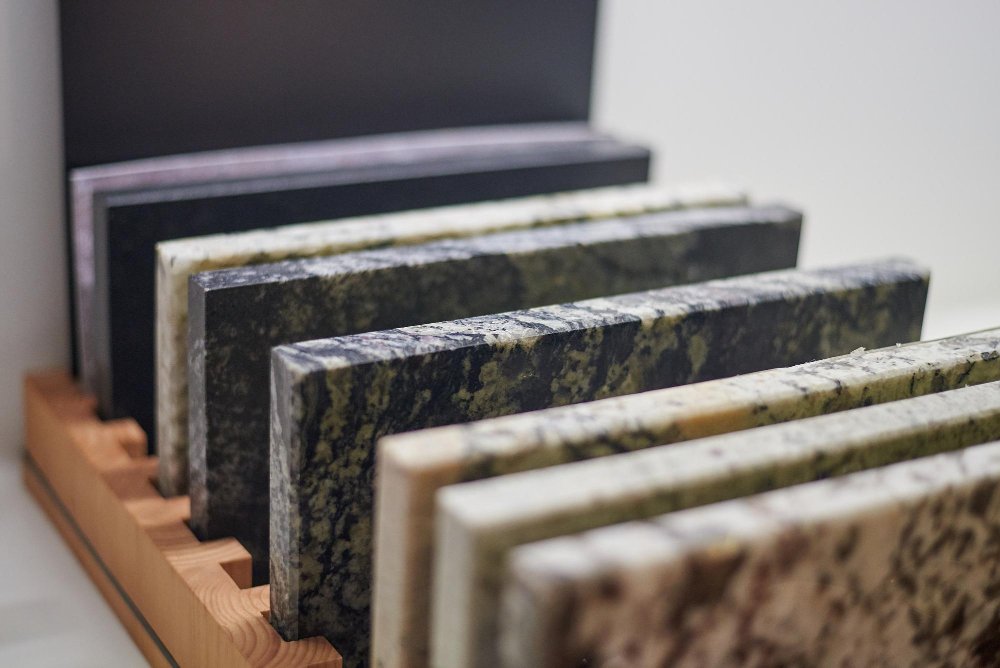
Islamabad: Special Assistant to the Prime Minister on Industries and Production, Haroon Akhtar Khan, held a meeting with the Head of the Italian Trade Agency (ITA), Mr. Salvatore Praano, to discuss bilateral cooperation aimed at strengthening Pakistan’s marble sector. Federal Secretary for Industries and Production, Saif Anjum, and CEO P also attended the meeting. During the discussion, both sides reviewed opportunities to improve Pakistan’s marble industry through enhanced skills development, value addition, and the adoption of advanced technologies. Haroon Akhtar Khan said that a team of experts from Italy will be invited to assess Pakistan’s marble industry and provide actionable recommendations. He added that the government aims to strengthen the national marble sector through consultation with international experts and local stakeholders. He further stated that Prime Minister Shehbaz Sharif has directed the formulation of a comprehensive Marble Industry Policy to promote the sector’s sustainable growth. “Pakistan has immense marble potential, and value addition supported by new technology is the need of the hour,” he noted. The Italian Trade Agency emphasized the importance of improving product quality and integrating modern techniques in marble processing. Haroon Akhtar Khan reaffirmed the government’s commitment to long-term cooperation for the development of the marble industry. He directed PASDEC to prepare a detailed plan in collaboration with the ITA and relevant experts and submit a comprehensive report.

Scroll to Top