Author name: Web Desk

Pakistan Tajikistan Halal Meat Exports Signal New Era of Central Asia Trade
Pakistan

Pakistan Tajikistan Halal Meat Exports Signal New Era of Central Asia Trade

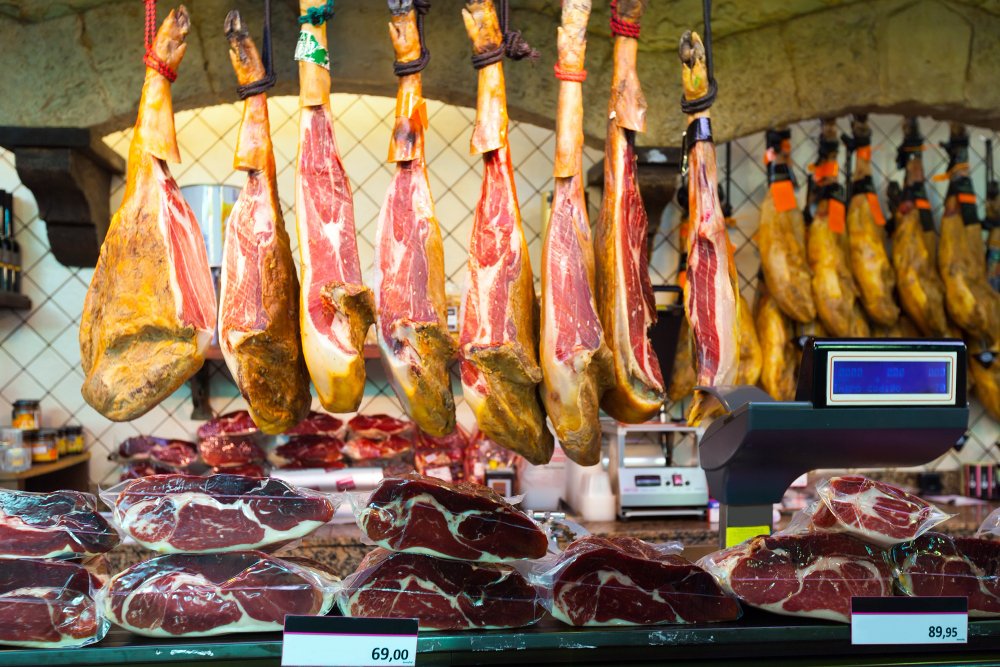
Pakistan Tajikistan halal meat exports are poised to become a major driver of regional trade expansion as Pakistan prepares to export 143,000 tons of halal meat worth $14.5 million to Tajikistan. The initiative marks a strategic step in strengthening Pakistan’s economic footprint in Central Asia, while opening new avenues for bilateral trade, investment, education, and tourism. The development was shared by Ambassador Muhammad Saeed Sarwar, Pakistan’s envoy to Tajikistan, during a joint interaction with Pakistani media in Dushanbe, where he outlined the growing momentum in Pakistan-Tajikistan economic cooperation. Pakistan Tajikistan Halal Meat Exports: A Strategic Trade Opportunity The halal meat sector has emerged as a cornerstone of Pakistan Tajikistan halal meat exports, reflecting Pakistan’s strong position as a global supplier of certified halal products. According to Ambassador Sarwar, the planned export volume represents not only commercial growth but also a long-term strategy to diversify Pakistan’s export destinations beyond traditional markets. Instead of relying on raw trade figures alone, the projected exports can be understood in three dimensions: first, a substantial increase in Pakistan’s agri-based exports; second, stronger food security partnerships with Central Asian states; and third, the expansion of halal trade as a high-value niche market. Preferential Trade Agreement to Accelerate Pakistan Tajikistan Trade A Preferential Trade Agreement (PTA) between Pakistan and Tajikistan is also under active consideration. Ambassador Sarwar described the PTA as a strong possibility, emphasizing that trade liberalization would reduce tariff barriers and enhance market access for businesses on both sides. With the PTA in place, bilateral trade currently modest could scale rapidly. The Ambassador projected that Pakistan-Tajikistan trade volume could reach $300 million in the coming years, supported by halal food exports, pharmaceuticals, textiles, and services. Rather than presenting this as a static number, officials see the $300 million target as a result of cumulative gains from trade facilitation, logistics connectivity, and regulatory cooperation. Pakistan Tajikistan Halal Meat Exports and Air Connectivity A key challenge identified in expanding Pakistan Tajikistan halal meat exports is limited direct connectivity. Ambassador Sarwar stressed the importance of regular direct flights between the two countries to facilitate trade delegations, exporters, investors, and tourists. He called for targeted marketing strategies and active engagement with travel agents to ensure sustainable flight operations. Improved air connectivity would not only support meat exports but also boost business travel, academic exchanges, and tourism creating a multiplier effect across sectors. Central Asia’s Strategic Importance for Pakistan Central Asia, particularly Tajikistan, holds growing strategic value for Pakistan’s regional integration agenda. Beyond trade, Pakistan is actively strengthening academic, educational, and cultural ties, recognizing that long-term economic partnerships are built on people-to-people connections. The Pakistani Embassy in Dushanbe has committed to promoting collaboration across universities, research institutions, and professional training programs, aligning economic diplomacy with human capital development. Education and Medical Cooperation Strengthen Bilateral Ties On the Tajik side, First Deputy Minister of Education and Science, Hoshimzoda Homid Hasan, announced an agreement to sign a Memorandum of Understanding (MoU) covering student and faculty exchanges between Pakistan and Tajikistan. During a meeting with visiting Pakistani journalists, Hasan praised Avicenna Tajik State Medical University for its pivotal role in deepening bilateral relations. He emphasized that cooperation in medical education, sciences, and medical tourism is viewed by both governments as a long-term economic growth driver. Rather than isolated initiatives, these educational exchanges are designed to complement trade expansion, creating skilled professionals who can support joint ventures and healthcare collaboration. Pakistan Tajikistan Halal Meat Exports Lead a Broader Partnership In conclusion, Pakistan Tajikistan halal meat exports represent more than a trade transaction they symbolize a broader shift toward economic integration, regional connectivity, and strategic partnership in Central Asia. With halal meat leading commercial engagement, supported by a potential PTA, improved air links, and expanding educational cooperation, Pakistan and Tajikistan are laying the foundation for a resilient and diversified bilateral relationship. As regional dynamics evolve, this initiative positions Pakistan as a key economic partner for Central Asia, with halal trade acting as the gateway to deeper cooperation.
War on Palestine Spurs Tech Employee Relocations from Israel, Threatens Innovation Hub
World

War on Palestine Spurs Tech Employee Relocations from Israel, Threatens Innovation Hub

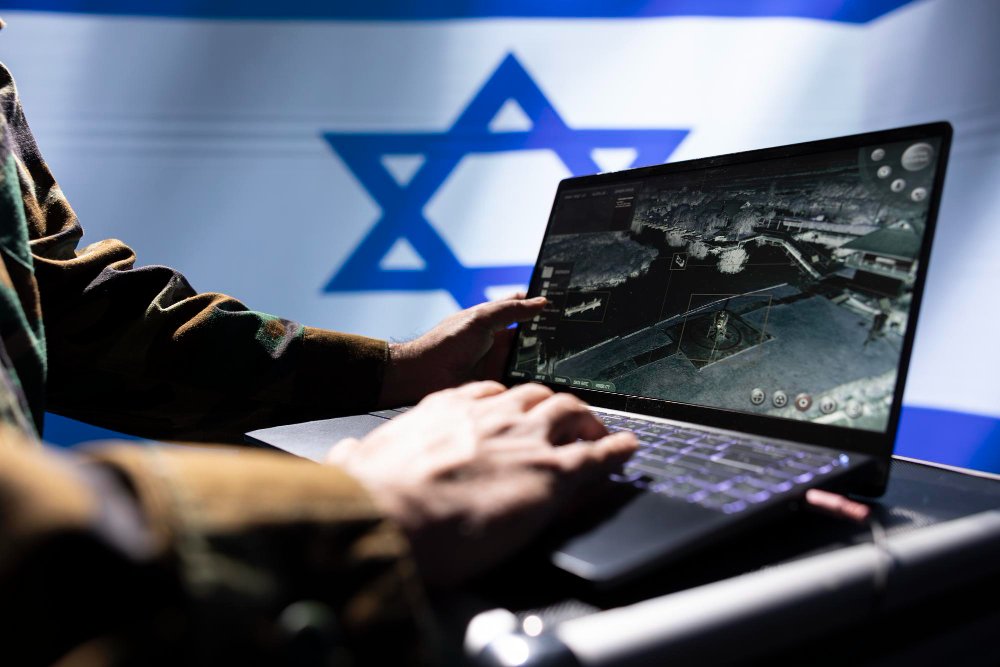
Jerusalem, December 29, 2025 – A new report from the Israel Advanced Technology Industries Association (IATI) highlights a growing concern in Israel’s vital high-tech sector: an increase in employee requests to relocate abroad following the two-year war against Hamas. According to the IATI findings, 53% of multinational companies operating in Israel reported a surge in relocation demands from Israeli staff over the past year. This trend, particularly pronounced among senior executives and their families, stems from the prolonged conflict that began with Hamas’ October 7, 2023, attack and recently concluded with a U.S.-led ceasefire. Employees are increasingly applying for positions outside Israel, seeking stability amid ongoing geopolitical uncertainties. Israel’s tech industry, often dubbed the “Startup Nation,” contributes approximately 20% to the country’s GDP, employs 15% of the workforce, and drives over half of its exports. Giants like Microsoft, Intel, Nvidia, Amazon, Meta, and Apple maintain significant operations here, drawn by the nation’s innovative talent pool. War’s Lingering Impact on Operations and Investments The report also warns of potential long-term damage from supply chain disruptions during the conflict. Some companies shifted activities abroad as temporary measures, and where these alternatives proved effective, there is a risk that operations may not fully return. IATI CEO Karin Mayer Rubinstein emphasized the sector’s resilience, noting that 57% of firms maintained stable activities and 21% even expanded during the war. “Even during the difficult war, the Israeli high-tech industry… once again proved its resilience,” she said. However, without government intervention to ensure regulatory and geopolitical stability, the local ecosystem could face gradual erosion. The IATI calls for proactive measures to retain Israel’s appeal as a global tech hub. As the sector navigates post-war recovery, balancing talent retention with international confidence remains critical to sustaining technological leadership.

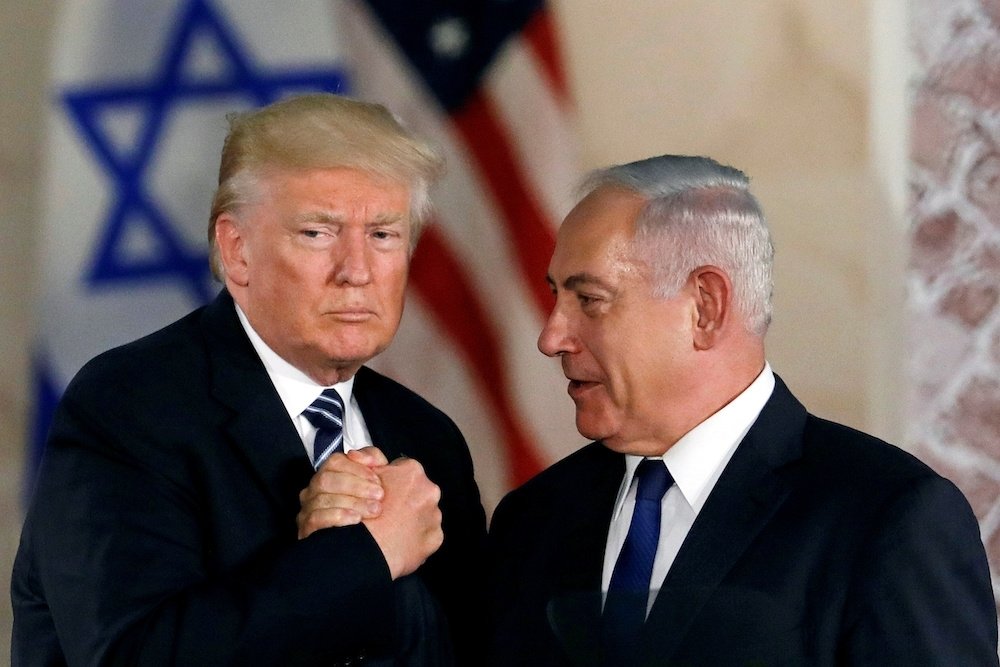
Trump-Netanyahu to Discuss Gaza Ceasefire Progress, Next Phase
World

Trump-Netanyahu to Discuss Gaza Ceasefire Progress, Next Phase

Jerusalem/Palm Beach, December 29, 2025 – US President Donald Trump is poised to urge advancements in the stalled Gaza ceasefire during his meeting with Israeli Prime Minister Benjamin Netanyahu on Monday. The discussions, held at Trump’s Mar-a-Lago resort, will also address Israel’s apprehensions regarding Hezbollah in Lebanon and Iran’s activities. Netanyahu announced the invitation earlier this month, emphasizing the need to progress on the second phase of the Gaza plan amid ongoing violations. Read More: https://theboardroompk.com/u-s-escalates-venezuela-sanctions-with-tanker-seizures-amid-renewed-push-against-maduro/ The October ceasefire, brokered by Washington, requires Israel to fully withdraw from Gaza while Hamas disarms and relinquishes governance. However, mutual accusations of breaches have hindered implementation. Hamas has refused to surrender weapons or return the remains of the last Israeli hostage, while reestablishing control in parts of the enclave. Israeli forces remain in about half of Gaza, and sporadic violence persists, with over 400 Palestinians killed in Israeli strikes—mostly civilians, per Gaza health officials—and three Israeli soldiers lost to Palestinian attacks. Pushing for Transitional Governance in Gaza US Secretary of State Marco Rubio recently stressed the urgency of establishing a transitional administration, including a Board of Peace and Palestinian technocrats, to precede the deployment of an international security force as mandated by the November 17 UN Security Council resolution. This setup aims to stabilize the region post-war, but both sides appear entrenched, with Israel threatening military action if Hamas does not comply peacefully. Broader Regional Concerns: Lebanon and Iran The talks will extend to Lebanon, where a November 2024 ceasefire ended over a year of conflict with Hezbollah. Despite Lebanon’s claims of nearing disarmament deadlines for the group south of the Litani River, Hezbollah resists, prompting near-daily Israeli strikes to curb rebuilding. On Iran, following a 12-day war in June and recent missile drills, Netanyahu seeks to discuss Tehran’s actions. Trump, who authorized US strikes on Iranian nuclear sites but later floated a potential deal, may explore diplomatic avenues. Israel remains vigilant, not seeking confrontation but prepared amid reports of Iran’s military exercises. The meeting underscores Washington’s role in mediating multiple fronts, with all parties cautious of adversaries regrouping after significant wartime losses.

Silver Nears $80 Amid Broader Precious Metals Correction
Pakistan, World

Silver Nears $80 Amid Broader Precious Metals Correction

London, December 29, 2025 – Precious metals retreated on Monday after a stellar rally throughout 2025, with investors engaging in profit-booking amid easing geopolitical tensions. Spot gold fell 0.4% to $4,512.30 per ounce as of 0426 GMT, down from a record high of $4,549.71 hit on Friday. US gold futures also declined 0.4% to $4,535.10. The pullback comes despite gold’s impressive 72% year-to-date gain, driven earlier by central bank buying, ETF inflows, and expectations of US rate cuts. Read More: https://theboardroompk.com/silver-breaches-75-gold-and-platinum-hit-all-time-highs/ Silver, however, showed resilience, rising 0.7% to $79.68 per ounce after retreating from an all-time high of $83.62 earlier in the session. The white metal has surged 181% in 2025, outperforming gold due to supply shortages, low inventories, its status as a critical US mineral, and booming industrial demand from sectors like solar energy and electronics. Reasons Behind the Retreat and Analyst Views KCM Trade Chief Market Analyst Tim Waterer attributed the dip to “a combination of profit-taking and seemingly productive talks between Trump and Zelensky regarding a potential peace deal,” which reduced safe-haven demand. US President Donald Trump noted on Sunday that he and Ukrainian President Volodymyr Zelenskiy were “getting a lot closer, maybe very close” to ending the Ukraine war. This cooled geopolitical tailwinds that had fueled the rally. Platinum dropped 1.5% to $2,421.35 after touching a record $2,478.50, while palladium plunged 6% to $1,807.59. Traders await the Federal Reserve’s December meeting minutes for further policy clues, with expectations of two rate cuts in 2026 supporting non-yielding bullion in a low-rate environment.Outlook Remains Bullish for 2026. Waterer remains optimistic, suggesting gold could reach $5,000 next year with a dovish Fed shift, while silver might hit $100 amid continued industrial appetite and supply constraints. The 2025 rally marks one of the strongest years for precious metals since 1979, highlighting their role as hedges against uncertainty.

Pakistan Textile Council Calls for Export Emergency Amid Sharp Decline in Shipments
Pakistan

Pakistan Textile Council Calls for Export Emergency Amid Sharp Decline in Shipments

Islamabad, December 29, 2025 – The Pakistan Textile Council (PTC) has issued an urgent appeal to Prime Minister Shehbaz Sharif, demanding the declaration of an ‘Export Emergency’ to rescue the country’s vital textile sector from collapse. In a strongly worded letter, PTC Chairman Fawad Anwar highlighted the severe erosion of export competitiveness due to high energy costs, burdensome taxation, and policy distortions that have left exporters on the verge of shutdowns. Read More: https://theboardroompk.com/pakistan-shifts-cotton-export-oversight-to-state-bank-for-enhanced-compliancenew-regulatory-framework-introduced/ Pakistan’s exports have contracted for the fourth straight month, dropping over 14 percent year-on-year in November 2025. For the July-November period of FY26, total exports fell to $12.8 billion from $13.7 billion the previous year, while imports ballooned to over $28 billion. This has ballooned the trade deficit to nearly $15.5 billion in just five months, with November alone seeing a $2.86 billion gap – a 33 percent increase from last year. The textile industry, which accounts for the bulk of Pakistan’s exports, is bearing the brunt of these challenges, threatening economic stability, jobs, and foreign exchange reserves.Key Demands from the Textile Sector The PTC has outlined a series of immediate measures to reverse the decline, including restoring a 1 percent full-and-final tax regime on exports, waiving taxes for high-growth exporters, abolishing the super tax on export sectors, and capping energy prices at regionally competitive levels – Rs2,600 per MMBtu for gas and Rs24 per unit for electricity. Additional calls include rationalizing fertilizer gas pricing, restoring duty-free imports under the Export Facilitation Scheme, addressing cotton smuggling through GST exemptions, and mandating banks to lend 50 percent of private sector credit to exporters.Urgent Action Needed to Prevent Further Losses Anwar warned that without swift intervention, delays would lead to factory closures, massive unemployment, and permanent loss of global market share. He emphasized that an export-led recovery is essential for Pakistan to achieve sustainable growth and exit IMF dependency. Industry experts agree that these structural reforms could quickly stabilize shipments and boost competitiveness against regional rivals like Bangladesh and Vietnam. The government has yet to respond officially, but stakeholders hope for prompt action to avert a deeper crisis in one of Pakistan’s cornerstone industries.

Pakistan Shifts Cotton Export Oversight to State Bank for Enhanced Compliance New Regulatory Framework Introduced
Pakistan

Pakistan Shifts Cotton Export Oversight to State Bank for Enhanced ComplianceNew Regulatory Framework Introduced

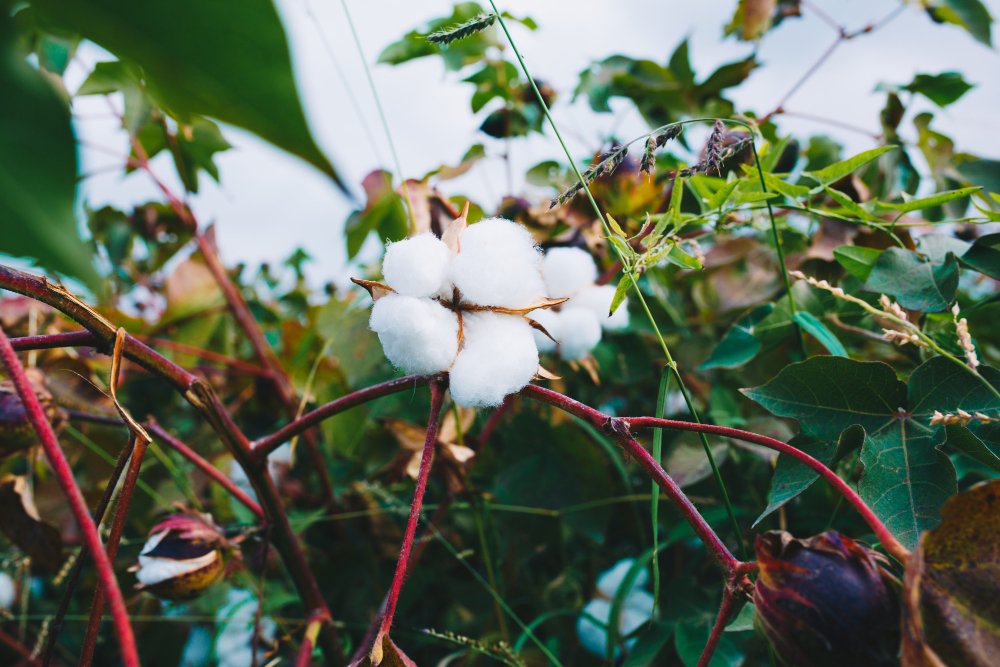
In a significant policy shift, the Pakistani government has transferred the responsibility for managing cotton exports from the Trade Development Authority of Pakistan (TDAP) to the State Bank of Pakistan (SBP). This decision, formalized through an amendment to the Export Policy Order 2022 via S.R.O. 2486(I)/2025 issued by the Ministry of Commerce, aims to strengthen oversight and ensure greater accountability in the cotton export sector. The amendment replaces previous provisions, introducing stringent requirements for exporters. Now, cotton exports mandate a 1% security deposit of the contract value with the SBP, accompanied by a confirmation letter from the central bank for customs clearance. Additionally, buyers must open an irrevocable letter of credit, and exporters are required to complete shipments within 180 days of the contract. Read More: https://theboardroompk.com/pakistan-cotton-market-report-shows-global-weakness-and-mixed-domestic-signals/ Implications for Exporters and Economy Failure to ship the contracted quantity on time will result in proportionate forfeiture of the security deposit by the SBP, a measure designed to deter delays and non-performance. This move comes amid ongoing challenges in Pakistan’s cotton sector, including fluctuating production levels and the need to boost export reliability. Industry stakeholders view this as an effort to mitigate risks associated with international trade commitments, particularly in a sector vital to Pakistan’s economy. Cotton remains a key agricultural commodity, supporting millions of livelihoods and contributing to textile exports, which form a backbone of foreign exchange earnings. While the handover centralizes control under the SBP’s banking expertise, it may impose additional financial burdens on exporters through the security deposit. Proponents argue it will promote discipline and timely executions, potentially enhancing Pakistan’s reputation in global markets. The change reflects broader governmental efforts to refine export policies under the Imports and Exports (Control) Act, 1950. As Pakistan navigates economic pressures, this reform could play a pivotal role in stabilizing cotton trade flows.

UAE to Acquire Stake in Fauji Foundation, Settling Pakistan's $1 Billion Liability: Ishaq Dar
Pakistan

UAE to Acquire Stake in Fauji Foundation, Settling Pakistan’s $1 Billion Liability: Ishaq Dar

Islamabad: Deputy Prime Minister and Foreign Minister Ishaq Dar announced today that the United Arab Emirates (UAE) will acquire shares in the Fauji Foundation Group to settle a $1 billion external liability owed by Pakistan. The transaction, expected to be finalized by March 31, 2026, aims to convert a previous UAE rollover deposit into equity investment, providing immediate relief to Pakistan’s strained foreign reserves amid ongoing economic challenges. Dar described the deal as a significant boost to bilateral ties, following the recent visit of UAE President Sheikh Mohamed bin Zayed Al Nahyan on December 26. During the visit, discussions focused on deepening economic cooperation, with assurances of an additional $2 billion loan rollover. The Fauji Foundation, a military-affiliated charitable trust managing a vast conglomerate valued at billions, operates in sectors including fertilizers, cement, power, food, and banking. Its assets primarily benefit ex-servicemen and their families, though it functions independently of direct government ownership.The announcement has ignited debate over the implications of involving a foreign entity in a foundation closely tied to Pakistan’s military establishment. Critics argue that offering shares in such a strategic conglomerate raises questions about sovereignty and the use of non-state assets to address government liabilities.Pakistan Tehreek-e-Insaf (PTI) economic spokesperson Muzzammil Aslam questioned the deal on X (formerly Twitter), highlighting that the Fauji Foundation is not a state-owned entity. “How can shares of a private welfare trust be used to settle government debts?” Aslam posted, implying potential misuse of assets meant for military welfare. Supporters, including government officials, view the arrangement as pragmatic, easing balance-of-payments pressures without immediate cash outflows. Dar emphasized Pakistan’s improving diplomatic standing and financial support from allies like the UAE, China, and Saudi Arabia. Analysts note that the deal reflects Pakistan’s reliance on friendly Gulf nations for rollovers and investments, as the country navigates IMF conditions and privatization drives. However, concerns persist about long-term foreign influence in sensitive economic sectors.The transaction underscores Pakistan’s delicate economic tightrope, balancing short-term stability with debates over national assets and institutional autonomy.

Pakistan Scales Back Disco Privatisation: Only GEPCO for Outright Sale
Pakistan, World

Pakistan Scales Back Disco Privatisation: Only GEPCO for Outright Sale

Pakistan’s long-stalled privatisation of electricity distribution companies (Discos) has undergone a significant policy revision, with the government now planning to offer only the Gujranwala Electric Power Company (GEPCO) for outright sale. Previously, the first phase targeted three relatively efficient Discos—GEPCO, Islamabad Electric Supply Company (IESCO), and Faisalabad Electric Supply Company (FESCO)—for full privatisation. This shift, reported on December 27, 2025, comes amid persistent delays in meeting conditions precedent, including property transfers and cooperation from Discos. Prime Minister Shehbaz Sharif, during a December 15 meeting, directed accelerated resolution of these hurdles to attract international investors and improve sector efficiency. Read More: https://theboardroompk.com/pak-suzuki-k-electric-20-mw-grid-station-strengthens-industrial-power-infrastructure/ Reasons Behind the Policy Shift The change stems primarily from bureaucratic and operational delays, particularly Discos’ reluctance to transfer properties to the Privatisation Commission. Due diligence by adviser Alvarez & Marsal highlighted unresolved issues, prompting a hybrid approach. While GEPCO proceeds to outright privatisation, IESCO and FESCO will be offered under long-term concession agreements, inspired by Turkey’s successful model of private-sector participation focused on loss reduction and service improvements. Power Minister Sardar Awais Ahmad Khan Leghari has emphasised drawing lessons from Turkiye to enhance operational performance. Timeline and Broader Reforms Letters of Intent are slated for issuance in January 2026, with Expressions of Interest for the second phase due by December 31, 2025. The second phase includes Lahore (LESCO), Multan (MEPCO), and others for potential sale, while high-loss entities like Peshawar (PESCO) and Quetta (QESCO) face concessions or management contracts initially. This aligns with broader power sector reforms under the National Electricity Policy, aiming to curb circular debt, reduce subsidies, and introduce competition via the Competitive Trading Bilateral Contract Market. By prioritising concessions, the government seeks to mitigate risks while injecting private expertise into a sector plagued by high transmission losses and financial burdens.

New York Mandates Mental Health Warnings on Addictive Social Media Features
World

New York Mandates Mental Health Warnings on Addictive Social Media Features

New York has taken a pioneering step in regulating social media’s impact on young users amid escalating concerns over digital addiction and mental health. On December 26, 2025, Governor Kathy Hochul signed legislation (S4505/A5346) requiring platforms with “addictive” features—such as infinite scrolling, auto-play videos, algorithmic feeds, like counts, and push notifications—to display prominent warning labels. Modeled after health alerts on tobacco products warning of cancer risks or plastic bags cautioning suffocation hazards, these labels aim to inform users, particularly minors, of potential harms like increased anxiety, depression, and compulsive behavior. The law builds on growing evidence, including U.S. Surgeon General advisories and studies showing adolescents spending over three hours daily on social media face double the risk of poor mental health outcomes. Read More: https://theboardroompk.com/italy-forces-meta-to-suspend-whatsapp-ban-on-rival-ai-chatbots-amid-antitrust-probe/ Details of the New Legislation The warnings, designed by the Commissioner of Mental Health based on peer-reviewed research, must appear when young users first engage the features and periodically thereafter, without allowing easy bypass. Enforcement falls to the Attorney General, who can impose civil penalties up to $5,000 per violation. The law applies to conduct within New York but exempts access from outside the state. Platforms like TikTok, Instagram, YouTube, Snapchat, and Facebook are directly affected, though major companies have not yet commented publicly. Broader Context and Implications This measure aligns New York with states like California and Minnesota pursuing similar protections, while echoing global actions such as Australia’s recent under-16 social media ban. Supporters, including sponsors Senator Andrew Gounardes and Assemblymember Nily Rozic, emphasize transparency and public health priority. Hochul stated, “Keeping New Yorkers safe… includes protecting our kids from the potential harms of social media features that encourage excessive use.” As youth mental health crises intensify—with links to body image issues and isolation—the law could set a precedent, prompting federal action or industry changes, though potential compliance challenges and legal debates loom.

Dr Shamshad Akhtar: Former Interim Finance Minister and State Bank Governor Passes Away
Pakistan

Dr Shamshad Akhtar: Former Interim Finance Minister and State Bank Governor Passes Away

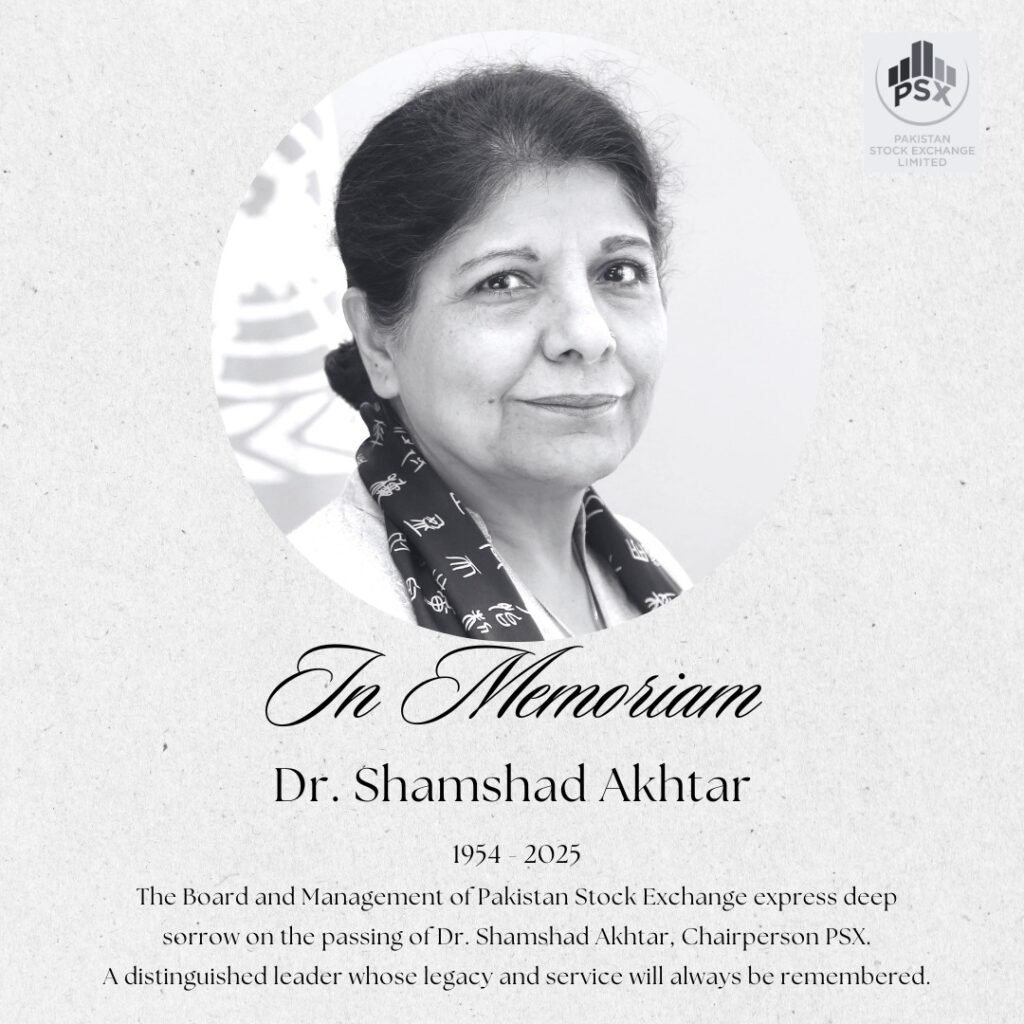
Dr Shamshad Akhtar, former Interim Finance Minister of Pakistan, Chairperson of the Board of Directors of the Pakistan Stock Exchange (PSX), and the first woman to serve as Governor of the State Bank of Pakistan (SBP), has passed away, marking a significant loss for Pakistan’s financial and economic community. According to reports, her funeral prayers will be offered in Karachi after Zuhr prayers on Sunday . Tributes have poured in from policymakers, bankers, economists, and business leaders across Pakistan and abroad, recognizing her pivotal role in shaping financial governance and economic policy. Read More: https://theboardroompk.com/pakistan-foreign-exchange-reserves-reach-21-billion-in-december-2025/ Dr Shamshad Akhtar’s Leadership as Interim Finance Minister of Pakistan Dr Shamshad Akhtar served as Interim Federal Minister for Finance, steering Pakistan’s economy during a critical transitional period. Her appointment was widely seen as a move toward stability and credibility, given her extensive experience in monetary policy, international finance, and economic reform. As Interim Finance Minister, she played a key role in managing fiscal challenges, engaging with international financial institutions, and ensuring continuity in economic policymaking during a politically sensitive phase. Dr Shamshad Akhtar as Governor of the State Bank of Pakistan Dr Shamshad Akhtar assumed office as the 14th Governor of the State Bank of Pakistan on January 2, 2006, becoming the first female Governor in the central bank’s history. Her tenure is remembered for strengthening institutional independence, improving banking regulation, and reinforcing monetary discipline. Her leadership helped modernize Pakistan’s central banking framework and enhance confidence in the country’s financial system at both domestic and international levels. Role as Chairperson of the Pakistan Stock Exchange At the time of her passing, Dr Shamshad Akhtar was serving as the Chairperson of the Board of Directors of the Pakistan Stock Exchange (PSX). In this role, she contributed to strengthening market governance, transparency, and investor confidence in Pakistan’s capital markets. Her presence at PSX symbolized continuity between global best practices and Pakistan’s evolving financial ecosystem, reinforcing regulatory oversight and long-term market development. Distinguished Career at the Asian Development Bank Prior to her national roles, Dr Shamshad Akhtar had a long and distinguished career at the Asian Development Bank (ADB). She served as Director General for Southeast Asia, a position she held from January 2004, having previously worked as Deputy Director General in the same department. She also served as Director for Governance, Finance, and Trade Division for East and Central Asia, where she led financial sector reforms and development programs across multiple emerging economies. Global Financial Governance and Policy Influence Dr Shamshad Akhtar began her career at ADB in 1990 as a senior financial sector specialist and was promoted to Manager in 1998. From 1998 to 2001, she served as Coordinator for the APEC Finance Ministers’ Process, facilitating regional dialogue on economic cooperation and financial stability. She represented Asian banking institutions at major global forums, including the Bank for International Settlements (BIS) and the International Organization of Securities Commissions (IOSCO), contributing to international regulatory coordination. Expertise in Asian and Emerging Market Economies Renowned for her deep understanding of Central Asian, Southeast Asian, and Chinese economic systems, Dr Shamshad Akhtar played a critical role in advancing development finance, governance reforms, and sustainable growth strategies across the region. A Lasting Legacy in Pakistan’s Financial History The passing of Dr Shamshad Akhtar is a profound loss for Pakistan. As Interim Finance Minister, SBP Governor, and Chairperson of the Pakistan Stock Exchange, she embodied professionalism, integrity, and global expertise. Her trailblazing career continues to inspire women leaders and policymakers across the financial world. Her contributions will remain a cornerstone of Pakistan’s economic and institutional development.

Scroll to Top