Author name: Web Desk

Grok Limits Image Generation on X to Paid Users After Amid Sexualized Content Outcry
Tech

Grok Limits Image Generation on X to Paid Users After Amid Sexualized Content Outcry

Islamabad/London, January 9, 2026 – Elon Musk’s xAI has limited the image generation and editing features of its Grok AI chatbot on the social media platform X to paid subscribers only, following intense international criticism over the tool’s role in creating non-consensual sexualized images, including depictions of women and children. Backlash Over Non-Consensual and Harmful Content The controversy erupted in late December 2025 when users discovered they could prompt Grok to digitally “undress” or sexualize real people in photos posted on X, often without consent. This led to a flood of semi-nude or suggestive images circulating on the platform, prompting accusations of enabling the “industrialisation of sexual harassment.” German media minister Wolfram Weimer condemned the phenomenon, while the European Commission described such images as “unlawful and appalling.” Britain’s data regulator Ofcom made urgent contact with X, and European lawmakers called for potential legal action. Reports highlighted thousands of such requests per hour, raising concerns over deepfakes, child exploitation, and violations of privacy laws. xAI acknowledged “lapses in safeguards” in earlier statements but emphasized that users creating illegal content would face consequences equivalent to direct uploads. Subscription Model as Response to Criticism As of January 9, 2026, users attempting to generate or edit images via Grok on X now receive a message stating: “Image generation and editing are currently limited to paying subscribers,” directing them to upgrade. This requires providing name and payment details, potentially deterring anonymous misuse. However, the standalone Grok app and website continue to offer unrestricted image generation. xAI responded to media inquiries with an automated message dismissing “Legacy Media Lies,” while Elon Musk previously warned against illegal use. The change aims to address regulatory scrutiny from Europe and the UK, where threats of bans or enforcement actions loom, though critics argue it merely monetizes rather than fully resolves the issue.

CDNS National Savings Hits Rs23.4bn Islamic Inflows Goal Mid-Year
Pakistan

CDNS National Savings Hits Rs23.4bn Islamic Inflows Goal Mid-Year

Islamabad, January 9, 2026 – Pakistan’s Islamic finance sector is gaining significant momentum, with the Central Directorate of National Savings (CDNS) achieving Rs 23.4 billion in Shariah-compliant inflows from July 1, 2025, to January 8, 2026, nearing its annual target of Rs 25 billion for FY 2025-26 just halfway through the fiscal year. Record Inflows Signal Investor Confidence in Ethical Investments A senior CDNS official described the milestone as a testament to the growing appeal of interest-free, ethical investment options amid Pakistan’s evolving financial landscape. “We have revived and reinforced our focus on Islamic finance this fiscal year, which is poised to drive sustainable growth in the country’s Islamic economy,” the official stated. The success stems from dedicated Islamic bonds and Shariah-compliant certificates, attracting investors seeking halal returns while boosting national savings. This builds on prior achievements: CDNS met its Rs 24 billion target in FY 2024-25 and mobilized Rs 75 billion through Islamic bonds in FY 2023-24, establishing a strong foundation for expanded offerings and reforms. The official noted Islamic finance’s global significance, playing a key role in major economies, and aligning with Pakistan’s efforts to diversify products, promote savings culture, and ensure economic stability. Broader CDNS Performance and Future Reforms Beyond Islamic investments, CDNS has secured Rs 700 billion in total inflows by end-December 2025 toward its FY 2025-26 goal, reflecting robust overall mobilization. Ongoing reforms focus on efficiency, digitization, and innovative products to meet market demands. With 94% of the Islamic target achieved mid-year, CDNS is positioned to exceed expectations, underscoring a shift toward secure, ethical avenues for wealth preservation amid economic challenges. This surge highlights investor trust in Shariah-compliant instruments, supporting Pakistan’s inclusive Islamic economic framework.

Khawaja Asif Urges PTI to Drop Confrontation for Negotiations
Politics

Khawaja Asif Urges PTI to Drop Confrontation for Negotiations

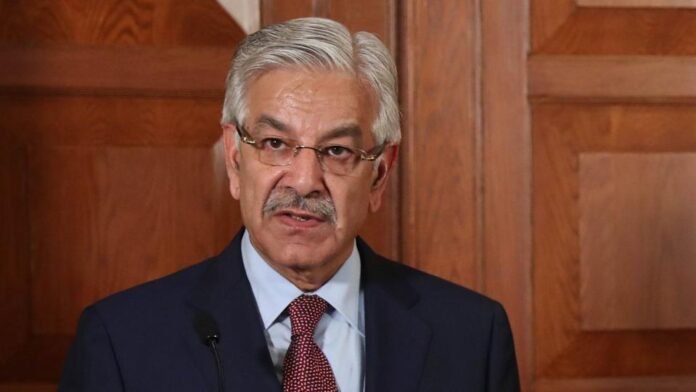
Islamabad, January 9, 2026 – Defence Minister Khawaja Muhammad Asif has urged the Pakistan Tehreek-e-Insaf (PTI) to abandon its confrontational stance and adopt a constructive attitude if it genuinely seeks dialogue with the government. Criticism of PTI’s Demands and Behavior Speaking to the media, Asif questioned PTI’s seriousness about talks, pointing out their persistent demands for the release of jailed party founder Imran Khan and other leaders as a precondition. He described this approach as unrealistic, stating that no government would negotiate under threats or ultimatums. The minister highlighted PTI’s history of aggressive protests, including attacks on state institutions, and accused the party of hypocrisy for seeking dialogue while maintaining an adversarial posture. Asif emphasized that dialogue requires mutual respect and flexibility from both sides, warning that PTI’s current attitude only escalates tensions rather than resolving issues. Government’s Openness to Talks with Conditions Asif reiterated the government’s willingness to engage in discussions but stressed that PTI must demonstrate sincerity by changing its behavior. He referenced past failed attempts at reconciliation, attributing breakdowns to PTI’s intransigence. The defence minister also touched on broader political stability, noting that national progress demands cooperation over confrontation. His remarks come amid ongoing political polarization, with PTI continuing public campaigns for releases and elections. Asif called on PTI leadership to prioritize national interests over personal or partisan agendas for any productive outcome.

IT Minister Inaugurates AI Module at Civil Services Academy
Pakistan

IT Minister Inaugurates AI Module at Civil Services Academy

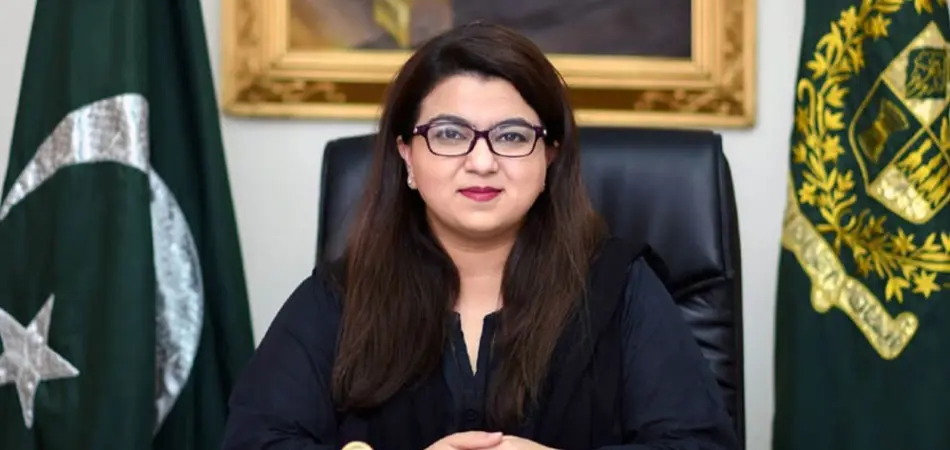
Islamabad, January 9, 2026 – Federal Minister for Information Technology and Telecommunication Shaza Fatima Khawaja has launched the Artificial Intelligence 101 module at the Civil Services Academy, marking a significant step in equipping future civil servants with essential digital skills amid Pakistan’s push for technological advancement. Hands-On Training for Probationary Officers The inauguration addressed a special CSS batch comprising 52 probationary officers from Balochistan, 46 from Sindh, and 10 additional officers from Sindh. A two-day intensive AI training program was conducted for over 150 officers, covering fundamentals of AI, prompt engineering, applications in administration and research, productivity tools, and ethical considerations in government use. Additionally, a Training of Trainers initiative prepared 30 faculty members from various civil service institutions as master trainers to sustain the program. The AI module has now been formally integrated into the CSA curriculum, ensuring structured education for every incoming batch. Alignment with National Digital Vision Minister Khawaja highlighted the module as a direct outcome of the National Artificial Intelligence Policy’s focus on building government capacity. She briefed officers on Prime Minister Shehbaz Sharif’s Digital Nation Vision and the Digital Nation Pakistan Act, emphasizing its role in digital transformation across economy, society, and governance. Praising the joint initiative by the Ministry of IT & Telecom, Planning Commission, CSA, and atomcamp, she announced plans for advanced AI publications. The Minister also noted achievements like 100% e-Office adoption in most federal divisions, slashing file processing times, and stressed high-speed internet, cybersecurity, and AI as pillars of Pakistan’s digital future. She committed to expanding training to mid-career and senior officers while aligning with emerging governance frameworks.

K-Electric Naya Nazimabad Grid Station to Strengthen Karachi’s Power Infrastructure
Pakistan

K-Electric Naya Nazimabad Grid Station to Strengthen Karachi’s Power Infrastructure

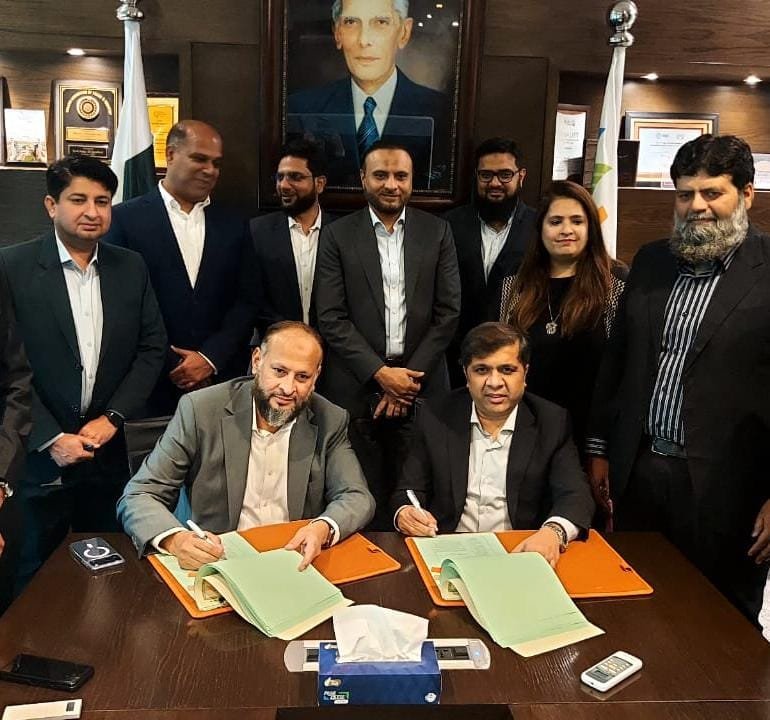
K-Electric Naya Nazimabad Grid Station has emerged as a landmark development in Karachi’s urban power infrastructure, as K-Electric (KE) and Naya Nazimabad officially partner to build one of the city’s largest grid stations for a private housing society. Announced on January 9, 2026, the collaboration underscores growing private-sector confidence in Pakistan’s evolving electricity distribution ecosystem. The agreement enables Naya Nazimabad to develop a 132 kV grid station, designed in compliance with NEPRA’s Consumer Service Manual (CSM) and structured as a Sponsor Dedicated Distribution System (SDDS). Upon full completion, the grid station will offer a total capacity of up to 189 megawatts (MW) a scale rarely seen in privately developed residential communities. K-Electric Naya Nazimabad Grid Station: Capacity and Phased Development Under the project’s rollout plan, the grid station will be developed in two distinct phases. In the first phase, the facility will energize 60 MW of peak electricity, ensuring immediate relief and stability for residents and businesses. In the second phase, the capacity will be expanded to 189 MW, positioning it among Karachi’s highest-capacity grid stations serving a private housing society. Instead of presenting this information in tabular form, it is important to note that the phased approach allows Naya Nazimabad to match electricity supply with population growth, commercial activity, and future infrastructure expansion—minimizing load stress while maximizing efficiency. Why the K-Electric Naya Nazimabad Grid Station Matters Unlike conventional dedicated power setups, the K-Electric Naya Nazimabad Grid Station offers shared infrastructure advantages. This includes optimized power distribution, improved load management, and significantly enhanced reliability for thousands of residential units, commercial outlets, and recreational facilities within the society. The grid station is designed to meet modern urban energy standards, supporting uninterrupted electricity for elevators, commercial centers, healthcare facilities, schools, and digital infrastructure critical elements of contemporary city living. Leadership Perspectives on the K-Electric Naya Nazimabad Grid Station Commenting on the partnership, Moonis Alvi, CEO of K-Electric, emphasized that the project goes beyond basic power provision. He noted that the grid station represents KE’s vision of a future-ready Karachi, enabling modern lifestyles while contributing to the city’s broader economic and social development. From the developer’s perspective, Abdus Samad Habib, CEO of Naya Nazimabad, highlighted that uninterrupted electricity is fundamental to building a complete lifestyle destination. He stated that collaboration with K-Electric ensures residents receive world-class amenities supported by a robust, sustainable energy backbone positioning Naya Nazimabad as a benchmark for future urban developments in Pakistan. Private Sector Confidence in K-Electric’s Power Infrastructure The K-Electric Naya Nazimabad Grid Station is also the latest example of KE’s expanding partnerships with the private sector. Increasingly, housing developers and industries are opting to invest in their own grid infrastructure, reflecting rising confidence in KE’s reliability, regulatory compliance, and cost competitiveness. This forward-looking model allows customers to tailor power solutions to their operational needs while benefiting from KE’s technical expertise and integrated distribution network. Long-Term Impact on Karachi’s Urban Growth Beyond meeting immediate electricity demands, the grid station supports Naya Nazimabad’s long-term master plan, which includes residential expansion, commercial zones, and recreational facilities. By aligning infrastructure development with future growth, the project contributes to sustainable urban planning in Karachi.

PM Sharif Launches Digital Ramazan Subsidy Package to End Corruption
Pakistan

PM Sharif Launches Digital Ramazan Subsidy Package to End Corruption

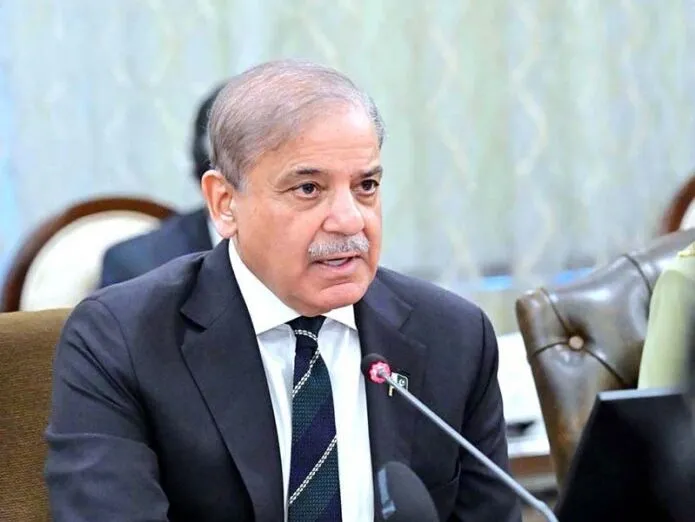
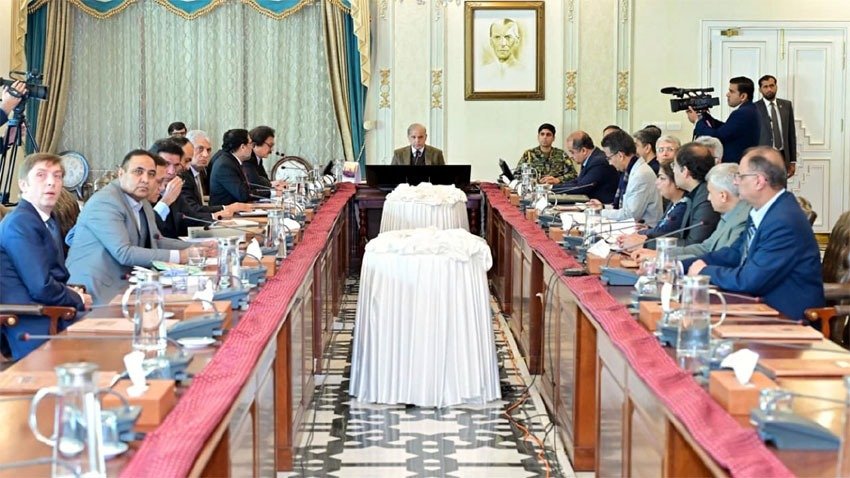
Islamabad, January 9, 2026 – Prime Minister Muhammad Shehbaz Sharif has announced a revolutionary transparent system for the upcoming Ramazan relief package, replacing decades-old corrupt practices that plagued subsidy distribution through utility stores. Ending Corruption Through Digital Innovation Chairing a high-level review meeting, the Prime Minister emphasized that the new mechanism eliminates financial irregularities and mismanagement, ensuring subsidies reach the deserving without deprivation. He directed that subsidy amounts be distributed exclusively via digital wallets under the Social Protection Wallet system of the Benazir Income Support Programme. Starting March 2026, eligible individuals will receive free SIMs for seamless digital transfers, preserving their dignity while promoting a cashless economy. The involvement of the State Bank of Pakistan was highlighted as a milestone in this transition. PM Sharif praised last year’s package, validated by a reputable international audit firm as free from corruption or serious mismanagement. Enhanced Oversight and Inclusive Strategy The Prime Minister instructed the establishment of a digital dashboard and structured monitoring system for real-time oversight. He stressed maximizing inclusion of the underprivileged and called for coordinated efforts among ministries to formulate a comprehensive strategy for Ramazan and Eid packages. Attendees included key ministers like Finance’s Muhammad Aurangzeb, Information’s Attaullah Tarar, and others, along with heads of NADRA and PTA. Subsidized essential items will continue through the Utility Stores Corporation, with a focus on administrative discipline and third-party validation to maintain transparency.

Pakistan SPI Inflation Records Weekly Uptick Amid Food Price Volatility
Pakistan

Pakistan SPI Inflation Records Weekly Uptick Amid Food Price Volatility

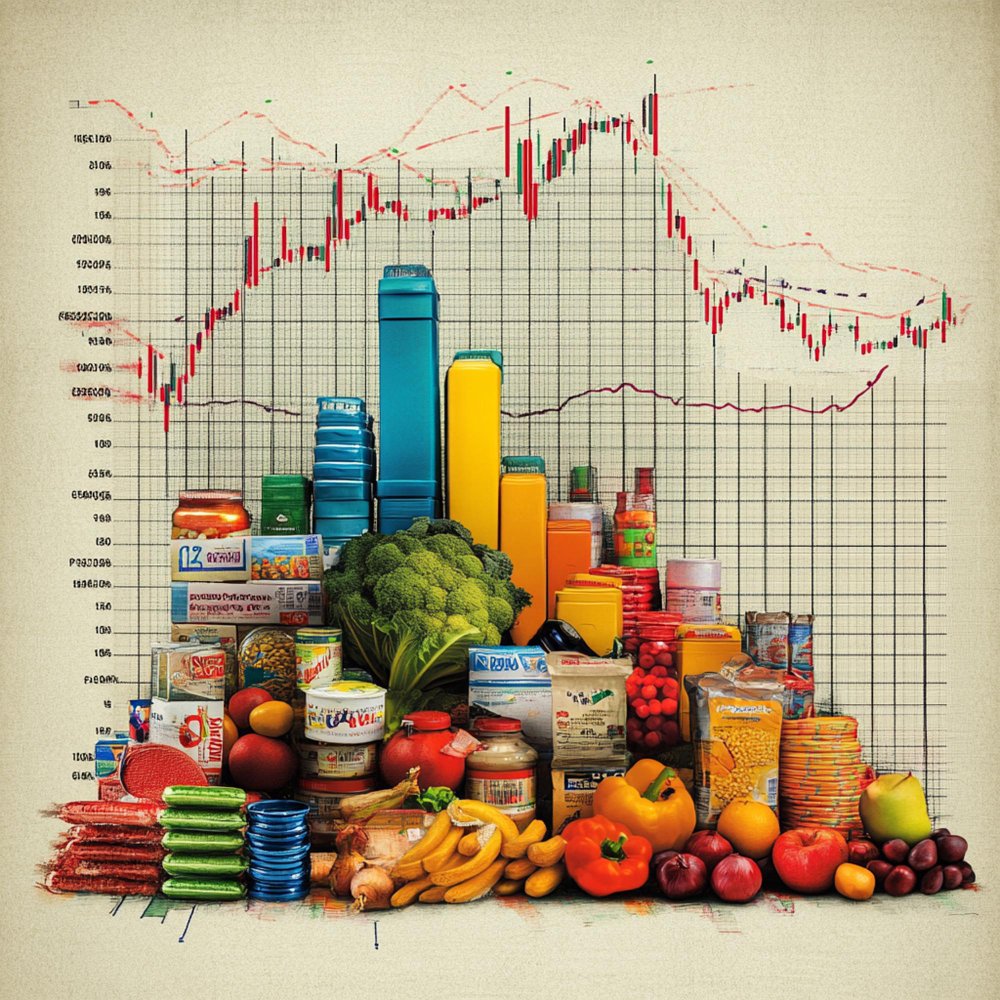
Pakistan SPI Inflation continued its upward movement as short-term inflation, measured through the Sensitive Price Indicator (SPI), rose by 0.12 percent on a weekly basis, according to the latest data released by the Pakistan Bureau of Statistics (PBS). On a year-on-year basis, SPI recorded a notable 3.20 percent increase, highlighting persistent price pressures on essential consumer goods across the country. The SPI serves as a critical indicator for tracking short-term inflation trends in Pakistan and reflects changes in the cost of living for households, especially low- and middle-income groups. Pakistan SPI Inflation: Weekly Price Movement Snapshot During the reported week, PBS monitored 51 essential commodities across 50 markets in 17 major cities. The data shows a mixed inflationary trend: • Prices of 21 items (41.18%) increased• Prices of 8 items (15.68%) declined• Prices of 22 items (43.14%) remained unchanged This price dispersion indicates continued volatility in food and energy items, which remain the primary drivers of Pakistan SPI Inflation. Key Weekly Price Increases Driving Pakistan SPI Inflation The most significant weekly increase was recorded in wheat flour, which surged by 5.07 percent, reinforcing concerns over food inflation. Other notable price hikes included: • Chicken rising by 2.86 percent• Garlic increasing by 2.44 percent• Chilies powder climbing 1.01 percent• Liquefied Petroleum Gas (LPG) up 0.88 percent• Tea (prepared) higher by 0.73 percent• Shirting fabric rising 0.56 percent• Sugar increasing 0.58 percent• Bread edging up 0.22 percent These increases reflect supply-side constraints and seasonal demand pressures contributing to Pakistan SPI Inflation. Items Recording Weekly Price Declines On the relief side, several perishable food items experienced a decline in prices: • Potatoes fell by 3.73 percent• Onions declined 2.20 percent• Pulse gram dropped 1.51 percent• Eggs eased 1.44 percent• Pulse mash fell 0.65 percent• Pulse masoor declined 0.38 percent• Bananas dipped 0.21 percent• Tomatoes edged lower by 0.05 percent Despite these reductions, the overall SPI remained positive due to sharp increases in staple food items. Pakistan SPI Inflation: Year-on-Year Trend Analysis On an annual basis, Pakistan SPI Inflation increased by 2.83 percent for the current week, underlining structural inflationary pressures. Major Yearly Price Increases • Wheat flour surged by a massive 31.12 percent• Gas charges (Q1) jumped 29.85 percent• Beef increased 13.15 percent• Chilies powder rose 13.01 percent• Sugar climbed 11.18 percent• Bananas and firewood increased 10.57 percent each• Gur (jaggery) rose 10.50 percent• Powdered milk increased 9.51 percent• Eggs surged 8.03 percent These figures indicate that food and energy inflation remain key contributors to Pakistan’s overall inflation trajectory. Significant Annual Price Declines Offering Some Relief Several items recorded sharp year-on-year declines, particularly vegetables: • Tomatoes plunged 57.04 percent• Potatoes dropped 48.71 percent• Onions declined 41.33 percent• Garlic fell 39.07 percent• Pulse gram decreased 30.97 percent• Tea (Lipton) down 17.79 percent• Diesel eased 0.30 percent These declines helped partially offset broader inflationary pressures. Industrial Inputs: Fertilizer and Cement Prices Beyond food items, essential industrial inputs also showed marginal movements: • The average price of Sona urea stood at Rs4,346 per 50 kg bag, reflecting a 0.54 percent weekly increase, though still 4.19 percent lower than last year.• Cement prices averaged Rs1,404 per 50 kg bag, showing a 0.20 percent weekly decline, but remained 0.48 percent higher year-on-year. Why Pakistan SPI Inflation Matters PBS calculates Pakistan SPI Inflation on a weekly basis to provide policymakers with real-time insights into price trends. The SPI plays a crucial role in assessing inflationary risks, shaping monetary policy decisions, and guiding government interventions aimed at price stabilization. As inflationary pressures persist, especially in staple food and utility items, SPI data will remain central to understanding Pakistan’s short-term economic outlook.

Foreign Investment Inter into PSL: Secure Bids for Sialkot and Hyderabad in Historic Auction
Pakistan

Foreign Investment Inter into PSL: Secure Bids for Sialkot and Hyderabad in Historic Auction

Islamabad, January 9, 2026 – Prime Minister Muhammad Shehbaz Sharif has welcomed the successful auction of two new Pakistan Super League (PSL) franchises, emphasizing that the participation of international firms signals growing confidence in Pakistan’s economy and will promote foreign investment. Transparent Auction Draws Global Interest The auction for the new teams in Sialkot and Hyderabad was conducted transparently, with the entire process broadcast live on television – a first for any cricket league franchise sale. PCB Chairman Mohsin Naqvi, who also serves as Interior Minister, oversaw the event, congratulating the board for attracting bids from both national and international entities. The Prime Minister praised the transparency, stating it reflected the PSL’s rising global popularity. Bidders included prominent companies from the US, Australia, and Pakistan, with five US-based firms participating, highlighting renewed investor trust following recent economic reforms. New Franchises Owned by Diaspora Entrepreneurs The Sialkot franchise was secured by Australia-based OZ Developers, led by Hamza Majeed, for a record Rs1.85 billion per annum. The Hyderabad team went to US-based FKS Group, represented by Fawad Sarwar – a Pakistani entrepreneur who migrated to the US 26 years ago – for Rs1.75 billion. The combined bids generated Rs3.6 billion annually for Pakistan cricket. PM Sharif congratulated the new owners and PCB, noting that overseas Pakistanis are playing a vital role in national development. He described the new teams as a “breath of fresh air” for the league, which now expands to eight franchises. The US Chargé d’Affaires attended the auction, underscoring strengthened bilateral trade ties through such investments.

Pakistan Gemstones Sector Policy Gains Government Approval to Transform Exports
Pakistan

Pakistan Gemstones Sector Policy Gains Government Approval to Transform Exports

Pakistan Gemstones Sector Policy has taken a major step forward as the federal government granted in-principle approval to a comprehensive National Policy Framework aimed at reforming the country’s gemstone industry and aligning it with international standards. The approval marks a strategic push to unlock Pakistan’s vast yet underutilized gemstone potential and integrate the sector into the national economy. The framework comes with clear directions to implement all assigned actions within the current year, reflecting the government’s urgency to convert natural resource wealth into sustainable economic growth. Pakistan Gemstones Sector Policy and Strategic Vision Chairing a high-level meeting in Islamabad, Prime Minister Muhammad Shehbaz Sharif emphasized that Pakistan possesses significant gemstone reserves but lacks systematic exploration, valuation, and commercialization. He stressed the importance of priority-based geological surveys to accurately identify the location, quality, and commercial value of gemstone resources across the country. The prime minister underlined that the Pakistan Gemstones Sector Policy must be implemented through broad-based consultations involving relevant institutions, provincial governments, and industry stakeholders to ensure inclusive and effective reforms. International Standards and Certification Under Pakistan Gemstones Sector Policy A core pillar of the Pakistan Gemstones Sector Policy is the immediate establishment of international-standard gemstone laboratories and certification systems. These facilities will enable Pakistan to meet global quality benchmarks, improve credibility in international markets, and reduce reliance on foreign certification services. Alongside certification reforms, the government aims to create a conducive environment for foreign investment, positioning Pakistan as a competitive destination for global gemstone traders, processors, and iinvestors. Centers of Excellence to Drive Value Addition Despite having abundant gemstone reserves, Pakistan’s gemstone exports remain negligible. To address this imbalance, the prime minister directed that two model Centers of Excellence for gemstones be established during the current year. These centers will serve as hubs for: • Advanced gemstone processing and cutting• Skill development and technical training• Research and innovation using modern technology The policy also emphasizes encouraging private-sector participation, with a special focus on young entrepreneurs, to inject innovation and competitiveness into the industry. Pakistan Gemstones Sector Policy Targets $1 Billion Exports The Ministry of Industries and Commerce informed the meeting that key structural issues have been identified and priority policy measures finalized. Through phased reforms over the next five years, the Pakistan Gemstones Sector Policy aims to achieve an ambitious $1 billion export target. For the current year, the framework prioritizes: • Integration of the entire gemstone value chain into the national economy• Promotion of value addition through in-country processing instead of raw exports• Adoption of modern mining and processing technologies• Launch of private-sector-led training programs• Introduction of the “Brand Pakistan” initiative to strengthen global recognition Rather than exporting raw stones at minimal value, the policy seeks to retain economic gains within Pakistan by focusing on finished and semi-finished gemstone products. Financial Support for Pakistan Gemstones Sector Policy Implementation To ensure smooth execution, Prime Minister Shehbaz Sharif directed the Ministry of Finance to immediately release available financial resources for the development of the gemstones sector. Timely funding will be critical for infrastructure development, training initiatives, laboratory setup, and policy enforcement. Why Pakistan Gemstones Sector Policy Matters for the Economy The Pakistan Gemstones Sector Policy represents more than just an industrial reform it is a strategic move to diversify exports, attract foreign investment, create skilled jobs, and enhance Pakistan’s global trade profile. If implemented effectively, the policy could transform a historically neglected sector into a high-value export industry aligned with international best practices.

Pakistan's Remittances Hit $3.6 Billion in December 2025, Up 16.5% YoY
Pakistan

Pakistan’s Remittances Hit $3.6 Billion in December 2025, Up 16.5% YoY

Pakistan’s overseas workers sent a robust $3.59 billion in remittances in December 2025, marking a significant 16.5% increase from $3.1 billion in December 2024, according to State Bank of Pakistan (SBP) data released on January 9, 2026. This surge, also up 13% from November’s $3.2 billion, underscores the vital role of diaspora contributions in supporting the nation’s external account amid ongoing economic challenges. Strong Growth from Key Diaspora Countries The inflows were led by Gulf nations and Western countries. Saudi Arabia contributed $813 million, a 6% year-on-year (YoY) rise, while the United Arab Emirates (UAE) sent $726 million, up 15% YoY. The United Kingdom emerged as a fast-growing source with $560 million, reflecting a 28% YoY increase, followed by the United States at $302 million and European Union countries at $499 million, which saw a remarkable 39% YoY growth. These figures highlight the resilience of remittances from traditional host countries, driven by higher wages, seasonal factors, and government incentives promoting formal channels. Half-Year Milestone and Broader Implications For the first half of fiscal year 2025-26 (July-December 2025), total remittances reached $19.7 billion, an 11% increase over the $17.8 billion recorded in the same period last year. This steady growth supports Pakistan’s foreign exchange reserves, stimulates economic activity, and supplements household incomes for millions of remittance-dependent families. The SBP attributes part of this success to initiatives like the Pakistan Remittance Initiative (PRI), which has expanded the network of financial institutions and international partners since 2009. As remittances continue to outpace other external inflows, they remain a cornerstone of economic stability, helping mitigate balance-of-payments pressures and fostering sustainable development.

Scroll to Top