Author name: Web Desk

PIA Privatization Signals New Era of Growth, Jobs, and Revival
Pakistan

PIA Privatization Signals New Era of Growth, Jobs, and Revival

PIA privatization has entered a decisive phase as Arif Habib, chairman of the investment firm leading the winning consortium, says the sale of Pakistan International Airlines Corporation Ltd (PIACL) will increase employment, expand operations, and restore the airline’s past glory. The Arif Habib Group led consortium secured a controlling stake in PIA for Rs135 billion, marking Pakistan’s first major privatization in nearly two decades. The deal is being viewed as a landmark reform move aimed at reviving a national institution long burdened by losses and inefficiencies. PIA Privatization and Employment Growth Prospects Addressing widespread employee concerns following the PIA privatization, Arif Habib stated that job cuts are not part of the plan. Instead, he emphasized that workforce expansion would naturally follow business growth. According to Habib, the current staff strength is reasonable, but the airline’s future expansion strategy will require additional skilled professionals, resulting in net job creation rather than layoffs. He explained that the real challenge lies not in numbers but in quality and performance, noting that most PIA employees are highly capable and professionally trained. PIA Privatization Aims to Restore Lost Global Prestige Highlighting the airline’s historic achievements, Habib reminded stakeholders that PIA was once ranked as the world’s second-best airline, powered by the same workforce that exists today. He further noted that PIA professionals played a pivotal role in establishing global carriers, including: • Emirates Airline• Singapore Airlines• Malta Airlines This legacy, he said, proves that Pakistani aviation professionals possess world-class skills, provided they are given the right environment, confidence, and institutional support. With the right platform and leadership, these same professionals can once again elevate PIA to international standards. Employee Protection Under PIA Privatization Deal Reinforcing employee safeguards, Adviser to the Prime Minister on Privatization Muhammad Ali confirmed that all PIA employees must be retained for at least 12 months after the transaction, with existing contracts remaining unchanged. This assurance has helped ease immediate workforce anxiety and aligns with the government’s broader strategy of ensuring social stability during structural reforms. Fauji Fertiliser Joins PIA Privatization Consortium Another key development in the PIA privatization process is the inclusion of Fauji Fertiliser Company in the Arif Habib–led consortium. Although Fauji Fertiliser initially exited the bidding race, it later joined the consortium as a shareholder, strengthening the ownership structure. Discussions are ongoing to finalize the partnership’s terms. Habib confirmed that Fauji Foundation Company is now part of PIA’s shareholding, adding institutional depth and long-term investment credibility to the deal. Strategic Backing and National Investment Confidence Habib also revealed that he met Chief of Defence Forces and Army Staff Field Marshal Asim Munir twice prior to the PIA privatization once in Karachi and once in Rawalpindi. During these meetings, attended by leading businessmen and industrialists, the Field Marshal emphasized the importance of local investment in strategic national assets, including PIA. This backing reflects growing confidence among policymakers and institutions that private-sector leadership can revive state-owned enterprises. Why PIA Privatization Matters for Pakistan’s Economy The PIA privatization represents more than a single transaction. It signals: • Renewed investor confidence• Commitment to economic reforms• Potential aviation sector revival• Improved fiscal discipline• Long-term employment generation If executed successfully, it could serve as a template for future privatizations in Pakistan. A Turning Point for PIA With fresh capital, experienced leadership, and institutional support, PIA privatization has the potential to transform the airline into a competitive regional player once again. As Arif Habib and his consortium move forward, expectations remain high that Pakistan’s national flag carrier can reclaim its lost stature this time on a commercially sustainable and globally competitive foundation.

PIA Direct Flights to London to Resume From Islamabad in March 2026
Pakistan

PIA Direct Flights to London to Resume From Islamabad in March 2026

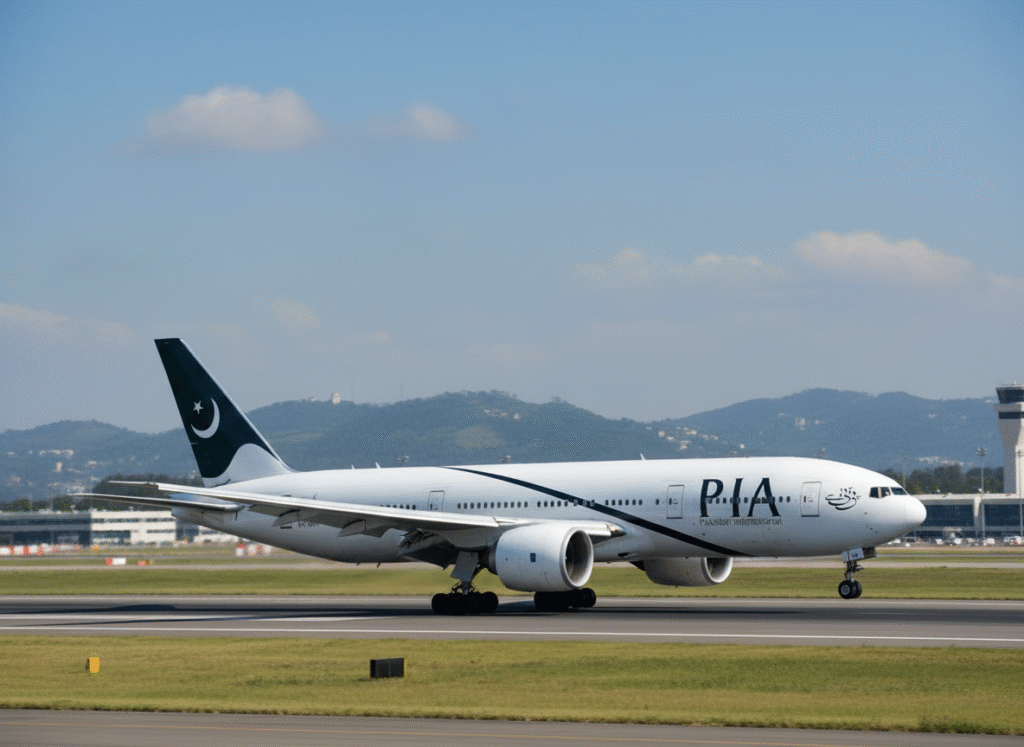
PIA direct flights to London are officially set to resume from Islamabad starting March 2026, marking a major milestone for Pakistan International Airlines (PIA) and fulfilling a long-standing demand of Pakistani travelers and expatriates living in the United Kingdom. After a suspension of nearly six years, the national flag carrier’s decision to restart direct connectivity between Pakistan’s capital and one of the world’s busiest aviation hubs is being viewed as a strategic move to reclaim its presence on high-demand international routes. PIA Direct Flights to London Restart After Six-Year Gap According to a PIA spokesperson, the airline will commence its first direct flight from Islamabad to London on March 29, 2026. Initially, PIA direct flights to London will operate four times a week, offering passengers a non-stop travel option that significantly reduces travel time and eliminates the inconvenience of stopovers. This resumption comes at a time when air travel demand between Pakistan and the UK continues to grow, driven by business travelers, students, families, and a large Pakistani diaspora based in London and surrounding cities. Why PIA Direct Flights to London Matter for Travelers The return of PIA direct flights to London is expected to provide multiple benefits for passengers: Travelers will now be able to fly directly between Islamabad and London without enduring long layovers at transit airports. This is especially important for elderly passengers, families, and business travelers seeking convenience and time efficiency. London has historically been one of PIA’s most popular international destinations. Before the suspension, PIA used to operate more than 22 weekly flights to various UK cities, highlighting the route’s strong commercial potential. PIA’s UK Network Expansion Strategy Alongside the resumption of PIA direct flights to London, the airline is already operating three weekly flights from Islamabad to Manchester, maintaining its footprint in the UK aviation market. PIA management has also indicated plans to gradually expand direct services to London from other major cities of Pakistan, depending on demand, fleet availability, and operational approvals. This phased approach reflects the airline’s broader international revival strategy. Operations at Heathrow Airport All PIA direct flights to London will operate via Heathrow Airport, one of the busiest and most prestigious aviation hubs globally. Access to Heathrow enhances PIA’s brand visibility and provides passengers with better onward connectivity within the UK and Europe. For business travelers and overseas Pakistanis, Heathrow remains the preferred gateway due to its transport links and proximity to central London. Revenue Boost Expected From PIA Direct Flights to London Industry analysts believe the resumption of PIA direct flights to London could significantly strengthen the airline’s revenue stream. UK routes are considered among PIA’s prime and high-demand sectors, historically delivering strong passenger loads and premium traffic. With air travel rebounding globally, direct UK operations are expected to play a critical role in improving PIA’s financial performance and international competitiveness. A Positive Signal for Pakistan’s Aviation Sector The return of PIA direct flights to London is also being welcomed as a positive development for Pakistan’s broader aviation industry. It signals improved regulatory confidence, operational readiness, and renewed efforts to restore PIA’s global network. For overseas Pakistanis, this move represents easier access to home, while for the airline, it marks another step toward rebuilding trust and market share on international routes.

Gold Price in Pakistan Declines Sharply Amid Market Volatility
Pakistan

Gold Price in Pakistan Declines Sharply Amid Market Volatility

Gold price in Pakistan recorded a significant decline on Tuesday, reflecting increased volatility in both domestic and international bullion markets. According to the All-Pakistan Gems and Jewelers Sarafa Association (APGJSA), the price of 24-karat gold fell by Rs10,700 per tola, bringing the new rate to Rs459,462 per tola. The sharp correction comes after recent record highs and highlights ongoing uncertainty driven by global market movements, currency fluctuations, and profit-taking by investors. Gold Price in Pakistan Today – Latest Rates The decline was also reflected in per-gram pricing. 24-karat gold per 10 grams dropped by Rs9,174, settling at Rs393,914, while 22-karat gold was quoted lower at Rs361,100 per 10 grams. This downward movement indicates easing speculative pressure in the local market after sustained bullish momentum over the past several weeks. Silver Prices Follow Gold Price in Pakistan Trend Alongside gold, silver prices in Pakistan also witnessed a notable decrease. The price of 24-karat silver fell by Rs145 per tola, closing at Rs7,930, while 10 grams of silver declined by Rs125 to Rs6,798. The decline in silver prices mirrors the broader trend in precious metals, influenced by global sentiment and reduced demand at elevated price levels. Gold Price in Pakistan – Daily, Monthly, and Year-to-Date Performance In day-on-day terms, gold price in Pakistan declined by Rs10,700, marking one of the steepest single-day drops in recent weeks. Despite this correction, gold remains significantly higher over longer periods. Over the past one month, gold prices have still increased by approximately Rs12,600 per tola, underscoring strong medium-term performance. Since the start of the financial year, gold has gained more than Rs109,000 per tola, while calendar year-to-date gains exceed Rs186,000. Silver has also shown resilience despite the latest dip, recording gains of nearly Rs2,000 over the past month, over Rs4,100 in FYTD, and approximately Rs4,580 CYTD. Global Gold Market Impact on Gold Price in Pakistan Internationally, spot gold traded near $4,369 per ounce, rising by $23.9 or 0.55% during the session. The rebound came after a 14-day slump, largely attributed to year-end profit-taking that had pushed precious metals lower from recent highs. This recovery in global gold prices may provide short-term support to gold price in Pakistan, although local prices remain sensitive to exchange rate movements and domestic demand dynamics. Outlook: What’s Next for Gold Price in Pakistan? Market analysts suggest that while short-term corrections are likely, the broader outlook for gold price in Pakistan remains bullish due to persistent inflation concerns, global economic uncertainty, and continued central bank gold accumulation worldwide. Investors are advised to closely monitor international gold trends, US dollar movements, and domestic economic indicators before making buying or selling decisions.

Pakistan Skills Impact Bond Ushers in a New Era of Outcome-Based Skills Financing
Pakistan

Pakistan Skills Impact Bond Ushers in a New Era of Outcome-Based Skills Financing

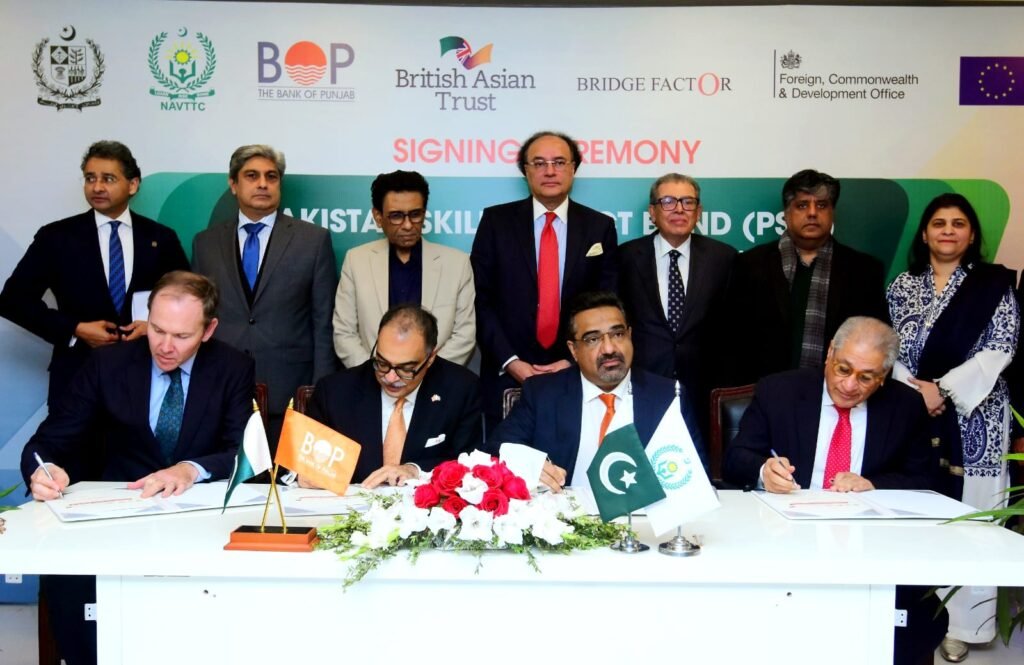
Pakistan Skills Impact Bond has emerged as a landmark initiative in the country’s public finance and human capital development landscape, introducing Pakistan’s first privately funded, outcome-linked skills financing model backed by a Rs1 billion federal guarantee. The innovative structure signals a decisive shift away from traditional input-based public spending toward a results-driven approach that ties government repayments directly to verified employment outcomes. Pakistan Skills Impact Bond: A Results-Driven Financing Model The Pakistan Skills Impact Bond (PSIB) is structured as a three-year instrument, with an initial pilot tranche of Rs1 billion guaranteed by the Ministry of Finance. Unlike conventional training programmes that release funds based on enrolment numbers or infrastructure costs, this model places financial risk on private investors who provide upfront capital. Public repayments are triggered only when predefined outcomes such as certification completion, job placement, and a minimum six-month employment retention are independently verified. In practical terms, this means that funds flow not at the start of training but after results are achieved, aligning incentives across government, investors, training providers, and employers. How the Pakistan Skills Impact Bond Works Instead of relying on a traditional table, the structure can be explained through three interconnected components. First, private investors supply upfront capital to finance large-scale technical and vocational training.Second, training providers, supervised by the National Vocational and Technical Training Commission (NAVTTC), deliver skills aligned with market demand.Third, government-backed repayments are released only after employment outcomes are verified by independent assessors. This outcome-based cycle shifts fiscal risk away from the public sector while improving accountability and efficiency in skills development spending. Reducing Sovereign Risk in Future Tranches Stakeholders involved in the Pakistan Skills Impact Bond have indicated that future tranches are expected to gradually reduce reliance on sovereign guarantees. Over time, partial repayment mechanisms linked to a nominal share of trainee salaries may be introduced, creating a market-linked and financially sustainable model. This evolution is aimed at attracting institutional investors and capital market participation, reducing long-term exposure on the government’s balance sheet. Anchored in Pakistan’s Social Impact Financing Framework The PSIB is embedded within Pakistan’s newly developed Social Impact Financing Framework, which identifies education and human capital development as the country’s top national priority. Other focus areas under the framework include gender equality, health and well-being, population stabilisation, climate resilience, and poverty reduction. The framework itself was developed through a multi-stakeholder consultative process involving policymakers, financial institutions, development partners, technology providers, and international organisations. Institutional Partners Behind the Pakistan Skills Impact Bond The bond is being implemented through NAVTTC, which is responsible for programme oversight, training standards, and outcome verification. The Bank of Punjab is participating as a key financial partner, while the British Asian Trust serves as programme manager. The initiative is further supported by the UK’s Foreign, Commonwealth & Development Office (FCDO). At the launch ceremony, investor and issuer agreements were formally signed, cementing the operational and governance framework of the bond. Focus on Women, Digital Skills, and Global Employment At least 40 percent of trainees under the Pakistan Skills Impact Bond will be women, addressing gender gaps in workforce participation and income generation. Training programmes will focus on technical, high-value digital, and freelance-oriented skills, aligned with both domestic industry demand and overseas employment markets. This demand-driven approach reflects Pakistan’s growing participation in the global freelance economy and international labour mobility. Policy Perspective: Catalytic, Not Permanent Finance Minister Senator Muhammad Aurangzeb described the government’s Rs1 billion guarantee as catalytic rather than permanent, aimed at building investor confidence and demonstrating the viability of outcome-based social financing. The long-term vision, he noted, is to transition toward a fully market-driven model that operates without sovereign guarantees while maintaining strong employment outcomes. Why the Pakistan Skills Impact Bond Matters The Pakistan Skills Impact Bond represents the country’s first application of a social impact bond structure in the skills and employment sector. It arrives at a time when policymakers are seeking greater fiscal efficiency, improved training effectiveness, and stronger links between skills development and labour market outcomes. By aligning public spending with measurable results and leveraging private capital, the PSIB positions skills training as a strategic investment in human capital, rather than a standalone social intervention.

Khaleda Zia, Bangladesh's Trailblazing First Female PM, Dies at 80
World

Khaleda Zia, Bangladesh’s Trailblazing First Female PM, Dies at 80

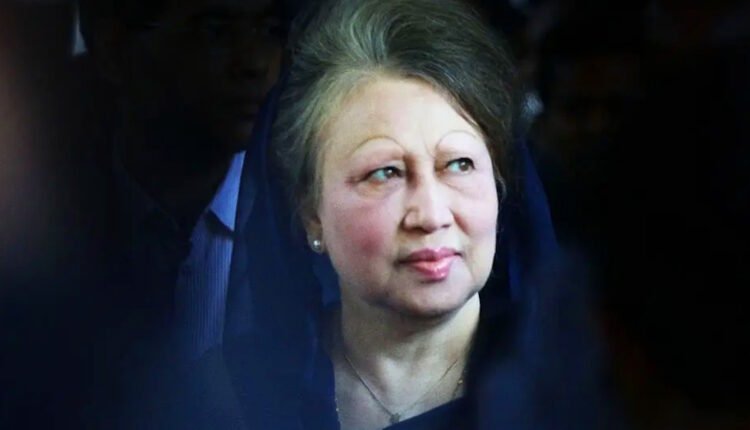
Khaleda Zia, Bangladesh’s first female prime minister and a towering figure in the nation’s politics, passed away on Tuesday, December 30, 2025, at Evercare Hospital in Dhaka after a prolonged illness. She was 80 years old. The Bangladesh Nationalist Party (BNP), which she led as chairperson, announced her death, stating she breathed her last at 6 a.m. Zia had been battling advanced liver cirrhosis, diabetes, arthritis, heart issues, and a severe chest infection. She was admitted to the hospital on November 23 and had received treatment in London earlier in 2025 before returning home. Legacy of Leadership and Bitter Rivalry Entering politics after the 1981 assassination of her husband, President Ziaur Rahman, Khaleda Zia transformed the BNP into a major force. She served as prime minister from 1991 to 1996 and again from 2001 to 2006, becoming the first woman to hold the office in Bangladesh.Her tenure saw key reforms, including shifting to a parliamentary system, making primary education free and compulsory, and opening doors to foreign investment. However, her second term faced criticism over rising Islamist militancy and corruption allegations. Zia’s decades-long rivalry with Sheikh Hasina, dubbed the “battling begums,” defined Bangladeshi politics, marked by strikes, violence, and electoral boycotts. Convicted on corruption charges in 2018—which she called politically motivated—she was jailed, released conditionally, and fully acquitted in 2025.Interim leader Muhammad Yunus expressed profound sorrow, hailing her as a “symbol of the democratic movement.” Indian Prime Minister Narendra Modi also offered condolences, noting her contributions to Bangladesh’s development and bilateral ties. Her funeral is scheduled for Wednesday, with prayers in front of parliament before burial beside her husband. Zia’s son, Tarique Rahman, who recently returned from exile, is seen as her political successor as BNP eyes upcoming elections.

Meezan Bank CEO Appointment Signals a New Leadership Era
Pakistan

Meezan Bank CEO Appointment Signals a New Leadership Era

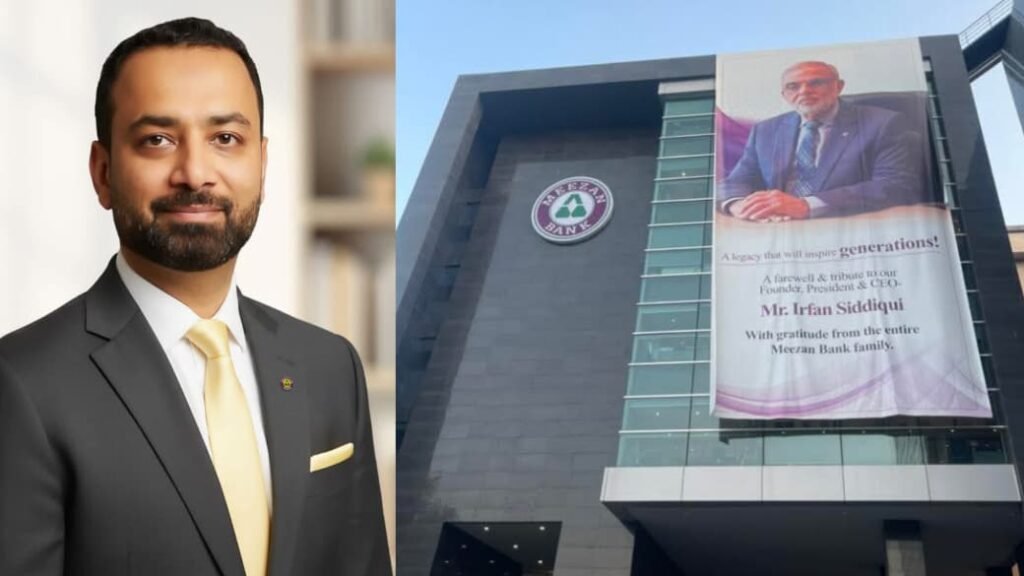
Meezan Bank CEO appointment marks a significant milestone in Pakistan’s Islamic banking industry as Meezan Bank Limited (MEBL), the country’s largest Islamic bank, has announced the appointment of Dr Syed Amir Ali as its new President and Chief Executive Officer (CEO), effective December 30, 2025. He succeeds Irfan Siddiqui, the founding President and CEO who played a pioneering role in shaping Pakistan’s Islamic banking landscape. The leadership change was formally disclosed through a notification to the Pakistan Stock Exchange (PSX), highlighting the bank’s commitment to continuity, stability, and future-focused growth. Meezan Bank CEO Appointment Officially Disclosed to PSX According to the PSX notice, Meezan Bank confirmed that Dr Syed Amir Ali will assume the role of President and CEO from December 30, 2025. While stepping down from executive responsibilities, Irfan Siddiqui will continue to serve as a member of Meezan Bank’s Board of Directors, ensuring strategic continuity at the board level. This transition reflects a well-planned succession strategy at Meezan Bank, reinforcing investor confidence and corporate governance standards. Tribute to Irfan Siddiqui’s Legacy in Islamic Banking The board of directors paid glowing tribute to Irfan Siddiqui, acknowledging his leadership, vision, and relentless efforts in transforming Meezan Bank into one of Pakistan’s most successful financial institutions. Under Siddiqui’s stewardship, Meezan Bank emerged as: • A market leader in Islamic banking• A trendsetter in Shariah-compliant finance• One of Pakistan’s most respected corporate success stories The board emphasized that Siddiqui’s pioneering role was instrumental in laying the foundations of Islamic banking in Pakistan and driving sustained growth, profitability, and innovation across decades. Who Is Dr Syed Amir Ali? Meezan Bank CEO Appointment Explained The Meezan Bank CEO appointment brings to the helm a seasoned Islamic banking professional with over two decades of experience across finance, treasury, investment, and corporate banking. Dr Syed Amir Ali possesses an exceptional blend of local and international financial expertise, having worked with renowned organizations such as: • A.F. Ferguson & Co• Shell• BankIslami Pakistan Limited• Meezan Bank Limited He first joined Meezan Bank in 2006, where he led the Corporate and Investment Banking Group, playing a key role in expanding the bank’s institutional footprint. In 2018, he transitioned to BankIslami Pakistan Limited before rejoining Meezan Bank in 2023, setting the stage for his elevation to the top executive role. Dr Syed Amir Ali’s Academic and Professional Credentials Dr Syed Amir Ali’s qualifications reflect a rare combination of finance, accounting, business, and law expertise. His credentials include: • Chartered Financial Analyst (CFA), CFA Institute, USA• Chartered Certified Accountant (ACCA), United Kingdom• Chartered Accountant (CA), Institute of Chartered Accountants of Pakistan• MBA, Hamdard University, Karachi• LL.B., University of Karachi This diverse academic background strengthens Meezan Bank’s leadership depth at a time when Islamic finance is becoming increasingly complex and globally integrated. Meezan Bank CEO Appointment and the Road Ahead The appointment of Dr Syed Amir Ali comes at a critical juncture for Pakistan’s banking sector, where Islamic banking continues to gain market share amid regulatory reforms and digital transformation. With his deep understanding of Shariah-compliant finance, corporate banking, and investment strategy, Dr Ali is well-positioned to: • Drive sustainable growth• Strengthen digital and corporate banking• Expand Meezan Bank’s regional and global Islamic finance footprint The leadership transition reflects Meezan Bank’s long-term vision to remain at the forefront of Pakistan’s evolving financial ecosystem. The Meezan Bank CEO appointment of Dr Syed Amir Ali represents both continuity and renewal. As Irfan Siddiqui’s legacy continues at the board level, the new CEO brings fresh strategic energy backed by extensive experience and strong credentials. For stakeholders, investors, and the broader Islamic banking industry, this transition underscores Meezan Bank’s commitment to excellence, governance, and future-ready leadership.

Mobile Apps Lead Pakistan's Payment Revolution: Record PKR 33.7 Trillion in Q1 FY26
Pakistan

Mobile Apps Lead Pakistan’s Payment Revolution: Record PKR 33.7 Trillion in Q1 FY26

The State Bank of Pakistan (SBP) has published its first Quarterly Payment Systems Review for Fiscal Year 2025-26, revealing significant advancements in the nation’s payment ecosystem during the July-September 2025 period. Retail payment transactions reached an impressive 2.8 billion, reflecting a 10% increase from the previous quarter, while the total value climbed 6% to PKR 166 trillion. Raast and Mobile Apps Fuel Digital Dominance A key driver of this growth has been the rapid adoption of digital channels, which handled 2.5 billion transactions—accounting for 90% of all retail payments, up from 87% in the corresponding quarter last year. The value of digital transactions hit PKR 55 trillion. Mobile app-based payments led the charge, with 2.0 billion transactions worth PKR 33.7 trillion, making up 81% of digital payments. These apps, offered by banks, branchless banking providers, and electronic money institutions (EMIs), facilitated person-to-person transfers, bill payments, and merchant transactions both online and at physical outlets.The Raast Instant Payment System continued its strong trajectory. Person-to-Person (P2P) transactions surged 31% to 535 million, valued at PKR 11.3 trillion, while Person-to-Merchant (P2M) transactions doubled to 4.3 million, amounting to PKR 17 billion. Overall, Raast processed 544 million transactions worth PKR 12.8 trillion. Internet banking and card usage also expanded, with payment cards in circulation reaching 61.3 million (90% debit, 4% credit). Point-of-Sale (PoS) terminals and e-commerce saw increased activity, recording 1.5 million daily card transactions. Traditional channels remained vital, with 20,527 ATMs handling 267 million transactions (PKR 4.5 trillion) and over-the-counter services at bank branches and branchless banking agents supporting additional volumes.These trends underscore Pakistan’s progress toward a more inclusive and efficient digital payments landscape, aligning with national goals for financial digitization.

Pakistan raises record Rs2 trillion through domestic Sukuk in 2025
Pakistan

Pakistan raises record Rs2 trillion through domestic Sukuk in 2025

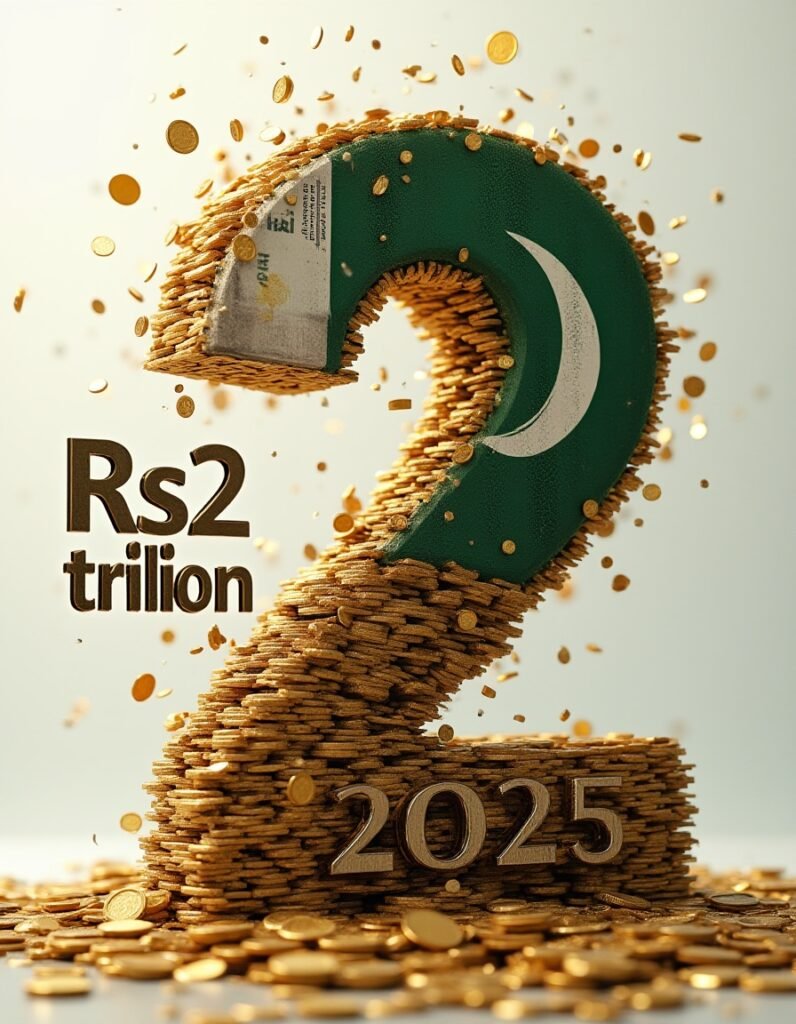
ISLAMABAD: Pakistan’s government raised a record over Rs2 trillion through domestic Sukuk issuances in 2025, marking the highest annual volume since the introduction of Islamic bonds in 2008 and underscoring the rapid deepening of the country’s Islamic capital market. The milestone was highlighted by Adviser to the Finance Minister Khurram Shehzad, who said in a post on X that the Ministry of Finance (MoF) had set a historic record in Sukuk issuance during the year, describing it as a landmark breakthrough for Islamic finance in Pakistan. Read More: https://theboardroompk.com/pakistan-railways-transports-8-2-million-tonnes-freight-in-fy-2024-25/ According to details shared by the MoF, the record issuance was executed through the Debt Management Office in collaboration with Joint Financial Advisors (JFAs). During 2025, the government conducted 61 Sukuk issuances across a diversified maturity profile, including one-year, three-year, five-year and ten-year tenors, structured under both fixed rate return (FRR) and variable rate return (VRR) formats. The total Sukuk issuance exceeded Rs2 trillion during the calendar year, while overall Shariah-compliant issuance reached Rs2.5 trillion, reflecting robust demand from Islamic banks, conventional banks with Islamic windows, mutual funds, and other institutional investors. A defining feature of 2025 was the successful launch of Pakistan’s first-ever Green Sukuk, which was oversubscribed by 5.4 times, signalling strong investor appetite for sustainable and climate-aligned instruments. The underlying assets supporting the Green Sukuk cashflows included key public-sector and infrastructure entities such as Pakistan Railways, the Trade Development Authority of Pakistan (TDAP), National Highway Authority (NHA), Capital Development Authority (CDA), Pakistan Airports Authority (PAA), Pakistan Sports Board (PSB), and Karachi Port Trust (KPT). The scale of Sukuk activity over recent years highlights the growing depth of Pakistan’s Islamic debt market. Between 2019 and 2025, total Sukuk issuance amounted to Rs8.7 trillion. As of end-2025, outstanding Sukuk stood at around Rs6.6 trillion, while total outstanding Shariah-compliant instruments reached approximately Rs7.1 trillion. The expanding use of Islamic instruments has also increased their share in the government’s domestic securities portfolio. By December 2025, Shariah-compliant instruments accounted for around 14.5 per cent of total government securities, up from 12.6 per cent in June 2025. The Ministry of Finance has set a strategic target to raise this share to 20 per cent by FY28. Officials say the rising proportion of Islamic instruments reflects sustained investor confidence, improved market infrastructure, and more sophisticated sovereign debt management. It also supports diversification of funding sources at a time when fiscal discipline and domestic resource mobilisation remain central to macroeconomic stability. The MoF noted that the strong momentum in Sukuk issuance demonstrates its commitment to expanding Shariah-compliant financing options while maintaining prudent debt management practices. By broadening the investor base and extending the maturity profile of domestic debt, the government aims to reduce refinancing risks and enhance fiscal sustainability. Looking ahead, with a stabilising macroeconomic outlook, a disciplined debt strategy, and a clear roadmap for Islamic finance, Pakistan appears positioned to further strengthen its government securities market, making it more resilient, diversified, and aligned with long-term growth objectives.

India Govt Demands Over $30 Billion from Reliance and BP in Major Gas Mismanagement Led to Massive Reserve Loss
World

India Govt Demands Over $30 Billion from Reliance and BP in Major Gas Mismanagement Led to Massive Reserve Loss

NEW DELHI, Dec 29: The Indian government is pursuing a compensation claim exceeding $30 billion from Reliance Industries and its partner BP in an ongoing international arbitration case, according to sources familiar with the matter. This marks the largest amount ever demanded by the Indian government from a corporation, centering on allegations of severe underproduction and mismanagement in the D1 and D3 deepwater gas fields of the KG-D6 block in the Krishna Godavari basin, off Andhra Pradesh. The dispute, heard by a tribunal since 2016, stems from a production sharing contract awarded to Reliance in 2000. The government argues that Reliance initially estimated recoverable reserves at around 10 trillion cubic feet (tcf) but produced only about 20% of that amount. Officials claim the companies used “unduly aggressive” extraction methods, drilling only 18 of the planned 31 wells without sufficient infrastructure, which damaged the reservoir through water ingress and pressure issues, resulting in the permanent loss of most reserves. Read More: https://theboardroompk.com/india-launches-heaviest-satellite-to-boost-its-global-space-role/ Arbitration Nears Verdict Amid High Stakes for Energy Sector Final arguments concluded on November 7, 2025, with a tribunal verdict expected in mid-2026. The outcome, which can be challenged in Indian courts, could significantly impact future profit-sharing arrangements and energy investments. Reliance, which operates the block, sold a 30% stake to BP in 2011 for $7.2 billion as part of a broader deal. Production from D1 and D3 ceased in February 2020, with total output from the wider KG-D6 block reaching about 3 tcf of gas equivalent. Reliance and BP have disputed any liability during hearings, with spokespersons declining further comment, citing confidentiality. The case highlights longstanding challenges in India’s deepwater gas projects, including cost-recovery disputes and failure to meet early production targets aimed at reducing import dependence.

Scroll to Top