Author name: Web Desk

Daring Christmas Heist Hits German Savings Bank Vault as Professional Burglars Exploit Holiday Quiet
World

Daring Christmas Heist Hits German Savings Bank Vault as Professional Burglars Exploit Holiday Quiet

In a meticulously planned operation reminiscent of a Hollywood thriller, thieves drilled through a thick concrete wall from an adjacent parking garage to access the underground vault of a Sparkasse savings bank branch in Gelsenkirchen, western Germany. The brazen robbery, carried out over the extended Christmas holiday when banks were closed, targeted thousands of customer safe deposit boxes, making off with cash, jewelry, gold, and other valuables estimated in the double-digit millions of euros—at least €10 million, with some reports suggesting up to €30-90 million. Discovery and Customer Outrage The heist was uncovered in the early hours of December 29, 2025, when a fire alarm triggered a police response, revealing a large hole in the vault wall and ransacked boxes. Witnesses reported seeing several masked men carrying heavy bags in the parking garage stairwell over the weekend, and a black Audi RS 6 with stolen license plates fleeing the scene early Monday. Police described the operation as highly professional, likely involving significant planning and possibly inside knowledge. On December 30, dozens of distraught customers gathered outside the branch, chanting “Let us in!” and expressing frustration over lack of information. One long-time depositor told media he couldn’t sleep, worried about his life savings in cash and valuables. Sparkasse officials have yet to comment publicly, leaving affected clients uncertain about insurance coverage for items in safe deposit boxes, which often excludes high-value contents unless specially declared.

DG Khan Cement to Build Pakistan's Largest 11,000 tpd Clinker Line
Pakistan

DG Khan Cement to Build Pakistan’s Largest 11,000 tpd Clinker Line

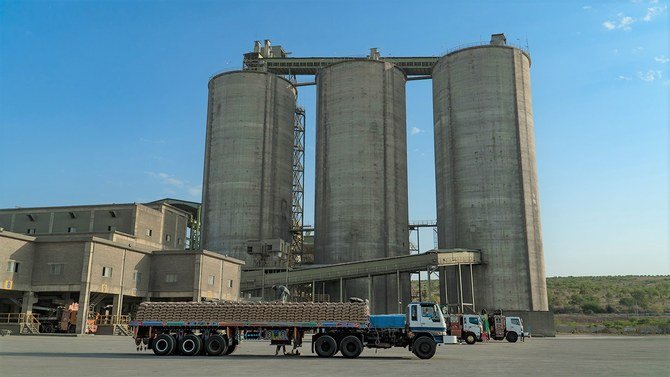
DG Khan Cement Company Limited (DGKC), one of Pakistan’s leading cement producers, announced on December 31, 2025, the establishment of a Letter of Credit for a groundbreaking brownfield project: the country’s largest single clinker production line with a capacity of 11,000 tons per day. The new line will be installed at Mauza Khofli Sattai, Dera Ghazi Khan site, further strengthening the company’s presence in southern Punjab. This development, disclosed via a notice to the Pakistan Stock Exchange, marks a significant step toward enhancing production efficiency and capacity. Boosting Capacity Amid Market Challenges Currently operating with a total clinker capacity of around 22,400 tons per day across its plants in Dera Ghazi Khan, Khairpur, and Hub, DGKC aims to solidify its position as a top player in the industry. The 11,000 tpd line surpasses previous records, including the company’s own 9,000 tpd facility at Hub. Established in 1978, DGKC supplies domestic markets through over 2,200 dealers and exports to regions like Bangladesh, Afghanistan, and Central Africa. Despite a 26.53% year-on-year decline in national cement exports in November 2025, this expansion signals confidence in long-term demand recovery, driven by infrastructure needs and modest domestic resilience. The project underscores DGKC’s commitment to scaling operations and leveraging its Nishat Group backing for sustained growth in a competitive sector.

Double-Decker Buses in Karachi Mark a New Era of Urban Mobility
Pakistan

Double-Decker Buses in Karachi Mark a New Era of Urban Mobility

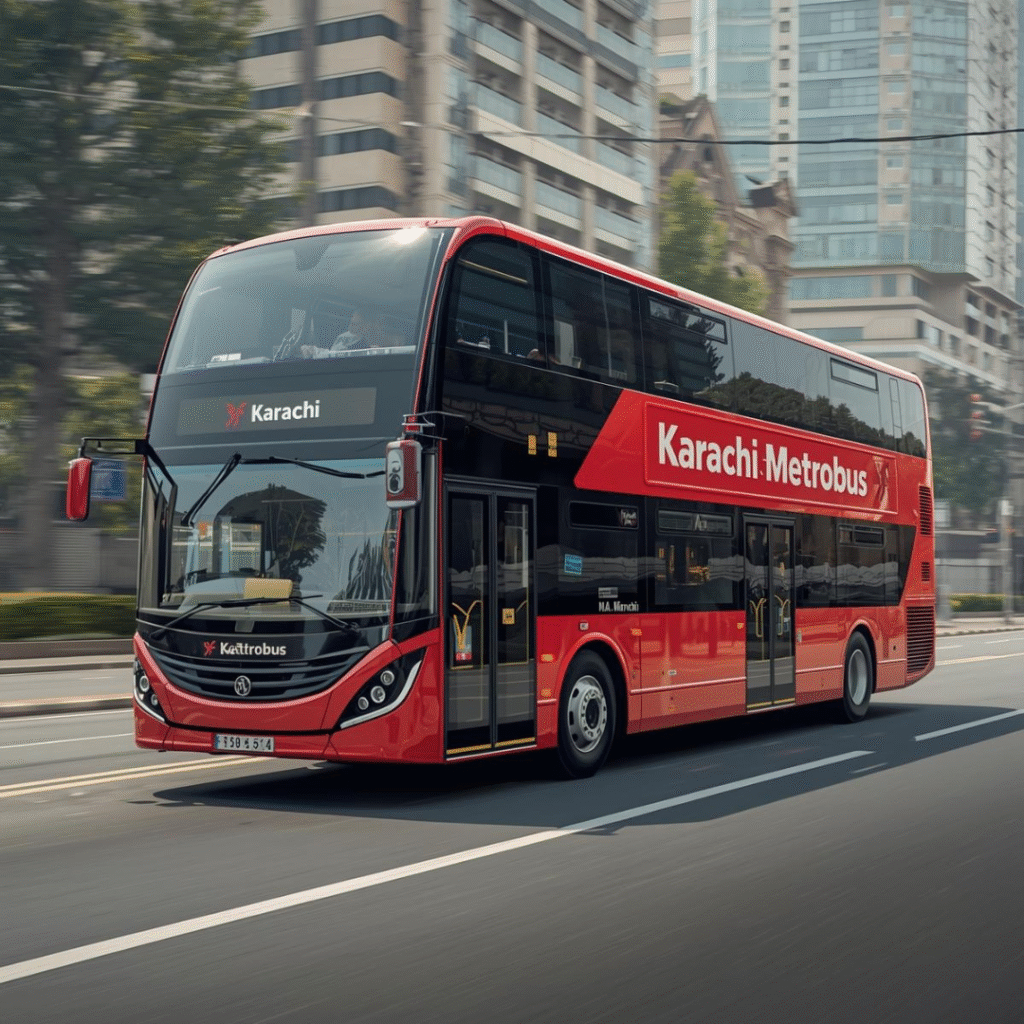
Double-decker buses in Karachi have officially made a comeback, signaling a major milestone in the city’s long-overdue public transport transformation. The Sindh government formally inaugurated the service on December 31, with operations opening to the general public from January 1, aiming to ease congestion and modernize commuting for Pakistan’s largest metropolis. The initiative was launched by Sindh Senior Minister Sharjeel Inam Memon, who also oversees the transport portfolio, alongside Sindh Local Government Minister Syed Nasir Hussain Shah. The launch fulfills a promise made by the Sindh government in October 2024 to reintroduce double-decker buses in a city of over 23 million residents struggling with chronic mobility challenges. Double-Decker Buses in Karachi: Routes, Timelines, and Vision Speaking at the inauguration, Sharjeel Inam Memon highlighted that the launch aligns perfectly with the government’s deadline. He recalled that the Sindh government had committed to introducing double-decker buses in Karachi by December 2025, noting that the promise had been delivered right on December 31. Initially, the double-decker buses in Karachi will operate on high-demand corridors. According to official statements, the primary routes include: • Malir to Shahrah-e-Faisal, one of Karachi’s busiest arteries• Zainab Market (Saddar) to Model Colony, covering commercial and residential hubs These routes have been strategically selected to maximize ridership, ease daily commuting pressure, and support economic activity. A Historic Return After 65 Years According to a handout issued by the Sindh transport department, double-decker buses are being introduced again in Karachi after 65 years, making the initiative both symbolic and strategic. The return of this iconic mode of transport reflects a broader urban planning approach moving more passengers with fewer vehicles, thereby reducing traffic congestion and emissions. Expanding Public Transport Beyond Karachi Double-Decker Buses in Karachi and Province-Wide Plans The Sindh government’s transport vision extends well beyond Karachi. Minister Memon confirmed that new routes for electric buses (e-buses) will also be designated across Sindh, including Karachi, starting next week. He emphasized that public transport services are being offered at subsidized fares, with the provincial government absorbing operational costs to ensure affordability. Currently, more than 125,000 commuters use the People’s Bus Service daily in Karachi, highlighting strong demand for reliable mass transit solutions. Infrastructure Investment to Support Transport Growth Addressing concerns over road conditions, the minister revealed that the Sindh cabinet has allocated over Rs9 billion specifically for roads in industrial areas. Major infrastructure projects, including the Shahrah-e-Bhutto Expressway, are already underway to complement the expanded transport network. Improved roads are expected to enhance the efficiency, safety, and sustainability of the double-decker buses in Karachi, especially on high-traffic corridors. Covering Tourist Spots and Every Major Road When asked whether double-decker buses would also serve tourist destinations, the response was unequivocal. “Yes, definitely. We aim to cover not just tourist spots but every road,” Memon said. This approach positions the buses not only as a transport solution but also as a tool for promoting tourism and projecting a positive image of Sindh’s urban development. ‘A Gift from the Chief Minister’ In a separate statement, the Sindh Chief Minister’s Office described the launch of double-decker buses in Karachi as a “gift” to the city’s residents. Chief Minister Murad Ali Shah stated that Karachiites deserve modern, efficient transport and that the new service reflects tangible progress rather than political promises. “The city is now not just running, it’s progressing. Better transport facilities for Karachi are no longer a promise they are becoming a reality,” the CM was quoted as saying. Why Double-Decker Buses Matter for Karachi’s Future Instead of listing data in tables, the impact can be explained simply: • More passengers per bus means fewer vehicles on roads• Reduced congestion leads to shorter commute times• Subsidized fares support inclusive economic growth• Modern transport improves Karachi’s global city image The launch of double-decker buses in Karachi represents a critical step toward sustainable urban mobility. With clear timelines, expanding routes, heavy infrastructure investment, and strong political backing, the initiative has the potential to reshape how Karachi moves—today and in the years ahead. As Sindh targets province-wide transport expansion in 2026, Karachi’s double-decker buses may well become the symbol of a city finally catching up with modern urban standards.

Gold Heads for Best Year Since 1979 with 66% Surge
Pakistan

Gold Heads for Best Year Since 1979 with 66% Surge

As 2025 draws to a close, gold is poised for its strongest annual gain in nearly half a century, climbing approximately 66% year-to-date. Spot gold traded steady at around $4,345 per ounce on December 31, after reaching a record high of $4,549 earlier. This remarkable rally, the best since 1979’s geopolitical turmoil, has been fueled by US Federal Reserve interest rate cuts, expectations of further easing, robust central bank purchases, and surging ETF holdings. Geopolitical tensions, including ongoing conflicts, have further bolstered gold’s safe-haven appeal in a low-yield environment. Read More: https://theboardroompk.com/gold-price-in-pakistan-declines-sharply-amid-market-volatility/ Broader Precious Metals Rally Silver has stolen the spotlight with gains exceeding 150%, heading for its largest annual increase ever, driven by its critical mineral status, supply shortages, low inventories, and booming industrial demand. Spot silver dipped to $73 per ounce after a record $83 high. Platinum surged over 120%—its best ever—while palladium rose 65%, its strongest in 15 years. Analysts attribute recent volatility to thin holiday trading and margin hikes on futures. Looking ahead, experts like Ilya Spivak foresee gold potentially testing $5,000 in early 2026, as underlying catalysts remain self-sustaining amid persistent global risks and monetary policy support.

Pakistan Launches First-Ever Skills Impact Bond Worth Rs1 Billion
Pakistan

Pakistan Launches First-Ever Skills Impact Bond Worth Rs1 Billion

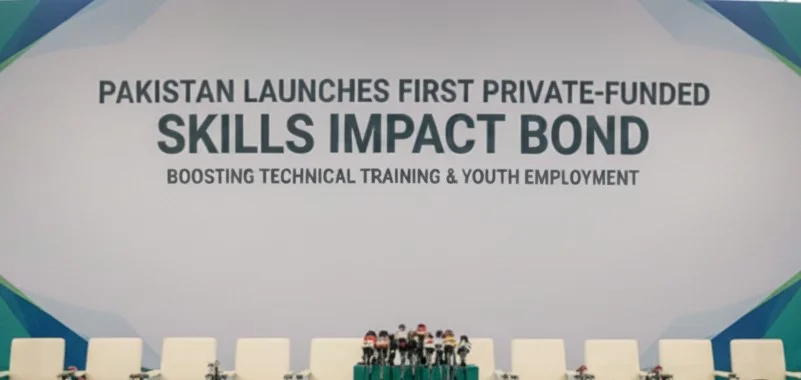
Pakistan marked a historic milestone on December 30, 2025, with the launch of the country’s first-ever private-capital-funded Pakistan Skills Impact Bond (PSIB). Backed by a Rs1 billion guarantee from the Ministry of Finance, the inaugural pilot tranche funds a three-year Technical Skills Development Programme led by the National Vocational and Technical Training Commission (NAVTTC). This outcome-based instrument shifts from traditional input-driven public spending to private-sector investment tied to measurable results, including trainee certification, job placement, and six-month employment retention. Read More:https://theboardroompk.com/pakistan-skills-impact-bond-ushers-in-a-new-era-of-outcome-based-skills-financing/ Harnessing Demographic Dividend Finance Minister Muhammad Aurangzeb hailed the PSIB as a transformative step in Pakistan’s economic reform agenda, emphasizing the need to upskill youth to realize the nation’s demographic dividend. “Pakistan’s demographic dividend can only be realized if the country succeeds in upskilling and reskilling its youth at scale,” he stated. The initiative involves key partners like the Bank of Punjab, British Asian Trust (as Programme Manager), FCDO, and EY. It promotes gender inclusion with at least 40% female trainees and focuses on high-value digital skills, leveraging Pakistan’s status as the world’s third-largest freelancer community. Future tranches aim to link repayments to trainee salaries, reducing reliance on sovereign guarantees and attracting broader institutional investors. Officials, including NAVTTC Chairperson Gulmina Bilal Ahmad and Education Minister Khalid Maqbool Siddiqui, praised the model for fostering accountability, sustainability, and public-private partnerships in human capital development.

Unrealistic or Resilient? Debate Rages on Pakistan's GDP Data
Pakistan

Unrealistic or Resilient? Debate Rages on Pakistan’s GDP Data

Pakistan’s economy recorded a provisional GDP growth of 3.71% in the first quarter of FY2025-26 (July-September 2025), according to data approved by the National Accounts Committee. The growth was largely propelled by a strong industrial sector expansion of 9.38%, despite headwinds from devastating floods earlier in the year. Agriculture contributed with a 2.89% increase, while the services sector grew modestly at 2.35%. Federal Minister for Planning Ahsan Iqbal emphasized that this performance is remarkable given the absorption of fiscal tightening measures, withdrawal of energy subsidies, and persistent food inflation. Read More: https://theboardroompk.com/pakistans-gdp-surges-to-3-71-in-1qfy26-on-industrial-boom/ Resilience Despite Flood Shock Iqbal highlighted the industrial rebound as a sign of structural improvements and policy effectiveness. “This growth is coming despite the 2025 flood shock,” he stated, underscoring the economy’s resilience. The figures reflect recovery efforts post-floods, with increased activity in manufacturing and construction. Government officials argue that these numbers validate ongoing reforms under the stabilization program, including better revenue collection and external account management. Supporters point to rising foreign reserves and controlled inflation as complementary positives, setting a foundation for sustained recovery in subsequent quarters. The data suggests Pakistan is on track to exceed earlier full-year projections, boosting investor confidence amid global uncertainties.

Awais Vohra appointed as Acting CEO of Telenor Pakistan
Pakistan

Awais Vohra appointed as Acting CEO of Telenor Pakistan

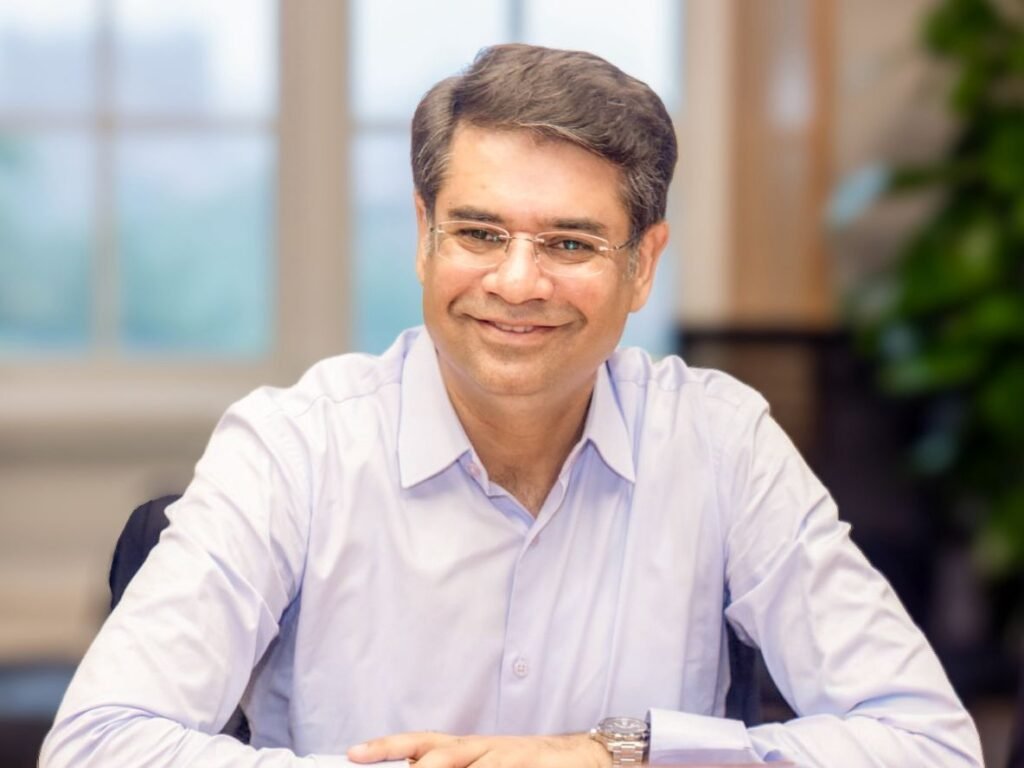
Islamabad – 31 December 2025: The newly established Board of Directors of Telenor Pakistan appointed Awais Vohra as the Acting Chief Executive Officer of the company, Telenor Pakistan, which is now an autonomous subsidiary of Pakistan Telecommunication Company Limited (PTCL) following the completion of all regulatory approvals. The Board of Directors acknowledged the strategic leadership of Mr. Fridtjof Rusten during a pivotal phase for Telenor Pakistan. His guidance was instrumental in navigating a complex transaction and regulatory process, while safeguarding operational stability, customer trust, and organizational focus. The development follows the formal acquisition of 100% of the issued share capital of Telenor Pakistan by PTCL. However, in line with regulatory directives, Telenor Pakistan will operate as a separate legal entity alongside Pak Telecom Mobile Limited (PTML), widely known as Ufone 4G, and U Microfinance Bank.    Awais brings over 25 years of leadership experience in telecommunications, with senior roles across Pakistan and Scandinavia. A founding member of Telenor Pakistan’s launch team, he is recognized for fostering a performance-driven culture, leading large-scale digital transformations, and delivering impactful cross-border initiatives. Most recently, as Chief Technology Officer, he has spearheaded network modernization, AI adoption, and strategic technology transformation to enhance customer experience and business performance PTCL had announced the acquisition of 100 percent of the issued share capital of Telenor Pakistan and Orion Towers (Private) Limited in December 2023. After a comprehensive regulatory review, the CCP granted approval for the acquisition on October 01, 2025, followed by the PTA’s approval on December 05, 2025. Telenor Pakistan will continue to provide uninterrupted services to its customers nationwide. The company remains committed to a smooth transition and changeover for its customers, ensuring provision of all services without disruption.

Pakistan's GDP Surges to 3.71% in 1QFY26 on Industrial Boom
Pakistan

Pakistan’s GDP Surges to 3.71% in 1QFY26 on Industrial Boom

Pakistan’s economy showed resilience in the first quarter of fiscal year 2026 (July-September 2025), with real GDP growth clocking in at 3.71%, according to data analyzed by Arif Habib Limited based on Pakistan Bureau of Statistics (PBS) figures. This marks a significant improvement from the 1.56% growth recorded in the corresponding quarter of FY25 (1QFY25), reflecting a stronger recovery amid ongoing challenges such as fiscal adjustments, energy price reforms, and lingering effects from previous floods. Sectoral Performance Drives Momentum The industrial sector emerged as the standout performer, surging by 9.4% in 1QFY26, a sharp contrast to the near-stagnant 0.1% in 1QFY25. This robust expansion was fueled by improved manufacturing output (up 4.8%), large-scale manufacturing gains, and a remarkable rebound in electricity, gas, and water supply (over 120% growth in some sub-sectors), alongside strong construction activity at 21.0%. These gains highlight the benefits of stabilizing energy supplies, policy support for industry, and increased infrastructure spending. Agriculture contributed positively with 2.9% growth, driven by steady livestock performance and forestry, though crops faced mixed results with declines in important crops. The services sector grew moderately at 2.4%, supported by wholesale/retail trade, transportation, accommodation, and financial activities, despite some volatility in communication. This quarterly performance aligns with revised FY25 figures, where GDP growth accelerated progressively from 1.56% in Q1 to 6.17% in Q4, culminating in an annual average around 3%. The latest data signals a potential shift toward more balanced and sustainable expansion in FY26, bolstered by industrial recovery. Analysts view the 3.71% figure as encouraging, especially given external pressures, and expect continued momentum if reforms persist and external conditions remain favorable.

Government Duties and Taxes Collection December 31, 2025: Banks Extend Working Hours Nationwide
Pakistan

Government Duties and Taxes Collection December 31, 2025: Banks Extend Working Hours Nationwide

Government duties and taxes collection December 31, 2025 has been facilitated through extended banking hours and enhanced digital payment availability, ensuring taxpayers across Pakistan can smoothly complete their year-end tax obligations without disruption. In a move aimed at supporting individuals, businesses, and corporate taxpayers, commercial banks have been instructed to remain operational beyond regular working hours, while online banking channels will remain fully functional to enable seamless tax payments. Extended Banking Hours for Government Duties and Taxes Collection December 31, 2025 To accommodate the surge in tax payments at year-end, all branches of commercial banks have been advised to extend their working hours until 10:00 PM on Wednesday, December 31, 2025. This initiative is particularly beneficial for taxpayers making over-the-counter (OTC) payments, including income tax, sales tax, customs duties, and other government levies. The extension ensures that individuals and businesses facing last-minute deadlines are not inconvenienced. In addition, banks have been instructed to keep their designated branches open beyond normal hours, where necessary, to facilitate Special Clearing for Government transactions conducted by NIFT. This step is crucial for timely settlement of government receipts before the close of the financial year. Uninterrupted Digital Channels for Government Duties and Taxes Collection December 31, 2025 Alongside extended branch hours, banks have been directed to ensure round-the-clock availability of digital payment platforms. These include: • Internet banking portals• Mobile banking applications• ATM networks• Other authorized digital payment systems This digital readiness ensures that taxpayers who prefer online transactions can complete their government duties and taxes collection December 31, 2025 payments without facing technical delays or service interruptions. By strengthening both physical and digital payment infrastructure, authorities aim to improve compliance, reduce congestion at branches, and encourage cashless tax payments. January 1, 2026 Bank Holiday Announcement Following the year-end collection drive, the State Bank of Pakistan (SBP) has announced that Thursday, January 1, 2026, will be observed as a Bank Holiday. On this date: • All banks, Development Finance Institutions (DFIs), and Microfinance Banks (MFBs) will remain closed for public dealing• No customer-facing banking services will be available at branches However, it is important to note that bank employees will attend office as usual to handle internal operations, settlements, and post-year-end reconciliations. This operational continuity ensures that government receipts collected during government duties and taxes collection December 31, 2025 are processed efficiently without backlog. Why Government Duties and Taxes Collection December 31, 2025 Matters for Businesses The year-end tax collection window is critical for: • Businesses closing their financial accounts• Importers and exporters clearing customs obligations• Corporates ensuring compliance before annual audits• Individuals settling pending tax liabilities Extended banking hours and uninterrupted digital services reduce last-day pressure and help taxpayers avoid penalties, late fees, or processing delays. For the government, timely tax collection strengthens fiscal discipline and supports accurate revenue reporting for the upcoming financial period. Key Takeaways for Taxpayers Instead of a table, here’s a clear breakdown: • December 31, 2025: Banks open until 10:00 PM for government tax payments• Special Clearing: Designated branches remain open for NIFT government transactions• Digital Payments: Internet banking, mobile apps, and ATMs remain fully operational• January 1, 2026: Bank Holiday for public dealing; internal operations continue Final Thoughts The facilitation measures announced for government duties and taxes collection December 31, 2025 reflect a coordinated effort to ensure convenience, efficiency, and compliance at the close of the calendar year. Taxpayers are encouraged to take advantage of extended hours and digital platforms to avoid last-minute rush and ensure timely payment. With clear timelines and enhanced access, the banking system remains well-prepared to support Pakistan’s year-end fiscal requirements.

Pakistani Rupee Exchange Rate Shows Stability Against US Dollar
Pakistan

Pakistani Rupee Exchange Rate Shows Stability Against US Dollar

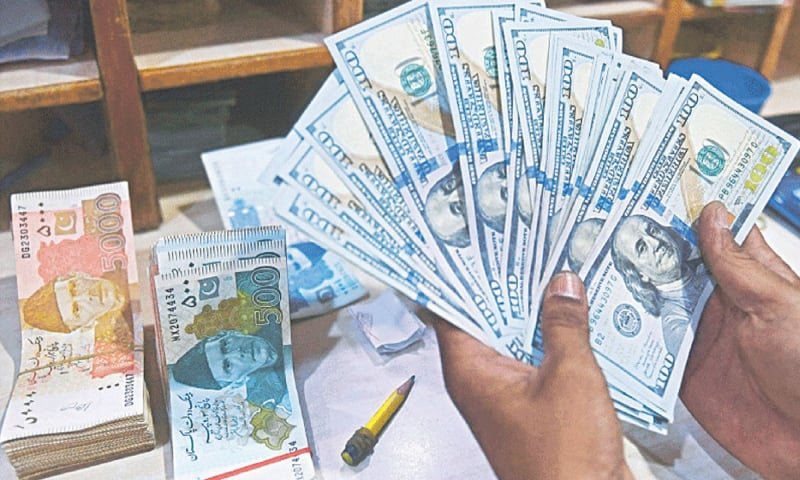
Pakistani Rupee exchange rate movements remained largely stable on Tuesday as the local currency posted a marginal gain against the US dollar during interbank trading, reflecting cautious optimism in Pakistan’s foreign exchange market amid steady money market conditions. The Pakistani rupee appreciated by 0.87 paisa against the US dollar to close at PKR 280.15 per USD, compared to the previous session’s close of PKR 280.16. While the percentage change was negligible, the flat movement highlights continued stability in the exchange rate at a time when market participants are closely watching external financing flows and monetary policy signals. During the trading session, the intraday high and low both remained at PKR 280.15, underscoring limited volatility in the interbank market. Pakistani Rupee Exchange Rate in the Open Market In the open market, exchange companies quoted the US dollar at PKR 280.50 for buying and PKR 281.25 for selling, indicating a slightly wider spread compared to the interbank rate. This difference reflects routine liquidity and demand dynamics typically observed in retail currency trading. Pakistani Rupee Exchange Rate Against Major Global Currencies The Pakistani rupee exchange rate showed mixed performance against major international currencies during the session: • Against the Euro, the rupee strengthened by 20.64 paisa (0.06%), closing at PKR 329.64, compared to PKR 329.85 previously.• The rupee weakened against the British Pound by 73.07 paisa (0.19%), settling at PKR 378.44 versus PKR 377.71 a day earlier.• Against the Swiss Franc, the local unit gained 10.10 paisa (0.03%), closing at PKR 354.98.• The rupee slipped 0.25 paisa (0.14%) against the Japanese Yen, ending the session at PKR 1.7968.• Against the Chinese Yuan, the rupee depreciated by 10.02 paisa (0.25%), closing at PKR 40.07. Pakistani Rupee Exchange Rate Versus Gulf Currencies The Pakistani rupee recorded marginal movements against regional currencies: • It strengthened slightly against the Saudi Riyal, rising by 0.44 paisa to close at PKR 74.69.• Against the UAE Dirham, the rupee edged lower by 0.18 paisa, settling at PKR 76.28. These movements remain largely in line with fluctuations in the US dollar, to which both Gulf currencies are pegged. Pakistani Rupee Exchange Rate: Fiscal Year and Calendar Year Performance From a broader perspective, the Pakistani rupee exchange rate has shown improvement over the current fiscal year. Since the start of FY26, the rupee has gained PKR 3.61 against the US dollar, representing an appreciation of 1.29%. However, on a calendar-year basis, the rupee remains under pressure, having declined by PKR 1.60, or 0.57%, so far in 2025. This divergence highlights the impact of seasonal inflows, external debt repayments, and evolving macroeconomic conditions. Money Market Update and Interest Rate Environment In the money market, conditions remained stable. The benchmark 6-month Karachi Interbank Offered Rate (KIBOR) stayed unchanged, with the bid rate at 10.40% and the offer rate at 10.65%. The unchanged rates indicate expectations of near-term monetary policy stability following recent decisions by the State Bank of Pakistan. Outlook for the Pakistani Rupee Exchange Rate Going forward, analysts expect the Pakistani rupee exchange rate to remain range-bound in the short term. Factors such as import payments, IMF-related developments, remittance inflows, and global dollar strength will continue to influence currency movements. Sustained macroeconomic discipline and stable interest rates are likely to support the rupee’s gradual stabilization.

Scroll to Top