Author name: Web Desk

CCP battles in the courts in 2025: Imposes Rs2.36bn Penalties, Recovers Rs933m; Issues 47 Show-Cause Notices
Uncategorized

CCP battles in the courts in 2025: Imposes Rs2.36bn Penalties, Recovers Rs933m; Issues 47 Show-Cause Notices

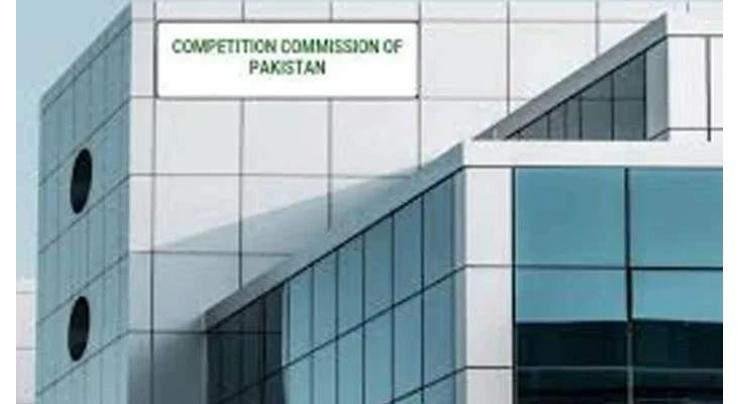
ISLAMABAD, Jan 1, 2026: During 2025, the Competition Commission of Pakistan (CCP) imposed penalties of Rs2.363 billion, recovered Rs932.56 million, and issued 47 show-cause notices to undertakings involved in cartelization, price-fixing, prohibited agreements, and deceptive marketing practices. During the year, the CCP made significant progress in reducing its court case backlog by 70 percent. Through early hearing applications, the appointment of competent lawyers, and effective follow-up, the Commission secured decisions in 434 cases out of a total backlog of 567 cases as of August 2023. This represents an average of almost one case resolved every two days. Read More: https://theboardroompk.com/ccp-sounds-alarm-fake-pesticides-widespread-in-punjab-and-sindh-causing-massive-farmer-losses/ Moreover, the Commission passed eleven orders under the Competition Act, 2010. These included five orders related to cartelization and prohibited agreements and four orders for deceptive marketing. One order in the FMCG sector set aside a show-cause notice due to lack of evidence. The CCP also granted second-phase merger approval for the acquisition of Telenor Pakistan and Orion Towers by Pakistan Telecommunication Company Limited. The PTCL–Telenor transaction order was highly complex, involving assessment across five different markets, and was one of the most distinctive transactions globally. In 2025, the Commission imposed penalties amounting to Rs2.363 billion across key sectors. These included Rs1.562 billion on Aisha Steel Mills Limited and International Steels Limited for price-fixing, Rs375 million on the Fertilizer Manufacturers of Pakistan Advisory Council and six member companies for collusive practices, and Rs155 million on the Pakistan Poultry Association and eight Day Old Chicks (DOC) companies for fixing prices. Penalties were also imposed on Hyundai Nishat Motors, Al-Ghazi Tractors, British Lyceum, Kingdom Valley, pharmaceutical distributors, and transporters’ associations for deceptive marketing and prohibited agreements. As part of its enforcement actions in 2025, the CCP issued 47 show-cause notices. These included 14 notices for deceptive marketing involving FMCG companies, certification services, and veterinary medicine suppliers. Twenty notices were issued to school systems for anti-competitive practices. Thirteen notices were issued under Section 4 for cartelization, including notices to ten sugar mills, two steel mills, and an edible oil transporters’ association. Most of these enforcement actions were directly related to safeguarding the general public and consumer interests. On the compliance front, the CCP recovered Rs932.56 million during 2025 through active adjudication and enforcement follow-up. This raised total penalty recoveries to over Rs1.194 billion in the last two years, compared to Rs200 million recovered in the previous 17 years since the Commission’s inception. The Commission reviewed 159 mergers across 34 sectors, including energy and power, telecommunications, services, industrial and manufacturing, financial services, consumer goods, and real estate. Key transactions reviewed during this period included the PTCL–Telenor acquisition, Shell Pakistan’s acquisition by Wafi Energy, SadaPay share transfer, Lotte Chemical Pakistan transaction, Total Parco restructuring, and the TCS Logistics acquisition. Building on this momentum, the CCP aims to further strengthen the impact of its enforcement nationwide. The Commission plans to establish offices in major cities to enhance market outreach, improve stakeholder engagement, and ensure more effective enforcement across Pakistan.
US-Pakistan Partnership 2025 Marks a Transformational Year
Pakistan

US-Pakistan Partnership 2025 Marks a Transformational Year

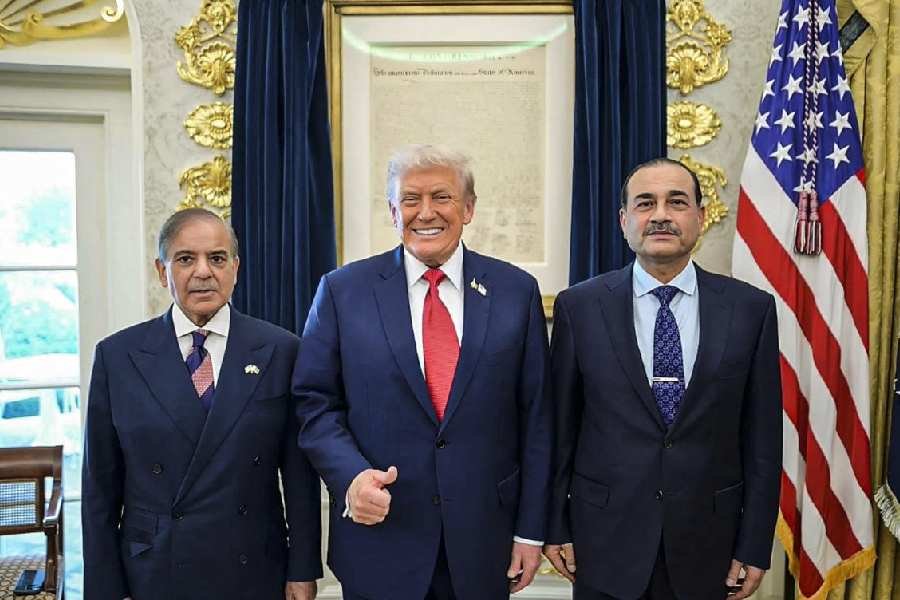
US-Pakistan Partnership 2025 stands out as a defining milestone in bilateral relations, reflecting renewed economic momentum, people-to-people engagement, and strategic cooperation between the two nations. As 2025 draws to a close, US Chargé d’Affaires Natalie Baker has highlighted the year as a powerful new chapter in the long-standing relationship between the United States and Pakistan. In a New Year’s Eve video message shared on social media, Baker described 2025 as a year filled with meaningful achievements that strengthened trust, collaboration, and mutual opportunity. Each milestone, she noted, served as a building block toward a deeper and more resilient partnership. US-Pakistan Partnership 2025 Strengthens Economic and Investment Ties One of the most prominent pillars of the US-Pakistan Partnership 2025 has been economic cooperation. Under the leadership of President Donald Trump, American companies expanded their footprint in Pakistan, investing across high-impact sectors such as technology, energy, trade, textiles, agriculture, and critical minerals. A key example of this growing economic engagement is the Reko Diq copper-gold mining project. US-linked investments in the project are generating employment opportunities in both Pakistan and the United States, while also contributing to Pakistan’s long-term resource development and export potential. In parallel, US soybean exports to Pakistan played a dual role in 2025. These exports supported American farmers while simultaneously strengthening Pakistan’s food security and poultry industry, demonstrating how trade under the US-Pakistan Partnership 2025 creates shared economic value. US-Pakistan Partnership 2025 Advances Peace, Security, and Governance Beyond commerce, the US-Pakistan Partnership 2025 made measurable progress in diplomacy, peace, and security cooperation. According to Baker, leaders from both countries continued to work closely to advance regional stability and ensure that diplomatic engagement delivers tangible results for citizens on both sides. US-funded training initiatives further strengthened Pakistan’s justice sector by enhancing law enforcement capacity and improving access to faster and fairer justice. These programmes, developed under bilateral cooperation frameworks, contributed to institutional development and community-level trust in governance systems. Education at the Heart of US-Pakistan Partnership 2025 Education and cultural exchange remained a cornerstone of the US-Pakistan Partnership 2025. The year marked 75 years of the prestigious Fulbright Programme in Pakistan, a milestone that underscores decades of academic collaboration and leadership development. To commemorate this legacy, the United States inaugurated a new building for the US Educational Foundation in Pakistan (USEFP) in Islamabad. The facility symbolizes the enduring commitment of both countries to educational exchange, research collaboration, and youth empowerment. Baker emphasized that US exchange programmes continue to create life-changing opportunities, foster lifelong friendships, and bring together future leaders who will shape bilateral relations in the decades ahead. Humanitarian Cooperation Under US-Pakistan Partnership 2025 Humanitarian assistance also defined the US-Pakistan Partnership 2025. When devastating floods struck Pakistan, the United States provided life-saving aid, supporting thousands of affected families. This assistance helped communities rebuild with dignity and resilience, reinforcing the humanitarian dimension of bilateral cooperation. Looking Ahead: A Bright Future Beyond 2025 As the United States approaches its 250th anniversary, Baker reaffirmed a shared vision for the future. The goal, she stated, remains simple yet powerful: to build a safer, stronger, and more prosperous world together. For Pakistan and the United States, the momentum generated by the US-Pakistan Partnership 2025 signals a future defined by opportunity, trust, and enduring collaboration.

Reko Diq Project Pakistan: A Global Mining Investment Transforming Pakistan’s Economy
Pakistan

Reko Diq Project Pakistan: A Global Mining Investment Transforming Pakistan’s Economy

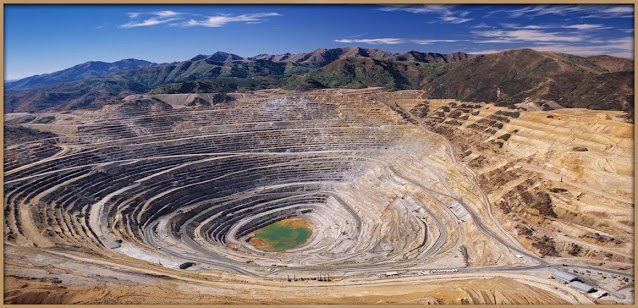
Reko Diq Project Pakistan has entered a decisive new phase in early 2026, transitioning from years of planning and legal complexity into high-intensity construction backed by unprecedented international financing. Located in the Chagai district of Balochistan, the project is now positioned to become one of the world’s top ten copper mines, with far-reaching implications for Pakistan’s economy, exports, and employment. As global demand for copper and gold accelerates amid the energy transition, Reko Diq is emerging as a strategic asset not only for Pakistan but also for international investors and development partners. Reko Diq Project Pakistan Financing: $1.25bn US EXIM Approval Unlocks Global Capital A major breakthrough for the Reko Diq Project Pakistan came in December 2025 with the approval of a large international debt package that significantly reduced project risk and accelerated construction momentum. The US Export-Import Bank (US EXIM) approved $1.25 billion in financing, a move expected to unlock nearly $2 billion in US-origin mining equipment and services. This financing strengthens Pakistan’s access to advanced mining technology while reinforcing trade ties with the United States. In parallel, multilateral lenders have stepped in to further de-risk the project. The International Finance Corporation (IFC) and the Asian Development Bank (ADB) have jointly committed over $1 billion in loans and credit guarantees, ensuring long-term financial stability. Adding to investor confidence, Saudi Arabia’s Manara Minerals, a joint venture between the Public Investment Fund (PIF) and Ma’aden is in advanced negotiations to acquire a 15% equity stake, signaling strong Middle Eastern interest in Pakistan’s mineral sector. Strategic Partnerships Powering the Reko Diq Project Pakistan To execute a project of this scale, Reko Diq has partnered with globally recognized engineering and mining leaders. Finland-based Metso Corporation secured a €70 million contract to supply advanced beneficiation and dewatering equipment, including energy-efficient TankCell and Concorde Cell technologies that reduce operating costs and environmental impact. US engineering giant Fluor Corporation is serving as the lead Engineering, Procurement, and Construction Management (EPCM) partner, overseeing design and execution during the construction phase. For exports, an agreement with Pakistan International Bulk Terminal (PIBT) ensures efficient handling and shipment of copper and gold concentrates starting in 2028, strengthening Pakistan’s mineral export infrastructure. Economic Impact of the Reko Diq Project Pakistan The economic footprint of the Reko Diq Project Pakistan is expected to be transformational over its estimated 37-year mine life. The project is projected to generate over $70 billion in free cash flow, significantly boosting national revenues. In its very first year of production, Reko Diq is expected to contribute $2.8 billion in exports, equivalent to nearly 10% of Pakistan’s current total export volume. Employment generation is another major benefit. During the construction phase, the project will create approximately 7,500 jobs in Balochistan, while long-term operations are expected to sustain around 4,000 permanent positions. Internationally, the US EXIM-backed supply chain alone is projected to support 6,000 jobs in the United States, highlighting the project’s global economic reach. Reko Diq Project Pakistan Timeline and Production Outlook Construction activity is already underway, with heavy machinery deployed on-site and early works initiated in 2025. The project is targeting first production by late 2028. In Phase 1, annual output is expected to reach 200,000 tons of copper and 250,000 ounces of gold. Phase 2, planned from 2034 onward, will double production, placing Reko Diq among the world’s most productive copper-gold mines. To support logistics, a $390 million railway infrastructure plan approved in September 2025 will connect Rohri to Nokundi through a 1,350-kilometer rail link, eliminating the need for nearly 28,000 truckloads annually and reducing transport costs and emissions. Ownership Structure of the Reko Diq Project Pakistan The project operates under a balanced public-private partnership model. Barrick Gold of Canada holds a 50% stake and serves as the operator. The Government of Pakistan owns 25% through state entities OGDCL, PPL, and GHPL, while the Government of Balochistan holds the remaining 25%, including a 10% free-carried interest requiring no capital contribution from the province. Reko Diq Project Pakistan as a Global Mining Benchmark The Reko Diq Project Pakistan has evolved from a prolonged legal dispute into a flagship example of international commercial diplomacy and strategic investment. With financial close expected by mid-January 2026, the project is firmly on track to reshape Pakistan’s mining sector, strengthen exports, and unlock sustainable growth for Balochistan. As global capital, technology, and policy alignment converge, Reko Diq stands as a defining milestone in Pakistan’s economic future.

Pakistan Petroleum Prices Cut January 2026: New Year Relief for Consumers and Businesses
Pakistan

Pakistan Petroleum Prices Cut January 2026: New Year Relief for Consumers and Businesses

Pakistan petroleum prices cut January 2026 has brought much-needed relief for consumers as the federal government announced a reduction in fuel prices for the first fortnight of the new year. Effective from January 1, 2026, the revised prices are expected to ease inflationary pressure on households, commuters, and key economic sectors across the country. The decision, notified by the Petroleum Division, follows recommendations from the Oil and Gas Regulatory Authority (OGRA) and reflects declining trends in international oil markets. The move signals a positive start to 2026 amid persistent concerns over the cost of living. Petrol Price Reduction Under Pakistan Petroleum Prices Cut January 2026 Under the Pakistan petroleum prices cut January 2026, the government has reduced the price of petrol by Rs10.28 per litre. As a result, the new ex-depot petrol price stands at Rs253.17 per litre, effective until January 15, 2026. Petrol is the primary fuel for motorcycles, rickshaws, and small private vehicles, making it a crucial component of daily household expenses. Any reduction in petrol prices directly benefits urban commuters, salaried individuals, and lower- to middle-income households, who rely heavily on affordable transport for work and education. This price cut is expected to provide immediate financial relief, especially in major cities where fuel expenses make up a significant portion of monthly budgets. High-Speed Diesel Prices Reduced: Economic Impact Explained Alongside petrol, high-speed diesel (HSD) prices have also been lowered as part of the Pakistan petroleum prices cut January 2026. The government reduced HSD rates by Rs8.57 per litre, bringing the new price to Rs257.08 per litre. High-speed diesel plays a critical role in Pakistan’s transport and agricultural sectors. It is widely used in trucks, buses, trains, tractors, tube-wells, and threshers, making it one of the most inflation-sensitive fuels in the economy. A reduction in diesel prices helps lower the cost of transporting goods, particularly essential food items such as vegetables and grains. This, in turn, can contribute to easing food inflation, which remains a major concern for policymakers and consumers alike. Comparison With the Previous Fortnightly Review In the previous fortnightly price adjustment, the government had reduced diesel prices by Rs14 per litre, while keeping petrol prices unchanged. The latest revision reflects continued responsiveness to global oil price movements and domestic economic conditions. By cutting both petrol and diesel prices simultaneously, the government aims to create a broader economic impact, supporting consumers as well as supply-chain operators. Government Levies Despite Zero GST on Fuel Despite a zero general sales tax (GST) on petroleum products, consumers continue to bear significant government-imposed charges. These include petroleum levies and other duties, which make up a large portion of the final retail price. While the Pakistan petroleum prices cut January 2026 provides short-term relief, analysts argue that structural reforms in fuel taxation could offer more sustainable benefits for consumers and businesses in the long run. Economic Outlook After Pakistan Petroleum Prices Cut January 2026 The fuel price reduction is likely to have a positive ripple effect across the economy. Lower transport and production costs may support price stability, improve consumer confidence, and help businesses manage operating expenses more effectively at the start of the year. However, experts caution that global oil price volatility remains a key risk, and future adjustments will depend on international market trends and exchange rate stability.

OGDCL Oil and Gas Discovery Signals Major Boost for Pakistan’s Energy Sector
Pakistan

OGDCL Oil and Gas Discovery Signals Major Boost for Pakistan’s Energy Sector

OGDCL oil and gas discovery at the Baragzai X-01 (Slant) exploratory well marks a significant milestone for Pakistan’s upstream energy sector, reinforcing the country’s efforts to reduce reliance on imported fuel and strengthen indigenous hydrocarbon production. The Oil and Gas Development Company Limited (PSX: OGDC), Pakistan’s largest exploration and production company, announced a successful oil and gas discovery in the Nashpa Exploration License area, located in District Kohat, Khyber Pakhtunkhwa. OGDCL operates the block with a 65% working interest, alongside Pakistan Petroleum Limited (PPL) holding 30% and Government Holdings (Private) Limited (GHPL) with a 5% stake. OGDCL Oil and Gas Discovery Delivers Strong Production Results The discovery was confirmed following a cased-hole Drill Stem Test (DST-02) conducted in the Jurassic-age Datta Formation, a proven hydrocarbon-bearing zone in the region. During testing, the Baragzai X-01 (Slant) well achieved impressive flow rates, producing 4,100 barrels of oil per day (BOPD) and 10.5 million standard cubic feet of gas per day (MMSCFD) at a 32/64-inch choke size. The well recorded a wellhead flowing pressure of 3,880 psig, reflecting strong reservoir energy and commercial viability. Instead of presenting raw production figures in tabular form, it is important to note that these output levels position the discovery among the more impactful onshore finds in recent years, particularly at a time when Pakistan is actively seeking domestic energy solutions. Baragzai X-01 Well Drilling and Geological Insights Drilling operations for the Baragzai X-01 (Slant) well commenced on December 30, 2024, and the well was drilled to a total depth of 5,170 meters, penetrating down to the Triassic-age Kingriali Formation. During drilling, approximately 187 meters of the Datta Formation were encountered. The presence of strong hydrocarbon shows, supported by petrophysical evaluations from open-hole wireline logs, indicated favorable reservoir characteristics. Additionally, fracture indications identified through advanced image logging techniques further enhanced confidence in the formation’s productivity. These encouraging indicators led to the decision to conduct a cased-hole drill stem test, which ultimately confirmed commercial quantities of oil and gas. OGDCL Oil and Gas Discovery Builds on Earlier Success Prior to the Datta Formation test, the well had already demonstrated hydrocarbon potential through successful cased-hole testing (CHDST-01) in the Kingriali Formation. This earlier success suggested the presence of a multi-zone petroleum system, enhancing the overall prospectivity of the Nashpa block. Such stacked pay potential not only improves project economics but also increases the long-term reserve base for OGDCL and its joint venture partners. Strategic Importance for Pakistan’s Energy Security The latest OGDCL oil and gas discovery is expected to play a meaningful role in narrowing Pakistan’s energy supply-demand gap. By adding new indigenous production, the discovery helps reduce pressure on foreign exchange reserves that are otherwise spent on importing oil and LNG. From a broader perspective, this discovery strengthens OGDCL’s reserve portfolio, enhances investor confidence in Pakistan’s upstream sector, and supports the government’s long-standing objective of maximizing domestic resource utilization. Conclusion: A Positive Signal for Investors and the Economy In conclusion, the Baragzai X-01 (Slant) discovery represents more than just another successful well, it is a strategic win for Pakistan’s energy landscape. With robust oil and gas flow rates, favorable geology, and strong partnerships between OGDCL, PPL, and GHPL, the project underscores the untapped potential of Pakistan’s onshore basins. As exploration activity continues and further appraisal work is undertaken, the OGDCL oil and gas discovery at Baragzai is poised to contribute meaningfully to national energy security, economic stability, and long-term hydrocarbon sustainability.

FBR Launches Scrutiny of Top Exporters' Tax Records Amid Regime Shift
Pakistan

FBR Launches Scrutiny of Top Exporters’ Tax Records Amid Regime Shift

The Federal Board of Revenue (FBR) has initiated a major scrutiny drive targeting over 480 leading exporters in Pakistan. This action follows amendments introduced through the Finance Act 2024, which altered Section 154 of the Income Tax Ordinance 2001. Previously, export proceeds were subject to a final tax regime, but the change converted it into a minimum tax system for Tax Year 2025. FBR analysis revealed that many exporters significantly reduced their declared taxable income after this shift, prompting concerns over potential inconsistencies or unjustified reductions. Read More: https://theboardroompk.com/fbr-corruption-case-highlights-governments-zero-tolerance-policy/ Exporters’ Concerns and Potential Impact The directive, issued on December 30, 2025, instructs field formations to examine declarations closely and initiate actions under sections 177 (audit), 122(5A) (case reopening), and 175C (posting officers on premises) where abnormalities are found. Exporters and business councils, including the Pakistan Business Council, have voiced strong opposition, describing the move as creating panic and harassment. They argue it contradicts the government’s repeated pledges for export-led growth, highlighted by Prime Minister Shehbaz Sharif and ministers like Muhammad Aurangzeb and Ahsan Iqbal, who advocate shifting to an export-driven economy to achieve targets like a $1 trillion GDP by 2035. Critics, including tax experts, warn that high energy costs, stuck refunds, and now potential audits could discourage investment in the export sector. The FBR has demanded detailed reports on actions taken, including revenue recovered, by January 1, 2025 (extended contextually). While the FBR aims to ensure compliance and prevent revenue leakage, the timing has sparked debate on balancing enforcement with facilitation for a vital sector contributing significantly to foreign exchange.This development underscores ongoing tensions between revenue collection goals and business ease in Pakistan’s tax landscape.

U.S. Virgin Islands Sues Meta Over Profiting from Scam Ads and Child Safety Failures
World

U.S. Virgin Islands Sues Meta Over Profiting from Scam Ads and Child Safety Failures

The Attorney General of the U.S. Virgin Islands, Gordon C. Rhea, has filed a lawsuit against Meta Platforms Inc., the parent company of Facebook and Instagram, accusing the tech giant of knowingly profiting from fraudulent advertisements while failing to protect users, particularly children. Filed in the Superior Court of the Virgin Islands on St. Croix, the complaint alleges that Meta intentionally exposes users to fraud and harm to maximize user engagement and advertising revenue. The lawsuit claims Meta projected that about 10% of its 2024 revenue—roughly $16 billion—would come from ads promoting scams, illegal gambling, and banned products. It further states that Meta only blocks suspected fraudulent advertisers if its algorithms are 95% certain of wrongdoing, allowing harmful content to persist. Read More: https://theboardroompk.com/italy-forces-meta-to-suspend-whatsapp-ban-on-rival-ai-chatbots-amid-antitrust-probe/ The suit highlights Meta’s alleged misleading statements about platform safety, noting that the company publicly touts protections for users, parents, regulators, and Congress, yet consistently fails to enforce its own policies. This marks the first effort by any U.S. attorney general to directly tackle rampant fraud and scams on Meta’s platforms, which affect Virgin Islands residents, including vulnerable elderly users and tens of thousands of children and teens. Meta Denies Claims, Cites Anti-Fraud Efforts In response, Meta spokesman Andy Stone rejected the allegations as baseless, referring to prior company statements. He emphasized that Meta aggressively combats fraud and scams because neither users nor legitimate advertisers want such content. Stone noted that user-reported scam incidents on Meta’s platforms have declined by half over the past 18 months. The lawsuit seeks civil penalties for violations of Virgin Islands consumer protection and fraud laws. The case builds on a November 2025 Reuters investigation into Meta’s internal documents, which prompted calls from U.S. senators for federal probes by the SEC and FTC.

JazzCash Reaches 57 Million Customers, Processes Massive PKR 15 Trillion in 2025
Pakistan

JazzCash Reaches 57 Million Customers, Processes Massive PKR 15 Trillion in 2025

Karachi, Dec 31 — JazzCash has crossed 57 million customers, underscoring the rapid adoption of digital payments in Pakistan as the government accelerates its push toward a cashless economy. The digital financial services platform said its expanding merchant ecosystem, now comprising more than 850,000 Raast-enabled QR merchants, has emerged as a key enabler of the Prime Minister’s cashless economy initiative by bringing interoperable digital payments to small retailers and micro-businesses across the country. JazzCash processed gross transaction value of more than PKR 15 trillion during the year, reflecting rising consumer and merchant preference for mobile wallet-based transactions over cash. Read More:https://theboardroompk.com/jazz-confirms-acquisition-of-tpl-insurance-as-tpl-corp-grants-final-approval/ Pakistan’s central bank has reported that growth in retail payment transactions is being driven largely by mobile app-based payments and instant transfers, creating momentum for large-scale platforms operating at national reach. JazzCash’s QR-based merchant acceptance network has played a critical role in translating policy initiatives such as Raast Person-to-Merchant payments into everyday usage, allowing customers to make instant, low-cost payments at neighbourhood stores without cash or cards. Beyond in-store payments, the platform processed PKR 527 billion through its payment gateway, supporting the continued growth of e-commerce and digital business payments, while PKR 138 billion in international remittances flowed through its regulated channels, contributing to efforts to formalise cross-border inflows. The company said it also supported government-led digitisation of social protection, disbursing more than PKR 100 billion in welfare payments digitally, improving transparency and speed of delivery to beneficiaries. Digital financial products expanded alongside payments. JazzCash issued more than 200,000 digital loans on average per day in the fourth quarter of 2025, targeting short-term liquidity needs of consumers and micro-entrepreneurs, while facilitating the issuance of approximately 750,000 insurance policies daily, helping broaden access to basic coverage. “The Prime Minister’s cashless economy initiative is a game changer for Pakistan’s economic transformation,” said Aamir Ibrahim, Chairman of JazzCash International. “Jazz, JazzCash and Mobilink Microfinance Bank are fully committed to leading this shift by expanding digital access, deepening merchant acceptance and driving financial inclusion.” Murtaza Ali, CEO of JazzCash, said platforms with large merchant and user bases are increasingly central to Pakistan’s transition away from cash, as scale and interoperability help embed digital payments into routine economic activity. JazzCash plans to further expand its merchant acceptance network and deepen collaboration with regulators and ecosystem partners in 2026, as Pakistan seeks to accelerate digital adoption and reduce reliance on cash. suggest headlines

Pakistan Stock Exchange 2025 Performance Signals a Historic Turning Point
Pakistan

Pakistan Stock Exchange 2025 Performance Signals a Historic Turning Point

Pakistan Stock Exchange 2025 performance marked one of the most extraordinary years in the country’s capital market history, positioning the PSX among the world’s top-performing stock exchanges. Driven by improved macroeconomic indicators, fiscal discipline, and consistent investor-friendly policies, the benchmark KSE-100 Index delivered a remarkable 51 percent annual return, reflecting renewed confidence in Pakistan’s economic direction. By the close of trading on December 31, 2025, the KSE-100 Index reached an all-time historic high of 175,233 points, up sharply from 115,126 points at the end of 2024. Over the course of the year, the index gained more than 60,000 points, a performance widely seen by analysts as a clear sign of economic stabilization and capital market revival. KSE-100 Index Growth Highlights Pakistan Stock Exchange 2025 Performance The KSE-100 Index consistently set new records throughout the year, making Pakistan Stock Exchange 2025 performance a benchmark story in global equity markets. September emerged as a defining month, with the index posting its highest-ever monthly gain of 16,876 points. On September 1, 2025, the PSX crossed the symbolic 150,000-point level for the first time in history. Market momentum continued toward the year-end, with December alone contributing nearly 5,900 points within just 19 trading sessions, underlining strong institutional and retail participation. Analysts noted that the market’s steady advance toward the 200,000-point psychological milestone reflects strong long-term expectations tied to economic reforms and external account stability. Volatility Underscores Market Depth and Resilience Despite the strong bullish trend, Pakistan Stock Exchange 2025 performance was not without volatility. During periods of global uncertainty and profit-taking, the market experienced its largest single-day decline of nearly 8,000 points. However, these corrections were met with swift recoveries. Investor enthusiasm also drove the highest single-day gain in PSX history, exceeding 10,000 points, showcasing the market’s depth, liquidity, and resilience. These sharp swings demonstrated that while sentiment remained strong, investors actively responded to both domestic and global developments. Market Corrections and Recovery Trends April 2025 marked the steepest monthly decline, with the index shedding 6,480 points amid external pressures and short-term economic concerns. However, confidence rebounded quickly as macroeconomic indicators improved. Inflation showed signs of easing, foreign exchange stability strengthened, and policy continuity reassured investors, setting the stage for a strong recovery in the second half of the year. IPO Activity Strengthens Pakistan Stock Exchange 2025 Performance Primary market activity also gained momentum during the year. Six new companies were listed through Initial Public Offerings (IPOs), signaling growing confidence among corporates in Pakistan’s equity markets. Analysts believe this trend reflects improved valuation prospects, stronger regulatory oversight, and increasing appetite for capital raising through the PSX. Market Capitalization Expansion Reflects Structural Growth One of the most significant indicators of Pakistan Stock Exchange 2025 performance was the sharp expansion in market capitalization. Over the year, total market value increased by Rs5,566 billion, rising from Rs14,126 billion to Rs19,692 billion. This growth was also reflected in the rising number of large-cap companies. The count of firms with a market valuation exceeding $1 billion surged to 18, compared to only three such companies in 2023, highlighting the deepening and diversification of Pakistan’s equity market. Rising Investor Participation Strengthens Market Confidence Investor participation increased substantially in 2025, reinforcing the sustainability of market gains. The total number of investors grew by 37 percent, with 120,000 new investors entering the market during the year. As a result, the overall investor base surpassed 450,000, driven largely by strong returns, improved digital access, and greater financial awareness. Dollar-Based Growth Enhances Global Appeal In dollar terms, Pakistan Stock Exchange 2025 performance also stood out. The dollar value of the market increased by 42 percent, adding nearly $11 billion in value. Overall market capitalization rose from $55 billion to $66 billion, while rupee-based valuation expanded by 48 percent, making PSX increasingly attractive to foreign investors. Outlook: Can PSX Sustain Its Momentum? Market experts attribute the record-breaking performance to macroeconomic reforms, declining inflationary pressures, external account stabilization, and progress under international financial programs. If policy continuity is maintained and economic reforms deepen, analysts believe Pakistan’s capital markets could sustain their upward trajectory in the coming years. The Pakistan Stock Exchange 2025 performance represents a defining chapter in Pakistan’s financial history. With record index levels, expanding market capitalization, rising investor participation, and strong dollar-based growth, the PSX has reaffirmed its role as a key indicator of economic recovery and a vital platform for long-term investment and capital formation.

Pakistan Railways Sanitation Upgrade Marks a Turning Point
Pakistan

Pakistan Railways Sanitation Upgrade Marks a Turning Point

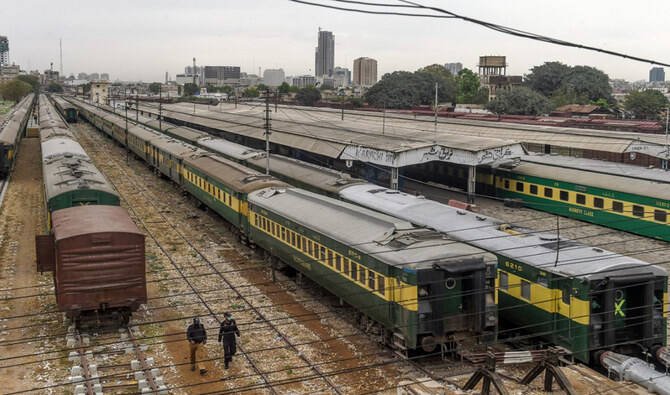
Pakistan Railways sanitation upgrade has emerged as a significant step toward improving passenger experience and modernizing public transport infrastructure across the country. In a move aligned with global best practices, Pakistan Railways has signed formal agreements with five major waste management organizations to enhance cleanliness and hygiene standards at some of the busiest railway stations nationwide. This initiative reflects Pakistan Railways’ growing focus on passenger comfort, public health, and operational efficiency, especially at stations that serve thousands of travelers daily. Pakistan Railways Sanitation Upgrade Through Strategic Partnerships As part of the Pakistan Railways sanitation upgrade, agreements have been finalized with the following waste management authorities: • Sindh Solid Waste Management Board• Rawalpindi Waste Management Company• Lahore Waste Management Company• Faisalabad Waste Management Company• Multan Waste Management Company Under these arrangements, each organization will manage sanitation operations at major railway stations located in Karachi, Rawalpindi, Lahore, Faisalabad, and Multan. Instead of listing responsibilities in isolation, the sanitation scope can be explained as a comprehensive cleanliness framework. The contracted firms will oversee hygiene across platforms, parking areas, washrooms, washing lines, platform sheds, ceiling fans, and waiting lounges. In addition, they will ensure the timely removal of stagnant water to prevent foul odors, mosquito breeding, and health hazards. Why the Pakistan Railways Sanitation Upgrade Matters A senior Pakistan Railways official stated that the Pakistan Railways sanitation upgrade is designed to create a healthier, safer, and more pleasant environment for commuters. Cleaner platforms, well-maintained waiting areas, and hygienic washrooms are expected to significantly improve passenger satisfaction and enhance the overall image of rail travel in Pakistan. This improvement becomes even more critical during the monsoon season, when poor drainage and unmanaged waste can lead to waterlogging and the spread of diseases. Proper waste disposal systems and effective sanitation practices will play a key role in minimizing these risks. Operational Efficiency Through Outsourcing Sanitation Services The Pakistan Railways sanitation upgrade also represents a strategic operational shift. By outsourcing cleanliness services to specialized waste management companies, Pakistan Railways can leverage trained manpower, modern equipment, and established operational systems without adding administrative burden. This approach allows the railways department to redirect its focus toward core priorities such as train safety, punctuality, service quality, and infrastructure upgrades. The move is expected to streamline internal processes while delivering visible improvements at station premises. Economic and Environmental Impact of the Sanitation Upgrade Improved sanitation under the Pakistan Railways sanitation upgrade is expected to deliver both economic and environmental benefits. Cleaner stations can attract more passengers, increase ridership, and enhance revenue generation for Pakistan Railways. From an environmental perspective, organized waste disposal and proper drainage systems support sustainable urban practices and reduce pollution around railway premises. This aligns with the government’s broader agenda of promoting environmentally responsible public transport systems. Pakistan Railways Sanitation Upgrade and the Future of Rail Travel The Pakistan Railways sanitation upgrade is more than a cleanliness initiative, it is a foundational step toward rebuilding public trust in rail travel. As stations become cleaner and more passenger-friendly, railways can reclaim their position as a reliable and affordable mode of transport. With continued focus on hygiene, modernization, and service quality, Pakistan Railways is gradually reshaping the travel experience, ensuring that public transport meets the expectations of today’s commuters while supporting long-term sustainability goals.

Scroll to Top