
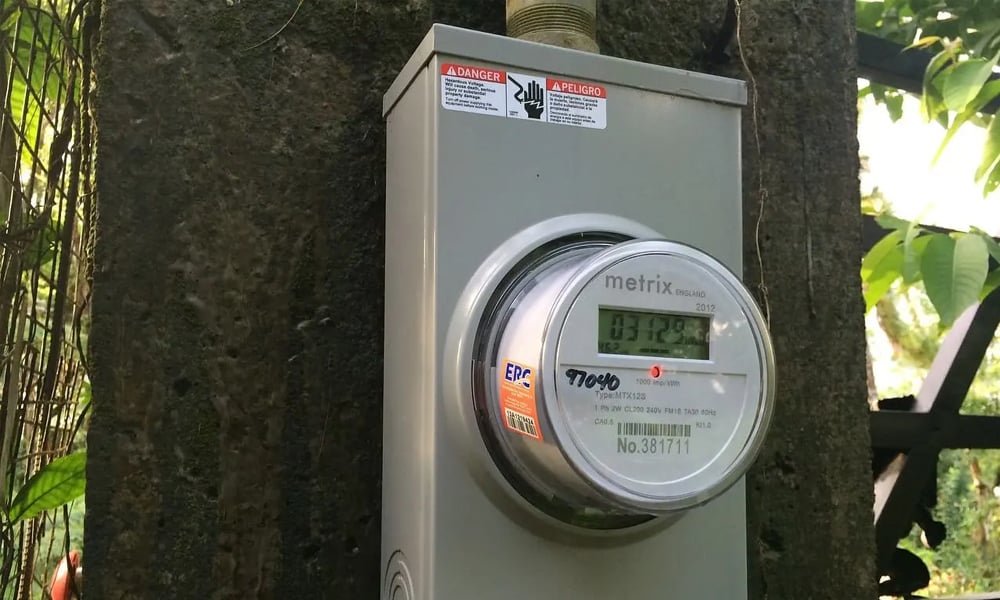
Pakistan has moved ahead with a major energy sector reform by appointing the International Finance Corporation (IFC) of the World Bank Group as transaction adviser for the nationwide rollout of smart meters across electricity distribution companies.
Read More: https://theboardroompk.com/us-iran-talks-in-doubt-amid-mixed-signals-ahead-of-islamabad-meeting/
The initiative aims to modernize the country’s power distribution system and install 10 million smart meters across all Discos under a structured public-private partnership model.
IFC to Guide Smart Meter Implementation Framework
The Ministry of Energy (Power Division) confirmed on Monday that it has signed a Transaction Advisory Services Agreement with the IFC. Under this agreement, the IFC will act as the transaction adviser for the large-scale deployment of smart meters.
Officials said the IFC will conduct a detailed techno-commercial assessment to design a service-provider model or public-private partnership framework. This structure will help attract both local and international investors for installation, operation, and maintenance of smart metering infrastructure.
The government expects this model to reduce financial pressure on the public sector while accelerating digital transformation in the electricity network.
Major Reform Push in Power Distribution System
Authorities said the smart meters rollout forms a central part of Pakistan’s ongoing power sector reforms. The Ministry of Energy has accelerated efforts to replace outdated systems with modern digital infrastructure.
Officials said the transformation aims to improve transparency, strengthen operational efficiency, and ensure long-term financial stability in electricity distribution companies.
The reform agenda also focuses on reducing electricity theft, improving billing accuracy, and minimizing human intervention in meter reading processes.
Advanced Smart Metering System to Improve Efficiency
The introduction of Advanced Metering Infrastructure (AMI) will support the nationwide deployment of smart meters. Officials said the system will allow real-time monitoring of electricity consumption.
Smart meters will help detect irregular usage patterns and reduce electricity theft through anomaly detection. They will also improve billing accuracy and recovery rates across distribution networks.
Energy officials said the system will eliminate manual errors and increase transparency in electricity usage, benefiting both consumers and utility providers.
Government Opens Door for Private Investment
The government has planned to involve private investors in the smart meters project through a service-provider model. Investors will finance and manage the infrastructure under agreed commercial arrangements.
Officials said this approach will help speed up deployment and reduce reliance on public funding. They added that the participation of international investors will bring technical expertise and financial strength to the project.
The Power Division believes this model will improve efficiency and ensure faster rollout across the country.
Nationwide Installation Plan for Discos
All electricity distribution companies have been instructed to install smart meters for every new electricity connection. Authorities have also stopped the issuance of traditional meters for new consumers.
In addition, existing three-phase consumers will be gradually shifted to smart metering systems. The government has set deadlines for converting commercial and industrial users into the digital system.
Officials said the transition will ensure complete integration of high-consumption users into the smart grid.
Cost Reduction Achieved Through Competitive Bidding
The Power Division announced that it has reduced the cost of smart meters by 40 percent through international competitive bidding. Officials said this reduction will generate significant savings for the national budget.
They added that the cost savings will eventually benefit consumers by improving efficiency and reducing system losses in the power distribution chain.
NEPRA Supports Meter Replacement Program
The National Electric Power Regulatory Authority (NEPRA) has also supported the rollout by allowing distribution companies to replace faulty meters with smart meters.
This regulatory approval is expected to speed up the transition process. Officials said it will help eliminate outdated equipment and improve billing accuracy across the system.
NEPRA’s decision aligns with broader efforts to digitize Pakistan’s electricity grid.
Focus on Transparency and Consumer Benefits
The Power Division said the smart meters initiative will improve transparency in the power sector and strengthen consumer trust. Officials emphasized that real-time monitoring will give users better control over their electricity consumption.
They said the project will reduce billing disputes, improve service delivery, and enhance accountability in electricity distribution companies.
Long-Term Digital Transformation Goal
Authorities said the smart meters rollout represents a long-term shift toward a fully digital power system. The government aims to build a modern energy infrastructure that is efficient, transparent, and financially sustainable.
Officials said the project will help reduce losses, improve revenue collection, and support broader economic stability in the energy sector.
They added that the success of the initiative will depend on strong investor participation, effective regulation, and smooth implementation across all distribution companies.