
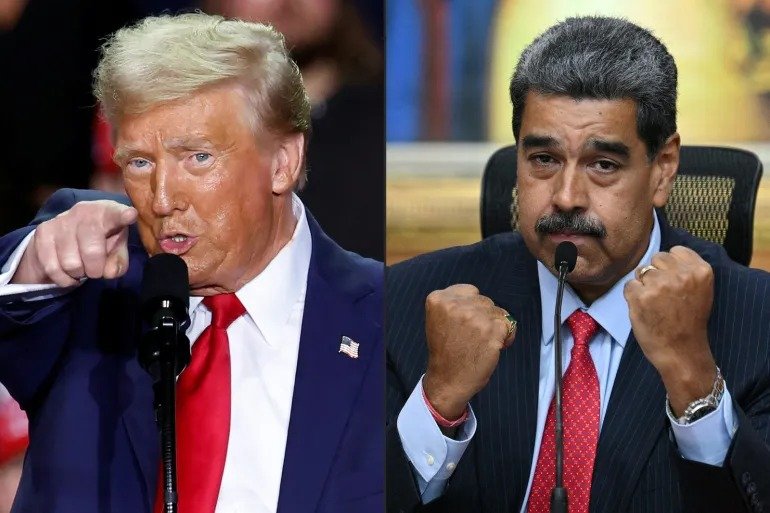
HOUSTON/LONDON/WASHINGTON, Dec 12 (Reuters) – The United States is ramping up its campaign against Venezuelan President Nicolas Maduro by preparing to intercept additional oil tankers, following this week’s seizure of a vessel carrying crude from the oil-rich nation. The move targets a shadowy fleet of ships evading sanctions and funneling oil to buyers like China, sources say, intensifying a long-simmering geopolitical feud.
The interdiction marks the first direct U.S. seizure of a Venezuelan oil cargo since sanctions were imposed in 2019, suspending shipments worth nearly 6 million barrels, according to a source close to the matter. Venezuelan officials decried the action as “piracy” on international waters, while legal experts debate its compliance with maritime law, citing precedents under U.S. extraterritorial enforcement.
This escalation coincides with a U.S. military buildup in the southern Caribbean, including naval deployments, as President Donald Trump—re-elected in 2024—vows to oust Maduro. Trump has branded the socialist leader a “dictator” and pledged harsher measures to starve his regime of revenue.
The U.S.-Venezuela rift traces back to Maduro’s contested 2018 reelection, widely viewed as fraudulent by Western governments. In 2019, amid hyperinflation and humanitarian crisis, the Trump administration slapped crippling sanctions on PDVSA, Venezuela’s state oil company, freezing assets and barring U.S. firms from dealings. Washington recognized opposition figure Juan Guaido as interim president, sparking a global diplomatic standoff. Oil, comprising 95% of Venezuela’s exports, became the sanctions’ linchpin, aiming to defund Maduro’s security forces and force democratic elections.
Yet Maduro clung to power, bolstered by allies Russia, Iran, and China, which imported discounted Venezuelan crude via “ghost” tankers—vessels with falsified flags and AIS trackers disabled. By 2023, under Biden, sanctions eased slightly to encourage dialogue, but Trump’s return has reversed course, invoking national security to justify interdictions.
Analysts warn of ripple effects: Oil prices could spike if disruptions mount, while China—Venezuela’s top buyer—may retaliate with trade barriers. “This is economic warfare,” said Caracas-based economist Luisa Palacios. “Maduro’s grip weakens, but at what cost to global stability?”
As U.S. vessels shadow the fleet, the showdown risks broader conflict, echoing Cold War-era proxy battles in Latin America.