US Central Command

Escalation in US-Iran Conflict: American Strikes Target Iranian Defences After Jordan Incident
Breaking News

Escalation in US-Iran Conflict: American Strikes Target Iranian Defences After Jordan Incident

The US Central Command (CENTCOM) has concluded its eighth consecutive night of airstrikes on Iran, targeting military coastal surveillance and air defence facilities. The operation follows an Iranian attack that reportedly killed two US military personnel in Jordan, with one additional service member still missing. US Strikes Aim to Degrade Iranian Military Capabilities The strikes, ordered by President Donald Trump, began at 6:00 p.m. on Saturday. According to US officials, the operation is intended to further weaken Iran’s ability to threaten commercial shipping in the Strait of Hormuz and to respond to the attack attributed to Iran-backed forces that resulted in US military casualties in Jordan. CENTCOM stated that the operation successfully struck key Iranian military facilities involved in coastal surveillance and air defence. The latest action represents another escalation after the collapse of an interim ceasefire last week. Iranian Response and Regional Tensions Intensify Iran’s Islamic Revolutionary Guard Corps (IRGC) claimed responsibility for strikes targeting US assets across Kuwait, Bahrain, and Jordan, including radar installations and military aircraft. Iranian commanders warned that any further US military action would be met with what they described as a “devastating response.” Explosions were reported near Sirik, Shadegan, and Qeshm Island. Iranian state media said there were no major casualties in some affected areas, although emergency response teams were deployed. Kuwait reported intercepting missiles and drones, with injuries among emergency responders. Diplomatic Fallout Grows Supreme Leader Ayatollah Mojtaba Khamenei criticized the United States, describing its commitments as unreliable. Iran’s Foreign Ministry accused Washington of attempting to assert control over the strategically important Strait of Hormuz. The US Defence Secretary reiterated Washington’s determination following the deaths of American service members. According to US officials, total US military fatalities in the conflict have now reached 16, while more than 420 personnel have been wounded. Regional and International Concerns Mount Broader security alerts have been issued across the Gulf region, including in Saudi Arabia, as tensions continue to rise. The European Union and Gulf states have called on Iran to avoid actions that disrupt maritime navigation through the Strait of Hormuz, one of the world’s most critical energy shipping routes. Former US defence officials have noted that the recent shift toward targeting inland military infrastructure appears aimed at isolating Iran’s coastal defence network while limiting broader regional escalation. Strait of Hormuz Remains at the Centre of the Crisis The continuing confrontation has heightened concerns over regional stability and global energy security, with the Strait of Hormuz remaining the focal point of military and diplomatic tensions. Analysts warn that any prolonged disruption to shipping through the strategic waterway could significantly impact global oil markets, increase freight costs, and place additional pressure on energy-importing economies worldwide.

Oil Prices Climb for Third Day as Gulf Tensions Escalate and Dollar Nears Key Yen Milestone
Pakistan

Oil Prices Climb for Third Day as Gulf Tensions Escalate and Dollar Nears Key Yen Milestone

Oil prices climbed for a third straight session on Wednesday as renewed hostilities in the Gulf heightened concerns over global energy supplies. US crude futures rose nearly 2 percent to reach $95.40 per barrel after peace talks between the United States and Iran stalled, raising fears of further disruptions in one of the world’s most important oil-producing regions. The latest increase reflects growing market anxiety over the security of oil shipments through the Strait of Hormuz, a critical maritime route for global energy trade. US-Iran Conflict Raises Supply Concerns Market sentiment turned cautious after fresh military exchanges between Washington and Tehran. According to the US Central Command, Iran launched missiles toward Kuwait and Bahrain. The attacks were reportedly intercepted or failed to reach their targets. In response, US forces struck Iran’s Qeshm Island, located near the Strait of Hormuz. Meanwhile, Iran’s Revolutionary Guards claimed responsibility for attacks targeting the headquarters of the US Fifth Fleet. The escalation came only days after both countries signaled progress toward a potential agreement aimed at ending hostilities. However, the absence of a formal deal has revived concerns that tensions could continue to threaten regional stability and global energy supplies. Strait of Hormuz Remains Under Pressure Analysts say the Strait of Hormuz remains a major source of concern for oil markets. ANZ Bank Senior Commodity Strategist Daniel Hynes noted that efforts to fully reopen the waterway face significant challenges. He said Iran has reportedly mined large areas of the strategic passage, making commercial shipping operations difficult. Although some vessels have resumed transit, shipping volumes remain significantly below pre-conflict levels. The Strait of Hormuz handles a substantial portion of the world’s crude oil exports, making any disruption a key driver of oil prices. US Oil Inventories Continue to Fall Adding further support to oil prices, US crude stockpiles declined for a seventh consecutive week. Market sources citing data from the American Petroleum Institute reported that crude inventories fell by 6.8 million barrels during the week ending May 29. The sustained decline in stockpiles suggests strong demand and tighter supply conditions in the world’s largest economy. Investors are now awaiting official inventory figures from the US government for additional market direction. Dollar Approaches 160 Yen Level Currency markets also reacted to the evolving geopolitical situation. The US dollar briefly touched the 160-yen level before retreating slightly as traders became cautious about potential intervention by Japanese authorities. The dollar later traded near 159.86 yen. The 160-yen mark remains a closely watched level because previous moves beyond it have prompted action from Japanese policymakers seeking to stabilize their currency. The euro remained relatively stable at $1.1627. AI Boom Continues to Support Global Stocks Despite rising geopolitical risks, artificial intelligence-related stocks continued to drive gains in equity markets. Stock indexes in Japan and Taiwan reached record highs as investors maintained confidence in AI-driven growth opportunities. Wall Street also recorded modest gains overnight, supported by strong performance in the technology sector. Shares of chipmaker Marvell Technology surged 32.5 percent to a record high after Nvidia Chief Executive Jensen Huang described the company as a potential trillion-dollar business during the Computex technology conference in Taipei. The AI sector has largely remained resilient despite growing uncertainty in global markets. Bitcoin Falls to Two-Month Low Cryptocurrency markets moved sharply lower as investors reduced exposure to riskier assets. Bitcoin dropped nearly 10 percent over three trading sessions and fell to a two-month low of $66,123. Analysts said geopolitical uncertainty and changing interest rate expectations contributed to the decline. The broader cryptocurrency market also experienced significant losses as traders shifted toward safer investments. Investors Reassess Interest Rate Outlook Fresh US economic data added another layer of complexity to financial markets. Job openings in the United States recorded their largest increase in five years during April, signaling continued strength in the labor market. The data reduced expectations that the US Federal Reserve would cut interest rates in the near future. Instead, markets have started pricing in the possibility of rate increases later this year. Analysts believe stronger-than-expected employment data could further support the US dollar and reinforce expectations of tighter monetary policy. Markets Brace for More Volatility Investors are now closely watching upcoming US economic reports, including services sector data and employment figures due later this week. At the same time, developments in the Gulf remain a major source of uncertainty. With oil supplies under pressure, geopolitical tensions rising, and central banks reassessing interest rate paths, financial markets could face continued volatility in the days ahead. The combination of higher oil prices, military tensions, and shifting monetary policy expectations is likely to keep investors on edge as global markets navigate an increasingly uncertain environment.

US launches fresh strikes on Iran despite ongoing ceasefire
World

US launches fresh strikes on Iran despite ongoing ceasefire

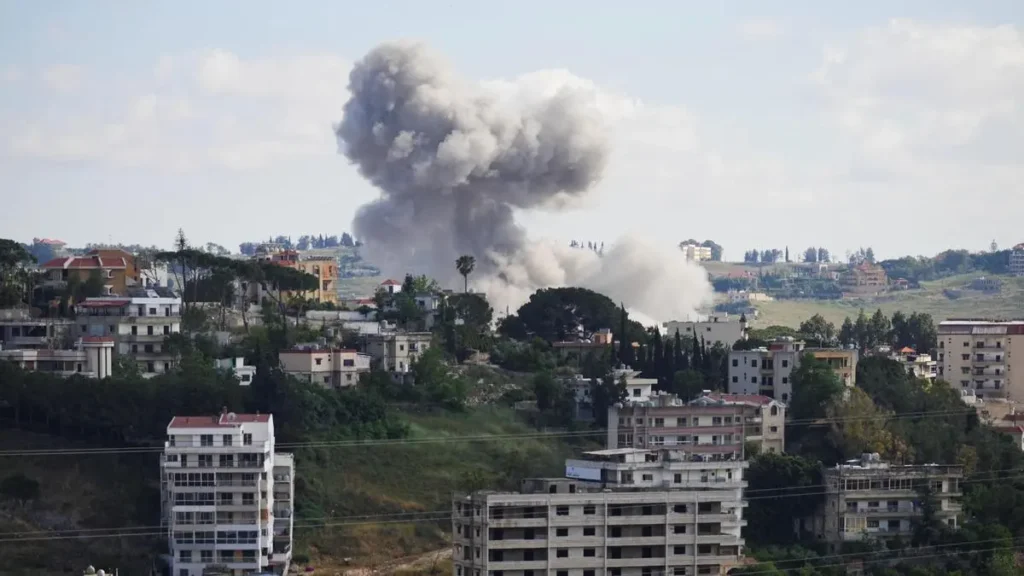
Fresh US military strikes on missile sites and naval assets in southern Iran have raised fears of a renewed regional escalation, casting uncertainty over ongoing ceasefire talks and diplomatic efforts aimed at ending months of conflict in the Middle East. According to the US Central Command, American forces launched what it described as “self-defence strikes” targeting missile launch facilities and boats allegedly attempting to lay mines near the Strait of Hormuz. The strikes came as senior Iranian negotiators arrived in Doha for another round of high-stakes negotiations intended to preserve a fragile ceasefire between Washington and Tehran. Explosions Reported Near Bandar Abbas Iranian state broadcaster IRIB reported loud explosions near the southern port city of Bandar Abbas around midnight local time. The broadcaster said local authorities were investigating the blasts while insisting that the situation in the city remained under control. The latest military action threatens the ceasefire that began on April 8, as both countries attempt to negotiate a broader agreement to end a conflict that has shaken global energy markets and intensified instability across the region. Oil Markets React to Rising Tensions Global oil prices fluctuated sharply following the US strikes amid fears that renewed fighting could further disrupt shipping through the Strait of Hormuz, one of the world’s most critical energy corridors. The strategic waterway remains under pressure after Iranian restrictions reportedly disrupted fuel shipments, contributing to volatility in global oil markets. On Tuesday morning, West Texas Intermediate crude dropped more than 5 percent, while Brent crude prices remained elevated as traders assessed the risk of broader regional conflict. Trump Demands Iran Surrender Enriched Uranium US President Donald Trump further complicated diplomatic efforts by demanding that Iran surrender its enriched uranium stockpile to the United States for destruction. In a social media post, Trump said the uranium should either be transferred to the US or destroyed inside Iran under international supervision. However, analysts noted confusion surrounding Trump’s reference to the “Atomic Energy Commission,” an agency that was dissolved decades ago in 1974. It remains unclear whether Trump’s statement reflects an official negotiating position in the ongoing talks with Tehran. Abraham Accords Expansion Proposal Sparks Debate Trump also called for several Muslim-majority nations, including Pakistan, Saudi Arabia, Qatar, Türkiye, Egypt, Jordan, Bahrain, and the United Arab Emirates, to join the Abraham Accords as part of a wider regional peace agreement. The accords, brokered in 2020, normalized relations between Israel and several Arab nations, including Bahrain and the UAE. However, the agreements remain controversial across much of the Middle East because they do not address the Palestinian issue. Saudi Arabia and Qatar have repeatedly stated that normalization with Israel cannot happen without the establishment of an independent Palestinian state. Analysts Doubt Gulf States Will Accept Pressure Regional analysts expressed skepticism over Trump’s proposal. Anna Jacobs of the Arab Gulf States Institute in Washington said Gulf countries were unlikely to accept pressure to normalize ties with Israel under current circumstances. She argued that rising instability and military escalation have increased security concerns among Gulf nations rather than encouraging diplomatic normalization. Iran Says Final Deal Not Yet Close Despite ongoing negotiations, Iranian officials cautioned against expectations of an immediate breakthrough. Iranian Foreign Ministry spokesperson Esmaeil Baqaei said negotiators had made progress on several major issues but stressed that no final agreement was imminent. His remarks contrasted with earlier comments from US Secretary of State Marco Rubio, who suggested a possible agreement could emerge within days. Israel Intensifies Lebanon Operations Meanwhile, Israeli Prime Minister Benjamin Netanyahu announced an escalation of military operations against Hezbollah in southern Lebanon. Netanyahu accused Hezbollah of carrying out drone attacks against Israeli forces and vowed to intensify military action. The Israeli leader also stated that any final agreement with Iran must completely eliminate what he described as the Iranian nuclear threat. Iranian officials, however, maintain that discussions regarding uranium enrichment and the country’s nuclear program will only take place after an initial political agreement is secured.

Pakistan to Hand Over 22 Iranian Crew Members in Diplomatic Move
Pakistan

Pakistan to Hand Over 22 Iranian Crew Members in Diplomatic Move

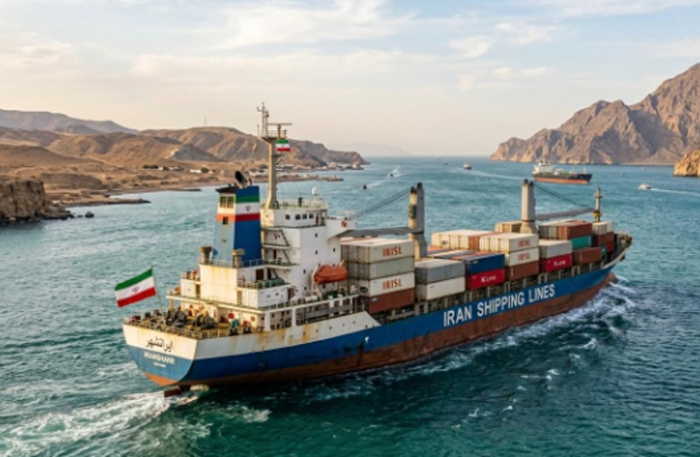
Iranian crew members transferred to Pakistan became a key diplomatic development on Monday as the Foreign Office confirmed the arrival of 22 Iranian nationals evacuated from a seized vessel by the United States. Officials said the crew will be handed over to Iran as part of a “confidence-building measure” aimed at easing tensions between Washington and Tehran. Foreign Office spokesperson Tahir Andrabi stated that the crew members were flown into Pakistan overnight. He confirmed that authorities would complete their repatriation to Iran later in the day in coordination with both countries. Crew Evacuated After US Seizure of Vessel The development follows last month’s seizure of the Iranian container ship MV Touska by US forces in the Gulf of Oman. According to a spokesperson for United States Central Command, the vessel was intercepted after it attempted to breach a naval blockade. Officials said the crew failed to respond to repeated warnings over a six-hour period. As a result, US forces boarded and seized the ship near Iran’s Chabahar port. The incident triggered a diplomatic response from Tehran, which strongly condemned the action. Iran described the seizure as unlawful and a violation of international law. It demanded the immediate release of the vessel, its crew, and accompanying family members. Pakistan Facilitates Repatriation Process The Foreign Office confirmed that Pakistan is playing a central role in facilitating the return of the crew. Tahir Andrabi said the transfer reflects ongoing diplomatic coordination between the United States and Iran. He added that six family members of the crew had already been relocated to another country in the region prior to this development. Meanwhile, the remaining 22 crew members arrived safely in Pakistan and are set to return home. Andrabi also confirmed that the vessel itself will be returned after necessary repairs. He stated that the ship will be moved into Pakistani territorial waters before being handed back to its original owners. Sanctioned Vessel at Center of Dispute The MV Touska is operated by the Islamic Republic of Iran Shipping Lines, a company that has been under US sanctions. This added complexity to the incident, as Washington has previously targeted Iranian shipping networks over alleged violations. The seizure of the vessel came amid heightened maritime tensions between the two countries. Both sides have accused each other of aggressive actions in international waters. Regional Tensions and Fragile Ceasefire The incident unfolded against the backdrop of ongoing tensions following the recent US-Iran conflict 2026, which began earlier this year. Although both sides declared a ceasefire four weeks ago, the situation remains fragile. Naval confrontations and vessel seizures have continued despite the ceasefire. These incidents highlight the volatility of the region and the challenges in maintaining stability. Pakistan’s Role as Mediator Strengthens Pakistan has emerged as a key diplomatic intermediary between the United States and Iran. Officials have facilitated dialogue aimed at reducing tensions and preventing further escalation. High-level talks between the two countries took place in Islamabad last month. However, a second round of discussions has yet to occur as negotiations face delays. Tahir Andrabi reiterated Pakistan’s commitment to peace efforts. He stated that the country will continue to support dialogue and mediation to promote regional stability. Diplomatic Signal Amid Ongoing Strain The transfer of Iranian crew members transferred to Pakistan signals a rare moment of cooperation between Washington and Tehran. Analysts view the move as a step toward rebuilding trust, even as broader tensions persist. The coordinated repatriation effort reflects cautious diplomacy in a highly sensitive environment. While challenges remain, such measures could help create space for renewed negotiations.

Scroll to Top