Trump

Trump Administration Threatens Criminal Indictment Against American Central Bank, Fed, Chair Powell for Not Lowering Intrests Rates
Pakistan

Trump Administration Threatens Criminal Indictment Against American Central Bank, Fed, Chair Powell for Not Lowering Intrests Rates

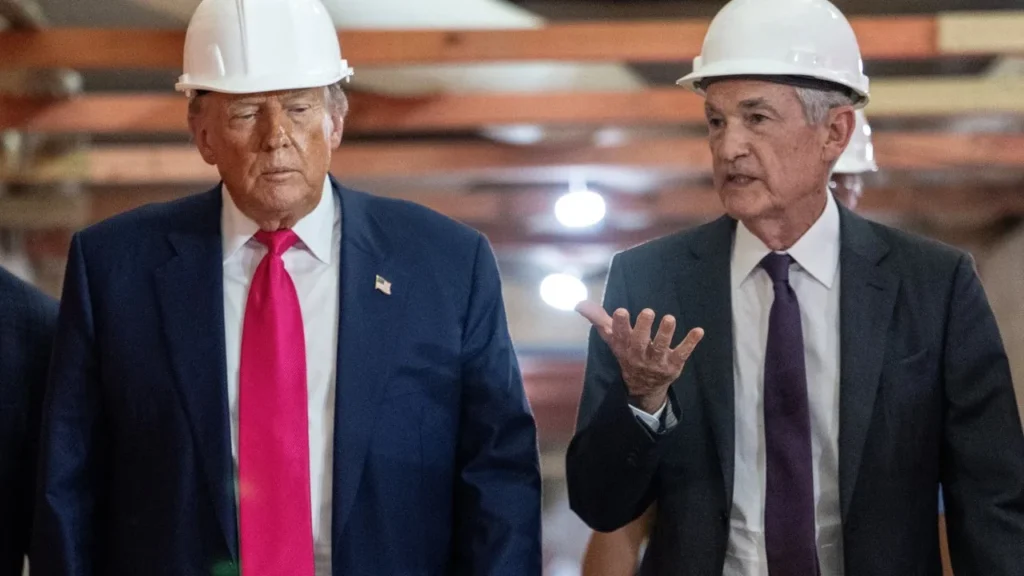
According to Reuters reports a major escalation in the ongoing conflict between U.S. President Donald Trump’s administration and Federal Reserve Chair Jerome Powell. The Trump team has intensified pressure on the Fed through the Department of Justice issuing grand jury subpoenas to the Federal Reserve, threatening a criminal indictment against Powell. This stems from his June 2025 testimony to the Senate Banking Committee about cost overruns in a $2.5 billion renovation project at the Fed’s Washington headquarters. Powell, in a rare public statement (including a video address), described the subpoenas—served on Friday—as an “unprecedented” action and a mere pretext. He argued that the real motive is to intimidate the Fed into slashing interest rates more aggressively, aligning with Trump’s repeated demands for lower borrowing costs to boost economic affordability. Powell emphasized: “The threat of criminal charges is a consequence of the Federal Reserve setting interest rates based on our best assessment of what will serve the public, rather than following the preferences of the President.” Escalation in Trump-Fed Tensions This move marks a dramatic intensification of Trump’s long-standing feud with Powell, whom he appointed in 2018 during his first term. Trump has repeatedly criticized the Fed for not cutting rates fast enough, even musing about firing Powell despite legal protections for the chair’s independence (Powell’s term ends in May 2026). The administration has also targeted other Fed officials, such as Governor Lisa Cook. A Justice Department spokesperson noted a focus on “abuse of taxpayer dollars,” but declined further comment. Trump himself distanced himself, telling NBC News he knew little about the subpoenas but reiterated criticism of Powell’s performance at the Fed and on building projects. The episode has sparked backlash, including from Republican Senator Thom Tillis, who vowed to block any Trump Fed nominees until the matter resolves, citing concerns over DOJ independence. Analysts warn this threatens the foundational independence of the U.S. central bank, potentially causing market instability. Market and Broader Implications Financial markets reacted negatively, with U.S. equity index futures dropping about 0.5%, the dollar weakening, and Treasury yields largely unchanged. Experts like market strategists view it as an attempt to “kick the legs out from under the Fed,” risking unintended economic consequences contrary to Trump’s goals. Historians of the Fed call it a “low point” in American central banking, underscoring risks to long-term price stability when politics overrides evidence-based policy.
Trump Pushes Big Oil for $100B Venezuela Investment Amid Security Guarantees and Caution
World

Trump Pushes Big Oil for $100B Venezuela Investment Amid Security Guarantees and Caution

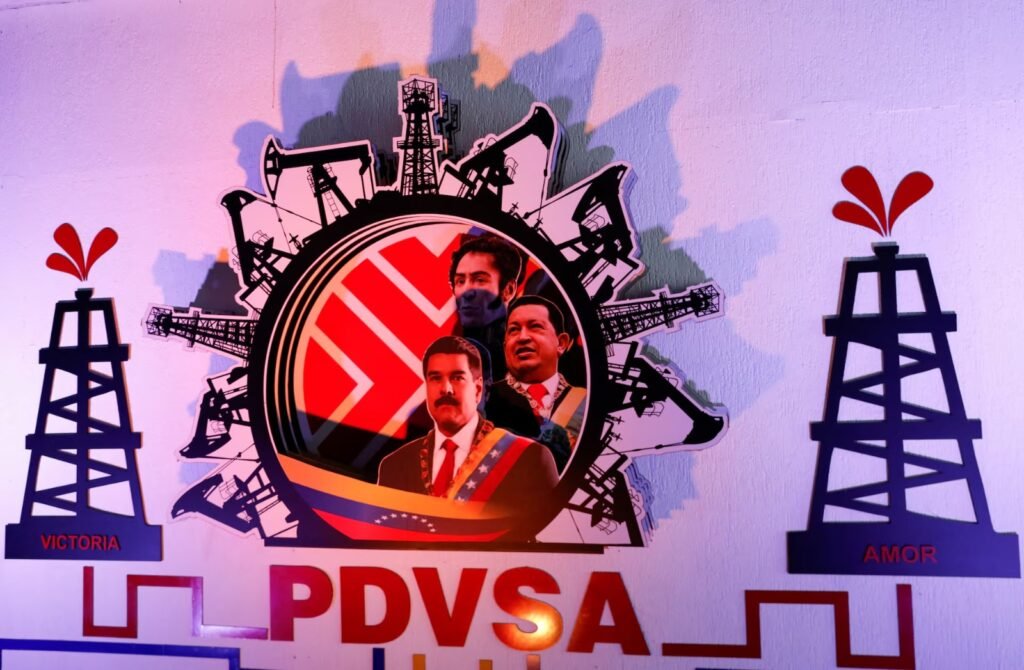
President Donald Trump hosted executives from major oil companies including Exxon Mobil, Chevron, and ConocoPhillips at the White House, urging them to commit at least $100 billion to rebuild Venezuela’s dilapidated energy infrastructure following the U.S. military’s seizure of former leader Nicolás Maduro on January 3. Trump promised U.S. guarantees for security and quick returns, emphasizing opportunities to boost production from the country’s vast reserves—the world’s largest—while aiming to lower global energy prices. The meeting comes as the administration enforces an oil embargo through tanker seizures and plans to market Venezuelan crude, with proceeds held in U.S.-controlled accounts. Opportunities and Administration Incentives Trump highlighted the potential for unprecedented production growth, with Energy Secretary Chris Wright noting the “real possibility” of funding through the U.S. Export-Import Bank. Chevron, the only major U.S. operator still active, is competing with traders like Vitol and Trafigura for licenses to market existing crude. Smaller independents expressed eagerness to invest, while the administration offered protections and profit-sharing arrangements benefiting Venezuela, the U.S., and companies. Risks and Corporate Hesitation Despite the pitch, major players remain cautious. Exxon Mobil’s CEO Darren Woods called Venezuela “uninvestable” currently due to past asset seizures, and both Exxon and ConocoPhillips are hesitant about large commitments amid political instability. Investors worry about high costs, history of nationalizations, and uncertainty in the post-Maduro transition. Analysts note that while smaller firms are enthusiastic, the big majors with the deepest pockets are moving slowly, prioritizing stability guarantees.

Maduro Pleads Not Guilty, Calls Capture 'Kidnapping' as Trump Vows to Run Venezuela
World

Maduro Pleads Not Guilty, Calls Capture ‘Kidnapping’ as Trump Vows to Run Venezuela

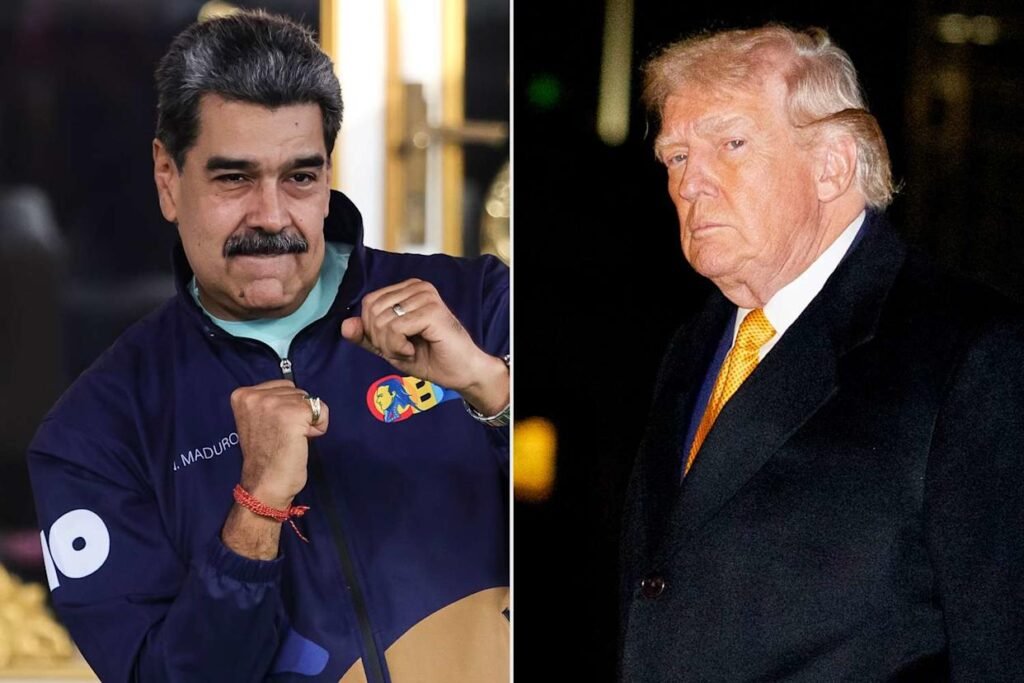
On January 5, 2026, deposed Venezuelan President Nicolás Maduro and his wife Cilia Flores appeared in a Manhattan federal court, pleading not guilty to serious narcotics charges including narco-terrorism, cocaine importation conspiracy, and weapons offenses. Shackled and in prison garb, Maduro defiantly proclaimed his innocence, stating, “I am innocent. I am not guilty. I am a decent man. I am still president of my country.” He described the US operation as a “kidnapping,” setting the stage for complex legal battles over the legitimacy of his capture during a US military raid on January 3. Trump’s Vision for Venezuela President Donald Trump defended the operation, insisting the US is “at war with drug traffickers, not Venezuela.” He emphasized the need to “fix the country first” before any elections, dismissing quick voting timelines as unrealistic. Trump outlined plans for American oil companies to rebuild Venezuela’s infrastructure, potentially with US subsidies, within 18 months. White House officials, including Deputy Chief of Staff Stephen Miller, asserted that “the United States of America is running Venezuela,” leveraging an oil embargo to dictate terms. In Caracas, Vice President Delcy Rodríguez was sworn in as interim leader, maintaining continuity in Maduro’s government without direct confrontation against the US. US intelligence reportedly views her as capable of preserving order, sidelining opposition figures like María Corina Machado.The raid has sparked global outrage, with Russia, China, and others condemning it at the UN Security Council as a violation of sovereignty and a dangerous precedent. Domestic critics, including Senate Democratic Leader Chuck Schumer, called US plans “vague and based on wishful thinking.” Trump hinted at further strikes if cooperation falters, raising fears of escalation.As litigation looms and Venezuela faces uncertainty, the incident tests international law and US foreign policy boundaries.

350+ US Drug Prices to Increase in 2026 Defying Trump Administration Efforts
World

350+ US Drug Prices to Increase in 2026 Defying Trump Administration Efforts

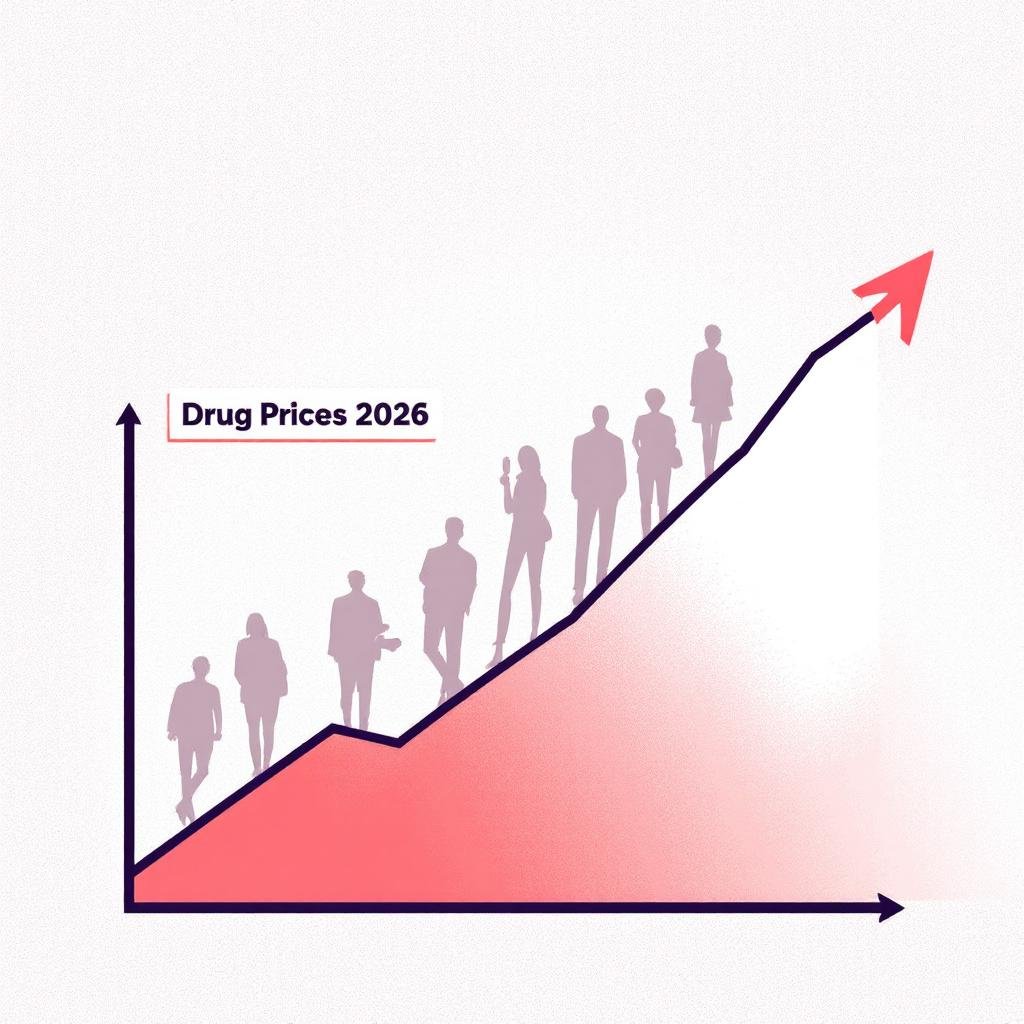
In a sign of resilience against regulatory pressure, pharmaceutical companies intend to hike list prices on over 350 branded drugs for 2026, per 3 Axis Advisors data released December 31, 2025. Affected products span vaccines (COVID, RSV, shingles) and treatments like Pfizer’s Ibrance cancer drug. The median hike remains at about 4%, with most under 10%. Pfizer accounts for roughly 80 adjustments, including on hospital drugs and Paxlovid, while GSK targets 20 items up to 8.9%. This exceeds last year’s preliminary count of over 250, though overall increases have moderated from past decades due to criticism and Medicare inflation penalties. Read More: https://theboardroompk.com/us-pakistan-partnership-2025-marks-a-transformational-year/ Administration’s Push Meets Industry Resistance The moves defy Trump administration initiatives, including pricing agreements with major firms to reduce costs for select programs and direct sales. Companies like Pfizer and GSK justify increases as essential for R&D investment and offsetting business expenses. Analysts note U.S. patients bear disproportionately high costs compared to global peers, with deals offering limited relief. Researcher Dr. Benjamin Rome described them as insufficient for systemic change. As January approaches—traditionally peak for announcements—the episode underscores challenges in curbing drug pricing amid innovation incentives and political promises.

Scroll to Top